REVIEW · ANTIGUA GUATEMALA
Antigua Half-Day Lost Cities of the Almolonga Bike Tour
Book on GetYourGuide →Operated by Old Town Outfitters · Bookable on GetYourGuide
Volcano country on two wheels beats a bus. I love the Almolonga Valley ruins and the real history lesson behind them, and I love the stop at Lorenzo’s macadamia farm at Valhalla. The one catch: the ride can include stony, rough track, so it helps if you’re comfortable riding carefully.
This is a 4-hour half-day tour that gets you out of Antigua and into the countryside west of town. Guides like Diana, Joel, Willy, and Rudi tend to explain the area clearly and keep you feeling safe, even if you bike only occasionally.
In This Review
- Quick hits before you pedal
- Price and logistics: what you actually get for $55
- Leaving Antigua fast: the first goal of the ride
- The Almolonga Valley and Ciudad Vieja: why this ride has meaning
- The 1541 mudslide story and the debate over where Ciudad Vieja truly was
- Village stops: Santiago Zamora and San Antonio Aguas Calientes
- Valhalla macadamias with Lorenzo’s experimental farm
- The ride itself: beginner-friendly, but don’t ignore the stony parts
- What to bring (and what not to bring)
- How long you’ll be out, and how the flow feels
- Who should book this bike tour from Antigua
- Should you book this Antigua Half-Day Lost Cities of the Almolonga Bike Tour?
- FAQ
- Where is the meeting point and what time does the tour start?
- How long is the Antigua Half-Day Lost Cities bike tour?
- Is this bike tour suitable for beginners?
- What’s included in the $55 price?
- What should I bring with me?
- Is sunscreen included?
- Do I need to bring my own camera or buff?
- Are pets allowed?
- Are entrance fees included?
- What are the cancellation and booking options?
Quick hits before you pedal
- Beginner-to-intermediate friendly pacing for mountain biking near Antigua
- Ciudad Vieja stories tied to the 1541 mudslide from Agua Volcano
- Village time in Santiago Zamora and San Antonio Aguas Calientes
- Valhalla macadamia farm stop connected to Lorenzo’s experimental growing work
- Included gear and admissions, plus a bike-mounted water bottle you keep
- Expect some stony road conditions, which can slow things down
Price and logistics: what you actually get for $55
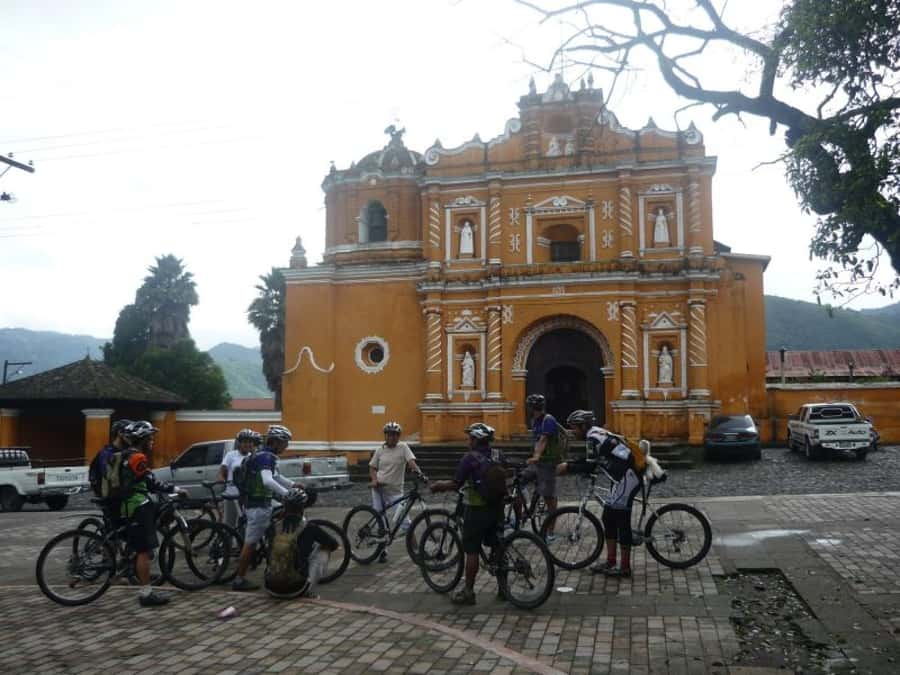
At $55 per person for a half-day, this tour is priced like an all-in experience, not just a bike rental. You get the mountain bike, helmet, and bicycle gloves, plus a bike-mounted water bottle (yours to keep). Entrance fees for the areas you visit are also included, which quietly adds value when you’re paying admission on top of a guided activity.
You’ll start in Antigua at Old Town Outfitters. The meeting point is at 9:00, one block south of Central Park on the corner of 5th Avenue and 6th Calle, address 5a. Avenida Sur #12. The shop is open daily from 8:00 to 18:00, so you can pick up basic ride items or snacks before you roll.
This ride runs with a live guide in Spanish and English, which matters if you want the history to make sense instead of feeling like a checklist of stops. Expect a group format, but the big thing is that the tour is built for comfort: it’s suitable for beginners and intermediate bike riders.
A small practical note: you cannot bring pets, and luggage or large bags aren’t allowed. That’s smart for biking, but it does mean you’ll want to travel light.
Leaving Antigua fast: the first goal of the ride
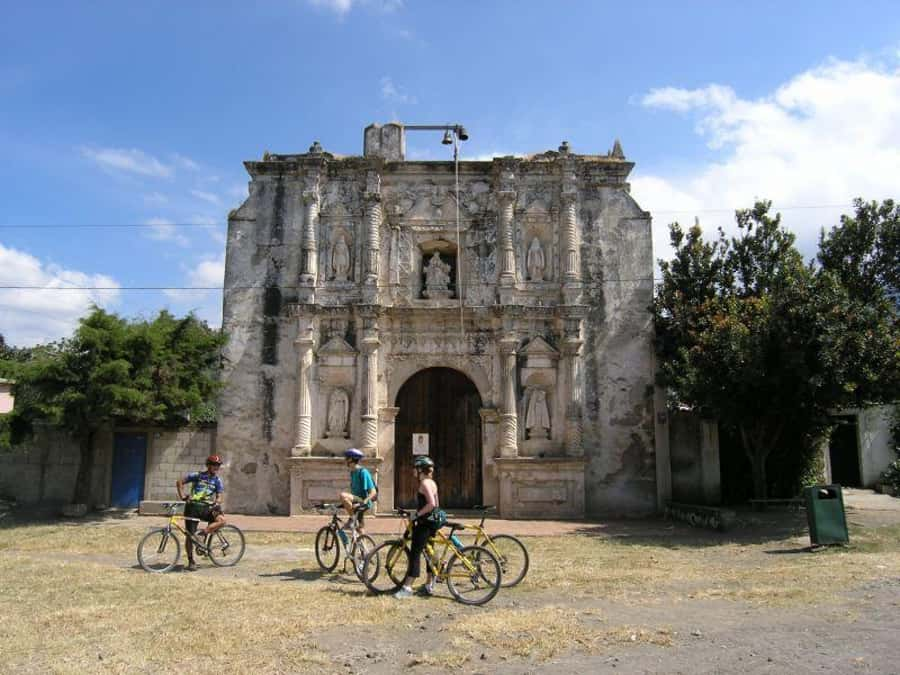
I like that this tour is designed to get you out of the city quickly and keep you moving. You start at Antigua, then ride into the surrounding countryside west of town. That shift—from streets you know to open valley views—hits early, and it’s part of why the tour feels like more than a short outing.
The timing also helps. With a 4-hour window, you don’t lose half the day to travel. You get enough time to cover real ground and still enjoy stops where you can slow down, look around, and listen.
If you’re the type who likes photos but also likes context, you’ll probably appreciate this setup. The “why” is built into the ride: as you travel outward, the guide connects what you see now to what used to exist here.
The Almolonga Valley and Ciudad Vieja: why this ride has meaning
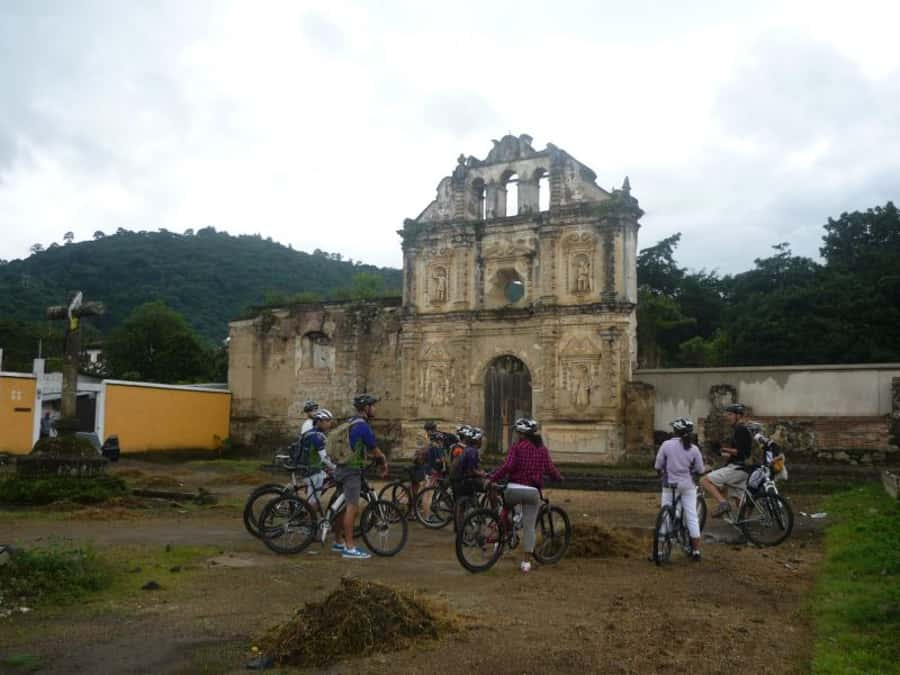
The heart of this tour is the journey to the Almolonga Valley, west of Antigua. This area is tied to the former second capital of Guatemala, Ciudad Vieja, which is where the history becomes the main character.
As you pedal deeper into the valley, the guide frames the day as a fade from city life into country life. That’s not just poetic. It’s useful, because you’re learning about a place that vanished into the landscape—literally covered by the events of the 1500s—so your route helps you imagine how the region functioned long before Antigua was the obvious hub.
The guide also explains the backstory of the city’s end: in 1541, a devastating mudslide—triggered by activity linked to the Agua Volcano—released enough damage to change everything. The city disappeared into the valley between Agua, Fuego, and Acatenango volcanoes. Even if you’ve heard a version of this before, the bike-and-valley setting makes the story feel closer to real geography.
The 1541 mudslide story and the debate over where Ciudad Vieja truly was
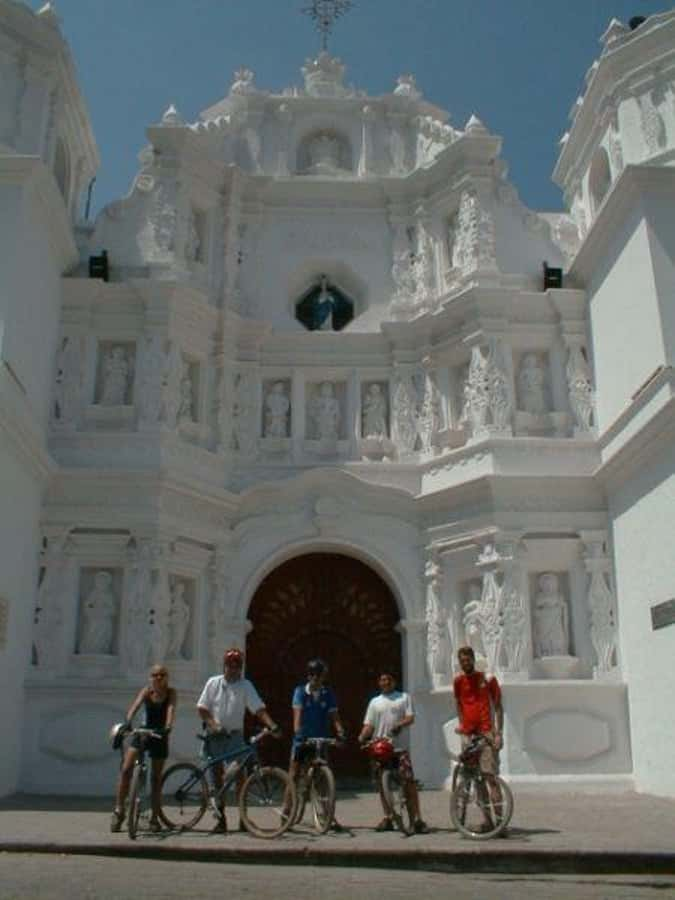
One of the most interesting parts of the day is hearing the ongoing discussion about where Ciudad Vieja’s exact location was. The tour doesn’t treat this as a finished fact. Instead, it explains that people keep trying to pinpoint the precise spot, and the debate continues because the evidence is messy and the valley has changed over centuries.
This matters because it teaches you how history works in places like this. You’re not just getting dates. You’re getting a sense of how researchers and locals interpret clues—ruins, terrain, and the way major natural events re-shape what you can see.
And you do get to see ruins connected to the former capital. You’re seeing the results of that 1541 turning point, which makes the lecture feel grounded. If you enjoy historical context but get bored by long museum talks, this is a good middle ground: motion outside, story built around what you’re approaching.
A realistic expectation: because you’re riding and stopping outdoors, your viewing time isn’t the same as a dedicated ruin site day. You’re there long enough to understand the significance, not long enough to exhaust every question.
Village stops: Santiago Zamora and San Antonio Aguas Calientes
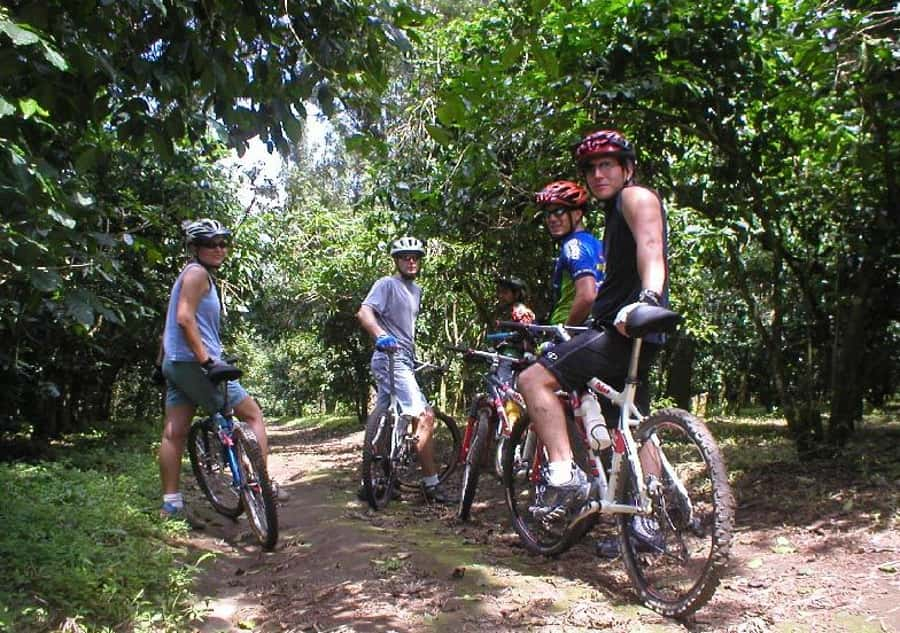
After the big history focus, the tour shifts to everyday human scale. You visit the villages of Santiago Zamora and San Antonio Aguas Calientes, where the rhythm of life looks different from central Antigua.
I like this part because it keeps the day balanced. The Ciudad Vieja story is heavy—natural disaster, city erased, location debated—so it helps to spend time in communities where people live with the valley and volcano setting every day.
You’ll also get a sense of the countryside that makes the Almolonga Valley feel like it has layers. The contrast is the point: you’re seeing both how the past left marks and how the region supports real life now.
Valhalla macadamias with Lorenzo’s experimental farm
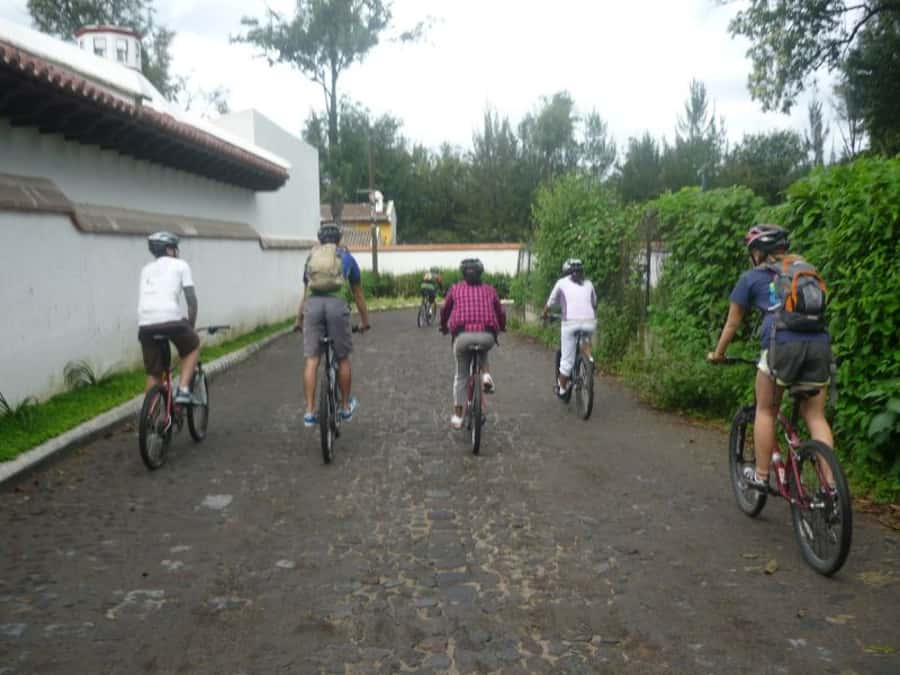
The stop at the macadamia farm at Valhalla is a great change of pace. This is where the day turns practical and current: instead of only looking backward at ruins, you’re looking at how people work with land today.
The tour highlights Lorenzo’s experimental macadamia farm, which adds a nice twist. It’s not just a casual roadside snack stop—it’s a place where agriculture is being tested and grown with intent. Even if you don’t know the first thing about macadamias, you’ll likely enjoy learning how something as specific as a crop can connect to a valley’s climate and farming tradition.
This is also a smart emotional break in the schedule. By the time you reach the farm, you’ve already done the main “story ride.” The farm stop lets you reset, ask questions, and enjoy a calmer moment before you ride on.
The ride itself: beginner-friendly, but don’t ignore the stony parts
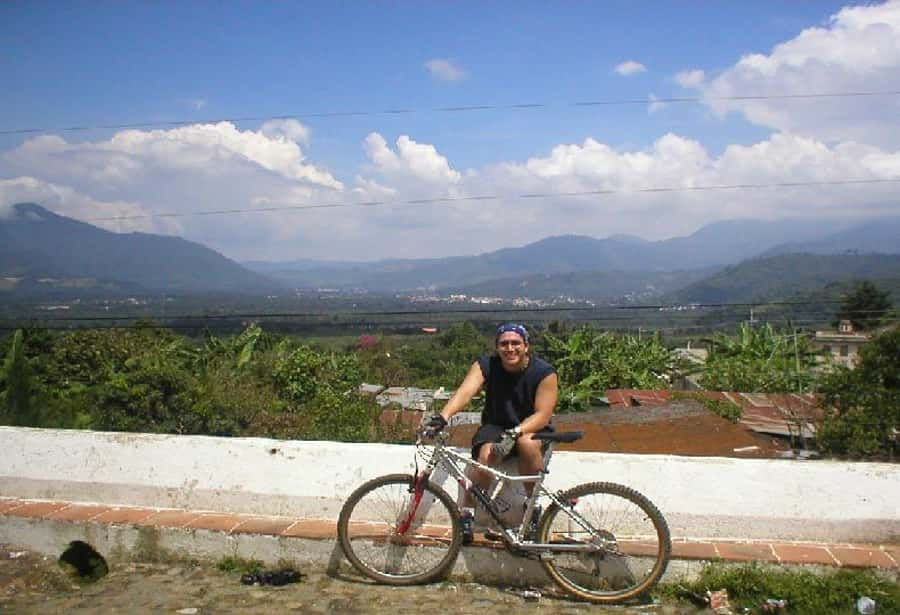
This tour is marketed as suitable for beginners and intermediate riders, and that’s believable based on how the guides describe their approach. Guides such as Diana, Joel, Willy, and Rudi are known for being patient and for keeping people comfortable if biking isn’t your whole personality.
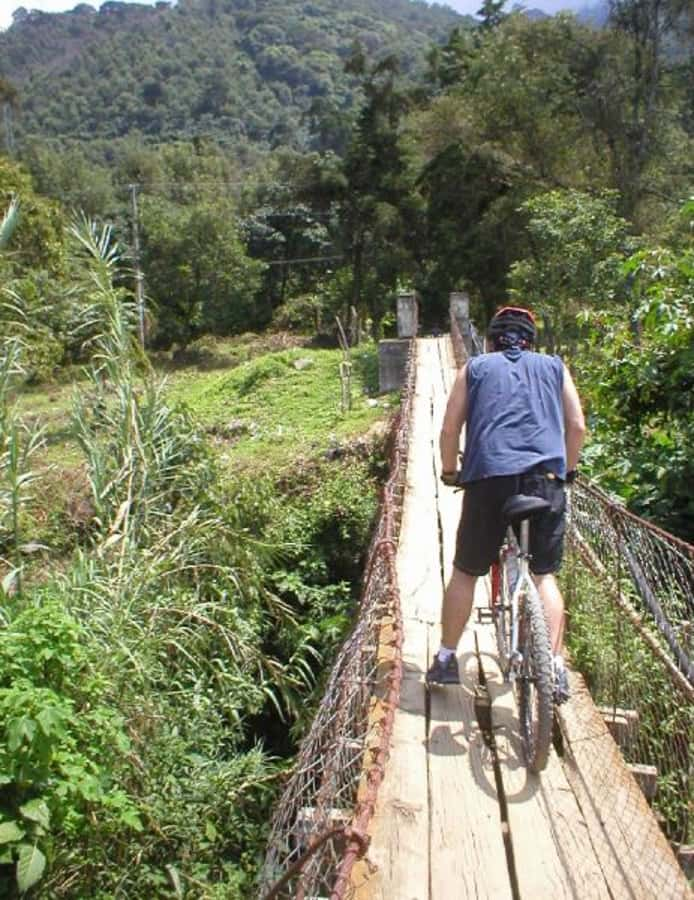
Still, I want to be straight with you about what can slow you down. One recurring note is that road conditions can be very stoney, making the track feel more difficult than you’d expect. That doesn’t mean it’s extreme mountain biking, but it does mean you should ride with care, take corners thoughtfully, and avoid treating every surface like smooth pavement.
If you’ve only ridden on flat trails, this is the kind of “test” that builds confidence quickly—because your guide is there to keep the group moving and help you handle the rougher sections.
Comfort tips you can actually use from the provided info:
- Bring sunglasses and a sun hat. The sun can be strong when you’re outside riding.
- Use sunscreen, since it isn’t provided.
- The tour gives you a helmet and bicycle gloves, and the water bottle is mounted for you. The goal is less fiddling, more riding.
What to bring (and what not to bring)
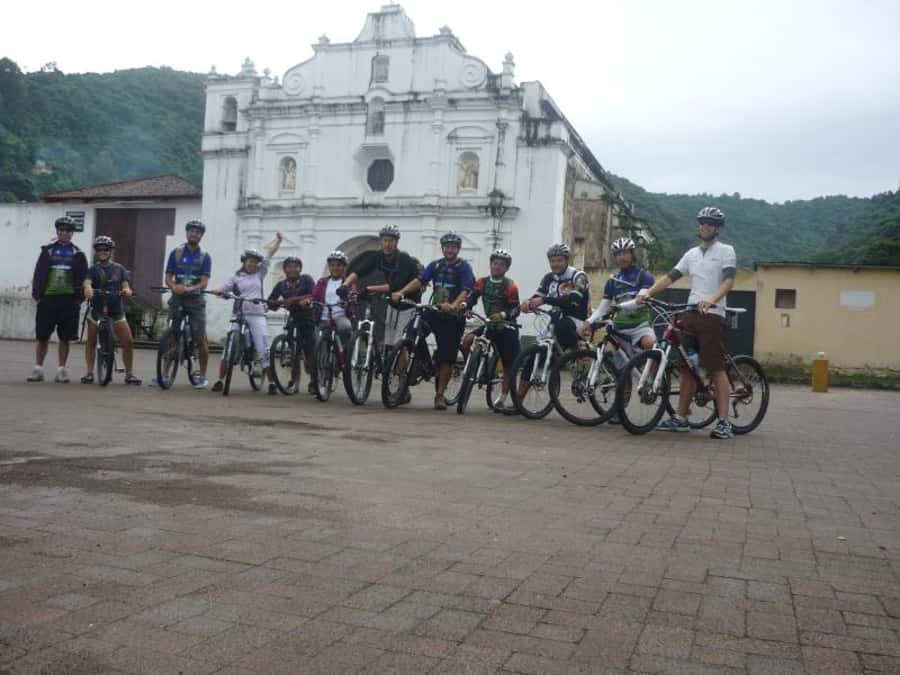
The tour’s list is short, which is good. You’ll want:
- Sunglasses
- Sun hat
- Sunscreen
The tour does not include:
- Sunscreen
- Camera (bring your own if you want photos)
- Buff
- Small backpack
That last line is worth planning around. Since luggage or large bags aren’t allowed, think small and simple. If you like having a place for your essentials, bring a small bag that fits the “no large bags” rule.
Also, remember the tour gives you a bike-mounted water bottle. You’re not hunting for water mid-ride, which makes it easier to stay focused on the experience.
How long you’ll be out, and how the flow feels
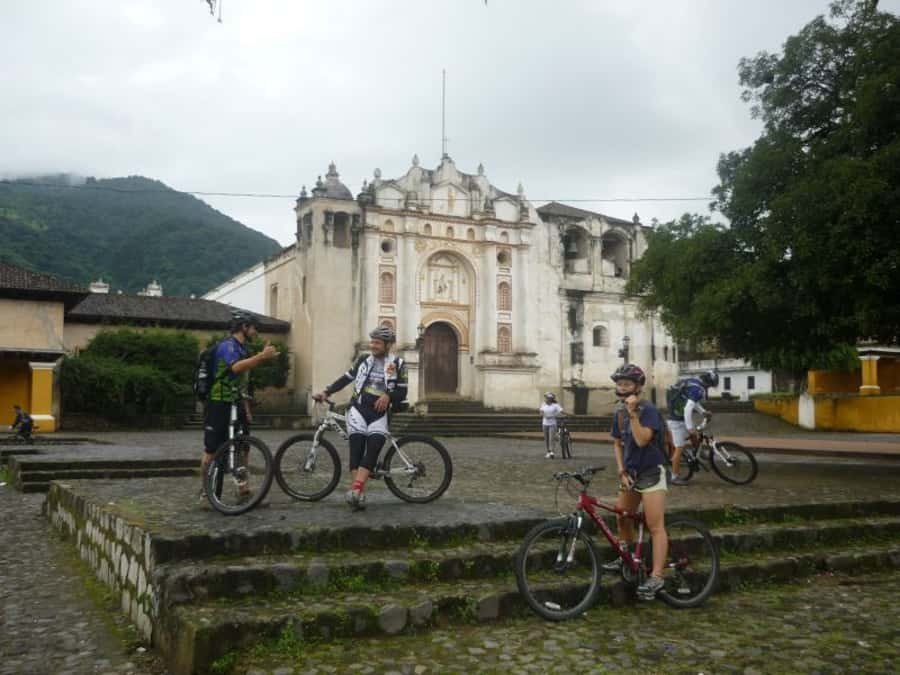
You’re out for 4 hours, which is a sweet spot for a half-day active tour. You’ll start at 9:00, and the day is paced to combine riding with several meaningful stops: history-focused ruins, two village visits, and the macadamia farm stop.
The overall rhythm is educational without feeling like a lecture marathon. The best moments come when the guide ties together what you’re seeing with why it matters—Ciudad Vieja’s disappearance, the 1541 mudslide, and the continued search for the city’s exact location, then the switch to what people do with the land now.
And because it’s a bike tour, the scenery changes while you’re still listening. That’s a big advantage over tours that sit you in one place and rotate talking points.
Who should book this bike tour from Antigua
I think this tour is a strong fit if you want:
- A break from Antigua that still feels structured and meaningful
- A guided history experience tied to real geography
- A moderate outdoor activity in a short time window
- A tour where guides like Diana, Joel, Willy, and Rudi are praised for patience and clear explanations
It’s probably not your best choice if:
- You’re unwilling to handle rougher, stony surfaces
- You need a ride that feels like fully smooth trails
- You’re traveling with pets or you don’t want to deal with the no-luggage/large-bags rule
Should you book this Antigua Half-Day Lost Cities of the Almolonga Bike Tour?
If you want your Antigua trip to feel like more than postcards, I’d book it. The value is real: for $55, you get a bike and safety gear, water support you don’t have to plan, and entrance fees handled for you. More than that, you get a story that connects volcano history, a lost second capital, and today’s village life—plus a farm stop that keeps the day from turning one-note.
My main decision point is the stony ride factor. If you can ride carefully and you’re okay with slower sections on rough ground, you’ll likely feel like this was one of the most memorable ways to see beyond Antigua.
FAQ
Where is the meeting point and what time does the tour start?
The group meets at Old Town Outfitters at 9:00. It’s located 1 block south of Central Park at the corner of 5th Avenue and 6th Calle, address 5a. Avenida Sur #12, Antigua, Guatemala.
How long is the Antigua Half-Day Lost Cities bike tour?
The duration is 4 hours.
Is this bike tour suitable for beginners?
Yes, it’s described as suitable for beginners and intermediate bike riders.
What’s included in the $55 price?
Included items are the mountain bike, bicycle helmet, bicycle gloves, a bike-mounted water bottle (yours to keep), and all entrance fees to areas visited.
What should I bring with me?
You should bring sunglasses, a sun hat, and sunscreen.
Is sunscreen included?
No, sunscreen is not included.
Do I need to bring my own camera or buff?
The tour does not include a camera or a Buff.
Are pets allowed?
No, pets are not allowed.
Are entrance fees included?
Yes, entrance fees to all areas visited during the tour are included.
What are the cancellation and booking options?
You can cancel up to 24 hours in advance for a full refund. You can also reserve now and pay later to keep plans flexible.