REVIEW · DELODSEMA TRADITIONAL VILLAGE
Bali: Kintamani Downhill Bike Tour, Jungle and Waterfalls
Book on GetYourGuide →Operated by Balitouractivity · Bookable on GetYourGuide
A downhill bike day in Bali beats most sightseeing.
From Kintamani’s famous Mount Batur views down to the quiet village of Taro, this tour mixes easy downhill riding with real cultural stops, so you see Bali beyond Ubud’s main roads. You start high in the highlands, roll past rice fields and villages, and end with lunch in nature.
I especially like the way the route threads together nature and daily Balinese life: bamboo and jungle trails, plus a local family compound where you can actually see traditional home layouts and routines. I also like that lunch is not an afterthought, with fresh coconut water and a Balinese meal in a calm setting in Taro. One thing to consider: it’s not for people who can’t ride a bike, and even though it’s downhill, you’ll still want basic comfort on two wheels.
In This Review
- Key highlights you’ll feel during the day
- Kintamani to Taro: why this downhill route works
- Getting there: Ubud pickup, Kintamani views, then on the bike
- What riding is actually like: downhill comfort, village pace
- Coffee plantation stop: tasting, learning, and smelling the real Bali
- Bamboo forests and jungle trails: the quiet part of the ride
- Sacred white cows: a stop with meaning, not just a photo op
- A local family compound: architecture, routines, and how space works
- Village life and artisan work: fruits, farms, and human scale
- Lunch in Taro: coconut water and a Balinese meal in rice-country
- Optional fireflies: a twilight add-on if you book the afternoon
- Price and value: what $33 includes (and why it matters)
- Who this tour fits best (and who should skip it)
- Practical tips that make the day smoother
- Should you book this Kintamani downhill bike tour?
- FAQ
- Is pickup available?
- How much does the tour cost?
- What’s included in the price?
- Do I need to bring a bike or helmet?
- Where does the ride start and where does it end?
- What kind of riding level is it?
- What stops are part of the tour?
- Is there an option for fireflies?
- What should I bring?
- Is there anything I can’t bring or do?
- What’s the cancellation window?
Key highlights you’ll feel during the day
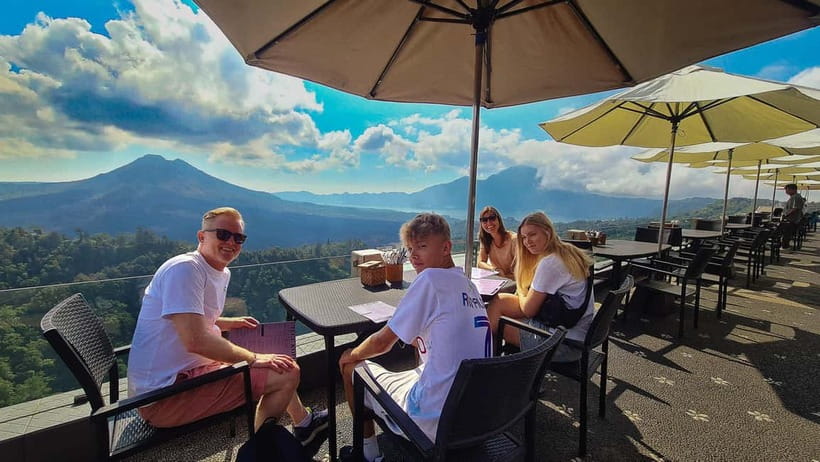
- Mount Batur start with crater-lake and black lava views before you ride
- Coffee plantation + tastings plus herbal teas, with a clear look at how local coffee is made
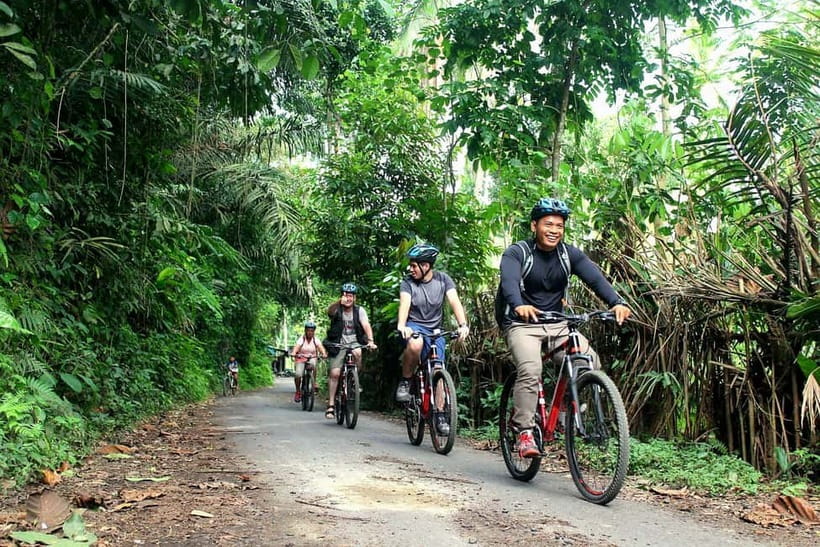
- Bamboo forest and jungle trails where the ride gets quiet and green
- Holy white cow conservation area to understand the role of these sacred animals
- Local family compound showing traditional Balinese architecture and daily ritual space
- Taro lunch in rice-country, finished with fresh coconut water
Kintamani to Taro: why this downhill route works
This is a downhill ride with a purpose. You aren’t just getting exercise or chasing photos—you’re moving through the same patchwork of Bali that locals live in: coffee-growing areas, temple villages, and rice fields shaped by water and seasons.
The best part is pacing. Even without a hard grind, the scenery changes often: one moment it’s highland views and volcanic terrain, the next it’s cooler jungle shade and small roads lined with gardens and temple details. The tour also keeps you from feeling like you’re passing everything too fast by building in stops where the guide explains what you’re seeing.
And you get that “small” Bali feeling. The day includes quiet village lanes that don’t scream tourist route.
Getting there: Ubud pickup, Kintamani views, then on the bike
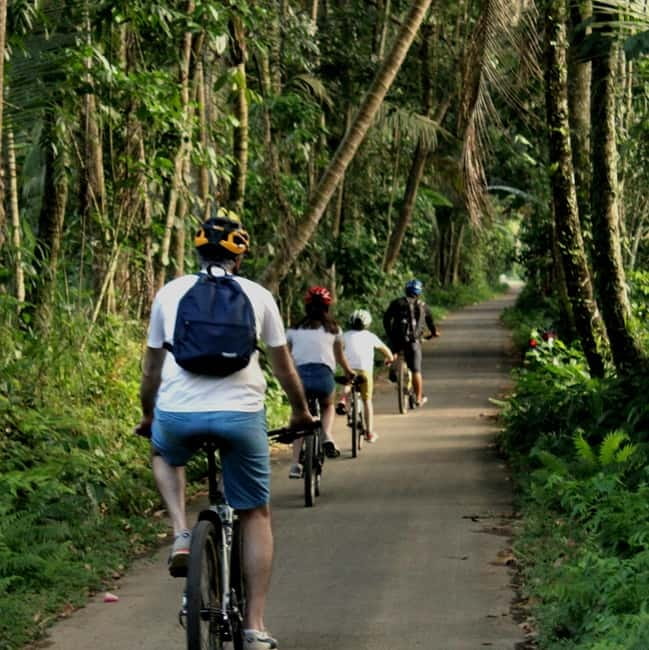
Your day typically starts with free pickup and drop-off in the Ubud area (and the tour can arrange pickup from other areas in Bali for an extra cost—so plan for that if you’re staying outside Ubud).
From there, you drive to Kintamani, where Mount Batur and the crater lake are the headline. There’s even an optional stop at a local restaurant near the volcano for panoramic photos, before you continue to the bike starting point. That restaurant option matters because it gives you a moment to orient yourself: you can look down at the terrain you’ll soon ride through.
The tour includes an entrance ticket to Kintamani, and then you switch from “viewing mode” to “riding mode” with a safety briefing from your local guide and a well-maintained mountain bike plus a helmet.
What riding is actually like: downhill comfort, village pace
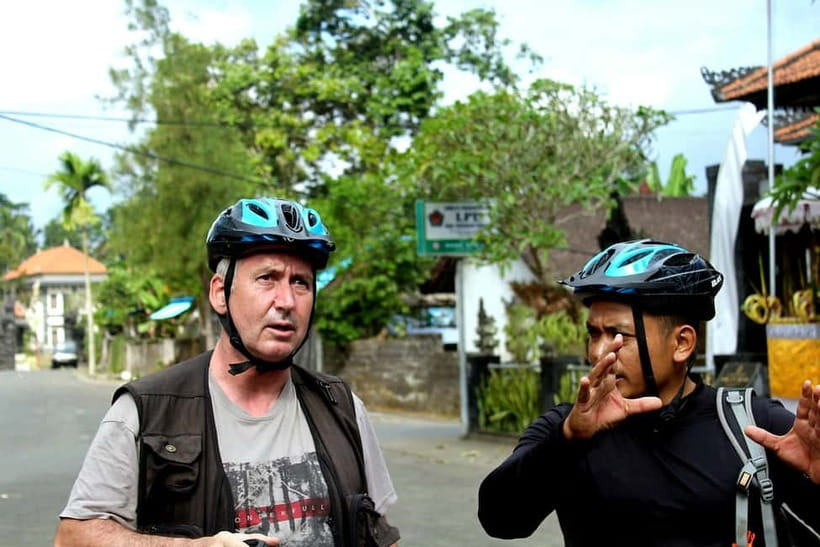
Downhill sounds effortless, but it still helps to ride confidently on rural roads. The good news: the tour is designed for most fitness levels and described as suitable for all fitness levels. Still, you should be comfortable biking for a few stretches and staying alert when the road narrows.
What makes this ride feel manageable is the tempo. It’s not framed as a race. You’re rolling through quiet rural roads, which means less traffic pressure and more time to enjoy small details—rice plots, roadside temples, and locals moving through everyday tasks.
A small practical note: one guide and bike related tip comes up in the feedback—some bikes can rub hands after a while. If you want extra comfort, consider thin padded gloves. It’s a simple upgrade that can make the ride feel better from start to finish.
Coffee plantation stop: tasting, learning, and smelling the real Bali
At some point you’ll swing through a coffee plantation area for a tasting. You’ll get the chance to sample local coffees and herbal teas, and you’ll learn how traditional Balinese coffee is made.
This stop is more than a sugar-and-souvenir moment. Coffee culture in Bali is tied to land use—what grows where, how it’s processed, and why certain crops matter to families. Even if you don’t end up buying anything, the tasting helps you connect the greenery you’re riding through with something tangible.
Bamboo forests and jungle trails: the quiet part of the ride
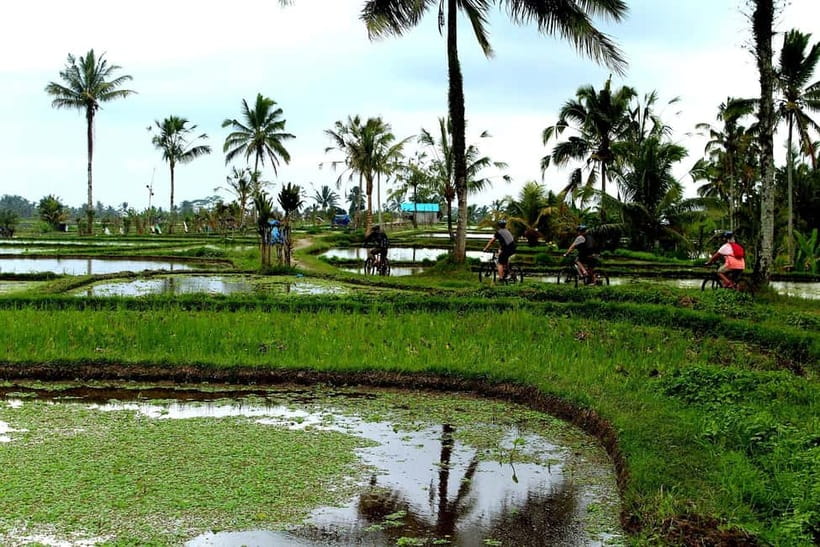
This is where the day slows down in a good way. You bike through bamboo forests and green trails where the air feels different and the sound changes—less road noise, more birds and wind through leaves.
In practical terms, jungle shade can also be a relief. Bali sun can be strong, and this segment gives you a natural break from glare. Bring insect repellent because you’re in a greener environment, and wear comfortable clothes you don’t mind getting a little dusty.
Sacred white cows: a stop with meaning, not just a photo op
A standout cultural stop is the Holy White Cow Conservation Area. These sacred white cows are part of Balinese Hindu rituals, and your guide explains their significance.
This is one of those moments where you should resist turning it into a quick picture only. If you can, ask your guide how the cows fit into ritual life. Even basic context makes the stop feel less like a roadside attraction and more like a window into how belief shows up in daily living.
A local family compound: architecture, routines, and how space works
One of the most memorable parts of the day is the visit to a local family compound. You’ll see a traditional Balinese home and learn about the layout, architecture, and daily rituals of village life.
This stop can be eye-opening because Balinese homes aren’t just “houses.” They’re structured living spaces shaped by spiritual and family rhythms. You’ll likely notice how the compound is organized and why certain areas matter.
In the feedback you’ll see different guide names praised, including Komang Oyik and Made for being friendly and teaching with clarity. That matters here, because your understanding depends a lot on how clearly the guide connects the visible parts (buildings and courtyards) to the cultural routines happening inside them.
Village life and artisan work: fruits, farms, and human scale
After the family compound, the tour shifts toward village life and artisan work. You may have the chance to interact with local artisans, try seasonal fruits, and watch farmers tending their rice fields.
This is a great segment for travelers who dislike “look-but-don’t-touch” tourism. The tour is structured so you’re not just passing through. You get brief, guided moments where you can ask questions and see how work happens on a human scale.
You’ll also start to feel why the ride is downhill. Since you’re physically moving through the countryside, these interactions don’t feel staged—they feel like part of the environment your bike is traveling through.
Lunch in Taro: coconut water and a Balinese meal in rice-country
The tour ends in Taro, one of the oldest settlements on the island. This is where the day’s momentum turns into rest.
You’ll enjoy a Balinese lunch in a beautiful natural setting surrounded by rice fields and jungle views. Before and/or with lunch, the tour includes fresh coconut water, which is a simple but very Bali detail—cooling, refreshing, and perfect after hours outdoors.
If you’re the type who thinks lunch on tours is usually bland, this is one of the safer bets. The included meal is part of the value, not a compromise.
Optional fireflies: a twilight add-on if you book the afternoon
If you choose an afternoon tour, you can add an optional fireflies experience at twilight. The idea is straightforward: you step into a calm natural show as the light fades.
The big benefit here is atmosphere. Your day already blends culture and nature, and the fireflies extension gives you a gentle way to end—more quiet wonder than another rushed stop.
Price and value: what $33 includes (and why it matters)
At about $33 per person, this tour prices itself as a practical Bali day, not a luxury production. The value comes from a few concrete inclusions:
- Pickup and drop-off in Ubud area (so you’re not paying for separate transport inside your day)
- Bike and helmet (you don’t have to bring equipment)
- Guide with cultural context
- Kintamani entrance ticket
- Coffee plantation tasting
- Fresh coconut water and Balinese lunch
- Stops that add meaning: white cows, a local family compound, and village-life/artisan time
The only real budget caveat is the transportation situation. If you’re staying outside Ubud, pickup can cost extra. Also expect basic personal expenses on top.
If you want to do more than one “activity” but you’d rather avoid juggling transport, this is a tidy solution. It’s one payment for a full day structure with the important parts already handled.
Who this tour fits best (and who should skip it)
This works best for you if you:
- want a true change of pace from Ubud’s cafés and temples
- like guided cultural context alongside scenic riding
- can ride a bicycle comfortably, even if you’re not an athlete
- prefer small, local-feeling stops over big-ticket attractions
It’s not the right choice if you:
- can’t ride a bike (the tour is specifically not suitable for that)
- hate any amount of outdoor time in sun and insects (bring repellent and plan for the weather)
Because it’s downhill and designed for most fitness levels, it tends to suit a wide range of riders. And depending on the day, it may run with very small numbers—one guide experience described as one-on-one is a clue that you might get personalized attention rather than feeling like a body in a group line.
Practical tips that make the day smoother
A few things I’d pack and prep, based on what the tour asks for:
- Sunscreen and insect repellent (sun + bugs are a real combo out in the countryside)
- Camera (you’ll have views before you ride, plus stops for temple and village detail)
- Comfortable clothes you can move in
- Comfortable shoes that won’t slip
If you’re sensitive to rough bike seats or hand rubbing, consider bike gloves. Feedback also suggests helmets are provided, but gloves aren’t—so adding them yourself is the easy fix.
Should you book this Kintamani downhill bike tour?
I’d book it if you want a Bali day that’s active but not punishing, with cultural stops that explain what you’re seeing instead of just pointing at it. The mix of Mount Batur views, coffee tasting, bamboo jungle riding, a white-cow cultural stop, and a family compound visit is a strong way to feel like you passed through real village life rather than hopping between photo points.
I’d skip it if you’re unwilling to bike at all, or if you expect a purely scenic ride with no cultural learning. This tour rewards curiosity. The guide makes a difference—names like Made, Komang Oyik, and Tonic show up for a reason: people value clear communication and a friendly, attentive vibe.
If you’re in Bali and you want one day that ties together nature plus local rhythm, this downhill route from Kintamani to Taro is a smart pick.
FAQ
Is pickup available?
Yes. The tour offers free pickup and drop-off in the Ubud area. Pickup from other areas in Bali can be arranged for an additional cost.
How much does the tour cost?
The price is listed at $33 per person.
What’s included in the price?
Included are Kintamani entrance, a mountain bike and helmet, a local guide, fresh coconut water, a Balinese lunch, a visit to a local family compound, and cultural insights.
Do I need to bring a bike or helmet?
No. The tour provides a well-maintained mountain bike and a helmet.
Where does the ride start and where does it end?
The ride starts in the Kintamani area and ends in Taro, where you have lunch.
What kind of riding level is it?
It’s downhill and suitable for most fitness levels, but you should be comfortable riding a bicycle.
What stops are part of the tour?
Stops can include a coffee plantation for tasting, bamboo forests and jungle trails, the Holy White Cow Conservation Area, a local family compound, and village life/artisan work, plus lunch in Taro.
Is there an option for fireflies?
Yes, there’s an optional fireflies add-on for afternoon tours at twilight.
What should I bring?
Bring a camera, sunscreen, comfortable clothes, and insect repellent.
Is there anything I can’t bring or do?
Weapons or sharp objects aren’t allowed, and alcohol and drugs aren’t allowed.
What’s the cancellation window?
You can cancel up to 24 hours in advance for a full refund.