REVIEW · CISTERNINO
Cisternino: Guided e-bike tour to winery & oil mill
Book on GetYourGuide →Operated by TOURS PUGLIA · Bookable on GetYourGuide
Pedal past trulli and olive groves. This guided e-bike tour pairs easy electric riding with hands-on stops that explain how grapes turn into wine and olives into extra virgin olive oil. You start in Cisternino, roll out into the Itria Valley countryside, then finish with a rare visit where a winery and an olive mill share the same space.
What I like most is the full guide support—route control, safety help, and a relaxed pace that keeps the ride fun instead of stressful. I also like the variety: narrow Cisternino lanes, a working farm-masseria atmosphere, a chance to step inside a trullo, and then a focused production visit for wine and olive oil. One thing to consider: the winery/olive mill visit and tasting are not included in the base price and are paid locally (€13 per person), so the total spend depends on what you choose on site.
In This Review
- What Makes This Tour Different (and Worth Your Time)
- Key Highlights at a Glance
- First Pedals: Starting in Cisternino’s Narrow Lanes
- Itria Valley on Electric Power: Dry-Stone Walls, Vineyards, and Olive Groves
- What to watch for
- The 18th-Century Masseria Stop: Where Farm Life Feels Unhurried
- Why this stop is valuable
- Trulli Moment: Stepping Inside an Ancient Structure
- The tradeoff
- Martina Franca Donkey: A Gentle Local Symbol
- Winery and Olive Mill Together: How Wine and EVO Oil Are Made
- What’s paid locally
- Wine Tasting with Local Snacks: What You’re Actually Buying
- A practical tip
- E-Bikes, Assistance, and the Pace You’ll Actually Like
- If you need a bike
- Price and Value: Understanding the Real Cost of €55
- Who should consider bringing their own e-bike
- Who This Tour Fits Best (and Who Might Want a Different Day)
- Should You Book This Cisternino E-Bike Winery & Oil Mill Tour?
- FAQ
- How long is the e-bike tour?
- Where does the tour start?
- What’s included in the $55 price?
- Are the winery and olive mill visits included?
- What does the wine tasting include if I pay locally?
- If I don’t have an e-bike, can I rent one on site?
- How many people are in the group?
- What languages is the live guide available in?
- Is there free cancellation?
What Makes This Tour Different (and Worth Your Time)
This is not just a scenic ride, and it’s not just a tasting either. The best part is how the tour connects daily farming life around Cisternino with the production side—so you leave with a clearer picture of why Apulia tastes the way it does. If you want a smooth, small-group way to see real countryside without working too hard, this fits well.
Key Highlights at a Glance
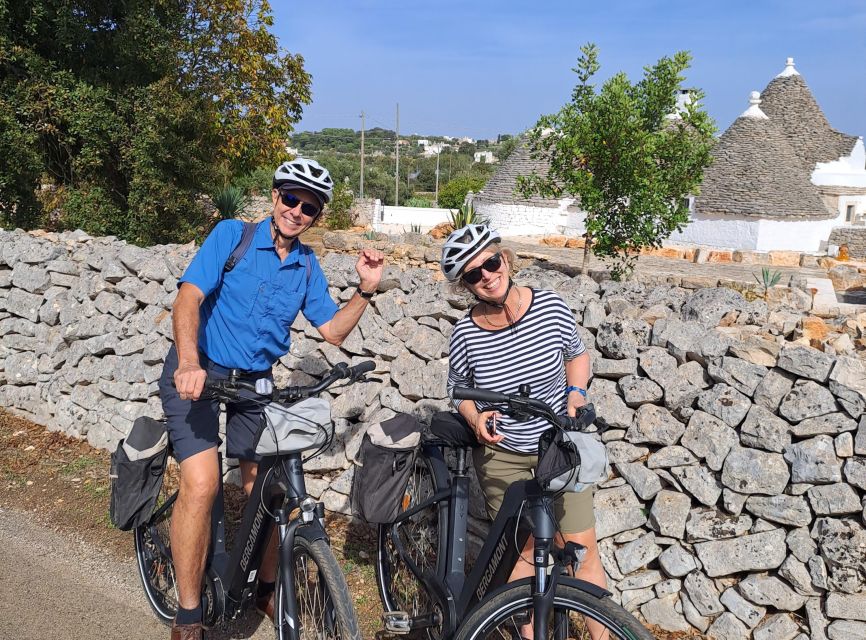
- Small group (max 9) with hands-on guidance and full assistance throughout
- Cisternino lanes + Itria Valley roads that mix town charm with countryside views
- Masseria stop at an 18th-century farm courtyard with animals and a slow, lived-in feel
- Trulli time including a chance to step inside an ancient trullo
- Martina Franca donkey encounter with a gentle local symbol of the area
- Winery + olive mill together for a production-focused look at wine and EVO oil
You can also read our reviews of more tours and experiences in Cisternino.
First Pedals: Starting in Cisternino’s Narrow Lanes
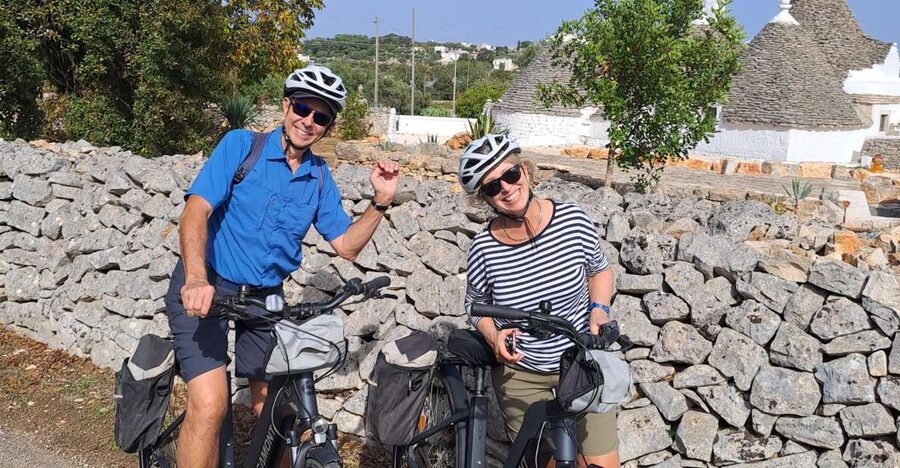
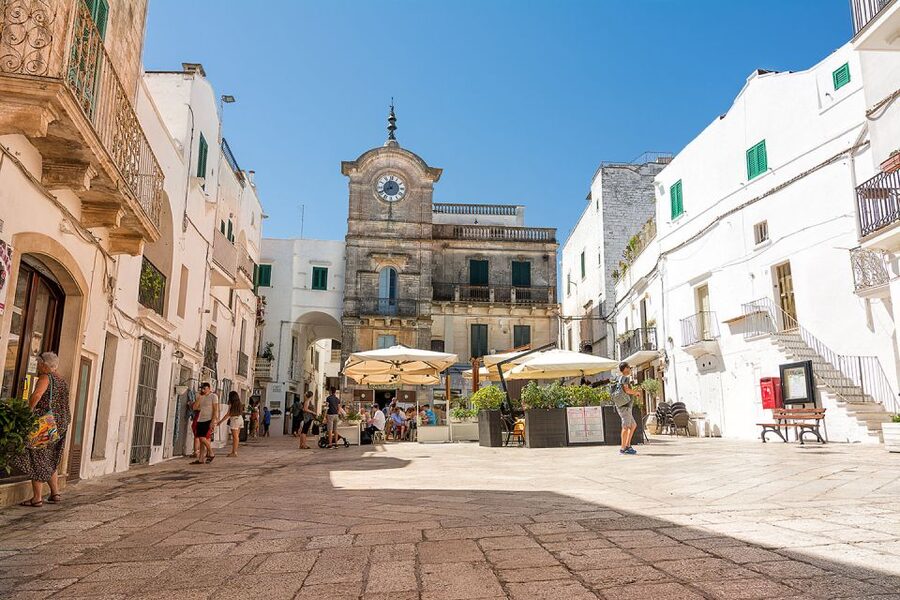
Your tour begins at Parcheggio Stadio in Cisternino. From there, you get a short warm-up through the town’s tight lanes before heading out into open countryside. That first stretch matters because it lets you get comfortable on the e-bike while the guide keeps the group together.
Cisternino itself is a classic Apulia hilltop stop—romantic, compact, and made for wandering. On an e-bike, you still get the charm, but you’re not constantly stopping and starting on foot. It’s an efficient way to see the town’s edges quickly and get to the good views without burning the afternoon.
Itria Valley on Electric Power: Dry-Stone Walls, Vineyards, and Olive Groves
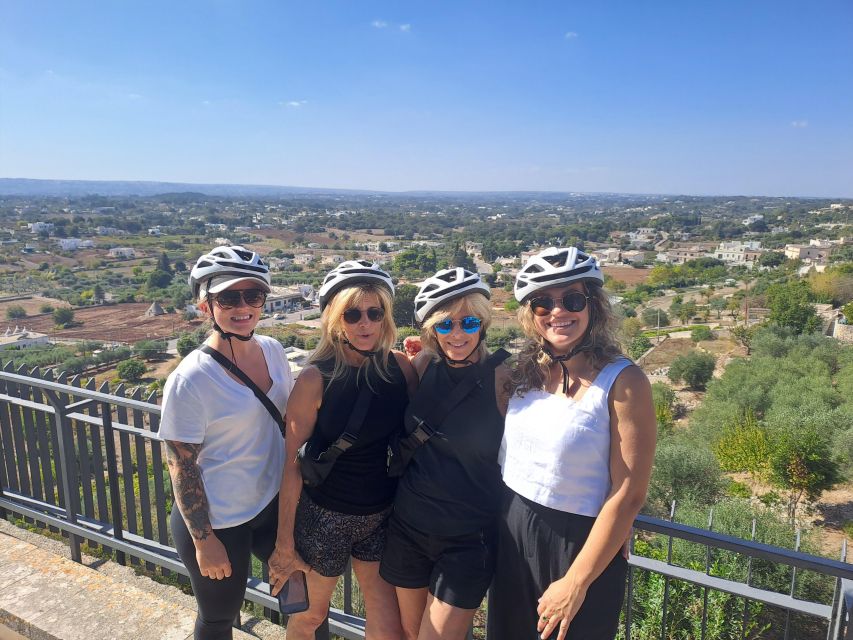
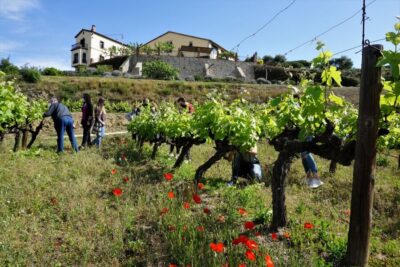
Once you roll out of Cisternino, the tour turns into a countryside loop with quiet roads. You’ll pass familiar Itria Valley sights: dry-stone walls, vineyards, and olive groves. Even if you’re not a cyclist, the electric assist makes it feel more like a long, easy promenade than a workout.
This part of the day is where the tour earns its “guided” label. The guide manages the route and pacing, so you’re not stressed about where to turn or how long you’ll be riding. And because it’s a small group, you’re more likely to have time for short photo stops and questions.
What to watch for
The ride includes both town lanes and countryside roads, so bring sensible shoes. If you’re traveling in hot weather, plan to hydrate early—there’s a water bottle included, but you’ll still want to drink during the ride.
The 18th-Century Masseria Stop: Where Farm Life Feels Unhurried
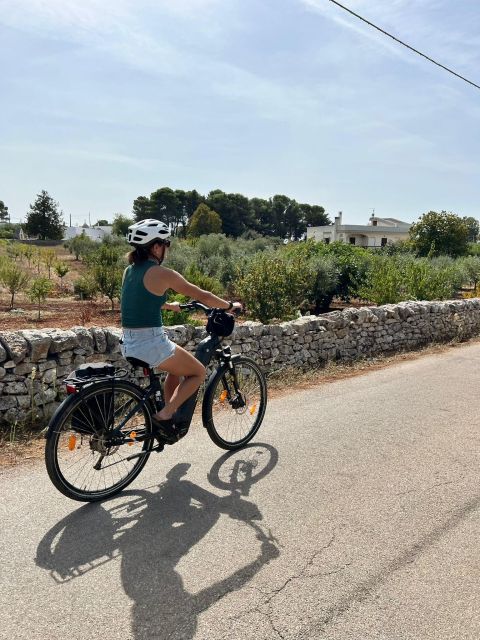
One major stop is a historic masseria dating to the 18th century. The courtyard setting feels like time slows down: the farm produces cow’s and goat’s milk, and you may see animals roaming around freely, including peacocks. It’s not a museum vibe—you’re stepping into a living farming space.
There’s also a local tradition attached to this place: one of Italy’s kings is said to have spent a night here. Even if the exact story is more folklore than fact-checkable history, it helps you understand how important these farm properties were. They weren’t just farmland; they were community hubs and long-term homesteads.
Why this stop is valuable
You’re getting context that tasting rooms often skip. Seeing animals and hearing how the farm operates makes the later wine and oil explanations easier to grasp. It’s the difference between knowing the steps and actually understanding what’s behind the ingredients.
Trulli Moment: Stepping Inside an Ancient Structure
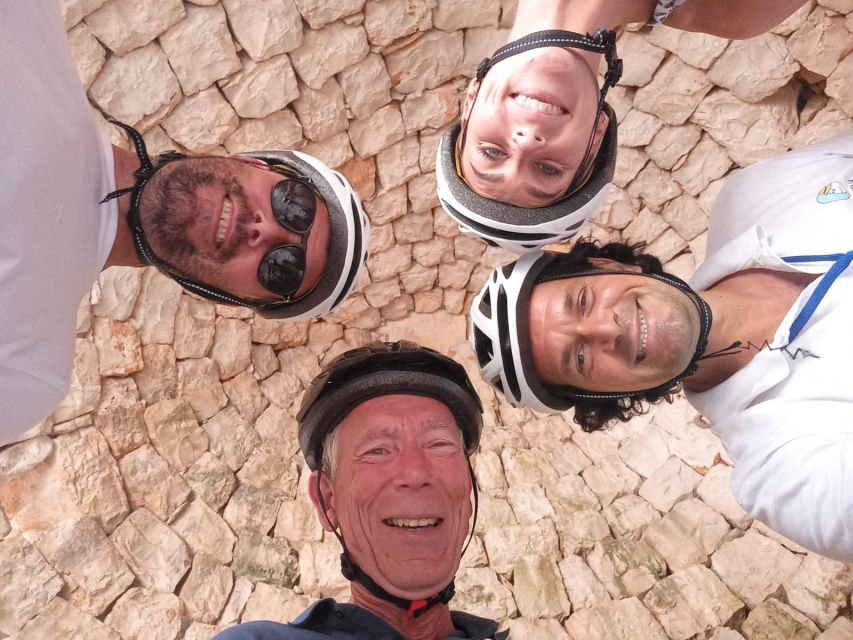
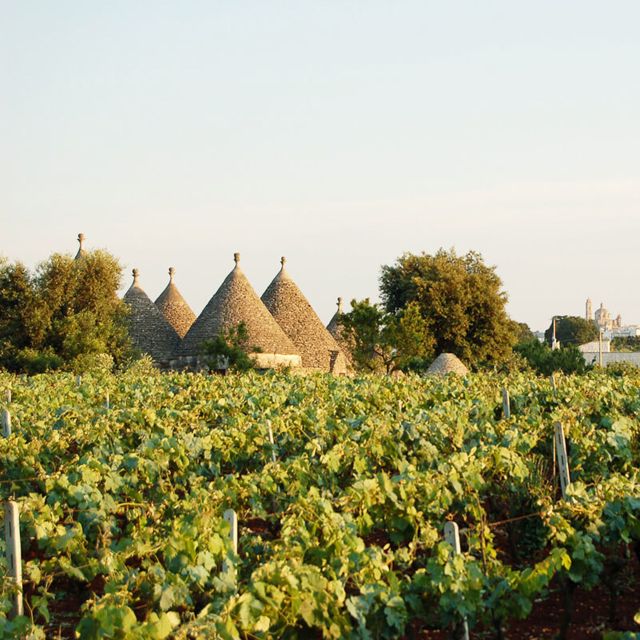
After the masseria, you get to learn about the trulli—those cone-roof stone houses Apulia is famous for. You’ll hear how they were built and why they look the way they do, then you’ll even step inside an ancient trullo surrounded by open countryside.
This is one of those experiences that feels small in time but big in impact. A trullo isn’t just a photo background. When you stand inside, you start noticing details of thickness, shape, and how these structures fit into the landscape and local needs.
The tradeoff
This is a short stop, not a full guided architecture course. If you’re the kind of person who wants every technical detail, you might want to ask the guide questions on the spot so you can steer the conversation.
Martina Franca Donkey: A Gentle Local Symbol
You’ll also meet the Martina Franca donkey (Asini di Martina Franca). It’s presented as a native Apulian breed, and the encounter is close and relaxed rather than rushed.
This works well because it gives the day an emotional anchor. Between wine, olive oil, stones, and centuries-old buildings, the donkey reminder makes the region feel more real. It’s also a nice reset for the senses before you shift from rural charm to production.
Winery and Olive Mill Together: How Wine and EVO Oil Are Made
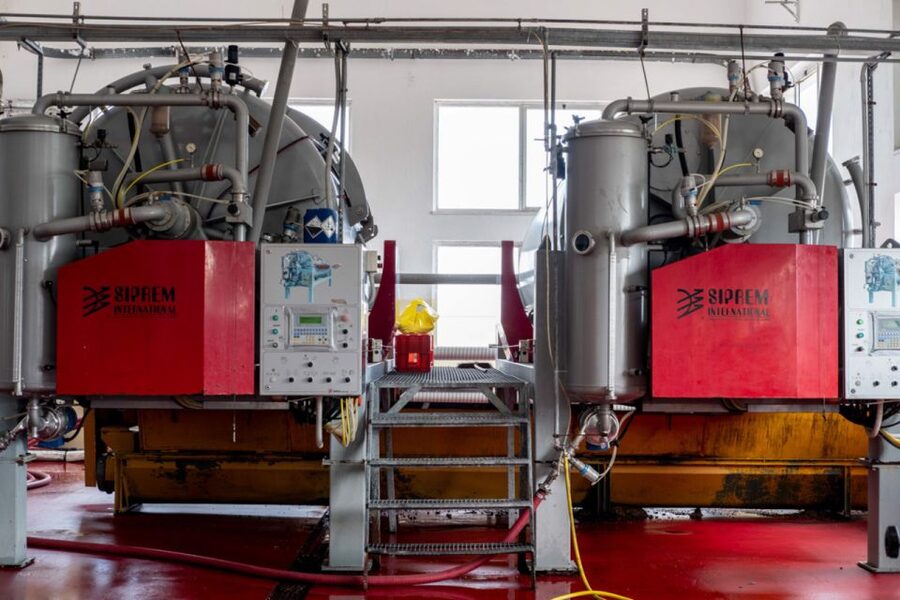
After countryside stops, the tour reaches the rare place where a winery and an olive mill coexist. This is the production-focused section, and it’s where the day becomes more educational.
You’ll learn how grapes become wine and how olives are transformed into extra virgin olive oil. The guide helps connect what you’ve seen—vineyards, olive trees, farm life—to the steps behind the final product. That cause-and-effect is what makes this visit more memorable than a basic tasting.
What’s paid locally
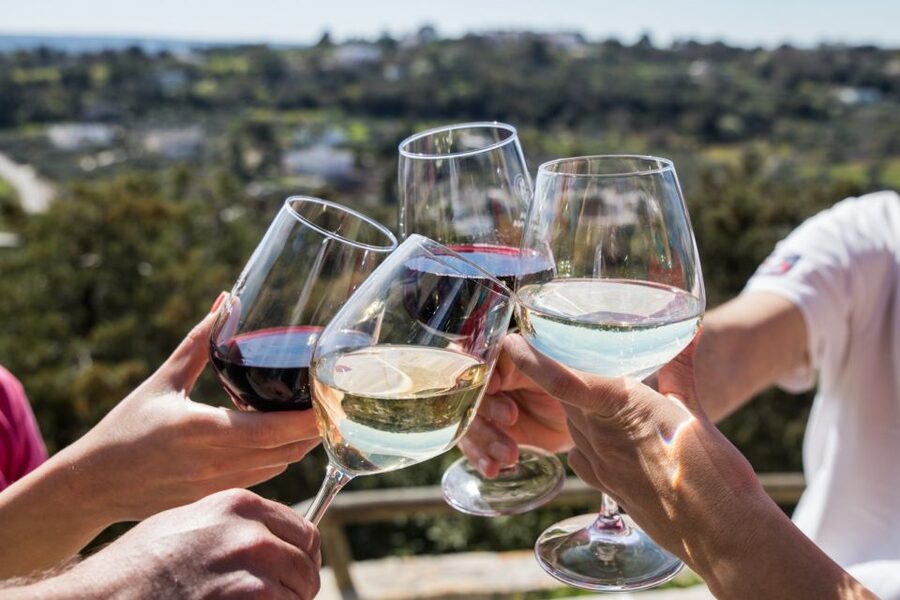
You can also add a tasting/aperitif with local products and three glasses of wine. The winery and oil mill visit plus the tasting are paid locally on site for €13 per person. The fact it’s separate from the base tour price is useful: you can decide on the day if you want the full tasting experience.
Wine Tasting with Local Snacks: What You’re Actually Buying
If you take the tasting, you’re not just getting sips. You’re also pairing the wines with local snacks, including items like taralli and friselle with EVO oil. That matters because it shows the food-and-drink logic of Apulia: oil isn’t a side character here; it’s central.
Also, tasting three wines is a manageable pace. It’s enough to compare styles without turning your afternoon into a blur. And since it’s built into the tour flow, you’re not stuck figuring out how to get to another venue afterward.
A practical tip
If you plan to do the wine tasting, go into it hydrated and slow down your riding after the farm stops. It’s easy to feel good on an e-bike, and then suddenly you’re standing still longer than you expected.
E-Bikes, Assistance, and the Pace You’ll Actually Like
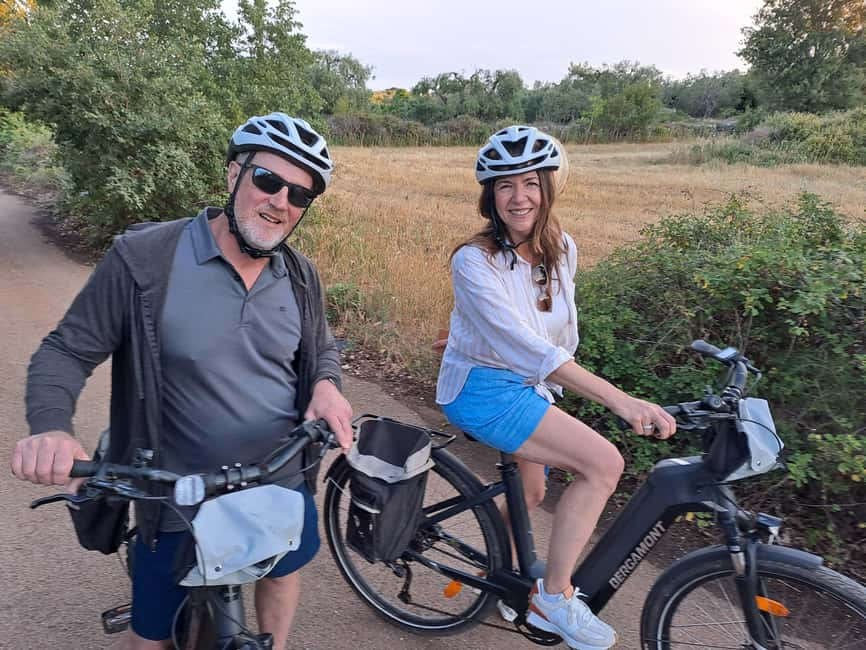
The experience is built around a guided ride with full assistance. You can join with your own e-bike at no extra cost, or you can use an e-bike provided on site by paying locally. The tour limits small-group size to 9 participants, which keeps the flow smooth and makes it easier for the guide to help everyone.
E-bike quality and setup can make or break a tour, and the good news here is that people report well-maintained bikes and thoughtful extras. One review notes the guide added gel seat covers and a side bag to help carry items, which is exactly the kind of “small thing” that makes a big difference when you’re sitting in traffic-tight lanes and then riding countryside roads.
If you need a bike
Rental pricing is tiered by rider size:
- Adult e-bike (over 150 cm): €45
- Small e-bike (under 150 cm): €40, subject to availability (check at least 2 days before)
- Semi child tandem + helmet: €30, subject to availability
- Child seat + helmet: €15, subject to availability
That “check availability ahead” note matters for families. If you’re traveling with kids or short riders, don’t leave it to the last minute.
Price and Value: Understanding the Real Cost of €55
The base price is $55 per person for a 3-hour guided e-bike tour with route and stop management plus a water bottle. On its own, that’s covering the guided experience: you’re paying for someone to handle the logistics, keep you moving safely, and connect the dots between town, farms, and production.
The part that changes the total is what happens on site:
- Winery + olive mill visit + tasting: €13 per person (paid locally)
- E-bike rental if you don’t bring your own: prices range from €15 to €45 depending on size and setup
So is it good value? For most people, yes—because you’re getting both context and access. Many wine tours include a tasting but not the rural ride that explains where ingredients come from. And many bike tours include scenery but not a focused production lesson at a winery and olive mill. Here, you get both, and the small group size (max 9) keeps it personal.
Who should consider bringing their own e-bike
If you already own an e-bike and can bring it, you’ll save on the rental costs. But if you’re traveling light or you’re unsure you can get a compatible bike size, using the on-site options is often the simpler way to go—just check height needs early.
Who This Tour Fits Best (and Who Might Want a Different Day)
This is a great fit if you:
- Want an easy e-bike day with guided context rather than a self-guided ride
- Like food experiences that explain the process behind what you eat and drink
- Enjoy small-group tours where the guide can answer questions
- Want both town charm and countryside farming views in one half-day
It may be less ideal if you’re looking for a long-distance cycling workout. The total ride portion is designed to feel relaxed and includes multiple stops. You’re here for the stops and the learning, not for chasing miles.
Should You Book This Cisternino E-Bike Winery & Oil Mill Tour?
I’d book it if you want a smooth, well-guided Apulia day that combines Cisternino charm with a production story you can taste. The standout strength is the pairing: an e-bike ride through Itria Valley settings, then a visit where wine and extra virgin olive oil are explained in one connected flow.
Skip it—or at least think carefully—if you know you won’t want the tasting add-on. The base tour is still enjoyable for the ride and the countryside stops, but the €13 on-site component is a key part of the full experience. If you do plan to taste, bring a little appetite for both learning and snacks.
In short: this is the kind of tour that helps you leave with more than photos. You’ll leave with a clearer sense of how Apulia turns farm inputs into everyday flavor.
FAQ
How long is the e-bike tour?
The tour lasts about 3 hours.
Where does the tour start?
The meeting point is Parcheggio Stadio.
What’s included in the $55 price?
You get the guided e-bike tour, local escort/guide with full assistance, route and stop management, and a water bottle. Using your own e-bike is included at no extra cost.
Are the winery and olive mill visits included?
No. The winery + olive mill visit and wine tasting are paid locally on site for €13 per person.
What does the wine tasting include if I pay locally?
The tasting includes three wines and local snacks (including taralli and friselle with EVO oil), along with an aperitif option.
If I don’t have an e-bike, can I rent one on site?
Yes. You can use an e-bike provided on site by paying locally. Adult e-bike (over 150 cm) is €45, small e-bike (under 150 cm) is €40, and options for children are available at additional local costs (availability must be checked ahead).
How many people are in the group?
The group is limited to 9 participants.
What languages is the live guide available in?
The guide speaks English, French, and Italian.
Is there free cancellation?
Free cancellation is available up to 24 hours in advance for a full refund.