REVIEW · LUZON
Express Bamboo Bike Tour inside Intramuros
Book on Viator →Operated by Bamb Ecological Technology Inc. · Bookable on Viator
You can cover the best of Intramuros without the usual walking slog on bamboo bicycles. I like how the tour pairs local guide stories with real landmarks, and how the small-group setup keeps questions easy. One thing to plan for: it runs in all weather, so you’ll want to dress for heat and rain.
This express format is made for short stays in Manila. In about two hours, you’ll cycle past key Spanish-era sites, plus a few World War II touchpoints, while still getting a light workout. The max group size is capped at 15, and you get a mobile ticket, which makes check-in smoother.
You’ll start in the Intramuros area near transit and finish back at the meeting point. Because you’ll be biking outdoors, bring a practical mindset: you’re there to see, listen, and pedal, not to lounge.
In This Review
- Key highlights that make this ride worth it
- Why Intramuros Works So Well on a Bamboo Bike
- Getting Set Up at Bambike HQ in Casa Manila
- Casa Manila to Japanese Cannon: a quick start with big context
- Puerta Real Gardens and Puerta del Parian: gates with purpose
- Aduana Building and Plaza Roma: where government met public life
- Manila Cathedral: the ride ends where faith and architecture meet
- The guide makes the difference (and it shows)
- Gear, pace, and comfort on a short express loop
- Price and value: what $22.40 buys you in real terms
- Weather and practical tips that keep the day smooth
- Should you book this express bamboo bike tour?
- FAQ
- How long is the Express Bamboo Bike Tour inside Intramuros?
- Where does the tour start and end?
- What is the price per person?
- What’s included in the tour?
- Do I need to pay for admissions at the stops?
- Is this tour in a small group?
- Does the tour run in rain?
- Can children join the tour?
- Is a mobile ticket used?
- Are service animals allowed?
Key highlights that make this ride worth it
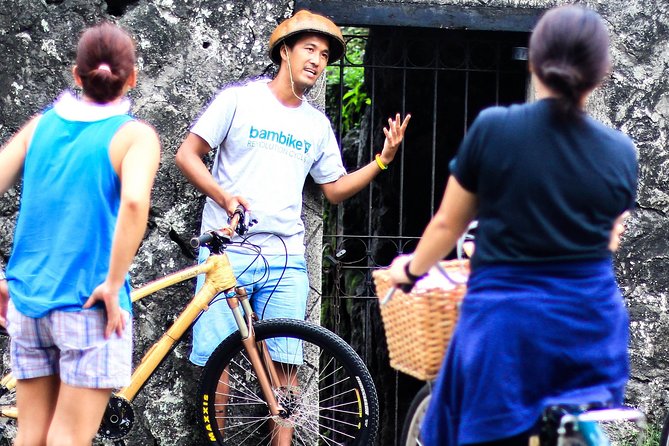
- Bamboo bikes and helmets included: you don’t waste time shopping for gear.
- Small-group attention (up to 15): the guide can slow down for questions.
- Major Intramuros landmarks in a tight loop: Spanish architecture, gates, and the Manila Cathedral area.
- Clear stop-by-stop storytelling: you learn what you’re passing, not just where to stand for photos.
- Weather support: sunscreen or rain ponchos are provided when needed.
Why Intramuros Works So Well on a Bamboo Bike
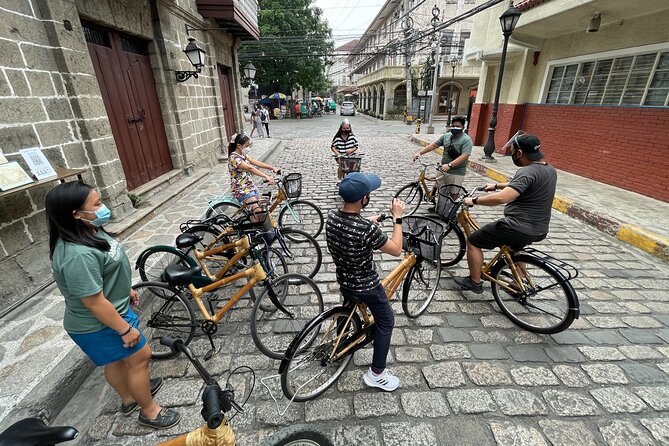
Intramuros is compact, but it still adds up fast if you’re doing it on foot. A bike changes the math. You glide between gates and squares, then park the bike just long enough to hear the guide’s explanation.
It’s also a smart choice if you only have a day or part of a day in Manila. The bike format lets you hit several “can’t miss” spots without turning your afternoon into a chore. And because you’ll be riding through the historic street grid, the area feels more connected than a stop-and-go walking plan.
The tour is billed as an express ride, with the cycling time feeling like around an hour and the full tour running about two hours. That’s a good match if you want momentum but still enjoy the story breaks.
Getting Set Up at Bambike HQ in Casa Manila
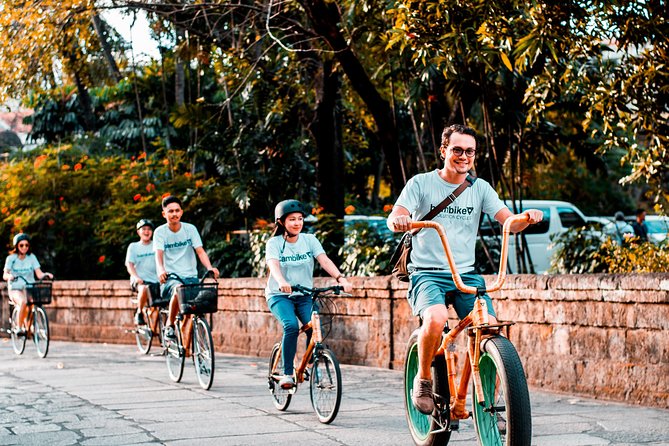
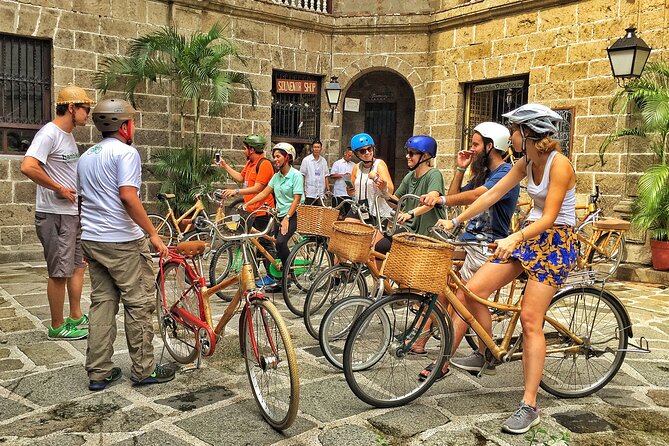
Your first stop is Bambike Ecotours Intramuros at their HQ in Casa Manila. Before you move, you’ll fill out waivers and get your bike chosen personally. That’s one of the practical touches that matters: the tour adjusts the ride to your preferences for comfort during the loop.
You’ll also get a helmet right away. For a short historic route, helmets might feel like overkill—until you hit uneven pavement, tight corners, or a sudden rain slick. This is just good sense.
A small detail I’m glad to see included: sunscreen or rain ponchos when needed. Intramuros can get hot, and Manila weather can switch quickly. Having protection ready means you spend less time scrambling and more time watching the sites.
Casa Manila to Japanese Cannon: a quick start with big context
The early stops focus on setting the scene.
At Casa Manila, you’ll see a copy of a traditional house inspired by Spanish Colonial-era architecture. It’s a fast orientation point, and it helps explain why Intramuros looks the way it does—why streets, buildings, and style feel tied to a colonial plan.
Then you roll along the Muralla street area to the Japanese Cannon. This is where the tour adds a World War II layer. You’ll stop to learn about Japanese occupation in the Philippines and how that era connects to the wider story of World War II. For some people, it’s the most surprising part of the route, because Intramuros often gets framed only as Spanish-era scenery.
Practical note: this early rhythm works well if you’re jet-lagged or short on time. You’re not forced to sit through long lectures. You hear key points, you bike, you move again.
Puerta Real Gardens and Puerta del Parian: gates with purpose
Intramuros is famous for walls, but the gates are where you really understand why those walls existed.
Puerta Real Gardens is one of the main gates. You’ll explore the gate and learn how Spanish defense strategies worked beyond the walls. The guide’s role here is important. Without explanations, a gate is just a photo. With context, it becomes a clue to how a city tried to protect itself.
Then you continue to Puerta del Parian, another main gate and public area. This stop brings in the significance of Chinese people and influence in Philippine history. It’s a reminder that Manila wasn’t shaped by one culture alone, even when Intramuros was strongly tied to Spanish control.
What I like about pairing these gates in one ride is that you get two different kinds of “why.” One is military planning. The other is community and trade influence. Both help you read Intramuros as a living place, not a museum set.
Aduana Building and Plaza Roma: where government met public life
After the gates, the tour shifts toward how Intramuros functioned day to day.
You’ll see the Aduana Building, also called the Intendencia. This Spanish colonial structure housed government offices through the years. The stop is brief, but it gives you a mental map of power: who ran the city, where decisions were made, and how administration shaped public space.
Next comes Plaza Roma. Here you’ll learn about the history of this public plaza and the establishments around it. You’ll also connect the plaza area with one of the most important religious centers in the Philippines: the Manila Cathedral, positioned as a focal point in the wider scene.
If you like walking away from tours with a better mental layout, these two stops help. They connect the dots between defense (gates), authority (government building), and daily social life (plazas).
Manila Cathedral: the ride ends where faith and architecture meet
The final major stop is Manila Cathedral. You’ll visit the church described as the heart of Christianity in the Philippines and get to see its fascinating history and interior.
Even if you’re not deeply into church interiors, this is worth slowing down for. Intramuros architecture has a lot going on, but the cathedral area is one of the clearest “center points.” It’s where the tour’s story starts to feel complete: power, walls, communities—and then a shared spiritual anchor.
Time at this stop is about 15 minutes, so you’ll have a proper look, but it won’t eat your whole afternoon. For an express tour, that balance is exactly what you want.
The guide makes the difference (and it shows)
This is not a silent bike route. You’re getting insider knowledge from a local guide, with tour escort/host support along the way.
In the kind of feedback this tour has earned, guides like Anj stand out for being informative and friendly, and Josh has been praised for fun trivia-style jokes while explaining Philippine history. That matters because history in Intramuros can sound dry if it’s just dates and names. When the guide keeps it human—through humor, small stories, and quick explanations—you actually remember it.
Also, with a maximum of 15 people, you’re less likely to feel like you’re lost in a crowd. It’s easier for the guide to adjust pace, answer questions, and keep everyone together when the route tightens up.
Gear, pace, and comfort on a short express loop
You’ll ride a bamboo bicycle and wear a helmet for the entire activity. The ride is built for most participants, and the tour is designed to keep things moving without making it feel like a race.
Expect a bit of a workout. You’re biking through a historic district, so you’ll feel it in your legs, but it’s not framed as endurance training. It’s more like an active city sightseeing plan: enough motion to wake you up, enough breaks to actually see.
Comfort details included by the operator help a lot: sunscreen or rain ponchos when needed. One review also noted mosquito-repellent prep, plus a towel and a non-dairy ice cream finish. Those extras aren’t listed in the basic inclusions, but they fit the overall theme: they want you comfortable from start to finish.
My practical advice: wear closed-toe shoes you’re okay getting a little dusty or damp. If rain hits, ponchos help, but you’ll still want decent footing.
Price and value: what $22.40 buys you in real terms
At $22.40 per person, this is positioned as a budget-friendly way to see Intramuros highlights fast. The value comes from what’s included, not just the ticket number.
You’re getting:
- a local guide and tour escort/host
- the bamboo bicycle and helmet
- sunscreen or rain ponchos when needed
- gratuities included
- admission tickets for the stops listed as free in the schedule
For an express tour, that matters. If you tried to replicate this on your own, you’d likely pay separately for bike rental, lose time coordinating gear, and spend more effort figuring out what you’re actually looking at. Here, the storytelling is part of the package.
And because it’s small-group, you’re paying for guidance, not just transport. If you like structured sightseeing, this pricing tends to feel fair.
Weather and practical tips that keep the day smooth
This tour operates in all weather conditions. That sounds intense, but it’s paired with real support: rain ponchos are provided when needed, plus sunscreen on sunny days.
So plan clothing like a local guide would. Wear breathable fabric. Bring something light for rain. And don’t wear your best delicate outfit—Intramuros streets are active, and you’ll be outside the whole time.
The meeting point is Real Street (Real St) in Intramuros, Manila, and the tour ends back at the same place. That makes it easier to plug into your day afterward—grab lunch nearby or connect to transit without hunting for a new drop-off location.
Should you book this express bamboo bike tour?
Book it if you want a fast, active way to see major Intramuros landmarks with real explanations. The small group size, included helmet and bike, and the stop-by-stop pacing make it a strong fit for short trips.
Skip it if you want a slow, photo-only walk or if you’d be unhappy riding outdoors in the rain. It’s designed as an express loop, so you’re trading lingering time for coverage and momentum.
If your goal is to get oriented quickly—Spanish colonial sights, key gates, a WWII stop, and the Manila Cathedral area—this is a practical choice.
FAQ
How long is the Express Bamboo Bike Tour inside Intramuros?
The tour lasts about 2 hours (approx.).
Where does the tour start and end?
It starts at Real St, Intramuros, Manila and ends back at the same meeting point.
What is the price per person?
The price is $22.40 per person.
What’s included in the tour?
The tour includes a local guide, tour escort/host, use of a bamboo bicycle, helmet, sunscreen or rain ponchos when needed, and gratuities.
Do I need to pay for admissions at the stops?
The stop durations list admission tickets as free, and the tour includes admissions as part of the experience.
Is this tour in a small group?
Yes. The maximum group size is 15 travelers.
Does the tour run in rain?
It operates in all weather conditions, and you’ll be provided sunscreen or rain ponchos when needed.
Can children join the tour?
Children must be accompanied by an adult.
Is a mobile ticket used?
Yes, the tour uses a mobile ticket. Confirmation is received at time of booking.
Are service animals allowed?
Yes, service animals are allowed.