KL hides around every corner. On Hidden Kuala Lumpur, I love how a bike lets you slip into hidden alleyways where old and new parts of the city actually connect. It feels like walking with a local who knows which streets exist only when you turn at the right time.
I also like the tour’s food-and-culture rhythm, from Petaling Street coffee breaks to Teh-Tarik and hands-on bread-making when it’s available. The only real tradeoff is that you’re biking for a few hours in real-world KL conditions, so heat and physical effort matter, and it’s not a good match for people with heart issues or mobility challenges.
In This Review
- Key Points You’ll Feel Fast
- From Q Cafe DBKL to Downtown Landmarks: Getting Oriented
- Sultan Abdul Samad Building and Petaling Street Coffee: A Simple Start That Works
- The Alley Labyrinth: How You Actually Get Lost (and Found Again)
- Secret Morning Passage and Junk Market Feel: What Makes It Different
- Heritage Trades, Places of Worship, and Street-Level Daily Life
- Old Village Houses on Stilts and the Kampung Baru Connection
- Teh-Tarik and Bread-Making: Hands-On Culture (When Conditions Allow)
- Modern KL Near KLCC: The Surprise View That Changes Your Perspective
- Price and Value: Is $75 Worth It?
- Who Should Book, and Who Should Skip It
- What to Bring: A Short Checklist That Prevents Hassles
- Should You Book Hidden Kuala Lumpur?
- FAQ
- How long is the Hidden Kuala Lumpur bike tour?
- How much does it cost per person?
- Where do I meet the guide?
- What’s included in the tour price?
- How big is the group?
- What languages does the live guide speak?
- Is there free cancellation?
- What’s the minimum age and height to join?
- What should I bring, and what isn’t allowed?
Key Points You’ll Feel Fast
- Small group of up to 6: more time to ask questions and less waiting around.
- From landmarks to back streets: Sultan Abdul Samad Building and Petaling Street set the stage before the maze starts.
- A secret single-file passage and a morning junk market: the kind of detail that makes the city feel alive.
- Hand-made trades and heritage workshops: you’re not just watching culture, you’re seeing how it’s made.
- Old village houses on stilts plus Kampung Baru connection: the tour frames KL’s modern growth next to older living traditions.
- Teh-Tarik and possible bread-making: local flavors come with daily rituals and stories from the guide.
From Q Cafe DBKL to Downtown Landmarks: Getting Oriented
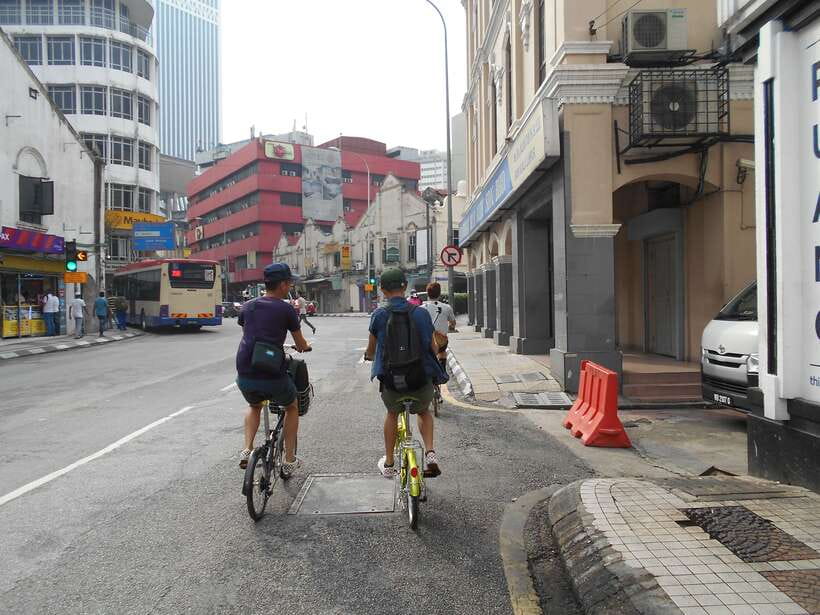
The tour begins at Q cafe Menara DBKL, on Jalan Raja Laut in central KL. You’ll want to show up about 15 minutes early so you can get your bike set and start on time, before the day gets hot. Meeting up here also helps because the route quickly moves from city-facing views to the quieter streets behind them.
Once you’re rolling, the ride is designed to do two things at once. First, it connects major “postcard” KL sights with everyday neighborhood life. Second, it trains your eyes to notice the small changes—new buildings appearing beside older streets, and modern city energy easing into community routines.
You’ll head from the Kuala Lumpur City Gallery area toward the downtown zone, including the iconic Sultan Abdul Samad Building. That part matters because it anchors the bigger story of KL before you start navigating the smaller one: the alley maze.
Sultan Abdul Samad Building and Petaling Street Coffee: A Simple Start That Works
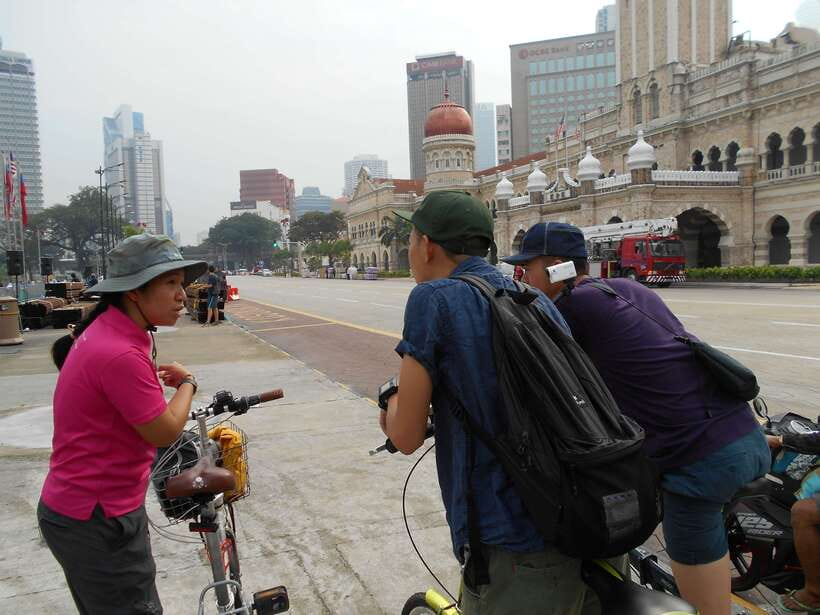
Before the real back-street riding, you pass by the classic downtown sights and then shift to Petaling Street. The tour includes a chance to enjoy a traditional Hainanese coffee there. It’s a nice reset, especially because you’ll later be biking through tighter passages where you want your head clear and your stomach settled.
Petaling Street is also a practical introduction to what you’re about to experience. You’ll see how markets, food stalls, and daily errands are intertwined. Then your guide steers you away from the main flow and into side streets where the city feels more local than tourist.
If you’re the kind of person who likes history but also wants the human scale of real life, this coffee stop is a good match. It’s short, but it gives context and sets the tone for the rest of the morning.
The Alley Labyrinth: How You Actually Get Lost (and Found Again)
The heart of this tour is the “voyage of discovery” through a labyrinth of hidden alleyways linking old and newer KL. This is not just a scenic ride. It’s a guided “getting lost on purpose” route, where the point is to see how the city functions beyond the big roads.
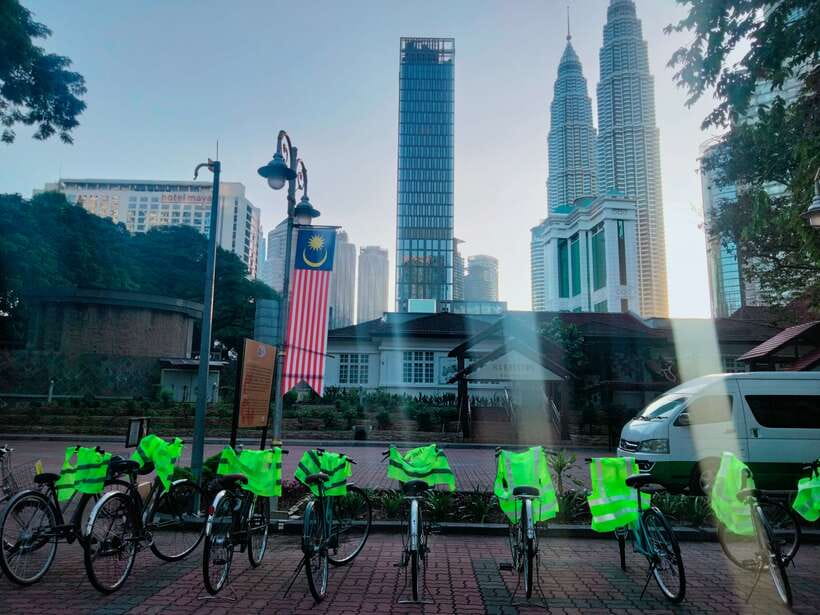
One of the best parts is that you’ll experience the contrast in the same ride window. You’ll see places that feel older and residential, then you’ll catch views of modern architecture near KLCC. That back-and-forth is what makes the tour feel smarter than a standard city loop.
Because the alleyways can include narrow passages, the group keeps to a rhythm. Depending on group size, rider abilities, and weather, the total time may run longer than four hours, and the guide may adjust the plan. That flexibility is important here, because you’re traveling through streets that don’t behave like a planned sightseeing route.
And yes, you’ll likely feel the fun of it: following turn after turn, then suddenly being guided to a place you couldn’t have found alone. It’s one of those rare activities where the “confusion” turns into confidence.
Secret Morning Passage and Junk Market Feel: What Makes It Different
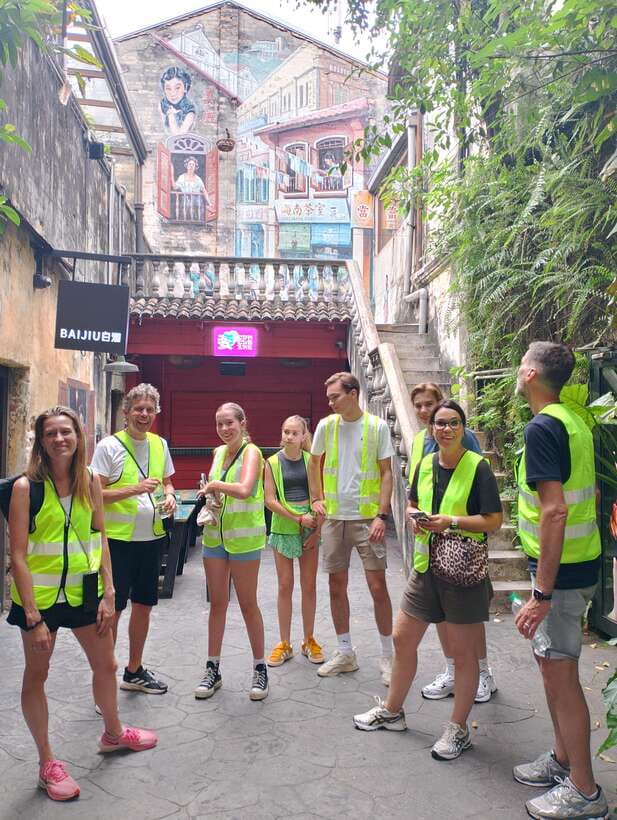
A big reason this tour earns such strong marks is the element of surprise—real, physical surprise. The program includes a narrow, dark single-file passage that leads to a secret morning junk market where locals go.
Markets like this are where Kuala Lumpur stops looking like a skyline and starts looking like a working city. You’re seeing the supply chain of everyday life: second-hand items, repair culture, and the routines that keep neighborhoods functioning. Even if you don’t buy anything, the atmosphere tells you a lot.
It also helps that you’re not wandering alone. Your guide handles the pace and the turns, and they share history and daily rituals while you move. That turns the market from a photo stop into a story you can actually place in your brain.
If you’re thinking of this tour as “just a bike ride,” it’s worth adjusting your expectations. The biking is the tool. The value is in what the tool lets you access.
Heritage Trades, Places of Worship, and Street-Level Daily Life
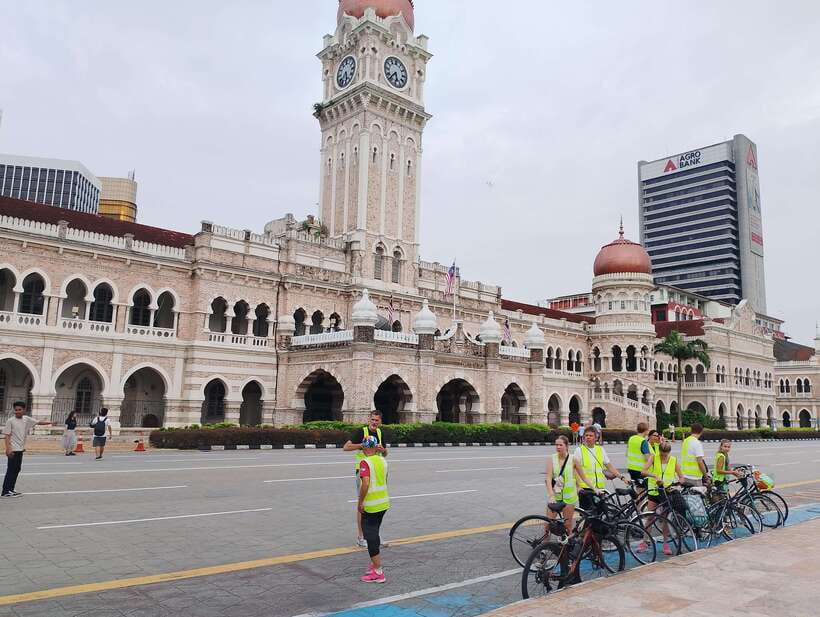
Between landmarks and markets, you’ll spend time with heritage, hand-made trades and local eateries. The tour is set up to show you work that’s still done by people, not just presented as décor.
You’ll also pass places of worship, including temples and a mosque, and your guide explains cultural context. This kind of information matters because it helps you read what you’re seeing instead of just photographing it. It also makes the city feel more logical—different religions and communities aren’t random; they’re part of KL’s rhythm.
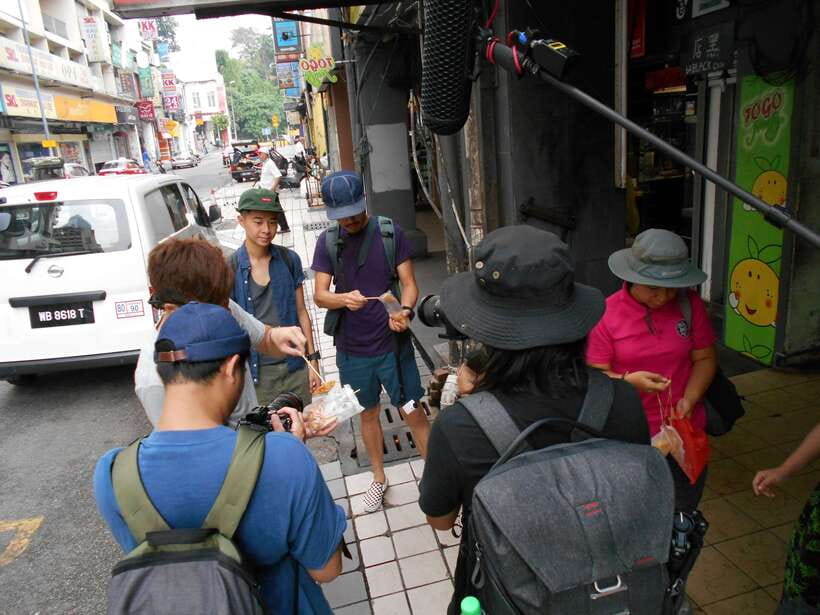
Food is a constant thread here. The tour includes refreshments and multiple chances to try local items along the way. In the strongest moments, it feels like a light food tour wrapped in a cultural bike route.
One stop you can expect is a refreshing drink at a locals-style store. Another is an opportunity to enjoy different local flavors—there’s also mention of fruit tastings and an Indian breakfast-style stop in the experience. Even if the exact menu varies, the structure stays the same: food is part of the route, not an afterthought.
Old Village Houses on Stilts and the Kampung Baru Connection
A standout highlight is the chance to see old village houses on stilts. That detail is more than aesthetic. It’s a visual reminder that Kuala Lumpur’s growth didn’t happen in one smooth wave. Older ways of living remain alongside rapid modernization.
The tour also includes a meaningful pledge tied to Puan Nafsiah’s 100-year-old Kampung Baru home. For every adult bike tour participant, the local operator contributes to that centenarian home. That’s one of those “check what your tour supports” moments, and it gives the tour a reason to matter beyond your camera roll.
If you like your travel with a little conscience, this part helps. You’re not just viewing neighborhoods; you’re nudging support toward a specific, named place.
In practical terms, these heritage moments also slow the pace. You’ll spend time looking, listening, and taking photos at spots that feel anchored in lived experience. That balance is what makes this half-day tour feel full.
Teh-Tarik and Bread-Making: Hands-On Culture (When Conditions Allow)
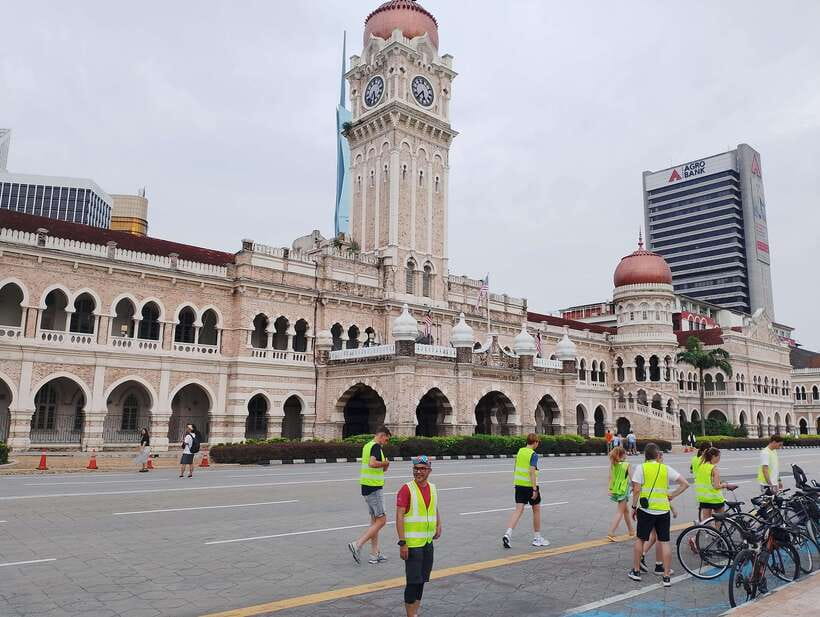
The tour includes national-drink time: Teh-Tarik. That’s the classic pulled tea, and it fits the day well because it’s a simple ritual you can taste while your guide talks about how people live and eat.
There’s also a hands-on moment: local bread-making, but it’s subject to availability. When it happens, it’s a great way to turn “I saw a place” into “I did something small but real.” Even if bread-making doesn’t line up for every date, the tour keeps the food-and-ritual focus intact with other tastings and drink stops.
This is also where photo opportunities tend to multiply. You’ll get chances to capture alley scenes, heritage details, and neighborhood life, guided by someone who knows what’s worth framing. And since you’ll likely be riding through changing street textures, those photos won’t look like they came from the same street twice.
If you’re traveling with someone who likes experiences over museums, this is the section that wins people over.
Modern KL Near KLCC: The Surprise View That Changes Your Perspective
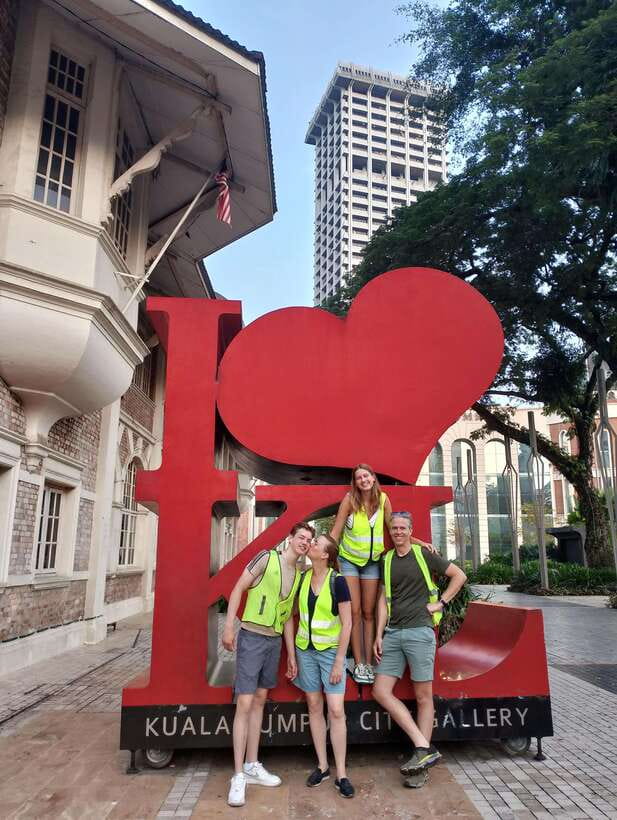
One smart thing about the routing is the way it pairs hidden streets with the bigger skyline idea. You’ll see modern architecture near KLCC close to where you’re also moving through older neighborhoods and market areas.
That pairing changes how you understand Kuala Lumpur. Instead of thinking of KL as two separate worlds—glossy downtown versus “old town”—you notice how they overlap and connect. You’re literally riding the transition.
For many people, that’s the biggest value of a bike tour. It compresses distance and makes contradictions feel close enough to process.
It also makes the experience easier to remember later, because you’ll have clear mental anchors: a landmark view, then a turn, then an older street scene, then another skyline glimpse.
Price and Value: Is $75 Worth It?
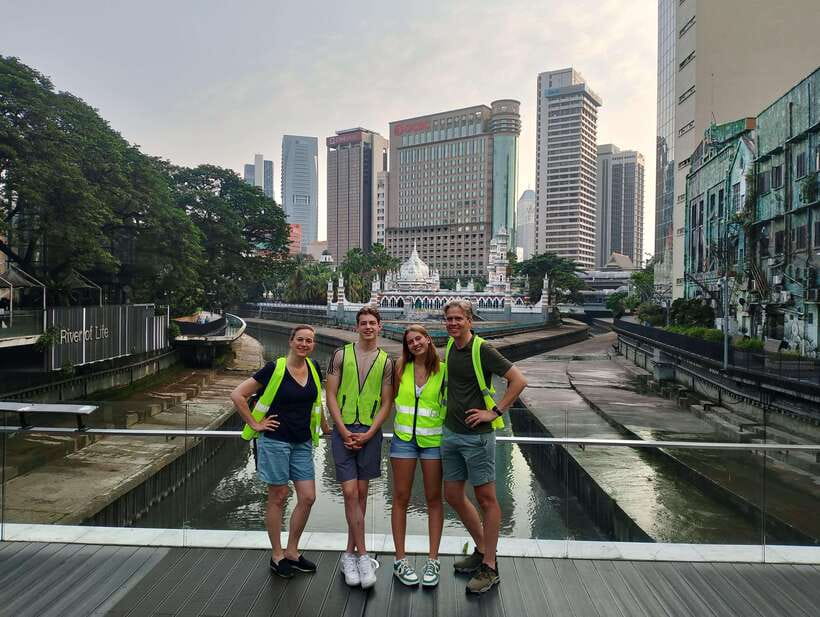
At $75 per person for a 4-hour tour, this doesn’t position itself as a budget-only activity, but the price does include several cost-heavy items. You get a bottle of water, refreshments, plus the bicycle and helmet. You’re also paying for a guide and for access to side streets and market areas that you likely wouldn’t find confidently on your own.
Where the value really shows is in the combination: small group size (limited to 6), active biking, multiple cultural stops, and time with food and drink. A cheaper tour might give you one highlight. This one tries to give you a connected story of KL, and that connection is what tends to land well.
If you care about food, local context, and street-level culture, $75 can feel reasonable. If you only want iconic monuments and wide-open views, you might decide this isn’t the best fit for your style.
Who Should Book, and Who Should Skip It
This tour is a strong match for people who want more than a photo walk. If you like markets, places of worship with context, food that’s integrated into the route, and a guide who tells you how daily life works, you’ll likely enjoy the structure.
It’s also well suited to travelers who don’t want a big group. The small size helps the guide keep an eye on riders and manage the tight spaces.
But skip it (or reconsider) if you’re dealing with health constraints. The tour notes it’s not recommended for heart issues or serious medical conditions. It’s also not suitable for pregnant women, and it’s not recommended for people with mobility impairments. The minimum age is 12, and height needs to be at least 120 cm.
Also, wear for real KL weather. In hot conditions, biking can feel harder than you expect, so bring your patience along with your water.
What to Bring: A Short Checklist That Prevents Hassles
The tour is clear about what helps. Bring comfortable clothes and closed-toe shoes, and consider a hat and sunscreen. If you’re thinking about luggage, leave it behind: luggage or large bags aren’t allowed.
You’ll also want any dietary requirements addressed when you book, since the tour asks you to advise this in advance. That’s the kind of detail that can prevent awkward moments when food stops show up.
One more practical tip: keep your phone accessible. The best alley scenes and market angles tend to happen quickly, and you’ll want to capture them without slowing the group down.
Should You Book Hidden Kuala Lumpur?
I think you should book this if you want a KL experience that feels practical and lived-in. The big draw is the bike route that links recognizable KL landmarks to the quieter alley network, plus the strong emphasis on food and daily rituals. The guide quality seems to matter a lot too, with many people highlighting guides like Elena for turning history and culture into something you can feel in the streets.
I’d skip it if your ideal day is mostly wide sidewalks, minimal effort, and major monuments only. This tour leans into narrow lanes, active movement, and heat.
If you’re flexible, curious, and okay with getting a little lost on purpose, this half-day ride can give you the kind of Kuala Lumpur memory that doesn’t fade after the skyline photos.
FAQ
How long is the Hidden Kuala Lumpur bike tour?
The tour lasts 4 hours.
How much does it cost per person?
The price is $75 per person.
Where do I meet the guide?
Meet your guide at Q cafe Menara DBKL, 1 Jalan Raja Laut, Kuala Lumpur. Arrive about 15 minutes early.
What’s included in the tour price?
Included items are a bottle of water, refreshments, and a bicycle and helmet.
How big is the group?
This is a small group limited to 6 participants.
What languages does the live guide speak?
The live tour guide speaks English and Malay.
Is there free cancellation?
Yes. You can cancel up to 24 hours in advance for a full refund.
What’s the minimum age and height to join?
Minimum age is 12 years. It’s also not for participants under 120 cm (3 ft 9 in).
What should I bring, and what isn’t allowed?
Wear comfortable clothes and closed-toe shoes, and bring a hat and sunscreen. Luggage or large bags are not allowed.