REVIEW · KIGALI
Kigali E-Bike City Tour with Breakfast
Book on GetYourGuide →Operated by NuttinTODO · Bookable on GetYourGuide
Kigali looks tough. Until you ride it. This 3-hour e-bike city tour turns Kigali’s famous hills into a fun, photo-friendly loop, with a guide narrating daily life and key landmarks along the way. I especially like that the e-bikes do the heavy lifting, so you can focus on streets, views, and people instead of white-knuckle hill climbing.
Two big wins for you: the ride covers neighborhoods and viewpoints you’d likely skip on foot, and the breakfast stop feeds you mid-tour with local flavors like bread, hummus, falafel, and more. Add in story stops such as the Belgian Peacekeepers Memorial, and you get more than a casual spin around town.
One thing to plan for: Kigali is not a car-free cycling paradise. You’ll pedal through regular city traffic sometimes, and the tour also isn’t set up for everyone (for example, it’s not suitable for children under 16 and may be challenging for people with mobility issues).
In This Review
- Key points you should care about
- Why Kigali’s hills feel easier on an e-bike
- Starting at Mundi Center: your first checkpoint
- Biryogo Car Free Food Street + Imbuga City Walk
- Nyarutarama Golf Lake: a breather with big views
- The Belgian Peacekeepers Memorial: history you can’t ignore
- Mid-tour breakfast: where the tour actually gets fun
- The rest of the route: markets, hills, and photo stops
- How hard is this ride, really?
- What $39 gets you in Kigali (and why it’s good value)
- Practical tips to make it smoother
- Should you book this Kigali e-bike breakfast tour?
- FAQ
- How long is the Kigali E-Bike City Tour with Breakfast?
- Where is the meeting point?
- What’s included in the price?
- Is the tour guided, and what language is it in?
- Is the tour suitable for children?
- Can I cancel, and how does timing work?
Key points you should care about
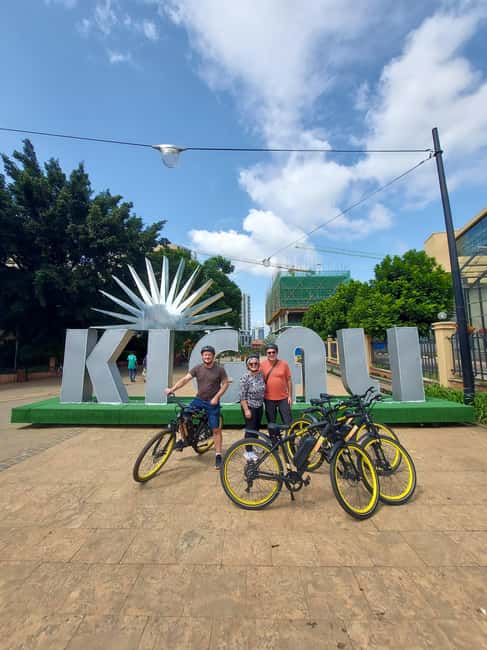
- E-bikes for real hills: you’ll feel the advantage on Kigali’s climbs without needing to be a cyclist.
- Small group size: limited to 4 participants, which makes the pace easier to manage.
- Breakfast is part of the route: you stop halfway to eat instead of rushing the whole tour.
- Memorial stop + city context: you’ll visit the Belgian Peacekeepers Memorial and hear the background behind it.
- English live guide: guides like John and Shark are known for clear explanations and practical tips.
- Route includes food street and lake area: you ride through places like Biryogo Car Free Food Street and Nyarutarama Golf Lake.
Why Kigali’s hills feel easier on an e-bike
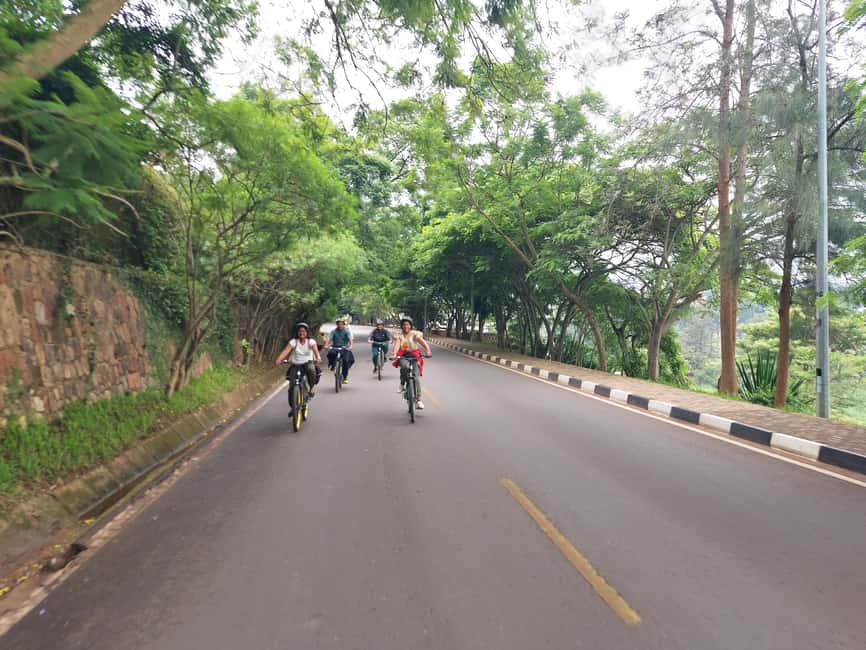
Kigali is often called the city of 1,000 hills for a reason. On a normal bike, you’d spend half the tour grinding gears. On an e-bike, the motor helps you keep momentum up the slopes so you can actually enjoy the scenery and the street-level moments.
You’ll still pedal, so it’s not totally effortless. But the support changes the whole experience. You can take a breath, slow down, and look instead of just surviving the hill.
And because the tour runs around 3 hours, the pace is built for sightseeing. One rider even clocked about 24 km, which tells you this isn’t a short “toy ride.” It’s a proper city loop where the motor matters.
You can also read our reviews of more tours and experiences in Kigali.
Starting at Mundi Center: your first checkpoint
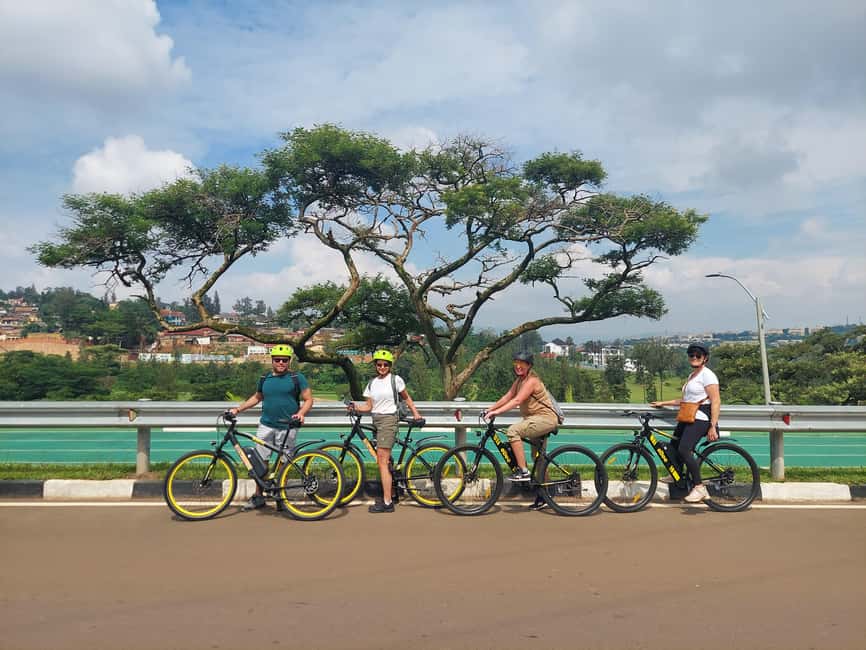
The tour meets at the shop at Mundi Center. Look for the NuttinTODO sign. If it’s not obvious when you arrive, ask nearby—one review noted the sign was missing at the time, so don’t assume it’ll be perfectly visible.
Before moving out, you get a short safety talk. This is where you learn how to handle the e-bike confidently, how the guide wants you to stay grouped, and what to do on busier streets. With a small group, your guide can adjust the pace and help anyone who’s new to cycling.
If you’re a solo traveler, this matters. Limited group size means less chaos and more attention. Guides such as John and Shark are often praised for being supportive, especially for first-timers.
Biryogo Car Free Food Street + Imbuga City Walk
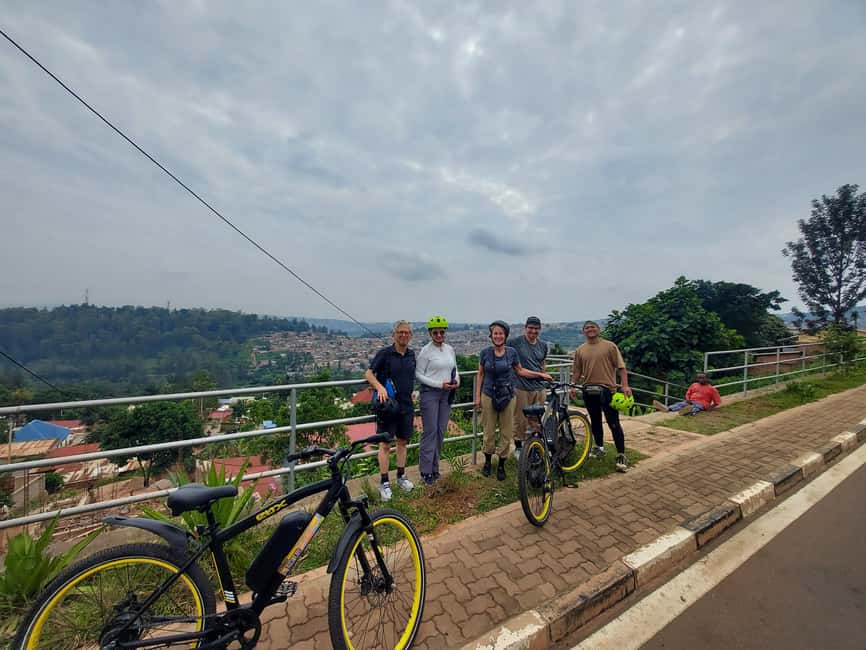
The ride kicks off with a stop at Biryogo Car Free Food Street. Even with the “car free” label, think of this as an active local food zone where you’ll see people moving, eating, and shopping. The tour includes a short ride segment here—enough time to get your bearings and get a feel for street food culture without turning it into a slow crawl.
Right after, you’ll do the Imbuga City Walk portion. This is where you slow the pace and shift from “cycling view” to “city details.” Expect a guided experience that connects neighborhoods to Kigali’s culture and day-to-day life.
What I like about this start is that it doesn’t just point at landmarks. It sets you up to understand what you’re seeing. You’re learning why people gather where they gather, and how daily rhythm shapes the look and sound of the city.
Nyarutarama Golf Lake: a breather with big views
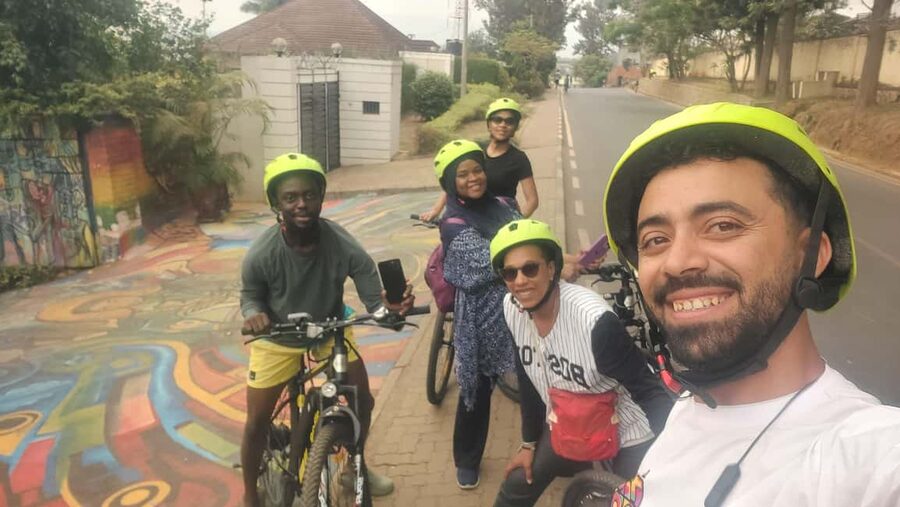
Next comes Nyarutarama Golf Lake. This stretch gives you a calmer visual break compared with market areas. Lakeside stops in cities like Kigali tend to do two things at once: they help you rest your legs and they serve up wide angles for photos.
E-bikes make this part more enjoyable because the ride leading to viewpoints and open areas includes climbs. With motor help, you’re less likely to arrive wiped out and more likely to enjoy the scenery fully.
Also, this kind of stop helps you pace the tour. After food streets and walking, the lake area gives you room to breathe, regroup, and ask your guide questions without feeling rushed.
The Belgian Peacekeepers Memorial: history you can’t ignore
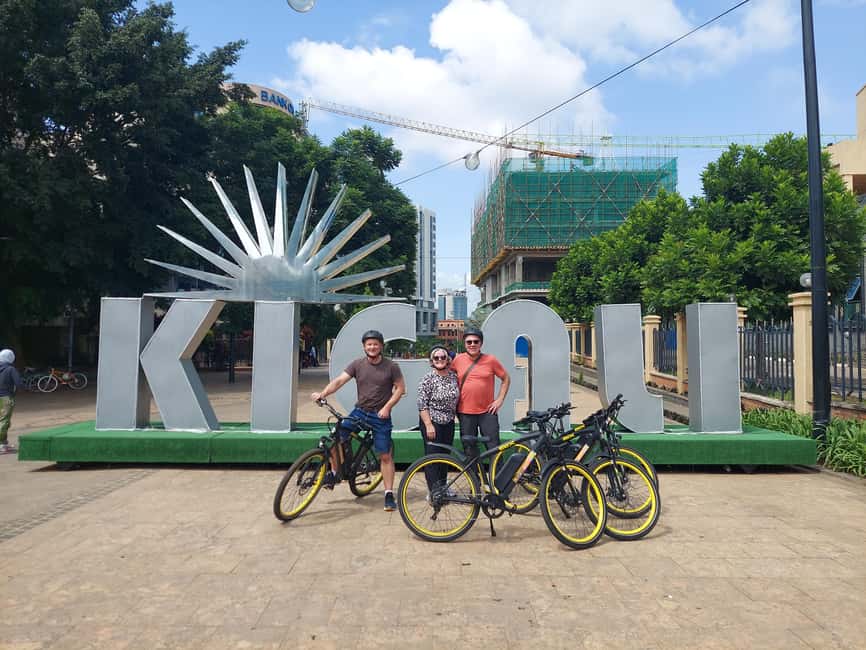
After breakfast later in the tour, you’ll return for a key landmark stop: the Belgian Peacekeepers Memorial. This is the kind of place where you should lean in and listen. The value here isn’t just the photo—it’s the context your guide provides as you move through the site and its surrounding meaning.
Some guides, including John in one account, share background that connects Rwanda’s history to what you’re seeing today. That matters because Kigali’s story is not separate from its streets. It’s built into the landscape of memorials, neighborhoods, and daily life.
Practical note: plan for a quieter mindset here. Even though you’re traveling by bike, this is a stop that deserves respectful attention. Take a few photos, then spend a moment letting the information settle.
Mid-tour breakfast: where the tour actually gets fun
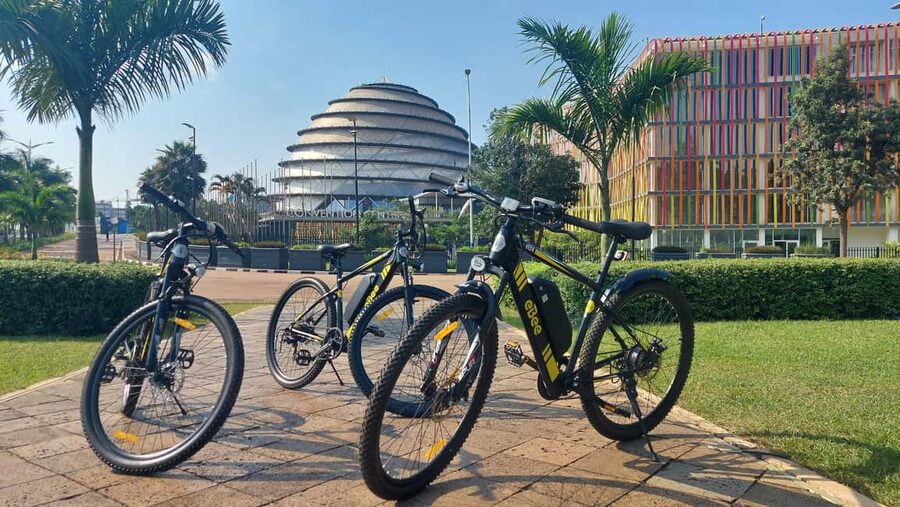
Halfway through, the tour pauses for breakfast. This is not a tiny snack. It’s a real meal with fresh bread, hummus, falafel, and other local options. The goal is simple: refuel so you can keep riding without getting cranky.
In addition to the standard breakfast items, you may also encounter local extras like a sugar cane and ginger drink. Some riders also mention a locally famous Rolex sandwich as part of the food experience.
What’s smart about this setup is timing. Kigali’s hills don’t care about your schedule, and mid-tour fuel is what keeps the later portions enjoyable. You’ll also appreciate breakfast because it’s a social stop. You’re eating in a local setting, not in a theme café, which makes the whole tour feel more grounded.
And since you’ll likely be cycling at a steady effort, this meal hits the right spot between comfort food and adventure fuel.
The rest of the route: markets, hills, and photo stops
After breakfast and the memorial visit, the tour continues with more riding and short stops for views and photos. Expect to pass through the kind of areas that give Kigali its signature look: steep streets, rounded hills, and neighborhoods tucked into ridgelines.
You’ll also get time for local markets and interaction with vendors. This is one of the best “small-group” advantages. Your guide can help you move through busy areas without turning it into a frantic group stampede.
From ride accounts, you may even see pedestrian-focused routes that feel hard to access by car. That’s part of why an e-bike works here. It’s flexible. It can reach the human-scaled streets, not only the major roads.
How hard is this ride, really?
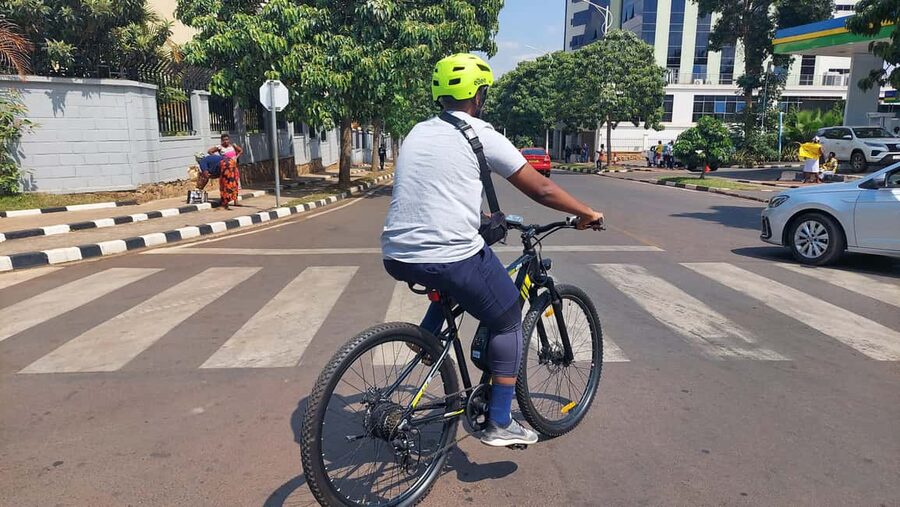
The short answer: it depends on your comfort on two things—traffic flow and your own pace.
The longer answer: you’ll benefit from motor help on climbs, and many riders say the e-bikes make it easier even for beginners. One first-time e-bike rider loved how safe and in control they felt, especially because traffic often moves slowly.
Still, Kigali isn’t built around protected bike lanes. So you’re riding in shared street space at times. If you’re nervous about cycling near cars, tell your guide during the safety briefing. A good guide will adjust how you ride together and how long you spend in busier segments.
The tour is also specifically labeled not suitable for children under 16. And it flags possible challenges for people with mobility issues and pregnant women. If any of that applies to you, it’s worth checking in with the provider before you go.
What to bring helps a lot:
- Comfortable shoes (you’ll step off for stops)
- Camera (the hills and views are the whole point)
- Cycling clothing if you have it
- Cash (useful for small purchases)
What $39 gets you in Kigali (and why it’s good value)
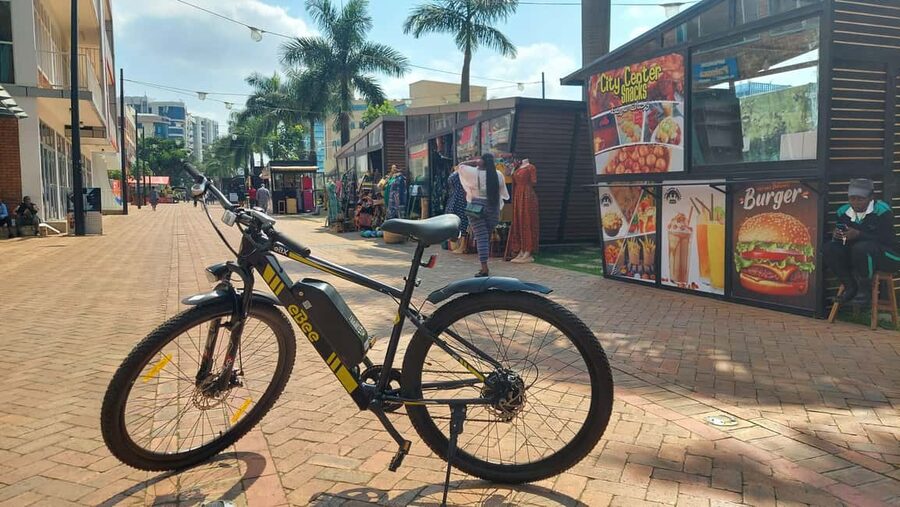
$39 per person for a 3-hour guided e-bike experience with breakfast is a solid deal in Kigali terms, mainly because you’re paying for more than transportation.
You get:
- the e-bike rental and helmet
- a professional guide (live, in English)
- cultural insights while you ride
- a breakfast stop mid-tour
So you’re not just buying a bike. You’re buying planning, local context, and time-efficient access. A well-scheduled route means you don’t waste hours figuring out where to go, how to connect neighborhoods, and what’s worth stopping for.
The small group size—limited to 4 participants—also matters. In practice, that often means fewer delays, more direct help, and a smoother experience if someone needs an extra assist on a hill.
And from the feedback tone around the guide experience—names like John, Shark, Mohamed, and Mohammad come up—this is clearly a guided tour where storytelling and safety guidance are part of the package, not an afterthought.
Practical tips to make it smoother
Here are the things that will help you enjoy the ride instead of managing surprises.
First, expect hills. Even with e-bike support, you’ll work a bit. Bring comfortable clothes and be ready for changing effort as the route changes.
Second, plan for short stops where you’ll want to move quickly between bike parking and viewing spots. A lot of the joy comes from getting the right angle and then continuing—so don’t treat every moment like a long museum visit.
Third, keep an eye on the meeting point. If the NuttinTODO sign isn’t clearly visible, ask locally right near Mundi Center. One rider had trouble finding it because the sign was removed, so it’s not a perfect wayfinding system.
Finally, if you’re solo and want extra confidence, arrive a touch early. With a small group and an English-speaking guide, you can get clear answers about pace and what to do if you feel unsure.
Should you book this Kigali e-bike breakfast tour?
I’d book it if you want an easy way to see Kigali from street level, ride through markets, hills, and viewpoints, and still get a meaningful stop at the Belgian Peacekeepers Memorial. The e-bike angle is a big part of the value: it lets more people enjoy Kigali’s terrain without turning the trip into an endurance test.
I’d skip it or think twice if you’re uncomfortable sharing roads with cars, or if mobility limitations make cycling difficult. This tour can be adjusted to the group, but it’s still a ride-based experience, not a sightseeing bus tour.
If you fit the sweet spot—able to ride, willing to pedal some, and interested in culture plus practical landmarks—this is one of the best ways to get oriented fast and have a memorable breakfast along the way.
FAQ
How long is the Kigali E-Bike City Tour with Breakfast?
The tour lasts 3 hours.
Where is the meeting point?
You meet at the shop in Mundi Center. Look for the NuttinTODO sign.
What’s included in the price?
The tour includes the bike tour, well-maintained bikes and safety, e-bike rental and helmet, a professional guide, and cultural insights. Breakfast is included during the tour.
Is the tour guided, and what language is it in?
Yes, there is a live tour guide and the tour is in English.
Is the tour suitable for children?
No. It is not suitable for children under 16.
Can I cancel, and how does timing work?
You can cancel up to 24 hours in advance for a full refund.