REVIEW · PENANG
Penang Countryside Cycling Tour. PPA2 by Matahari
Book on Viator →Operated by Matahari cycle tours and travel sdn bhd · Bookable on Viator
One of Penang’s quieter sides shows up fast. This 4-hour rural cycling tour takes you from Georgetown to Balik Pulau and then through working villages, waterways, and farmland where you actually see how people live, not just what they sell. I like the top-quality bikes fitted to your height, and I love that the day mixes gentle riding with real village stops like a fishing community along the river mouth and a Chinese Hakka temple.
One thing to consider: the experience is weather-dependent. If the forecast looks bad, you may be rerouted or rescheduled, and a wet, slippery ride is never fun—so bring rain protection and expect the guides to make sensible calls.
In This Review
- Key things to know before you pedal
- Penang’s rural ride: what you’re really getting in 4 hours
- Getting to Balik Pulau: pickup, transfers, and your first morning rhythm
- First legs through hamlets and waterways (goat farm stop and multicultural villages)
- Kuala Sungai Pinang: the fishing village lens and the Chinese clan story
- River-mouth planks: watching the fishing trade up close
- Coffee, delicacies, and rice-grain powder making
- Chinese Hakka Temple: quiet cultural context tied to fishermen’s lives
- Palm oil estates at the end: seeing the farmland that feeds the island
- Bikes, pace, and what the ride feels like in real life
- Price and value: is $75.49 per person fair?
- Who should book this tour
- What to bring for a comfortable countryside morning
- Should you book Penang Countryside Cycling Tour (PPA2 by Matahari)?
- FAQ
- How much is the Penang Countryside Cycling Tour?
- How long is the tour?
- What time does the tour start?
- Do I get pickup or transfers?
- What is the group size?
- Are bicycles and helmets included?
- What kind of cycling route is it?
- What activities and stops are included?
- Is food or drink included?
- What happens if weather is bad?
- Is free cancellation available?
Key things to know before you pedal
- Small group size (max 12) keeps the ride relaxed and easy to follow.
- 7:00 am start means cooler temps and calmer village roads.
- Safety briefing plus helmet and bike fitting happens at the host stop in Balik Pulau.
- Village-based stops include coffee/tea and local delicacies, river-mouth fishing areas, and hands-on rice powder making.
- Breathtaking views are practical, too: water, wildlife, and farms rather than only scenic viewpoints.
Penang’s rural ride: what you’re really getting in 4 hours
This isn’t the kind of tour where you spend most of the time standing around waiting for the group. You ride at a steady, comfortable pace and you get frequent “checkpoints” that make sense. The day is built around a simple theme: move through Penang Island’s working countryside, then stop long enough to learn how the people along the route connect farming, fishing, and daily life.
The early start matters more than you’d think. Leaving around 7:00 am helps you beat heat and crowds, and it fits the way the countryside wakes up. In the Balik Pulau area, morning also means softer light for photos and a cooler body for cycling.
And the tour format is designed for actual participation. The program notes that most travelers can join, and the ride is described as gradual and not overly technical. If you’re a beginner, you’ll likely feel comfortable with the pace—especially because the bikes are set up for you.
Getting to Balik Pulau: pickup, transfers, and your first morning rhythm
The day starts with a hotel pickup-style transfer from Georgetown to Balik Pulau by car/MPV or van. Plan on about 40 minutes for that drive. You’re not thrown into the cycling right away, which is good if you’re still getting used to Malaysian traffic patterns and want time to settle before you start moving under your own power.
You’ll also have a couple logistics items that make the morning smoother. You get a mobile ticket, and the tour is set up so you’re near public transportation (helpful if you’re not staying exactly where the pickup route is easiest). Confirmation happens within 48 hours of booking, subject to availability, so you’ll know your exact status before you head out.
Once you’re in Balik Pulau, you meet your hosts and get the “get ready properly” portion of the day. This is where you’ll typically have a safety briefing, plus bicycle and helmet fitting. I like this approach because it removes one common stress: if your bike fits badly, your whole ride feels harder than it should.
First legs through hamlets and waterways (goat farm stop and multicultural villages)
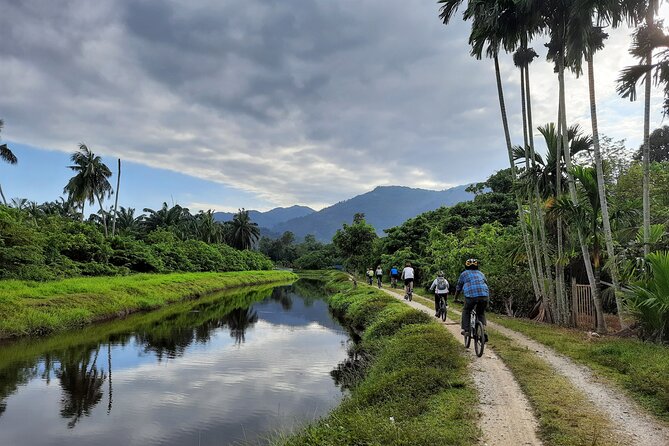
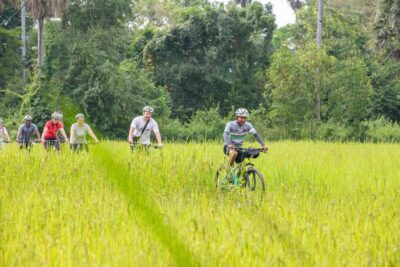
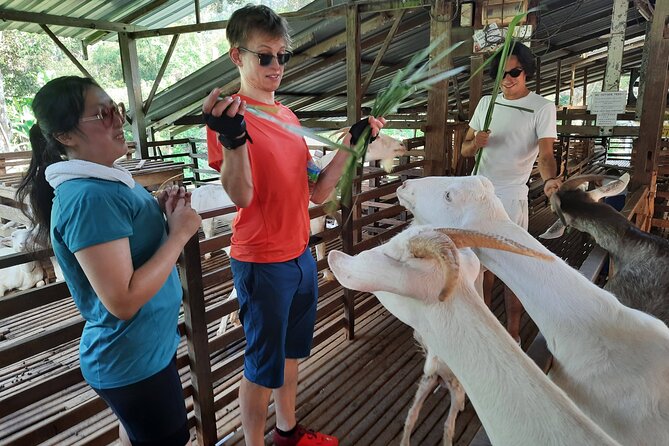
After you’re set up, you begin the countryside portion along paths that pass hamlets and move toward a goat farm. The route is described as a gradual approach with quiet paths and back roads that run alongside waterways. That mix is a big deal in Penang: it gives you a change of scenery without forcing you into steep climbs or busy streets.
What you’re looking for here is not a “landmark moment.” It’s a feel. Along the way, you’ll see how different communities share the same space—small settlements next to farmland, homes close to work zones, and daily rhythms that don’t revolve around tourist schedules. The tour includes guide commentary to connect the dots, including how the multicultural communities live and mingle in these hamlets.
In reviews, this first portion gets praised for being both scenic and easy to handle—winding paths, early-morning atmosphere, and wildlife/greenery. One practical benefit: even if you’re not a serious cyclist, the quiet route makes you feel safe and gives you time to look around.
Kuala Sungai Pinang: the fishing village lens and the Chinese clan story
Next comes Kuala Sungai Pinang, a rustic fishing village. This stop is built around two things: the present-day scene (fishing life right near the river mouth) and the history that explains why these communities are here.
You’ll get an inside story on Chinese clans in Malaysia, including migration and settlement in the early 19th century. That history can sound like it belongs in a museum, but the value here is that it’s tied to what you’re seeing outdoors. When someone explains where families settled and why, the village layout and roles you notice feel less random.
Then you shift from story to sensory observation. The tour guides you toward the river area where the fishing trade is visible in day-to-day ways. You also get a close look at the habitat—your vantage point includes the river edge and the water-based work zones that shape daily life.
River-mouth planks: watching the fishing trade up close
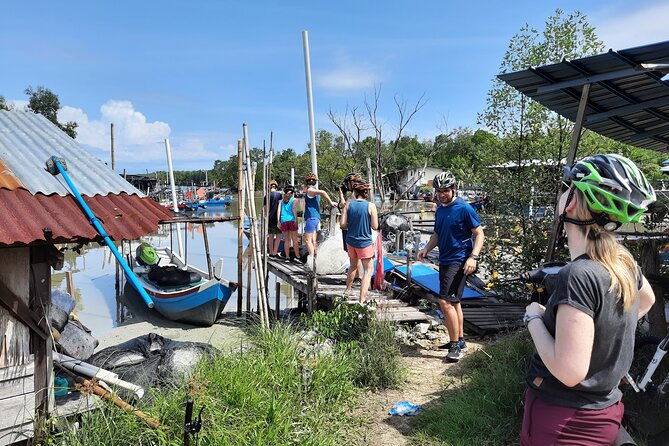
One of the most memorable parts of this tour is the chance to walk near the water using planks built over the area to support fishing trades. This is where the experience changes from “cycling tour” to “local working landscape tour.”
At this point, the guide helps you pay attention to details you might otherwise miss: the types of fish and birds you can spot and the general mix of animals around the habitat. Reviews specifically highlight the feeling of getting up close to wildlife and village culture here.
If you like nature but don’t want a long trek, this stop is a nice compromise. You’re not out in the wilderness; you’re in an active human environment—so the “nature” you see comes with context.
Practical note: wear shoes you don’t mind getting a little dusty (or possibly damp). Even if you’re only walking briefly, river-mouth areas tend to be uneven and sometimes muddy.
Coffee, delicacies, and rice-grain powder making
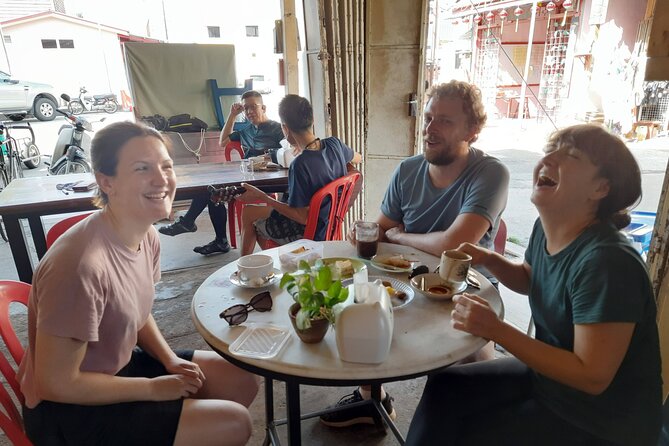
Not every rural tour includes food, but this one does it in a way that supports the theme. You’ll take a break where locals serve coffee/tea and you’ll also taste delicacies. This isn’t a long, formal meal. It’s a quick, friendly stop that gives you energy for the next stretch and helps you feel the social side of village life.
Then comes a hands-on activity: making rice-grain powder and a local “panacea” style preparation that’s used through generations. The tour notes that you can try it as the guide walks you through the steps of producing it. Even if you don’t know what the final product tastes like ahead of time, I like that this is not just watching. It connects you to food processing and small-scale home production—part of why rural travel feels different from city sightseeing.
This is also a moment where a good guide makes a big difference. Reviews mention hosts who are warm and entertaining, and that matters here because you’ll get more out of the process if you understand what you’re seeing and what the ingredient choices mean.
Chinese Hakka Temple: quiet cultural context tied to fishermen’s lives
Another highlight is a visit to a small Chinese Hakka temple. The tour focuses on the function and importance of the worship place for the local fishermen.
This is a strong example of why a guided rural route can feel more meaningful than simply visiting a building. You’re learning the role of the temple in community life right where the community’s work is. The explanation helps you connect religion, community structure, and the practical concerns of a fishing economy.
Keep expectations simple: it’s not a big tourist complex. Think small, local, and practical—an active part of daily life rather than a photo-op stop.
Palm oil estates at the end: seeing the farmland that feeds the island
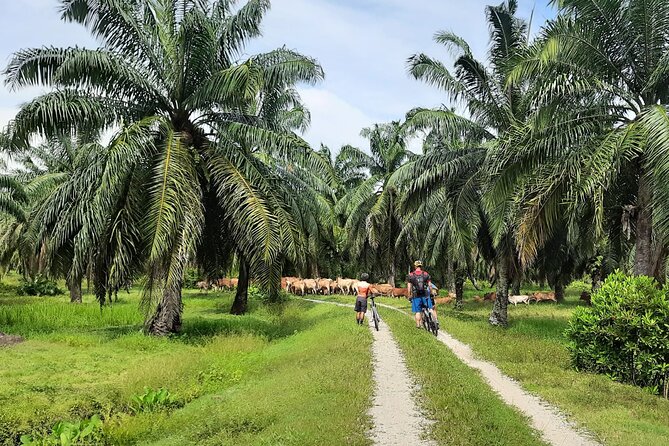
After the village and river moments, the ride transitions toward the final stretches where you’ll see palm oil estates and plantation plots. This is one of the best “whole-system” lessons of the day. Penang isn’t just a coastal culture; it’s also a farming economy with land use that shapes what you see from the road.
The tour leads you to the finishing point through these plantation areas, then you’re back on your bike for the last parts before the day wraps up. In a few hours, you go from hamlets to fishing life to agriculture—without spending an extra day just to understand the economy behind it.
Bikes, pace, and what the ride feels like in real life
A big part of why this tour works is the bicycle quality and setup. The program describes excellent bicycles that work properly, and each one is issued to fit your height. That’s not a small detail. It affects comfort, control, and how quickly you stop thinking about your bike and start paying attention to the world around you.
Helmets are part of the welcoming service, and safety briefing is included. That matters in rural areas too: the roads can be narrow, and you’ll want to ride as a group should, not like you’re practicing for the Tour de France.
Pace is described as easy and flat in practical terms in feedback. The ride is also early in the morning, which makes a big difference. You’re far less likely to feel drained before the cultural stops.
Weather is the one variable you can’t ignore. The experience requires good weather, and if conditions are poor, you’ll be offered a different date or a full refund. In actual rainy situations, guides have been praised for keeping people safe and not forcing everyone into torrential conditions.
Price and value: is $75.49 per person fair?
At $75.49 per person, you’re paying for a guided rural loop that includes more than “just the bike.” Here’s what you’re effectively buying:
- Round-trip transfers between Georgetown and Balik Pulau (about 40 minutes each way)
- Bicycle plus helmet setup and fitting
- A guide who provides context for what you see (Chinese clan history, temple importance, fishing trade details, and everyday food production)
- Multiple stops with experiences, including coffee/tea, delicacy tastings, and rice powder making
- A small group size (max 12), which helps keep the ride smooth
You’d probably spend money on parts of that DIY: bike rental, getting to Balik Pulau, finding local stops without a guide, and building in time for cultural/food activities. This tour saves you the planning work and replaces it with structured, time-friendly guidance. In other words, the value is in what’s organized for you—not just the time on the saddle.
Who should book this tour
This tour is a strong match if you:
- Want to see Penang’s countryside beyond George Town
- Prefer guided cultural context over random wandering
- Enjoy easy riding and want frequent stops
- Like food and small “hands-on” moments (like the rice-grain powder activity)
- Would rather be in a small group than a large bus-style crowd
It may be less ideal if you:
- Want a workout ride with lots of climbing (this is more gentle and scenic than strenuous)
- Hate weather uncertainty and don’t enjoy adjusting plans
If you’re the kind of traveler who likes learning how everyday life works, this one tends to land well.
What to bring for a comfortable countryside morning
Since the tour happens early and can depend on weather, I’d pack with comfort in mind:
- A light rain layer or compact poncho (even if the forecast looks okay)
- Sunscreen and a hat for the morning sun later on
- Comfortable closed-toe shoes (river areas can be uneven)
- Water bottle, just in case (the tour stops for tastings, but you don’t want to be dry on the bike)
Should you book Penang Countryside Cycling Tour (PPA2 by Matahari)?
If you’re curious about everyday Penang—hamlets, fishing villages, small temples, and working farmland—this is an easy yes. The biggest strengths are the small-group setup, the quality bike fitting, and the way the day mixes riding with real village moments rather than just scenic passing views.
I’d book it especially if your Penang trip already includes George Town and you want a different side of the island with less tourist density. Just plan for weather, start with the right mindset (easy, relaxed cycling), and you’ll get a morning that feels genuinely local.
FAQ
How much is the Penang Countryside Cycling Tour?
It costs $75.49 per person.
How long is the tour?
The duration is about 4 hours.
What time does the tour start?
The start time is 7:00 am.
Do I get pickup or transfers?
Yes. Transfers from Georgetown to Balik Pulau are provided by car/MPV or van, and there are return transfers to your hotel.
What is the group size?
The tour has a maximum of 12 travelers.
Are bicycles and helmets included?
You’ll be provided with an excellent bicycle and you’ll have helmet fittings as part of the welcoming service.
What kind of cycling route is it?
The route includes a gradual approach with paths and back roads along waterways, plus stops in village and farmland areas. The pace is set up for most travelers to participate.
What activities and stops are included?
You’ll see a goat farm area, ride to Kuala Sungai Pinang (a fishing village), walk near planks built over the water for fishing trades, make rice-grain powder panacea, visit a small Chinese Hakka temple, and see palm oil estates and plantation plots.
Is food or drink included?
Yes. There’s a stop for coffee/tea and tasting local delicacies, and you’ll try the rice-grain powder preparation.
What happens if weather is bad?
The experience requires good weather. If it’s canceled due to poor weather, you’ll be offered a different date or a full refund.
Is free cancellation available?
Yes. You can cancel for a full refund up to 24 hours before the experience’s start time.