REVIEW · GIFU
Private Afternoon Cycling Tour in Hida-Furukawa
Book on Viator →Operated by SATOYAMA EXPERIENCE · Bookable on Viator
Rice fields and quiet roads, powered by you. This private afternoon cycling tour in Hida-Furukawa takes you beyond the usual sights into historic streets, farming villages, and satoyama scenery with a real local guide. I like that the group stays small—up to 8 people—so the ride feels personal and not like a conveyor belt.
My second big win is the way the guide turns the route into a story. Expect chatty, practical explanations about local daily life and culture, plus specific-interest moments like the background behind koi fish in canals and what you’re seeing in the old folk-house areas. Names like Ayato, Hisa, Nanami, and Kazuki show up again and again in guide praise.
One thing to think through: no food or drinks are included (snacks are, but you’ll still want to bring your own water). Also, there’s no bike basket, so plan to carry small essentials in a bag.
In This Review
- Key Highlights at a Glance
- Afternoon Pedals Through Hida’s Satoyama
- Meeting Point: Start Easy, Then Roll Into Old Town
- Historic Streets to Farming Villages: What the Route Feels Like
- Market Stop + Snacks: A Practical Way to See Local Daily Life
- Old Folk Houses, Shrines, and the Stories That Turn Stops Into Meaning
- Pace, Distance, and Bike Setup for Most Riders
- What’s Included vs What You’ll Want to Add
- Weather Happens: How the Tour Responds
- Price and Logistics: Is $214.48 Worth It?
- Should You Book This Hida-Furukawa Cycling Tour?
- FAQ
- How long is the private afternoon cycling tour?
- Where is the meeting point in Hida-Furukawa?
- What time does the tour start?
- How many people are on the tour?
- What are the age and height requirements?
- How far will you cycle, and is it easy?
- What’s included, and do you get snacks?
- Are there stops like markets or photo pauses?
- What happens if it rains?
- Is free cancellation available?
Key Highlights at a Glance
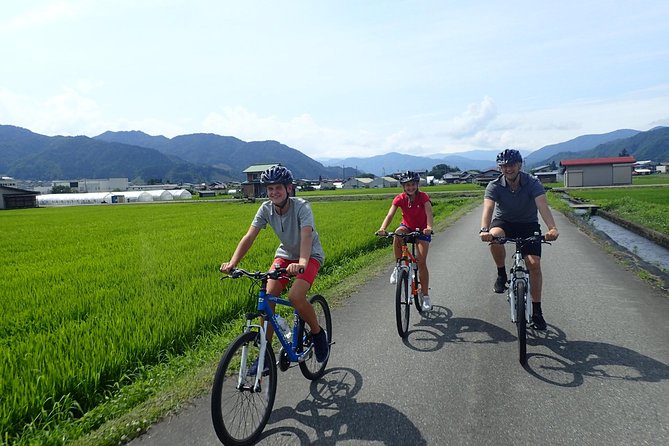
- Max 8 people, private feel: easier conversation and more room to stop for photos.
- 22 km at a relaxed pace: long enough to feel like a proper ride, not a workout contest.
- Satoyama scenery plus real village details: rice fields, old folk houses, and farming life you can actually see.
- Guide stories you’ll remember: from local history to practical culture explanations (including canal koi).
- Market and small breaks: a stop at a local market plus a tea/biscuit-style pause.
Afternoon Pedals Through Hida’s Satoyama
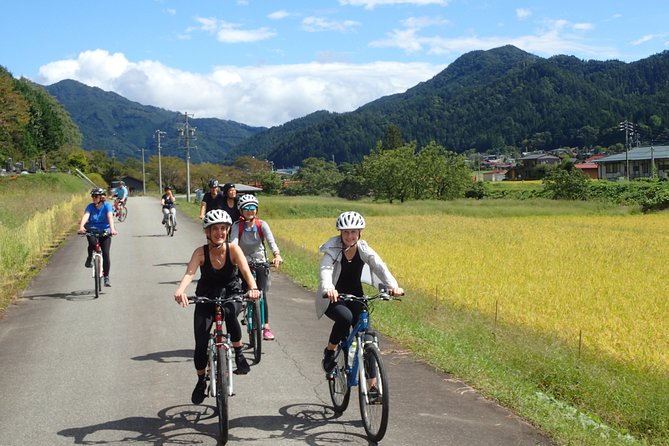
Hida-Furukawa is one of those places where the scenery comes with texture: house shapes, irrigation channels, footpaths between fields, and the rhythm of farm life. This tour is designed for that kind of slow looking. You’re not just cycling past views—you’re being guided to notice what locals notice, and why it matters.
The timing also helps. A 2:00 pm departure means you’re often cycling in better daylight than the early-morning rush, and you get that classic countryside “late afternoon” feel before evening. The total time is about 3 hours 30 minutes, with a ride that covers roughly 22 km.
You’ll also appreciate the small-group reality. When you’re capped at eight riders, the guide can actually adjust. That comes through in guide feedback—people mention pace matching and support for confidence, including for first-time cyclists.
Meeting Point: Start Easy, Then Roll Into Old Town
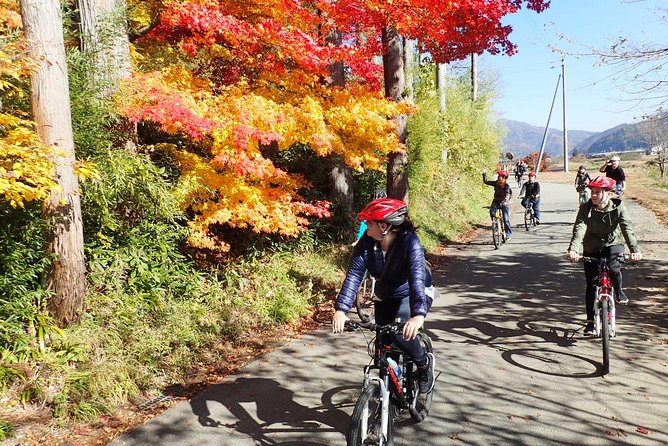
Your tour meets at the Furukawa office in Hida, at 11-32 Furukawachō Ninomachi, Hida, Gifu 509-4235. The start time is 2:00 pm, and the tour returns to the same meeting point at the end.
Here’s what I like about starting from the office area instead of a distant trailhead: you can settle in fast. You’ll meet your guide there, get a quick setup, and then begin with the kind of village streets that help you find your balance before heading out.
From the start, you transition from a historic towngelike old town feel (think traditional streets and preserved structures) toward the countryside. That sequence matters because it keeps the first part of the ride from feeling like a sudden jump into open fields. You get to warm up gently while the guide sets the scene.
Historic Streets to Farming Villages: What the Route Feels Like
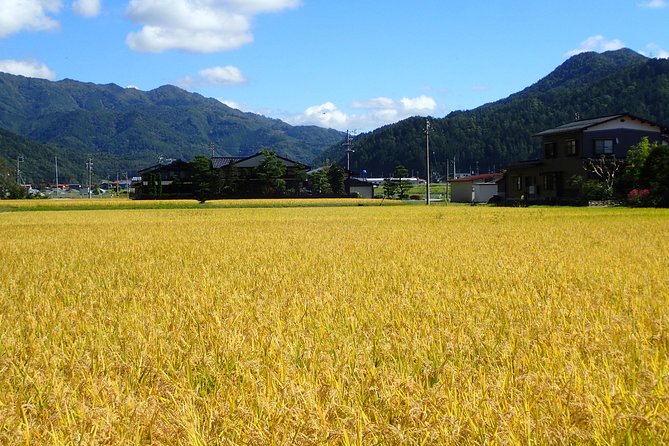
Once you’re out, the route gradually opens up. You go from old-town streets into farming villages where rice fields and mountain backdrops start to appear in layers. This is the satoyama environment—an everyday landscape shaped by people working the land for generations.
Cycling here feels different from cycling in a big-city park. You’re moving through narrow lanes where you can see how irrigation and field boundaries are laid out. You’ll also pass spots where large old folk houses show up near farmland—these aren’t just isolated photo stops; they give you a sense of where people lived and worked.
Pace is part of the design. Reviews describe the ride as easy, with no complicated gear demands. The goal is comfortable, scenic cycling with lots of opportunities to slow down, ask questions, and take in what’s around you.
Market Stop + Snacks: A Practical Way to See Local Daily Life
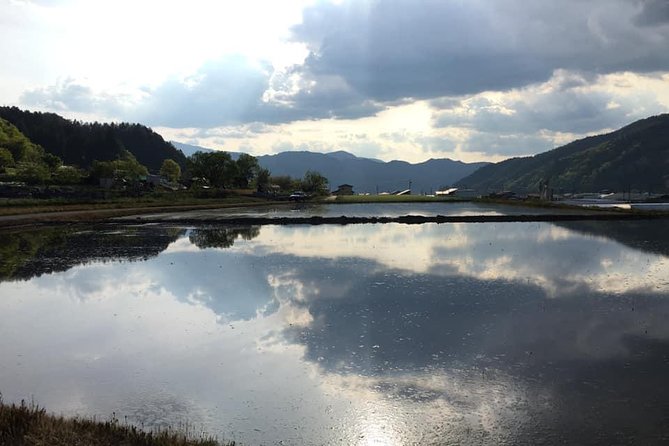
One of the most useful parts of this tour is how it mixes scenery with “daily life” details. You’ll see a local market area where vegetables line up and you get a feel for what’s typical in the region.
That market moment does two things for you:
1) It grounds the ride in real routines, not just postcard views.
2) It gives you context for the food and farming world you’re cycling past.
Snacks are included, which is a big deal on a 3.5-hour outdoor activity. They help keep energy steady without forcing you to hunt for a convenience store halfway through.
Just don’t confuse snacks with a full meal. The tour does not include food or drinks, and there’s no basket attached to the bike, so if you need extra water, carry it from the start. If you like tea breaks, plan to treat the included stop as a bonus—not your whole hydration plan.
Old Folk Houses, Shrines, and the Stories That Turn Stops Into Meaning
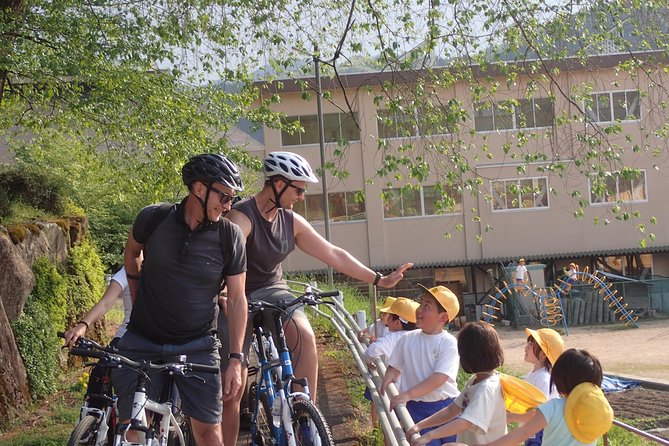
The ride isn’t only about where you pass—it’s about what you notice when the guide points it out. You’ll likely encounter:
- Old folk houses scattered through the area
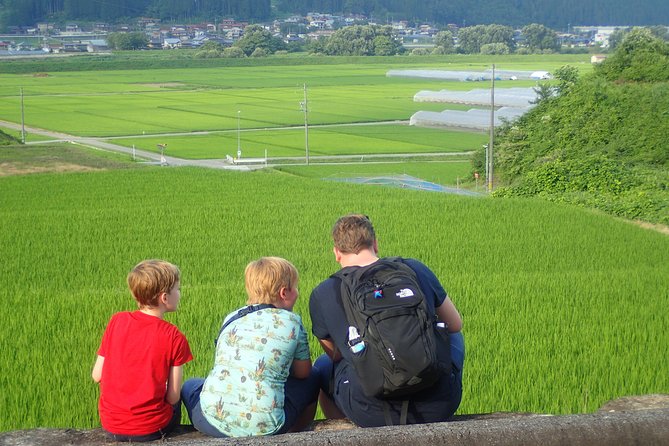
- Rice fields spreading toward the mountains
- Shrines along the way
And then there are the “why” stories that make the whole thing stick. One clear example from guide praise: explanations connected to koi fish in canals. That kind of detail is exactly what you want from a small guided experience. It turns a canal you might otherwise ignore into a clue about local thinking.
This is also where having a calm group helps. In a small group, you can stop where it makes sense, take a few minutes, and not feel rushed. Several riders mention how the guide is willing to pause for photos and adjust to the group’s needs.
Pace, Distance, and Bike Setup for Most Riders
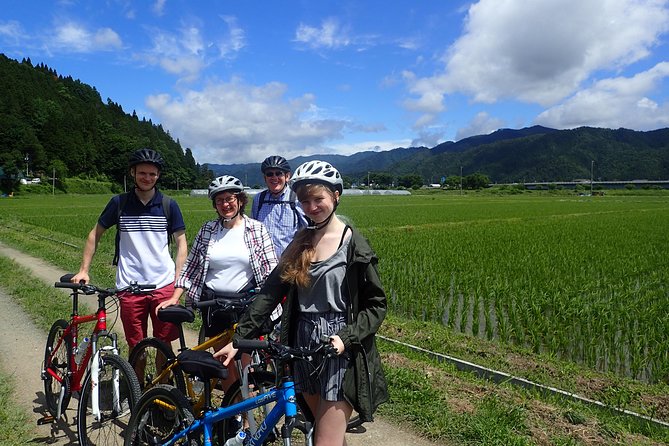
This tour covers about 22 km over 3.5 hours, which translates to a relaxed rhythm. You’re cycling, but you’re also stopping. Think of it as a countryside “moving walk,” just with handlebars.
The included bike setup is designed to make participation straightforward:
- Use of a bicycle
- Use of a helmet
- Insurance is included
Also, reviews mention that it feels like a super easy ride, with no special cycling gear required. If you’re coming from a “I haven’t ridden in years” situation, this is the kind of tour that usually helps you rebuild confidence. One guide praised for doing exactly that is Kazuki, with support for riders getting their balance back.
Limits are clear for families. The minimum age is 6 years, with a minimum height of 125 cm (about 4.1 ft). Most people can participate, and the tour is near public transportation, so you’re not trapped in a remote location if your plans change.
What’s Included vs What You’ll Want to Add
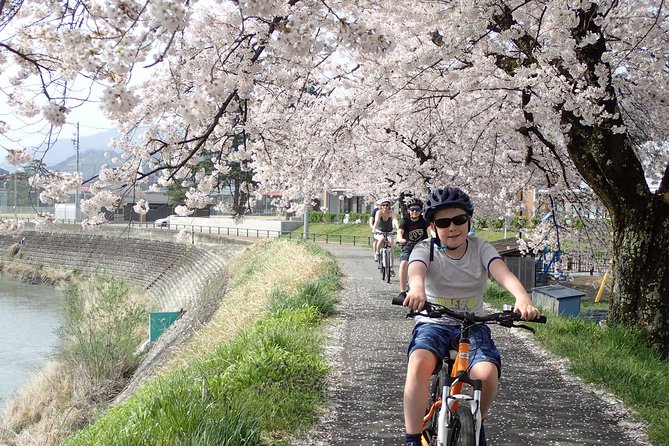
Here’s the practical checklist based on what’s included:
- Local guide
- Bicycle and helmet
- Insurance and local taxes
- Snacks
And here’s what’s not included:
- Food and drinks
- No bike basket attached
So I’d plan like this:
- Bring a water bottle (and consider a small extra snack if you know you get hungry).
- Bring sun protection if it’s clear out.
- If you’re using a phone for photos, add a small pouch or bag you can keep with you while cycling.
Because there’s no basket, your carrying solution matters more here than on bike tours that attach storage. A small crossbody bag or pack you can secure works best.
Weather Happens: How the Tour Responds
Outdoor cycling means you’re at the mercy of weather. Rain is the big one. There’s a real example of the ride being stopped early due to rain, with the guide shifting gears to show the town and museums instead. That tells me something important: the guides don’t leave you stuck—they adapt.
If you’re booking around uncertain weather, I’d treat it like this: plan to enjoy the countryside, but give your guide permission to adjust if conditions aren’t safe or comfortable.
Price and Logistics: Is $214.48 Worth It?
At $214.48 per person, this isn’t the cheapest thing on a Hida day. But it’s also not pretending to be budget travel. You’re paying for several value pieces at once:
- Private tour structure (only your group)
- Small max size (8 people), which keeps the guide interaction personal
- Guide-led cultural interpretation, not just a route map
- Bike + helmet + insurance
- Snacks included
The “private” part is what often justifies the price for families or small groups. Instead of blending into a large herd, you get a guide who can set the pace and answer questions. If you’re traveling with kids, that matters even more, since they can be the pacing variable.
Also, the tour being booked on average 139 days in advance suggests timing demand. If you know your dates, booking early is usually smart so you can get the slot that fits your Takayama/Hida schedule.
Should You Book This Hida-Furukawa Cycling Tour?
Book it if you want a countryside day that feels real. This is for you if you like slower travel, easy cycling, and learning how places work through everyday details—rice fields, old houses, markets, and the stories behind local features like canals.
Skip it or reconsider if you’re looking for a self-guided bike adventure with zero planning. This tour runs on the guide experience, and you’ll want to come prepared since food and drinks aren’t included and there’s no bike basket.
If your group includes first-time cyclists or mixed comfort levels, the small-group setup is a strong plus. The guide support and relaxed pace are built for people who want to enjoy the ride, not conquer it.
FAQ
How long is the private afternoon cycling tour?
It runs for about 3 hours 30 minutes.
Where is the meeting point in Hida-Furukawa?
The tour meets at 11-32 Furukawachō Ninomachi, Hida, Gifu 509-4235, Japan.
What time does the tour start?
The departure is at 2:00 pm.
How many people are on the tour?
The maximum group size is 8 people, and it’s a private tour for your group.
What are the age and height requirements?
Minimum age is 6 years, with a minimum height of about 125 cm (4.1 ft).
How far will you cycle, and is it easy?
The route is about 22 km and is described as an easy ride.
What’s included, and do you get snacks?
Included: a local guide, bicycle, helmet, insurance, local taxes, and snacks. Food and drinks are not included.
Are there stops like markets or photo pauses?
You can expect stops such as a local market, plus breaks that include tea and biscuits, and you can take photos along the way.
What happens if it rains?
Rain can affect the schedule. In one case, the bike tour stopped early and the guide showed the town and museums instead.
Is free cancellation available?
Yes. You can cancel up to 24 hours in advance for a full refund. If you cancel less than 24 hours before the start time, the amount paid isn’t refunded.