REVIEW · SEGOVIA
Segovia: guided route on an electric bicycle (ebike)
Book on GetYourGuide →Operated by NATURCLETA · Bookable on GetYourGuide
Segovia on an e-bike feels like cheating—in a good way. You roll through the city’s big hitters and quieter corners with electric assist and a guide who links monuments to stories, including the route around the Alcázar.
I especially like two things: the way the tour strings together the Aqueduct + medieval wall without turning your day into a stair-climbing workout, and the fact that you spend real time inside streets people often skip, including the Jewish Quarter. The bike format also gives you chances to pause at viewpoints you’d never bother walking to.
One consideration: you do need to be able to ride a bike and pedal steadily, and one key stop (the Church of Vera Cruz) costs an extra €3 if you want to go inside.
In This Review
- Key highlights you’ll actually feel
- Meeting the Aqueduct: where the ride starts to feel right
- The Aqueduct-to-Plaza del Azoguejo stretch (and why it matters)
- Iglesia parroquial de San Lorenzo: sliding into the medieval wall area
- Senda de los Molinos to Alameda del Parral: a calmer kind of Segovia
- Casa de la Moneda and the Monastery area: history you can sightread
- Fuencisla, Church of Vera Cruz, and the Alcázar foot viewpoints
- Back-of-Cathedral views, Antonio Machado’s home museum, and the Jewish Quarter lanes
- Mirador del Postigo and Aqueduct-top viewpoints: the route’s best perspective shift
- Iglesia de San Esteban to the local aperitif: pacing that doesn’t feel rushed
- Who this e-bike tour fits best (and who should skip it)
- Price and value: is $59 for 3 hours a fair deal?
- Should you book Naturcleta’s Segovia e-bike ride?
- FAQ
- Where is the meeting point for the Segovia e-bike tour?
- How long is the tour?
- What’s included in the price?
- Is the Church of Vera Cruz included?
- Do I need to be an experienced cyclist?
- What should I know about bringing kids or ordering the right bike?
Key highlights you’ll actually feel
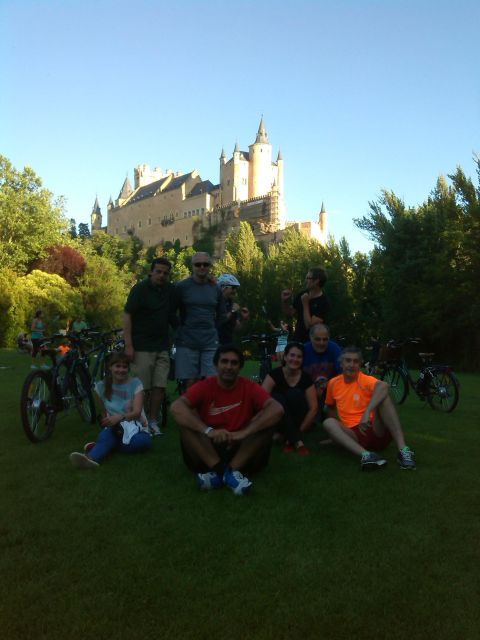
- Electric assist keeps it easy to move between sights without tiring out on hills and uneven streets
- Small group (max 10) with a titled Spanish/English guide, including the popular guide Ángel
- A 3.5 km circuit by the medieval wall plus intramural lanes through the old city
- Aqueduct storytelling, including the famous Devil legend statue and top-of-the-Aqueduct viewpoint
- Jewish Quarter detours that connect the Cathedral area with Antonio Machado’s home museum
- A short local bar aperitif that fits the 3-hour flow
Meeting the Aqueduct: where the ride starts to feel right
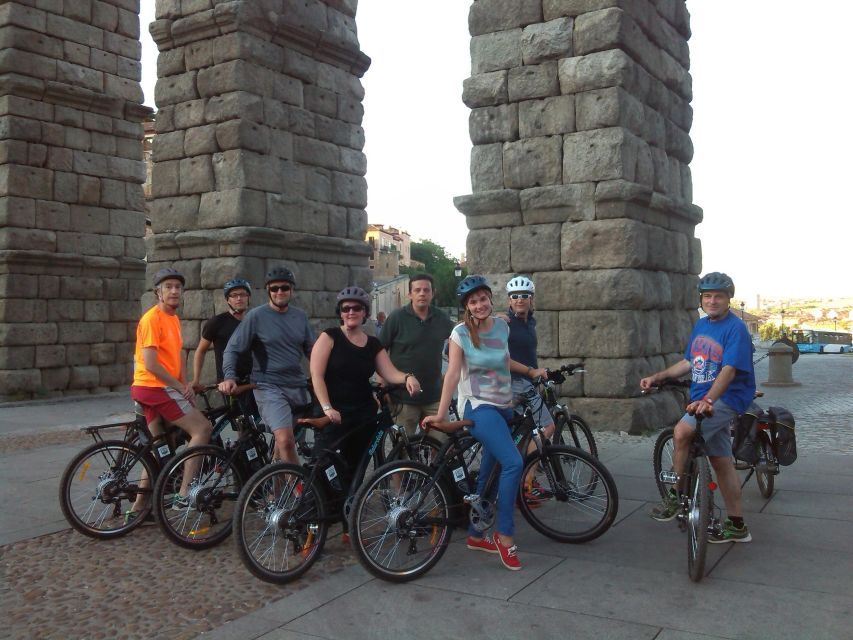
You’ll meet at the start of the Monumental Aqueduct, on Avenida Padre Claret. From minute one, you’re oriented around the city’s defining landmark, not trying to “find your way” on your own.
Segovia’s old center is all tight streets, angles, and sudden views. The e-bike helps you glide from one pocket to the next, and the guide keeps the group together so you’re not bouncing between landmarks like a frantic pinball.
And yes, you’ll still pedal. The benefit is that the electric support takes the edge off the push—so you can enjoy the stops, rather than counting minutes until you can rest.
The Aqueduct-to-Plaza del Azoguejo stretch (and why it matters)
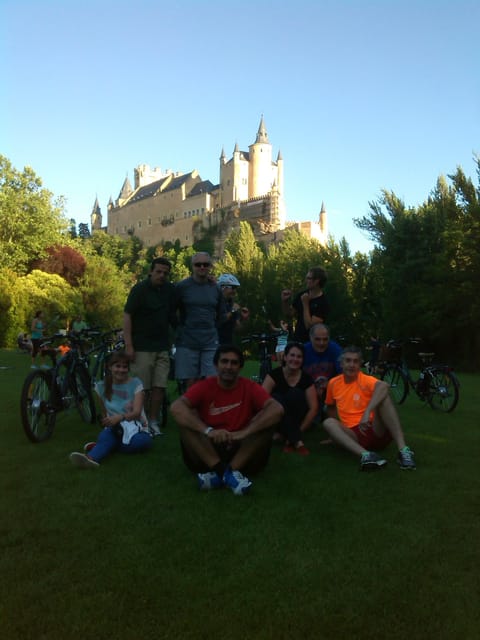
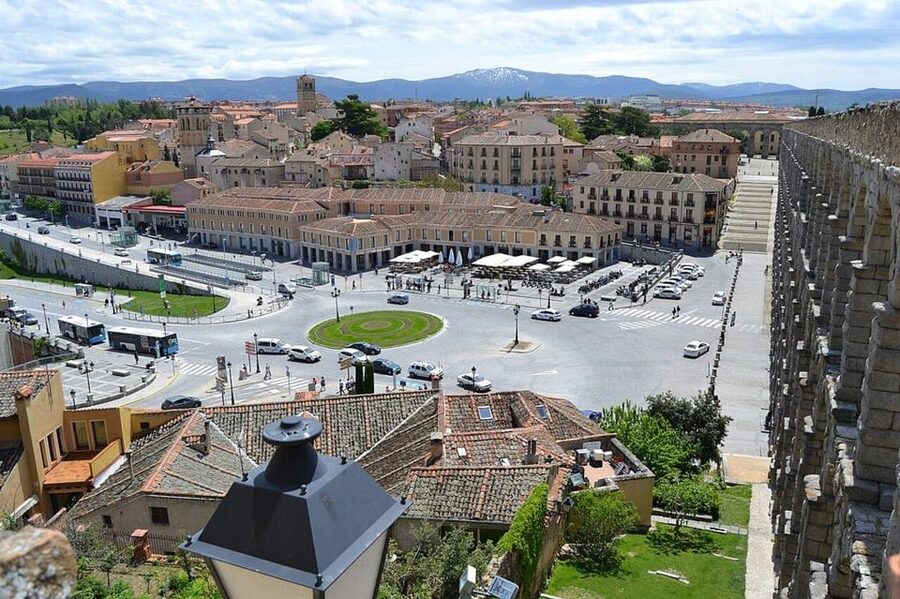
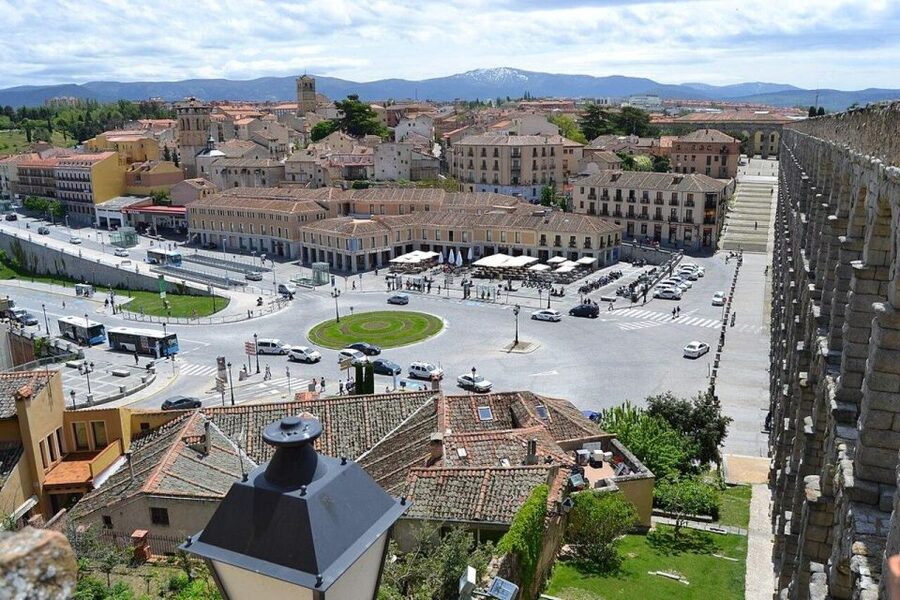
The tour begins with a ride alongside the Aqueduct’s path and includes a short segment toward Plaza del Azoguejo. This is where you get the immediate sense of scale: the Aqueduct isn’t just a photo backdrop. It’s the spine that shapes how Segovia was built and remembered.
After you move from the Aqueduct into the city’s fabric, you’ll also get the logic of the route: start big, then gradually thread into smaller spaces—walls, courtyards, church towers, and narrow passages. It’s a smart way to understand the city in layers rather than as one long walking list.
This Aqueduct-focused start also sets up later moments, because the ride includes viewpoints linked to the legend and the Aqueduct’s upper area. In other words: you don’t just see it once—you see it in context.
Iglesia parroquial de San Lorenzo: sliding into the medieval wall area
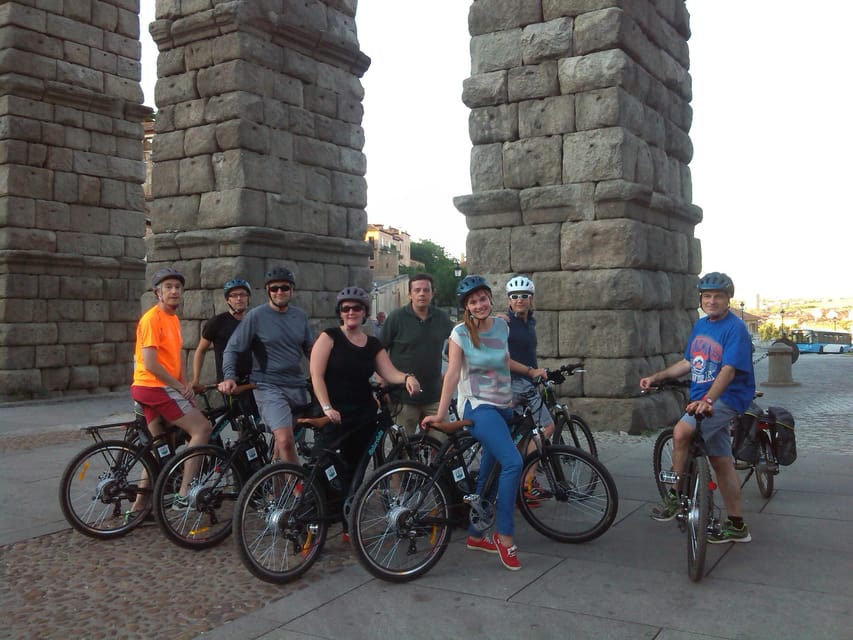
Next up is the Iglesia Parroquial de San Lorenzo, with time by this part of the historic center. From here, the route leans into Segovia’s medieval structure—walls, plazas, and Romanesque details that feel different from the Cathedral-and-Alcázar corridor people usually stick to.
The tour’s design is built around that historic core loop around the medieval wall, with strategic stops and viewpoints. That matters because the wall is not just architecture—it’s where you get the city’s geometry: how street levels relate to towers, and how rooftops and courtyards align when you look outward.
If you’re the type who likes understanding how a town is laid out, you’ll appreciate this section. The e-bike helps you keep momentum while still having time to stop and look.
Senda de los Molinos to Alameda del Parral: a calmer kind of Segovia
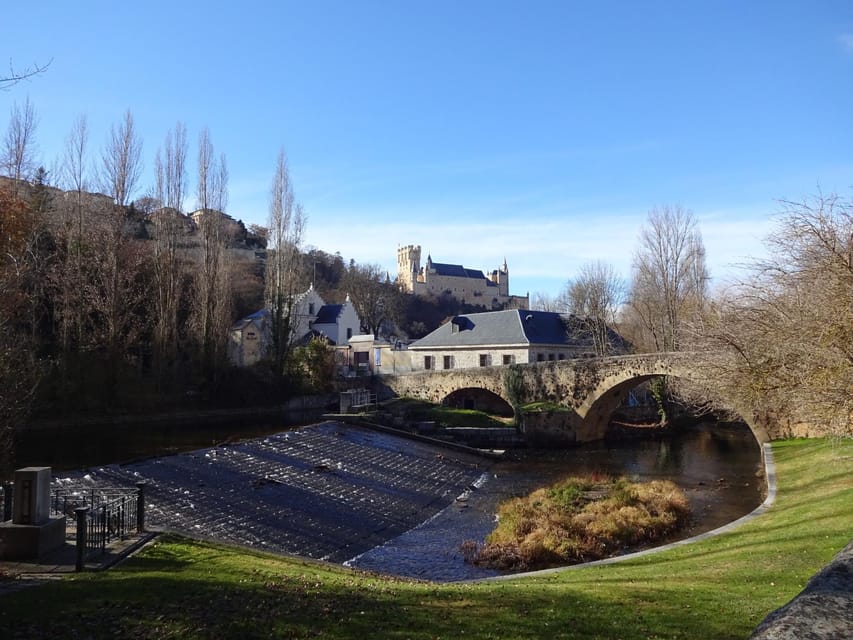
Now you shift toward the Eresma River area via the Senda de los Molinos. This is one of those segments where Segovia feels less like a museum and more like a living landscape—quiet paths, river-side direction changes, and a slower pace compared with the densest old streets.
Then you ride to Alameda del Parral, anchored by the Monastery of Santa María del Parral. The tour includes this stop plus time to take in nearby landmarks, including the Royal Mint area.
This stretch is valuable for two reasons:
1) It breaks the intensity of “big monuments, big crowds,” and
2) It shows you how Segovia’s old center connects to green space and water.
You’re still inside the historic frame, but the feel changes.
Casa de la Moneda and the Monastery area: history you can sightread
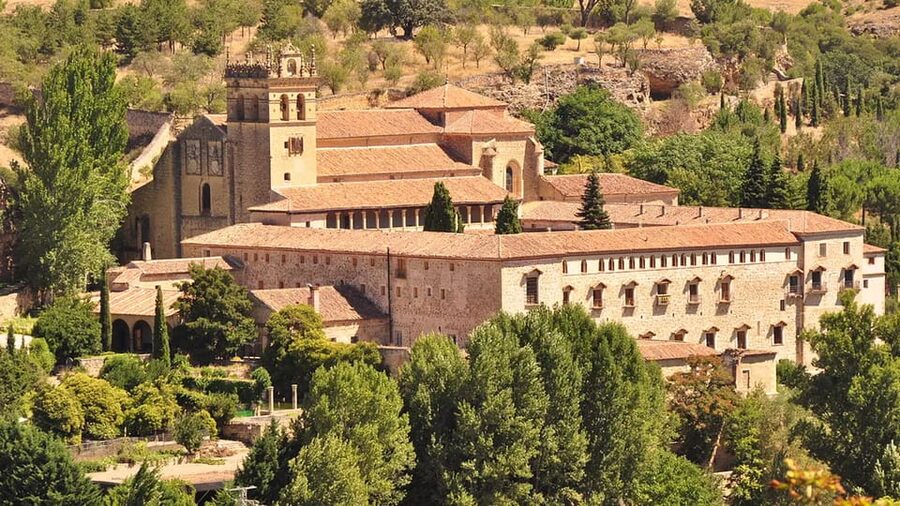
The Royal Mint Museum of Segovia is part of the ride plan, with a dedicated stop. Even if you don’t go deep into numismatics, you’ll still get why the Royal Mint belongs here—Segovia’s economy and power weren’t abstract. They were part of the city’s daily machinery and prestige.
Pairing the Royal Mint stop with the monastery area is a nice planning choice. You’re not jumping from one “type” of place to another without contrast. Instead, you get a practical comparison between religious calm and civic/royal function.
Also, because this is an e-bike tour rather than a bus ride, you can move past the museum-and-monastery cluster at a comfortable pace and still get back to outdoor viewpoints.
Fuencisla, Church of Vera Cruz, and the Alcázar foot viewpoints
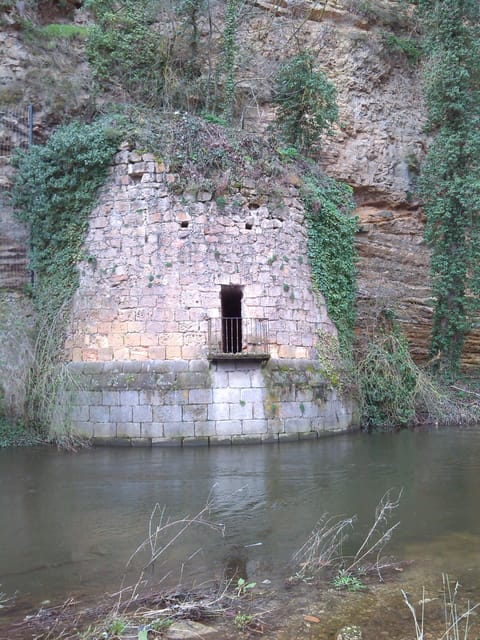
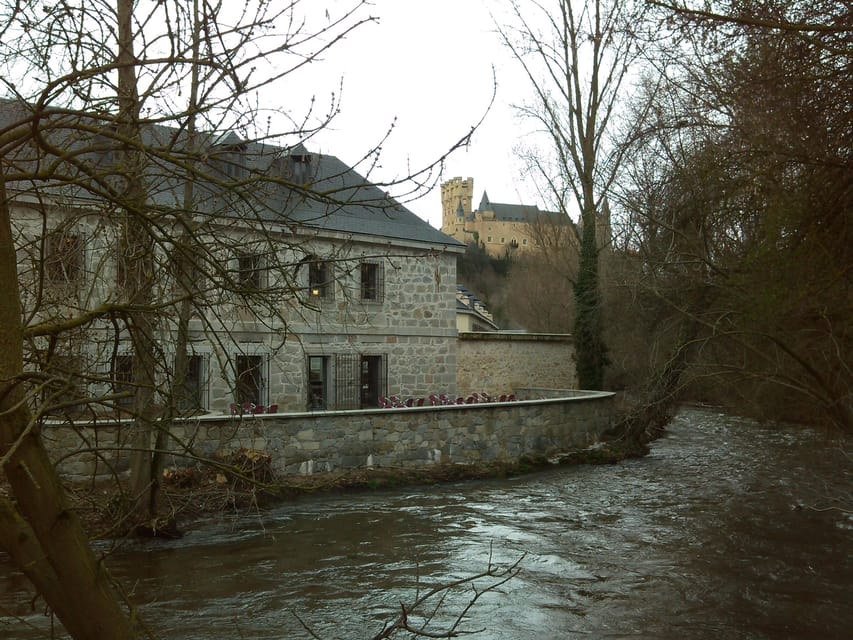
You’ll reach the spectacular esplanade of Fuencisla at the foot of the Alcázar. This is the moment when the whole route starts to click visually: you understand how the Alcázar dominates the skyline and how the city wraps around it.
Along the way, there’s a stop at the Church of Vera Cruz. This visit is not included by default; the church stop costs an extra €3. If you love architectural quirks, it’s worth considering—the church has a dodecagonal plan and is tied to the Order of the Maltese Cross.
In plain terms: this section rewards you if you like stopping for photos and reading a monument’s setting, not just ticking off buildings. The guide’s pacing helps you take in the esplanade and then continue to the city wall areas without losing the thread.
Back-of-Cathedral views, Antonio Machado’s home museum, and the Jewish Quarter lanes
After more wall-adjacent sightseeing, you enter the Jewish Quarter through the Arco del Socorro. This is where the tour becomes more than sightseeing and turns into a route through lived-in old-town streets.
Inside the neighborhood, you’ll get stops that connect big cultural points together:
- the back of the Cathedral area
- the Antonio Machado House Museum
- the Church of San Esteban
That San Esteban church is a standout because it includes the tallest Romanesque tower of Spain. Even from the street level, the tower is an anchor—you can’t miss it once you’ve been guided to the right viewpoint.
And then there’s the legend element: the ride includes the statue of the Devil, which recalls the story about the Aqueduct’s construction. This kind of storytelling is exactly why I like guided bike tours here. Without a guide, legends stay vague. With one, they become part of how you interpret what you’re seeing.
Mirador del Postigo and Aqueduct-top viewpoints: the route’s best perspective shift
One of the most memorable shifts is getting to viewpoints like Mirador del Postigo at the top area of the Aqueduct. From elevated angles, the Aqueduct turns from a monument into a system: arches, lines, and the way it frames the city’s streets and rooftops.
The tour also includes other viewpoints such as the Mirador de la Pradera de San Marco and the Mirador del Acueducto, plus a general viewpoint stop. Together, these stops help you see Segovia from multiple heights without doing a hard hike.
This is where the e-bike pays off most. You’re not straining to reach the overlooks. You’re arriving with your energy intact, so you can actually enjoy the view instead of rushing it.
Iglesia de San Esteban to the local aperitif: pacing that doesn’t feel rushed
As you move through the Jewish Quarter stops, the ride also includes time at a local bar for an aperitif (about 20 minutes). This is a practical break in a 3-hour format, and it also gives you a taste of Segovia’s “pause and talk” culture.
Then you loop back toward the start point at the Aqueduct. Finishing where you began keeps the day coherent. You don’t end in some far-off corner; you end at the city’s main landmark where you can keep exploring on foot if you want.
Who this e-bike tour fits best (and who should skip it)
This is a good choice if you:
- want to cover a lot in 3 hours without feeling crushed by walking
- like guided context—legends, architectural details, and why places matter
- enjoy cycling through old-town lanes and seeing spots that aren’t always on the most obvious routes
- want a sustainable, active way to travel without turning it into a workout event
It’s not a fit if you:
- can’t ride a bike, or don’t feel comfortable pedaling on city streets
- are pregnant
- are over 75 years old
- are under 6 years old (and the activity has additional bike/age limitations for children, including that bikes aren’t available between 6 and 9 years old)
- exceed 130 kg / 287 lbs
If you’re bringing kids, you’ll need to plan around the height rules and the availability for certain age ranges. The good news is that if there’s a child aged 1–5, there’s an option to incorporate a baby carrier at no extra cost.
Price and value: is $59 for 3 hours a fair deal?
At $59 per person for a 3-hour guided e-bike route, you’re paying for three things at once: the electric bike, the guide (Spanish/English), and the structured coverage of several major Segovia zones.
Where it feels like good value:
- You hit major monuments (Aqueduct and Alcázar area) and also get time in the Jewish Quarter plus wall viewpoints. That’s a lot to do in 3 hours with minimal stress.
- The small group limit (up to 10) helps the guide manage safety and keeps the tour from feeling like a conveyor belt.
- Included extras—helmet and insurance—remove common trip-friction.
Where it might not feel perfect:
- The €3 Church of Vera Cruz visit isn’t included. If you want that interior stop, factor it into your budget.
- If you already plan to spend your day slow-walking the center, you may not need a powered bike loop.
For many visitors, though, this is exactly the sweet spot: structured, fast enough to feel efficient, and designed to show you Segovia’s layout in a way walking-only tours usually struggle with.
Should you book Naturcleta’s Segovia e-bike ride?
Yes—if you want an easygoing way to see Segovia’s core landmarks plus the lanes and viewpoints that make the city feel special. The combination of electric assist, a tight 3-hour time window, and a guide like Ángel who ties places to stories (including the Aqueduct legend) makes this a strong first-or-second Segovia experience.
Skip it if your comfort with riding a bike is low, or if your day is already packed with slow sightseeing that you’d rather do independently. Also, if you’re traveling with children, double-check the age and size guidance before you book so you’re not disappointed on arrival.
If you’re deciding between a standard walking tour and this e-bike route, I’d pick the bike version for most people. You’ll see more, you’ll reach more viewpoints, and you’ll still have energy to wander afterward.
FAQ
Where is the meeting point for the Segovia e-bike tour?
You’ll meet at the beginning of the Acueducto de Segovia, on Avenida Padre Claret.
How long is the tour?
The duration is 3 hours.
What’s included in the price?
The activity includes an electric bicycle, a titled Spanish/English guide, helmet, insurance (civil liability/accident coverage), and the guided route through the main stops.
Is the Church of Vera Cruz included?
No. The Church of Vera Cruz visit is not included and costs an extra €3 if you choose to go.
Do I need to be an experienced cyclist?
No formal experience is listed, but the tour is not suitable for people who can’t ride a bike. You’ll need to be comfortable pedaling.
What should I know about bringing kids or ordering the right bike?
You must indicate your height to set the correct bicycle size. For children aged 1–5, a baby carrier can be added at no extra cost. The tour isn’t suitable for children under 6, and bikes are not available between ages 6 and 9. Children’s height (130–150 cm) affects bike sizing, so that detail matters too.