REVIEW · UJI
Slow Cycling Tour at Uji’s Matcha Green Tea Fields and Heritage
Book on Viator →Operated by BROMPTON SLOW CYCLING TOURS · Bookable on Viator
Matcha fields meet history on easy wheels. This slow cycling tour in Uji pairs a Brompton bike ride with an English-speaking local navigator, so you can cover more tea country without feeling rushed. I love how the route mixes matcha education with old-school stops like Uji Shrine and Kōshōji Temple, and I also like that you get a photo-friendly ride that stays calm and manageable. One thing to plan for: some of the best-known tea and temple sites have optional entrance fees you pay on the day.
In This Review
- The Sweet Spot: why this Uji tour feels different
- Key highlights at a glance
- Uji by Brompton: a calm way to cover tea country
- Chazuna at the Tea and Uji Community Center (your matcha starter lesson)
- Uji Shrine: where luck stories meet 1,700+ years
- Ujigami Shrine and the Kirihara Water spring
- Asagiri Bridge: the quick photo moment that actually delivers
- Kōshōji Temple and the Kotosaka slope
- Amagase Dam trail: quiet river views, wooden bridge, and “Kyoto-mode-off”
- Byodo-in Omotesando: optional Phoenix Hall or a tea shop break
- Price and value: what $130.46 really covers
- How the tour day flows: timing that stays friendly
- Who should book this Uji slow cycling tour
- Things to consider before you go
- Should you book? My honest take
- FAQ
- Where does the tour start and end?
- What time does the tour begin?
- How long is the experience?
- What is included in the price?
- Do I need to pay for entrance fees during the tour?
- Are snacks included?
- What if I want travel insurance?
- How big is the group?
- Is the tour easy enough for most people?
- What happens if the weather is bad?
The Sweet Spot: why this Uji tour feels different
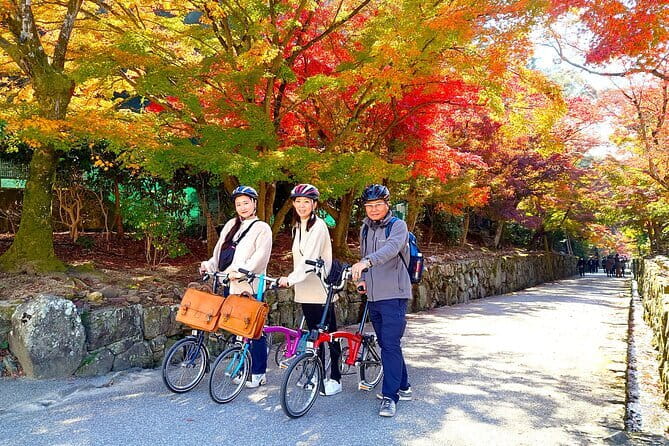
This is built for a relaxed pace, which matters in Uji. You ride with a guide who handles the route, helps you connect each stop to tea culture and local legend, and keeps the group moving slowly enough to actually enjoy the river air and temple atmosphere.
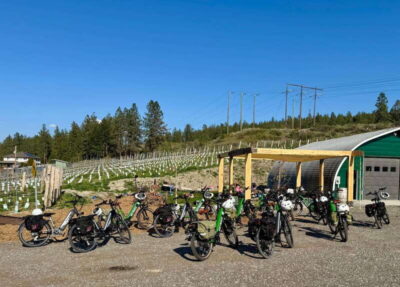
You’re also on a Brompton, not a rental “bike-shaped object.” The smaller, city-friendly setup makes turns and tight paths feel less intimidating, especially compared with bigger touring bikes. The small group size (max 6) helps too—you get more of that small-town, walk-and-look rhythm instead of bouncing along with a crowd.
The one catch: Chazuna (tea culture center) and Byodo-in Phoenix Hall are both listed as options with separate tickets. If you want to do both, budget a bit extra.
Key highlights at a glance
- Brompton slow cycling: city-friendly handling for an easygoing day.
- Matcha culture context at Chazuna (optional entry ticket).
- Ancient shrine stops with stories tied to academic and childbirth luck, plus famous springs.
- Riverside quiet time at the Asagiri Bridge area and the Amagase Dam trail.
- A small group feel with an English guide and a local navigator.
- Optional finish near Byodo-in for either the Phoenix Hall or a tea shop break.
Uji by Brompton: a calm way to cover tea country
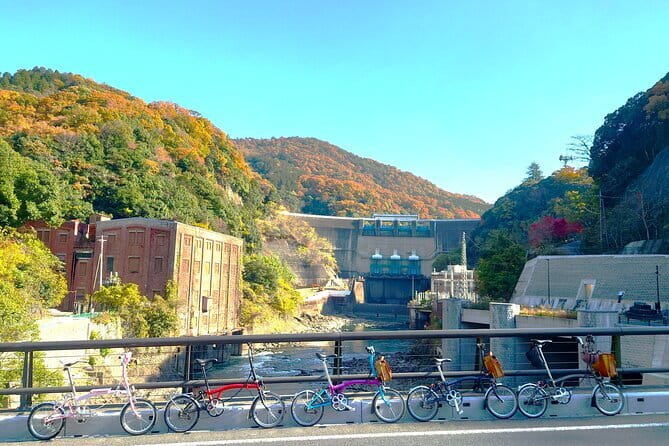
Uji sits south of Kyoto and carries a strong identity: matcha, tea goods, and long-lived religious sites. The best way to see it is slow, because the charm is in the details—tea craftsmanship, stone paths, river bends, and the way temples feel when you’re not battling bus crowds.
That’s where the Brompton bike choice helps. You’re not doing a workout grind. You’re doing an easy roll between points, with stops built in for photos, short walks, and guided explanations. If you’re not super confident on a bike, this kind of pacing is exactly what you want, since you’re not expected to “keep up” at a fast clip.
The local navigator piece is also underrated. Uji is compact, but not every temple approach or riverside path is obvious unless someone local is guiding you. You get the benefit of their pattern-finding—what to look at, where the quiet views are, and how the stops connect.
Chazuna at the Tea and Uji Community Center (your matcha starter lesson)
Your first stop sets the tone: Tea and Uji Town Exchange Center Chazuna. This is where visitors learn about Kyoto’s tea culture and history, and it’s a smart opener because it gives you something to look for later.
Even if you skip the optional entrance fee, just arriving at the center as the start of the day helps. Tea in Uji isn’t random—it has roots, tools, and regional meaning. Then, once you’re out riding, the names and references from this start point make the whole route feel more connected.
If you do take the Chazuna option, you’ll likely find it easier to understand why Uji is treated as a matcha reference point and not just a picturesque detour from Kyoto. In short: this stop helps you turn the trip from sightseeing into tea literacy.
Uji Shrine: where luck stories meet 1,700+ years
Next up is Uji Shrine, a historic shrine with a history of more than 1,700 years. The tour includes this stop with free admission, which is a nice way to add a major cultural site without extra ticket decisions.
The guided angle here matters. Uji Shrine is believed to be beneficial for academic success and childbirth—those are very human topics, and they’re the kind of meaning that tends to stick when a guide explains it clearly. You’re not just looking at buildings; you’re learning why people cared enough to keep coming back for centuries.
This stop is also a good “reset” after your first riding segment. Even on a slow tour, you’ll appreciate a short walk where you can breathe, take a few photos, and let the pace feel gentle.
Ujigami Shrine and the Kirihara Water spring
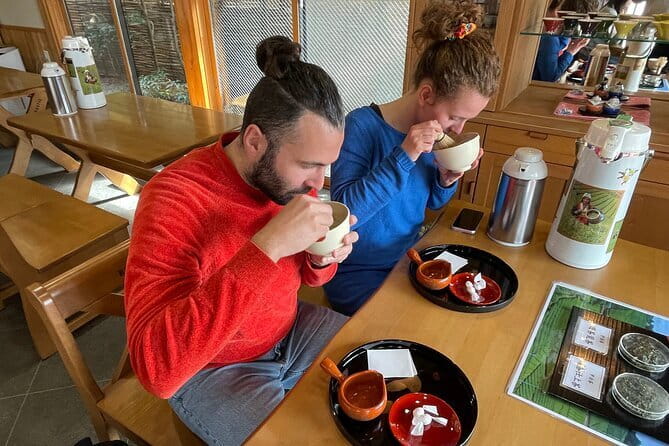
Right after Uji Shrine, you’ll visit Ujigami Shrine, paired with its neighboring counterpart. This stop includes free admission as well, and it connects religion to place in a very specific way.
A spring called Kirihara Water still gushes from the grounds, and it’s counted among the seven famous waters of Uji. That detail is exactly why a local navigator helps: it gives you a reason to pay attention to what you might otherwise treat as background scenery.
You also get a more complete sense of the shrine area rather than treating it like a single photo location. It feels like two linked pieces of a bigger puzzle.
Asagiri Bridge: the quick photo moment that actually delivers
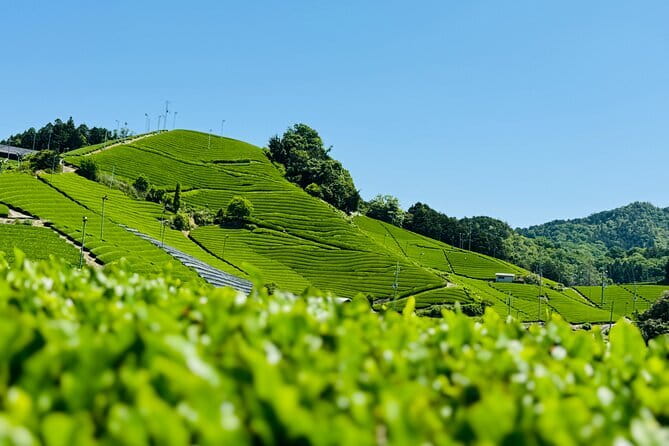
After the shrines, the tour slows down in a different way: scenery. Asagiri Bridge crosses the Uji River and is built for photos, with only about 15 minutes scheduled here and free admission.
This isn’t a deep museum stop. It’s a simple, effective one: get your shot, breathe in the river air, and enjoy the view without forcing the day into a marathon.
If you’re traveling with someone who likes taking photos but doesn’t want to spend an hour walking, this is a great compromise stop.
Kōshōji Temple and the Kotosaka slope
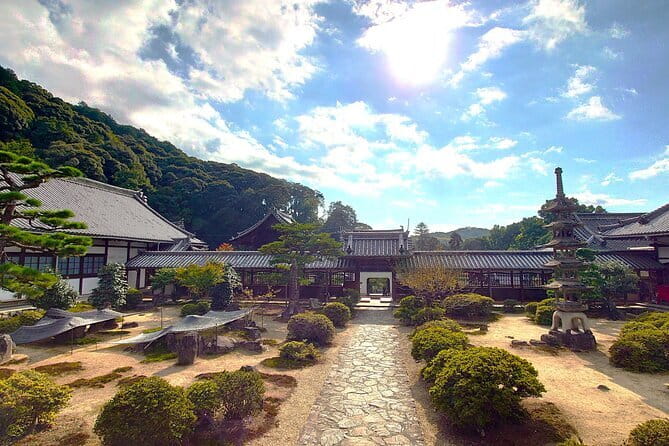
Kōshōji Temple is next, and it’s described as a Zen temple with about 800 years of history. Admission here is free, and the approach is part of the experience.
The Kotosaka slope—from the stone gate to the temple grounds—is made of stone walls, and that path detail is what makes the stop memorable. It’s not just about what’s inside once you reach the buildings; it’s about how you move through the setting.
Zen sites often feel best when you slow down. This tour’s pacing fits that perfectly. Even with limited time, you’ll likely come away with the feeling that you saw more than the exterior and you understood the mood.
Amagase Dam trail: quiet river views, wooden bridge, and “Kyoto-mode-off”
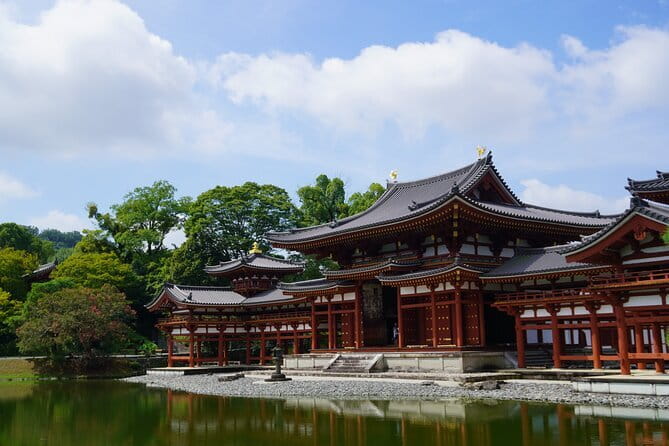
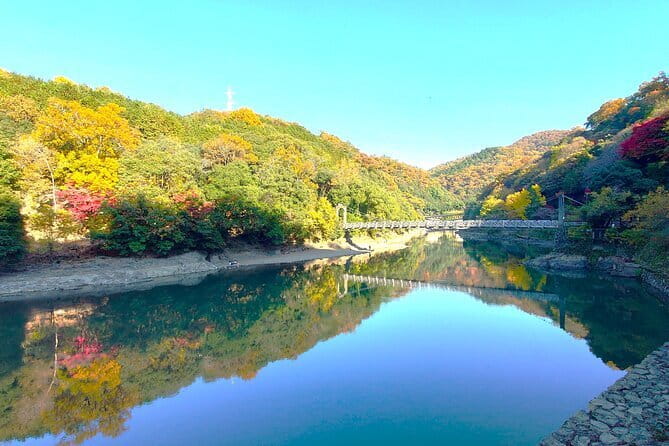
One of the most relaxing parts of the whole tour is the Amagase Dam segment. You ride (slowly) into a nature trail along the Uji River, then reach the wooden Amagase Bridge.
This is where the day can feel like a switch flips. The view over the valley is described as so tranquil that Kyoto’s hustle fades away. If you’ve been in Kyoto’s busier areas and want a calmer reset, this is the moment.
It’s also a good segment for people who want their slow cycling to include some greenery and breathing room. Even in warmer weather, one of the more positive comments tied to the route was that it felt cooler along shady paths by the river, which is exactly what you hope for when the calendar is hot.
With about an hour here, it’s long enough to actually enjoy the scenery rather than just look and move on.
Byodo-in Omotesando: optional Phoenix Hall or a tea shop break
As the tour returns toward the city, you reach the Byodo-in Omotesando area. The schedule suggests you can visit the Byodoin Phoenix Hall, a UNESCO World Heritage Site, or you can stop for a cup of tea in Uji’s unique tea shops.
That flexibility is valuable because it matches different travel styles. Some people want the landmark box-check. Others want the slower, local experience—tea, a seat, and a quiet moment before heading back to Kyoto.
The Byodo-in Phoenix Hall entrance fee is an option (not included), and tea shops are also naturally on your dime. Still, the choice is what makes this section feel personal. You’re not forced into one type of ending.
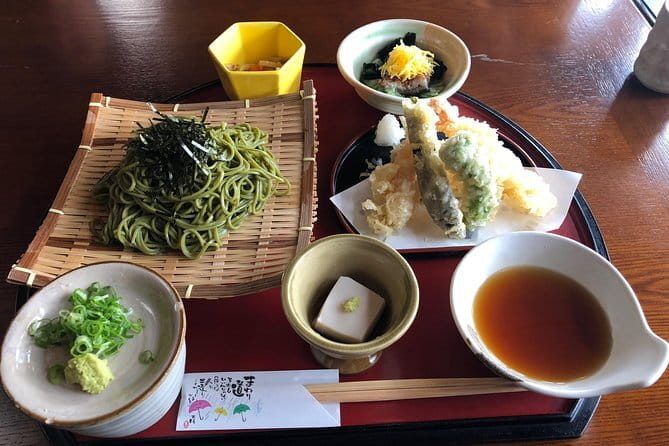
And yes, many people love finishing with something matcha-related here—one review mentioned ending the tour with a matcha drink, which fits the area’s vibe and the day’s theme.
Price and value: what $130.46 really covers
At $130.46 per person for roughly 4 hours 30 minutes, you’re not just paying for transportation. You’re paying for the bike setup, the guide time, and the route planning that gets you to places that are easier with a local than on your own.
Here’s what’s included:
- Bicycle rental fee
- Exclusive navigator fee
- Bike equipment like helmets and bags for wheeled transport
- English guide
When I look at value like this, it makes sense. Renting a bike in Kyoto-area regions can add up, and joining a guided route usually costs more than people expect once you factor in time and logistics. Here, the setup is handled for you—helmet, bike, and guidance—so you’re not spending your energy solving problems.
What’s not included is important:
- Insurance fee option (500 yen)
- Snacks (the navigator suggests options based on what you want)
- Chazuna entrance fee option (600 yen)
- Byodo-in Phoenix Hall entrance fee option (700 yen)
That means the total day cost can change depending on which options you choose. But if you prioritize matcha context and the Phoenix Hall, you can plan a clear extra budget rather than getting surprised mid-day.
How the tour day flows: timing that stays friendly
The tour starts at 10:00 am and ends back at the meeting point. That structure keeps your day from turning into guesswork.
You’ll move through the morning with the tea culture center and shrine area, then spend the later part focusing on temple approach and river scenery. The long nature-and-bridge segment gives the day breathing room, and the Byodo-in area gives you a satisfying finish, either with a landmark or a tea stop.
One practical perk: the tour is designed as slow cycling. That doesn’t mean it’s boring. It means the pacing is built so you can enjoy explanations, take photos, and still feel like you had a real day out.
Who should book this Uji slow cycling tour
This tour fits best if you want:
- A matcha-centered day in Uji without the stress of figuring everything out
- An easy ride that still feels like you saw a lot
- A mix of culture (shrines and Zen temples) and calmer nature views by the river
- A small group experience (max 6), so stops feel personal instead of chaotic
It’s also a good choice for couples or friends who want conversation time. The Brompton ride is fun, and the guided stops give you plenty to talk about.
If you’re traveling with someone who gets tired easily from walking, the slow cycling format can be a lifesaver. And if you’re a matcha fan, you’ll like that the day is staged so tea context comes early and stays relevant as you visit other sites.
Things to consider before you go
The main decision is how you’ll handle optional tickets and food. If you’re strict about keeping costs low, you can still enjoy plenty because several sites are free (Uji Shrine, Ujigami Shrine, Asagiri Bridge, Kōshōji Temple, and the Amagase Dam trail). But if you want the Chazuna entrance and the Byodo-in Phoenix Hall, expect to add those on top.
Also, this experience needs good weather. If conditions aren’t right, you’ll be offered a different date or a full refund, so it’s smart to keep your Kyoto-area plan flexible.
Finally, if you prefer extremely spontaneous travel, a fixed guided route might feel a bit structured. The good news is that the course can be arranged according to your wishes, so there’s room to shape the day.
Should you book? My honest take
Book it if you want an easy, themed day that connects matcha culture to real places—Uji’s shrines, a Zen temple approach, and a very peaceful river stretch. I especially like that the trip is built around a small-group vibe and an English-speaking guide/navigator who can explain why these stops matter, not just what they look like.
Skip—or at least think twice—if you only want fully included entry tickets and zero add-ons. Since Chazuna and Byodo-in Phoenix Hall are optional, your final cost depends on what you choose at the time.
Overall, this is one of those trips that feels like good planning done for you: the bikes, the stops, the pace, and the matcha theme all line up.
FAQ
Where does the tour start and end?
The tour starts at Chatsubo PostboxJapan, 611-0021 Kyoto, Uji, Umonji 1716 at Uji Station. It ends back at the same meeting point.
What time does the tour begin?
The start time is 10:00 am.
How long is the experience?
It runs for about 4 hours 30 minutes.
What is included in the price?
The price includes the bicycle rental fee, the exclusive navigator fee, bicycle equipment such as helmets and bags for wheeled transport, and an English guide.
Do I need to pay for entrance fees during the tour?
Some entrances are optional. The Tea and Uji Town Exchange Centre Chazuna has an option ticket (600 yen), and the Byodoin Phoenix Hall entrance has an option ticket (700 yen). Other listed stops (Uji Shrine, Ujigami Shrine, Asagiri Bridge, Kōshōji Temple, and the Amagase Dam area) are free.
Are snacks included?
Snacks are not included. The navigator can suggest restaurant options for refreshments based on your wishes.
What if I want travel insurance?
Insurance is not included, but there is an option insurance fee of 500 yen.
How big is the group?
The tour has a maximum of 6 travelers.
Is the tour easy enough for most people?
Most travelers can participate, and it is described as slow cycling, which is aimed at people who are not confident about fitness.
What happens if the weather is bad?
The experience requires good weather. If it’s canceled due to poor weather, you’ll be offered a different date or a full refund.