REVIEW · SHIMANE PREFECTURE
Tsuwano Cycling Tour with Local Guide
Book on Viator →Operated by Yu-na ~Discover Rural Tsuwano~ · Bookable on Viator
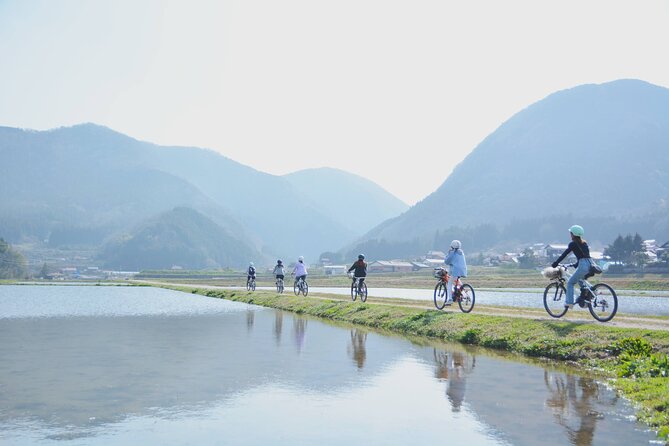
Cycling Tsuwano feels like time travel. This 3-hour electric bike tour uses the Tsuwano Hyakkeizu (100 Edo-era scenes) to help you read the town like a living history book.
I love how the local guide stories connect each stop to the Hyakkeizu paintings, so you’re not just passing shrines and streets. I also like that every planned stop comes with free admission tickets, which keeps the experience easy on your wallet.
One thing to consider: no snacks are included, so plan for hunger, especially if you’re the kind of person who needs a small break. And the tour runs in good weather, so cloud or rain may shift plans.
In This Review
- Key things to know before you ride
- Tsuwano Hyakkeizu: the “map” that makes everything click
- Tsuwano Eki mae Ushiroda and the calm rhythm of a max-6 tour
- Stop 1: Tonomachi Street, Tsuwano’s main artery
- Stop 2: Yasaka Shrine and the stories behind the paintings
- Stop 3: Narutaki jinja Shrine, waterfall pause and simple meditation
- Stop 4: Washibara Hachiman Shrine, joyato lanterns and the baba horse track
- Stop 5: Tsuwano Shrine and the former lords behind the town
- Stop 6: Back to Washibara Hachiman and a cedar that has watched over Tsuwano
- Electric bikes, easy pacing, and what to do if you’re not a cyclist
- Value for $99: where the money goes
- Who this tour is perfect for
- Should you book this Tsuwano Cycling Tour with Local Guide?
- FAQ
- How long is the Tsuwano Cycling Tour?
- Where does the tour start and end?
- Is the tour on an electric bike?
- What is included in the price?
- Are snacks included?
- How many people are in the group?
- Are there admission fees at the stops?
- What do I need after booking?
- What happens if the weather is bad?
Key things to know before you ride
- Hyakkeizu “100 Sceneries of Tsuwano”: you’ll compare Edo-period paintings to what you see today
- Small group (max 6): the guide can slow down or explain more when needed
- Electric bike pacing: you can enjoy the ride even if you’re not a strong cyclist
- Free-entry stops: Tonomachi Street and multiple shrines don’t require admission fees on your side
- Three types of stops: town street, shrine storytelling, and a quieter nature pause with simple meditation
- You end where you start: the route loops back to Tsuwano Eki mae Ushiroda
Tsuwano Hyakkeizu: the “map” that makes everything click
Tsuwano is a small rural town in Shimane Prefecture, and what makes it special is how much of its older character still shows through. The big anchor here is the Hyakkeizu: One Hundred Sceneries of Tsuwano, a set of 100 Edo-period paintings tied to the Tsuwano feudal domain. It’s designated as Japan’s National Heritage, which means this isn’t just decoration. It’s a serious visual record of how the town looked and how people framed their world.
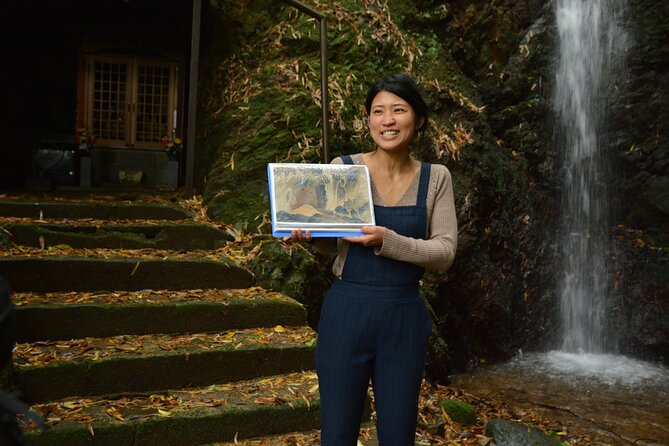
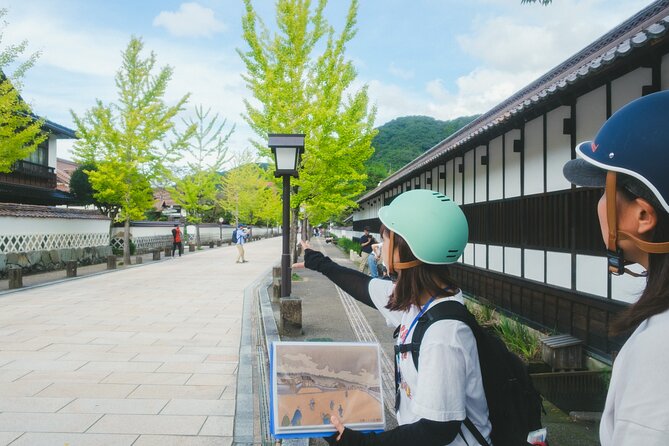
During the ride, the guide uses the Hyakkeizu images as your reference point. That framing changes the whole experience. Instead of seeing a street or shrine as a stop on a list, you start noticing the same kinds of angles, paths, and sightlines the paintings captured. It’s a practical way to understand why Tsuwano feels preserved.
It also helps you appreciate something subtle: Tsuwano isn’t museum-flat. You’re seeing modern life in the same space as old scenes, which is where the sense of nostalgia comes from. When guides explain what each painting shows, you get a stronger mental map of the town fast.
Tsuwano Eki mae Ushiroda and the calm rhythm of a max-6 tour
The meeting point is Tsuwano Eki mae Ushiroda, and the tour ends back at the same place. It’s near public transportation, and the tour uses a mobile ticket, so you’re not hunting for paper. That part matters in a small town where your time can vanish quickly if you’re running around.
Group size is capped at 6 travelers, which keeps the ride comfortable. You’re more likely to hear explanations clearly, and the guide can adjust pace if someone needs a breather. If you’ve ever joined a “bike tour” that turns into a sprint, you’ll appreciate this one’s steadier feel.
This tour is built around electric bikes, so the physical effort is less about fitness and more about enjoying the route. In the reviews, people singled out how the guides use a careful pace, which is great if you’re curious but not sure how your legs will handle cycling.
On a practical level, plan for the basics you’d use for any outdoor ride. Wear comfortable shoes, keep water handy, and expect a good chunk of time outdoors. The weather requirement is real, too, since the experience depends on conditions.
Guides you might meet include people like Yui, Ale, and Alessandro. Their common thread is clear, easy-to-follow explanations, plus lots of small human stories that make the town feel personal rather than textbook-like.
Stop 1: Tonomachi Street, Tsuwano’s main artery
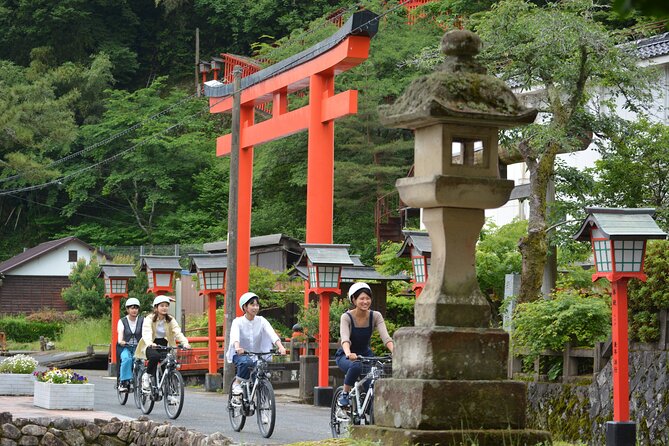
Your first stop is Tonomachi Street, the main street of Tsuwano. This is where you get your bearings. Even before shrines and landmarks, the street view helps you understand the town’s shape and how it all connects.
This 30-minute pause is also smart timing. It’s early enough that your brain is still building a mental picture, but you’re not rushing immediately into the heavier cultural sites. The guide’s approach typically links what you see on the street to the Hyakkeizu concept of “what Tsuwano looked like then,” so you start the tour already comparing past and present.
Because this stop includes free admission, you don’t spend time budgeting entry fees or figuring out whether a payment step is hiding in the background. You can simply look, listen, and get oriented.
What to watch for here: the feel of the street, the way buildings and paths line up, and any visual cues the guide points out that connect back to the painted scenes. If you like learning by observation, this first segment is a great start.
Stop 2: Yasaka Shrine and the stories behind the paintings
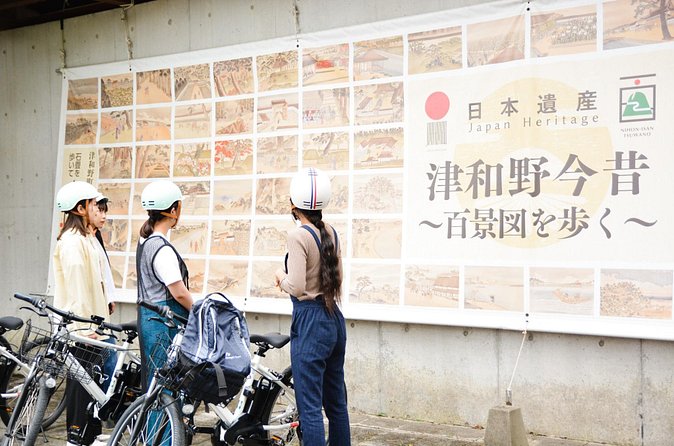
Next up is Yasaka Shrine. You’ll learn about the shrine’s history and hear hidden stories tied to the Hyakkeizu. The key value of this stop is that it doesn’t treat the shrine as an isolated object. Instead, the guide connects it to the broader story of Tsuwano’s late Edo world.
This stop is also 30 minutes, with free admission. That makes it easy to focus on the explanation without worrying about costs. In a short tour like this, eliminating money and ticket friction helps you stay present.
What you gain is context. Shrines in Japan are often approached with respect, but explanations can still make a huge difference. With the Hyakkeizu framing, the shrine becomes part of a larger “scene” system, almost like a living set from the Edo era.
If you’re the kind of visitor who likes to understand why something matters, you’ll likely enjoy this one. The guide’s job is to help you see the connections between people, place, and the way the paintings preserved impressions.
Stop 3: Narutaki jinja Shrine, waterfall pause and simple meditation
Then comes Narutaki jinja Shrine, a spot known for a hidden waterfall. This is still a 30-minute stop, but it feels different from the street and shrine-history moments. The guide shares Tsuwano’s background here, and you also get a simple meditation component.
That meditation time might sound “optional” on paper, but in practice it’s a good reset. After cycling through town and listening to cultural details, you need a moment where your senses cool down. This stop does that.
Because it’s a quieter nature moment, it often sticks in memory. You’re not just learning; you’re also experiencing a slower tempo that suits rural Japan. You can treat it like a short pause to absorb what you just learned about the old town scenes.
Practical note: since you’re near a waterfall area, keep your footing in mind. Shoes matter more than you might think. If it’s damp, take it easy.
Stop 4: Washibara Hachiman Shrine, joyato lanterns and the baba horse track
Now you shift into something very Tsuwano: the Washibara Hachiman Shrine area and the ritual heritage tied to it. This stop centers on a few specific features the guide will point out, including the large joyato (stone lantern) and the baba (horse track) where Yabusame—horseback archery—takes place.
This is one of those moments where a good guide earns their fee. People can walk past stone lanterns and equestrian tracks without understanding what they’re for. Here, the explanation turns objects into story. You start to see the town as a place where tradition wasn’t only ceremonial. It shaped how space was used and how community life worked.
The tour keeps this section to 30 minutes, so you’ll likely cover the essentials without feeling like you’re stuck. And again, it’s free admission, so you spend the time on meaning rather than logistics.
If you want the “why” behind rural Japan’s ritual architecture, this is the stop you’ll remember later when you see photos.
Stop 5: Tsuwano Shrine and the former lords behind the town
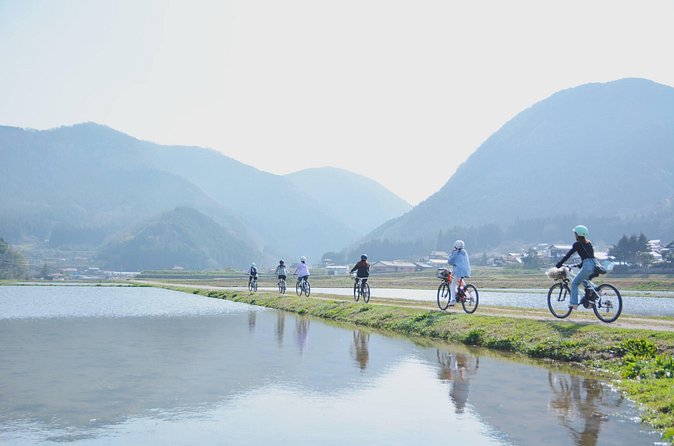
Your next 30-minute stop is Tsuwano Shrine, surrounded by rural views. Here, the guide focuses on the stories of the former lords of the Tsuwano domain, linking the shrine to the broader structure of feudal power and the way those systems shaped the town.
What’s valuable for you: this isn’t just “who ruled.” It’s how rule becomes town form. You’ll connect the Hyakkeizu idea of scenes to social structure. That’s the difference between memorizing names and actually understanding the town.
This part of the ride helps stitch together everything you’ve seen so far. Tonomachi Street gives you the town feel. Yasaka Shrine adds a cultural layer. Narutaki offers atmosphere. Washibara brings ritual and space-use into focus. Then Tsuwano Shrine ties it to the domain story.
If you enjoy history but don’t want a lecture, this stop tends to work because the guide keeps it grounded in what you can see.
Stop 6: Back to Washibara Hachiman and a cedar that has watched over Tsuwano
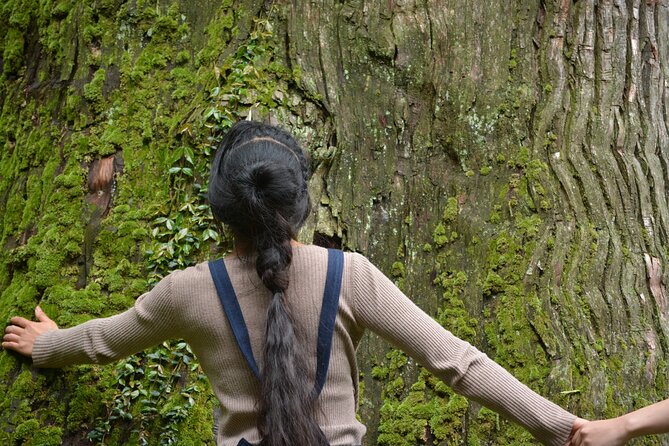
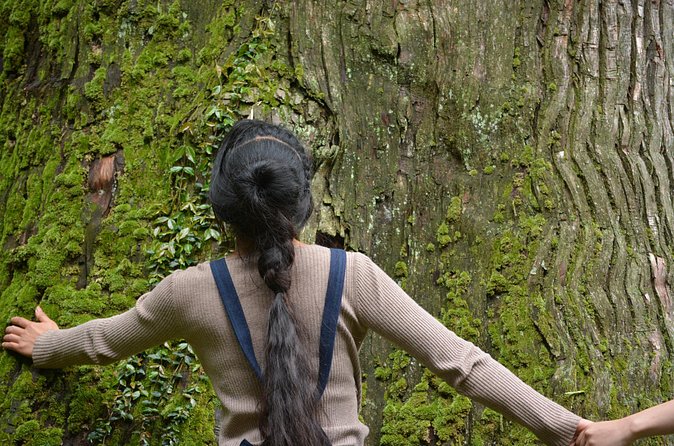
To close the tour, you revisit Washibara Hachiman Shrine for a highlight: a giant cedar tree that has watched over Tsuwano for more than 1,000 years.
This final stop is a strong emotional landing. After everything about Edo-period scenes and domain history, you end with something that makes time feel real. Paintings can carry the past, but a living tree makes the passage of time feel physical.
Again, it’s 30 minutes and marked with free admission. That’s helpful at the end, because you don’t have to factor in any extra cost or ticket steps right before you cycle back.
When the group is small, the guide can also tailor the closing moments, which is one reason the vibe is calmer than many fast tours. You finish with a stronger sense of place than you had at the start.
Electric bikes, easy pacing, and what to do if you’re not a cyclist
A good bike tour does two things: it gets you places and it doesn’t steal your attention. This one aims for the second part by using electric support and a guide-managed pace.
From the reviews, the rhythm stands out. People who weren’t sure about their fitness still felt they could enjoy the ride fully. That matters because Tsuwano’s charm is in the small observations, not in crushing distance.
Here’s how to think about effort: the bike helps, but you still want to be comfortable moving for a few hours. I’d plan on staying alert, keeping your balance on quieter paths, and letting the guide set the schedule. If you try to force speed, you’ll miss the stories.
Also, this tour is only about 3 hours, so there’s not a long break for shopping, long lunches, or wandering off. The route is intentionally focused, with six 30-minute stops. That’s a plus if you like structure, but it’s a consideration if you want hours to roam independently.
And remember: snacks aren’t included. If you’re sensitive to hunger, bring your own small snack or plan a meal right after the tour.
Value for $99: where the money goes
At $99 for about 3 hours, this tour is priced in a way that often feels fair for Japan’s smaller towns—especially because you get more than just transportation. You receive use of the bicycle plus a local guide, and you visit multiple stops that include free admission tickets.
In other words, you’re paying for guided interpretation, not just bike rental. The Hyakkeizu concept is the secret sauce. It transforms sightseeing into “seeing-with-a-purpose,” because the guide repeatedly connects the paintings to real spots you can recognize.
The small group size (up to 6) also adds value. You get clearer explanations and less waiting. Guides can slow down and answer questions without breaking the schedule.
One small tradeoff is that the tour doesn’t include snacks. That’s not a dealbreaker, but it does change how you plan your day. If you want an easy ride from start to finish, line up a meal after, and carry water.
Who this tour is perfect for
This is a great fit if you want an efficient first visit to Tsuwano. The tour’s structure makes it easy to understand the town quickly: street character first, then shrine culture, then ritual heritage, then a closing nature moment with a very long-lived cedar.
It’s also ideal if you like your history grounded in place. Instead of reading walls of text, you’ll connect the Hyakkeizu images to what you see right now.
If you’re traveling with limited time, this tour helps you pack in meaning. And if you’re not the strongest cyclist, the electric bike and careful pace help you keep up without turning the outing into a workout.
If you want more freedom—hours of independent exploring—this won’t replace that. Think of it as guided orientation and interpretation, not a full-day wandering pass.
Should you book this Tsuwano Cycling Tour with Local Guide?
Book it if you want Tsuwano’s best “first impression,” delivered with an actual story system. The Hyakkeizu comparison makes the whole town easier to understand, and the free-entry stops keep the day simple. The small group size and electric bike support make it friendly for a wide range of visitors.
Skip it or consider another option if you need lots of unscheduled time, or if you get hungry quickly and don’t want to bring snacks. Also keep in mind the tour depends on good weather, so plan your Tsuwano day with flexibility.
If your goal is to see Tsuwano not just as pretty, but as meaningful, this ride is a strong choice.
FAQ
How long is the Tsuwano Cycling Tour?
The tour is about 3 hours.
Where does the tour start and end?
It starts at Tsuwano Eki mae Ushiroda in Tsuwano, and it ends back at the same meeting point.
Is the tour on an electric bike?
Yes, the experience is described as an electric bike cycling tour.
What is included in the price?
You get use of the bicycle and a guide.
Are snacks included?
No, snacks are not included.
How many people are in the group?
The tour has a maximum of 6 travelers.
Are there admission fees at the stops?
The scheduled stops include admission tickets listed as free.
What do I need after booking?
You’ll receive confirmation at the time of booking, and it uses a mobile ticket.
What happens if the weather is bad?
The experience requires good weather. If it’s canceled due to poor weather, you’ll be offered a different date or a full refund.