REVIEW · FUJI
Winter Special: Clear View Mt. Fuji E-Bike Tour
Book on Viator →Operated by Ninomaru Village · Bookable on Viator
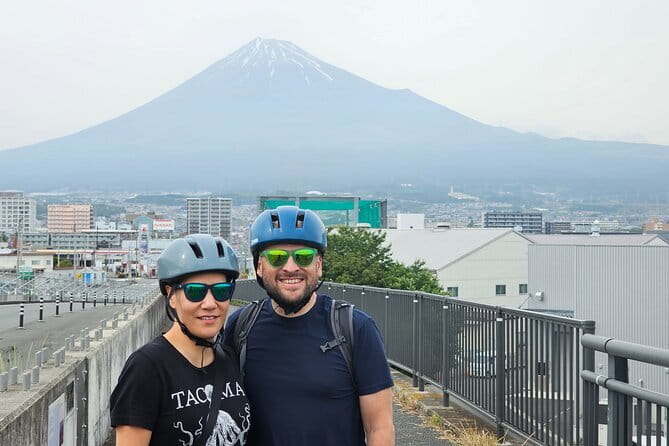
Mt. Fuji looks different on an e-bike in winter. This electric-assisted ride keeps you moving easily while you chase crisp, clearer views of the mountain with a small-group pace and frequent photo stops. One catch: the tour depends on good weather, and you’ll want to plan for your own bottled drinks.
What I really like is that this isn’t the usual Mt. Fuji circuit of big-name crowds. Instead, you pedal through Fuji City’s quieter back roads and coastal outlooks, then break the ride up with temples and spring-water spots that feel local and lived-in. Guide Yasu Hasegawa gets specific about everyday life at the foot of the mountain and helps with photos along the way.
In This Review
- Quick highlights before you pedal
- Winter clear views: why this Fuji ride feels special
- Price and value: what $105.42 includes (and why it matters)
- Meeting at Shin-Fuji Station and how the 2.5 hours works
- The e-bike setup: Miyata Ridge Runner + winter heat packs
- Stop 1: Shin-Fuji Station, the easy start
- Stop 2: Bishamonten Myoho-ji Temple and the Suruga Bay views
- Stop 3: Yusui Park and spring water from Mt. Fuji
- Stop 4: Hounji fountain and a chance to taste
- Stop 5: Fujisan Yume No Ōhashi Bridge and its 50 steps
- Stop 6: Shin-Fuji Station return, with the ride still fresh
- The guide experience: why Yasu Hasegawa tends to define the tour
- Who should book this winter e-bike tour
- FAQ
- How long is the Winter Special Clear View Mt. Fuji E-Bike Tour?
- Where do I meet the guide?
- What’s the group size limit?
- What’s included in the price?
- What should I bring since bottled water isn’t included?
- Does the tour run in bad weather?
- Is the tour suitable for most people?
- Should you book this winter e-bike tour?
Quick highlights before you pedal
- Electric-assist that actually helps: You’re on a Miyata Ridge Runner, so you can cover ground without turning it into a workout.
- Max 5 riders: The group stays relaxed, which matters when you’re stopping often for views and photos.
- Winter comfort included: Heat packs (kairo) are provided in winter season.
- Fuji + Suruga Bay viewpoints: You get a coastal angle on the mountain, not just a single-town view.
- Spring water stops with a purpose: Yusui Park sites and a fountain at Hounji give you more than a quick photo break.
Winter clear views: why this Fuji ride feels special
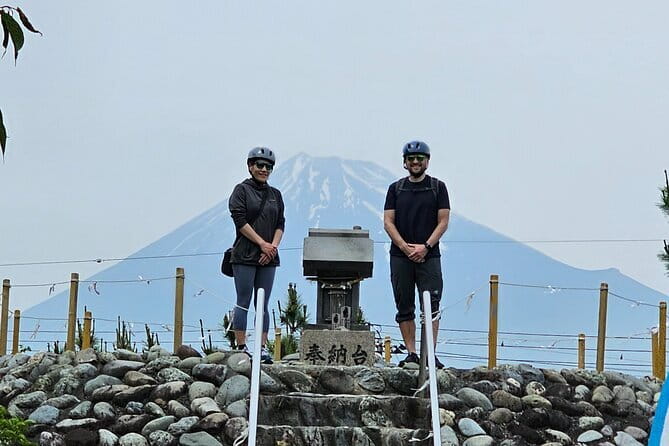
Winter is when Mt. Fuji often behaves. Clearer air usually helps visibility, and this tour leans into that idea by riding at a time of year when you’re more likely to catch big-sky views rather than a hazy silhouette. The route also avoids the most crowded “must-see” areas, so your photos have breathing room. Instead of standing shoulder-to-shoulder, you’re cycling through stretches where the mountain simply appears in the background at the right moments.
Another thing I like: you’re not just chasing one view platform and calling it done. You’re bouncing between viewpoints, a temple stop, spring water sites, and a bridge with a staircase—so the mountain shows up in different frames. That variety matters because Mt. Fuji can look totally different depending on angle, light, and distance.
Finally, the timing is human. This is about 2 hours 30 minutes total, and the pace is set for relaxed riding with time to stop. That means you won’t feel rushed into “photo, pedal, photo, pedal” mode the whole time.
Price and value: what $105.42 includes (and why it matters)
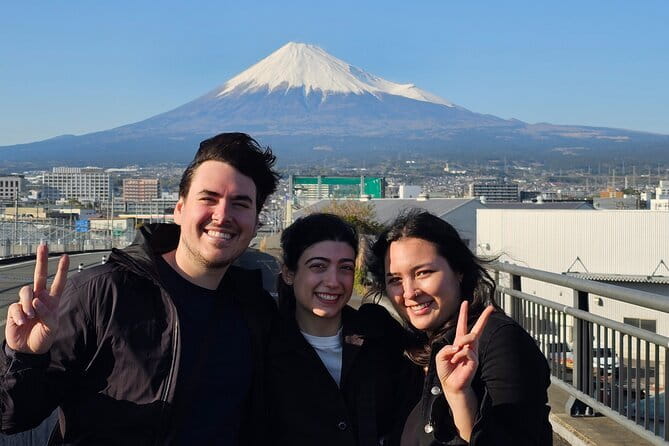
At $105.42 per person for about 2.5 hours, this isn’t a bare-bones rental. You’re paying for a guided experience built around four value drivers:
1) The bike and helmet are included
You get an electric-assisted bicycle (Miyata Ridge Runner) plus a rental helmet. That saves time and hassle—especially if you’re already traveling with luggage.
2) You get a local guide who controls the stops
The tour isn’t just “ride this map.” Guide Yasu Hasegawa is part of the package, and his job is to time the stops, explain what you’re seeing, and help with photos. In a place where the everyday details are the point, a good guide changes the whole feel.
3) Winter riding comfort is taken care of
Winter season heat packs (kairo) are provided free of charge. That’s a practical inclusion, not a gimmick. Cold hands and numb fingers are what usually ruin outdoor fun.
4) Insurance is covered by the operator
You’re also covered via included insurance. It’s one less thing to think about while you’re focused on the ride.
One thing not included: bottled water. You’ll want to bring your own drinks so you’re never making a last-minute scramble mid-tour.
Meeting at Shin-Fuji Station and how the 2.5 hours works
You meet at Shin-Fuji Station, at the south exit. The tour ends back at the meeting point, so you’re not stuck planning a return bus or taxi from a remote spot.
The tour duration is about 2 hours 30 minutes including time across the route and back. Because you’re stopping repeatedly, that “moving time” doesn’t feel like a grind. The stops are short and purposeful: enough time to see, take photos, and listen, but not so long that you’re bored waiting for everyone else.
Also pay attention to group size: there’s a maximum of 5 travelers. In practice, that means you can hear the guide, you’re less likely to get left behind at junctions, and the tour can keep a calm rhythm—especially important on a day when visibility is the whole game.
The e-bike setup: Miyata Ridge Runner + winter heat packs
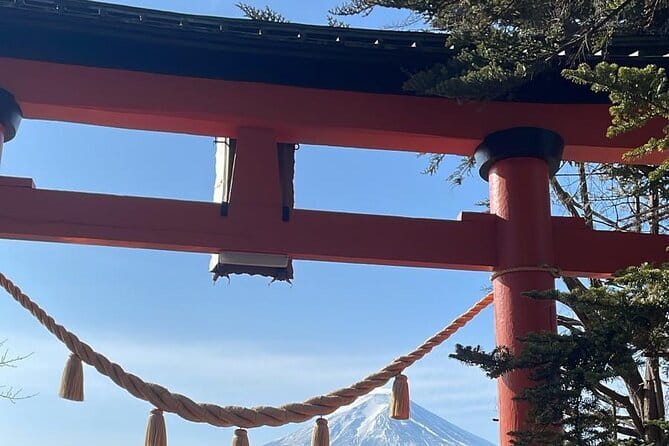
This ride is built around an electric-assisted bicycle (Miyata Ridge Runner), which changes what “easy” means. You’re still pedaling, but the assistance helps you maintain steady effort without turning the tour into a cardio test. That’s great if you want scenic cycling without needing cycling fitness.
You’ll also be given a rental helmet, so you’re not hunting one down. And since this is the winter version, the operator provides heat packs (kairo). You’ll feel the difference in those first minutes when you’re outside and the wind can bite.
Two practical tips that fit the setup:
- Wear layers you can manage quickly. Winter warmth is often a moving target while you’re riding.
- Plan for your hands. Even with heat packs, you’ll want gloves that keep dexterity for photos and water bottles.
Stop 1: Shin-Fuji Station, the easy start
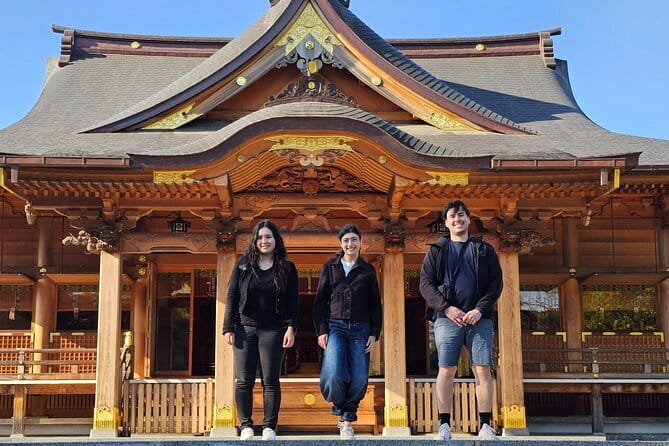
Stop 1 is your meeting point: the south exit of Shin-Fuji Station. The tour kicks off quickly—one minute is scheduled here—so it’s mostly about getting oriented, finding your guide, and lining up your gear.
This is a good start location because you’re already in a transportation hub area. Even if you’re arriving from another part of Japan, you don’t have to “arrive at the countryside first” just to begin the ride.
Stop 2: Bishamonten Myoho-ji Temple and the Suruga Bay views
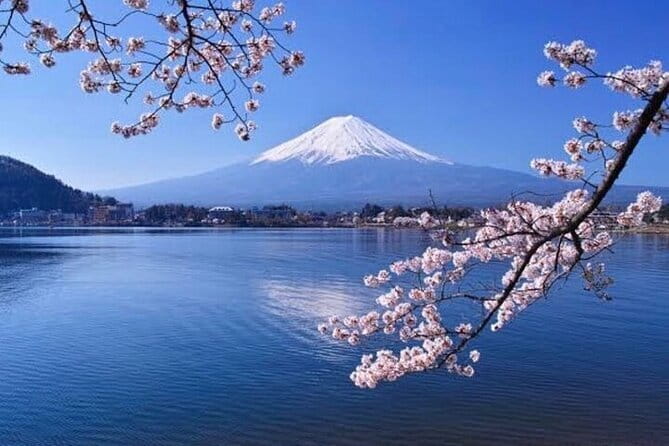
The first real experience stop is Bishamonten Myoho-ji Temple, one of the famous temples in Fuji City. From here, you head toward the sea and cycle a route with views of Suruga Bay, described as Japan’s deepest bay, plus Mt. Fuji.
Why this stop works: temples are built for stillness, and then you immediately switch to movement and sea air. That contrast keeps the tour from feeling like one long scenic commute. You also get variety in “what you’re looking at,” which helps when you’re trying to spot the mountain through different visual corridors.
A practical consideration: because you’re moving after the temple, you’ll want to keep your “photo gear” ready. The best sightlines to Fuji often show up right when you think you’ve already passed the best angles.
Stop 3: Yusui Park and spring water from Mt. Fuji
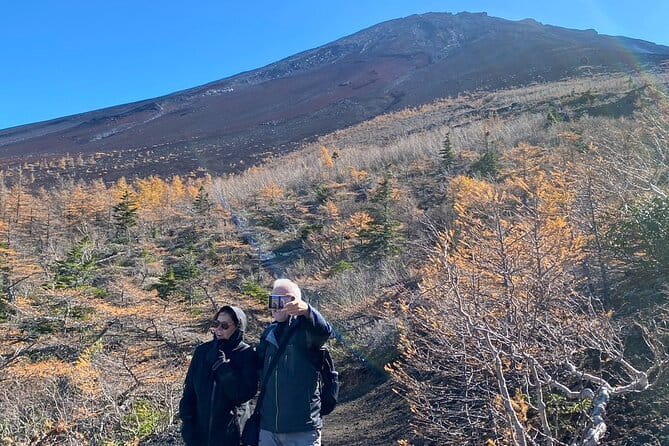
Next is Yusui Park, where you’ll visit various spring water sites in the city. This is one of those stops that can feel small on paper, but it’s memorable in real life because spring water in this region isn’t just a feature—it’s part of daily life at the foot of Mt. Fuji.
What’s useful for you: spring water stops break up the ride and give you a chance to cool down or reset your pace. They’re also photo-friendly, but the real value is the meaning behind why locals come here.
If you’re the type who likes experiences that go beyond postcard scenery, this is where the tour earns its keep.
Stop 4: Hounji fountain and a chance to taste
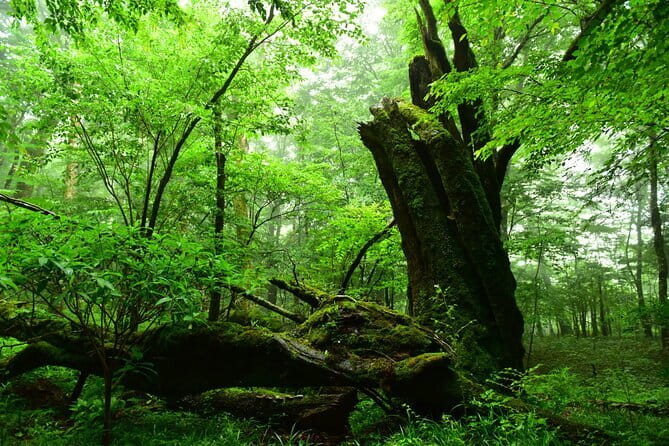
At Hounji, there’s a fountain where you can drink spring water from Mt. Fuji. The stop is short (about five minutes), but it’s a clean, simple way to make the “spring water” theme tangible.
When you drink from a fountain like this, you’re not just sampling a beverage—you’re participating in a local ritual. Even if you’re not big on food tours, this is a direct connection to the mountain’s presence in everyday routines.
One small practical note: since bottled water isn’t included, it’s smart to bring your own drinks anyway. Drinking spring water is part of the experience, but you’ll still want backup hydration.
Stop 5: Fujisan Yume No Ōhashi Bridge and its 50 steps
The ride’s big “look at that” moment comes at Fujisan Yume No Ōhashi Bridge, with a magnificent view of Mt. Fuji. The south side of the bridge includes a staircase with 50 steps, which means you can gain a slightly different angle for photos.
This is a great stop for two reasons:
- You get elevation without a long hike. Those steps are enough to change perspective without eating your whole energy.
- You get a frame for wide shots. Bridges naturally create strong lines that help Fuji look dramatic in photos.
Because visibility is the point of the winter version, this is the stop where you’ll want to be mentally ready—camera set, lens clean, and patience on standby. If Fuji is clear that day, this is where it usually shows best.
Stop 6: Shin-Fuji Station return, with the ride still fresh
You circle back to Shin-Fuji Station at the end. Like the start, the return stop is quick—about one minute—so the tour closes with a clean finish instead of a drawn-out wrap-up.
That “freshness” matters. After 2.5 hours, you should still feel like you did something fun and complete, without dragging yourself through a half-day of logistics afterward.
The guide experience: why Yasu Hasegawa tends to define the tour
A lot of bike tours can be boiled down to route + stops. This one gets an extra layer because guide Yasu Hasegawa is repeatedly praised for being helpful, considerate, and accommodating—and for giving good context at the places you pass.
In practical terms, that means:
- You’re not just waiting at viewpoints; you’re learning what to pay attention to.
- You’re more likely to get the exact photo angle you want, since the guide helps with picture-taking.
- The tour feels smoother for families and mixed ages, since the group stays small and the pace is managed.
I also like the way the tour focuses on the quieter side of the Fuji area—cycling through rural roads and traditional village areas that most visitors won’t see. That’s the difference between “see Mt. Fuji” and “understand how people live with Mt. Fuji in the background.”
Who should book this winter e-bike tour
You’ll probably love this if:
- You want Mt. Fuji views but you’d rather avoid long crowds and stand-in-line energy.
- You want to cover more ground than walking, without needing a serious cycling background.
- You like tours where the stops include real local life elements (temple sites, spring water, everyday rhythms).
You might skip it if:
- You’re expecting guaranteed blue-sky Fuji photos. The tour requires good weather, and visibility can change fast in winter.
- You dislike bikes or pedaling at all. This is electric-assisted, but you still ride.
FAQ
How long is the Winter Special Clear View Mt. Fuji E-Bike Tour?
It runs for about 2 hours 30 minutes (approx.), including time from the start through each segment of the tour and back.
Where do I meet the guide?
You meet at the south exit of Shin-Fuji Station in Fuji, Shizuoka, Japan. The tour ends back at the meeting point.
What’s the group size limit?
This tour has a maximum of 5 travelers.
What’s included in the price?
Included are the electric-assisted bike (Miyata Ridge Runner), a rental helmet, the guide, insurance (fee covered by the operator), and winter heat packs (kairo).
What should I bring since bottled water isn’t included?
You should prepare your own drinks, including bottled water.
Does the tour run in bad weather?
The experience requires good weather. If it’s canceled due to poor weather, you’ll be offered a different date or a full refund.
Is the tour suitable for most people?
The tour notes that most travelers can participate.
Should you book this winter e-bike tour?
If your priority is clear Mt. Fuji views plus a calmer, more local-feeling ride, this is a strong choice. The value is also real: you’re getting the e-bike, helmet, insurance, a guided plan with multiple stops, and winter heat packs, all in a small group.
The main decision point is weather. If you can be flexible with dates and you pack your own water, this is the kind of Fuji experience that feels like more than just another photo stop.