REVIEW · WROCLAW
Wroclaw: 3-Hour Bike Tour in English or Polish
Book on GetYourGuide →Operated by Best City Tours sp. z o.o. · Bookable on GetYourGuide
Wroclaw looks better when you ride. This three-hour bike tour is a fast, fun way to see baroque Old Town highlights and the bigger sights around Cathedral Island without burning a day on foot. I especially love the story-led guide style, packed with historical facts and street-by-street context, and I love that you get a real sightseeing workout without the knee-to-knee stair climbing. The one drawback: it’s only three hours, so you’ll see a lot, but you won’t have time for deep, slow wandering at every stop.
You’ll cruise on a well-kept city bike with lights and a security lock, guided in English or Polish. The route is built for avoiding traffic stress and keeping your legs fresh, and it helps you hit key landmarks like Centennial Hall (UNESCO-listed) plus the Main Square area in one go. Just plan around the rules: no intoxication, and it’s not suitable for pregnant women—so keep it comfortable and sensible.
In This Review
- Key highlights before you pedal
- Wroclaw in three hours: why biking beats walking
- Old Town and Ostrów Tumski: baroque streets, rebuilt after war
- Centennial Hall and UNESCO time-savers
- Main Square to the Old Town Promenade: where the city talks back
- Old City Prison and the university zone: history in layers
- Market Hall, the Salt Market, and local stops that feel lived-in
- Zwierzyniecki Bridge to the Zoo: parks, gardens, and the Iglica view
- National Museum area and the House of the Old Stock Exchange finish strong
- Price, bikes, and what to expect from the guides
- Should you book this Wroclaw bike tour?
- FAQ
- How long is the Wroclaw 3-Hour Bike Tour?
- What is the price per person?
- Can I choose to tour in English or Polish?
- What’s included with the tour?
- What should I bring?
- Who can’t participate in the tour?
- How early should I arrive, and is there a refund if plans change?
Key highlights before you pedal
- A tight route that covers the essentials fast in just three hours
- Baroque Old Town and Ostrów Tumski show the city’s rebuilt character
- Centennial Hall as the UNESCO anchor so you don’t waste time sorting tickets
- Lots of small stops like the Jatki area and the Spiż animal-for-slaughter monument
- Zoo-side scenery with the Japanese Garden, Iglica, and Szczytnicki Park in the same loop
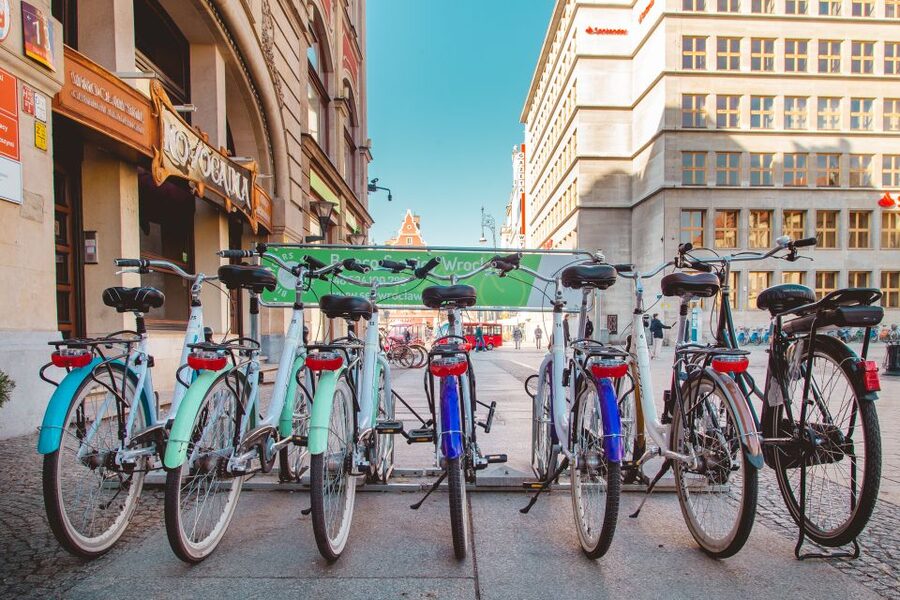
- Bike comfort you can trust, with lights and a lock included
Wroclaw in three hours: why biking beats walking
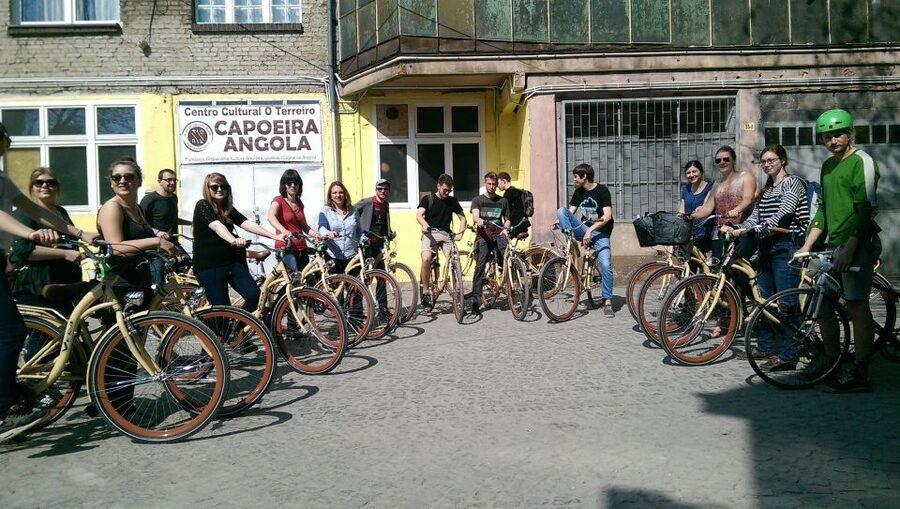
If you’re trying to get your bearings fast, a bike tour is a smart shortcut. In Wroclaw, walking is great—until you realize distances add up and you lose time just getting from one big landmark to the next. This tour gives you a steady rhythm: ride, stop, look, roll again. You end up seeing a wider slice of the city than most short tours.
I also like the practical side. You’re not just thrown onto a bike. You get quality city bikes with lights and security locks, so you can focus on the sights instead of worrying about gear. And because you’re on wheels, you can handle the stops without feeling wrecked. One review praised the tour even on a very hot day, and that makes sense: the pacing is meant to keep you moving without turning it into a full-day cardio test.
Pace matters, though. With a three-hour format, you’ll enjoy the highlights, but you should expect brief sight time rather than long museum-style visits. If your travel style is all about staying put and reading every plaque for an hour, this might feel a bit quick. If your style is see a lot, then return later on your own, it’s a great match.
Old Town and Ostrów Tumski: baroque streets, rebuilt after war
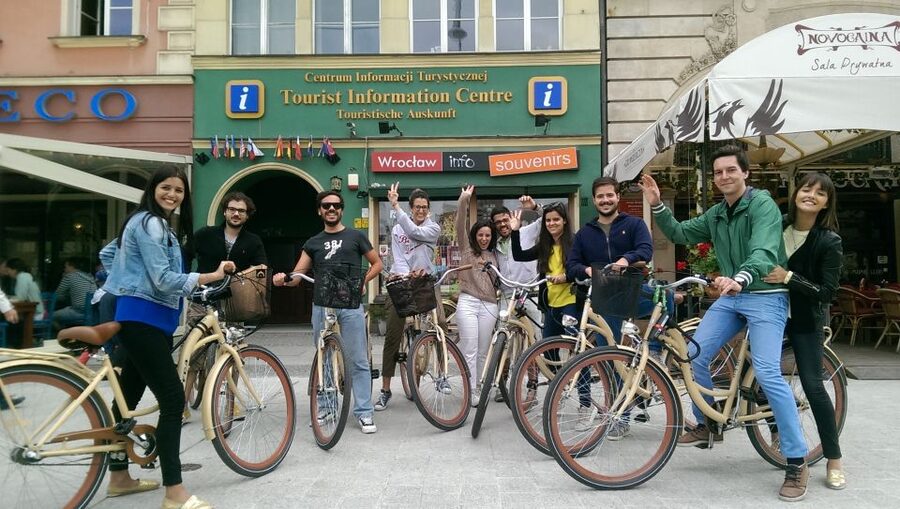
The Old Town area is where the tour starts making a strong case for doing Wroclaw on two wheels. You’ll admire baroque architecture in the city center—much of it carefully reconstructed after World War II. That detail matters because Wroclaw doesn’t feel like a static postcard. It feels like a city that rebuilt itself with intention, and the guide’s job is to help you spot what that means in real life: shapes, street patterns, and the way buildings sit together in the block.
Ostrów Tumski, also called Cathedral Island, is the other big early draw. It’s the oldest part of the city, and it gives you a different mood from the main center. Expect to see why this area anchors Wroclaw’s identity—older streets, older viewpoints, and a sense of continuity that you don’t get everywhere else.
This is also where the best guides shine. Several reviews singled out the storytelling and historical background, and that’s exactly what you want on an architecture-focused route. If you’re lucky enough to ride with a guide like Artur or Anthony or Hubert (names mentioned in recent experiences), you’ll get more than dates. You’ll get explanations tied to what you can actually see as you pass buildings.
Centennial Hall and UNESCO time-savers

One stop that really drives the value here is Centennial Hall, a UNESCO World Heritage Site. UNESCO-listed doesn’t automatically mean your time will be well spent—you still have to get there, find your way, and line up when it’s busy. This tour is built to help you avoid unnecessary waiting, since it includes skipping the ticket line.
What I like about bringing Centennial Hall into a three-hour bike loop is the balance. You aren’t trying to turn one attraction into a full itinerary day. You’re using Centennial Hall as an anchor point, then weaving into the surrounding city fabric with less backtracking. In practice, that makes it easier to connect what you learn to the rest of the ride.
If you’ve seen other UNESCO sites by yourself and felt like you missed the context, this is where a guided visit can help. A good guide gives you enough framing to look harder—at the building’s character and at why it matters to Wroclaw—without needing you to be an architecture student.
Main Square to the Old Town Promenade: where the city talks back
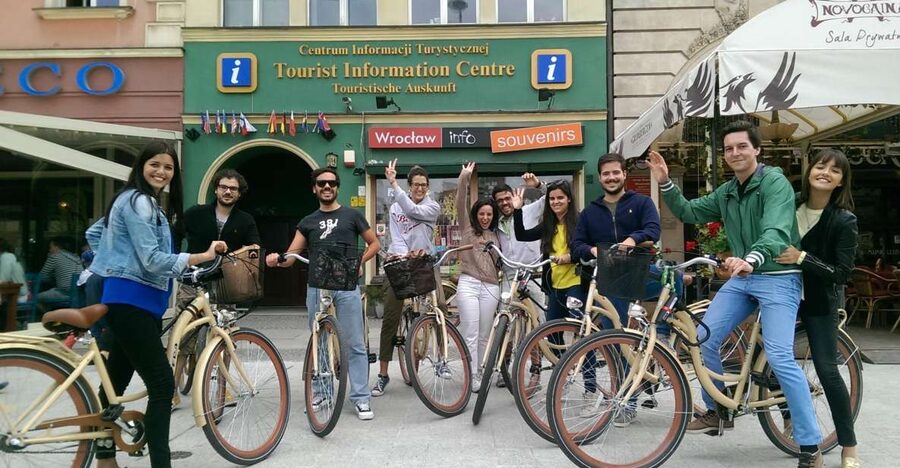
After the early landmarks, the tour shifts into the center-city rhythm—spaces where Wroclaw’s everyday life mixes with big architectural moments. The Main Square is the headline. It’s the kind of place you can recognize even if you don’t know the details yet, and it’s where your photos usually start to look like you planned the trip.
From there, you’ll also ride along the Old Town Promenade area and through streets linked with local stories. One stop worth noting is the Jatki area. Even if you don’t know what you’re looking at before you arrive, this kind of stop works well with a guide because you get the meaning behind the physical layout and the names.
Another distinctive sight included on the route is the Spiż monument of animals for slaughter. It’s unusual. It’s not the kind of thing most people stumble upon during a standard walking loop. With a guided bike tour, you’re more likely to understand why it’s there and what it points to about the city’s past industries and daily life.
And you’re not stuck in one zone. That’s a quiet benefit of biking: you can keep the momentum, so the center-city stops don’t turn into a slow, tiring slog.
Old City Prison and the university zone: history in layers
Wroclaw has a way of putting history in plain sight. This tour leans into that by including stops like the Old City Prison and the University of Wroclaw area.
Old City Prison is the kind of place that benefits from a guide’s framing. Without context, it can feel like just another building. With context, you start seeing how a city’s institutions reflect its changing political and social life. The tour’s pace helps too—you’re not just staring at a door and moving on. You get enough explanation to make the stop land.
Then you roll into the University of Wroclaw zone and nearby landmarks like the Swordsman Monument and the Ossolineum. This mix is interesting because it shows Wroclaw as both a place of learning and a place of public memory. Monuments can feel like background noise when you travel solo. Here, they’re part of a guided story, so you’re less likely to treat them like random photo spots.
One of the most repeated themes in reviews is how much background the guides provide. People described guides as story-tellers with historical facts and strong city context. That’s exactly what you want in a stop-heavy route like this, because the value comes from connecting what you see to what it means.
Market Hall, the Salt Market, and local stops that feel lived-in
As the ride continues, you get a more practical, everyday side of Wroclaw. The tour includes Market Hall and the Salt Market. Even if you don’t plan on shopping, these areas help you understand the city’s economic pulse.
Market Hall gives you a sense of how trade and daily needs shaped the city. The Salt Market adds another layer, pointing to the role of key commodities in how cities grew and connected. If you like travel that feels grounded—rather than only sightseeing—these stops are a good balance.
You’ll also ride near Grunwaldzki Square and along key connector points like Zwierzyniecki Bridge. These aren’t just transit moments. They’re chances to see how different parts of Wroclaw line up and how neighborhoods relate to each other. When you later go back on foot, you’ll understand why the city feels arranged the way it does.
This is where the three-hour format becomes a strength. You don’t get lost trying to connect everything yourself. You get a coherent run of sights that helps you build a map in your head.
Zwierzyniecki Bridge to the Zoo: parks, gardens, and the Iglica view
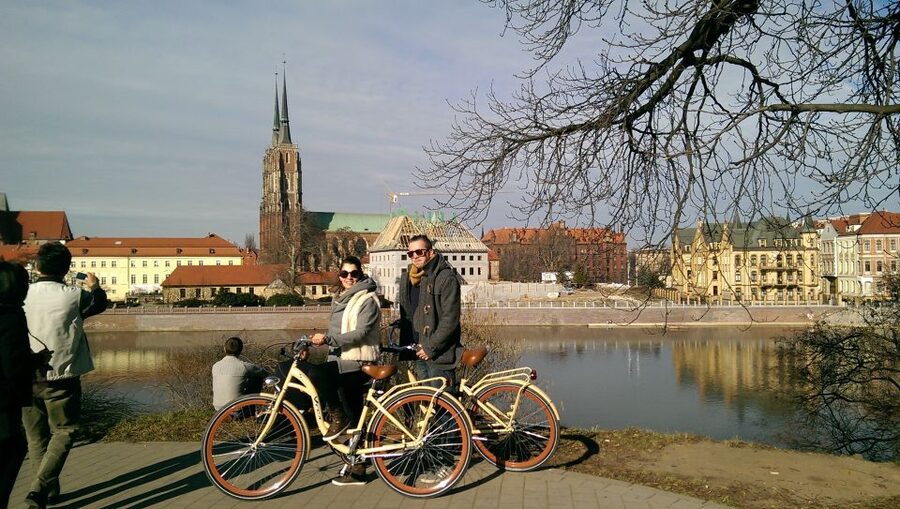
A nice surprise with this tour is how quickly it shifts from monuments and city streets into park-and-view territory. You’ll cross into the Zwierzyniecki Bridge area and head toward Wroclaw Zoo and the Japanese Garden.
This is a great pairing. Zoo + Japanese Garden means you get green space without giving up the tour structure. Even if you’re not a zoo person, the inclusion signals something important: Wroclaw spreads its attractions out, and biking lets you reach them efficiently.
Then there’s Iglica, plus Szczytnicki Park later in the route. Iglica is the kind of landmark you’ll want to see more than once on your trip. A guide’s job here is to point you toward the best angles as you roll past, so you know where to stand later if you want another look.
National Museum and Szczytnicki Park together also work well for travelers who love a mix: big institutional architecture plus outdoor space. It keeps the ride from becoming one long string of buildings. You get breaks for your eyes, not just your legs.
National Museum area and the House of the Old Stock Exchange finish strong
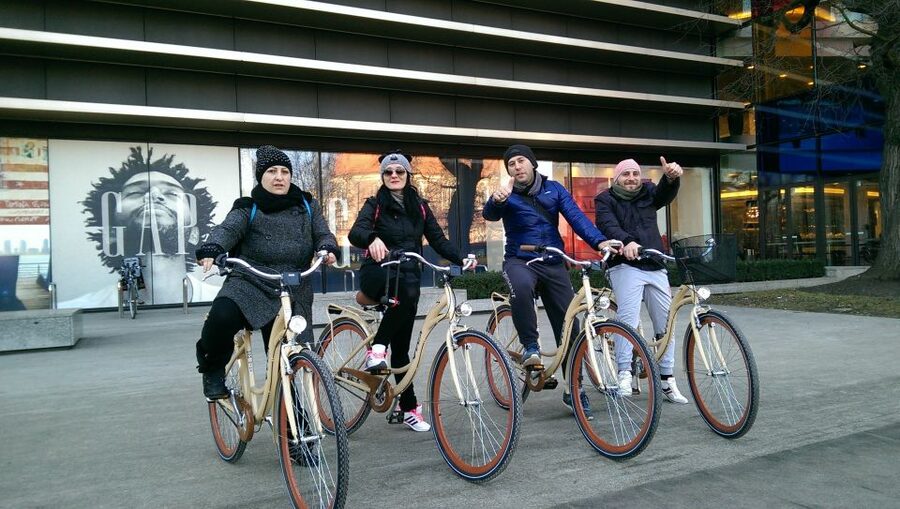
The last stretch of the tour helps you round out the picture of Wroclaw. You’ll include the National Museum area and the House of the Old Stock Exchange, plus the Salt Market connection again near the end of your route.
That closing mix matters. It takes you from older layers of the city to more modern-style civic presence—cultural and financial spaces. And it tends to leave you feeling like you understood the city’s structure, not just collected a checklist of stops.
I also like that this kind of closing route helps you decide what to revisit later. If one area felt especially meaningful—Old Town details, Cathedral Island atmosphere, or the zoo-and-garden stretch—you’ll know where to aim your next independent walk.
Price, bikes, and what to expect from the guides
Let’s talk value, because $80 for a three-hour city bike tour can either feel perfect or overpriced, depending on what’s included. Here’s the key: the price covers the bike itself and a live guide (English or Polish), plus quality city bikes with lights and security locks. You’re also getting a streamlined experience with the mention of skipping the ticket line.
In other words, you’re paying for time savings and interpretation. Three hours doesn’t sound long, but it can be. A short guided route often pays off most when it prevents you from wasting half a day figuring out how to combine major sights. With this one, you get a shaped route with big anchors: baroque Old Town, Cathedral Island, UNESCO Centennial Hall, and then the garden-and-park zone.
Guides seem to be the real standout. Reviews call out guides like Artur, Anthony, Hubert, and Martin for story-telling, factual historical background, and making stops feel connected. That kind of guiding matters because it turns a ride into a narrative. You’re not just moving past buildings; you’re learning how Wroclaw’s past shows up in the street plan and the monuments.
A couple practical notes before you go:
- Bring comfortable shoes since you’ll step off the bike at multiple sights.
- Arrive 15 minutes before the activity starts so you don’t scramble at the start.
- If you’re looking for a calm, sober tour vibe, you’ll like that the rules say people under the influence of alcohol or drugs won’t be allowed to join.
Should you book this Wroclaw bike tour?
Book it if you want a guided, time-efficient way to see major Wroclaw highlights without getting worn out before dinner. It’s ideal for first-timers who like orientation and context: Old Town architecture, Cathedral Island, UNESCO Centennial Hall, plus the greener parts near the Zoo and Szczytnicki Park.
Skip it if you need long museum-style breaks, or if three hours is too short for how you like to travel. And if you’re pregnant, it’s not suitable based on the tour rules.
My take: if you want to understand Wroclaw quickly—rather than just snap photos—this is a solid, well-rounded choice.
FAQ
How long is the Wroclaw 3-Hour Bike Tour?
The tour lasts 3 hours.
What is the price per person?
The price is $80 per person.
Can I choose to tour in English or Polish?
Yes. The tour guide speaks English or Polish.
What’s included with the tour?
You get quality city bikes with lights and security locks, and a live tour guide in English or Polish.
What should I bring?
Bring comfortable shoes.
Who can’t participate in the tour?
The tour is not suitable for pregnant women, and people under the influence of alcohol or drugs will not be allowed to participate.
How early should I arrive, and is there a refund if plans change?
Please arrive at the meeting point 15 minutes before the activity starts. You can cancel up to 24 hours in advance for a full refund.