REVIEW · MOSHI
1-Day Moshi Villages bike tour
Book on Viator →Operated by Bike2kili safaris · Bookable on Viator
Pedal through Moshi’s real countryside. This 1-day Moshi Villages bike tour mixes forests, working farms, and village life, with Mt. Kilimanjaro popping into view from open country. With guides like Alpha (also seen as Alfa) you get the human side of the Chagga farming world—plus the fun of spotting colobus monkeys as you ride.
What I like most is the mix of nature + daily life: you’re cycling through rice fields and sugarcane country, then stepping into town for market time at Mbuyuni and the Manyema fish market, along with historic Clock Town sights. The second big win is the practical value: pickup and transport, a bicycle, a cycling guide, lunch (either a restaurant meal or lunch boxes), and fees are part of the package for $50.
The one thing to watch: the route can be rough. If you’ve got bad knees, plan for bumpy off-road sections and a slower pace—one rider even said it affected lunch timing.
In This Review
- Key things to know before you pedal
- A rural ride that shows Moshi beyond the airport
- Starting point: Bike2kili Safaris and an early, easy start
- Rau Forest Reserve: where the colobus monkey shows up (or gives you a great story anyway)
- Moshi town: Mbuyuni + Manyema fish market + Clock Town
- Cycling toward Kilimanjaro region: rivers, fields, churches, and open views
- Terrain and pace: great biking, but it’s not a flat promenade
- What the tour includes—and why the $50 price feels fair
- Who should book this bike tour?
- Should you book this 1-Day Moshi Villages bike tour?
- FAQ
- How long is the 1-Day Moshi Villages bike tour?
- How much does the tour cost?
- Is pickup included?
- What’s included with the ticket price?
- Is Rau Forest Reserve an extra paid admission?
- What kind of terrain should I expect?
- Where does the tour start and end?
Key things to know before you pedal
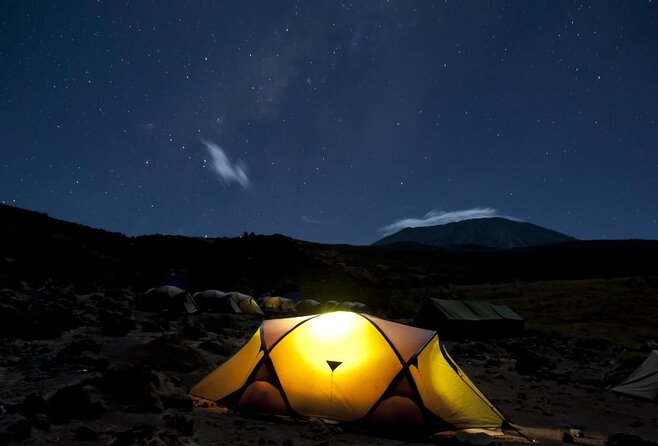
- Rau Forest Reserve + colobus monkeys: long-tailed colobus can show up in the tree crowns while you ride.
- Working farms all day: rice fields and sugarcane plantations aren’t just scenery; they’re part of how locals live.
- Town stops that feel real: Mbuyuni Market, the Manyema fish market, Clock Town, and a stop at Mama Africa (Africa gift shop).
- Kilimanjaro views from open country: you’ll often see the mountain from the distance because this area has fewer tall obstacles.
- A small-group feel: up to 20 people, and some departures can run as a very small group with extra attention.
- Lunch included: soda + mineral water with lunch boxes, or a traditional hot lunch at a restaurant.
A rural ride that shows Moshi beyond the airport
This is the kind of tour that helps you “read” a place fast. In a few hours, you get the big picture of how the Moshi area works: forest reserve, farms, rivers, small settlements, then markets where people buy and trade what keeps life moving.
You’re not stuck watching from a bus window. Cycling puts you at the right height and speed to notice details: how fields are laid out, where paths cut through plantations, and how villages cluster around worship sites and community hubs.
And yes, Mt. Kilimanjaro is the headline—but it’s not treated like a postcard moment. You’re viewing it while you’re also moving through the everyday countryside that frames the mountain.
Starting point: Bike2kili Safaris and an early, easy start
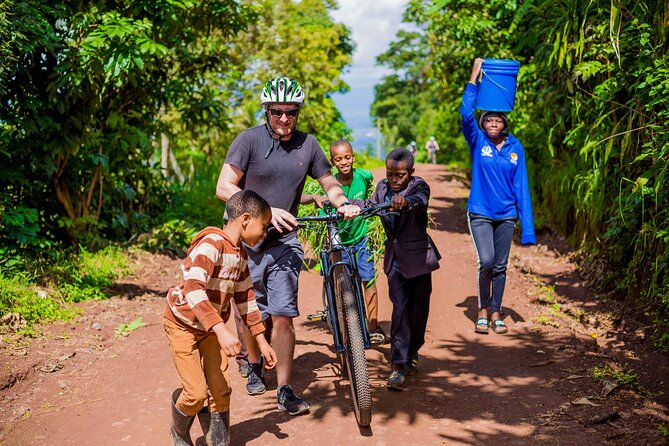
The tour starts back at the meeting point: Bike2kili Safaris Tanzania, Market Street, Mission St, Moshi. Pickup is offered, and private transportation is included, which matters because it keeps the day from turning into a scavenger hunt.
Timing-wise, it runs about 4 to 5 hours, and the operator’s active window is Monday to Saturday, 7:00 AM to 6:30 PM. In practice, that early start is helpful. You’re more likely to get comfortable lighting for countryside views, and the day doesn’t feel squeezed.
One more practical detail: you’ll be sharing the road on a route that includes both off-road and paved stretches. That’s good for scenery, but it also means your bike ride might not feel like a smooth city cruiser.
Rau Forest Reserve: where the colobus monkey shows up (or gives you a great story anyway)
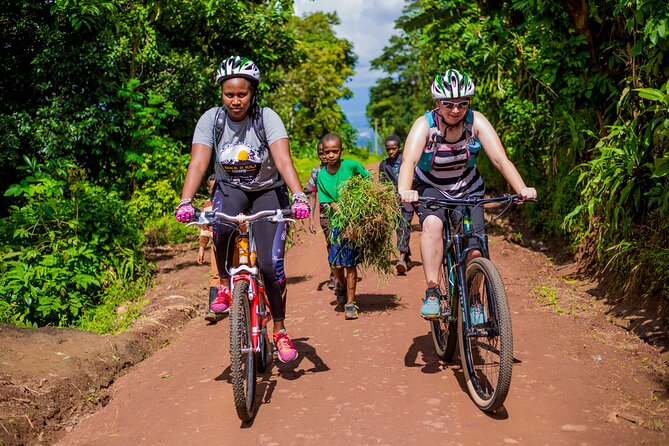
Stop one is the Rau Forest Reserve, and this is where the tour earns its “wildlife + ride” promise. Look up when you’re near the tree crowns. The colobus monkeys you’re hoping for have a distinctive long, fluffy tail, and your guide will point out where to watch.
Even when you don’t get a perfect monkey sighting, Rau Forest still makes sense as a ride stop. The change in vegetation and the feel of moving through forest edges adds variety right away. You’re cycling through a mix of paved and off-road path, then transitioning into farmland views.
You’ll also pass by rice fields and areas linked with sugarcane country before the day swings toward old-town history. That flow—forest reserve to farms—helps you understand the Moshi region as one connected system instead of separate “attractions.”
A bonus that’s easy to miss: the tour includes a visit to an old railway station that feels like a time capsule. In one featured moment from riders, this station was described as stuck in time, and it fits the mood. You’re going from working countryside to an abandoned reminder of earlier infrastructure, which makes the whole day feel more layered.
Moshi town: Mbuyuni + Manyema fish market + Clock Town
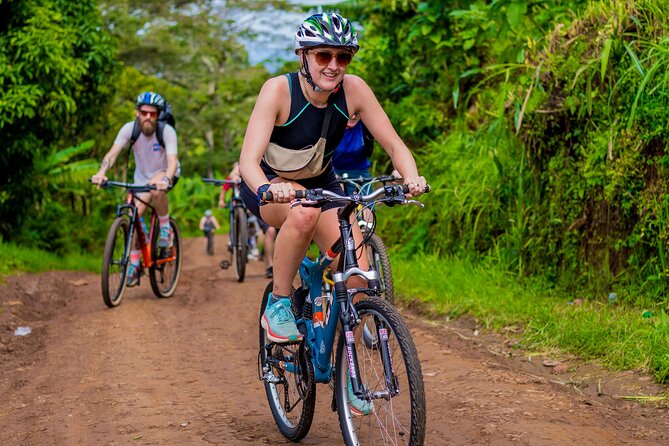
After the countryside and forest, you hit Moshi itself. This isn’t a “quick photo stop.” You’re cycling into town and visiting markets that show you how locals actually move through their day.
You’ll go to Mbuyuni Market (general market time) and the Manyema market, specifically described as a fish market stop. Fish markets can be surprisingly informative even if you’re not buying anything—you see what’s available, how people bargain, and the pace of trade.
From there, the tour adds several “town history” beats: Clock Town in the city centre, a route passing by a big Hindu temple, and a stop at Mama Africa (an Africa gift shop). If you like souvenirs that don’t feel like mass-produced airport stuff, this kind of stop is useful. It gives you a chance to browse while you’re already in town, rather than forcing shopping into a separate detour.
Also, the old railway station shows up again as you move through Moshi. That repetition isn’t a mistake—it’s a way to connect the rural stop one old-station mood with the urban setting where you can better understand the station’s place in the town.
Cycling toward Kilimanjaro region: rivers, fields, churches, and open views
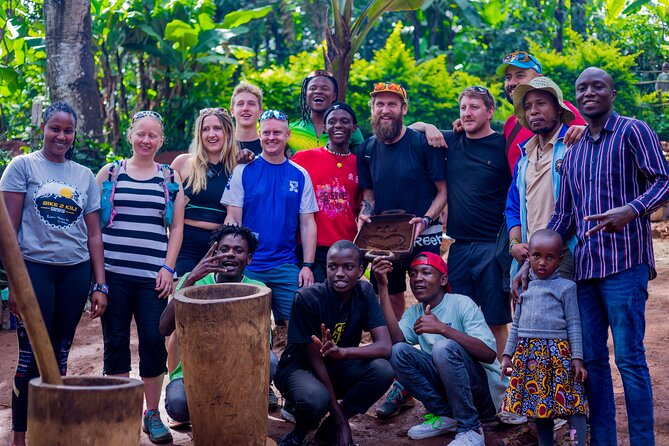
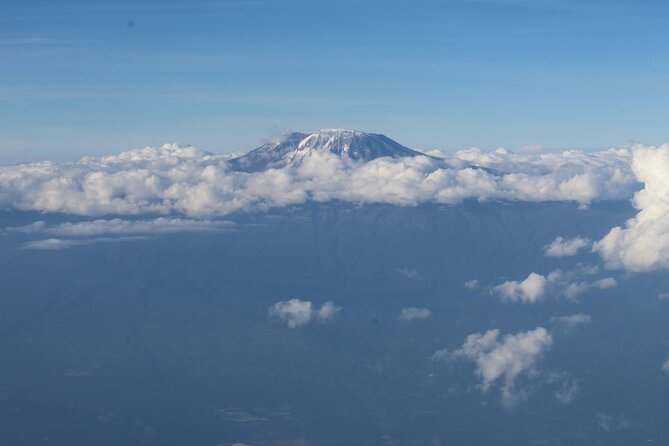
The last stretch is about what the Moshi countryside looks like at ground level when you’re pushing toward Kilimanjaro-region viewpoints. You might not bike to the mountain itself, but you’re in the area where Mt. Kilimanjaro is often visible from the distance because there are fewer tall buildings or trees blocking the sightlines.
You’ll ride past features that make the region feel alive:
- Karanga River along the way
- sugarcane and rice field scenery
- small villages with houses, plus places of worship like mosques
- big Lutheran churches built by Germany during the colonial period
That last point is one of the more meaningful elements of the tour. Those church buildings aren’t just architecture. They reflect how German influence shaped mission work here, and you’ll feel that layering while you ride past communities rather than treating it like a museum stop.
You’ll also pass through village settings where you can see everyday settlement patterns—houses tucked along paths, fields close by, and churches serving as landmarks. The best part is that the tour doesn’t separate “culture” from “scenery.” They happen in the same ride.
And since you’re moving, your Kilimanjaro view comes in waves. One minute you notice the mountain’s silhouette, the next you’re looking at sugarcane and rivers, and suddenly the mountain feels like part of the whole geography instead of a single framed shot.
Terrain and pace: great biking, but it’s not a flat promenade
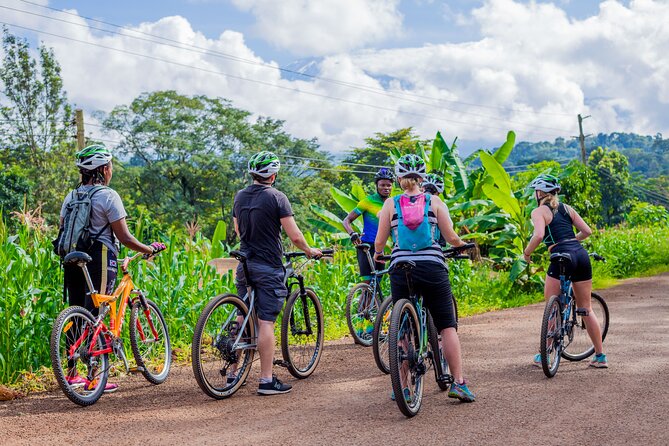
This is a short-day bike tour with real variation. Expect both paved and rougher parts, and remember: you’re riding through working farmland and reserve edges.
One rider specifically warned about bumpy roads and said knee issues slowed them down enough that they skipped lunch and market time. That’s a useful heads-up.
If you:
- have knee trouble,
- expect very smooth surfaces,
- or prefer steady, low-impact routes,
then go into this with a plan to ask for pacing and to protect your joints. The good news is the day is only 4 to 5 hours, so even if you move slower, it’s still manageable.
Also, because the tour uses a guide and includes private transportation, it’s not like you’re winging it alone. You’ll have someone watching the route and adjusting the ride as needed.
What the tour includes—and why the $50 price feels fair
Let’s talk value, because $50 in Tanzania can either feel like a bargain or a trap. Here, it lands more on the bargain side because you’re not just paying for a bike.
Included:
- bicycle use
- cycling guide
- all fees and taxes
- private transportation
- lunch setup: either lunch boxes with soda and mineral water, or a traditional hot lunch at a restaurant
There’s also a clear entry fee structure:
- Rau Forest Reserve admission is included (for about an hour)
- other city activities are listed as free
On top of that, the tour is set up for a small cap of 20 travelers, which usually means you get more attention than you’d get on a big sightseeing bus.
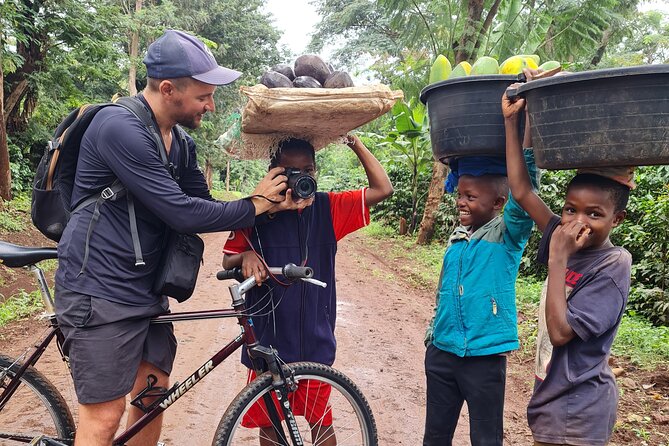
And from the reviews you can feel what matters most: the guides aren’t just handing you a route card. They’re telling the story of what you’re passing—people, farms, and local life. Alpha/Alfa gets highlighted for knowledge and care, and another guide name you may see is Said. That kind of guide energy matters, because it turns the ride from movement into understanding.
Who should book this bike tour?
This tour is a strong fit if you want:
- a fast way to see the Moshi countryside
- wildlife time that isn’t only “watch from a car”
- a mix of agriculture and village life, not just markets
- a guide-led day where you can ask questions as you ride
It’s also a good option if you’re not an experienced cyclist. “Most travelers can participate” is stated, and guides are clearly set up to take care of riders and keep things safe and readable.
Who should think twice?
- Anyone with serious mobility limits or very sensitive knees should be cautious due to bumpy, rough-terrain sections.
- If you hate surprises (like “could we spot colobus today?”), you might want a backup plan mindset. The forest experience is partly about the ride and partly about the chances.
Should you book this 1-Day Moshi Villages bike tour?
I think it’s worth booking if you want a day that feels local without needing a complicated itinerary. For $50, you’re getting guided cycling through forest and farmland, real market time in Moshi, and Kilimanjaro-region views from open countryside—plus lunch and transport that prevent the day from feeling like logistics.
Book it if:
- you’re curious about Chagga farming life and local settlements,
- you want to ride, not just observe,
- and you’re okay with rougher road segments.
Skip it (or ask lots of questions) if:
- your knees or joints can’t handle bumps,
- you expect smooth, easy cycling the entire way,
- or you want long blocks of downtime—this is active and designed to keep moving.
If you do book, I’d suggest confirming your pace needs upfront with the operator, and go in ready to look up in the forest. Even a partial colobus sighting day feels like it belongs to Moshi, not a generic tour circuit.
FAQ
How long is the 1-Day Moshi Villages bike tour?
It runs about 4 to 5 hours.
How much does the tour cost?
The price is $50 per person.
Is pickup included?
Yes. Pickup is offered, and private transportation is included.
What’s included with the ticket price?
You get the bicycle, a cycling guide, all fees and taxes, private transportation, and lunch (either lunch boxes with soda and mineral water or a traditional hot lunch).
Is Rau Forest Reserve an extra paid admission?
Yes, the Rau Forest Reserve admission ticket is included for about an hour. Other parts like the town market and city stops are listed as free.
What kind of terrain should I expect?
The route includes both off-road and paved sections, and the roads can be bumpy.
Where does the tour start and end?
It starts at Bike2kili Safaris Tanzania, Market street, Mission St and ends back at the same meeting point.