REVIEW · HIROSHIMA
Hiroshima 3hr Peace Cycling Tour with Local Guide
Book on Viator →Operated by Attractive JAPAN · Bookable on Viator
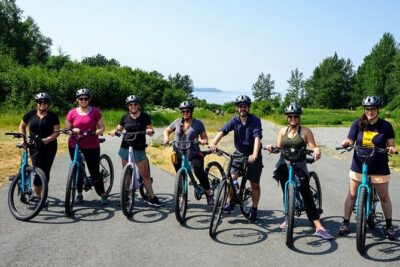
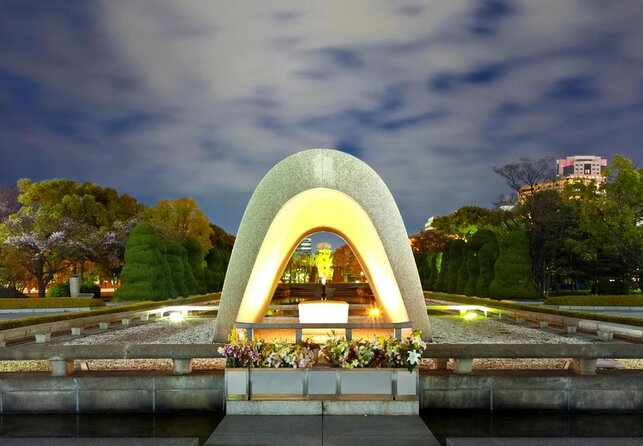
Biking through Hiroshima makes history personal. In a max 10 electric-bike group, a local guide connects Peace Memorial Park to places like the Atomic Bomb Dome with stories that land right in your lap.
I love the included entrance fees, so you’re not stopping for cash or ticket lines, and I love the e-bikes that keep the ride gentle enough to stay present.
One thing to consider: the subject matter is heavy, and you’ll still want to feel comfortable riding for about three hours, since even with e-assist you’re on a bike for real distance.
In This Review
- Key Takeaways
- Price and what $85.89 covers on an e-bike
- Starting at Peace Memorial Park Rest House: bikes, timing, and safety
- Hiroshima Castle and the Gokoku Shrine gate: before-and-after clues
- Green breaks at Central Park and the city’s in-between spaces
- Aioi Bridge to the Atomic Bomb Dome: the heart of the ride
- Beyond the main sites: memorial trees, hospital remnants, and windows
- Hiroshima Railway and the bridges that still tell time
- Peace Boulevard back to the Park: Hiroshima as a living city
- Weather plan and pacing: what to expect on a real morning
- Practical tips that make the ride smoother
- Who should book this 3-hour ride (and who might choose differently)
- Should you book this Hiroshima Peace Cycling Tour?
- FAQ
- How long is the Hiroshima peace cycling tour?
- How big is the group?
- Where does the tour start and end?
- Are entrance fees included in the price?
- What bike can adults ride?
- Can children join?
- What if it rains?
- Is there a walking alternative for rain?
- Do they provide luggage storage at the Rest House?
- Is there free Wi-Fi on the tour?
- What happens if I’m late to the meeting?
Key Takeaways
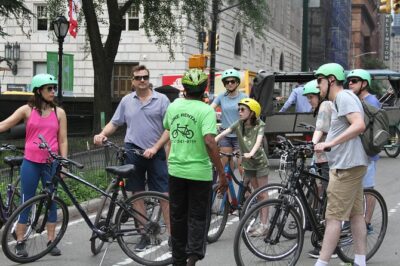
- Small-group size (up to 10) keeps things personal and lets your guide adjust the pace.
- Local family stories make major sites feel tied to real people, not just dates and photos.
- Entrance fees are included, so your day runs smoothly between stops.
- You hit both icons and lesser-seen remnants, like shrine structures and hospital remnants.
- Electric bikes make the ride doable, even in warmer weather.
- Weather backup exists, with a limited peace route or a walking option.
Price and what $85.89 covers on an e-bike
At $85.89 per person for about three hours, you’re paying for two things that matter in Hiroshima: a local guide who tells the story and a bicycle format that gets you from site to site without rushing. You also get a big practical benefit: entrance fees are included, so you’re not doing mid-ride decisions about what to pay and what to skip.
This tour is also positioned as a “morning you can trust” type of experience. You’ll spend the morning focused on wartime impact and postwar recovery, then free up the rest of the day for Hiroshima on your own.
You can also read our reviews of more tours and experiences in Hiroshima.
Starting at Peace Memorial Park Rest House: bikes, timing, and safety
Your meet-up is at the Hiroshima Peace Memorial Park Rest House. Plan to arrive a few minutes early. The start includes greetings, route explanation, and basic health-safety steps like temperature checks.
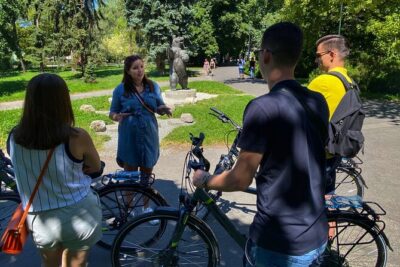
Then you’ll get acquainted with your group, your bike, and the day’s flow. Reviews often highlight guides like Shin, Moe, Kana, Toma, Thomas, and Moet for clear storytelling and a calm, safety-first riding style. If you’re worried about biking, the key point is that the ride is designed to be gentle, and guides will adjust pace for people who aren’t comfortable cyclists, especially kids in mixed groups.
Bike reality check: This is an e-bike tour, but participation still has requirements. Adults need an electric bike at 145 cm height or more. Kids under 15 can use children bikes at a child rate if they fit the listed height/weight limits (with specific limits for children’s seat bikes). If you’re between sizes or unsure, check the bike rules before you go.
Hiroshima Castle and the Gokoku Shrine gate: before-and-after clues
Stop by stop, the tour builds a timeline. It starts at the memorial core, then works outward to show how Hiroshima held onto structures, faith sites, and everyday life while rebuilding.
Stop 2: Hiroshima Castle (about 20 minutes, admission included)
Your guide takes you to Hiroshima Castle and explains how this area connects to the wartime picture, including the claim that a military fort here was the first to report about the atomic bomb. Even if you know Hiroshima’s story already, this kind of framing helps you notice what gets lost, what gets repurposed, and what people rebuild.
Stop 3: Hiroshima Gokoku Shrine and the Shrine Gate (about 15 minutes, admission included)
This stop leans into lesser-known heritage details, including the Guardian Dog statue and a shrine gate said to have withstood the atomic bomb. It’s a short visit, but it’s powerful because it isn’t only about the bomb’s “big landmarks.” It’s about how belief systems, memorial culture, and physical structures overlap.
Green breaks at Central Park and the city’s in-between spaces
Stop 4: Hiroshima Central Park, Chuo Koen-mae (about 20 minutes, free)
This is the tour’s breathing space. You’ll walk through a wide green park area. It doesn’t erase the subject matter, but it helps you reset your body between heavier stops. If you’re going with kids or someone who gets overwhelmed easily, this kind of pause matters.
You’re also getting something practical here: the ride keeps moving between points without a full-on sightseeing crawl. It’s still respectful, still focused, just not exhausting.
Aioi Bridge to the Atomic Bomb Dome: the heart of the ride
Now the tour tightens around the central event. This is where the stories turn from context into impact.
Stop 5: Aioi Bridge (about 10 minutes, free)
You visit the bridge that was targeted, and you get an explanation of how both the river and the bridge have remained. The effect is simple: you’re standing near what’s still physically there, which makes the history feel less like a lesson and more like a nearby fact.
Stop 6: Atomic Bomb Dome (about 15 minutes, admission included)
This is the world-famous Atomic Bomb Dome, with stories about local memory and what people carried afterward. You’ll hear the human side rather than only the headline facts. Multiple guides (like Shin and Moe in different guide experiences) are praised for mixing personal family stories with clear explanation.
Stop 7: Motoyasu River and the Peace Bridge (about 15 minutes, free)
Heading south from the Dome and Peace Park area, you ride along riverside nature. Your guide explains what you’re seeing and ties it back to the “then and now” contrast. It’s a smart pacing move: you don’t stay in one emotional spot too long, but you keep the theme intact.
Beyond the main sites: memorial trees, hospital remnants, and windows
This is where the tour feels like more than the usual photo sprint. You’re shown smaller remnants and message-shaped locations that people often miss.
Stop 8: Higashisenda Park (about 20 minutes, free)
The tour highlights a park about 1 km from the blast center, filled with trees sent from countries around the world. The point isn’t just the symbolism of “peace.” It’s that many countries chose to contribute physically, and Hiroshima turned those contributions into lasting memory.
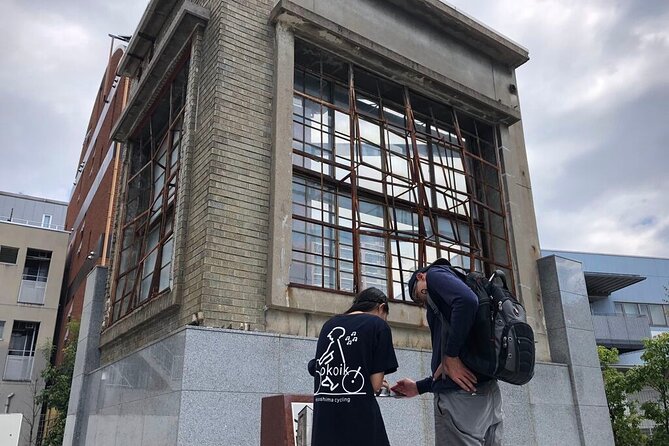
Stop 9: Atomic Bomb Window Frame Monument at Hiroshima Red Cross Hospital remnants (about 20 minutes, admission included)
This stop is sobering. You see remnants tied to the Hiroshima Red Cross Hospital building, located about 1.5 km from the center. Your guide explains what these remains say about the bomb’s strength and the reality that followed.
Small drawback to note: several stops are about 10–20 minutes. That’s good for staying energetic, but it also means you won’t have long reflection time at every site. If you want extended silence at one particular place, treat this tour as the framework and plan extra free time afterward.
Hiroshima Railway and the bridges that still tell time
The tour continues with “survival details,” where the story is carried by surviving infrastructure and visual reminders.
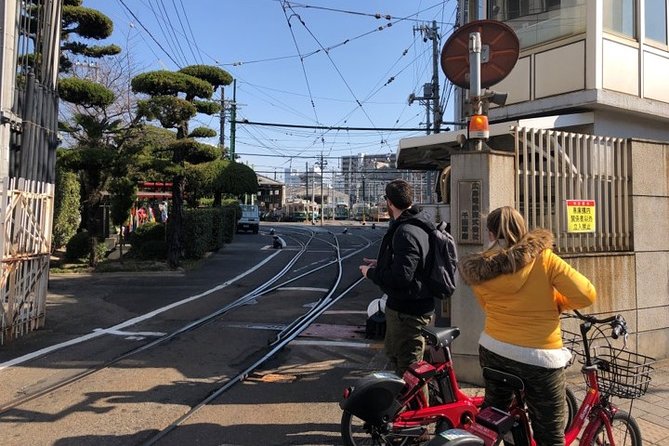
Stop 10: Hiroshima Railway (about 10 minutes, free)
You learn that two trains survived and still run today. That’s not trivia for trivia’s sake. It’s a reminder that recovery is made of systems getting back online: movement, work, commuting, normal routines returning—sometimes changed, sometimes not.
Stop 11: Miyuki Bridge and Kobayashi River (about 10 minutes, free)
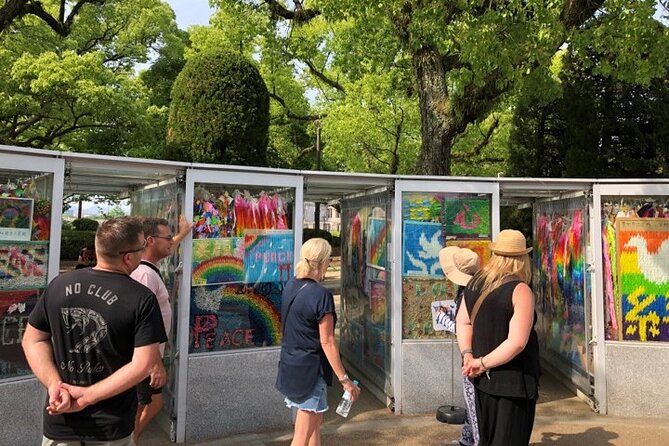
You’ll find an image display right where the bomb’s reach ended, and your guide explains the contrast between then and now. It’s a short stop, but it works because you can immediately see the “before/after” idea in one framed view.
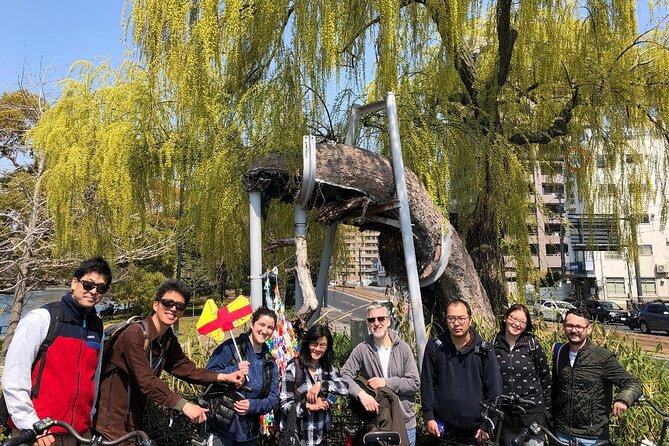
Stop 12: Surviving Weeping Willow Tree (about 10 minutes, free)
This is a standout highlight. The weeping willow is described as continuing to grow despite rumors that it would not survive for at least the first 70 years. The tour frames it as a symbol of strength and endurance in a place where so much was forced to be interrupted.
Peace Boulevard back to the Park: Hiroshima as a living city
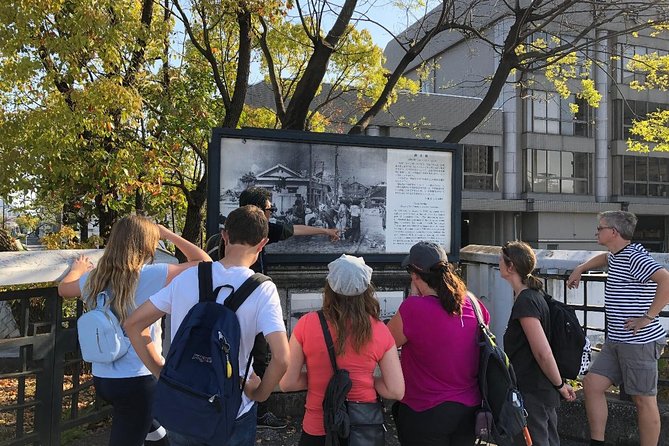
Stop 13: Peace Boulevard (about 10 minutes, free)
On the way back to Peace Memorial Park, you pass monuments and trees tied to Hiroshima’s history while also seeing the city thriving now. This stop helps you leave with balance: memory matters, and so does what people built afterward.
Stop 14: Hiroshima Peace Memorial Park return (finish around 13:00, free)
You end right back where you started. That’s a good design choice. It makes it easy to continue your day at your own pace, whether you want to revisit one site or head out to explore neighborhoods, food, and shops nearby.
Weather plan and pacing: what to expect on a real morning
The tour runs only when weather allows. If it’s canceled due to poor weather, you can choose a Rainy Day Limited Peace Route or a refund. The rainy route changes the focus and timing, routing through key sites like Peace Memorial Park → Atomic Bomb Dome → Hypocenter and more, ending earlier.
There’s also a walking conversion option for rainy days: you’d walk around the hypocenter area within roughly 0.5 km to 1 km radius. If you don’t want the switch, you can request a refund. In other words, rain doesn’t automatically mean losing your day.
As for pace, it’s designed around small-group movement. Reviews frequently mention easy riding and electric-bike help in summer heat, which fits the “three hours, then your afternoon” rhythm.
Practical tips that make the ride smoother
A few details can save you stress:
- Luggage storage is limited. There’s no place to leave luggage at the Rest House, but there are coin lockers at the International Conference Center Hiroshima and Hiroshima Peace Memorial Museum (about a 6-minute walk away).
- Wi-Fi onboard isn’t provided. The tour lists no free Wi-Fi on the experience, though Hiroshima Free Wi-Fi is available around the city.
- Insurance is included for bicycle accidents, which helps you feel safer while riding.
- Bring a light day bag. Some stops are brief, so you’ll want your essentials within easy reach.
Who should book this 3-hour ride (and who might choose differently)
Book this if you want:
- A small-group Hiroshima experience that connects Peace Park sites with both wartime and postwar recovery.
- A guide who can explain why each place matters, not just point at it.
- An active morning that still stays manageable thanks to e-bikes.
Consider an alternative if:
- You’re not comfortable riding a bike for about three hours, even with electric assist.
- You prefer fully self-paced museum time over walking and short stops outdoors.
- You need long, unhurried stays at only one or two sites. This tour is built for coverage and flow.
If you’re comparing tour lengths, the 3-hour option adds extra depth by including places like Hiroshima Castle, which gives more context on prewar and postwar recovery beyond the central memorial area.
Should you book this Hiroshima Peace Cycling Tour?
If your goal is a powerful, well-paced morning that links the big Hiroshima icons with the quieter remnants and symbols, this is a strong choice. The combination of electric biking, small group size, and entrance fees included makes it practical, while the local storytelling (from guides such as Shin and Moe, among others) gives it staying power.
If you want a lighter day, or you’re not comfortable on a bike, you might prefer a museum-first plan. But if you can ride, and you want your Hiroshima time to mean something, booking this 3-hour peace cycling tour is one of the most direct ways to get there.
FAQ
How long is the Hiroshima peace cycling tour?
It runs for about three hours.
How big is the group?
The tour is a mixed group with a maximum of 10 people.
Where does the tour start and end?
It meets at the Hiroshima Peace Memorial Park Rest House and returns to the same meeting point at the end.
Are entrance fees included in the price?
Yes. The tour description states that entrance fees are included so you don’t need to pay on the spot.
What bike can adults ride?
Adults use an electric bicycle with a height requirement of 145 cm or more.
Can children join?
Yes. Children can use children’s bicycles (cross bike type) at the child rate if they meet the listed height/weight ranges, and children under 15 can use adult bicycles at the child rate if they meet the height requirement.
What if it rains?
If it’s canceled due to poor weather, you can choose the Rainy Day Limited Peace Route or request a refund.
Is there a walking alternative for rain?
Yes. The tour can be changed to a walking tour for rainy days only, focused around the hypocenter area within about a 0.5 km to 1 km radius.
Do they provide luggage storage at the Rest House?
No. There’s no place to leave luggage at the Rest House, but coin lockers are available near by (at the International Conference Center Hiroshima and Hiroshima Peace Memorial Museum).
Is there free Wi-Fi on the tour?
No. The tour lists no free Wi-Fi on the experience, but free city Wi-Fi is available throughout Hiroshima.
What happens if I’m late to the meeting?
If you’re late for the meeting time without prior notice, the tour will be cancelled and a 100% cancellation fee may apply on the day and is non-refundable.