REVIEW · LIVINGSTONE
3 Hour Cultural Bicycle Tour in Livingstone
Book on Viator →Operated by Action Bike Tours And Safaris · Bookable on Viator
Livingstone changes fast when you stop driving and start riding. This 3-hour cultural bicycle tour uses mountain bikes to get you out into everyday neighborhoods and village life. You’ll hear stories from local guides and see real places like a market and a community school stop. I especially like how friendly the local welcome feels and how the ride stays practical and not overly scripted.
My other big plus: you get a local-perspective experience for $50, with bottled water and snacks included along the way. One thing to think about first is the obvious: you’ll be biking for about three hours, so wear clothes and shoes you can move in comfortably for both cycling and short walks.
If you want the Livingstone most people miss, this is a simple way to do it—small group size, solid guidance, and enough time to learn without feeling rushed.
In This Review
- Key highlights worth your attention
- Livingstone on a mountain bike: the real-feeling version
- Your 3-hour route: town views, village time, and a human pace
- Stop type: town and village cycling
- Stop type: guided visits with locals
- Beyond the main streets: market moments and education you can feel
- The market stop: people, trade, and everyday energy
- The school visit: why education gets community support
- What to wear and bring so the ride stays comfortable
- Small group size (up to 30) and pickup that actually helps
- Value check: is $50 worth three hours in Livingstone?
- Who should book this bike tour (and who should skip it)
- Practical tips to make the most of your ride
- Should you book the 3-hour cultural bicycle tour in Livingstone?
- FAQ
- How long is the Livingstone cultural bicycle tour?
- Where does the tour take place?
- What does the tour cost?
- Is pickup and drop-off available?
- What’s included in the tour price?
- Is lunch included?
- How big are the groups?
- What is the cancellation policy?
Key highlights worth your attention
- Mountain bike + cultural storytelling: You’re not just touring; you’re learning daily life through your guide’s explanations.
- Village and town riding: You’ll cycle around and outside town, not only the main streets.
- Market and school visits: Expect meaningful stops tied to community life and education.
- Snacks and bottled water included: A small thing that matters when you’re out for hours on a bike.
- Small group cap (30 guests): More conversation, less crowding, a calmer pace.
Livingstone on a mountain bike: the real-feeling version
Livingstone has the usual tourist flow, but it also has regular streets where people work, chat, and raise families. The best part of this tour is that it helps you see that Livingstone rhythm. Instead of being stuck watching life from a car window, you’re rolling through it at a speed that lets you notice details—paths, faces, routines, and how the town connects to nearby communities.
You’ll ride a mountain bike, and that matters. It’s designed for uneven ground and the kind of surfaces you get once you’re outside only the most polished routes. In plain terms: you’ll feel more grounded than if you were just walking a short loop. People describe the ride as easy enough to enjoy if you’ve been on a bike recently, but you’ll still want to treat it like a workout. Not a race—just real movement.
What makes it cultural (not just physical) is the way your guide frames what you’re seeing. You’ll hear stories about local villagers and traditions, with an emphasis on day-to-day African life rather than a lecture format. Guides named Wezi and Song show up in multiple accounts as the kind of people who make the experience feel personal and clear, not distant.
Your 3-hour route: town views, village time, and a human pace
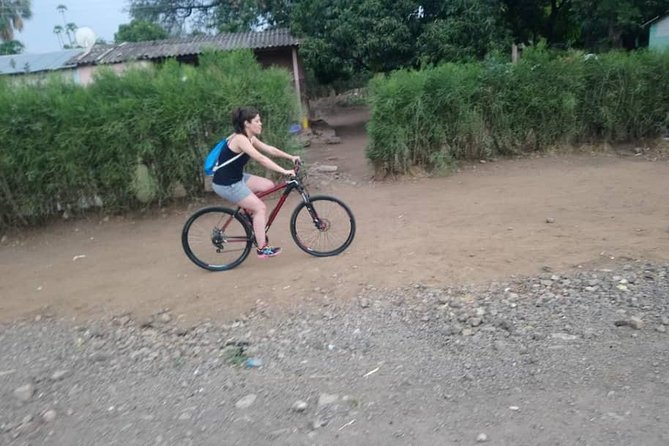
You’re out for about three hours, typically in the morning or afternoon. That timing is a nice sweet spot: long enough to get beyond the first streets, but short enough that you won’t leave exhausted or mentally overloaded. For many people, it’s the best “first day in town” option because it helps you get your bearings fast.
The ride starts with cycling around and outside Livingstone. That outside-town movement is key. You’re meant to see both the town and the village areas, so you can compare how life looks as you move from more central settings into community spaces. You also get to interact with locals along the way—think of it as learning by presence, not by reading signs.
The pace is built for conversation. This isn’t one of those tours where you’re sprinting between photo stops. You’ll cycle, then slow down for real moments—questions, greetings, and quick explanations. If you like travel that feels like meeting people rather than checking boxes, this is the right setup.
Stop type: town and village cycling
This is the heart of the day. You’ll see Livingstone not as a postcard, but as a place people actually live. And when you’re on a bike, you can notice the “in-between” things: how neighborhoods connect, where foot traffic flows, and how the public spaces work day to day.
Stop type: guided visits with locals
You should expect the tour to include time with locals and guided storytelling. The value is in what your guide chooses to highlight—family life, work routines, local traditions, and how the community supports itself.
Beyond the main streets: market moments and education you can feel
One of the most praised parts of this tour is how far it goes past the obvious tourist lines. Multiple experiences describe it as off the beaten path, with time spent in local market areas and visits tied to schools.
The market stop: people, trade, and everyday energy
A market visit is more than browsing. It’s where you see how daily life moves. You’ll get a chance to observe how locals shop, talk, and manage small businesses. If you’ve ever felt frustrated that you’re always “passing through” destinations, a market stop fixes that. It makes the tour feel grounded in real economics and real routines.
Bring a calm, respectful attitude. Ask your guide questions rather than trying to interview strangers yourself. This is the kind of place where your guide’s relationships and context matter.
The school visit: why education gets community support
The school stop stands out for a reason: it’s tied to impact. One account mentions a school serving over 800 children and highlights how community-raised funds support educational facilities. That’s the sort of detail that turns a “sight” into a story you remember.
You don’t need to turn it into charity theater. Instead, use the moment to understand what local support looks like when it’s organized by the people who live there. Your guide can explain what’s working, what the community is trying to improve, and how these places connect back to daily life.
What to wear and bring so the ride stays comfortable
This is a biking tour plus short walks, so dress for movement. You’ll want clothes suitable for cycling and walking, and shoes you can trust on uneven ground. If you wear something that’s great for photos but bad for movement, you’ll notice it fast after the first bumpy stretch.
Here are practical tips that keep the experience smooth:
- Wear breathable tops and long-enough bottoms for riding comfort.
- Choose closed-toe shoes with grip.
- Bring a light layer if you tend to get cold from shade or wind.
- Expect you’ll want to wipe sweat and refresh at stops—water and snacks help.
Also, don’t over-pack. You’ll want your hands free to handle bike interactions, and you’ll likely appreciate lightness while walking through market or school areas.
Small group size (up to 30) and pickup that actually helps
The group is capped at 30 guests. That’s not tiny, but it’s small enough that you’ll still notice your guide and ask questions without shouting. It also makes the experience feel less like a moving bus tour and more like a guided outing.
Hotel pickup and drop-off can be arranged. Even when pickup isn’t mandatory, it’s a real time-saver in a place where you might not know the quickest routes. If you’re short on time—or you just don’t want to hunt for meeting points—this flexibility helps.
One more practical note: the tour is near public transportation. That matters if you’re using local buses or shared rides and want an option that doesn’t lock you into only one transport plan.
Value check: is $50 worth three hours in Livingstone?
At $50 per person for about three hours, the price looks straightforward. The bigger question is what you get for it.
Here’s the value math that feels fair:
- You’re getting mountain bike activity, not just a walking tour.
- You have a guide telling stories tied to local daily life.
- Bottled water and snacks are included.
- You’re seeing more than one type of community space—town areas, village areas, and meaningful stops.
Lunch is not included, so plan to eat before you start or afterward. The good news is that the tour length is short enough that you won’t feel stuck without food for too long, especially since snacks and water are part of the package.
If you’re comparing this to “tour bus and photos” trips, the difference is the access. This experience gives you mobility and context in the same package. That’s why many people rate it so highly. You’re paying for a guided, human-paced way to learn.
Who should book this bike tour (and who should skip it)
This tour is a great fit if you:
- Want local interaction and cultural storytelling, not just landmarks.
- Like active travel at a comfortable pace.
- Prefer small-group experiences where you can ask questions.
- Want something more meaningful than staying on main streets.
It may not be the best match if you:
- Can’t comfortably bike for about three hours.
- Have mobility limits that make walking at stops difficult.
- Prefer fully sedentary tours.
The good sign is that it’s described as suitable for most travelers. The main requirement is basic physical comfort and the right outfit.
Practical tips to make the most of your ride
A few small choices can turn a good tour into a memorable one:
- Show up ready to move. Wear cycling-friendly clothes from the start.
- Ask your guide questions as you ride. The best answers usually come while the pace is easy.
- Keep your camera use respectful during school or market moments.
- Bring curiosity, not assumptions. Your guide’s explanations help you understand what you’re seeing.
If you’re also exploring around Victoria Falls, you might be using this tour as a way to balance “big views” with “everyday life.” One account describes meeting a driver near the border when staying on the Zimbabwe side, which suggests the operator can coordinate parts of a cross-area trip. Still, if that’s your situation, confirm the exact pickup approach before you go.
Should you book the 3-hour cultural bicycle tour in Livingstone?
Book it if you want a real taste of Livingstone beyond the usual route. The big reasons are simple: bikes get you access, the guide stories connect the dots, and the stops (market and community school time) bring real meaning.
Skip it if you hate biking or want a low-movement day. And if you’re the type who needs a relaxed, all-day schedule with lots of food breaks, you might find three hours brisk.
One last thought: these tours are commonly booked about a month in advance. If your dates are firm, don’t leave it to the last minute.
If this sounds like your kind of day—short ride, real people, practical guidance—this is a strong value way to understand Livingstone.
FAQ
How long is the Livingstone cultural bicycle tour?
The tour lasts about 3 hours.
Where does the tour take place?
It’s in Livingstone, Zambia.
What does the tour cost?
The price is $50 per person.
Is pickup and drop-off available?
Hotel pickup and drop-off can be arranged.
What’s included in the tour price?
Bottled water and snacks are included.
Is lunch included?
No, lunch is not included.
How big are the groups?
The tour has a maximum of 30 travelers.
What is the cancellation policy?
You can cancel for free up to 24 hours in advance of the experience for a full refund.