REVIEW · MUMBAI
3 Hours Early Morning in South Mumbai Heritage Bicycle Tour
Book on Viator →Operated by Mumbai Dream Tours · Bookable on Viator
Early morning turns Mumbai into a different city. You get less crowds and a calm ride past major landmarks, while the guide steers you through back lanes and historic corners you might not find on your own. What I like most is the mix of big sights and smaller streets, plus the convenience of included bikes for a smooth start. The main trade-off is simple: you’re up early, and the route expects a moderate fitness level for steady cycling.
If you’re staying around Colaba or Fort, this is a smart way to start the day without losing time to traffic. It runs daily and keeps the group small (up to 15), so you’re not stuck in a long line of people at each stop. Morning departs at 6:00 AM, with an additional early session also offered.
In This Review
- Key Things to Know Before You Pedal South Mumbai
- Why Dawn at 6:00 AM Changes Everything in South Mumbai
- The Ride Plan: Getting Around Without Fighting Mumbai Traffic
- Value and Price: Is $36.29 a Good Deal for 3 Hours?
- Gateway of India: The British-Raj Landmark You See Before the Rush
- Chhatrapati Shivaji Terminus: Architecture and Rail Energy in 20 Minutes
- Crawford Market: Old-School Shopping Energy and a Famous Electricity Story
- Marine Drive and Sassoon Dock: Sea Views Plus Dockside History
- Bombay Panjrapole: Milk, Prasad, and How Local Giving Works
- Mumba Devi Temple: A Local Goddess and a Short, Meaningful Stop
- Zaveri Bazaar: Jewellery Shopping When the Streets Are Still Calm
- What’s Included (and What You’ll Pay Separately)
- Who This Tour Fits Best (and Who Might Want Another Plan)
- Should You Book the South Mumbai Heritage Bicycle Tour?
- FAQ
- How long is the South Mumbai Heritage Bicycle Tour?
- What time does the morning tour start?
- Where does the tour start and end?
- What’s included in the price?
- Do I need to buy admission tickets for the stops?
- How many people are in a group?
- What fitness level do I need?
- Is free cancellation available?
Key Things to Know Before You Pedal South Mumbai
- A 3-hour heritage loop that covers far more ground than walking alone
- Start at 6:00 AM (or another early slot) to beat heat and crowd energy
- Small group size (max 15) for easier navigation and photo stops
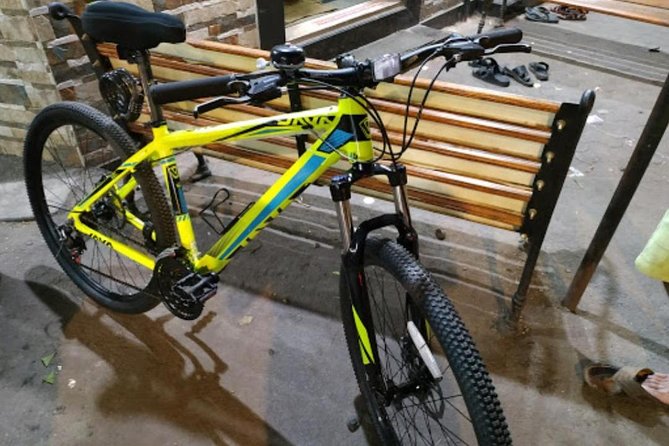
- Bike and helmet provided on request, plus drinks and bottled water
- Historic stops with no listed admission fees, so your money stays for actual shopping and snacks
- Back lanes instead of main-road traffic, which makes the ride feel calmer
Why Dawn at 6:00 AM Changes Everything in South Mumbai
Starting this ride early isn’t just about style. It’s practical. South Mumbai gets busy fast, and the late-morning crush can turn even famous places into shuffle-and-wait mode. At dawn, you still get the landmark drama, but with breathing room around you.
I also like that the plan doesn’t try to pack every minute with sprinting. You get a focused route that lets you ride, pause, look, and move on without feeling like you’re running a marathon. It’s the kind of schedule that leaves you enough daylight afterward to explore more on your own.
The other big reason dawn works here: you’re cycling when the city feels more human. You notice street life, temple activity, and market energy in a quieter form. And when you’re doing an off-the-radar ride, quiet helps you pay attention.
You can also read our reviews of more tours and experiences in Mumbai.

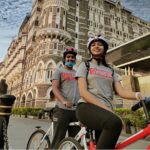

The Ride Plan: Getting Around Without Fighting Mumbai Traffic
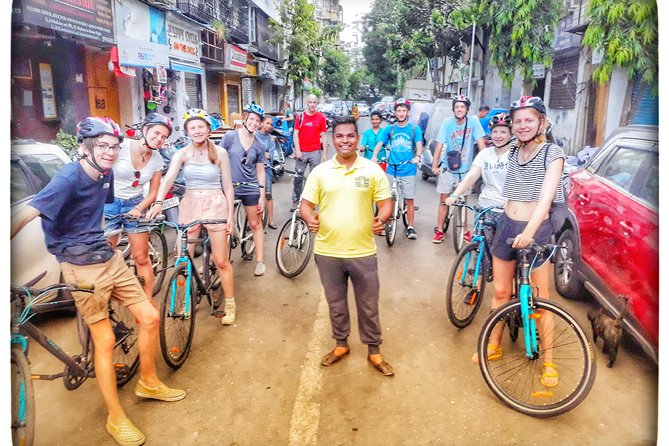
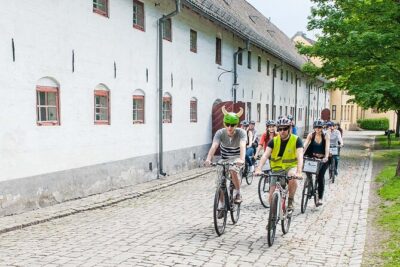
This is a bike tour designed to help you see more while avoiding the worst of road chaos. The route is built around back lanes and short hops between major sights, so you’re not spending your tour time stuck at lights or trapped in slow traffic lines.
The group size matters. With a maximum of 15 people, the pace stays manageable, and the guide can keep the whole group together without turning the ride into herding cats. If you’ve ever tried to zigzag between crowds on foot, you’ll appreciate how much smoother cycling feels when the ride is planned well.
You’ll meet back at the starting point in Colaba. The meeting location is at Kailash Parbat Hindu Hotel Restaurants, at Sheila Mahal Society, Shop No 5, 1st Pasta Ln, Apollo Bandar, Colaba, Mumbai 400005. The tour ends right where it starts, so you don’t need to worry about extra transportation at the finish.
Value and Price: Is $36.29 a Good Deal for 3 Hours?
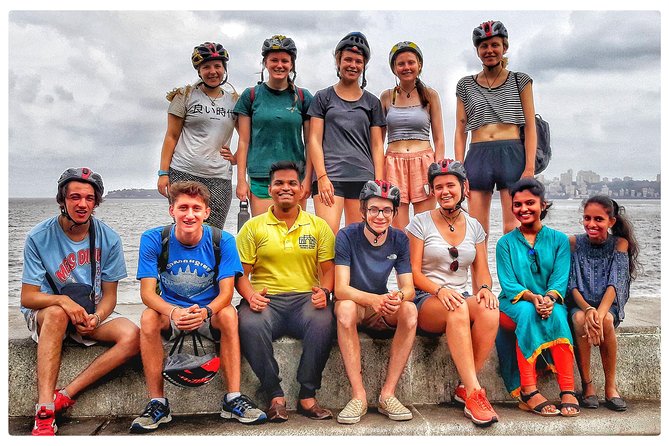
At $36.29 per person for about 3 hours, the value hinges on what you’re getting besides sightseeing. Here, you’re not just paying for a route—you’re paying for a guide, a bike, and helmet support if you request it, plus drinks and bottled water during the ride.
That’s a better deal than it looks at first glance, because renting a bike and sorting gear can add up quickly in many big cities. Add in the fact that entry fees are listed as free at each stop, and you’re mostly paying for the organization and the guide-led context.
Is it pricey? Not for a short, structured, guide-led heritage experience with equipment included. The one cost you should expect is your own spending. This route passes places where shopping and snacks are part of the experience, especially around jewellery markets.
Gateway of India: The British-Raj Landmark You See Before the Rush
Gateway of India is the obvious headline stop. It was constructed during the British Raj, and even if you’ve seen photos, it hits differently in person. It’s also a place with ongoing ferry services and entertainment activity, which is exactly why timing matters.
On this tour, you arrive early enough that the area feels calmer. You get that sense of scale without the full-day crowd pileup. It’s a 30-minute stop, which is long enough to look closely at the structure, take photos, and still keep the tour moving.
A practical tip: Gateway is a big open area, so protect yourself from sun even early. Sunscreen and sunglasses don’t feel dramatic at 6:00 AM, but Mumbai’s light can be strong once the morning climbs.
Chhatrapati Shivaji Terminus: Architecture and Rail Energy in 20 Minutes
Next up is Chhatrapati Shivaji Terminus, one of Mumbai’s most striking colonial-era buildings. The exteriors reflect perseverance of ancient colonial structure, and the place feels “busy” even in a short time because of its incredible rail connectivity to central, harbor, and outstation trains.
This stop is only 20 minutes, so don’t expect a museum-level visit. Instead, use the time for what it’s best at: quick orientation and a look at the building’s character. The best way to enjoy this kind of stop is to treat it like a moving study session. Look at the exterior details, notice the scale, and then let the guide explain what you’re seeing.
If trains are your thing, you’ll likely find this stop especially fun. It’s one of those places where you can’t help but watch movement around you, even while you’re standing still.
Crawford Market: Old-School Shopping Energy and a Famous Electricity Story
Crawford Market is where the tour shifts from major landmarks to daily life. It’s also tied to an interesting reputation: it’s described as a shopping destination that was run on electricity long ago, and it’s said to have remained largely unaffected by modern advancements.
Whether you focus on the architecture or the market bustle, the point is the vibe. It feels like you’re seeing commerce as it’s actually lived, not staged for tourists. The stop is 20 minutes, so it’s best for quick wandering and browsing rather than a full shopping mission.
A drawback to know: markets can be visually intense. If you’re sensitive to crowds, strong smells, or hectic movement, keep your expectations realistic. You’re there early, which helps, but Crawford is still a market.
Bring a plan for shopping. If jewellery is on your radar later (it is), you can treat Crawford as a taste-test. Window shop now, then go deeper when the jewellery focus hits.
Marine Drive and Sassoon Dock: Sea Views Plus Dockside History
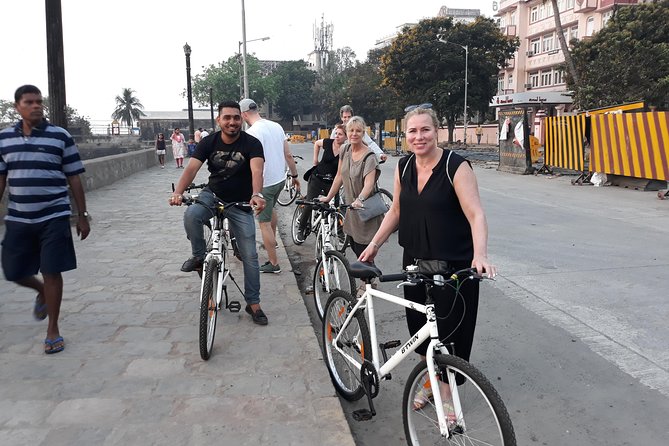
Marine Drive gets its nickname because of the shape—people refer to it as the queen necklace. Even early, it’s a classic Mumbai seafront feeling: ocean air, long views, and a wide promenade that helps the whole ride feel like it’s breathing.
This stop is another 20 minutes. Again, it’s short by design. The tour wants you to catch the mood, take photos, and keep the cycling rhythm.
Then you pivot to Sassoon Dock, described as one of Mumbai’s oldest docks, constructed in 1875. This is the kind of contrast that makes the tour worthwhile: from iconic seaside to working-dock history in a single stretch. You’re not just ticking boxes—you’re seeing different versions of the city’s engine rooms.
If you’re a photographer, this is a good part of the tour for quick captures. Morning light can be flattering, and you have time at both the seafront and the dock area without rushing.
Bombay Panjrapole: Milk, Prasad, and How Local Giving Works
Bombay Panjrapole is a stop that’s more about meaning than scenery. The concept of panjrapole comes from villages where cows were donated so temple kitchens could use milk for preparation of prasad—often kheer, and sometimes mava and other sweets.
This is a moment where you slow down and let culture do the talking. The tour’s strength here is that it doesn’t treat religious or charitable sites as quick-photo props. Instead, you get the logic behind the place: why donations matter, how food becomes part of worship, and how community care shows up in daily practice.
Because this is a 30-minute stop, it gives you a little more time to absorb and ask questions. You’ll likely come away with a better understanding of how tradition and routine connect in Mumbai.
Mumba Devi Temple: A Local Goddess and a Short, Meaningful Stop
Next is Mumba Devi Temple (Mumba Devi Mandir), an old temple dedicated to the goddess Mumbā. The information shared connects her with the local incarnation of Devi, and it also notes that the Marathi name मुंबा derives from Sanskrit.
This is a 20-minute stop. That doesn’t sound like much, but temples are best visited like this: quiet time, respectful observation, and space for the guide’s explanation. If you’ve visited temples elsewhere, you’ll recognize the rhythm—something older than the crowd around it.
A good way to handle a shorter temple visit is to focus on one thing: the deity focus, the space, or what the guide tells you about the name and meaning. You don’t need to do everything to feel the impact.
Zaveri Bazaar: Jewellery Shopping When the Streets Are Still Calm
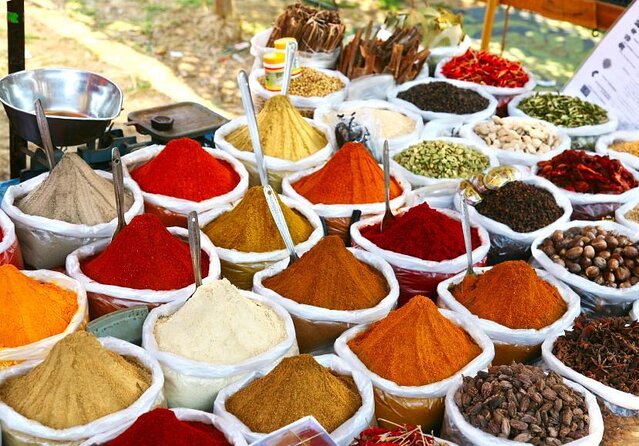
Zaveri Bazaar is where the tour turns into shopping mode. It’s a famous jewellery market for gold, diamonds, artificial necklaces, and ornaments like Zhoomka and rings. This is a 20-minute stop, which is enough time to get oriented and spot what kind of pieces you want—especially if you enjoy browsing.
Here’s what I’d watch for: jewellery markets can be tempting even when you’re undecided. If you’re serious about buying, consider treating this stop as a research window. Note styles, price ranges, and what materials you prefer, then decide whether you want to come back later in the day.
Also, jewellery shopping is sensory. You’ll see a lot of sparkle, a lot of small details, and lots of quick sales energy. The early timing helps because the street feels less overwhelming than it would later, but it’s still a market. Move at your pace, and don’t let anyone rush your decision.
What’s Included (and What You’ll Pay Separately)
Included items are part of why this tour feels efficient. You get a professional guide, bicycle and helmet upon request, drinks during the tour, and bottled water. You’re also told that admission tickets for the listed stops are free.
What’s not included is tips. In practice, if you feel the guide did a great job explaining what you’re seeing, you’ll probably want to tip. But the tour price itself already covers the key essentials: guidance, equipment, and refreshments.
If you’re travelling light, this is helpful. You don’t need to budget for a bike rental. You don’t need to scramble for water. And you’re not spending your tour time hunting for a place to sit and recover.
Who This Tour Fits Best (and Who Might Want Another Plan)
This tour is a great fit if you want a structured heritage hit without getting stuck in slow city traffic. You’ll likely enjoy it if you like mixing famous landmarks with local, lived-in spaces like markets and temples.
It’s also a good match if you’re the kind of traveller who values an early start because you want your photos and sightseeing before the day turns into a sprint. The whole point is to see Mumbai in its most calm rhythm.
The one consideration is the moderate physical fitness level requirement. If cycling for an extended block isn’t your thing, you might want to choose a walking-focused option instead. Also, early mornings are for real. If 6:00 AM feels painful, plan your night the day before.
Should You Book the South Mumbai Heritage Bicycle Tour?
Book it if you want the best of South Mumbai in 3 hours—big-name landmarks, plus local context at markets and temples—without spending your day in traffic. The early timing is the secret sauce, and the small group size keeps it from feeling chaotic.
Skip it or rethink it if early starts and cycling aren’t your style. Also, if you only want very deep time at one or two sites, this route is more about efficient variety than long stays.
If you’re planning ahead, do it. This tour tends to be booked well in advance (average booking time is listed at 111 days), which is a sign it’s popular with people staying around Colaba and Fort who want a simple, high-value morning plan.
FAQ
How long is the South Mumbai Heritage Bicycle Tour?
The tour lasts about 3 hours.
What time does the morning tour start?
The morning tour starts at 6:00 AM. The experience also offers two early morning sessions.
Where does the tour start and end?
It starts and ends at Kailash Parbat Hindu Hotel Restaurants in Colaba (Sheila Mahal Society Shop No 5, 1st Pasta Ln, Apollo Bandar, Colaba, Mumbai 400005).
What’s included in the price?
The tour includes a guide, bike and helmet upon request, drinks during the tour, and bottled water. Tips are not included.
Do I need to buy admission tickets for the stops?
Admission is listed as free for the stops on the itinerary.
How many people are in a group?
The tour has a maximum of 15 travelers.
What fitness level do I need?
You should have a moderate physical fitness level.
Is free cancellation available?
Yes. You can cancel for a full refund up to 24 hours before the experience’s start time (local time).