REVIEW · MUMBAI
Mumbai: Early Morning Bicycle Tour
Book on GetYourGuide →Operated by Reality Tours and Travel Private Limited · Bookable on GetYourGuide
Mumbai wakes up early, and this bike tour catches it. You’ll glide through South Mumbai back lanes while the big sights sit quiet, not swarmed. I especially love the way it mixes postcard landmarks with real morning life, and I like the hands-on touch at Panjarpole and the cow sanctuary. One thing to consider: you do need basic cycling comfort, and the pace assumes you can handle about 14 km with frequent stops.
The payoff is that the city feels human. You’ll pass morning prayer, joggers, and people going about their day before the heat settles in. You’ll also get support built into the ride, including helmets and a second guide who rides at the back to watch everyone stay together.
If you’re expecting a relaxed pedal-and-sit photo cruise the whole time, this isn’t that. Think “active sightseeing,” with enough movement to feel like you’re part of the morning flow.
In This Review
- Key things I think you’ll notice right away
- Why this early-morning ride makes South Mumbai feel different
- Meeting at Cusrow Baug and getting geared up for a smooth ride
- Gateway of India to Victoria Terminus: seeing Mumbai’s icons before they swell
- Crawford Market and the Mumbadevi temple stop: local rhythm over tourist-only views
- Bombay Panjrapole: the cow sanctuary stop that people remember
- Marine Drive promenade on a bike: a sea-side break from street life
- Sassoon Docks and the working waterfront side of Mumbai
- The ride back: why the route ends near Cusrow Baug
- Madras Cafe breakfast: the part of the tour that feels like a reward
- Guides, group support, and what “safety” looks like on the ground
- Price and value: what $37 covers for a 4-hour morning
- How hard is the cycling, really?
- Who this tour is best for
- Should you book this Mumbai early-morning bicycle tour?
- FAQ
- What’s the duration of the Mumbai early morning bicycle tour?
- Where do I meet the tour guide?
- What’s included in the price?
- Is hotel pick-up and drop-off included?
- How much cycling is involved?
- Do I need prior cycling experience?
- What’s the age recommendation and can infants ride?
- What should I bring with me?
Key things I think you’ll notice right away
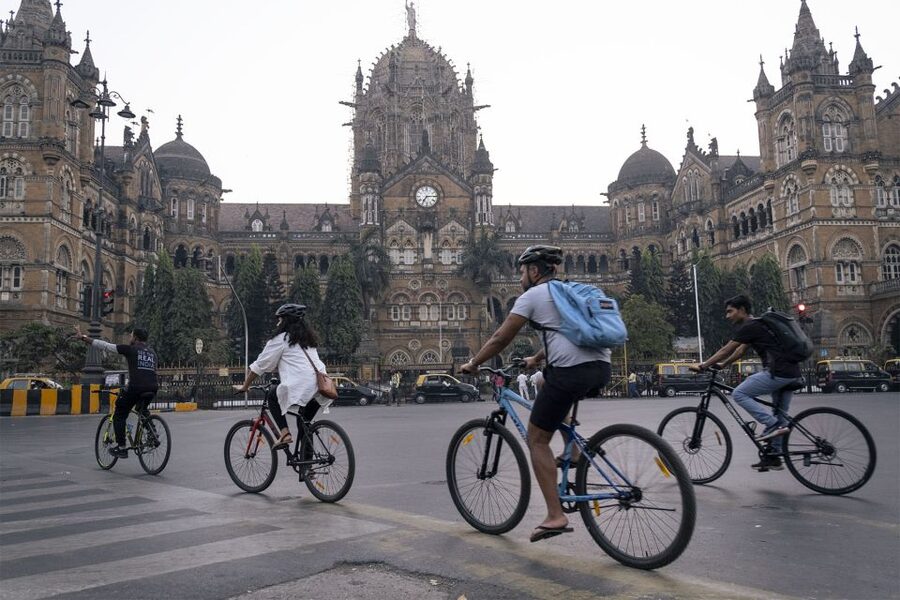
- Early streets, cooler air: You’re out while South Mumbai is still calm.
- Icon stops feel manageable: Gateway of India, CST, and more with smoother timing.
- You get more than landmarks: A morning temple and a cow sanctuary are real culture stops.
- Marine Drive by bike: You’ll cycle alongside the Arabian Sea on the promenade.
- Food is part of the plan: End at Madras Cafe for a South Indian breakfast spread.
- Safety structure: Helmets provided, plus a second guide riding in the back.
Why this early-morning ride makes South Mumbai feel different
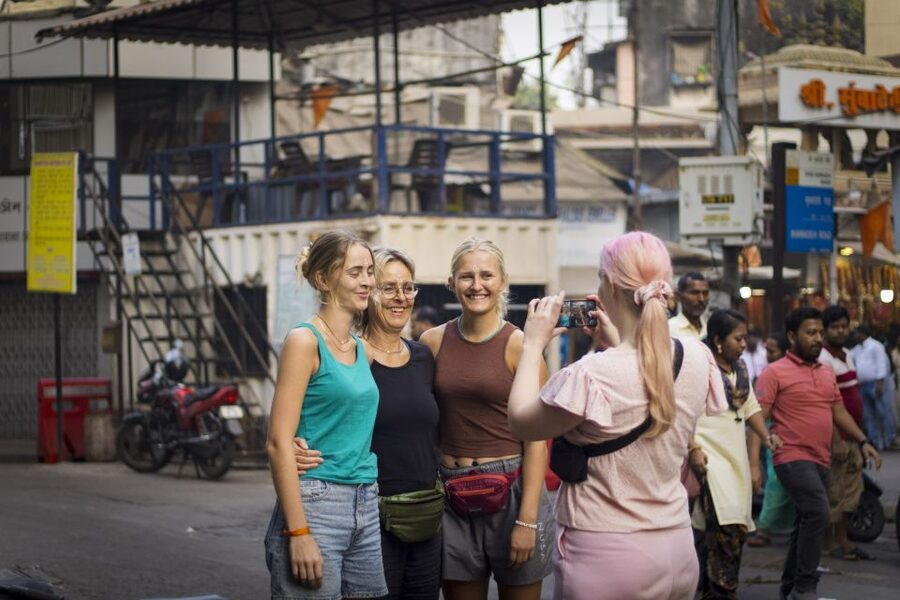
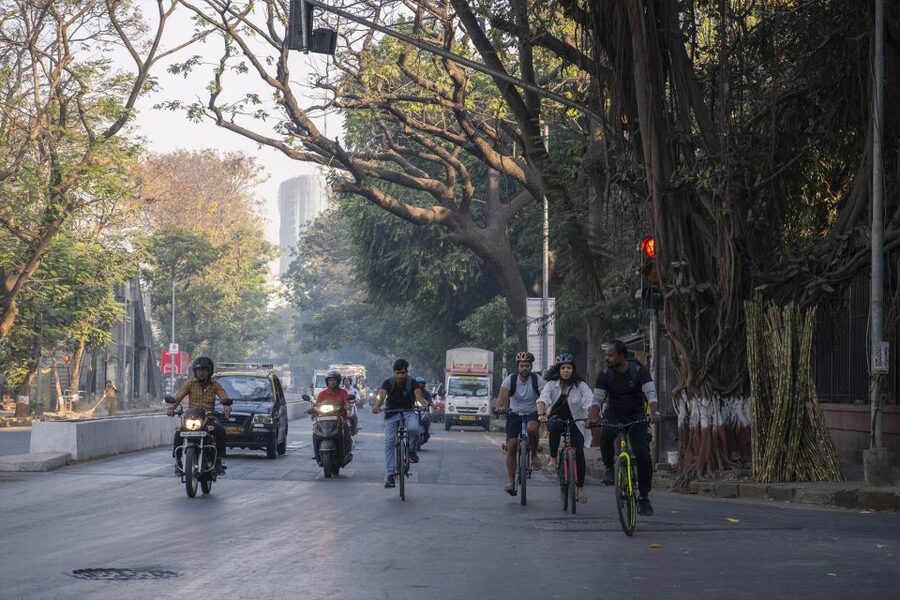
Morning in Mumbai isn’t just cooler. It’s calmer. You’ll notice it the second you roll out from Cusrow Baug Colony: fewer cars, quieter streets, and a city that’s still in “pre-day” mode. That timing matters because you get to see the texture of the place, not just the landmarks.
You’ll spot devotees doing morning puja, early risers heading out to jog, and regular people using the pathways as they start their day. The ride works because it doesn’t ask you to pretend the city is empty. It lets you watch the real morning routine while you move at a pace that’s much more personal than a bus.
Another reason I like this format: cycling keeps you from feeling stuck at one corner. You can look, turn your head, and keep going. The city doesn’t become a checklist. It becomes a route.
You can also read our reviews of more tours and experiences in Mumbai.
Meeting at Cusrow Baug and getting geared up for a smooth ride
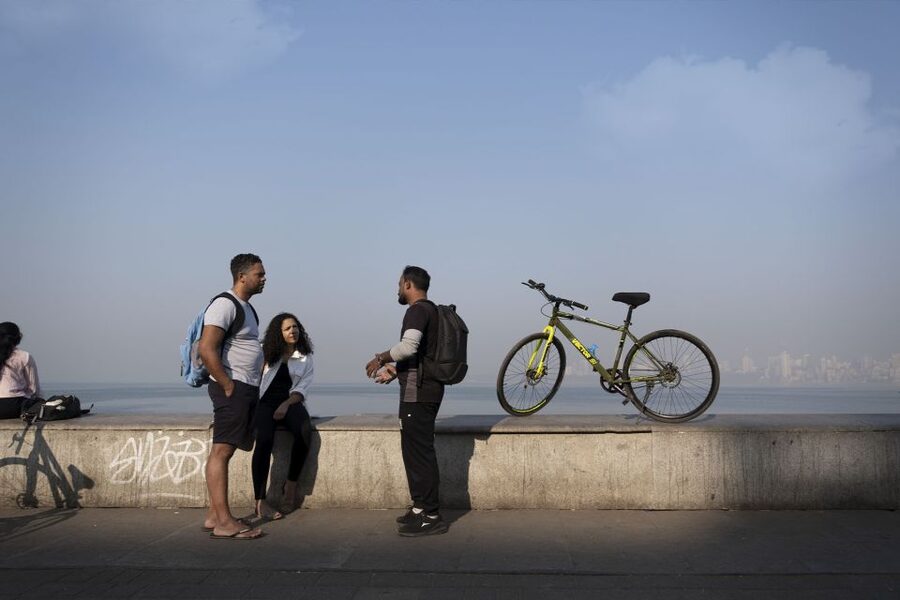
You meet at Cusrow Baug, Colaba Causeway, on Apollo Bandar Road, near RUOSH Colaba and Cafe Churchill. The guide meets you at the entrance to Cusrow Baug, so you’re not wandering around guessing.
The tour setup is practical. You’ll get a bicycle and a helmet. You’re also on gearless bikes with adjustable seating, which helps if you’re not the exact “standard bike” height.
You should bring comfortable shoes and clothes that you can move in. Depending on season, the start can be chilly, so dress in layers. You’ll want a camera because you’ll have photo stops at the big icons, but you’ll also want it for the murals, ports, and temple vibes that show up in the smaller lanes.
One important reality check: you’ll cover about 14 km in roughly three hours of cycling, and the tour includes frequent stops. So it’s not a long-distance endurance ride, but it does require basic comfort on a bike.
Gateway of India to Victoria Terminus: seeing Mumbai’s icons before they swell
The tour begins with a photo stop and short guided look at the Gateway of India. Even if you’ve seen photos, it hits differently in person. Up close, it anchors the whole Colaba area, and the surrounding streets give you immediate context for where you are in the city.
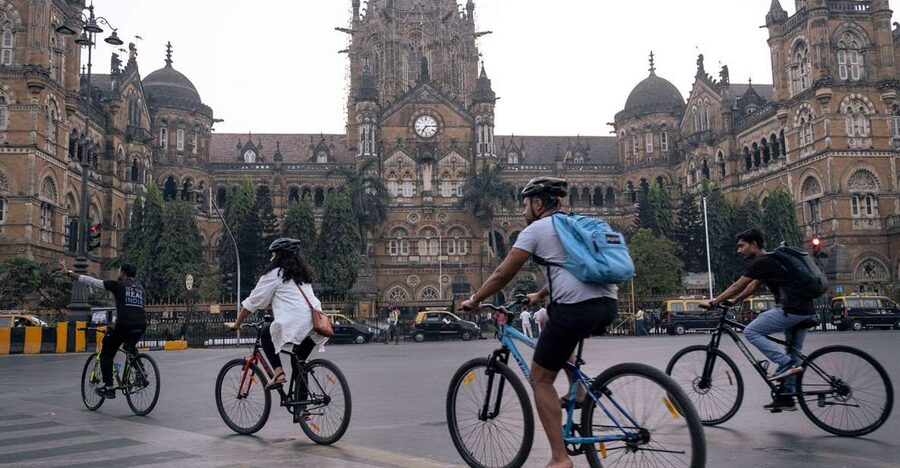
Next comes Victoria Terminus (CST), another standout stop with a photo moment and guided sightseeing time. CST is one of India’s busiest railway stations, and seeing its facade early helps you focus on architecture instead of fighting the crowd flow.
What I like about these stops is the order. You start with the dramatic “you are in Mumbai” scene, then you roll right into one of the city’s most important transport hubs. That pairing helps you understand why Mumbai grew the way it did—movement, trade, and rail routes all stitched into the urban fabric.
And yes, you’ll be riding at a level that keeps you engaged. It’s not a museum pace where you forget to look around.
Crawford Market and the Mumbadevi temple stop: local rhythm over tourist-only views
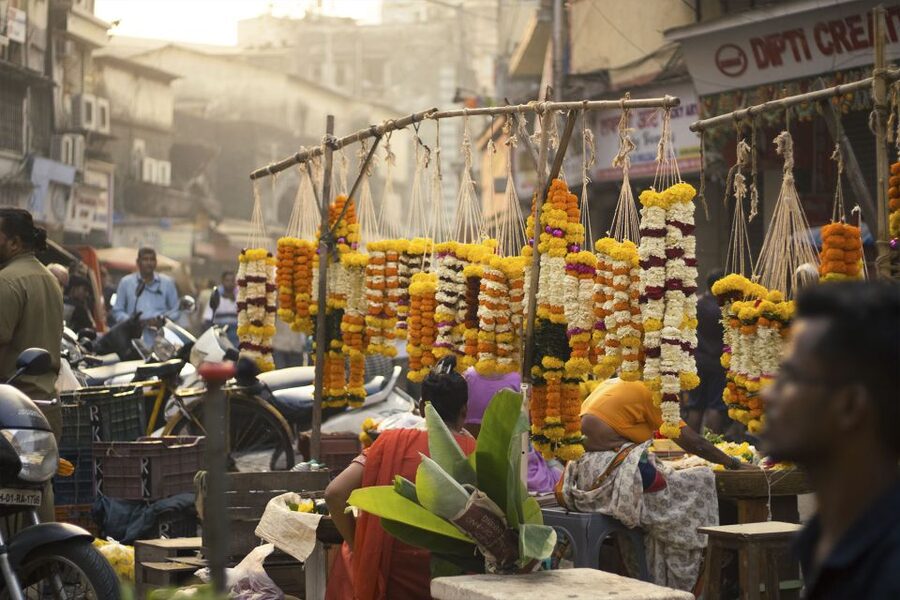
After the big-hitter architecture, the route shifts into neighborhood mode. Crawford Market is a guided stop with time to look around and take it in. Markets can be loud and chaotic later in the day, so coming early gives you a better chance to notice how people actually use the place.
Then you’re at Mumbadevi Temple for guided sightseeing. This isn’t just a photo opportunity. You’re in the devotional rhythm of the morning, and you’ll see how prayer shows up in the day-to-day city flow. It’s one of those stops where the details matter—incense, movement, people heading in and out with purpose.
The whole point of including the market and temple is simple: Mumbai isn’t only its most famous structures. It’s also the places where people gather, buy, pray, and keep the city running.
Bombay Panjrapole: the cow sanctuary stop that people remember
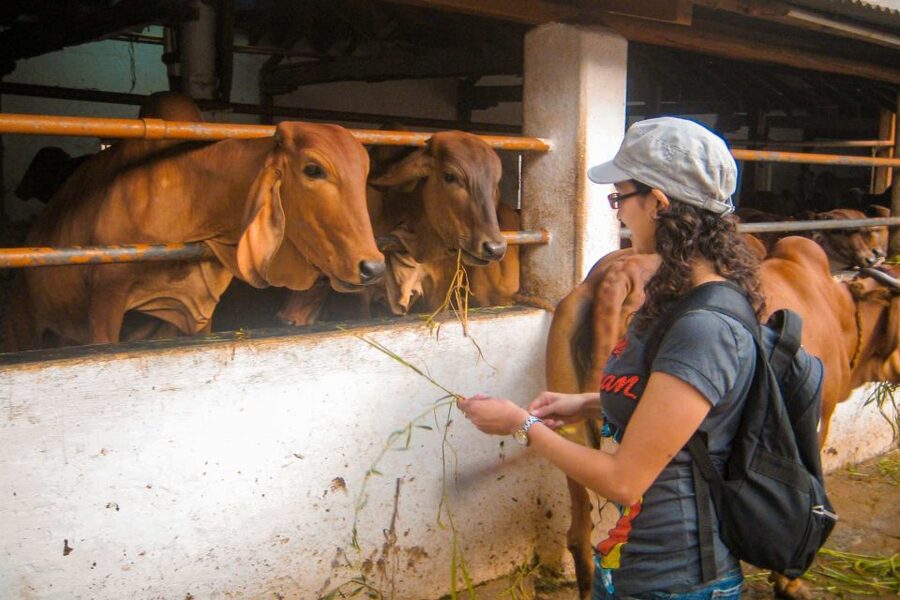
One of the most praised parts of this tour is the stop at Bombay Panjrapole, a sanctuary focused on the welfare of more than 350 cows. You’ll visit with guided sightseeing time, and this is where the tour turns from landmark-heavy to genuinely heartwarming.
This is the moment I’d call out as the emotional highlight. The experience feels grounded. You’re not watching an attraction designed for you; you’re seeing care in action. People often linger here because the interaction is gentle and real, and it’s easy to spend extra time just observing the calm pace of the sanctuary.
It’s also a useful contrast to the rest of the morning. You go from rail-station energy and temple prayer, then to a space built around animals’ welfare. That variety is one reason the full route feels balanced, not repetitive.
Marine Drive promenade on a bike: a sea-side break from street life
Once you hit Marine Drive, the mood shifts. This is your chance to cycle alongside the Arabian Sea on the famous promenade. It’s a different kind of sightseeing—more open sightlines, more space to look down the coast, and a calmer feeling than the tighter back lanes.
You’ll have a photo stop and guided sightseeing time here. I like this segment because it gives you a mental reset. After temples, markets, and city lanes, you get a view that stretches. It also breaks up the ride so you don’t feel like you’re staring at walls the whole time.
Marine Drive is also a reminder that Mumbai’s identity isn’t only built on industry. The sea plays a daily role. Seeing it while you’re still in morning light makes the whole tour feel cohesive.
Sassoon Docks and the working waterfront side of Mumbai
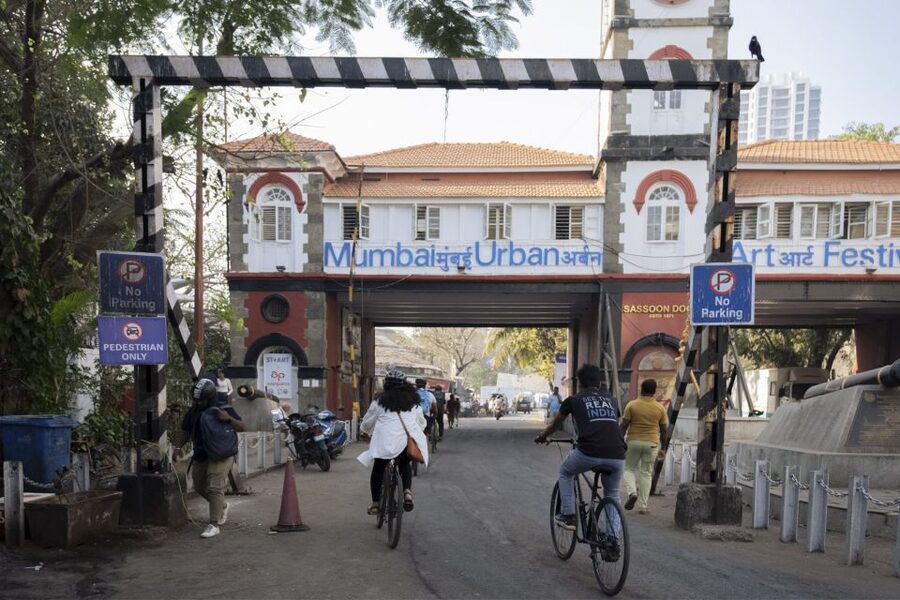
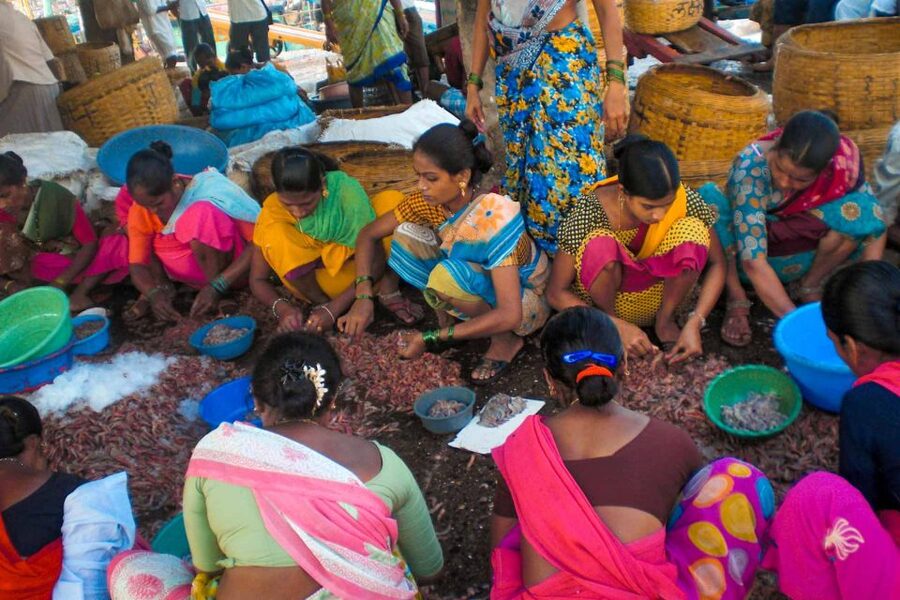
The next stop is Sassoon Dock, with guided sightseeing time. You’ll walk through the docks area, which helps you understand the waterfront dimension of the city beyond the promenade.
Docks change how you see the surrounding city blocks. You notice how movement, storage, and daily work shape the streets and alleys. It’s not a “pretty postcard” stop; it’s more about observing how the city functions.
If you like ports, markets, and the practical parts of urban life, this is one of the most rewarding segments. If you want everything to be glossy and curated, you might find this more raw than you expected, but that’s also the point.
The ride back: why the route ends near Cusrow Baug
After Sassoon Dock, the tour returns toward Cusrow Baug Colony, where you’ll get a guided stop. This final local anchor helps you close the loop on the neighborhood side of the morning.
There’s also a short on-foot segment at the end, just a few minutes. It’s normal for city tours to include little switchovers like this—pavement, crossings, and the practicalities of guiding a small group.
Then you wrap up at the breakfast stop.
Madras Cafe breakfast: the part of the tour that feels like a reward
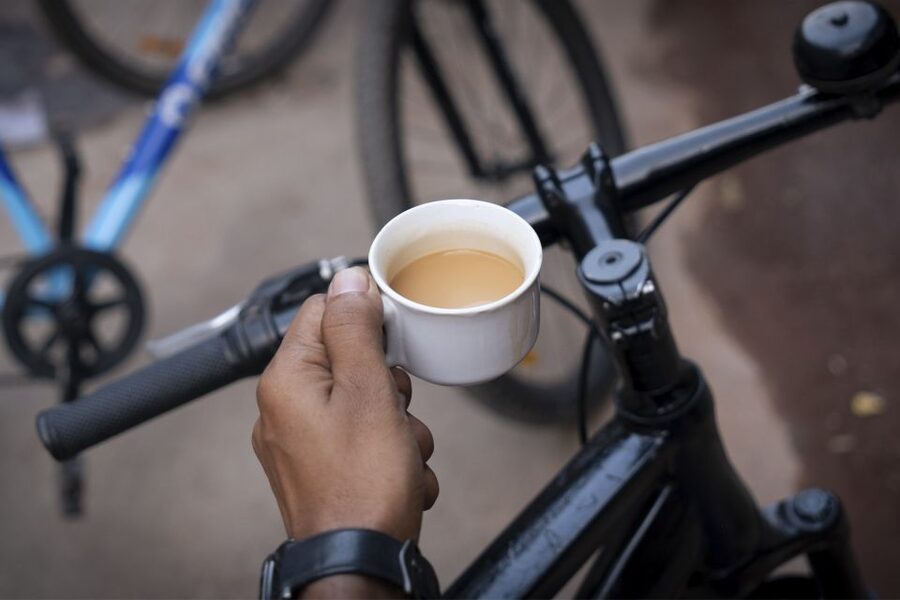
You’ll take a break at Madras Cafe for breakfast: coffee or tea plus a South Indian spread including dosa, idli, upma, and more local snacks. This is more than an afterthought. It’s a smart finish because you’ve spent a few hours on a bike, then you’re fed with familiar, filling comfort foods.
The dishes listed are the kind that refuel you quickly. Dosa and idli are easy to eat without turning breakfast into a long, sit-down ordeal. Upma adds something savory and hearty. You’ll leave satisfied, not stuffed.
Also, the breakfast stop is built into the tour pacing, so you’re not scrambling to find food afterward. In a city like Mumbai, that convenience can be worth a lot.
Guides, group support, and what “safety” looks like on the ground
This tour runs with an English-speaking local guide, and the safety approach is described clearly: the operator takes steps to assure your safety, and there’s a second guide who rides at the back with the job of keeping an eye on everyone.
That matters because cycling in a large city is about more than your own balance. It’s about spacing, attention, and knowing when to slow down at turns and stops. The two-guide setup is a big part of why this experience works for most people, even if they’re not daily city cyclists.
Based on the guides who have led the tour on various dates, you might ride with leaders like Hitesh, Javed, Chetan, or Raj (sometimes paired with colleagues such as Chetan or Hikesh). Whoever you get, the style tends to be upbeat and practical, with time spent explaining what you’re seeing and making sure the group stays together.
Price and value: what $37 covers for a 4-hour morning
At $37 per person for about 4 hours, the value is strongest if you add up what’s included. You get a bicycle, a helmet, a local English-speaking guide, and breakfast. You also get the early-morning route that’s hard to recreate on your own without local navigation help.
What you should factor in: this price doesn’t include hotel pickup and drop-off. So you’ll handle getting to the meeting point at Cusrow Baug.
Still, the mix makes sense for the time. You’re not just paying for transportation. You’re paying for guidance, timing, and a route that hits major sights (Gateway, CST, Marine Drive) plus meaningful local stops (Mumbadevi Temple, Panjrapole, Sassoon Dock) and then feeds you.
If you love active sightseeing and want a morning plan that feels like Mumbai instead of a drive-by tour, this price lands in a good place.
How hard is the cycling, really?
Let’s talk difficulty in plain terms.
- You need basic cycling skills.
- The tour covers about 14 km in three hours, with frequent stops.
- Bikes are gearless with adjustable seating, which makes them simpler and easier to manage.
- You’ll want comfortable shoes and a camera, because you’ll be getting on and off for photo and guided moments.
If you can ride a bike comfortably for short stretches, you’ll likely do fine. If you’re shaky on balance or you’ve never ridden in traffic-like conditions, I’d still consider this—but go in with patience and tell the guide right away so they can support you.
The other “hard part” isn’t physical. It’s the schedule. You’re leaving early while the city is calm and the air is cool. Plan for a morning start, not a late breakfast.
Who this tour is best for
This is a great match if you:
- want to explore South Mumbai with real street-level access
- like walking and looking, but you also enjoy a bit of motion
- care about meaningful culture stops like a temple and a cow sanctuary
- enjoy breakfast that’s part of the experience, not an afterthought
It may be less ideal if you:
- need hotel pickup for convenience
- don’t feel comfortable with basic cycling skills
- are traveling with very young children (baby seats can’t be provided for infants, and the tour is recommended for children aged 7+)
Should you book this Mumbai early-morning bicycle tour?
If you like your sightseeing active and your morning plans practical, I’d book it. The early timing gives you a quieter sense of the city, and the route mixes the big-name sights with stops that feel grounded—especially Panjarpole and the local temple moment. The breakfast ending at Madras Cafe is a solid finish that makes the whole morning feel complete.
I’d hold off if you hate cycling or you want a low-effort sit-and-watch tour. This one asks you to pedal, even if it’s not a hard ride.
FAQ
What’s the duration of the Mumbai early morning bicycle tour?
The tour runs for 4 hours.
Where do I meet the tour guide?
Meet at Cusrow Baug, Colaba Causeway, on Apollo Bandar Road near RUOSH Colaba and Cafe Churchill. The guide meets you at the entrance.
What’s included in the price?
The tour includes an English-speaking local guide, bicycle, helmet, and breakfast.
Is hotel pick-up and drop-off included?
No. Hotel pick-up and drop-off are not included.
How much cycling is involved?
The tour covers about 14 km in three hours, with frequent stops.
Do I need prior cycling experience?
You need basic cycling skills.
What’s the age recommendation and can infants ride?
The tour is recommended for children aged 7 years and above. Baby seats cannot be provided for infants.
What should I bring with me?
Bring comfortable shoes, a camera, and comfortable clothes. Dress in layers since it can be chilly at the start.
If you want, tell me your travel month and your cycling comfort level (beginner, okay in traffic, strong cyclist). I’ll help you decide if this timing and distance will feel right.