REVIEW · OSAKA
5-Hour Osaka Highlights Bike Tour with Lunch
Book on GetYourGuide →Operated by MagicalTrip · Bookable on GetYourGuide
Cycling makes Osaka feel close.
This 5-hour bike tour is a smart way to see Osaka Castle Park, local shrines, and everyday neighborhoods without losing time to lines or slow walking. I like that you’re on a small-group ride (max 6) with an English guide, so you get answers instead of just photos. I also like how the meal is built in: lunch plus matcha and snacks, in places that feel like local Osaka rather than a tourist stop. The one consideration: Osaka Castle entry isn’t included, so you’ll see and photograph the castle area more than tour inside.
You start right near transit, grab a bike, and roll out fast. Expect a mix of guided history (shrines and an Edo-life museum) plus “just enjoy riding” time around the castle grounds and park paths. If you’re coming with big luggage, plan to use a station coin locker, because big bags won’t work on the ride.
In This Review
- Key Points You’ll Care About
- Meeting at FamilyMart Tenmabashi: Fast Start, No Guessing
- Osaka’s Neighborhood Feel Before the Big Sights
- Osaka Tenmangu Shrine: A Guided Stop That Actually Makes Sense
- The Museum of Housing and Living: Edo-Era Life You Can Picture
- Lunch and Kagurazaka Treats: Eating Like You’re Supposed to
- Riding With Less Stress: Streets, River Paths, and Small-Group Control
- Osaka Castle Park by Bike: How to See More With Less Walking
- The Matcha Finish: Snacks, Tea, and a Moment to Slow Down
- Price and Value: Why $85 Works Here
- Who Should Book This Bike Tour (and Who Might Skip It)
- Final Call: Should You Book This?
- FAQ
- Where is the meeting point?
- How long is the tour?
- Is Osaka Castle entry included?
- What’s included in the price?
- Does the vegetarian meal contain fish broth?
- Are helmets provided?
- What group size is it?
- What languages are offered?
- What should I do if I have big luggage?
- What happens if it rains?
Key Points You’ll Care About
- Small group size (6 max) means the pace feels human, not like a conveyor belt.
- Bike + guide + lunch + matcha are included, which helps you budget.
- Osaka Tenmangu Shrine gives context before you even reach the castle area.
- Museum of Housing and Living shows how Osaka lived in earlier eras, not just what it looks like now.
- Osaka Castle Park cycling turns the “hard part” of the day (walking distances) into an easy glide.
- Photos included take the stress out of stopping, framing, and moving on.
Meeting at FamilyMart Tenmabashi: Fast Start, No Guessing
Meet your guide in front of FamilyMart at Tenmabashi Station, near Exit No. 2, about a 2-minute walk. It’s the kind of meetup point that works in real life, especially if you arrive tired or your route-reading skills are rusty.
From the store, you rent a bike and head onto cycling roads. You’re not expected to figure out a complicated transfer plan—your guide handles the route. That alone is a big deal in Osaka, where the best streets can feel invisible until someone points them out.
One more practical note: the bike is described as a cross bike, which generally makes it easier to handle mixed surfaces (pavement, park paths, and light street turns) than something too skinny or too upright. If you’re worried about balance, still show up early with a calm mindset—many guests in the past have said the ride felt manageable with the guide’s pacing.
You can also read our reviews of more tours and experiences in Osaka.
Osaka’s Neighborhood Feel Before the Big Sights
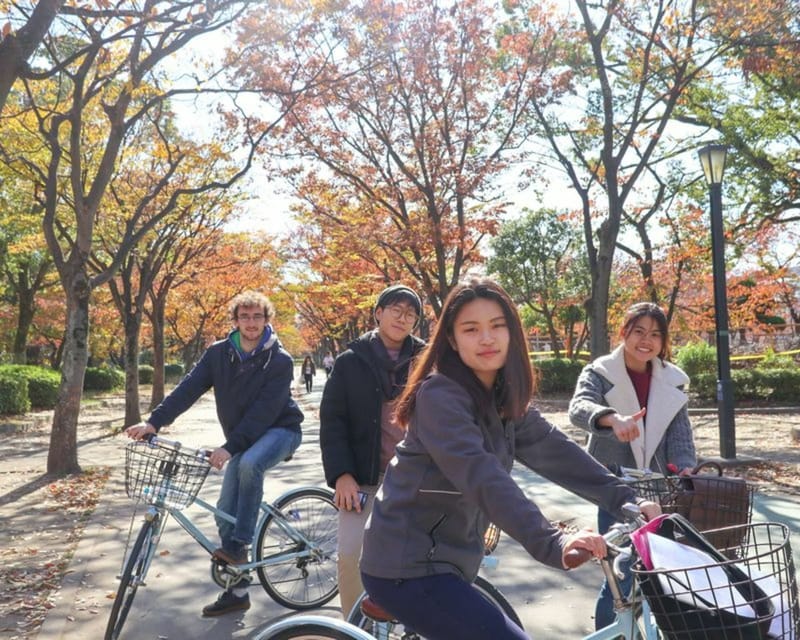
A highlight of this kind of tour is the order: you get local Osaka first, then you earn the big postcard sites. Before you hit the castle, you’ll pass through cycling-friendly roads toward shrines and shopping streets. This is where you start picking up the city’s rhythm—small storefronts, side lanes, and the kind of street life you miss when you only hop between stations.
You’ll also visit a museum that looks at the past and present of Japan. It’s not a random stop. It acts like a filter: later, when you’re riding through modern Osaka, the changes feel more meaningful.
If you’re the type who hates long forced museum time, you should still like this. The museum visit is paired with bike movement and short, guided explanations rather than feeling like you’re trapped indoors for hours.
Osaka Tenmangu Shrine: A Guided Stop That Actually Makes Sense
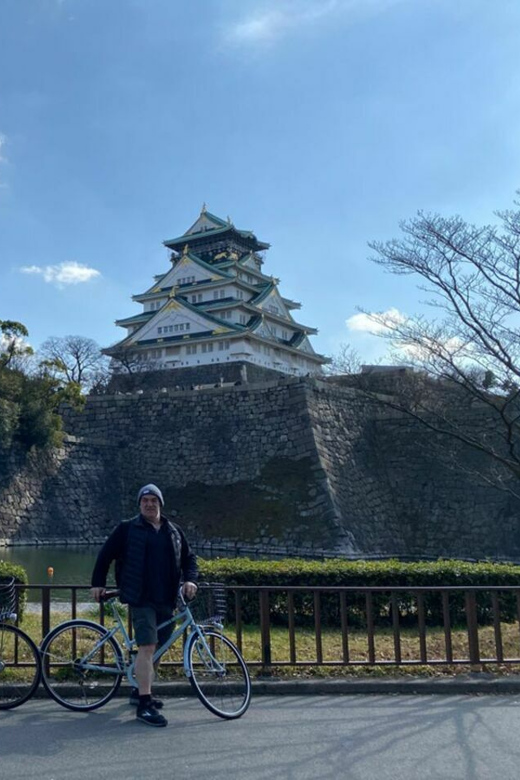
At Osaka Tenmangu Shrine, you get a guided visit and sightseeing time (about 30 minutes). This is a classic “small stop, big meaning” moment. Shrines aren’t just pretty architecture here—they’re where people connect religion, local identity, and history.
What makes this stop valuable is the guide’s focus. Based on past experiences, the tours tend to explain what you’re looking at instead of tossing out facts. You’ll get history and significance, and it helps you see the shrine as part of the city, not an isolated monument.
Tip for your camera: don’t only shoot the main hall. Shrines often have details around entrances and pathways. With a guide moving the group along at a comfortable tempo, you get time to look without feeling rushed.
The Museum of Housing and Living: Edo-Era Life You Can Picture
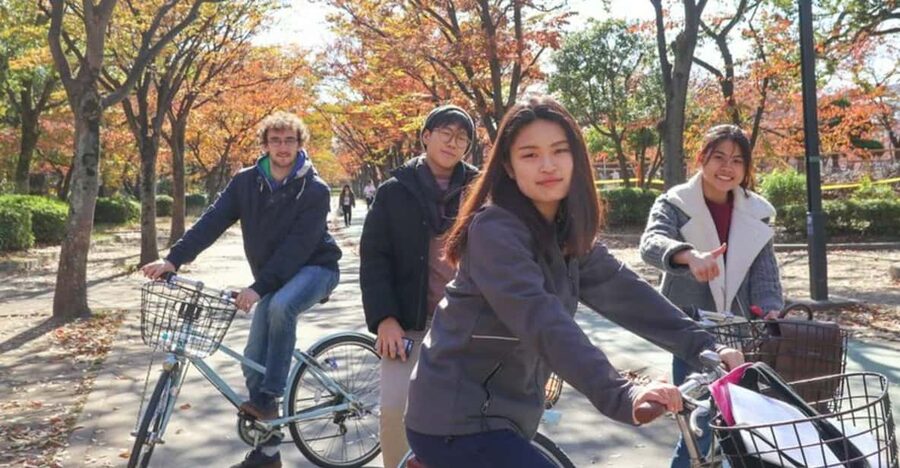
Next comes Osaka Museum of Housing and Living, with guided sightseeing and about 40 minutes. This is the stop that turns “Osaka’s old days” into something you can visualize: how people lived and how the city looked during the Edo era.
Instead of just hearing history as dates, you start building a mental map. Later, when you ride through Osaka Castle Park and along wide paths, it’s easier to understand how the city’s shape and daily life changed.
A practical advantage: a museum stop breaks up the cycling rhythm. You’re getting cultural context without adding more walking. And because the time is fixed, you avoid the common vacation trap of losing the afternoon in open-ended sightseeing.
Lunch and Kagurazaka Treats: Eating Like You’re Supposed to
Food is built into the flow rather than added as an afterthought. You’ll head out for an Osaka-style lunch with guided food tasting and time for the meal (about 1 hour), then you’ll finish with more tea and snacks later.
The lunch is described as one of Osaka’s soul foods, and vegetarian is available—but there’s an important ingredient detail: the vegetarian menu includes dashi (fish broth). There’s no vegan option and no gluten-free option. If you avoid fish broth or gluten for medical or religious reasons, you’ll need to plan carefully and confirm with the tour operator before you go.
You’ll also get “Kagurazaka treat” style foods—choices may include things like chimaki, steamed buns, or more modern sweets. The point isn’t just variety. It’s that you’re tasting Osaka through different flavors and textures while riding between areas.
Past guests have described the lunch experience as a real event, including eating in places that feel like older Japanese houses. That matters. You’re not just paying for food—you’re paying for context and comfort, and it keeps the whole day from turning into a snack-chase.
Riding With Less Stress: Streets, River Paths, and Small-Group Control
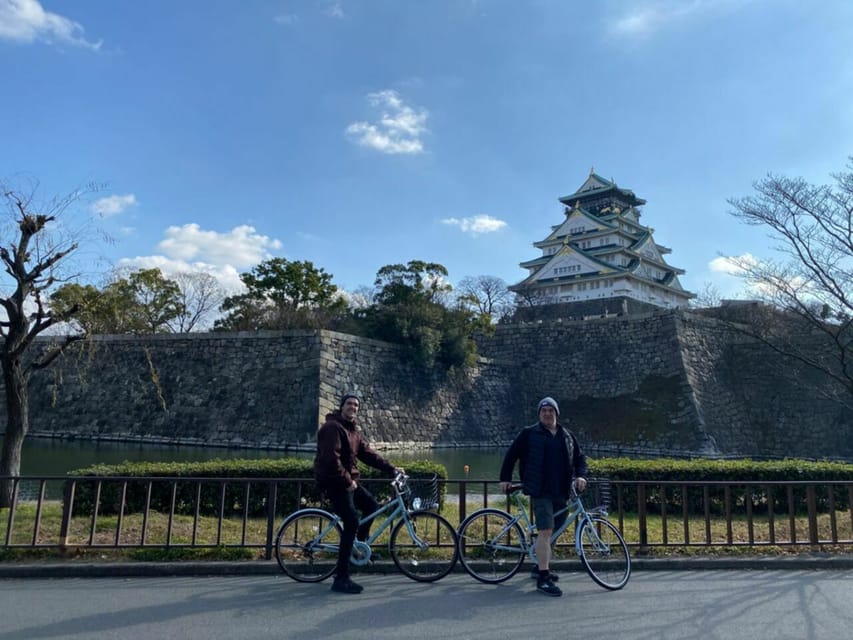
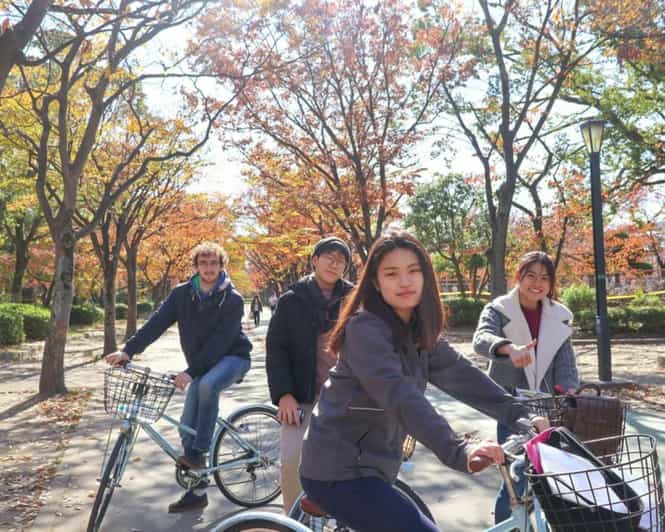
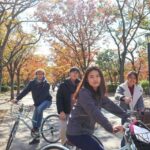
This is a highlight you don’t need to romanticize. Cycling is genuinely efficient here. Instead of zigzagging by foot, you cover distance with less fatigue, and the guide keeps you from wandering into the wrong streets at the wrong time.
People have also mentioned riding alongside rivers and using bicycle routes along the water. Even if the exact path can shift with conditions, the strategy is the same: you get on roads that feel calmer and safer than you might find alone.
Because the group is small (up to 6), pacing is easier. You don’t have that long-wait sensation you get on larger tours where everyone’s stopping for different reasons. The guide also spends time with individuals—helping with directions, photo moments, and questions—so the ride stays fun even if you’re not a confident rider.
If you’re a nervous cyclist: this is the kind of tour where you should show up anyway. The biking is described as relaxed with guided stops, and there’s no sense that you’re expected to “keep up” in a sporty way.
Osaka Castle Park by Bike: How to See More With Less Walking
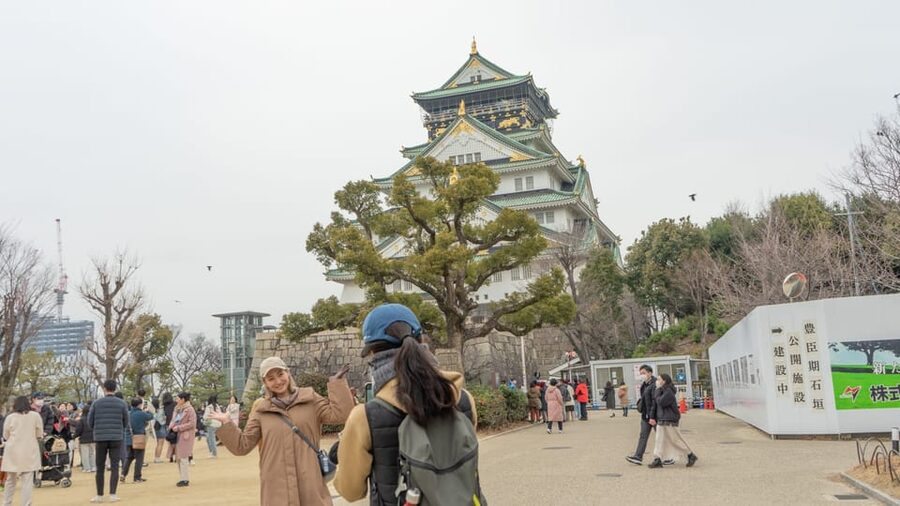
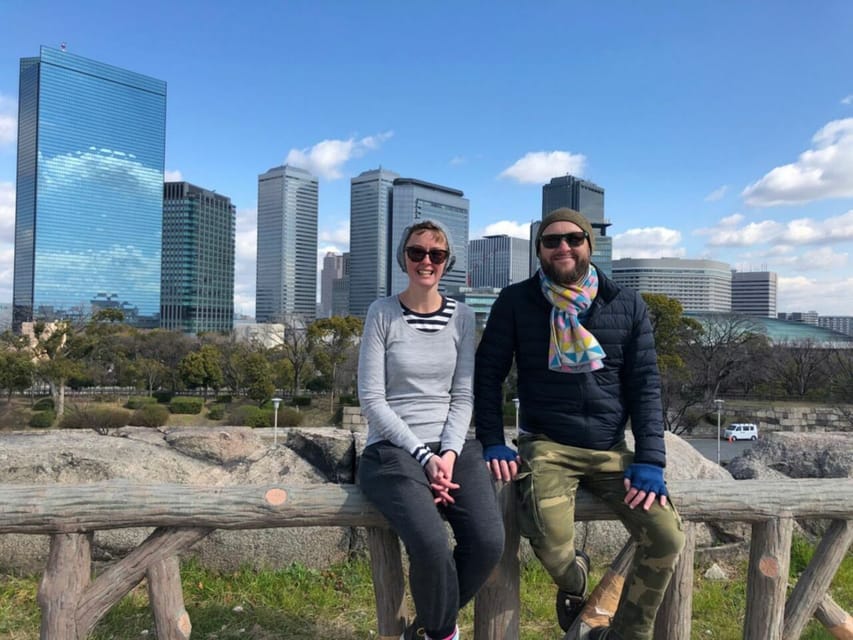
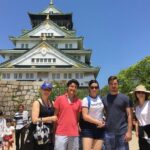
Now for the big visual payoff: heading toward Osaka Castle and cycling around its premises. This is where the day’s format proves itself. The castle is in Osaka Castle Park, a massive area listed at about 105 hectares. Walking all that on a half-day schedule can drain you fast.
By bike, you can keep moving and still enjoy the breeze. There’s also time to stroll and take photos with the castle, which is the part most people actually care about.
One key detail: Osaka Castle entry is not included. That means your visit focuses on views and the castle area experience from outside rather than a full interior tour. If you want to go inside museum exhibits or climb up for panoramic views, you’ll need to plan that separately.
Still, seeing the castle from the right angles while you’re not exhausted is its own win. And because you’re riding through park spaces, the day feels less like a stamp-collecting tour and more like a calm Osaka afternoon.
The Matcha Finish: Snacks, Tea, and a Moment to Slow Down
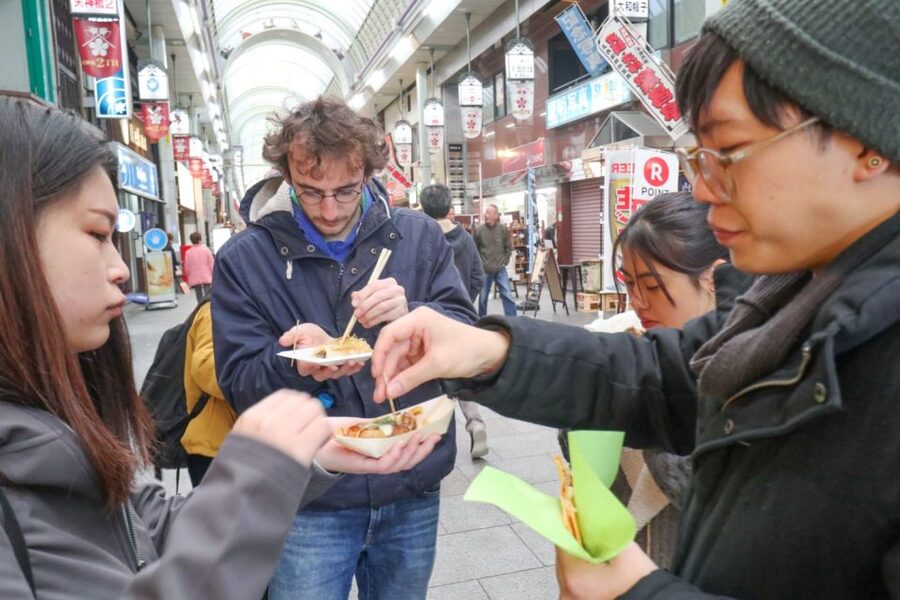
The tour ends with a small café stop where you can try matcha green tea with snacks. The idea is simple: you get one last taste of local flavor and a breather before you head back.
This part is surprisingly important, even if you’re not a “tea person.” Matcha is a cultural cue. It changes the mood from moving to savoring. And if you’re someone who likes food photos, this is one of the easiest places to get good shots without feeling awkward about it.
Past tours have described matcha as a highlight, sometimes even involving careful preparation and a calm setting. Even when the exact café experience varies, you’re still getting the same structure: guided day sightseeing, then a quiet close.
Price and Value: Why $85 Works Here
At $85 per person for about 5 hours, you’re not just paying for sightseeing. You’re paying for a package that removes friction:
- Bike rental is included
- Local guide is included
- Lunch is included (vegetarian available, with fish broth noted)
- Matcha green tea and a snack are included
- Photos during the tour are included
That’s the value logic: you don’t need to locate food, rent a bike, or organize a guided route. You also avoid the stress of figuring out where to stop and how long to spend.
What you should budget separately: Osaka Castle entry isn’t included, and you may want extra snacks or drinks beyond what’s provided. Also, helmet rental isn’t included, so if you personally prefer a helmet, plan to bring one or double-check your comfort level.
In short, the price feels fair if you want guided structure plus included meals. If you’d rather roam completely on your own with a rental bike and no scheduled lunch, you might find cheaper options—but this one buys you time savings and a guide’s local context.
Who Should Book This Bike Tour (and Who Might Skip It)
This tour fits best if you:
- want a first-timer-friendly overview of Osaka without doing everything by train and foot
- like mixing history stops with practical sightseeing
- enjoy food that feels tied to place, not just a restaurant review
- want a small group with English guidance
It may be less ideal if:
- you need vegan or gluten-free meals (the vegetarian menu includes dashi, and there’s no vegan/gluten-free option listed)
- you want to enter Osaka Castle as part of your ticketed experience (entry isn’t included)
- you’re bringing big luggage (large bags aren’t workable on the ride; you may use a coin locker near the station if it’s open, listed at 500 yen)
Also, note the tour is described as having a cancellation rule if the rain probability is 40% or more. Weather can change the order and timing, because the day is route-based. It’s a smart tour format for flexibility, but it’s still a bike day.
Final Call: Should You Book This?
I’d book this tour if your goal is a smooth, high-value Osaka highlights day: shrine context, an Edo-life museum break, a real lunch moment, then Osaka Castle Park without burning energy. The included lunch plus matcha makes it feel like you’re getting more than just transportation.
I’d think twice if you’re laser-focused on walking into Osaka Castle itself, or if your dietary needs don’t match the listed vegetarian setup (dashi included, no vegan/gluten-free). And if you’re very uncomfortable cycling, look for confidence and support from the guide, but still be honest with yourself about what you can handle.
Overall: this is one of the more practical ways to see a lot in 5 hours, with the ride acting like the glue that holds the day together.
FAQ
Where is the meeting point?
Meet your guide in front of FamilyMart at Tenmabashi Station, near Exit No. 2. It’s about a 2-minute walk from the station exit.
How long is the tour?
The tour runs for about 5 hours.
Is Osaka Castle entry included?
No. You’ll visit the castle area and cycle around the premises, but entry to Osaka Castle is not included.
What’s included in the price?
The tour includes the bike, a local guide, lunch (vegetarian menu available), matcha green tea, a snack, and photos during the tour.
Does the vegetarian meal contain fish broth?
Yes. The vegetarian menu includes dashi (fish broth). There is no vegan or gluten-free option listed.
Are helmets provided?
No. Helmet rental is not included.
What group size is it?
It’s a small group limited to 6 participants.
What languages are offered?
The live tour guide speaks English.
What should I do if I have big luggage?
You won’t be able to bring big luggage on the tour. A coin operated locker is available by the station (if open), listed at 500 yen.
What happens if it rains?
The tour would be canceled if rain probability is 40% or more. Also, the order and timing can change due to weather and traffic on the day.