REVIEW · GRANADA
Albayzin and Sacromonte Electric Bike Tour in Granada
Book on Viator →Operated by Explorer Granada · Bookable on Viator
Granada turns steep fast. This half-day electric bike tour makes the hills manageable while still feeling like you are seeing the real neighborhoods. You start near Alhambra access, then roll toward Albayzín and Sacromonte with a local guide (people like Abdul, Fabricio, and Juan have led groups before).
I especially love two things: first, the e-bike power that lets you move comfortably up and over Granada’s grades without “vacation suffering.” Second, the way the guide connects the streets to what you are actually looking at, from the Bridge of the Chirimías to the cave dwellings of Sacromonte.
One thing to consider: this tour needs good weather, and the streets can be tight with some uneven spots. Also, no food or drinks are included, so you will want to plan your timing and bring water.
In This Review
- Key things to know before you ride
- Why an e-bike tour is such a smart way to see Albayzín and Sacromonte
- Getting oriented at Explorer Granada and finding the Alhambra angle
- Paseo de los Tristes: Alhambra views plus the Chirimías story
- Sacromonte: cave houses, the holy mountain idea, and why the hill matters
- Albayzín’s old Arab quarter: narrow streets, wells, baths, and mosques
- What the guides do differently (and why it matters)
- Ride logistics: time, difficulty, and what to wear
- Price and value: what you pay for (and what you do not)
- Who this tour suits best
- Should you book this Albayzín and Sacromonte e-bike tour?
- FAQ
- What’s included in the Albayzín and Sacromonte e-bike tour?
- How long is the tour?
- What time does the tour start?
- Is the tour offered in English?
- Do I need to bring food or drinks?
- How difficult is the ride?
- What’s the minimum age?
Key things to know before you ride
- Electric assist for steep climbs so you can focus on views, not grunting.
- Small group limits keep it more personal and easier for the guide to manage.
- Alhambra viewpoints at multiple stops rather than one quick photo moment.
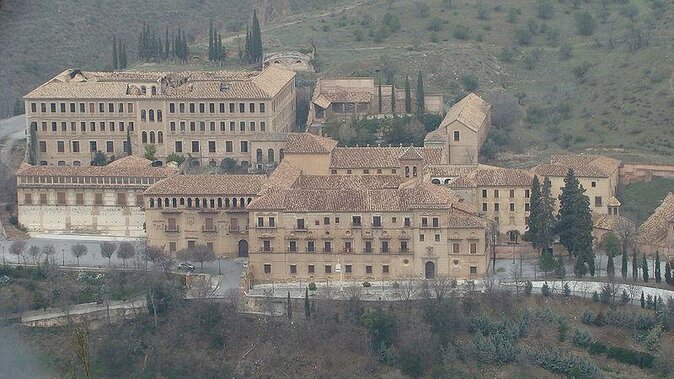
- Sacromonte cave homes and San Cecilio legend give meaning to what you see.
- Albayzín’s narrow lanes, wells, and old Moorish layout make the quarter feel different from the rest of Granada.
- Helmet + bike included means you show up and go.
Why an e-bike tour is such a smart way to see Albayzín and Sacromonte
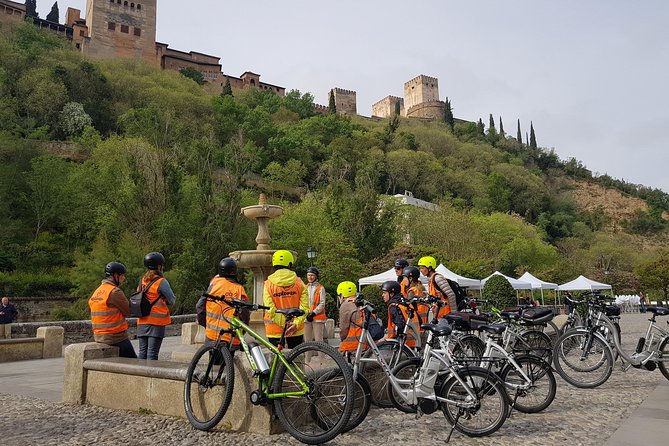
Granada has “short, steep, and surprising” street geography. A walking tour can turn into a cardio test before you even hit the best viewpoint. An e-bike changes the math. You still pedal and work a bit, but the motor smooths out the worst gradients so you can enjoy the sights instead of just getting through them.
This tour is also timed well. It is long enough to cover real ground, but not so long that you are exhausted before the interesting neighborhoods. With a small group (max 9 travelers), you are not lost in a crowd, and the guide can keep everyone together on turns and narrow sections.
You will also get a guided layer that helps Granada click. The hills here are not just scenery; they are part of the story. As you ride from area to area, you start to understand why the Alhambra looks over certain streets, and why these quarters grew where they did.
You can also read our reviews of more tours and experiences in Granada.

Getting oriented at Explorer Granada and finding the Alhambra angle
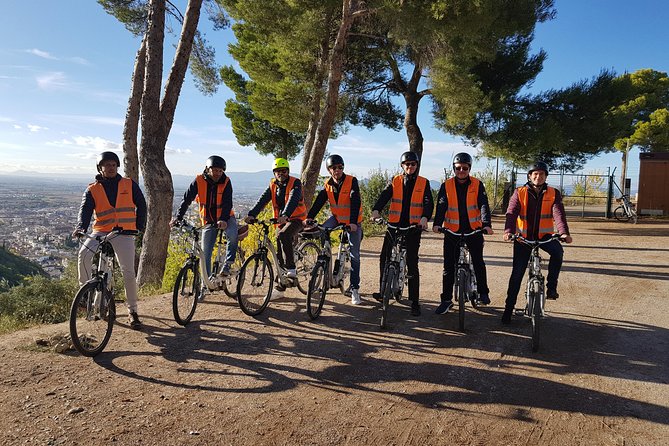
Your ride begins at Explorer Granada, at Cta. de Gomérez, 40 in the Centro area. This is a good place to start because it links your tour instantly to the Alhambra. Even before you reach the viewpoint stops, the meeting point area sets you up for the “how Granada is arranged” feeling that makes the rest of the tour more memorable.
From the start, the plan is simple: you roll out, stop briefly to orient, then head toward the first major scenic stretch. The tour ends back at the same meeting point, so you are not dealing with a complicated drop-off situation mid-trip.
One practical tip: arrive a bit early. Granada traffic and parking can be unpredictable, and you want your first minute on the bike to feel calm, not rushed. Comfortable shoes matter here, even with electric assist, because you will be walking short stretches too.
Paseo de los Tristes: Alhambra views plus the Chirimías story
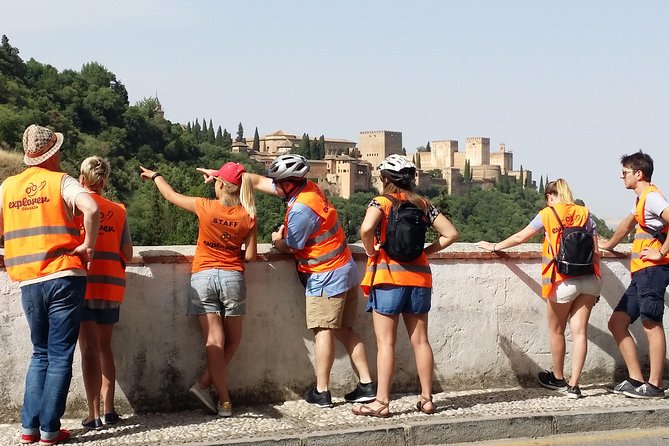
One of the easiest “wow” moments happens at Paseo de los Tristes. This is a viewpoint path with strong sightlines to the Alhambra, and it is not just about looking. It is about understanding what you are seeing.
This stop ties into the Bridge of the Chirimías. Chirimías are flute-like instruments, and the story goes that they were played from a balcony or veranda built for that purpose. The result is a neat mental image: instead of imagining the Alhambra as only a monument, you start imagining the sounds and daily rituals tied to the place.
What I like about this stop is that it is short, so it fits well into a half-day schedule. You get the view, you get the context, and you get back on the bike without dragging out the “stand in one place” part of the trip. If you are the type who likes photos, this is where you will want to plan your angles—just remember you will be riding afterward, so do not overstay and tire your legs.
Sacromonte: cave houses, the holy mountain idea, and why the hill matters
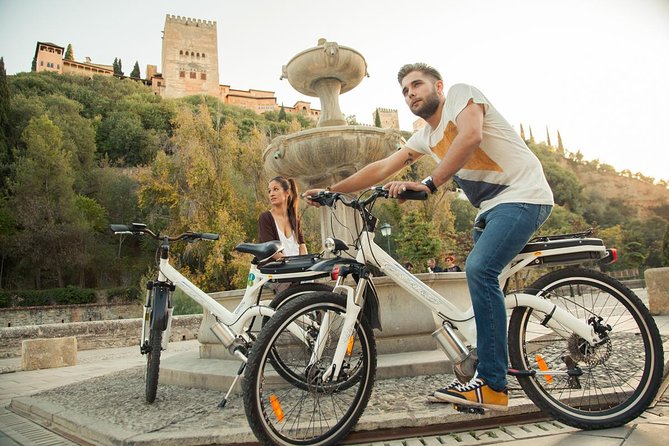
Then the tour rises into Sacromonte, on the Valparaíso hill. This district sits next to the northeast edge of the Albayzín area. That location matters, because it explains why the two neighborhoods feel like they belong together yet still look and feel different when you ride through.
Sacromonte’s fame comes from its cave homes. In the 15th century, Roma communities (often referred to historically in Spain as Gitanos) settled here and built dwellings by turning hillside caves into homes. When you ride and look around, the caves are not a random architectural quirk. They are a response to the terrain and to how people lived.
There is also a strong spiritual layer. Sacromonte was treated as a holy mountain because people believed the caves held the remnants of Granada’s patron saint, San Cecilio. Even if you do not treat legends as literal fact, the key idea is how faith shaped the neighborhood’s reputation and identity.
One caution here: the terrain can feel more dramatic than in the lower streets. The e-bike makes it doable for most people, but you should still treat it as a medium-difficulty ride. Keep your attention on the road, especially where streets narrow.
Albayzín’s old Arab quarter: narrow streets, wells, baths, and mosques
Next comes Albayzín, the old Arab quarter. The area roughly sits between the Alhambra hill, the San Cristóbal hill, Sacromonte, and Elvira. This helps you understand something important: the quarter was designed around hills and views, not around modern straight-line grids.
The tour context here is excellent if you want more than pretty streets. Albayzín had strong Muslim influence for centuries. The area is described as the place where the first Siri court was built in the 11th century. That gives you a historical anchor as you look at the layout.
You will also hear about carmenes—luxurious hillside properties—and public baths such as the Bañuelo. Even if you do not stop at a specific bath building during the ride, those details help explain why houses and courtyards felt set apart from the street and why water mattered so much.
And yes, the streets were famously narrow. With clean houses, many wells (some still exist), and a dense population during the Nazarí period, Albayzín felt like a city inside a city. Historical descriptions also mention that the quarter once included dozens of mosques at its height. That is a big number, and it helps explain why the architecture and street rhythms still feel distinctive today.
Practical note: in narrow lanes, you will likely ride at a calmer pace. That is fine. This tour is built for seeing and listening, not for speed. If you enjoy walking photo stops, this is where you can take a few, but keep it quick so the group stays together.




What the guides do differently (and why it matters)
This tour works best because the guide is not just reading facts off a sign. The best guides bring Granada into focus by connecting what you see to what it used to be.
You may be guided by someone like Abdul, Fabricio, or Juan. Names aside, the pattern in the guidance is consistent: friendly storytelling, cultural context, and practical explanations tied to each stop. That is the difference between riding through neighborhoods and actually understanding them.
Group size also helps. With a maximum of 9 travelers, you are not fighting for attention. The guide can answer questions without turning the ride into a long pause. It also makes it easier to manage the steep sections with electric assist.
If you want a smooth experience, come ready to listen and watch. Even when the ride is easy, you will be moving through lanes that require your attention. The guide will lead the way, but your awareness is still part of the deal.
Ride logistics: time, difficulty, and what to wear
The tour lists a duration of about 3 hours. At the same time, it notes each tour can be estimated closer to 2 hours. That mismatch is common on guided tours: time depends on group pace, how long you pause for views, and how quickly you move between stops. I would plan for roughly 2 to 3 hours total.
The tour difficulty is labeled medium. That does not mean scary. It means you should expect some hills and some street sections that feel tighter or a bit rough under tires. Electric assist helps a lot, but it does not erase the reality of Granada’s grades.
Wear comfortable shoes. You will be on and off the bike, and you also want good grip if surfaces are uneven. Helmet use is included, which is great because it removes one more thing you might have to bring or rent.
No food or drinks are included, so it helps to eat before you go. If you tend to get hungry while walking or riding, plan a small snack ahead of the 10:00 am start time.
Price and value: what you pay for (and what you do not)
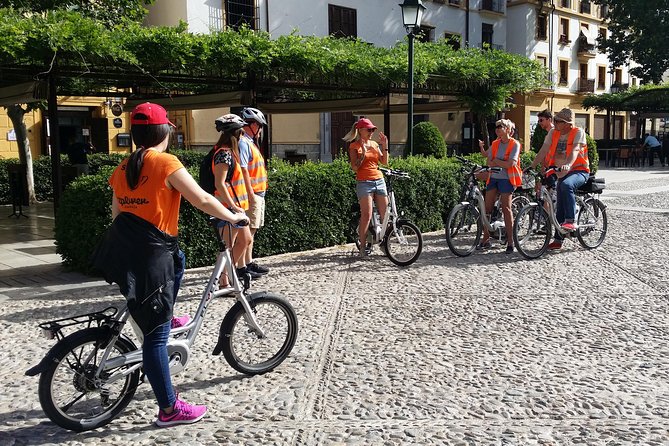
At $66.38 per person, this tour is priced like an experience that includes equipment and guided time, not just a walk. You get the local guide plus the e-bike and helmet. That is key for value in Granada because e-bike rentals by themselves can add up quickly once you factor in helmet and guided route planning.
What you do not get is also clear: no food, no drinks, and no included hotel pickup or drop-off. The good news is that the meeting point is near public transportation, so you can likely reach it without expensive taxi rides.
If you are budgeting, think like this:
- Spend the tour fee for guide + bike access.
- Add a small amount for water if you want it during the ride.
- If you need to get there smoothly, budget for transportation to the meeting point (the tour mentions transport to/from attractions is available to purchase, but it is not included).
There is also a weather condition. The experience requires good weather, and if it is canceled due to poor weather you will be offered another date or a full refund. That matters because Granada weather can change quickly in shoulder seasons.
Who this tour suits best
This is a strong choice if you:
- want Alhambra-area viewpoints but do not want to spend the day climbing on foot,
- like guided stories that connect architecture to culture,
- enjoy hillside neighborhoods like Albayzín and Sacromonte more than big-ticket monuments alone,
- prefer smaller groups (this caps at 9 travelers).
It might be less ideal if you:
- want a totally relaxed, stop-anytime pace with lots of long museum-like breaks,
- are uncomfortable cycling on narrower streets, even with electric help,
- need meals provided as part of the tour plan.
The minimum age is 12, and children must be accompanied by an adult. If you are traveling with teens, this can work well because the ride is structured but not overly long.
Should you book this Albayzín and Sacromonte e-bike tour?
If your goal is to see Granada’s most characterful hillside quarters in one half-day, I would book it. The e-bike factor is the whole point: it lets you experience steep neighborhoods without turning the trip into a fitness class. Add in the guided context, and you finish with a real sense of why Sacromonte and Albayzín look the way they do and what they meant to the people who lived there.
I would especially recommend it if you are short on time. Granada can eat hours with transit and walking distances, and this route gives you concentrated payoff: scenic views at Paseo de los Tristes, cave-home context in Sacromonte, then the old Moorish street layout and bath/well stories in Albayzín.
Skip it only if you dislike cycling on tighter roads or you know your energy will be better spent on separate, slower walking routes. Otherwise, this is the kind of tour that feels like an efficient shortcut to the soul of the city—without feeling rushed.
FAQ
What’s included in the Albayzín and Sacromonte e-bike tour?
You get a local guide plus the use of an electric bike and a helmet.
How long is the tour?
It’s listed as about 3 hours, and it also notes tours are estimated around 2 hours, depending on the pace.
What time does the tour start?
The start time is 10:00 am, and the tour ends back at the meeting point.
Is the tour offered in English?
Yes, English is listed as an offered language, and the tour may be operated by a multi-lingual guide.
Do I need to bring food or drinks?
Food and drinks are not included, so you’ll want to plan to eat before (and bring water if you like).
How difficult is the ride?
The tour difficulty is medium. You’ll want comfortable shoes and you should expect hills.
What’s the minimum age?
The minimum age is 12, and children must be accompanied by an adult.