REVIEW · BELGRADE
Belgrade Bike tour
Book on GetYourGuide →Operated by Serbian Adventure Factory · Bookable on GetYourGuide
Belgrade looks different when your wheels roll along the river. This 3.5-hour bike tour threads major landmarks and neighborhood corners in one smooth loop, with a local guide on hand. I love the way the route mixes famous history with real city life, and I’m a big fan of how the guide keeps the stops story-driven. You’ll also get drinks, plus plenty of photo moments without feeling stuck in traffic.
Two things I especially like: the Kalemegdan Fortress views at the Sava–Danube confluence, and the payoff at St Mark’s Church with its instantly recognizable Orthodox style. A good guide makes both stops feel practical, not museum-y. If you’re lucky with your guide, you might hear Belgrade explained by people like Aleksandar, Alexander, Timor, Ivan, or Ivan’s colleague Ivana, who also helps match bikes to riders.
The main drawback is simple: you need a certain level of fitness, and the tour isn’t for people who can’t ride a bike. If you struggle with sustained pedaling or any uneven city riding, you’ll probably feel it after a few hours.
In This Review
- Key highlights worth your attention
- Why this Belgrade bike tour makes sense
- Starting point at Serbian Adventure Factory: get your bearings fast
- Kalemegdan Park and the fortress at the Sava–Danube confluence
- Student Park: a quick reset before the old-city streets
- Dorćol: Belgrade’s old district with everyday rhythm
- Skadarlija and Cetinjska: streets with atmosphere and stories
- Tasmajdan Park: where the tour slows down and breathes
- Studio RTS Lab / Aberdareva 1: a stop that adds modern context
- St Mark’s Church: the iconic moment you’ll remember
- The National Assembly and Republic Square: power, design, and city scale
- Bikes, pace, and who this tour fits best
- Value at $64: what you actually get for your money
- How to get the most out of your ride
- Should you book the Belgrade Bike City Tour?
- FAQ
- How long is the Belgrade Bike tour?
- Where do I meet the guide and group?
- What’s included in the price?
- Is food included?
- What languages are available for the live guide?
- Do I need a certain fitness level?
- Is the tour suitable for people who can’t ride a bike?
- Is the tour wheelchair accessible?
- Is there a weight limit?
- Can I cancel for a refund?
Key highlights worth your attention
- Kalemegdan Fortress viewpoints over the Sava and Danube junction
- Dorćol neighborhood mix of old streets and everyday modern life
- Tasmajdan Park with a history layer and a real break built in
- St Mark’s Church as a must-see Orthodox landmark
- National Assembly of the Republic of Serbia and the power-center feel of Republic Square
- Local guide storytelling from English- or German-speaking guides
Why this Belgrade bike tour makes sense
Belgrade can feel like three cities at once: riverfront views, Ottoman-era street patterns in pockets, and newer architecture pushing into the present. The best way to connect those dots is on a bike, not on foot and not in a bus line. In a few hours, you cover enough ground to understand where neighborhoods begin and where they change.
What I like most about this tour is that it doesn’t treat Belgrade like a checklist. You’re cycled through landmarks like Kalemegdan and St Mark’s Church, but you’re also sent into areas such as Dorćol and Skadarlija—places where you can feel how people actually move through the city. The “hidden local spots” promise isn’t vague here; the route clearly includes more than the obvious postcard stops.
You’ll also get the small comforts that matter for city riding: a city bike setup, drinks included, and a pace that includes photo stops and short guided moments instead of constant lecturing.
You can also read our reviews of more tours and experiences in Belgrade.

Starting point at Serbian Adventure Factory: get your bearings fast
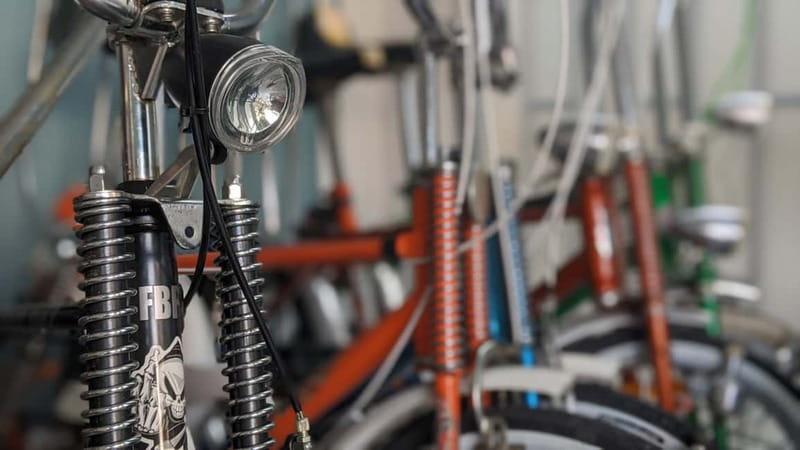
The tour begins at the Serbian Adventure Factory bike shop, where you meet the team right in front of the storefront. This is practical because you don’t waste time with complicated pickups. You show up, get on your bike, get rolling, and within minutes you’re already heading into the core sights.
This start also helps the group stay together. You’re not waiting around to be “shuttled” from one place to another, which makes the total experience feel tighter and more efficient. And because there’s a live guide (English and German are offered), you’re not relying on headphones that might lag behind what you’re seeing.
Kalemegdan Park and the fortress at the Sava–Danube confluence
Your first big stop is Kalemegdan Park with Kalemegdan Fortress as the centerpiece. This is where the river geography becomes real. You get scenic views on the way, plus a photo stop and guided sightseeing that sets up why Belgrade’s position mattered historically.
Why this matters: when you understand the Sava meeting the Danube, the rest of the city starts to click. You’ll see why fortifications were built here, why armies cared about this point, and why Belgrade’s survival story is tied to movement on water. If you enjoy history that feels tied to real geography, this portion delivers.
The timing is also smart: you get your hardest viewpoint moment early, then you’re ready for neighborhoods after the big “wow” scenery. Plan for photos—this area is built for them.
Student Park: a quick reset before the old-city streets
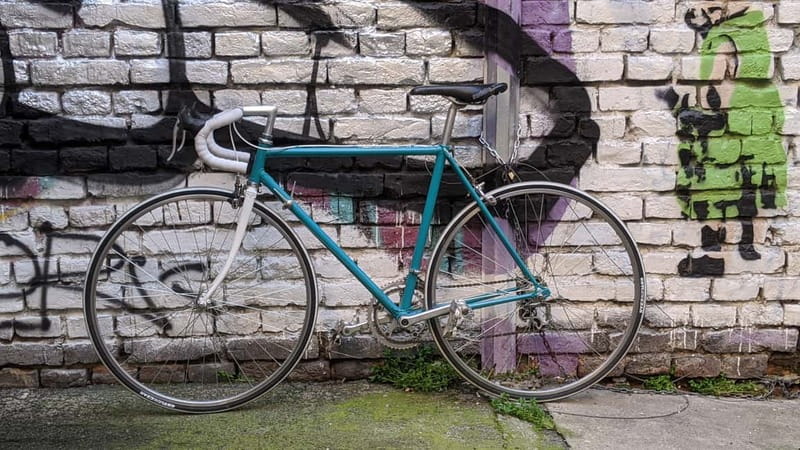
Between the fortress and the older neighborhoods, the tour makes a short stop at Student Park. It’s not the longest segment, but it works like a breather. You get a bit of guided sightseeing and a short cycling stretch, which helps the group reset both legs and attention after the elevation and viewpoints.
Think of this as the “transition piece” of the route. Belgrade changes vibe fast, and Student Park is a bridge between big views and tighter street sections.
Dorćol: Belgrade’s old district with everyday rhythm
Next comes Dorćol (Dorćol), a neighborhood where you can see how Belgrade blends eras. The bike route lets you move through the area without stopping every three meters, and the guide’s commentary keeps it from turning into just photo stops.
I like Dorćol because it feels lived-in. You’re not only looking at buildings, you’re also seeing street energy—where people sit, walk, pass by, and gather. That’s the advantage of a bike tour: you cover more distance while still getting a neighborhood-level feel.
This is also one of the places where you’ll likely notice architecture details you might miss on foot, because the ride keeps you oriented and gives you speed to see patterns rather than single facades.
Skadarlija and Cetinjska: streets with atmosphere and stories
The route continues into the city’s more atmospheric zones, including Skadarlija for a photo stop and guided sightseeing. Skadarlija is the kind of area that rewards a slower look, but the bike timing still keeps you from falling behind the group.
Then there’s Cetinjska, another guided stretch that adds more texture to the tour. You’re not just collecting famous buildings; you’re learning what those streets represent in how Belgrade grew and changed.
Practical note: these areas can involve small turns and tighter spacing than the river viewpoints. If you’re comfortable riding in normal city traffic patterns, you’ll feel fine. If not, just keep your pace steady and stay relaxed—your guide will be watching the group.
Tasmajdan Park: where the tour slows down and breathes
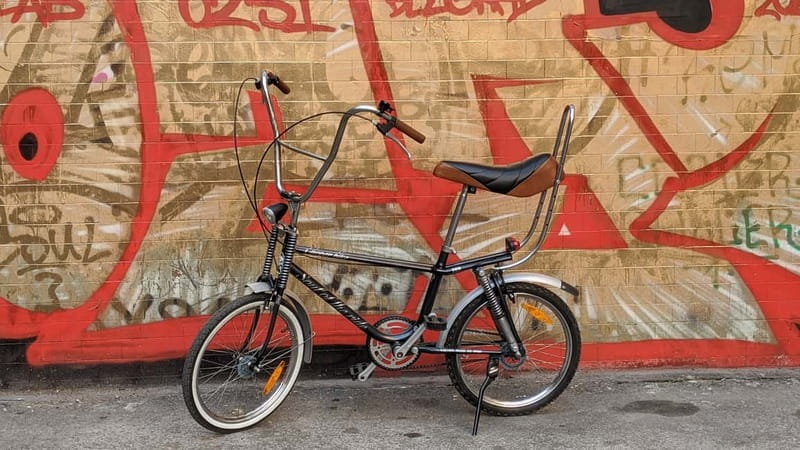
The next highlight is Tasmajdan Park, with time built in for a break and guided sightseeing, plus more cycling through the park area. This is one of the smartest choices on the route because it gives you a change in scenery and a moment to catch your breath.
Why I value this segment: it breaks the “constant viewing” cycle. After fortress views and historic street pockets, you get green space and the chance to sit for a minute, drink your included refreshment, and reset.
If you enjoy layered history, parks with long-used paths tend to feel more real than attractions with ropes and gates. You’ll also get a more relaxed pace here, which makes the second half of the tour feel less like a sprint.
Studio RTS Lab / Aberdareva 1: a stop that adds modern context
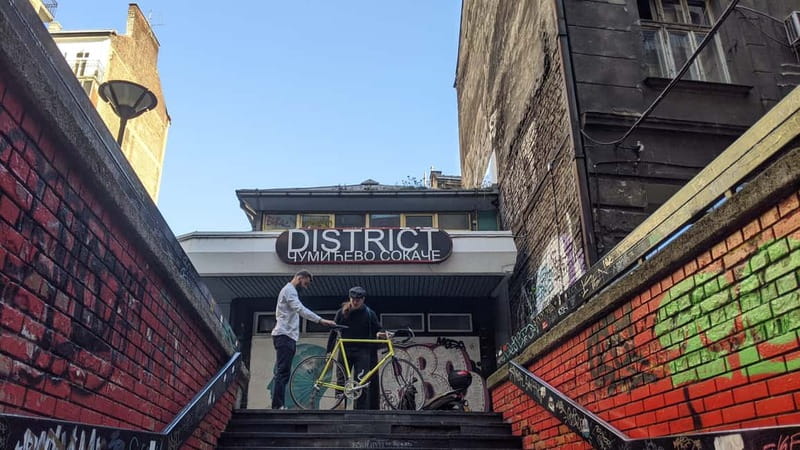
Midway through the back half, the route includes a stop at Studio RTS Lab / Aberdareva 1 for a guided sightseeing moment. This isn’t just another monument photo op. It helps round out the story of Belgrade by adding a media or creative-world angle.
The practical benefit of this kind of stop is variety. You’re not spending the entire ride looking at the same type of architecture. You’re seeing how Belgrade also functions as a living, producing city—not only a city of old stones.
If you like cities that have both heritage and current culture, this stop will make your mental map more complete.
St Mark’s Church: the iconic moment you’ll remember
Then comes the centerpiece for many visitors: St. Mark’s Church. You get a photo stop, a visit, and guided sightseeing here. It’s one of those landmarks where even a quick stop feels meaningful because the building is visually strong and instantly recognizable.
Why this stop works on a bike tour: you arrive with Belgrade already framed in your mind. You’ve seen the city’s geography, neighborhoods, and street character first. Now you’re seeing a landmark tied to Serbian Orthodox identity, and the story lands better because you’re not starting from zero.
Give yourself time during the visit. This is a “look closely” place. Even if you don’t read every detail, the overall feel and design are the point.
The National Assembly and Republic Square: power, design, and city scale
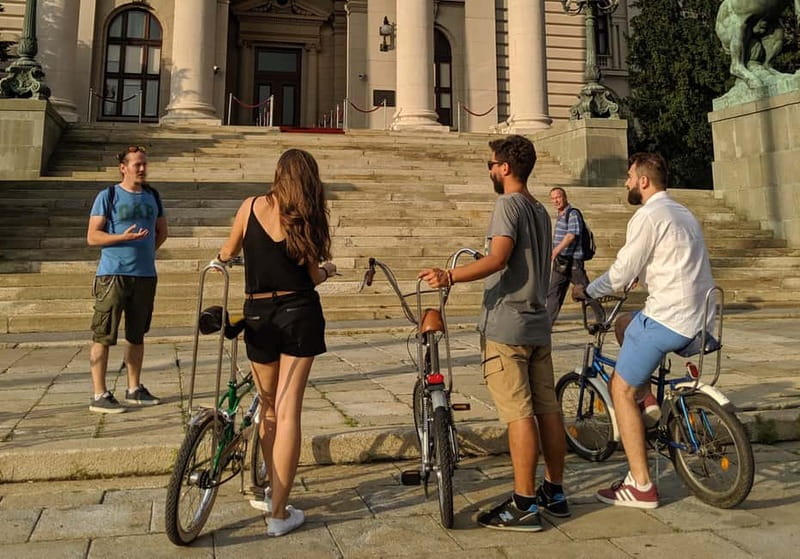
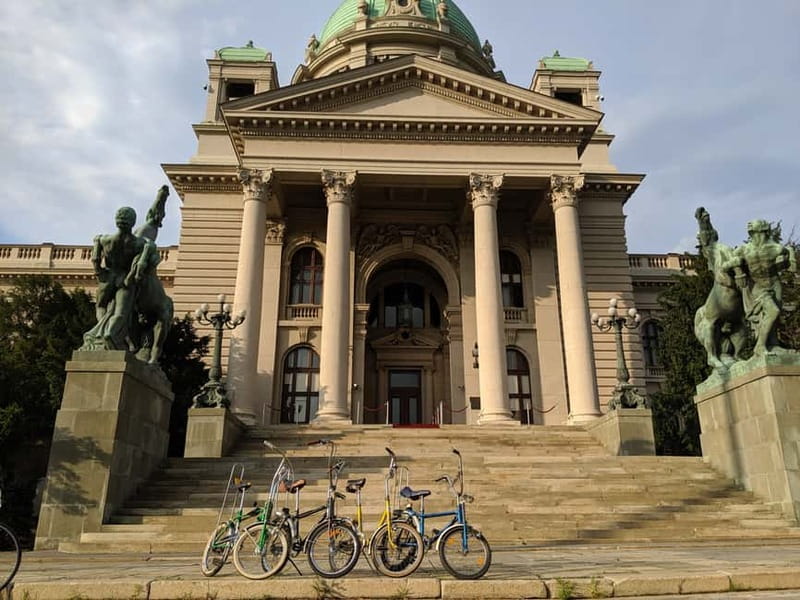
After St Mark’s, the route heads to the National Assembly of the Republic of Serbia for guided sightseeing and bike viewing time. Then you hit Republic Square with a photo stop and more guided context.
These stops are about understanding how Belgrade expresses authority and civic life through grand architecture and open space. On foot, these areas can feel too large to take in. By bike, you get the scale without losing momentum.
What to watch for: the contrast. After church architecture and neighborhood streets, these civic buildings feel formal and imposing. You’ll likely come away with a clearer sense of how Serbia’s capital organizes its public spaces.
Bikes, pace, and who this tour fits best
This is a city bike tour, so you’re not dealing with mountain trails or technical riding. Still, it’s not a stroller stroll. The tour requires a certain level of fitness, and you need to be able to ride a bike confidently.
It’s also not suitable for people with mobility impairments or for wheelchair users, and there’s a weight limit (over 264 lbs / 120 kg). If you’re within the limits and you ride normally, you’ll probably find the pace manageable, especially because there are breaks and shorter segments.
A few comfort points from real rider feedback: the bikes are described as very good, and helmets are mentioned as comfortable. That matters because a bike tour’s biggest stress is often vibration and fit, not the scenery.
If you want a tour where you can chat with the guide, ask questions, and keep moving through the city without feeling stuck, this one fits well.
Value at $64: what you actually get for your money
At $64 per person for about 3.5 hours, you’re paying for more than “transport.” You’re buying:
- a local guide who connects sights to meaning
- city bikes for steady movement
- drinks to keep your energy up
- multiple major landmarks plus neighborhood stops in one coherent loop
In practical terms, this can be better value than paying for separate admissions or trying to cobble together a DIY route where you’d still need bike rental, navigation, and a plan for where to stop for photos.
The only time the value shifts is if you already hate cycling. Then you’ll spend the whole tour counting minutes. But if you enjoy riding and want efficiency, it’s a solid deal for a capital city.
How to get the most out of your ride
A few small habits make this tour better:
- Wear comfortable clothes you can move in for the whole ride.
- Keep your phone ready for photos, but don’t constantly stop—trust the photo stops.
- If you care about history, ask questions early. The guide’s context often makes later stops feel stronger.
If your guide is someone like Aleksandar or Timor, you may get extra storytelling detail that ties the city’s changes together. If your group includes a specialist bike fitter like Ivana, you’ll feel better about comfort and bike fit from the start.
Should you book the Belgrade Bike City Tour?
Yes, I’d book this if you want a fast, human-scale way to see Belgrade’s top landmarks and real neighborhoods in one afternoon. It’s especially worth it if you like history tied to place: river geography, church identity, and civic architecture all show up in the same ride.
Skip it if you can’t ride confidently for a couple hours, if fitness is an issue, or if you need accessibility accommodations this format can’t provide. Also, if you’re only interested in one or two monuments, you might find the route packs more than you need.
If you want an efficient introduction to Belgrade that still feels personal—this is the kind of tour that helps you walk around afterward with better context.
FAQ
How long is the Belgrade Bike tour?
The tour lasts about 3.5 hours.
Where do I meet the guide and group?
Meet in front of the Serbian Adventure Factory bike shop.
What’s included in the price?
A local guide, city bikes, and drinks are included.
Is food included?
No, food is not included.
What languages are available for the live guide?
The live tour guide is available in English and German.
Do I need a certain fitness level?
Yes, a certain level of fitness is required.
Is the tour suitable for people who can’t ride a bike?
No. It is not suitable for people who can’t ride a bike.
Is the tour wheelchair accessible?
No. It is not suitable for wheelchair users, and it isn’t suitable for people with mobility impairments.
Is there a weight limit?
Yes. People over 264 lbs (120 kg) are not suitable for the tour.
Can I cancel for a refund?
Yes. You can cancel up to 24 hours in advance for a full refund.