REVIEW · BUENOS AIRES
Bike Tour: Buenos Aires to the South
Book on GetYourGuide →Operated by La Bicicleta Naranja · Bookable on GetYourGuide
Pedals beat buses in Buenos Aires. In just 3 hours, this southside route links cobblestone streets, La Bombonera’s football energy, and a green breather at Reserva Ecológica. I especially like how the bilingual guide connects the dots between neighborhoods instead of rattling off facts.
At $48 per person, you’re buying time and momentum, not a slow sightseeing stroll. One thing to plan for: the ride is fast-paced, so stops like San Telmo may feel short if the area is busy, and it’s not suitable for people with mobility impairments.
In This Review
- Key Highlights to Know Before You Pedal
- Why This Buenos Aires South Bike Route Works
- Getting Started: Two Meeting Spots That Change Your Day
- Parque Lezama: A Fast Warm-Up Before the Main Stops
- La Bombonera: Where Football Feels Personal
- Puerto Madero: Modern Docks, Real Waterfront Views
- Caminito in La Boca: Color, Culture, and Street-Level Stories
- Reserva Ecológica: The Middle-of-the-City Nature Reset
- Plaza de Mayo and Montserrat: A Strong Ending in the City’s Heart
- What the Gear and Pacing Really Mean for You
- Is It Good Value at $48?
- Who Should Book This Tour (and Who Might Skip)
- Final Take: Should You Book This Buenos Aires South Bike Tour?
- FAQ
- How long is the bike tour?
- How much does it cost?
- Where do I meet the tour?
- What’s included in the price?
- Is food or drinks included?
- Do I need to bring anything?
- Are electric bikes available?
- Is the tour private or small-group?
- What languages are offered?
- What if I need to cancel?
Key Highlights to Know Before You Pedal
- Bilingual guidance (English and Spanish) that keeps the story clear and the ride moving
- La Boca and La Bombonera as your football moment of the tour
- Puerto Madero waterfront contrasts the old neighborhoods with modern docks-to-buildings style
- Reserva Ecológica (Ecological Reserve) trades concrete for nature views in the middle of the city
- Two start points let you pick the location that best fits your day
Why This Buenos Aires South Bike Route Works
Buenos Aires can feel big and jumpy if you try to do it all on foot. This tour solves that problem with a simple idea: pick a tight loop that covers the south’s most recognizable mix of old-city streets, football culture, and modern waterfront—then get you back while you still have energy for dinner.
I like that it’s designed for variety in a short time. You’re not just chasing landmarks. You also get the neighborhoods’ “why”: where the city’s character comes from, how immigration shaped the streets, and why football isn’t just a sport here—it’s identity. The guide pacing also matters. Reviews consistently mention guides answering questions and keeping the tempo right, which makes the ride feel like a conversation instead of a lecture.
The tour is 3 hours (about 210 minutes) with brief biking segments between stops. That means you can see multiple areas without spending half your day commuting. If you want one smart orientation run, this is a strong choice.
You can also read our reviews of more tours and experiences in Buenos Aires.
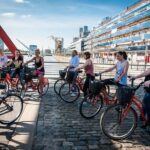
Getting Started: Two Meeting Spots That Change Your Day
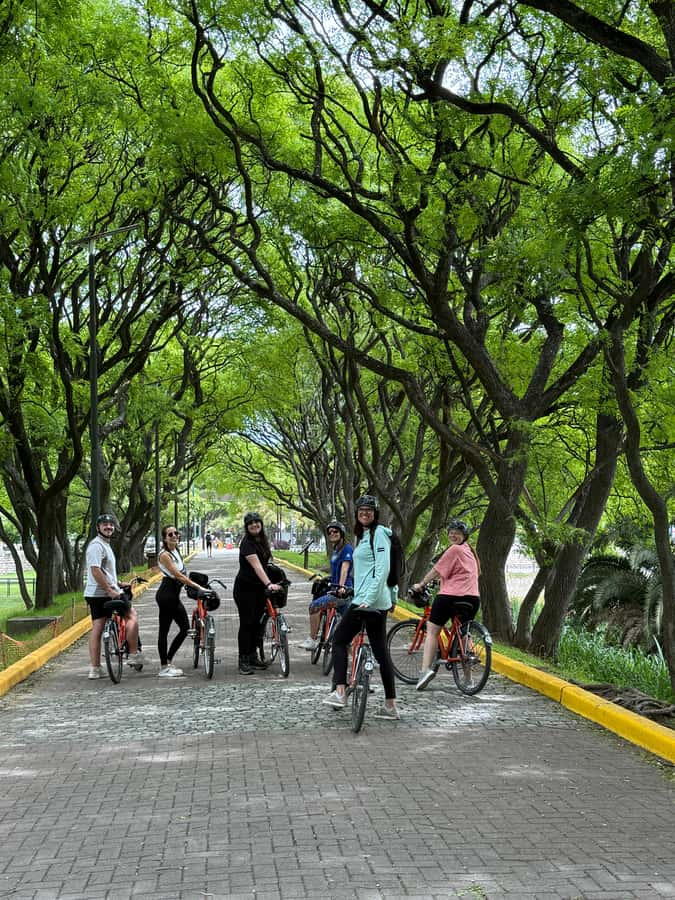
You’ll meet at one of two locations, depending on the option booked: Calle Doctor Jose M. Giuffra 370 or Parque Lezama. That matters because your “first impression” of the tour shifts slightly.
If you start near Giuffra, you may find the ride begins closer to the older city grid and sets you up for a smooth early run through classic central neighborhoods. Starting at Parque Lezama tends to feel like a calmer launch into the south-of-center area, with an easier build-up before the football stop.
Either way, the tour includes the core gear: bike, helmet, and lock, plus a water bottle. You still need to bring your own comfort basics—comfortable shoes—because you’ll be walking for parts of the stops.
Parque Lezama: A Fast Warm-Up Before the Main Stops
The tour starts with a short bike segment around Parque Lezama. Even if you only get a little time there, it sets the tone. This is your “get your bearings” moment: a way to settle into riding in Buenos Aires streets and learn how your guide handles pacing, corners, and regrouping.
This stop also helps you avoid the common sightseeing trap in big cities: arriving at the first major sights with no context. Here, you roll in, find your rhythm, and then your guide can steer the story into the older urban parts of the south.
La Bombonera: Where Football Feels Personal
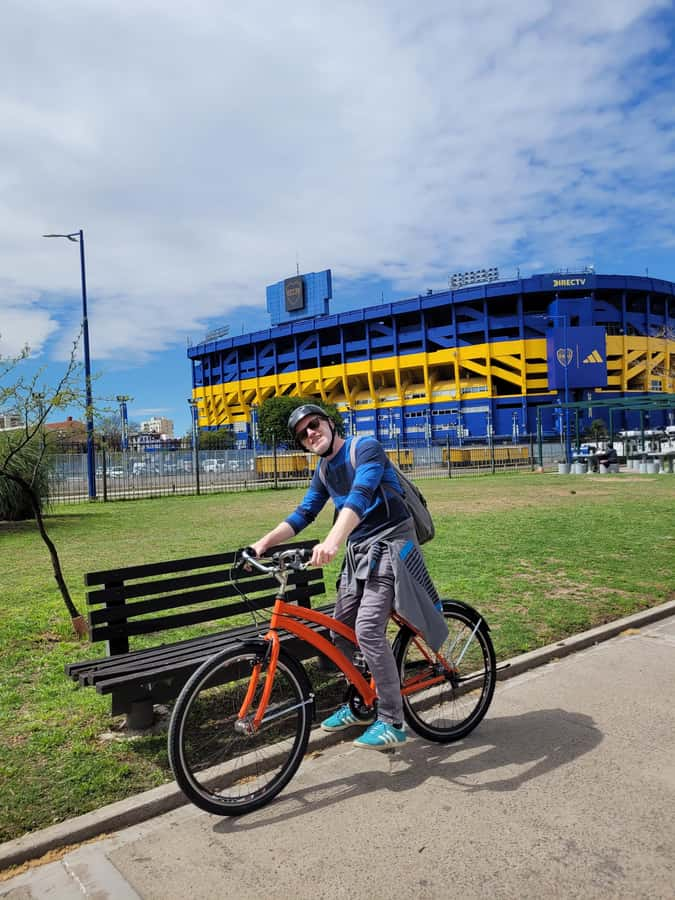
Next comes the big one: La Bombonera. This isn’t treated like a photo-op only. It’s positioned as a symbol of Argentina’s passion for football—meaning you’ll hear the cultural framing behind the stadium instead of just taking pictures from the sidewalk.
The best part of this kind of stop is the atmosphere. Even when you’re not inside, the stadium area has a sense of focus. You’re right next to a living emblem: a place that fans talk about like it’s part of their family history. If football is even a little interesting to you, this is the moment where the tour’s “culture” theme stops being abstract.
Practical note: because it’s one of the most recognizable spots, expect tighter crowds at times. Your guide’s job is to keep you moving and still let you soak it in, and the reviews highlight that the pacing is often well judged.
Puerto Madero: Modern Docks, Real Waterfront Views
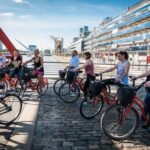
After the football intensity, the route shifts to Puerto Madero. This is a totally different mood: modern architecture, former dock areas converted into offices and restaurants, and a riverside vibe you can feel even while you’re riding.
For me, Puerto Madero is valuable on a bike tour because it gives you visual variety without turning it into a long transit day. You see the city’s “new face” in a way that walking sometimes struggles with, especially if you’re trying to connect multiple neighborhoods in one afternoon.
It also works as a breather. You’ve got a big cultural stop behind you; now you can reset with wider sightlines, waterfront views, and a cleaner sense of the city’s layout.
Caminito in La Boca: Color, Culture, and Street-Level Stories
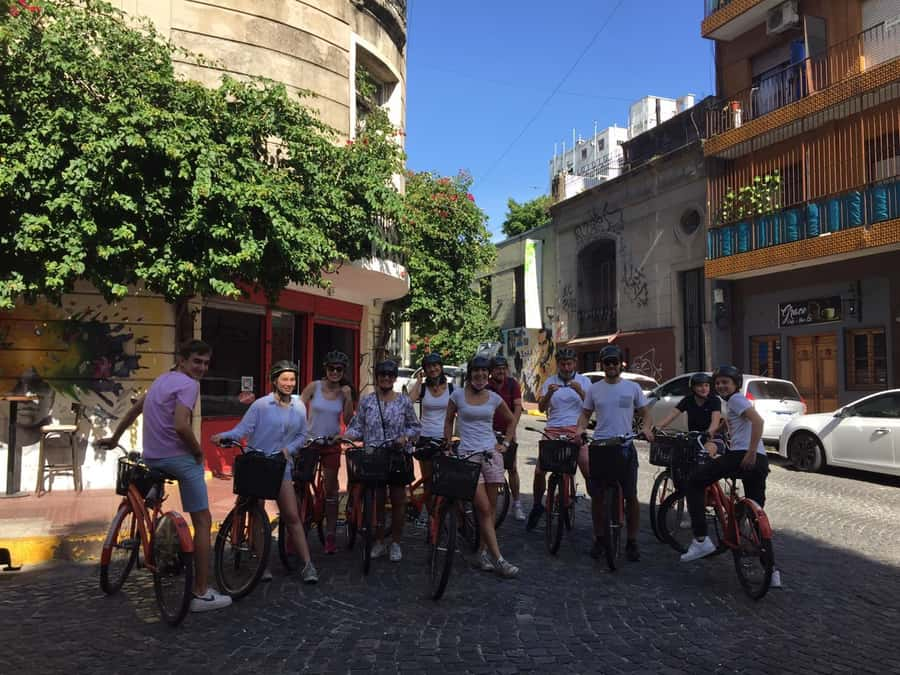
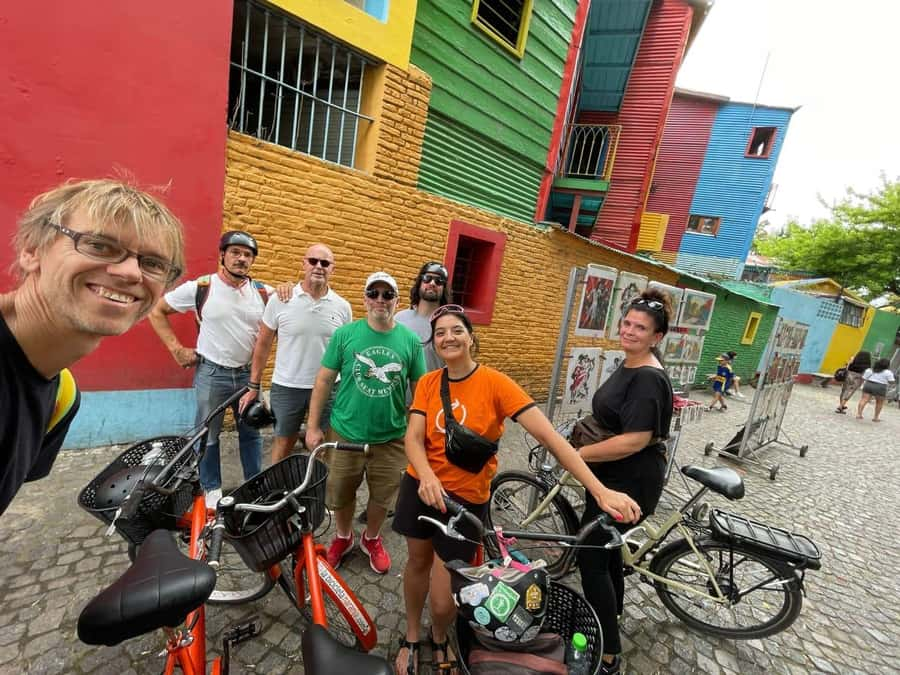
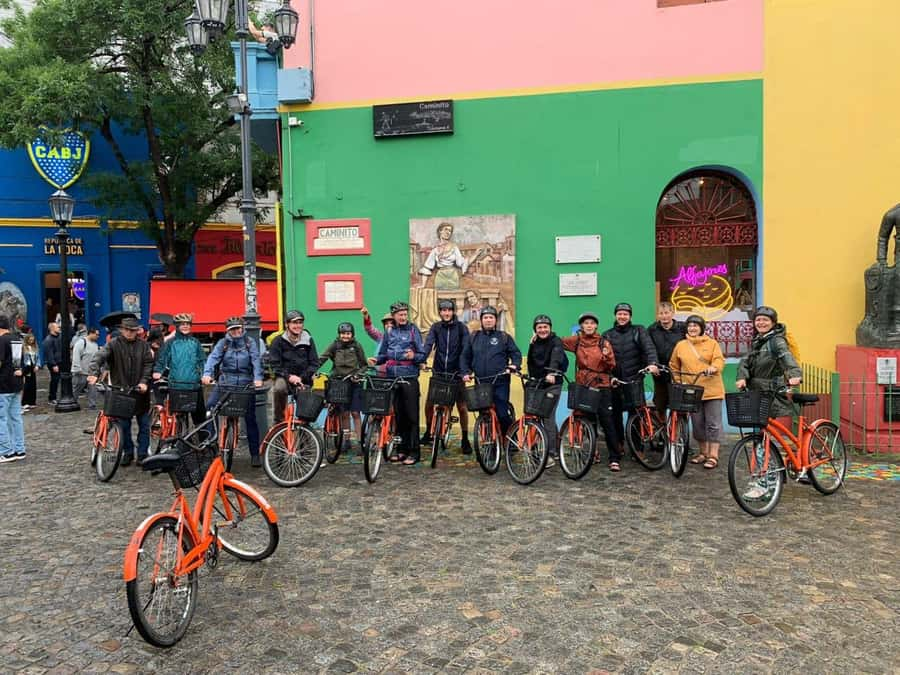
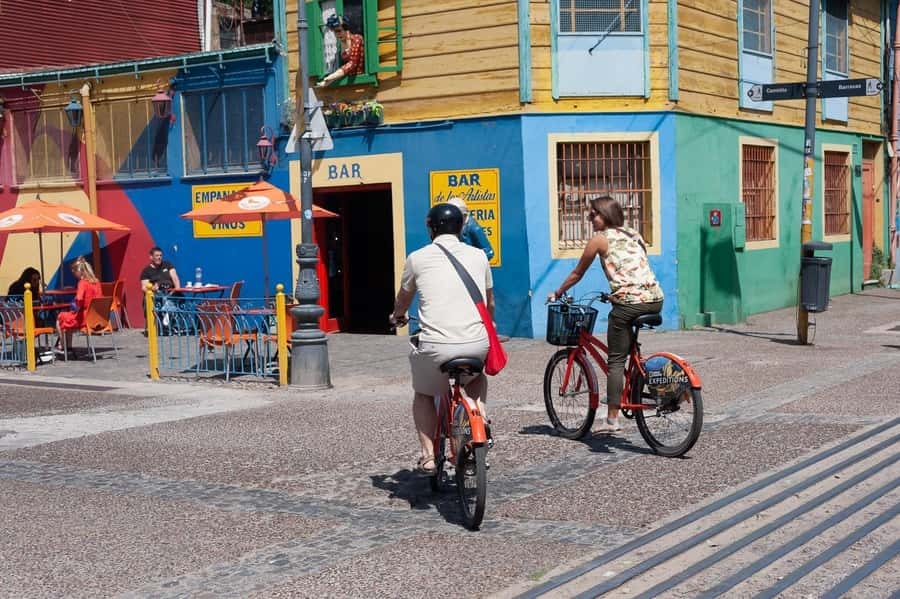
Then you hit Calle Caminito in La Boca. This is where the tour leans into the neighborhood’s creative identity. The route description highlights La Boca’s culture, and Caminito is the place that instantly signals you’re in a world built around music, style, and football-adjacent pride.
You’ll likely spend about 20 minutes here. That’s not a long art-walk, so treat it like a focused stop:
- Look closely at what’s around you first.
- Use the guide’s context to understand why the street looks the way it does.
- Snap your photos, then keep moving so the rest of the route doesn’t feel rushed.
One small caution from experience with short neighborhood stops: if you want deep wandering time, this tour won’t be the one to slow down for hours in any single block. Still, for most people, the time is enough to feel the place and then move on with the tour’s momentum.
Reserva Ecológica: The Middle-of-the-City Nature Reset
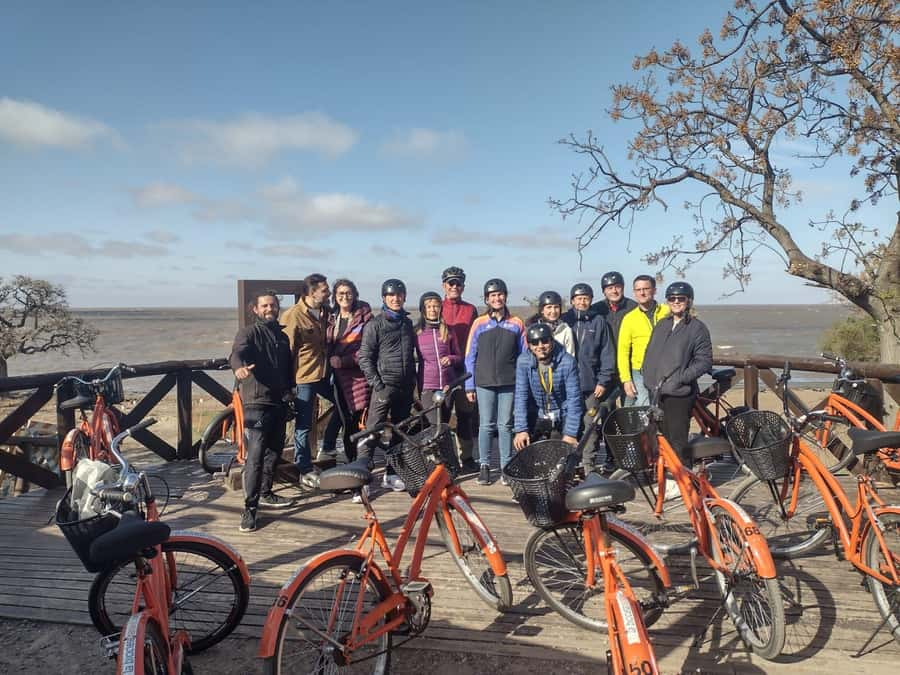
The route continues to the Reserva Ecologica (Ecological Reserve)—often the surprising favorite on short Buenos Aires itineraries. You’re in the middle of a major city, yet you’re given a chance to look at biodiversity and views toward the Río de la Plata.
This stop changes the tempo. Up to now, the tour has been about streets, culture, and architecture. Now it’s about breathing room and changing scenery. Even if you’re not a hardcore birdwatcher, it’s the kind of place that makes you realize Buenos Aires isn’t only concrete and history plaques.
If you’re traveling with someone who gets tired of museum-heavy days, this is your “yes, I can still enjoy it” moment. And if you love nature, you’ll appreciate that the tour designers didn’t treat it as a random detour—they built a real nature break into the loop.
Plaza de Mayo and Montserrat: A Strong Ending in the City’s Heart
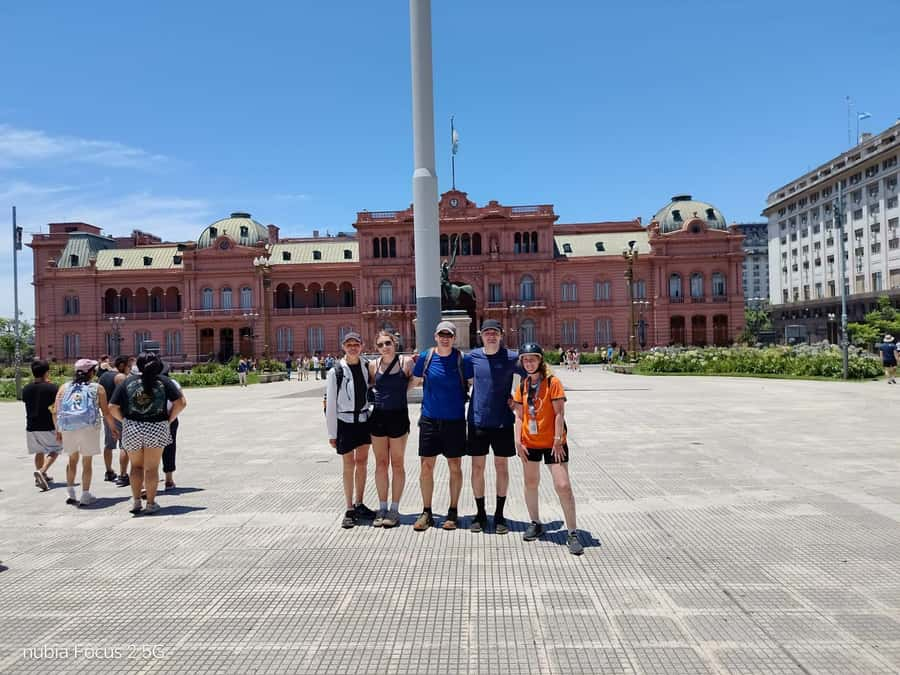
The final stretch heads toward Plaza de Mayo, tied to the Montserrat area vibe described in the tour overview. This is where colonial-era texture meets modern city rhythm, and it gives you a sense of how the south connects back to the city’s political and architectural center.
Even on a bike tour, Plaza de Mayo is one of those places you feel in your legs. The area has strong sightlines and a sense of place that sticks after you leave. It’s also a good point to connect the dots: earlier stops are about neighborhood identity; Plaza de Mayo is about city power and structure.
This is also where you may start noticing patterns you didn’t before—street geometry, building styles, and how different districts feel like separate chapters. That’s useful for planning the rest of your trip. After this tour, you’ll understand where to walk next on your own.
What the Gear and Pacing Really Mean for You
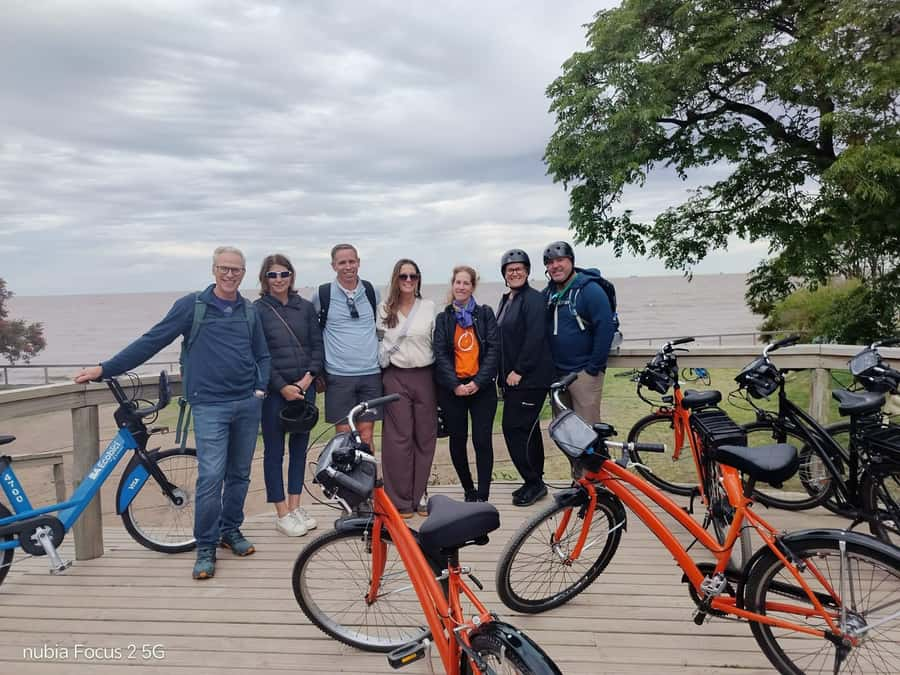
Included gear is simple and practical: bike, helmet, and lock, plus a water bottle. You don’t need to bring a helmet or figure out what kind of bike you’ll ride. That’s a genuine quality-of-life win.
Bikes can be electric if available. The tour notes that electric bikes are subject to availability, which means if you’re expecting one, it’s smart to ask when you confirm. Electric help can make the difference between enjoying the ride and feeling drained—especially if you’re not used to city cycling.
Pacing matters more than you might think. Reviews repeatedly call out guides who get the timing right and give the “right amount” of information. That balance is ideal on a 3-hour tour: you want story, but you also want time to actually see.
Is It Good Value at $48?
At $48 per person for about 3 hours, this tour is priced like a solid guided experience rather than a DIY rental. The value comes from three things you can’t easily replicate on your own in the same time:
- A route that stitches together major areas in a short window
- A guide who can answer questions and keep your ride organized
- Stops that mix iconic culture with nature (La Bombonera plus Reserva Ecológica)
You’re not getting food included, so you’ll still plan your meals separately. But the tour gives you an orientation run that can save time later. If you’re only in Buenos Aires for a few days, that’s a big deal.
Also, small groups or private options are available. That usually improves comfort and question time, especially if you like interacting with your guide instead of just listening.
Who Should Book This Tour (and Who Might Skip)
This is a great fit if you:
- Want a high-impact Buenos Aires introduction without spending the whole day in transit
- Like cycling but don’t want the stress of planning a full route
- Want both culture stops (La Boca, football) and a nature breather (Reserva Ecológica)
- Prefer guides who give clear context in English or Spanish
You might skip if:
- You need accessibility support for mobility impairments (the tour is not suitable)
- You hate fast pacing and want long stops in one neighborhood
- You’re looking for a food-focused tour (no meals or drinks are included)
Final Take: Should You Book This Buenos Aires South Bike Tour?
Yes—if you want a compact, well-paced way to see the south’s big identity zones in one afternoon. The biggest selling points are the mix: La Bombonera and La Boca culture, then Puerto Madero’s modern waterfront, and finally Reserva Ecológica as a proper nature reset. For $48, it’s the kind of guided ride that can save you time and help you plan the rest of your trip with confidence.
Book it especially if you appreciate history told through streets, not just plaques. If you’re the type who likes to pause and linger, plan to do extra wandering on your own after the tour—because here, the goal is coverage, not long stays.
FAQ
How long is the bike tour?
The duration is 3 hours (about 210 minutes).
How much does it cost?
The price is $48 per person.
Where do I meet the tour?
You can meet at one of two starting locations: Calle Doctor Jose M. Giuffra 370 or Parque Lezama. The meeting point may vary depending on the option booked.
What’s included in the price?
Included are the bike, helmet, lock, a bilingual tour guide (English and Spanish), and a water bottle.
Is food or drinks included?
No. Food and drinks are not included.
Do I need to bring anything?
You should bring comfortable shoes.
Are electric bikes available?
Electric bikes are subject to availability.
Is the tour private or small-group?
Yes. Private or small groups are available.
What languages are offered?
The live tour guide speaks English and Spanish.
What if I need to cancel?
You can cancel up to 24 hours in advance for a full refund.