REVIEW · KALABAKA
Breath-taking Monasteries Morning E-Bike Tour
Book on GetYourGuide →Operated by EBIKES GREECE · Bookable on GetYourGuide
Big rocks, easy pedals, real monastery views. Meteora on an e-bike turns a tough drive into a breezy ride, and the small-group setup keeps the day relaxed. I especially like how the guide (often Chris) mixes history with real-world tips so you know what you’re looking at. The one thing to plan for is extra cost: you pay monastery entrance fees on top of the tour price.
This is a smart way to do Meteora in the morning, when the air feels fresher and the viewpoints look their best. You’ll be cycling in a UNESCO protected area about 600 meters above sea level, without the struggle you’d get on a regular bike. Do note the tour rides on roads shared with cars, so it helps if you’re comfortable biking in traffic.
If you can ride a bike and you’re okay with rules at the monasteries, this tour is a joy. It’s not for everyone: it’s not suitable for pregnant women, people who can’t ride a bike, or anyone over 300 lbs (136 kg).
In This Review
- Key things to know before you go
- How the Morning Start at Trikalon 21 Changes the Whole Meteora Feel
- E-Bikes with Real Climb Power: Easy Riding Up 600 Meters
- What UNESCO Protected Meteora Looks Like Up Close
- Six Monasteries Seen, Three Visited: How to Spend Your Time
- The Best Stops for Photos: Panoramas That Feel Personal
- Group Size and Pace: Relaxed Cycling, Not a Race
- Road, Weather, and Dress Code: The Stuff That Actually Matters
- Price and Value: What $53 Really Buys You
- Best Fit: Who Should Book This Meteora E-Bike Tour
- Should You Book This Meteora Morning E-Bike Tour?
- FAQ
- Where do I meet for the tour?
- What time does the tour start?
- How long is the e-bike tour of Meteora?
- How many monasteries does the tour include?
- What’s included in the tour price?
- What is not included?
- How much are monastery entrance fees?
- What should I wear and bring for monastery visits?
- Is the tour okay in rain?
Key things to know before you go
- Powered e-bikes that make the climb feel manageable
- See six monasteries, stop at three for visits and exploring
- Photo-friendly panoramic viewpoints built into the route
- A small group and a live English/Greek guide for context
- Car-shared roads plus monastery dress rules to follow
How the Morning Start at Trikalon 21 Changes the Whole Meteora Feel
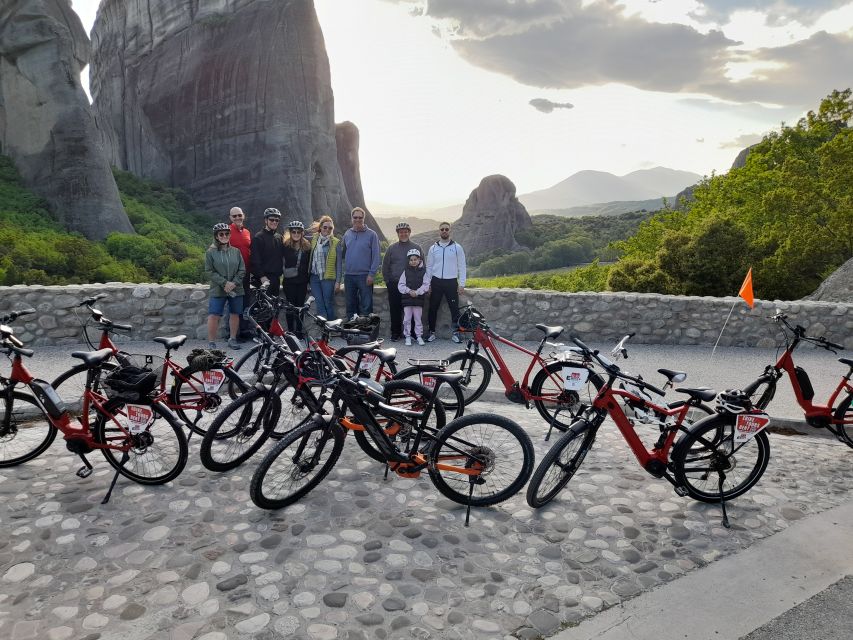
You meet at Trikalon 21, and the tour kicks off at 09.00 from the city center. That morning timing matters. You get into Meteora while the day still feels calm, and you’re not stuck watching other groups shuffle for photos.
I like that you start with a quick bike handoff and setup before the driving day begins. You’re not figuring things out on the fly at the first viewpoint. The tour leader also rides with you, so questions don’t have to wait until the end.
Also, this isn’t a marathon. It’s designed as a 4.5-hour experience, so you’re cycling, stopping, and seeing a lot without feeling wrecked.
You can also read our reviews of more tours and experiences in Kalabaka.
E-Bikes with Real Climb Power: Easy Riding Up 600 Meters
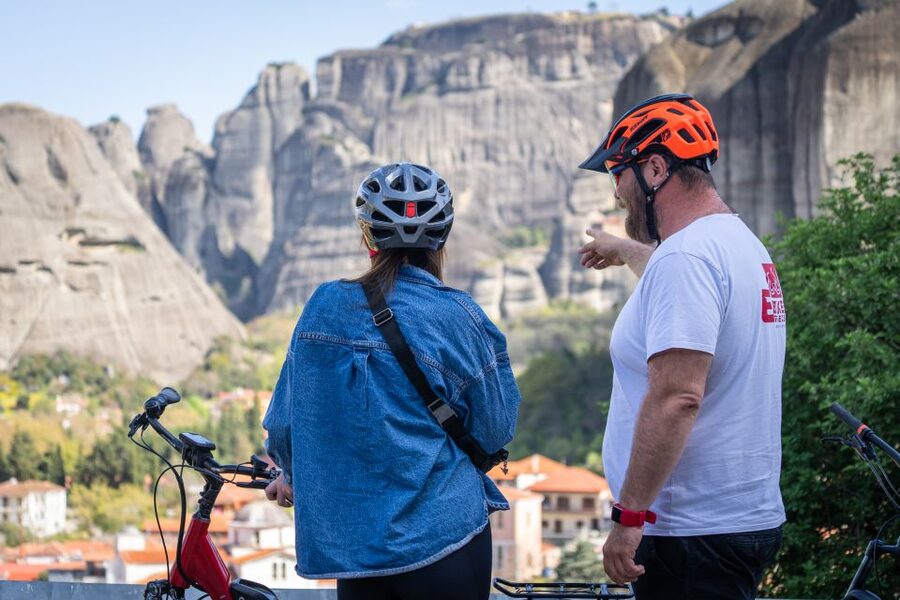
Meteora is high up, about 600 meters above the sea, and that’s why the e-bike part is so important. The route takes you comfortably upward without you arriving sweaty and exhausted. You still pedal, but the motor does the heavy lifting when the road tilts.
The bikes themselves are not random rental bikes. You can choose from brands like KTM, SCOTT, HAIBIKE, and Gudereit, with helmets included. That matters because comfort and stability are everything when roads twist and you’re stopping for photos.
One more practical plus: you get bike locks. That’s handy when you stop at monasteries or viewpoints and need to secure the bike quickly.
What UNESCO Protected Meteora Looks Like Up Close
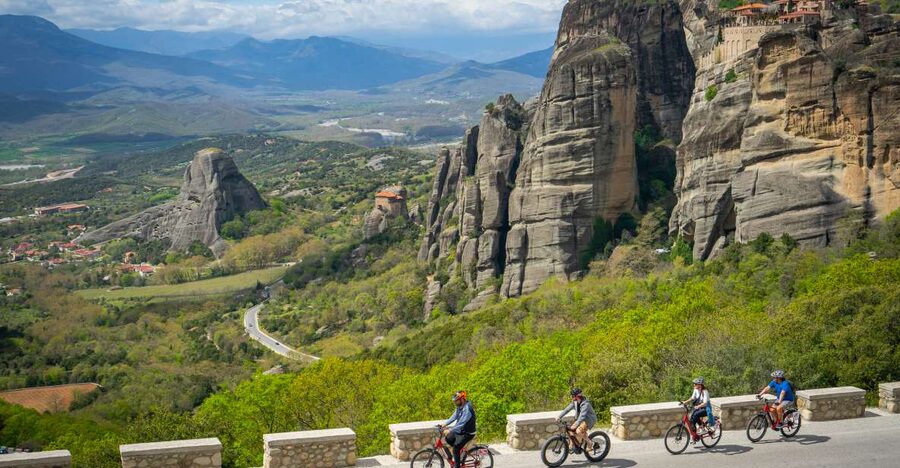
Once you’re in the Meteora area, the view hits you differently than from the highway. You’re seeing those dramatic rock formations from a moving perspective, which helps everything click into place.
Meteora has that storybook feeling because the monks started building their communities on the summits back in the 11th century. From there, monasteries spread across the cliffs, not in a neat line, but scattered in a way that shows how tricky this geography was to tame.
The guide’s job here is gold: you’re not just riding from one pretty stop to the next. You get the context for why these monasteries look the way they do and why the location mattered so much.
Six Monasteries Seen, Three Visited: How to Spend Your Time
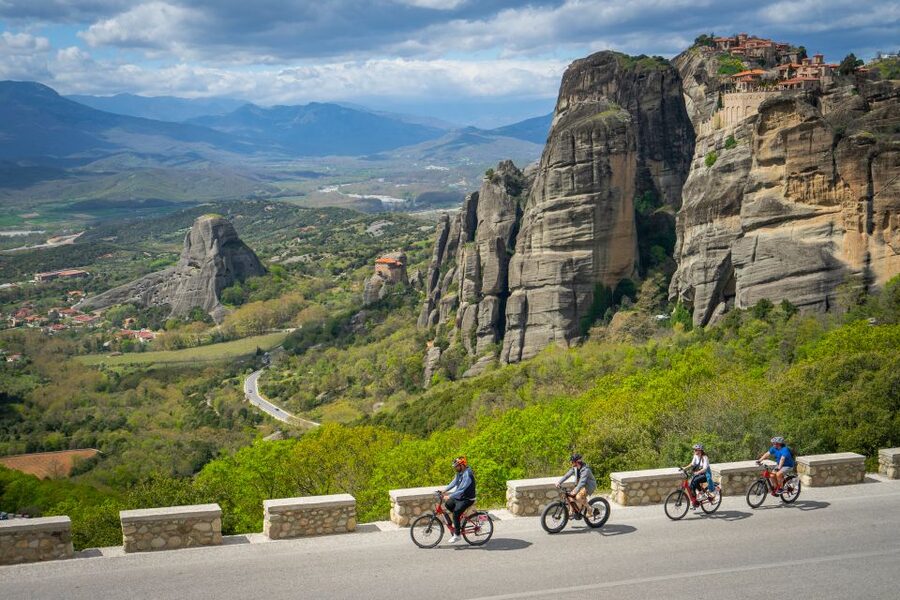
This tour sets expectations clearly and smartly. You’ll see all six monasteries, but you’ll visit three. That’s a good balance, because it keeps the day moving while still giving you time to actually step inside and explore.
The three visited monasteries are the ones where you’ll slow down and focus. Plan on time for walking around the monastery areas and taking in the architecture from close range. You’ll also want time to read your surroundings, not just your camera.
There’s also a “zoomed out” benefit. Seeing all six from viewpoints helps you understand the bigger layout—how the monasteries relate to each other across the rocks. If you only visited one or two sites, Meteora can feel like random islands of stone. This approach makes it feel like a network.
The Best Stops for Photos: Panoramas That Feel Personal
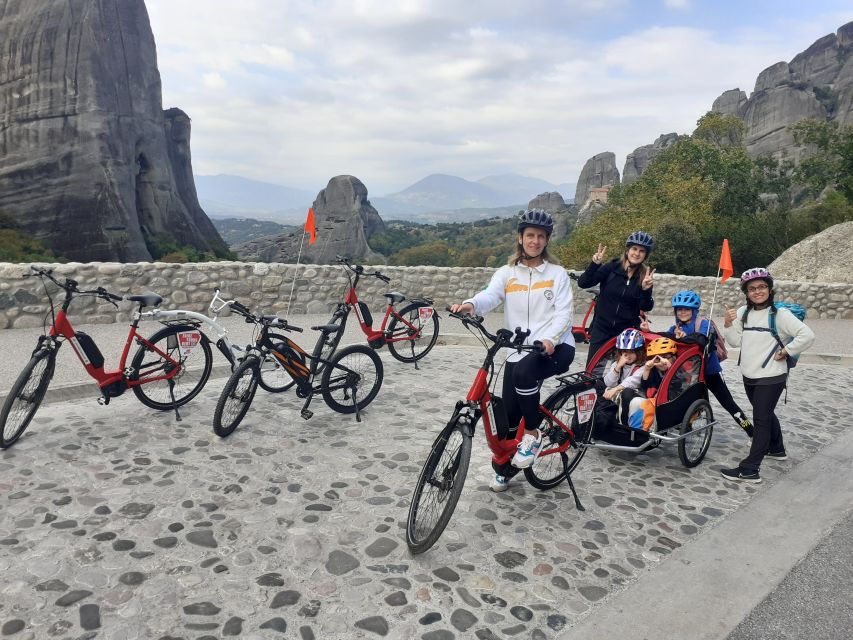
The route includes stops at the most panoramic views, and you’ll have photo breaks built in. This is where the e-bike pacing shines: you get to the viewpoints without burning your energy before the real sight.
I like having an expert steer you toward places you might not find on your own. Meteora is beautiful, but it’s also busy. Having someone guide the order of sights helps you spend your time on the angles that work.
You’ll also notice the scale. From the viewpoints, those towering rock faces stop being abstract and become a real wall you can understand. That’s when the monasteries stop feeling like decor and start feeling like survival architecture.
Group Size and Pace: Relaxed Cycling, Not a Race
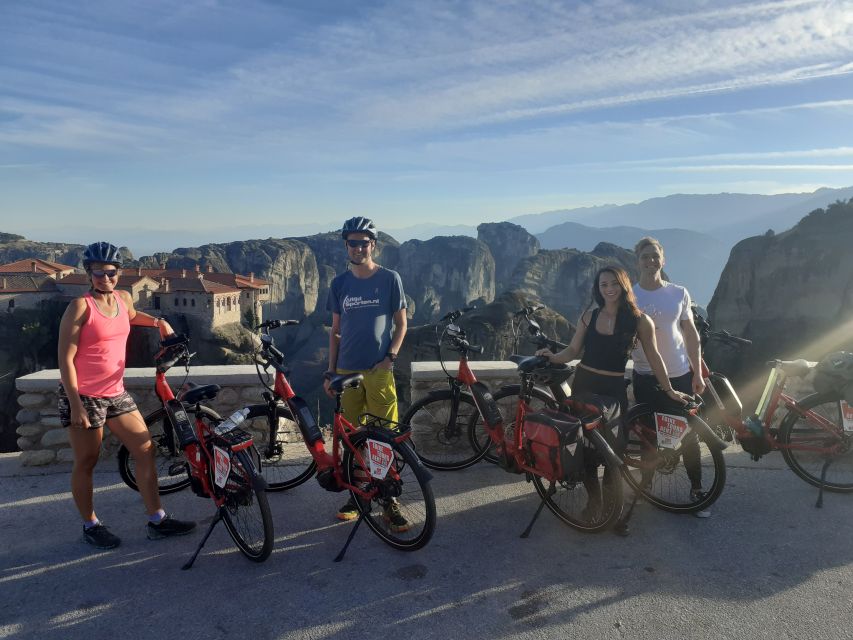
This is a small group tour, which changes the mood. You’re not dodging strangers every time the road narrows, and you’re not waiting forever for someone who’s lost. The pace feels human.
You also cycle with a tour leader who keeps things moving while still making time for questions and photos. In guides like Chris’ case, there’s typically a mix of storytelling and practical explanations. You’ll come away feeling like you learned something, not like you just got transported.
The whole loop ends back in Kalabaka, and the tour finishes after almost 4 and a half hours. That duration is the sweet spot for most people: enough time to see Meteora well, not so long that your body starts bargaining.
Road, Weather, and Dress Code: The Stuff That Actually Matters
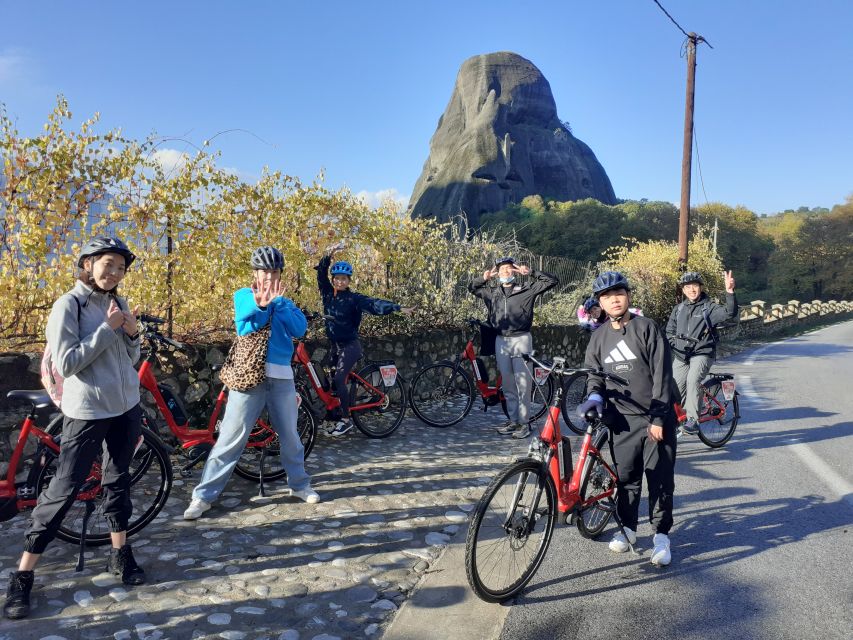
This tour rides on roads shared with cars. That’s not a deal breaker, but you should take it seriously. Keep your focus, ride confidently, and don’t treat it like a quiet bike path.
Weather is handled in a practical way. You get a raincoat if it’s needed, and the tour can run under specific rain conditions. It’s not done during storms or extreme rain, which is the right call for safety and visibility.
Now for the monastery rules. They’re strict, and you don’t want to be the person scrambling for a solution on arrival. For men: trousers below the knee and sleeveless shirts. For women: a skirt below the knees and no sleeveless shirts or see-through clothing.
Bring comfortable shoes, sunglasses, and sunscreen. Wear comfortable clothes you can move in, since you’ll be walking at the monasteries.
Price and Value: What $53 Really Buys You
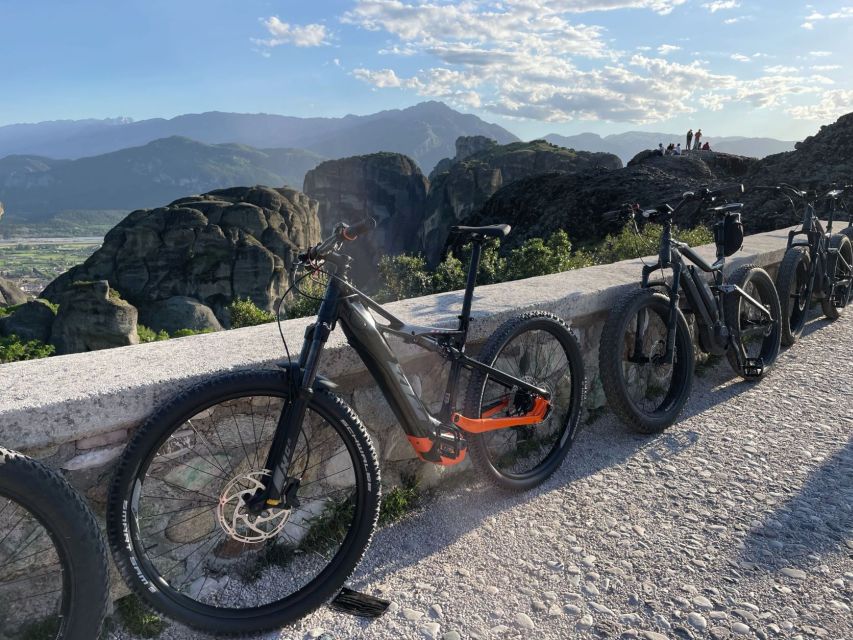
The price is $53 per person, and the value is in what that money buys: powered bikes, a small group, and a guide who helps you make sense of the site.
Here’s the deal-breaker cost you should budget for: monastery entrance fees are not included. The fee is 3€ per person for each monastery you enter. Since you visit three, that can add up depending on the exact fees collected on the day.
Food isn’t included either, so plan on grabbing a meal after the tour. Personal expenses are also on you.
Even with the entrance fees, this tour tends to be worth it for people who want Meteora without the fatigue of a regular bike or the rigid feel of a big coach day. You get motion, viewpoints, and guided context in one package.
Best Fit: Who Should Book This Meteora E-Bike Tour
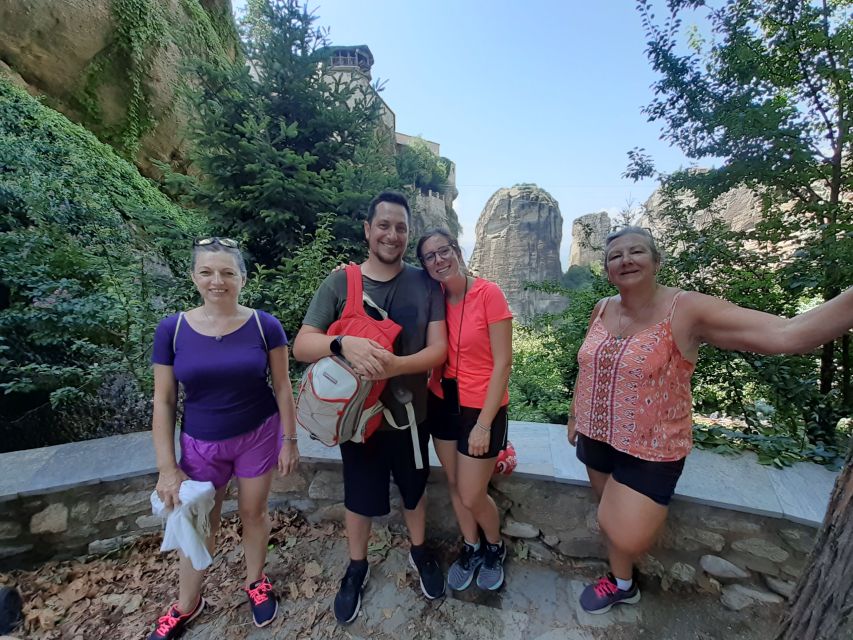
This is best for people who want active sightseeing without punishing effort. If you can ride a bike, the e-bike support makes the ride far more doable than you’d expect on a standard bicycle.
It’s also a good choice if you’re traveling with family, since it’s described as family friendly and designed to be accessible for a wide range of visitors who can handle the basics. The guide’s job is to keep everyone included, and the tour’s structure makes it easier to do that.
It’s not suitable for:
- Pregnant women
- People who can’t ride a bike
- Anyone over 300 lbs (136 kg)
If you’re unsure about biking comfort, that’s the main filter. Not the history. Not the viewpoints. Just whether you can comfortably control a bicycle on roads shared with cars.
Should You Book This Meteora Morning E-Bike Tour?
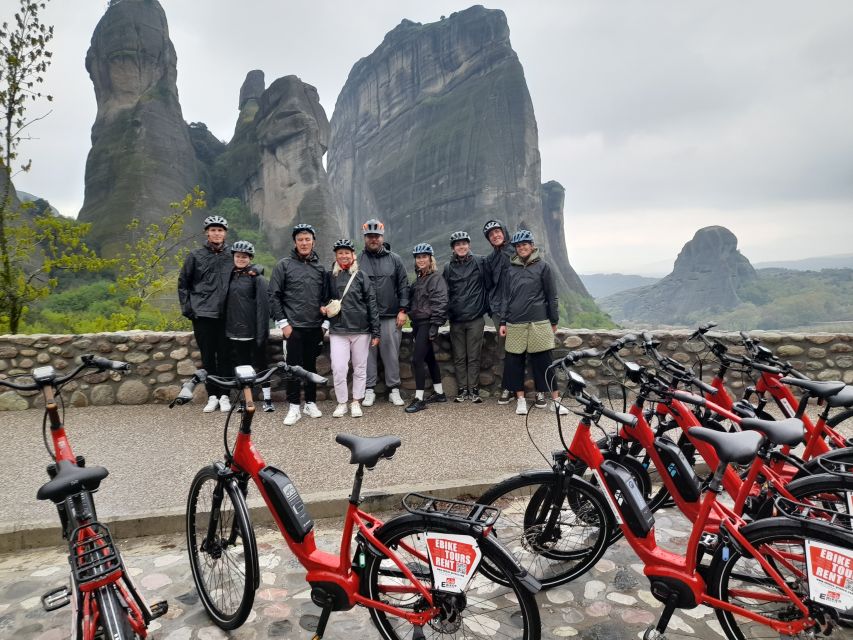
If you want Meteora to feel scenic, logical, and not physically draining, book it. The e-bike setup does the heavy work, and the small-group format keeps the day from getting chaotic. You’ll get the big-picture view of six monasteries and also get three proper visits where you can slow down and take it in.
I’d skip it if monastery rules would stress you out or if you’re not comfortable riding near cars. Also skip if the idea of pedaling at all doesn’t match your comfort level, because this is still a bike tour even with motor help.
If you fit the “I can bike and I want more than a quick look” profile, this is one of the more satisfying ways to see Meteora in a single morning.
FAQ
Where do I meet for the tour?
You meet at Trikalon 21, outside the office area where the red e-bikes are parked.
What time does the tour start?
The tour starts at 09.00am from the city center.
How long is the e-bike tour of Meteora?
The total duration is about 4.5 hours.
How many monasteries does the tour include?
You will see all six monasteries, and you will visit three of them.
What’s included in the tour price?
Included are the e-bike, helmets, bottled water, bike locks, and a tour leader. You may also receive a raincoat if needed.
What is not included?
Monastery entrance fees, food, and personal expenses are not included.
How much are monastery entrance fees?
Monastery entrance fees are listed as 3€ per person for each monastery.
What should I wear and bring for monastery visits?
Bring comfortable shoes, sunglasses, sunscreen, and comfortable clothes. Dress code matters: men need trousers below the knee and sleeveless shirts; women need a skirt below the knees and no sleeveless or see-through clothing.
Is the tour okay in rain?
It can run under specific rain conditions, and you’ll have a raincoat if needed. It’s not run during storms or extreme rain.