REVIEW · KALABAKA
Meteora Electric Bike Tour
Book on GetYourGuide →Operated by meteora e-bike · Bookable on GetYourGuide
Pedal-assist makes Meteora feel doable. This electric bike tour gets you into the UNESCO zone with fewer worries than a car drive, plus stops where you can actually pause for photos. I especially love the way uphill effort disappears thanks to the motor help, and how the route lets you spend time looking instead of fighting traffic. One thing to plan for: you’ll likely pay small monastery entry fees on top, and the tour isn’t suitable if you have heart problems or are pregnant.
Your guide, often Vasilis (and Jenny is part of the welcome), also turns the ride into a quick lesson—geology, culture, and monastic life—without making it feel like class. You can expect a steady pace with frequent viewpoint breaks, and you finish back where you started in about half a day.
In This Review
- Key things that make the Meteora e-bike tour worth it
- Why an e-bike is the smart way to see Meteora
- Starting in Kalambaka: where you’ll meet and what the timing looks like
- The UNESCO zone ride: what the route does for your photos and sanity
- Stop-by-stop: how the monasteries work in a half-day format
- What you’ll likely visit (and how to plan for tickets)
- Inside visits vs guided inside tours
- What your guide teaches you while you ride
- Photo stops: the best part of Meteora when you want fewer crowds
- Included comforts: helmet, snack, water, and rain gear
- Price and value: is $51 a good deal?
- Who this tour is best for—and who should skip it
- Quick practical tips before you go
- Should you book the Meteora Electric Bike Tour?
- FAQ
- How long is the Meteora e-bike tour?
- Where do I meet for the tour in Kalambaka?
- Does the tour visit monasteries inside, and are entry tickets included?
- How much are monastery entry tickets, and can I pay by card?
- What should women and men wear for monastery visits?
- Is the tour run in the rain?
- What’s included in the price?
- What should I bring with me?
- Is the tour suitable for everyone?
- What languages are available for the tour guide?
Key things that make the Meteora e-bike tour worth it
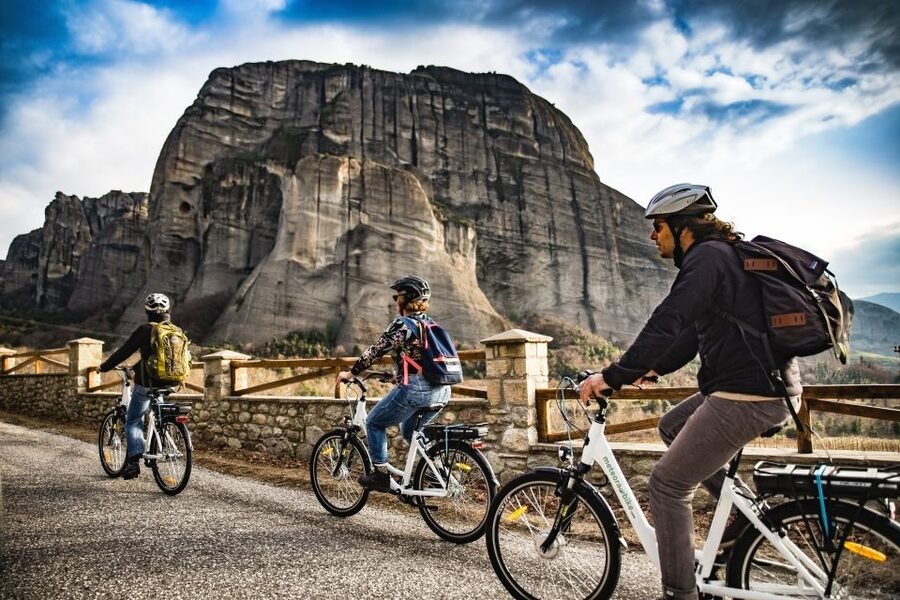
- Electric assistance for real hills so you can enjoy the stops, not just the climb
- Guided sightseeing with lots of photo breaks across the rocks and valley views
- Monastery access plus smart route coverage of all six functional monasteries from outside areas
- Choose to visit three working monasteries, so you control how much time you spend on tickets and stairs
- Small or private groups for personal attention and easier moving around
- Eco-friendly approach that respects monastic life and nature
Why an e-bike is the smart way to see Meteora
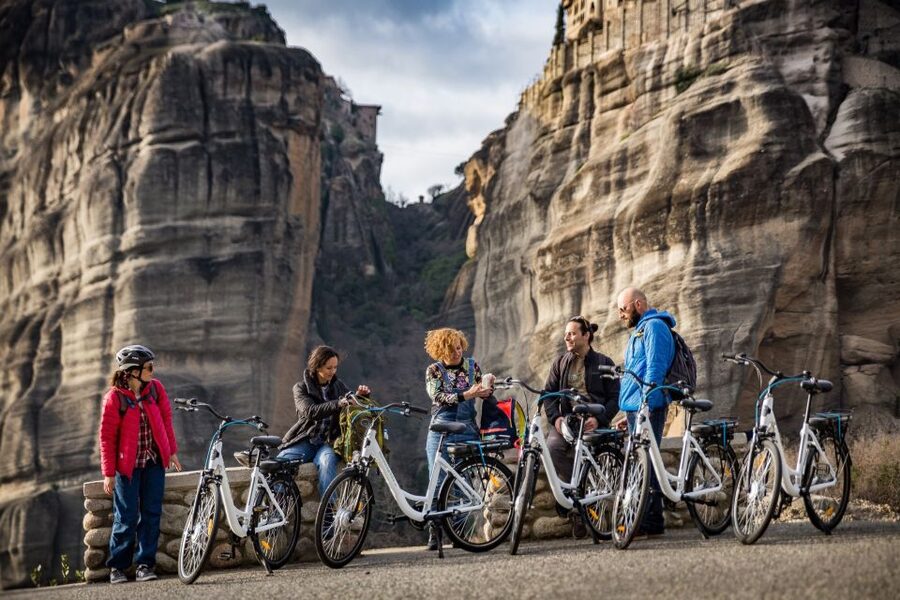
Meteora is famous for its monasteries perched on top of towering rock formations. The catch is the same everywhere: you’re surrounded by steep slopes and curving roads, and it’s easy to waste your time waiting or parking.
That’s where an e-bike changes the game. The motor assistance helps you ride uphill with minimum effort, so you don’t arrive at viewpoints sweaty, out of breath, and annoyed. You’re more likely to actually look up at the monasteries and down into the valley instead of just thinking about your legs. It also helps you keep the tour enjoyable even if the route gets a bit demanding.
The other big win is how the tour style feels. Being on a bike means you move with the day—stop when something catches your eye, restart without hunting for a car spot, and take the scenic path instead of squeezing between other vehicles.
And yes, you still ride. It’s not a scooter. You’ll pedal, you’ll steer, and you’ll get the satisfaction of covering ground under your own control—just with the hills handled for you.
Starting in Kalambaka: where you’ll meet and what the timing looks like
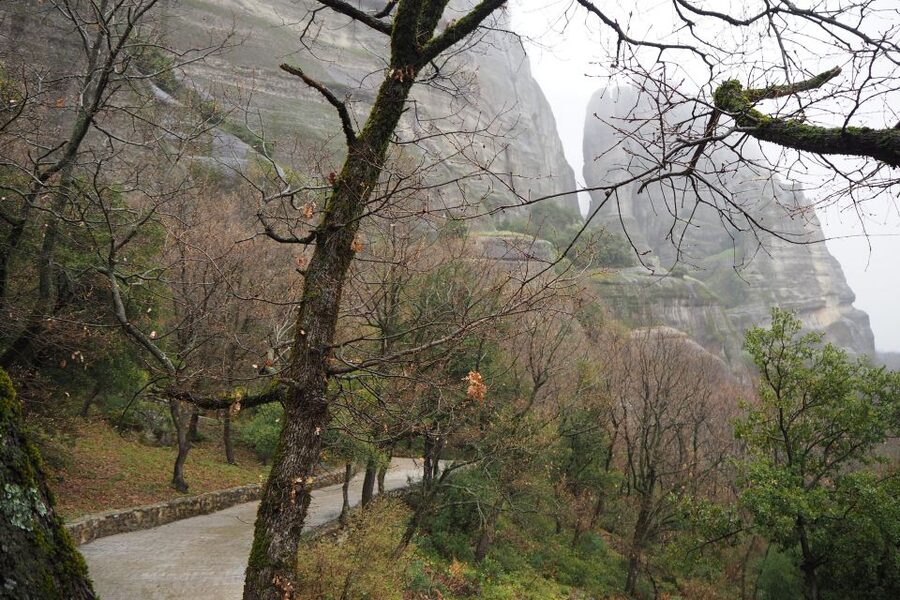
The tour starts from the center of Kalambaka, just below the Meteora rocks. The meeting point is on Ioanninon street 3, opposite the town hall, where Meteora E-bike Tours operates. The ride typically begins around 9:00 am, and it finishes back at the same spot at about 1:00 pm.
That “back where you start” detail matters more than it sounds. You don’t have to solve transport for the return, and the day stays simple. If you’re trying to fit Meteora into a tight itinerary, this is the kind of half-day plan that plays nicely with lunch plans and other sights.
Plan for sun. Bring sunglasses and sunscreen. This area gets bright, and you’ll be outside with lots of stops.
The UNESCO zone ride: what the route does for your photos and sanity
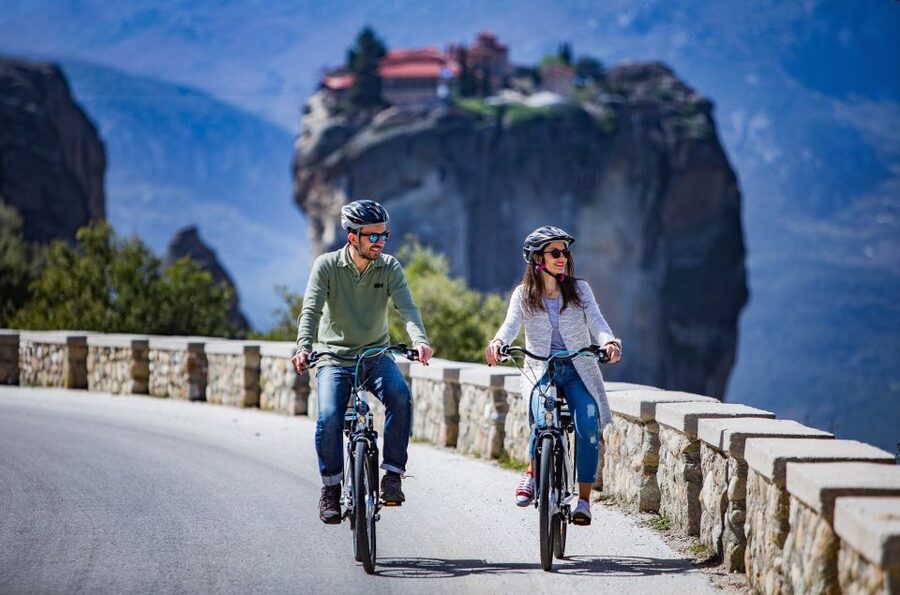
Your ride goes toward the UNESCO protected area around Meteora. The goal isn’t just distance—it’s viewpoints. Your guide stops often, so you can take pictures and actually understand what you’re looking at.
One reason people love biking here (especially if you’re short on time) is that it beats the “park, walk, rush, repeat” rhythm that can happen with a car or coach schedule. You can get further and see more without getting stuck in the slow parts of driving.
You’ll also get a safety briefing before you start moving in earnest. That gives you confidence with bike handling, and it helps the group flow smoothly. The ride itself is guided, so you aren’t left wondering where to go next.
Also, the tour is designed to work in real weather. If it rains, the tour still runs and you’ll get a raincoat. That means you don’t lose your morning to one grey cloud and a dramatic Meteora mood swing.
Stop-by-stop: how the monasteries work in a half-day format
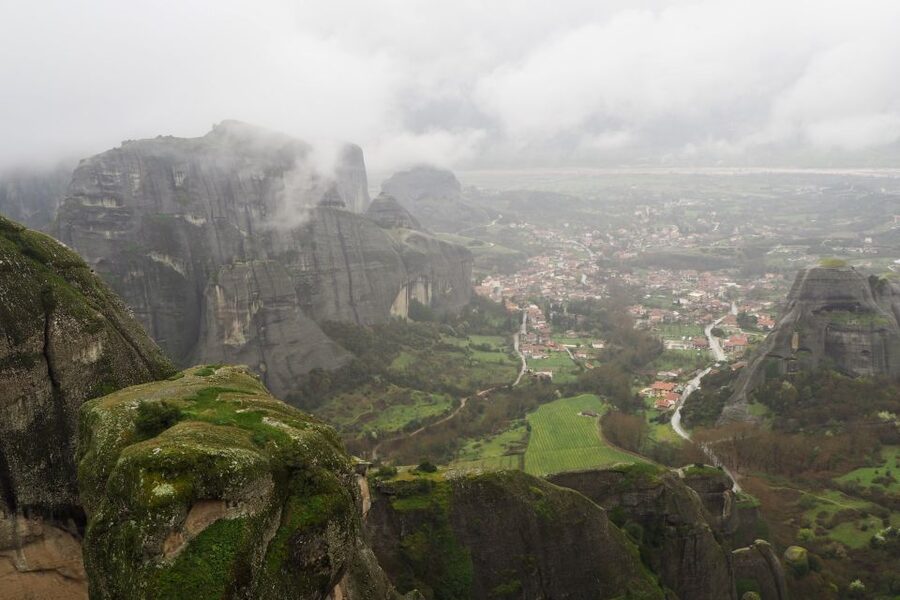
Meteora isn’t one monastery—it’s a whole cluster of them. The tour coverage is built around that fact.
You’ll cover areas associated with all six functional monasteries and also see remains of older monasteries and hermit caves along the way. The outside route coverage is useful because it helps you connect the geography to the monastic story.
Then comes the part that gives you control: you can choose to visit three of the operating monasteries. That’s a smart design for a 4-hour experience. It prevents the day from turning into nonstop stairs and ticket lines, and it lets you decide how much time you want for inside visiting versus viewpoints.
What you’ll likely visit (and how to plan for tickets)
Entry ticket pricing isn’t included, and you’ll pay directly at the monasteries: €3 per person per monastery, and cash is required (credit cards aren’t accepted). Since you choose three operating monasteries, expect about €9 total if you visit three.
Dress matters for entering. For monastery visits:
- Women should wear a long skirt
- Men should wear trousers or shorts below the knee
If you show up in anything too short, you might have to improvise on the spot, so it’s worth packing accordingly.
One highlight from a past group: their three stops included Varlaam and St Stephanos. That doesn’t mean every group picks the exact same trio, but it’s a good clue that these are among the types of monasteries the tour can bring you to.
Inside visits vs guided inside tours
You’ll get a guided tour approach outdoors with explanation and stops. What you don’t get is a guided tour inside the monasteries. So if you’re hoping for someone to walk you through every church detail step-by-step, you’ll want to spend a bit of your own time reading signs and soaking in the atmosphere once you’re inside.
What your guide teaches you while you ride
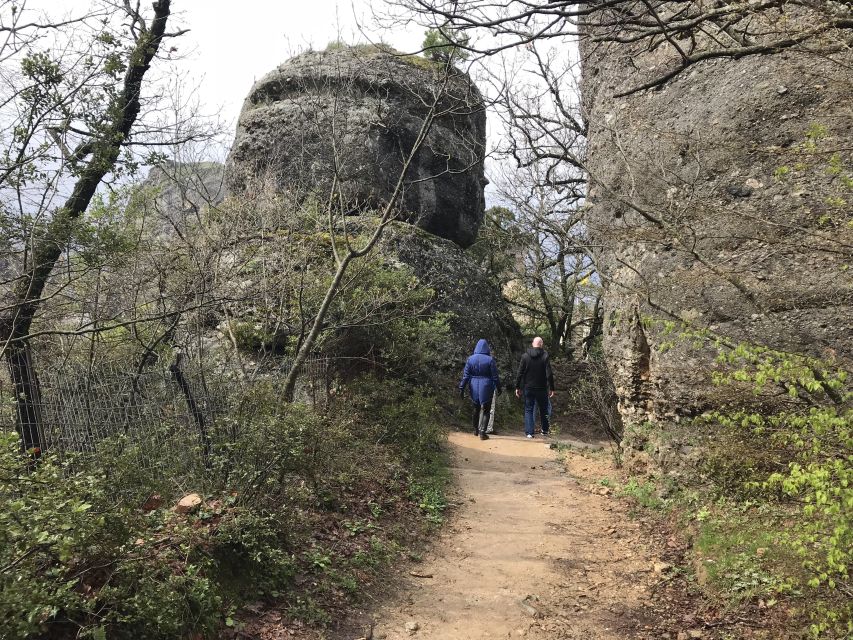
This is where the tour becomes more than sightseeing. You don’t just stop and take photos; you learn what you’re seeing.
Expect explanations about:
- Geology: why these rock pillars look the way they do
- History and culture: how people shaped life here
- Religion: how monastic living fits into the dramatic setting
Vasilis is specifically mentioned for being friendly and highly informative, with a pace that includes plenty of stops rather than rushing. The guides also point out smaller details that most people miss when they’re moving around by car, like where Game of Thrones was filmed (it’s brought up during the ride).
That kind of commentary can be hit-or-miss on tours, but here it adds meaning. You start to see the monasteries as part of a bigger system—rock, access, faith, and endurance—rather than isolated scenic stops.
Photo stops: the best part of Meteora when you want fewer crowds
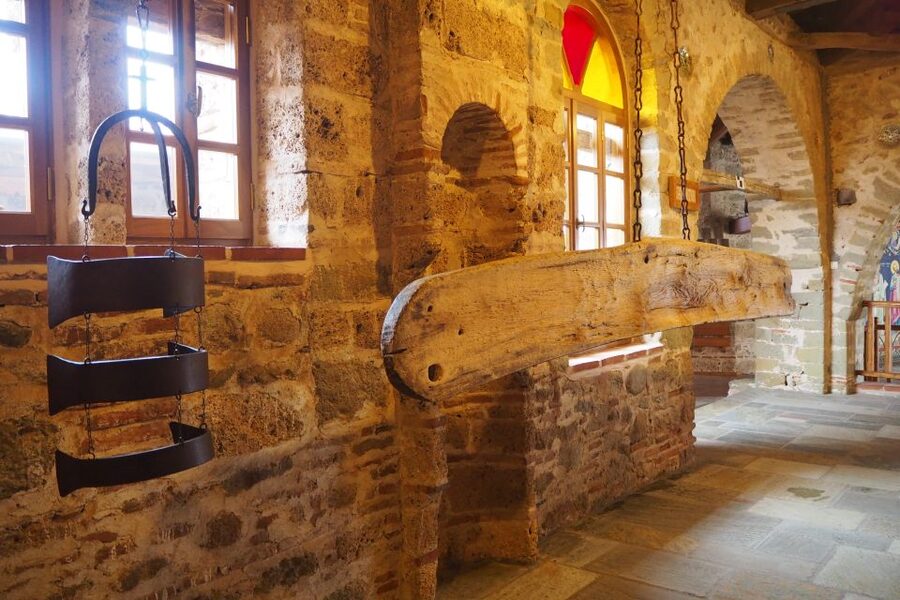
A lot of Meteora experiences force you into the same timing as everyone else. This tour is built around frequent stops, so you can step off the bike, frame your shot, and take a second look.
What I like about this structure is that it matches how you actually explore. You see a viewpoint, you look closer, you reposition for a better angle. Then you move on—no frantic sprint back to the car.
If you’re the type who checks the weather and then commits to an early start anyway, this is the kind of tour that rewards you. The timing and the bike format help you get those clean views without feeling like you’re constantly stuck.
Included comforts: helmet, snack, water, and rain gear
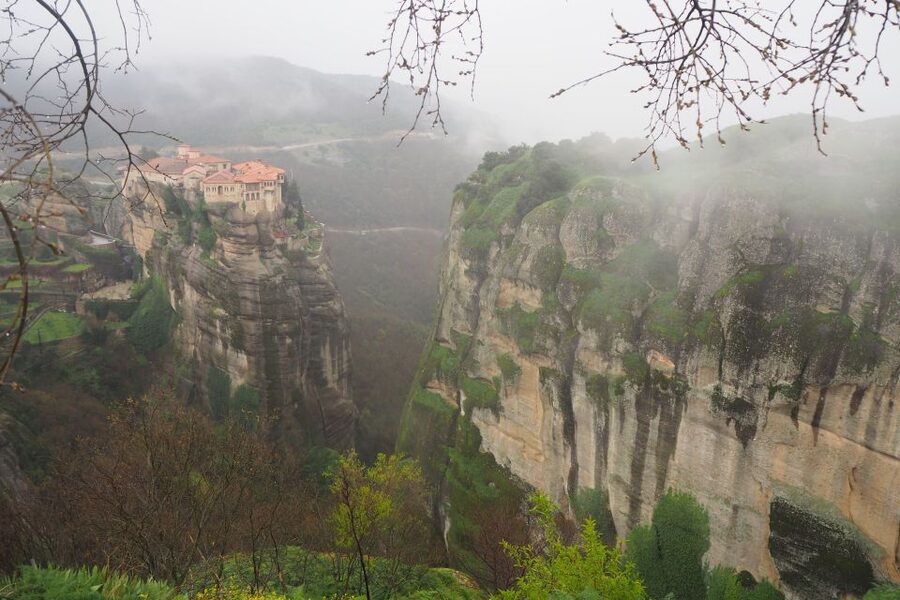
The small included items make a real difference when you’re on a schedule.
You get:
- an electric bicycle
- helmet
- tour leader
- a light snack and water
- a raincoat if needed
You won’t need to carry everything yourself. One detail that stands out: the guide brings the snack and water from a cooler. That’s simple, but it prevents the common “did we pack enough?” stress.
Still, it’s smart to bring sunglasses and sunscreen as listed. Those are your personal extras, and they help even if the tour provides basic hydration.
Price and value: is $51 a good deal?
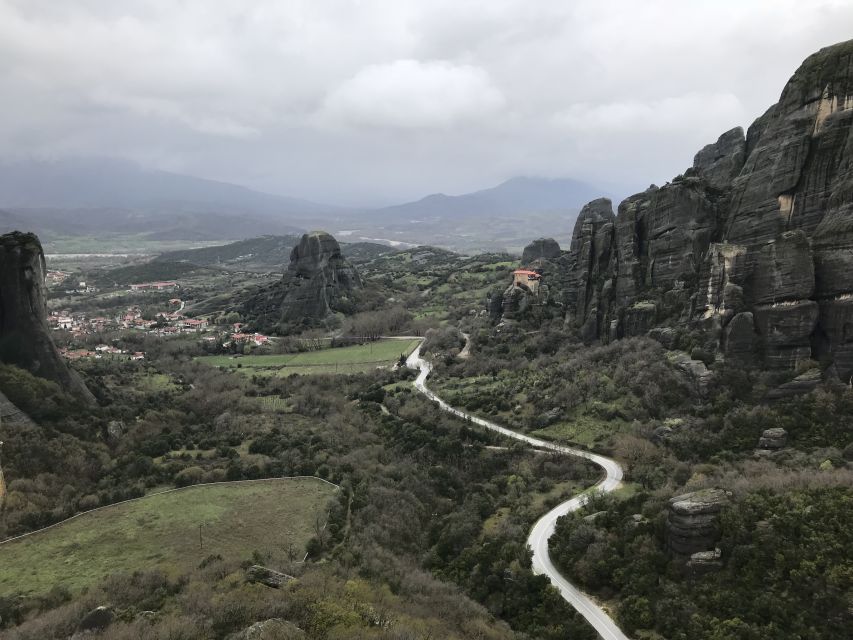
At $51 per person for about 4 hours, this isn’t the cheapest way to do Meteora. But it’s also not just a “bike rental.” You’re paying for:
- the e-bikes with motor assistance
- a helmet and safe setup
- guided explanations with lots of stops
- small-group or private attention (when available)
- snack, water, and raincoat
For value, consider what you’d spend and lose if you did it another way:
- If you drive, you’re paying for parking stress and time.
- If you go by coach, you often get less flexibility to stop for photos and questions.
- If you try to DIY by bike, you still need navigation and a way to understand the area without missing key context.
Also, the tour includes coverage of the broader UNESCO area and helps you choose three monasteries in a timed slot. That’s a big help if you’re on limited time but still want the feeling of experiencing Meteora, not just ticking off stops.
Add in monastery entry fees (about €3 each) and you’ll still be doing a lot of guided value for the money.
Who this tour is best for—and who should skip it
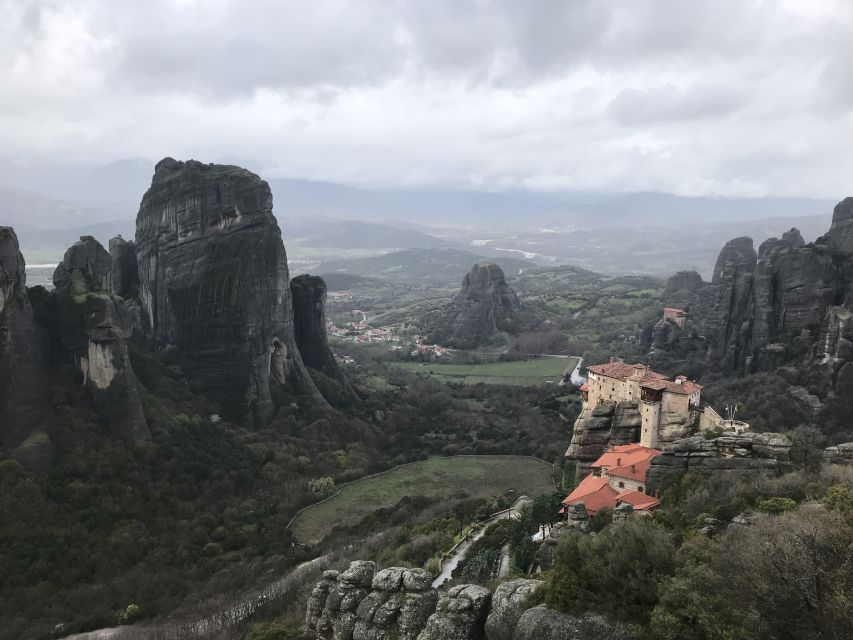
This works especially well if you:
- want a serious amount of viewing in a half day
- like photo stops but hate rushing
- want an easier climb thanks to electric assistance
- enjoy learning while you move (history, culture, religion, geology)
It can be a less good fit if you:
- have heart problems (listed as not suitable)
- are pregnant (listed as not suitable)
If you’re generally healthy and comfortable on a bike, the motor assistance makes this much more accessible than a traditional cycling approach. Still, you should plan to ride, stop, and walk into monasteries based on the dress guidance.
Quick practical tips before you go
A few small things make the morning smoother:
- Wear clothing that matches the monastery entry rules (long skirt for women; trousers or shorts below knee for men).
- Bring a little cash, since monastery tickets cost €3 each and credit cards aren’t accepted.
- Bring sunglasses and sunscreen—you’ll be outside with frequent stops.
- If rain is possible, don’t panic. Raincoats are provided and the tour runs in wet weather.
And if you’re photographing seriously, give yourself time to stop twice. The best angles often come after you look once, then reposition.
Should you book the Meteora Electric Bike Tour?
I’d book it if you want the easiest, most time-efficient way to experience Meteora with guidance and viewpoints that don’t feel rushed. The electric assistance lets you focus on the monasteries and the scenery instead of fighting hills, and the small-group feel makes it easier to get answers.
I’d think twice if you really hate bike riding, can’t handle the walking inside monastery sites, or fall into the listed not-suitable categories (pregnancy or heart problems). Also, make sure you’re ready for extra cash for monastery tickets.
If your goal is to see Meteora in one well-run morning—with photo stops, context, and a calm pace—this is a strong choice.
FAQ
How long is the Meteora e-bike tour?
The tour lasts about 4 hours and typically runs from around 9:00 am until about 1:00 pm. Starting times can vary, so check availability.
Where do I meet for the tour in Kalambaka?
You meet at Ioanninon street 3, Kalambaka 42200, opposite the town hall, at Meteora E-bike Tours.
Does the tour visit monasteries inside, and are entry tickets included?
Entry tickets for each monastery are not included, and guided tours inside the monasteries are not included. The tour includes visiting and guided sightseeing, with you able to choose to visit three operating monasteries.
How much are monastery entry tickets, and can I pay by card?
Monastery entry tickets cost €3 per person for each monastery. You need cash, because credit cards aren’t accepted.
What should women and men wear for monastery visits?
Women should wear a long skirt. Men should wear trousers or shorts below the knee.
Is the tour run in the rain?
Yes. The tour runs even in rain, and raincoats are provided.
What’s included in the price?
The tour includes an electric bicycle, a helmet, a tour leader, a light snack and water, and a raincoat if needed.
What should I bring with me?
Bring sunglasses and sunscreen. If you plan to enter monasteries, bring cash for entry tickets.
Is the tour suitable for everyone?
It is not suitable for pregnant women or people with heart problems. It’s also recommended to have the ability to ride and visit sites on foot as needed.
What languages are available for the tour guide?
The live tour guide speaks English and Greek.