REVIEW · AVARUA
‘Discover’ Rarotonga Cycling Tour with Lunch
Book on Viator →Operated by Storytellers Eco Cycle and Walking Tours · Bookable on Viator
Two wheels, a local guide, beach lunch. This Rarotonga cycling tour with lunch is a relaxed way to see more than just the main road, with time for village backroads, island stories, and a proper meal at the end of the ride. I especially like how the pace leaves room for conversation and small stops along the way, plus the big payoff of lunch followed by a swim off a quiet beach.
The tour also has a simple catch: it needs good weather. If rain rolls in, the ride can get cut short and the day may change, so pack patience along with your water bottle.
In This Review
- Key highlights worth caring about
- Entering Rarotonga by bike: why this feels more local
- Tumunu Garden Bar start: the rhythm of the Arorangi backroads
- How 3 hours of cycling turns into real views (not bike boredom)
- The lunch plan: local food, then a beach swim reset
- Bikes, helmets, and the water bottle you actually need
- Who this tour suits best (and who should think twice)
- Price and value: what $76.95 buys you in the real world
- When you should book it: my practical recommendation
- FAQ
- FAQ
- How long is the tour, and how much of it is cycling?
- Is hotel pickup and drop-off included?
- Where does the tour start and where does it end?
- Are bikes and helmets included?
- Is lunch included, and is bottled water provided?
- What should I bring for the ride?
- Do I need good weather for this tour?
- How big is the group, and is there a minimum age?
Key highlights worth caring about
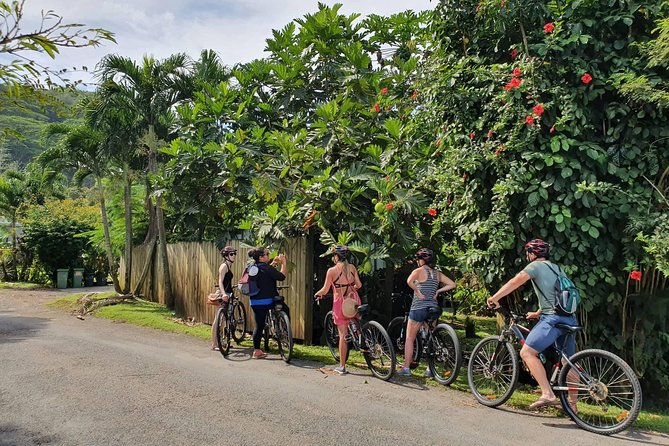
- Backroads over main roads for an easier feel and better photo moments than typical sightseeing loops
- Story-first guiding with culture, history, folklore, and traditions tied to what you pass
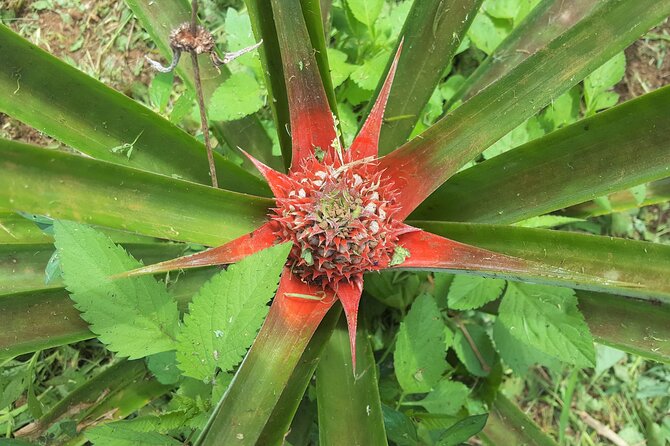
- Hands-on nature moments like fruit tasting, plus plant talk and friendly questions (including coconut-husking-style fun)
- A real lunch break at a local restaurant, then off to a secluded beach swim
- Small group size (max 10) so the guide can slow down for your comfort level
- All equipment included: well-maintained bikes and helmets, plus hotel pickup and drop-off
Entering Rarotonga by bike: why this feels more local
Rarotonga is compact, but it still has that island rhythm where you notice the details only when you move at a human pace. This tour keeps things easy and social. You’re cycling long enough to feel like you did something, but not so long you’re spending the whole day gasping for air like you’re chasing the bus.
What makes it work is the combo: a local guide’s commentary plus the route choosing quieter lanes. You’ll ride past places and neighborhoods tied to everyday island life, and your guide will connect the dots with stories about culture, history, folklore, and traditions. That’s the difference between seeing Rarotonga and understanding why it looks the way it does.
Also, the guided style tends to be interactive. From what I’ve learned about how guides run this type of tour, you should expect room for questions and small detours if your group is curious. In past departures, guides like Corrina (also seen as Cortina) have been praised for mixing history and politics with plant knowledge, and that kind of storytelling is exactly what turns a scenic ride into a memorable morning.
One more reason I like this format: it’s structured, but still flexible. If the group wants more time at a stop or has different interests, the guide can usually adjust the pace so nobody gets left behind.
Tumunu Garden Bar start: the rhythm of the Arorangi backroads
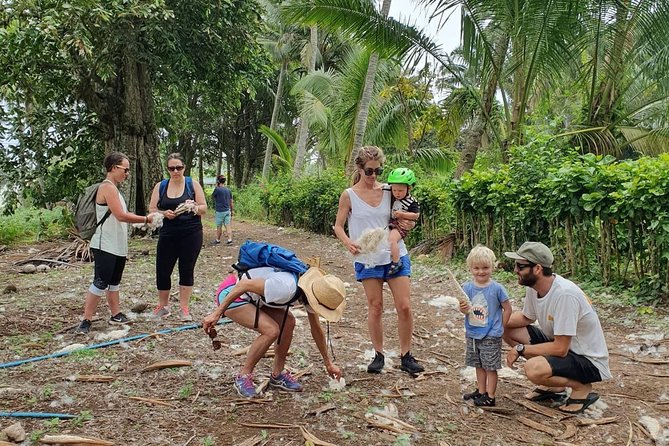
You’ll start at Tumunu Garden Bar and Restaurant in Arorangi. The whole vibe at the start is low-pressure. You get your bike and helmet, then you settle in before you head out onto the backroads.
The early portion focuses on Arorangi and nearby sights. You may pass or stop near things like the prison, Black Rock, Arorangi CICC Church, a palace area, and Raemaru Park. Even if you don’t have every place memorized, the guide’s running narration helps you place what you’re seeing in real context: how villages sit on the island, what life looks like off the main corridor, and why certain landmarks matter to locals.
This is where the tour’s “easy” label actually makes sense. The route is built around manageable riding and repeated chances to rest. That matters on Rarotonga because the roads can feel tight and the island sun can be sneaky. You want enough breaks to stay comfortable, and this plan gives you those pacing moments.
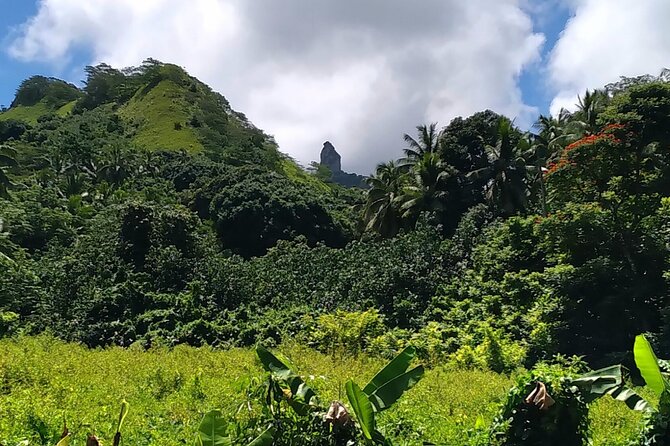
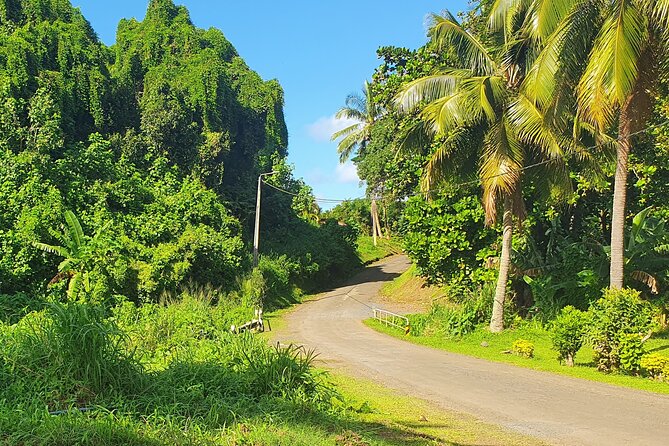
If you’re wondering whether you’ll be stuck on busy roads: the answer is usually no. The ride is designed to go through lanes with scenery like mountains, gardens, and everyday life—so you’re not constantly battling traffic noise.
How 3 hours of cycling turns into real views (not bike boredom)
The total tour time is about 4 hours, with roughly 3 hours of biking. Distance is in the range of about 5 to 7.5 miles (8 to 12 km). That’s the sweet spot. You get movement, but you still feel fresh enough to enjoy lunch and a swim afterward.
The best part of this kind of timing is how it matches island weather. In the Cook Islands, mornings often feel more forgiving, and you’re back with time left in your day. You’re not committing to a full half-day of suffering for the sake of bragging rights.
From the way guides have handled different group fitness levels, you can expect that the leader won’t push you beyond what feels comfortable. One strong theme in the feedback is that guides pay attention to ability level and don’t turn this into an accidental endurance event.
Practical takeaway for you: wear sturdy shoes. It’s not a fashion show ride, and your feet will thank you when you’re stopping and hopping around for photos or brief walks.
The lunch plan: local food, then a beach swim reset
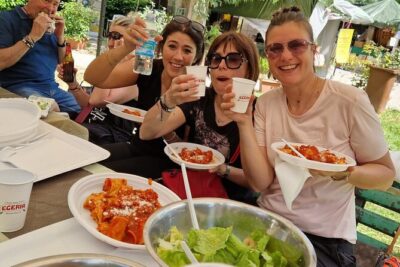
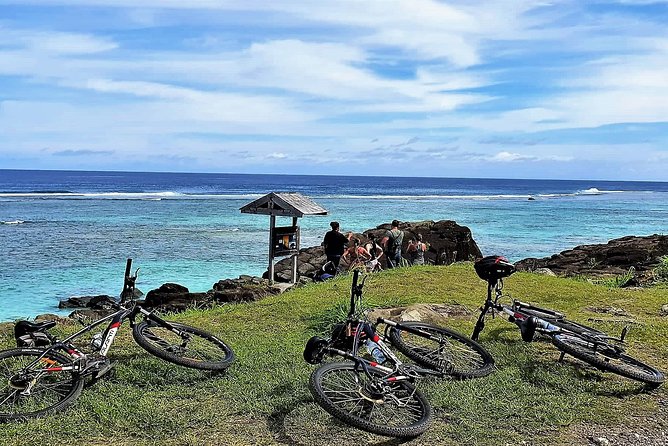
After the biking portion, you stop for a traditional lunch at a local restaurant. Lunch is included, and it’s not treated like an afterthought. The day is designed so you arrive hungry and leave satisfied.
In some departures, the lunch stop has been called out as something like the Falafel Hut, and other comments describe the food as a homemade-style spread. The exact menu will depend on the day, but the important point is the setting: a real meal stop, not just snacks and a sugar rush.
Then comes the part people remember. You get to wash off the dust with a swim at a secluded beach. That swim reset is what makes this tour feel like a mini holiday within your holiday. You cycle in the morning, eat with locals, and then trade bike sweat for ocean water.
What I’d do in your shoes: pack or plan for swim gear. If you’re wearing flip-flops or anything you can’t walk in, switch to something sturdy. You’ll likely want to move easily from the bike world into beach world.
Bikes, helmets, and the water bottle you actually need
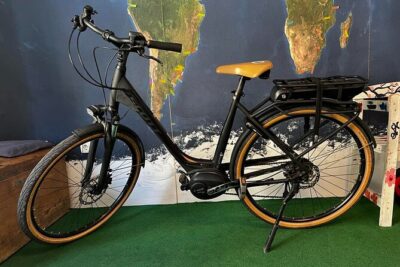
You get use of the cycling equipment included, including well-maintained bicycles and helmets. That takes one big headache off your list: you don’t need to rent gear or worry if the brakes are going to test your trust.
There’s also a specific tip for water. You should bring a 600–800ml water bottle, sized to fit in the bottle cage on the bike. Bottled water isn’t included, so bring your own. This isn’t a minor detail in Rarotonga—hydration matters, and it’s better to arrive prepared than to ration sips until the next stop.
If you’re thinking about “Do I need a lot of stuff?”—no. But do come ready for a half-day outdoors, with comfortable clothes, shoes you can cycle in, and water.
Who this tour suits best (and who should think twice)
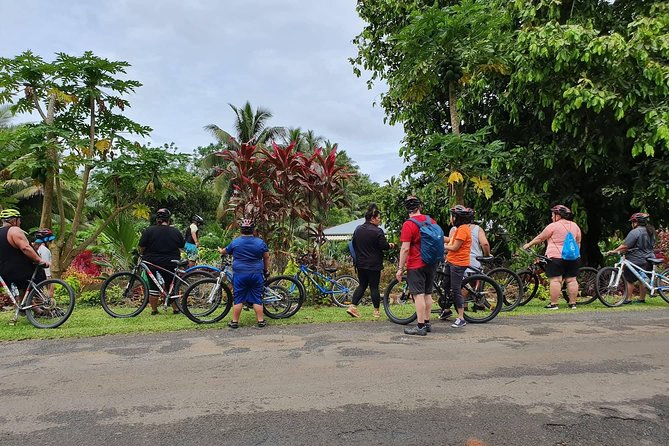
This is a great fit if you want:
- A relaxed cycling experience with frequent chances to stop and look
- A guided route through villages and backroads, not just a quick drive-by
- A morning plan that ends with lunch plus a swim
- Small-group attention (max 10 people) so you can ask questions and go at your pace
It’s also a solid family option in the sense that children must be accompanied by an adult, and the tour states that most travelers can participate. One key detail: the minimum age is 2 years old. That doesn’t automatically mean every toddler experience is comfortable, but it does indicate the tour operator isn’t pitching this as a strict adult-only athletic grind.
Who should think twice? If you’re only comfortable cycling on very predictable surfaces or you’re very sensitive to weather swings, the weather requirement can be a concern. Good weather is required, and rain can change the plan. If you’re traveling with tight schedules and fear weather disruptions, have a flexible mindset.
Price and value: what $76.95 buys you in the real world
At $76.95 per person, you’re paying for more than a bike. You’re paying for:
- A guide who talks and manages stops
- Included bike + helmet
- Hotel pickup and drop-off
- Lunch
- The beach swim stop as part of the program
That value matters because on Rarotonga, the “hidden costs” can add up fast: gear rental, transport, and figuring out where to eat. Here, the structure is doing the planning work for you. If you’re staying near Avarua and want an efficient morning activity without guessing, this pricing can feel fair.
You also get a capped group size (maximum 10), which is a real value factor. In a small group, you’re not just sitting with a headset and hoping the guide remembers you exist.
One note on value-versus-comfort: bottled water isn’t included. That’s not a deal breaker, but budget a small add-on and bring your bottle for the bike.
When you should book it: my practical recommendation
I’d book this if you want an island morning that mixes movement, stories, and a payoff you can feel—lunch and a swim. It’s especially worth it if you’d like a local guide who can explain not only what you’re passing, but also why those places and traditions matter.
Skip it if you’re planning a very weather-sensitive itinerary and can’t handle a change of pace if rain shows up. Otherwise, this is a smart, good-value way to experience Rarotonga beyond the obvious stops.
FAQ
FAQ
How long is the tour, and how much of it is cycling?
The tour runs about 4 hours total, with about 3 hours of biking. The cycling distance is roughly 5 to 7.5 miles (8 to 12 km).
Is hotel pickup and drop-off included?
Yes. Round-trip hotel transportation is provided.
Where does the tour start and where does it end?
Weekday tours start at Tumunu Garden Bar and Restaurant in Arorangi and can finish at Rutaki Public Beach. You’ll then be transferred back to the start point or your accommodation for drop-offs.
Are bikes and helmets included?
Yes. You’ll have use of cycling equipment, including well-maintained bicycles and helmets.
Is lunch included, and is bottled water provided?
Lunch is included. Bottled water is not included, so bring your own and use the bike’s bottle cage if possible.
What should I bring for the ride?
Wear sturdy shoes for cycling. Bring a 600–800ml water bottle that fits the bottle cage. Plan for a swim since there’s a beach stop.
Do I need good weather for this tour?
Yes. The experience requires good weather, and if it’s canceled due to poor weather, you’ll be offered a different date or a full refund.
How big is the group, and is there a minimum age?
The maximum group size is 10 travelers. The minimum age is 2 years old, and children must be accompanied by an adult.