REVIEW · LUCCA
From Lucca to Pisa: Self-Guided Bike Tour
Book on GetYourGuide →Operated by Tourist Center Lucca · Bookable on GetYourGuide
Two wheels make Tuscany feel close. This Lucca to Pisa ride is self-guided, so you set the pace while the phone app keeps you pointed along the Serchio River corridor and out toward the Monti Pisani. I like that the bikes come ready to go with a handlebar phone holder, so you’re not hunting for directions every few minutes.
What I really like is the mix of effort and ease: an e-bike gives you extra help, but you still feel like you’re cycling through real countryside rather than getting shuffled around on a bus. I also love the payoff at the end in Piazza dei Miracoli, where you can line up that iconic Leaning Tower photo when you arrive on two wheels. One note: the route is mostly easy/intermediate, but it’s not a brand-new smooth bike path the whole way, and phone battery can take a hit while you follow GPS.
In This Review
- Key Points to Know Before You Ride
- Why Lucca to Pisa on a Bike Feels Like Real Tuscany
- Starting at Lucca Train Station: The Setup That Makes or Breaks the Day
- The Outbound Ride: Serchio River Scenery and Monti Pisani Connections
- San Giuliano Terme Stop: A Worthwhile Break at About 20 km
- Arriving in Pisa: Piazza dei Miracoli and the Tower Photo Timing
- Returning to Lucca: Bike Back or the 25-Minute Train
- Bikes, Phone Holder, and That Real World Battery Check
- Price and Value: What $34 Buys You (and What It Doesn’t)
- Who Should Book This Lucca–Pisa Bike Tour
- Should You Book This Lucca to Pisa Bike Day?
- FAQ
- How long does the Lucca to Pisa ride take?
- How far is the ride?
- What kind of bikes are included?
- Where is the meeting point?
- Is the route hard?
- Who can ride an e-bike?
- Is there a stop on the way to Pisa?
- How do you return to Lucca?
- What’s included in the price, and what’s not?
- Is free cancellation available?
Key Points to Know Before You Ride
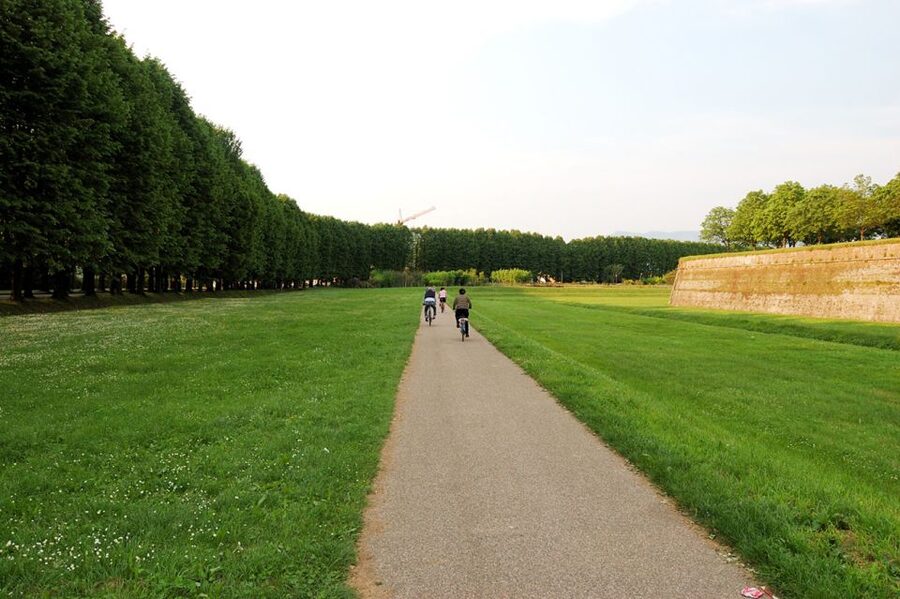
- Self-guided with a GPS app: the itinerary is built into the smartphone directions, and the bike has a phone holder.
- Serene scenery with practical road choices: you’ll ride along the Serchio River on secondary roads, with only short stretches involving busier connections.
- A useful halfway break at San Giuliano Terme: around 20 km in, you stop for a drink in the central square by the spa area.
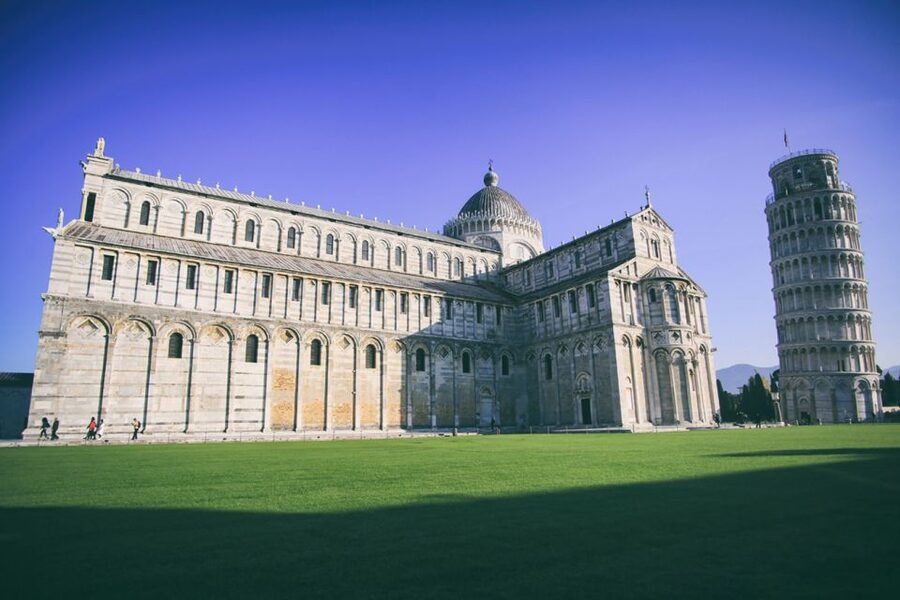
- Pisa’s photo moment is the finish line: the tour ends in Piazza dei Miracoli by the Leaning Tower.
- Return by bike or train: you can ride back directly or take a 25-minute train ride with bike storage wagons.
Why Lucca to Pisa on a Bike Feels Like Real Tuscany
Lucca and Pisa are popular for good reason, but seeing them from ground level at bike speed changes the whole story. This day trip gives you countryside time first, then hands you Pisa right at the moment your legs are warmed up and your eyes are ready for big sights.
The ride is built around a simple idea: follow the provided directions, pedal at an easy rhythm, and let the scenery do the work. You’re cycling through areas around the Monti Pisani, and you’ll get a gentle sense of how the region connects towns, fields, and river edges. If you like your travel days to feel active but not stressful, this hits the sweet spot.
The other thing I like is the “family-friendly” vibe. The tour is designed as an easy/intermediate journey, and there’s enough support with e-bikes that you’re not forced into tour-helmet misery from the start.
You can also read our reviews of more tours and experiences in Lucca.

Starting at Lucca Train Station: The Setup That Makes or Breaks the Day
You meet just outside the Lucca train station, on the left side of the square. That’s actually a great location, because you’re right where you’d be if you were hopping trains anyway, and the bikes are easy to manage when you’re starting and returning.
The package includes a trekking bike or an e-bike, a bike lock, a repair kit, and a phone holder for your handlebar. That gear matters more than you might think. A lock means you can stop and wander in Lucca and Pisa without playing luggage Tetris, and a repair kit is peace of mind on a route that includes dirt and asphalt.
At pickup, expect the shop staff to help you get rolling—one owner named Gianluca is specifically mentioned as taking time with instructions. The best move is to ask them to help you confirm the route on your phone, and make sure the app is ready before you roll away.
The Outbound Ride: Serchio River Scenery and Monti Pisani Connections
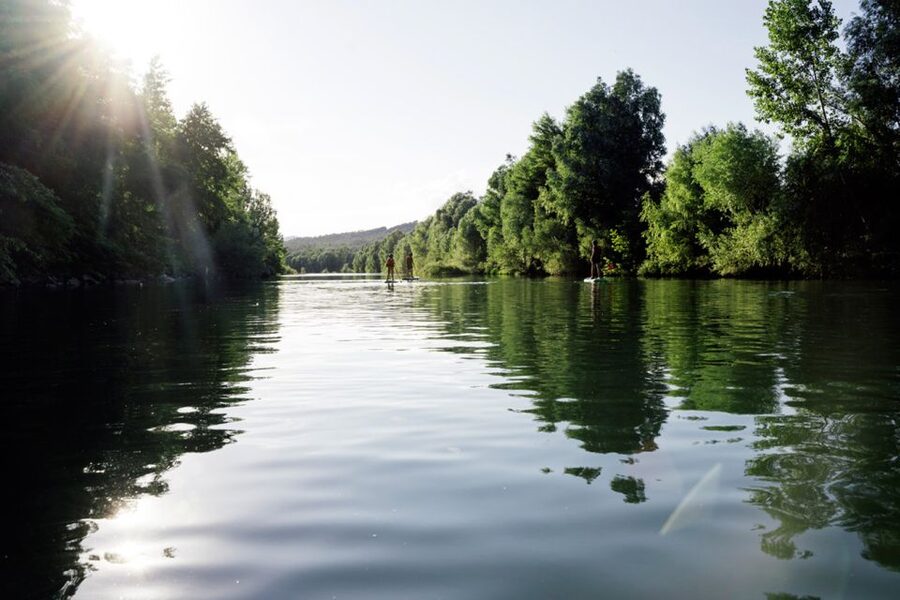
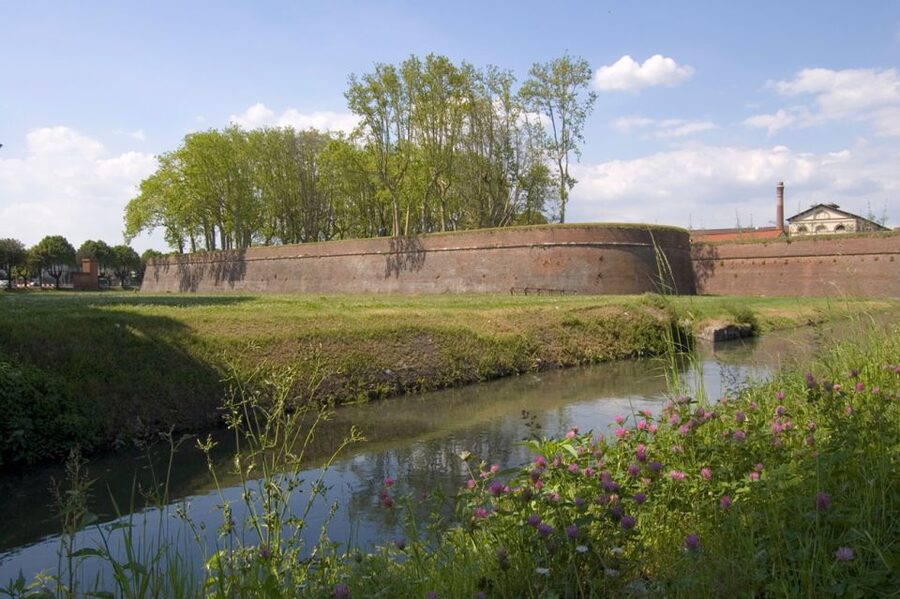
The main ride from Lucca to Pisa takes between 2 and 4 hours, depending on how often you stop and how steady you pedal. The route is about 33 kilometers, and it’s described as a mix of dirt and asphalt roads, with secondary roads and scenic stretches around the Monti Pisani.
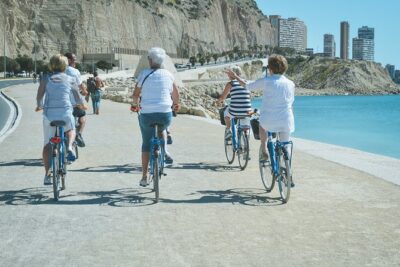
In practice, the ride feels calm and visual. You’re following the Serchio River and cycling along country roads, and the goal is to keep you on safer, quieter corridors as much as possible. One thing to remember: there can be brief moments on busier roads and a few roundabouts, but multiple people note those moments are limited, and cars tend to respect cyclists.
Here’s the practical part: bring water and plan to start with decent battery and focus. The app directions guide you step-by-step, and the bike’s phone holder makes it much easier than trying to mount a phone on the fly while you’re moving.
Also, pay attention to the surface changes. Reviews mention sections that go over hard-pack dirt and pavement. It’s not technical mountain biking, but it is enough variety that you’ll want to ride with awareness, not on autopilot.
San Giuliano Terme Stop: A Worthwhile Break at About 20 km
After roughly 20 kilometers, the itinerary includes a stop at San Giuliano Terme. The idea is simple: you take a break in the charming central square in front of the spa area, grab a refreshing drink, and reset your rhythm before the final stretch toward Pisa.
I like this stop because it’s not just a random waypoint. It’s close enough to the midpoint to keep the ride comfortable, but late enough that you’re ready for something cold after the first push. It also gives you a mental milestone: once you’ve taken your drink break, the “last miles to the Leaning Tower” stops feeling like an open-ended promise.
Timing tip: if it’s warm, treat the stop as part of your heat strategy. People cycling in high temperatures mention that the ride stays manageable, but it’s smart to pause, drink, and let your body cool down a bit.
Arriving in Pisa: Piazza dei Miracoli and the Tower Photo Timing
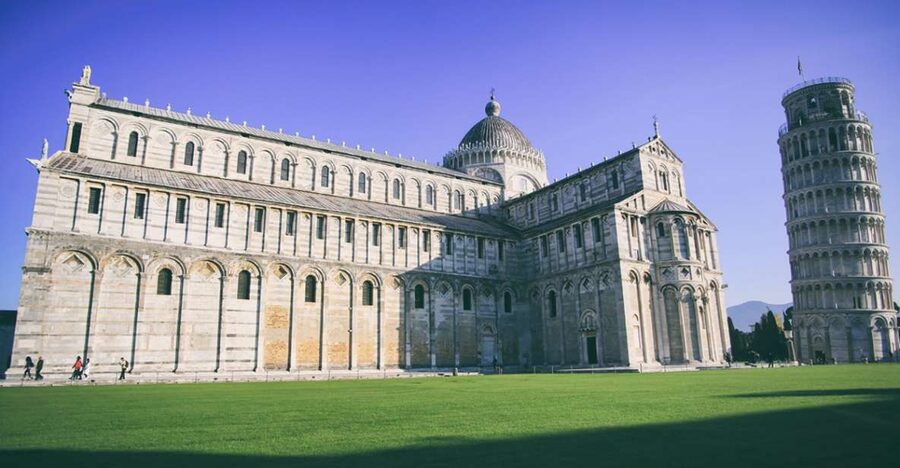
Your ride ends in Piazza dei Miracoli, right in front of the Leaning Tower of Pisa. This is the payoff moment, and arriving by bike makes it feel less like an instant tourist stamp and more like you earned your way into the plaza.
I’d plan a couple of slow minutes even if your main goal is a photo. The piazza setup gives you multiple angles to find the exact “tower leaning” view, and you’ll also want a moment to orient yourself before you head into the rest of Pisa.
One practical note that came up in the experience details: the walk from Pisa’s train station to the tower area isn’t a quick hop. People describe it as at least a 30-minute walk, so if you’re doing a bike return and then need to see Pisa afterward, it’s worth thinking about how you’ll move between the station and the main sites.
If you’re sensitive to walking long distances after riding, that’s a key reason this bike plan feels efficient.
Returning to Lucca: Bike Back or the 25-Minute Train
You’ve got two return options. You can ride back by bike on a direct route, or you can take the train ride that runs about 25 minutes.
Trains are especially handy if you want Pisa time without turning the day into a pedal marathon. The bikes are designed to fit into the train’s storage wagons, and train tickets can be purchased in advance from the local partner.
One detail to take seriously: these are not tiny city bikes. They can be big, and one review notes they don’t fit in an elevator. The practical takeaway is to be prepared to carry your bike down from the train in Lucca. On the brighter side, there’s a ramp to help you exit the station area.
If you’re returning by bike, start early enough that you’re not rushing when the light fades or heat kicks in. One person specifically warns that timing matters if you want to bike back.
Bikes, Phone Holder, and That Real World Battery Check
This tour includes either a trekking bike or an e-bike. E-bikes are available for people over 155 cm and over 14 years old. Trekking bikes are available for people over 150 cm.
The e-bike setup is a major reason this route works for lots of fitness levels. The added motor help turns “I hope I make it” into “I can enjoy the view.” Reviews repeatedly point out that e-bikes are well maintained and make the ride comfortable even in heat.
You also get limits and boundaries that are worth knowing. No seat, trailer, or tag-along can be connected to the e-bike or trekking bike. Frames are guaranteed by the manufacturing company up to a weight of 130 kg, and the bike lock plus repair kit add safety and convenience.
Now, the phone part: the bikes have a cell phone holder for your handlebar, and the app provides the GPS route. That’s great—until it isn’t. Multiple people mention the app and navigation can drain phone battery quickly. If your phone battery runs low, you’ll feel it. Bring a portable battery pack or plan to keep your phone charged and not stuck at low power.
Also, if you notice confusion when switching to the return route, watch for a QR code step. One person found the return navigation tricky until they realized they needed to scan the QR code for the ride back route.
Price and Value: What $34 Buys You (and What It Doesn’t)
At $34 per person for a 1-day self-guided ride, the value mainly comes from what’s included. You’re getting the bike (trekking or e-bike), a lock, a repair kit, and the app itinerary support. You’re also getting the phone holder, which is a small feature that makes navigation realistic rather than theoretical.
What’s not included is also clear: you’ll need food and beverages on your own. The return train ticket is not included either, so if you choose train back, budget for that. That said, choosing train return can still be a time-saver worth paying for, especially if you want to explore Pisa right away.
The best way to think about it: $34 covers the hardware and guidance to get from Lucca to Pisa with minimal friction. If you were to rent a bike without guidance, you’d still have the hard part—figuring out routes that don’t turn into endless dead ends or sketchy road crossings.
This is a smart deal if you want to control your pace while still getting a plan that keeps you on the right roads.
Who Should Book This Lucca–Pisa Bike Tour
This tour is a good fit if you want an active day without the stress of guided logistics. You’re self-guided, so you can stop for a photo, pause for a drink, and ride at your own pace.
It’s also ideal if you’re the type who likes “in-between places.” You’ll see small towns and countryside rather than just moving between big-ticket sights. People mention that the ride feels great for seeing sections off the usual loop, and the Serchio River corridor gives you a satisfying sense of place.
It works well for first-time e-bike riders too, because the shop helps with setup and e-bike controls. It also suits teenagers, since the ride is described as family-friendly and people specifically mention it’s doable for youth.
If you hate mixed surfaces or you know you’ll struggle with GPS navigation on your phone, you may find the experience more tiring than expected. The app battery drain and occasional road moments mean you need to ride with some attention, not just cruise on autopilot.
Should You Book This Lucca to Pisa Bike Day?
Yes, I’d book it if you want a genuinely useful day between Lucca and Pisa: countryside cycling first, Pisa payoff at the end, and the option to return by train if you’d rather not pedal twice. The combination of the bike, the route app support, and that clear stop-and-reset moment at San Giuliano Terme makes it feel practical, not just scenic.
Skip it or switch plans if you depend on your phone battery for a full day and don’t want to carry a backup charger. Also, if carrying a bike in and out of train areas sounds like a dealbreaker for you, think carefully about the return-by-train option.
FAQ
How long does the Lucca to Pisa ride take?
The journey from Lucca to Pisa takes about 2 to 4 hours, depending on how you ride and your stops.
How far is the ride?
The route from Lucca to Pisa is about 33 kilometers of dirt and asphalt roads.
What kind of bikes are included?
You can choose a trekking bike or an e-bike, and both types come with a bike lock, a repair kit, and a phone holder for your handlebar.
Where is the meeting point?
Meet just outside the Lucca train station, on the left side of the square.
Is the route hard?
It’s described as an easy/intermediate ride. You’ll follow secondary country roads and you may have short moments on busier roads and roundabouts, but most of the route is focused on safer, quieter cycling.
Who can ride an e-bike?
E-bikes are available for riders over 155 cm and over 14 years old.
Is there a stop on the way to Pisa?
Yes. After about 20 kilometers, you stop at San Giuliano Terme for a refreshing drink in the central square in front of the spa.
How do you return to Lucca?
You can return by bike on a direct route or take the train, which is about 25 minutes. The bikes fit into the train’s storage wagons, and train tickets can be bought in advance from the local partner.
What’s included in the price, and what’s not?
Included are the bike (trekking bike or e-bike), bike lock, app with itinerary for your smartphone, phone holder, and repair kit. Not included are return train tickets and food and beverages.
Is free cancellation available?
Yes. You can cancel up to 24 hours in advance for a full refund.