REVIEW · ATLANTA
Guided Bike Tour in Atlanta with Snacks
Book on Viator →Operated by Bicycle Tours of Atlanta · Bookable on Viator
Atlanta clicks into focus on two wheels. In about 2 hours 30 minutes, this guided ride shows a quieter side of Atlanta than you’ll get stuck in traffic, while you bounce between Victorian streets, street-art stops, and major landmarks. Two things I especially liked: the ride setup is ready to go (bike, helmet, bottled water, and snacks), and the guides—like Robyn, Lisa, and Tim—keep safety tight so you’re not white-knuckling every turn.
The one thing to weigh is the ride includes hills and some stretches near normal road traffic. It’s still manageable for people with moderate fitness, but if you’re sensitive to climbing, ask about upgrading to an e-bike (some guests report being able to do this).
In This Review
- Key Things You’ll Notice on This Atlanta Bike Tour
- Why a Guided Bike Tour Is a Smart Way to See Atlanta
- Starting Point: Auburn Avenue NE and a Transit-Friendly Meet-Up
- Oakland Cemetery: Victorian Grounds With Stories That Still Matter
- Krog Street Tunnel: Atlanta’s Ever-Changing Graffiti Gallery
- BeltLine Eastside Trail: Art, Skate Parks, TinyDoorsATL, and Trail Vibes
- Inman Park: Queen Anne Streets and the Fight to Save Neighborhoods
- Jackson Street Bridge: Skyline Photos and a Pop-Culture Bonus
- Martin Luther King Jr. National Historic Site: A Guided Orientation You Can Extend Later
- Bikes, Safety, and the Small Details That Make or Break It
- Is It Worth $75? The Value Math That Actually Matters
- Who This Tour Fits Best (and Who Might Feel It Isn’t for Them)
- The Quick Stop-by-Stop Cheat Sheet
- Should You Book This Atlanta Bike Tour?
- FAQ
- How long is the guided bike tour in Atlanta?
- How much does the tour cost?
- What’s included with the ticket?
- What should I know about fitness level?
- Where do I meet, and does the tour end nearby?
- What language is the tour offered in?
- How many people are in the group?
- What stops will we see during the ride?
- What if the weather is bad or I need to cancel?
- Is gratuity included?
Key Things You’ll Notice on This Atlanta Bike Tour

- Snacks and bottled water included so you start riding fueled.
- A route designed for neighborhoods, not just big-name downtown sights.
- Safety-focused guides who help you feel steady on city streets.
- Iconic photo stops like Krog Street Tunnel and the skyline shot from Jackson Street Bridge.
- Street-art + local culture along the BeltLine Eastside Trail, including TinyDoorsATL.
- Small group size (max 18) makes it easier to stay together and ask questions.
Why a Guided Bike Tour Is a Smart Way to See Atlanta
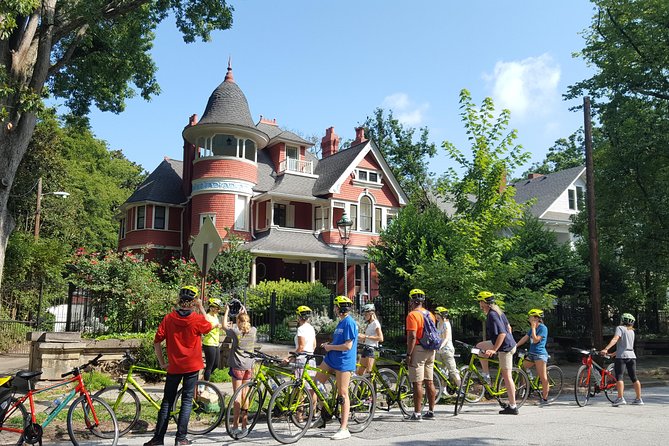
Atlanta can feel spread out, and cars make it easy to miss what makes each area different. This tour is built for “moving at human speed,” meaning you actually pass through neighborhoods instead of just eyeballing them from a window. You also get that practical advantage of having a plan—so you’re not guessing which blocks are worth your time.
The included essentials matter more than you’d think. When a tour gives you the bike, helmet, water, and snacks, you can focus on the sights instead of doing mini errands before you roll. I also like how the stops are short and varied, so you get momentum: one moment you’re looking at Victorian-era grounds, then it flips to graffiti art, then you’re back into breezy trail riding.
Starting Point: Auburn Avenue NE and a Transit-Friendly Meet-Up
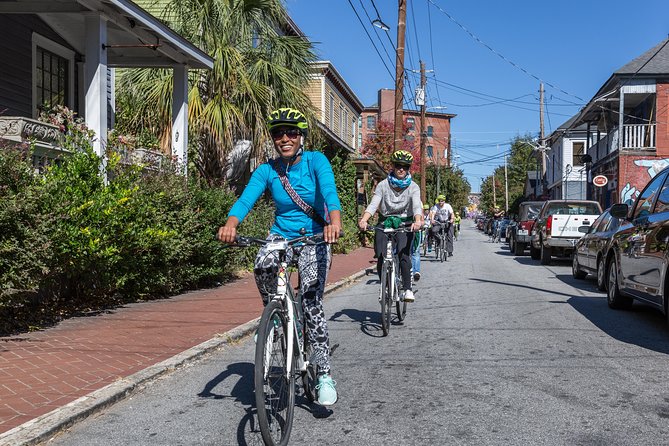
You meet at 659 Auburn Ave NE, Atlanta, GA 30312, and the tour ends back at the same spot. That round-trip format is helpful if you’re using public transit or you want an easy landing afterward.
Because the meeting point is near public transportation, you’re not forced into a whole parking plan. If you’re coming in from a nearby station or hotel, arriving with less hassle makes the whole outing feel more relaxed.
Oakland Cemetery: Victorian Grounds With Stories That Still Matter
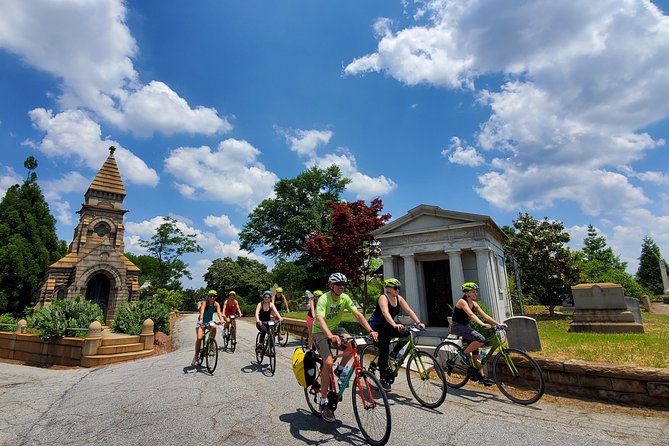
Your first stop is Oakland Cemetery, a Victorian-era garden cemetery where you ride through the grounds and learn how it fits into life in Atlanta today. This is a nice change from the usual “walk and snap photos” approach—on a bike, you glide through and get a sense of scale.
What makes this stop work is the balance: it’s not just dates and architecture. You get the cemetery’s history alongside a feel for current-day culture. The trade-off is time. It’s about 10 minutes, so I treat this moment as orientation—learn the basics now, then come back later if you want deeper details.
Worth noting: the tour includes a helmet and a guided pace, but this is still a cemetery setting. If you’re the kind of person who likes to take your time photographing, plan to do that briefly and keep the group moving.
Krog Street Tunnel: Atlanta’s Ever-Changing Graffiti Gallery
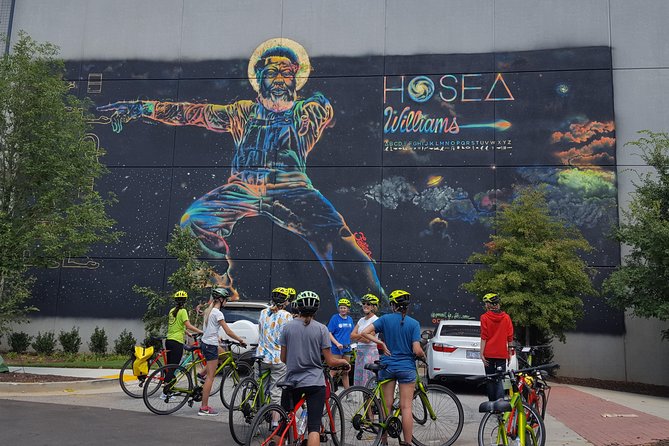
Next up is the Krog Street Tunnel, which connects three historic neighborhoods and has become one of Atlanta’s most photographed street-art locations. If you like murals, tags, and the sense that the city is always repainting its own walls, this is a highlight.
The big value here is guidance. A tunnel like this can be fun on your own, but a guide helps you understand why this place gained its reputation and what you’re seeing beyond the surface. It’s also one of the most naturally Instagrammable stops on the route, and the 10-minute window is just enough time to get the photos you want without overthinking it.
BeltLine Eastside Trail: Art, Skate Parks, TinyDoorsATL, and Trail Vibes
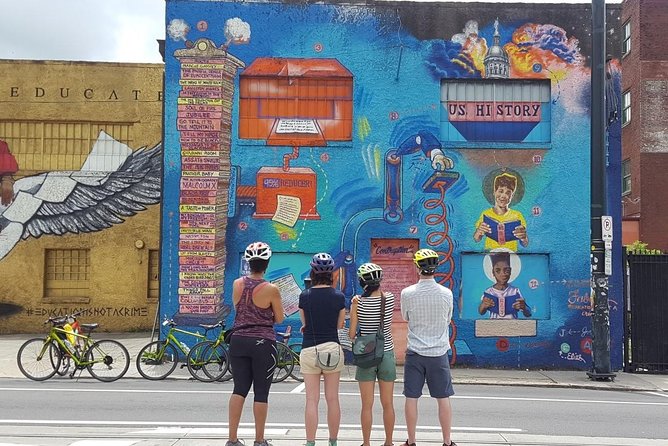
Then you roll onto the Atlanta BeltLine Eastside Trail, a multi-use path where you’ll pass commissioned art and also “rogue” art that’s grown organically. The tour points out several specific things on the way: the Old Fourth Ward Skate Park, TinyDoorsATL, and street performers plus murals and graffiti under the Freedom Parkway Bridge.
This is where the tour starts to feel like the “you’re not in a car” part becomes real. Being on a bike trail changes your perspective fast. The city slows down around you, and you can look at what’s on walls and under bridges—stuff you’d normally miss.
The only practical consideration: this is a multi-use path. Expect slower riders and pedestrians, and keep your eyes up as you approach areas where people might stop for photos.
Inman Park: Queen Anne Streets and the Fight to Save Neighborhoods
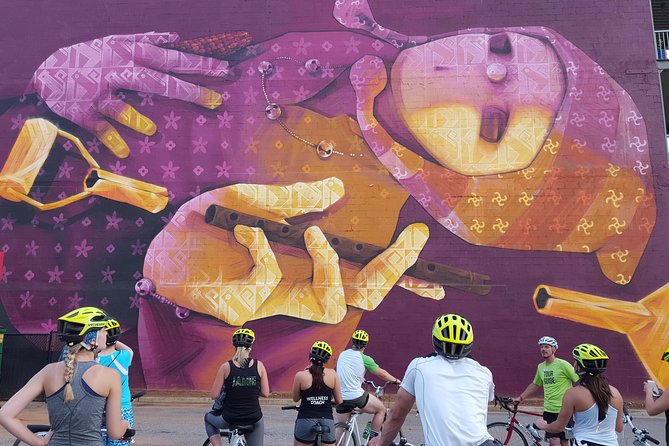
After art and trail energy, you shift into Inman Park, Atlanta’s first planned community. This is a neighborhood ride built around tree-lined streets and beautiful Queen Anne Victorian homes from the late 1800s. It’s the kind of stop that gives you context for why Atlanta looks the way it does in certain blocks.
You also get the neighborhood’s story about the “movers and shakers” who helped build the city and—importantly—the fight in the 1970s to keep the community from being destroyed by an interstate. That’s the part I like most because it turns the scenery into something you can understand.
Downside? The vibe changes. If you’re only in Atlanta for big landmark photos, this can feel quieter and more residential than you expect. But if you want a real sense of place—how neighborhoods formed and survived—you’ll get a lot out of it.
Jackson Street Bridge: Skyline Photos and a Pop-Culture Bonus
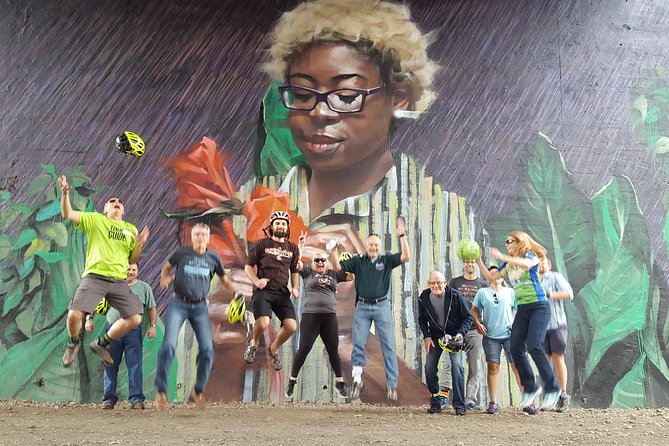
At Jackson Street Bridge, you get a skyline shot that’s famous for a reason. It’s also a fun stop for Walking Dead fans, since this is the type of view associated with the opening scene where Rick rides into the city.
This is another short stop (about 10 minutes), so here I recommend doing two things fast: get your best photo, then take one more from a slightly different angle. Guides can help you position yourself, but you’ll still want to move efficiently so the group doesn’t get stretched.
If you’re someone who loves photography, this is the kind of place where you’ll want your camera ready before you arrive.
Martin Luther King Jr. National Historic Site: A Guided Orientation You Can Extend Later
The tour ends with an introduction to the Martin Luther King Jr. National Historic Site. You’ll get a thorough overview of what’s there and why it matters, and you’ll be encouraged to return to explore additional sites on your own—like the birth home, burial site, historic Ebenezer Church, and the King Center for Non-Violence Change.
I like this approach. A bike tour gives you a clear starting understanding without trying to cram every detail into one short session. Think of this as a strong orientation. If you’re already planning to visit later anyway, this tour helps you know what you’re looking at when you go back.
Because this stop is educational, keep your pace respectful. Use the time to listen, take a few photos if allowed, and remember: the point here is understanding the place, not just checking a box.
Bikes, Safety, and the Small Details That Make or Break It
The tour includes the bicycle and helmet, plus water and snacks, and that’s the base layer of comfort. But what really stands out from real-life experiences on this ride is how consistently guides focus on safety and group flow.
I’ve seen multiple examples of guides helping riders feel secure on city streets—especially when the route includes hills and some sections alongside traffic. In fact, guests specifically praised how guides like Lisa, Tim, and Doug keep things organized and clear, and how they take time to answer questions.
Two practical notes I’d flag:
- There can be hills, and your legs will notice. If you’re not confident on climbs, consider asking about an e-bike upgrade.
- There’s typically no bike basket, so don’t bring bulky items you’ll struggle to carry.
Also, one helpful detail: a bathroom option is available before leaving and again about 70% of the way through the tour (per guest feedback). That’s a big deal for a 2.5-hour outing when you want to stay comfortable.
Is It Worth $75? The Value Math That Actually Matters
For $75 per person and about 2 hours 30 minutes, you’re paying for more than just “bike time.” You’re also getting:
- Equipment (bike + helmet)
- Fuel (bottled water and snacks)
- A guided route through multiple Atlanta neighborhoods and landmark areas
- Free entry for the stops included on the ride
That price starts to make sense when you compare it to the cost and hassle of trying to piece together the same day solo—especially when you’d otherwise need rides, parking, tickets, and a plan. And with a small maximum group size (18), you get the benefit of guidance that can actually keep the ride smooth.
One more value signal: this tour tends to book up in advance, with an average booking window around 17 days. If you’re traveling during busy weeks, don’t wait too long.
Who This Tour Fits Best (and Who Might Feel It Isn’t for Them)
This ride is a great fit if you want an active but supported way to learn Atlanta. It works especially well for:
- Couples who want a guided “best of” day without stress
- Solo travelers who prefer a group and don’t want to navigate on their own
- Families who like mixing landmarks with neighborhoods and street art
- People who care about history, but also want it tied to real places you can see and ride through
It may feel like a tougher fit if:
- You’re very sensitive to hills or you want zero road-adjacent riding
- You don’t like sharing paths (the BeltLine is multi-use)
- You prefer a slow, long museum-style pace (this tour is structured and time-boxed)
The Quick Stop-by-Stop Cheat Sheet
Here’s the flow at a glance, in the order you’ll experience it:
- Oakland Cemetery: guided ride-through with history and today’s context
- Krog Street Tunnel: graffiti culture and photo-friendly walls
- BeltLine Eastside Trail: art stops plus TinyDoorsATL and the Old Fourth Ward Skate Park
- Inman Park: Victorian streets and a neighborhood preservation story
- Jackson Street Bridge: skyline photos and a Walking Dead nod
- Martin Luther King Jr. National Historic Site: guided orientation with pointers for deeper visits
If you like variety—art, architecture, and landmark meaning—this itinerary hits the right mix.
Should You Book This Atlanta Bike Tour?
I’d book it if you want a guided introduction to Atlanta that’s hands-on and not just sightseeing from a car. The combination of included snacks and water, the bike-friendly pacing, and the lineup of Oakland Cemetery, Krog Street Tunnel, the BeltLine, and MLK makes this a strong “first-time Atlanta” choice.
I’d hesitate only if hills are a dealbreaker for you or if you’re uncomfortable on roads even with guidance. If that’s you, ask about an e-bike option before you decide. If you can handle moderate hills, you’ll likely come back with a clearer mental map of the city—and a stack of photos that feel like more than tourist wallpaper.
FAQ
How long is the guided bike tour in Atlanta?
The tour runs about 2 hours 30 minutes.
How much does the tour cost?
It costs $75.00 per person.
What’s included with the ticket?
Your ticket includes use of a bicycle, a helmet, bottled water, and snacks.
What should I know about fitness level?
The tour is listed for travelers with a moderate physical fitness level. Some hills are part of the ride.
Where do I meet, and does the tour end nearby?
You start at 659 Auburn Ave NE, Atlanta, GA 30312, and the tour ends back at the same meeting point.
What language is the tour offered in?
The tour is offered in English.
How many people are in the group?
The maximum group size is 18 travelers.
What stops will we see during the ride?
You’ll visit Oakland Cemetery, Krog Street Tunnel, the Atlanta BeltLine Eastside Trail, Inman Park, Jackson Street Bridge, and the Martin Luther King Jr. National Historic Site.
What if the weather is bad or I need to cancel?
This experience requires good weather. If it’s canceled due to poor weather, you’ll be offered a different date or a full refund. You can cancel for a full refund up to 24 hours in advance.
Is gratuity included?
Gratuity is not included in the ticket price.