Kyoto can feel like a blur. This afternoon bike tour gives you a calmer, efficient way into Arashiyama. You’ll hit the Bamboo Forest for standout photo time and then roll up to Iwatayama’s monkey country for a mix of nature and Kyoto views.
My favorite part is the built-in “less crowded” pacing between classic stops, with a small group capped at 8. The main trade-off is that you still do a 20-minute uphill walk to the Monkey Park, so shoes and a moderate fitness level matter.
In This Review
- Key highlights I’d circle first
- Why This Arashiyama Bike Tour Works in Four Hours
- Meeting at Saga-Arashiyama Station: Simple Logistics, Real Time Saved
- Iwatayama Monkey Park: The Climb, the Chances, and the View
- Bamboo Forest Street: Sounds, Photos, and a Better Way to Beat the Crowds
- Tenryu-ji Temple Sogenchi Teien: A Garden Stop That’s More Than a Photo Break
- Togetsukyo Bridge: Iconic Arashiyama Views Without the Full-Day Commitment
- Price and Value: What $106.12 Really Covers
- What the Small Group Adds (and Why Reviews Keep Coming Back to It)
- Pacing and Fitness: What You Should Plan For Before You Go
- Should You Book This Kyoto Bike Tour?
- FAQ
- How long is the Afternoon Kyoto Bike Tour?
- Where does the tour start and end?
- Is bike rental included?
- Are admission fees included?
- Is there any walking involved?
- Can I request an e-bike?
Key highlights I’d circle first
- Small group of up to 8 for a more human pace and easier photo stops
- Bike and helmet included, so you can keep moving without burning your legs
- Iwatayama Mountain viewpoint right after a short climb, when skies and light can be great
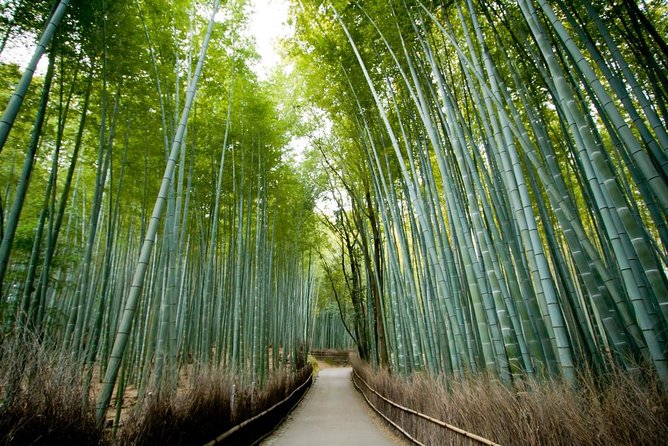
- Bamboo Forest photo time with one of Japan’s most famous soundscapes
- World Heritage Tenryu-ji garden plus Togetsukyo Bridge views in a tight route
Why This Arashiyama Bike Tour Works in Four Hours
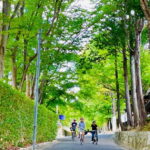
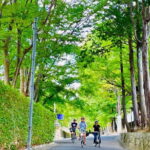
This is the kind of Kyoto afternoon that saves your energy for the good stuff. You’re not bouncing between stops by train plus long walks; instead, you bike from one highlight area to the next, with a guide steering the timing and turns.
You get two headline experiences—Iwatayama monkeys and the Arashiyama Bamboo Forest—without spending the whole day in transit. And the route is designed to keep you out of the worst crowd bottlenecks as much as possible, which is a big deal in Arashiyama.
The tour also threads in smaller moments you might miss on your own, like quieter shrine/temple time and garden strolling at Tenryu-ji’s Sogenchi Teien (included). It’s a smart use of a limited afternoon window.
You can also read our reviews of more tours and experiences in Kyoto.
Meeting at Saga-Arashiyama Station: Simple Logistics, Real Time Saved
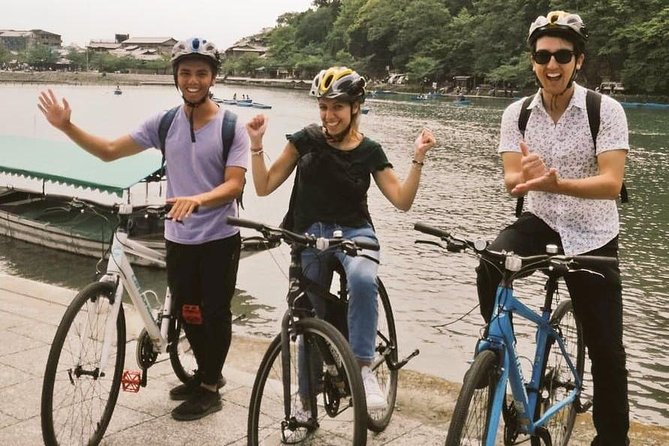
You start and end at Saga-Arashiyama Station, with a 1:00 pm start. There’s no hotel pickup or drop-off, so you’ll want to arrive a bit early, especially if you’re not used to Japanese station layouts.
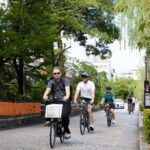
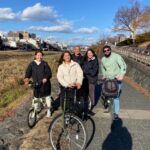
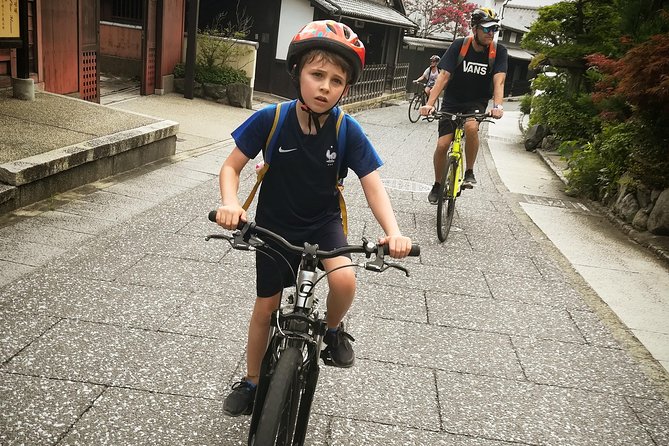
Once you meet, you’ll get what you need: bicycle, helmet, and bottled water, plus a bilingual English-speaking guide. Reviews consistently mention that bikes are in good condition and easy to ride, which matters because you’re trusting a vehicle for several quick hops over the afternoon.
It’s also worth noting that the tour uses standard Cannondale city bikes. If you want a different effort level, e-bikes and youth bikes are available upon request for an additional fee, but those aren’t automatically included.
Iwatayama Monkey Park: The Climb, the Chances, and the View
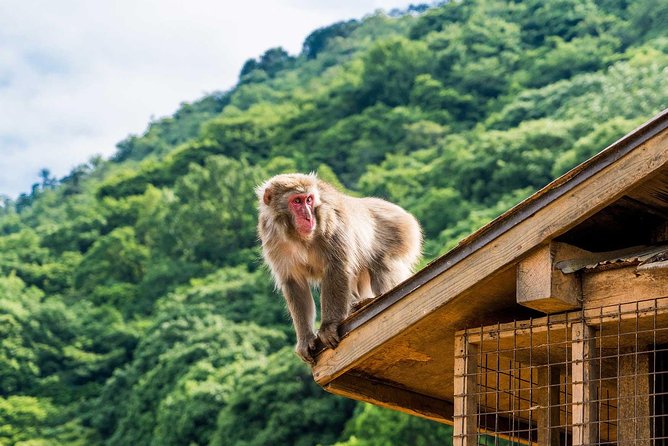
Stop 1 is Monkey Park Iwatayama, and it begins with a pleasant 20-minute walk up to the top. That walk is the part most people have to plan for. Bring shoes you’re comfortable climbing in, and don’t treat it like a casual stroll.
The payoff is two-fold. First, you may get Japanese macaque monkey viewing, which is the main reason most people come here. Second, you reach an amazing overlook where you can see Kyoto spread out below—this is the kind of view that makes the effort feel worth it.
If you’re going in expecting a guaranteed monkey encounter, you should calibrate your expectations. The tour frames it as possible monkey viewing, and that’s realistic for wildlife. Still, even without a perfect sighting, the viewpoint and the atmosphere up there are usually the win.
One more practical thought: this is the best moment to slow down and take a breath before your bike portion. After the climb, you’re ready to enjoy the rest of the afternoon without feeling rushed.
Bamboo Forest Street: Sounds, Photos, and a Better Way to Beat the Crowds
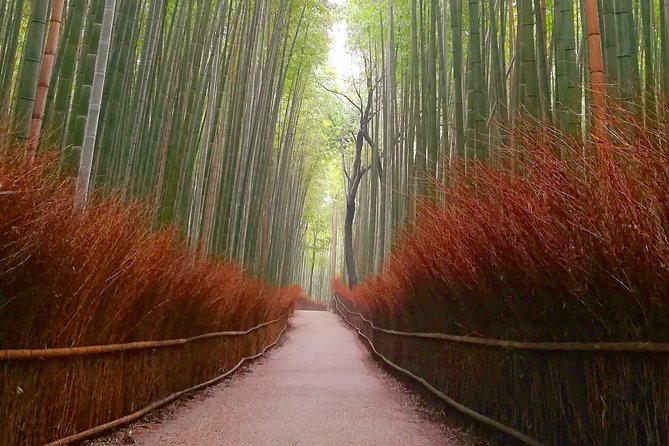
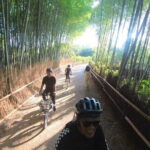
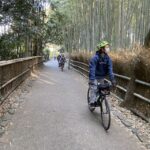
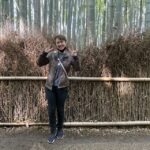
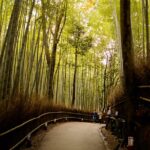
Stop 2 is Bamboo Forest Street, and this is where your camera work will start getting serious. The tour highlights the beauty of the bamboo and the area’s famous soundscape, which is one of those details you can’t fully appreciate from photos.
You’ll have around 25 minutes here, which sounds short until you realize you don’t want to get stuck watching other people wait in line. This time window is built for photos, quick wandering, and then moving on before the crowd pressure builds further.
The real value of doing this by bike (with a guide) is that you’re not stuck choosing between time-consuming detours and getting a decent view. You can focus on what you came for: striking bamboo visuals and that airy, slightly eerie forest sound.
If you’re short on time in Kyoto, this stop alone is a reason to book. But it also pairs beautifully with the later Tenryu-ji garden visit, because the afternoon shifts from nature spectacle to calmer, landscaped quiet.
Tenryu-ji Temple Sogenchi Teien: A Garden Stop That’s More Than a Photo Break
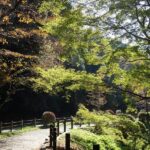
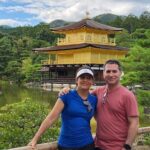
Stop 3 takes you to Tenryu-ji Temple Sogenchi Teien, where you’ll stroll through one of Kyoto’s most beautiful gardens. This is a World Heritage site, and the pacing here matters because it’s not a “run through it” kind of place.
You’ll get about 25 minutes. That’s enough time to walk the main pathways, notice the garden layout, and pause where you naturally want to. It’s also the right time in the route to cool down mentally after the monkey park climb and the bamboo forest rush.
What makes this stop feel worth it is that the tour doesn’t treat it like a checklist. A good guide can point out how gardens function as designed experiences—view lines, seasonal emphasis, and why certain spots get the best perspective.
If you love atmosphere more than speed, you’ll appreciate this part of the tour. It’s also a solid choice if you’re traveling with mixed energy levels, because it’s easy to slow down without feeling like you’re falling behind.
Togetsukyo Bridge: Iconic Arashiyama Views Without the Full-Day Commitment
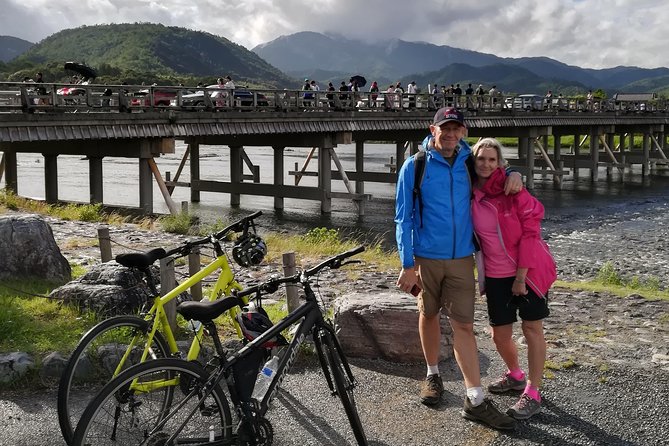
Stop 4 is Togetsukyo Bridge, one of Arashiyama’s most recognizable sights. You’ll spend about 10 minutes here, which is short on purpose. It’s enough time to take in the big-picture views and get your bridge photos without turning your whole afternoon into one long queue.
The tour calls out the mountain landscape backdrop, and this is a classic Kyoto composition: river, bridge geometry, and the surrounding hills. Even if you’ve seen bridge photos before, seeing it in person hits differently, especially after biking through the area.
The practical advantage of keeping this to 10 minutes is that you don’t end up exhausted when the afternoon light changes. Instead, you’re finishing strong and heading back with momentum rather than dragging your feet.
Price and Value: What $106.12 Really Covers
At $106.12 per person for about four hours, this isn’t a budget-only option. But it also isn’t just paying for a guide to walk next to you.
You’re paying for the stuff that normally adds friction in Kyoto:
- Bicycle + helmet included (so you don’t spend your time hunting rentals)
- Admission fees included for each ticketed stop
- Bottled water included
- A native English bilingual guide to help you connect the dots
In a city where transit and entry costs stack up quickly, this price starts to look fair—especially because the tour covers multiple paid stops in a single afternoon window.
You’re also paying for the time-saver. A guide’s routing and crowd sense can mean you spend more minutes actually seeing and photographing, and fewer minutes wandering in circles trying to figure out the smartest order.
One thing to consider: if you already plan to ride a bike independently and you’re comfortable navigating Arashiyama on your own, you might feel you could do it cheaper. But the value here is the combination of timing + access + interpretation, not just getting from A to B.
What the Small Group Adds (and Why Reviews Keep Coming Back to It)
This tour caps at 8 travelers, which changes the experience. In a place like Arashiyama, small groups mean your guide can adapt the pace, handle spacing around busy areas, and give you quick reminders without turning the tour into a frantic march.
The guides (like Yuki, Rob, Peter, and Ray from prior outings) are repeatedly praised for being friendly and helpful, with many guests calling out how the guide made the ride fun as well as educational. You’ll also see mentions of safety attention, plus guides taking photos for the group. That might sound like a small perk, but when you’re on a bike, it matters.
Another repeat theme: people like that it feels efficient without feeling like you’re being rushed. You get a plan, but you also don’t feel trapped in it.
Pacing and Fitness: What You Should Plan For Before You Go
The tour lists moderate physical fitness as the expectation. The reason is simple: a 20-minute walk up to Iwatayama Monkey Park.
Everything else is bike time and strolling. In many cases, the ride is described as manageable even for people who don’t bike often, and helmets help keep you comfortable and confident. Still, treat the climb as the “main workout” and plan accordingly.
Also remember: Arashiyama can be humid or hot. Bring water (you’ll have bottled water during the tour, but you can still want more if you’re sensitive to heat) and plan to wear breathable clothing.
If you’re traveling with kids, the fact that the tour includes bike and helmet can be a big advantage—just make sure everyone is comfortable with the uphill section timing.
Should You Book This Kyoto Bike Tour?
Book it if you want the best of Arashiyama in one efficient afternoon: bamboo forest photos, Tenryu-ji garden strolling, a bridge view, and a shot at monkeys. It’s also ideal if you don’t want to spend your day walking long distances in a crowded area.
Skip it (or choose a different option) if uphill walking is a deal-breaker for you. Also think twice if you prefer a super flexible, wander-at-your-own-pace style day. This tour runs on a set route and timing, and that’s part of the value.
If you’re on the fence about whether $106.12 is worth it, ask yourself one question: would you pay to remove the hassle of bike rental and ticketing while adding a guide to connect the stops? For most people, the answer is yes—because time and stress are real travel costs.
FAQ
How long is the Afternoon Kyoto Bike Tour?
It runs for about 4 hours.
Where does the tour start and end?
You start at Saga-Arashiyama Station and the tour ends back at the same meeting point.
Is bike rental included?
Yes. Bicycle and helmet rental are included.
Are admission fees included?
Yes. Admission fees are included for the stops.
Is there any walking involved?
Yes. You’ll take a 20-minute walk up to Monkey Park Iwatayama.
Can I request an e-bike?
E-bikes are available upon request for an additional fee. Standard bikes are provided in the tour package.