REVIEW · NEW YORK CITY
Guided Bike Tour of Central Park New York City
Book on Viator →Operated by Bike Rent NYC · Bookable on Viator
Central Park by bike turns a park stroll into a real mission. You’ll hit major sights fast, with frequent stops for photos and short explanations. I like the small-group feel and the practical gear extras like helmets and locks; I also like that kids can ride comfortably with child seats/trailers on request. The one thing to consider: the pacing is active, so if you want long “wander” time, you might feel a bit rushed.
This is a simple 2-hour format that works well when you only have one or two park visits. You can choose departures to fit your schedule, and the tour is offered in English with mobile tickets. The route is built around iconic spots (from Columbus Circle to Sheep Meadow), but you’re also meant to actually stop, look around, and get your bearings.
One more practical note before you go: show up ready to roll. A couple of timing issues pop up when people arrive right at the start window, so give yourself a few extra minutes at the bike pickup.
In This Review
- Key highlights at a glance
- Why a guided bike tour beats “winging it” in Central Park
- Price and what $44 really buys you (and what it doesn’t)
- Meeting point at 203 W 58th St: the part that can make or break your timing
- A guided loop through Central Park’s best-known zones
- Stop 1: Columbus Circle — your orientation point
- Stop 2: The “Gar Pond” area — a quieter pocket to reset
- Stop 3: The Mall and Literary Walk — views and storytelling
- Stop 4: Bethesda Fountain — the classic centerpiece
- Stop 5: Conservatory Water — the park’s calm middle
- Stop 6: Conservatory Garden — manicured beauty with a purpose
- Stop 7: The Great Lawn — space, sky, and park scale
- Stop 8: Belvedere Castle — a memorable silhouette
- Stop 9: The Ramble — where Central Park gets moody
- Stop 10: Bow Bridge — instant postcard energy
- Stop 11: Cherry Hill — a classic spot for scenic pauses
- Stop 12: Strawberry Fields — meaning plus visuals
- Stop 13: Sheep Meadow — open park end feeling
- The guide’s role: why names like Michael and Chris matter
- Bikes, helmets, locks, and kids: how the setup affects your comfort
- Weather and pacing: when this ride is perfect, and when it’s not
- How far in advance should you book?
- Should you book this Central Park guided bike tour?
- FAQ
- How long is the guided bike tour?
- Where does the tour start and end?
- What time does this specific tour run?
- Is the tour offered in English?
- Is a bike rental included in the price?
- Are helmets and locks included?
- Can children ride, and are child seats available?
- How large is the group?
- Do I need to bring an ID?
- What happens if weather is bad?
Key highlights at a glance
- Small group size (max 15): easier conversation with the guide and smoother turns through busy park paths
- Gear included on request: helmets, locks, and child seats/trailers to keep things stress-free
- Major sights with built-in breaks: quick stops for photos and facts, without turning it into a long hike
- Start and end at the same spot: the ride loops right back to the meeting point near public transit
- Guides with personality: names like Benny, Michael, Aaron, Chris, and Philip have led rides with fun, detailed commentary
Why a guided bike tour beats “winging it” in Central Park
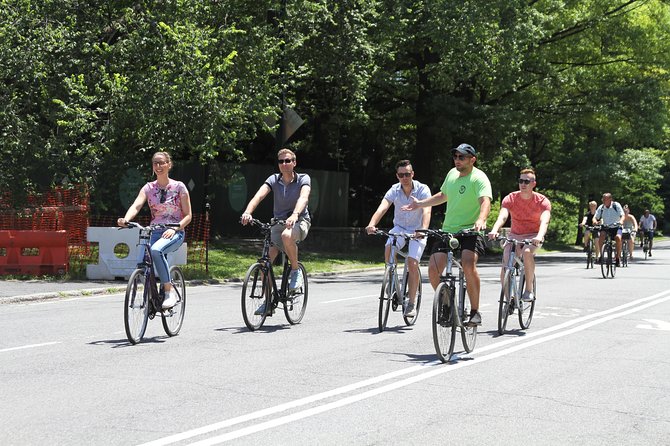
Central Park is big. Even if you know the highlights, it’s easy to waste time zig-zagging across lanes, missing key viewpoints, or arriving at a spot when it’s packed and you can’t linger.
This tour is designed to solve that. In about 2 hours, you move from one famous landmark cluster to the next, with the guide steering you between the sights you’re most likely to want to see anyway. The frequent short stops also help you slow down on purpose. You’re not stuck biking straight through the best parts, and you still get the feeling of accomplishment.
The small-group size matters more than people think. With a group capped at 15, it’s usually easier to hear instructions, regroup quickly, and move together without chaos at photo spots.
You can also read our reviews of more tours and experiences in New York City.
Price and what $44 really buys you (and what it doesn’t)
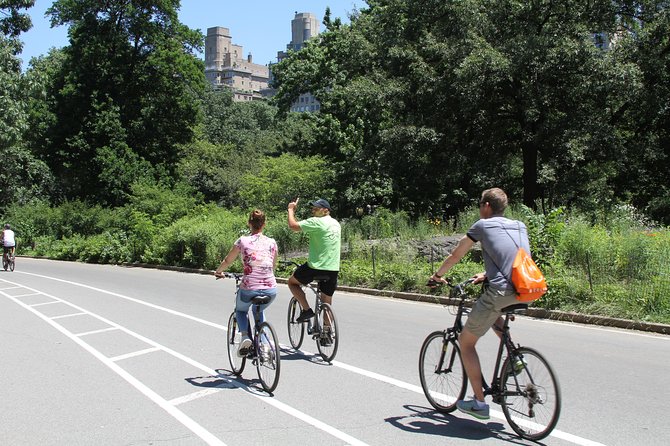
At $44 per person for a roughly 2-hour guided ride, the value is mostly in three places: the guide, the time savings, and the included rental setup.
You get the bike rental(s) included, and that’s a big deal in New York. Bike shops can eat your budget once you add helmets, locks, and the basic gear you actually need to feel safe and sane. Here, helmets and locks are available free on request, plus a NYC bike map is available if you want it. If you’re traveling with kids, child bikes, child trailers, and child seats are also available (child seats on request), which can be expensive if you’re piecing it together last minute.
What’s not included is listed as nothing of note—so you’re mainly paying for the ride itself and what you choose during bike pickup. Still, do one smart thing: before you commit to an electric option (if offered), confirm the pricing clearly at the shop counter. One rider reported a mismatch between what they expected and what they were charged when electric bikes came into play. A quick check at the counter can prevent a sour start.
Meeting point at 203 W 58th St: the part that can make or break your timing
The meeting point is at 203 W 58th St, New York, NY 10019, and the tour ends back there. Start time is listed as 11:00 am.
Here’s the practical advice: don’t treat 11:00 am as a safe “arrive exactly then” time. Even though your confirmation is tied to the booking, timing issues can happen when people arrive at the last possible moment. I’d aim to be there a bit early so you can handle bike fitting, helmet pickup, and any quick questions before the group rolls.
Also note the deposit-style requirement: one adult in your party must leave a state/country ID or a passport photocopy as security. It’s returned when you get your bikes back. Plan for that so you’re not scrambling.
A guided loop through Central Park’s best-known zones
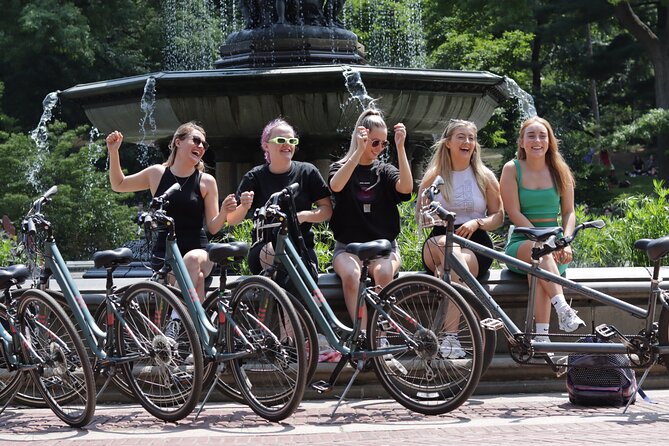
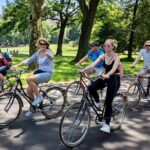
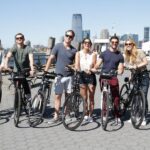
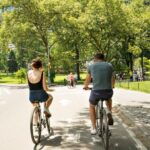
This ride works as a highlight tour with enough stops to feel like you saw the park—not just crossed it. Expect lots of “information, explore, photos” moments, usually around 5–10 minutes each. You’ll move briskly, then pause often. That rhythm is what makes the 2 hours feel full.
Below is what you’ll experience as you progress through the park.
Stop 1: Columbus Circle — your orientation point
You start at Columbus Circle, where you’ll get info and a chance to grab photos. This is a smart first stop because it gives you a reference point for where you are in the park and how the route will flow. If you’ve never been here, it helps you understand the park’s layout fast.
Photo tip: if crowds are heavy, take a quick shot, then come back for a second photo angle during the short browse time.
Stop 2: The “Gar Pond” area — a quieter pocket to reset
Next is the Gar Pond stop. It’s still central, but it feels like a change of scenery—more water, more nature sounds (when you can hear them over traffic on nearby roads). The guide typically uses these stops to connect what you’re seeing to how the park was planned.
The drawback: if you’re sensitive to time, remember this stop is short. Enjoy it, but don’t expect a long sit-down moment.
Stop 3: The Mall and Literary Walk — views and storytelling
At the Mall and Literary Walk, you’ll get guided info while you explore and take photos. This is the kind of stop where a good guide makes a big difference. Several guides associated with these tours (including Michael and Chris in past rides) are known for mixing facts with humor, which helps you remember what you’re looking at.
If you prefer “talk less, look more,” you might still like this stop because you get time to move around right after the explanation.
Stop 4: Bethesda Fountain — the classic centerpiece
Bethesda Fountain is one of the park’s most photographed landmarks, and it’s included here with time to explore. This is a prime stop if you want a clean “big moment” sight early in your tour rather than saving the best for later.
Downside to watch: this area can be busy. Keep your photo timing efficient so you don’t hold up the group.
Stop 5: Conservatory Water — the park’s calm middle
At Conservatory Water, the guide gives information while you take in the water and nearby views. This stop often works well for a short mental reset. When you’ve biked through the busier edges of the park, the water view helps you slow down.
Practical note: if it’s windy, you’ll feel it here. Dress accordingly.
Stop 6: Conservatory Garden — manicured beauty with a purpose
Conservatory Garden is next. This stop blends visuals with guidance, helping you understand why this part of the park feels more “garden-like” than the rest. It’s also a great spot for anyone who likes symmetry and design.
If you’re traveling with kids, this is usually where they enjoy stopping—there’s plenty to look at without needing them to pedal constantly.
Stop 7: The Great Lawn — space, sky, and park scale
The tour then reaches the Great Lawn. This is where you really feel the park’s scale. You get time to explore and take photos, but the key value is seeing how open the park can be compared to the city around it.
Consideration: because it’s open space, it can feel exposed in hot or windy weather. Plan sun protection or layers.
Stop 8: Belvedere Castle — a memorable silhouette
At Belvedere Castle, the guided approach helps you notice details you might otherwise walk right past. It’s a visual anchor, and the short stop gives you the chance to frame photos from workable angles.
If you’re a castle/fairytale fan, this stop tends to land well.
Stop 9: The Ramble — where Central Park gets moody
Next is the Ramble. This area is known for its winding paths and more “hidden” feeling compared to straight-ahead tourist zones. You’ll get info, then time to explore and photo.
The tradeoff: because this zone can feel like a maze, listen closely during the explanation and follow the group timing so you don’t lose your way or fall behind.
Stop 10: Bow Bridge — instant postcard energy
At Bow Bridge, you get information and time to explore. Even if you’ve seen photos of it before, seeing it in person feels different because of the immediate surroundings and sightlines.
Photo tip: try to get your shot quickly, then step aside so the next wave of people can pass without you blocking the path.
Stop 11: Cherry Hill — a classic spot for scenic pauses
Cherry Hill comes next. This stop is built for a short scenic pause. The guide helps you connect the view to the park’s overall design, which is part of why guided biking works better than simply renting and riding on your own.
Consideration: if you’re the type who wants to linger longer than 10 minutes, you might wish some stops had extra time. This tour is designed to cover a lot.
Stop 12: Strawberry Fields — meaning plus visuals
The tour includes Strawberry Fields, giving time for info, exploration, and photos. This is one of the stops where the guide’s commentary can matter, because there’s often a lot of meaning tied to what you’re seeing.
If you’re respectful and want to take your time, use the stop to read what’s in front of you and capture a calm photo rather than a rushed one.
Stop 13: Sheep Meadow — open park end feeling
The final stop in the provided route is Sheep Meadow, with time for info, exploration, and photos. This ending spot is a good choice because it feels spacious and relaxed. After all the landmark stops, it’s a natural place to breathe and absorb the park before you return.
The big advantage: it gives you a strong “park vibe” closer, not just another crowded attraction.
The guide’s role: why names like Michael and Chris matter
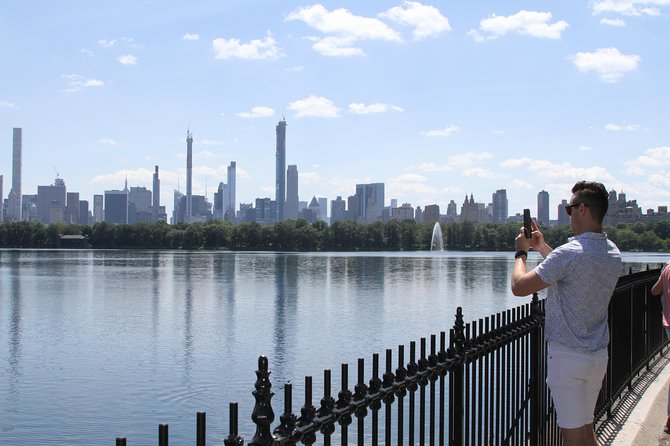
Central Park by bike can be fun even if you ride on your own. But a good guide changes the experience from sightseeing to understanding what you’re looking at.
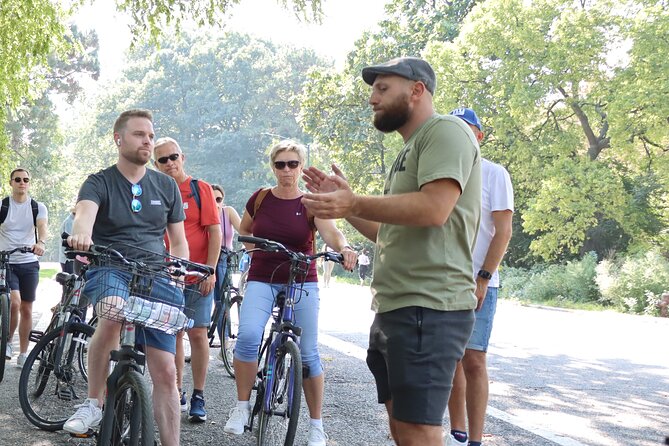
From the guide styles you’ll encounter on these tours, you can expect a mix of practical direction and storytelling. Some guides—like Michael—are known for making the ride feel enjoyable and easy to follow on bikes or electric bikes. Others, like Chris, are noted for packing in fun facts and steering the group smoothly through multiple stops.
You’ll also notice the best guides do two things well:
- They keep a pace that works for the whole group
- They build in time so you’re not just riding past everything
If you’re biking with kids, pay attention to how your guide manages breaks and shaded or easier-to-pause areas. That’s often where the tour’s success shows up.
Bikes, helmets, locks, and kids: how the setup affects your comfort
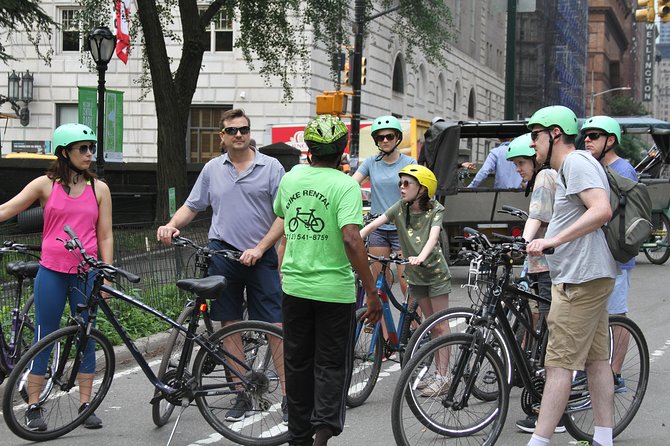
This tour includes bike rentals, and you can request a few safety and convenience items:
- Free bike helmet on request
- Free bike lock on request
- Bike baskets are available
- Child bikes, child trailers, and child seats on request
- Accessible hand cycles are available
That mix makes a difference if you’re traveling as a family or with mobility needs. A child seat or trailer can turn “maybe they’ll keep up” into “we can actually enjoy this together.”
One practical caution: electric bikes might be part of the bike options offered at pickup, and that’s where clarity matters. Before you roll out, confirm what kind of bike you’ll get and whether there’s any price change. It’s a small step that can save you a lot of frustration.
Weather and pacing: when this ride is perfect, and when it’s not
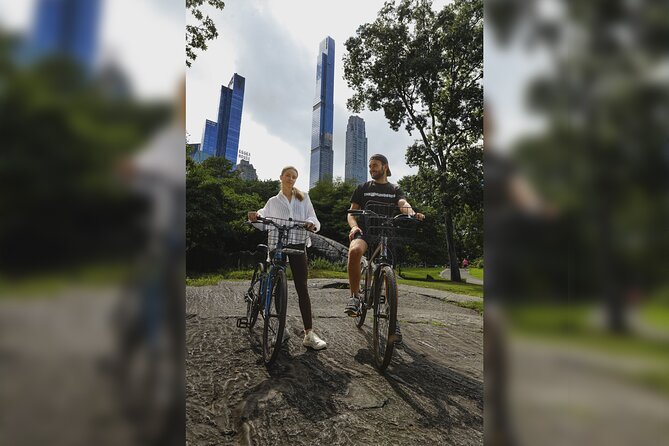
This experience is weather-dependent. If poor weather cancels it, you’ll be offered another date or a full refund. In good weather, it’s an efficient way to see Central Park without spending your whole day walking.
The pacing is active and structured, with short stops and quick photo windows. That’s great if you want to see a lot and learn something along the way. It can be less ideal if you want long, slow wandering or if you’re hoping for frequent bathroom breaks beyond normal stop time.
Also, keep your expectations aligned with a guided group. You’ll want to stay close to the leader, especially during turns and when the group regroups after exploring.
How far in advance should you book?
This tour is commonly booked about 24 days in advance on average. That tells me it’s popular enough that you shouldn’t wait until the last minute—especially if you’re aiming for a specific departure.
If your schedule is tight, booking ahead is your simplest move. If plans shift, rescheduling is offered at no additional cost, which helps if you’re juggling other NYC must-dos.
Should you book this Central Park guided bike tour?
Book it if you want the most efficient, guided way to cover Central Park’s major sights in a short window. $44 is fair value when you factor in the guide, the bike rental, and the included gear options like helmets and locks on request. The small-group size is a bonus, because it keeps the ride friendly and manageable.
Skip or rethink it if you strongly prefer slow strolling, long stops, or you’re expecting a totally flexible “choose your own adventure” route. Also, arrive early and double-check bike pricing if electric options are discussed at pickup. Those two habits help you avoid the common friction points.
If you’re aiming for a fun, structured park highlight ride—this is a strong choice.
FAQ
How long is the guided bike tour?
It’s about 2 hours.
Where does the tour start and end?
It starts at 203 W 58th St, New York, NY 10019 and ends back at the same meeting point.
What time does this specific tour run?
The listed start time is 11:00 am.
Is the tour offered in English?
Yes, it is offered in English.
Is a bike rental included in the price?
Yes. Rental(s) are included, including adult bikes, child bikes, and other options listed by request.
Are helmets and locks included?
Helmets are available free on request, and bike locks are also available free on request.
Can children ride, and are child seats available?
Children under 18 must be accompanied by an adult over 18. Child bikes, child trailers, and child seats are available (child seats are on request).
How large is the group?
The tour has a maximum of 15 travelers.
Do I need to bring an ID?
Yes. One adult must leave a state/country ID or a passport photocopy as security, returned with the bikes.
What happens if weather is bad?
The experience requires good weather. If it’s canceled due to poor weather, you’ll be offered a different date or a full refund.