REVIEW · QUEBEC CITY
Historical Lower Town & Neighborhoods Bike Tour
Book on Viator →Operated by Cyclo Services · Bookable on Viator
Two wheels make Lower Town feel human. This 3-hour guided ride takes you through Lower Town, a UNESCO World Heritage setting, then strings together iconic sights and calmer neighborhoods along the St. Charles River.
I like that it stays practical: you get a helmet, water, snacks, and a bike setup that makes the route feel manageable. I also like the small-group format, with a guide who keeps things moving while still explaining what you’re seeing.
If you want an e-bike, plan ahead because it’s an added option and needs shop configuration, and the tour is marked as requiring good weather. Cold rain can also make the ride less fun.
In This Review
- Key highlights at a glance
- Why this Lower Town bike loop makes sense in Quebec City
- Meeting at 285 QC-136 and getting rolling without fuss
- Place de la FAO: the warm-up streets before the big landmarks
- Place-Royale: first French settlement energy and the church everyone talks about
- Old Port views: a waterfront break with Chateau Frontenac in sight
- Petit Champlain by cobblestone: old-city charm without the worst of the crowds
- St. Charles River bike trail: where the tour turns relaxing
- Cartier-Brebeuf National Historic Site: the explorer story in a park setting
- Le Grand Marché de Québec stop: local flavors without turning the day into a food mission
- Choosing between an urban bike and an e-bike without regret
- Terrain and fitness: good for most riders, with one clear child rule
- Price and value: does about $139 fit what you get?
- Weather reality: why good conditions matter here
- Who should book this tour, and who should skip it
- Should you book this Historic Lower Town Bike Tour?
- FAQ
- How long is the Historical Lower Town & Neighborhoods Bike Tour?
- Where does the tour meet?
- Is hotel pickup and drop-off included?
- What’s included with the tour price?
- Are e-bikes included?
- What kind of terrain should I expect?
- Do the stops have admission fees?
- Can children join the tour?
- What if the weather is poor?
Key highlights at a glance
- Small group (max 8 riders) for a more personal pace and safer spacing
- Mostly flat, bike-friendly route with a big payoff along the St. Charles River trail
- Historic stops in tight succession including Place-Royale and Cartier-Brebeuf
- Petit Champlain on cobblestones gives you the old-city feeling without getting stuck in crowds
- Le Grand Marché de Québec stop for local flavors at the farmer’s market
- Everything you need for the ride included: bike, helmet, snacks, and a handy handlebars bag
Why this Lower Town bike loop makes sense in Quebec City
Quebec City has a way of shrinking your day into a blur of buses, lines, and selfie stops. This tour is built to avoid that. You spend your time actually moving through Lower Town—then you get to breathe again on the river paths and waterfront views.
What makes it especially good is the mix. You get big-picture history at Place-Royale and Cartier-Brebeuf, plus the lived-in street vibe of Petit Champlain. Then you end up on the St. Charles River bike trail, where the city turns greener and calmer fast.
It also feels like a smart value if you want orientation. In about 3 hours, you come away knowing where the different quarters sit and how they connect—without needing to study a map like it’s homework.
You can also read our reviews of more tours and experiences in Quebec City.


Meeting at 285 QC-136 and getting rolling without fuss
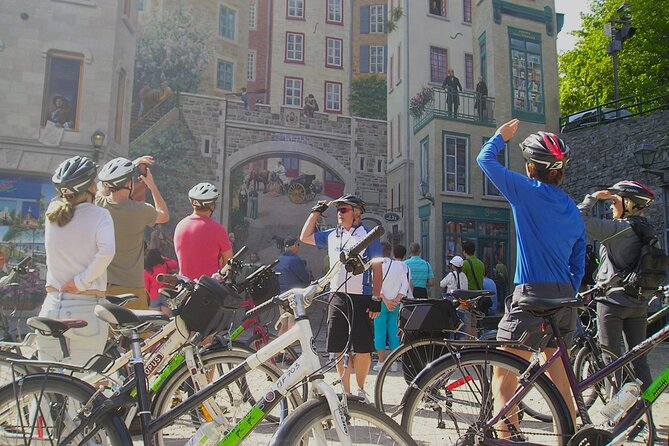
You meet at a bike shop in Quebec City’s Lower Town area, at 285 QC-136. There’s no hotel pickup, so it’s best if you’re already planning to be in/near Old Québec that morning or afternoon.
Once everyone arrives, you’ll get fitted for your bike and helmet. Then comes a short safety orientation before you start pedaling. That matters more than it sounds—because even when a route is mostly easy, Quebec cobblestones and tight turns can still surprise you if you haven’t ridden in this kind of street setting.
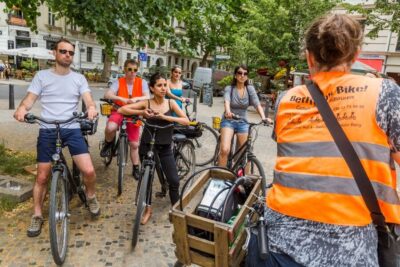
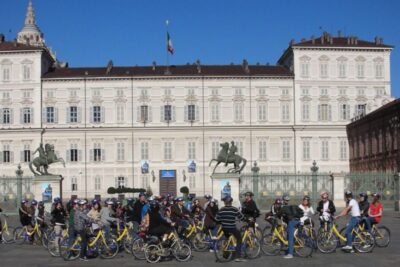
Group size is capped at 8 riders, and that usually means the guide can keep track of the whole pack. It also helps if you’re not a super-strong cyclist, since the ride is designed to be comfortable rather than athletic.
Place de la FAO: the warm-up streets before the big landmarks
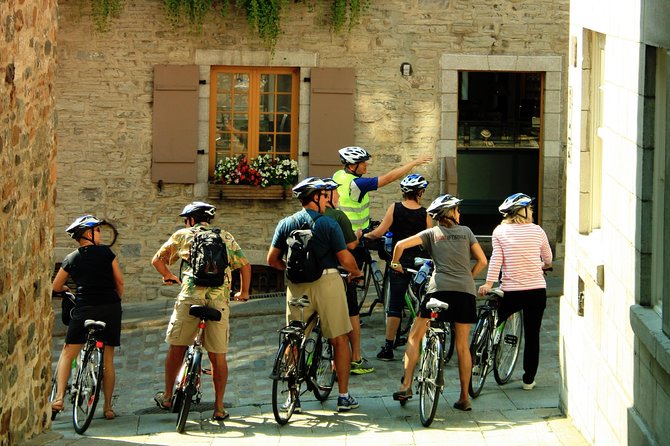
Stop one is Place de la FAO, where you pedal through charming, narrow neighborhood streets. This is a good opening stop because it puts you in the mood before the tour becomes more landmark-heavy.
You’ll be moving through older architecture that instantly makes you slow down your pace. In places like Quebec City, those small streets are where you start noticing details you’d miss if you only looked from main viewpoints.
A small drawback: if you’re the type who wants your first major photo right away, you might feel like this is more of an appetizer than a meal. The upside is that you get your legs working and your balance tuned before the stops where you’ll want to look closely.
Place-Royale: first French settlement energy and the church everyone talks about
Next up is Place Royale, one of the tour’s core history stops. Here you learn about the Mural of Quebecers and Notre-Dame-des-Victoires, described as the oldest church in Quebec City.
This is where the tour shifts from scenery to story. The “why” behind Lower Town clicks into place. Instead of memorizing a list of dates, you connect the physical area to the early French settlement era.
Time is short—about 10 minutes—but it’s still long enough to absorb the key ideas and walk away with a mental picture. If it’s a very cold day, keep your eyes on the guide’s pacing, because the group will move on quickly.
Old Port views: a waterfront break with Chateau Frontenac in sight
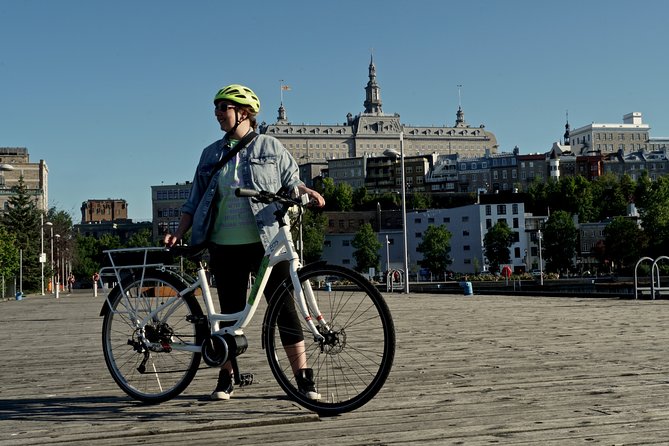
Stop three is the Old Port waterfront area, with views out toward the St. Lawrence River, Château Frontenac, and the fortified walls of Old Quebec.
This stop works well because it gives you a reset. You’re already biking, so you’ve built momentum, but standing still at the waterline lets your brain catch up. It’s also a photographer-friendly point in the route—especially if you like compositions that include both river and architecture.
One thing to consider: this segment is only around 5 minutes. So if you’re hoping for a long linger by the water, plan that separately after the tour ends.
Petit Champlain by cobblestone: old-city charm without the worst of the crowds
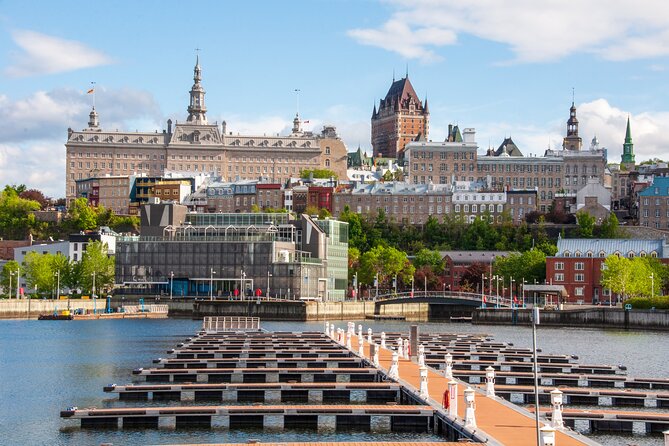
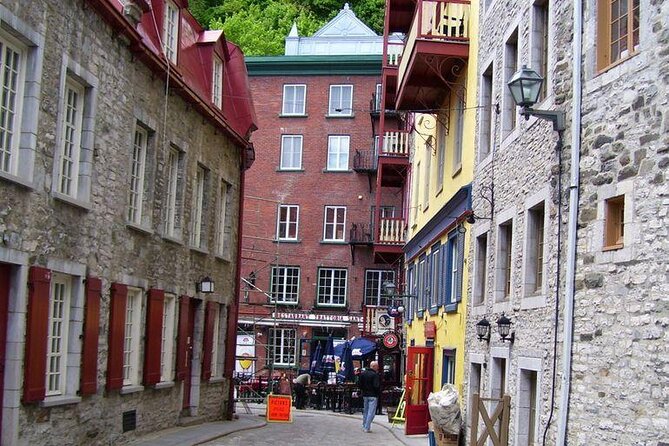
From there, the ride steers you toward Petit Champlain, which the tour frames as the oldest commercial district in North America. This is where the streets feel unmistakably “old Quebec.”
You’ll notice stone facades, boutique-style storefronts, and cafés lined up along cobblestone lanes. The tour approach is key: you don’t need to fight through the thickest tourist moments on foot for hours. By bike, you get the feel of the district and keep moving.
Drawback? Cobblestones can be bumpy if your bike fit isn’t quite right or if you’re sensitive to vibration. The helmet and safety spacing help, but you’ll still feel the street texture. If you’re prone to motion discomfort, ask the shop for the best bike adjustment during fitting.
St. Charles River bike trail: where the tour turns relaxing
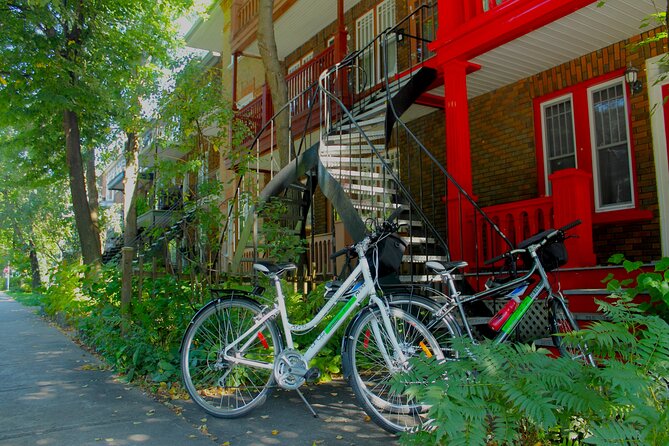
After the tighter old-street segments, you shift into a calmer rhythm. The route includes riding along the St. Charles River bike trail, described as lush and green—an oasis right in the downtown area.
This part is often the highlight because it changes your pace. You stop thinking about corners and start enjoying the scenery: river views, greenery, and a more open feel than the older blocks.
It’s also the place where a good guide really matters. When you see the city from a trail like this, the “connection” of neighborhoods becomes obvious. A guide can point out what you’re passing and what to recognize later when you explore on your own.
Cartier-Brebeuf National Historic Site: the explorer story in a park setting
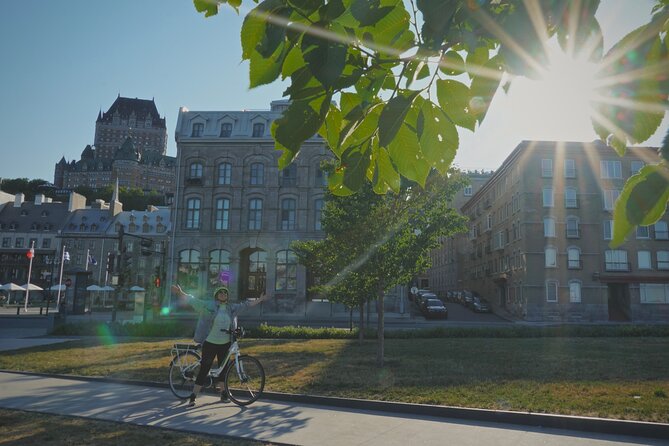
Stop four takes you to the Cartier-Brebeuf National Historic Site, a beautiful urban park on the river’s north shore. The tour focuses on the arrival story of French explorers, tied to the broader Quebec City narrative.
What I like about this stop is the setting. You’re not just learning facts in a museum-like environment. You’re learning while surrounded by a park atmosphere, with the river nearby. That makes the information stick better.
The time here is short—around 5 minutes—so think of it as a focused orientation moment. If you want deeper reading, you can always return later.
Le Grand Marché de Québec stop: local flavors without turning the day into a food mission
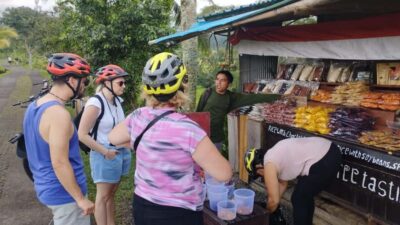
One of the smartest touches is the stop at Le Grand Marché de Québec, where the guide introduces local flavors at the farmer’s market. You get about 20 minutes to look around and take in what’s on offer.
Even if you don’t buy anything, this is valuable because it gives you a snapshot of local food culture. If you do want a snack or drink, this is a good time to choose something quick and regional.
The tour already includes snacks, so you’re not required to treat the market stop like a full meal. It’s more of a taste-and-browse moment, which keeps the bike flow from stalling out.
Choosing between an urban bike and an e-bike without regret
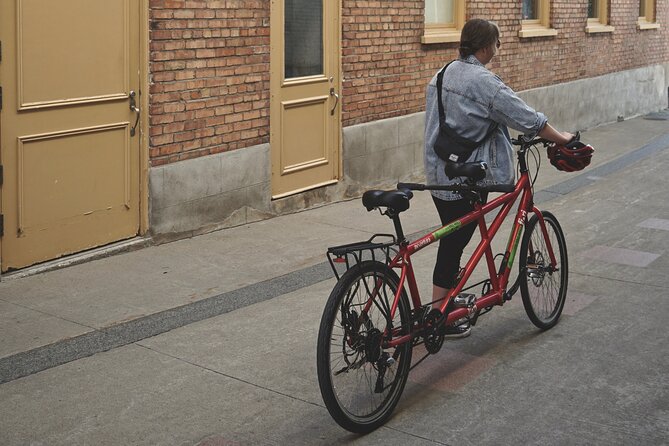
This tour offers a choice of urban bike or e-bike. The e-bike is an added option, and the info says riders must be at least 18 years old for e-bike use.
The big practical note: if you want the e-bike, contact the shop ahead of time. The guide team needs time to configure the bikes properly, and you don’t want to arrive hoping for a switch at the last minute.
If you’re on a standard bike and you’re worried about effort, remember that the route is described as mostly flat and relaxing. The goal is not “training.” It’s comfortable movement plus guided context.
Terrain and fitness: good for most riders, with one clear child rule
Most travelers can participate, and the route is mostly described as flat. Still, Quebec City streets have texture, and cobblestones in Petit Champlain mean you should expect some extra vibration and careful cornering.
For children, the rule is clear: kids must be able to ride about 8 miles on their own. For ages 5 to 7, the tour notes they use a trail-a-bike pulled by an adult. That setup is helpful, but it also means you’ll need to plan for adult management while still keeping the family pace.
If anyone in your group is a brand-new cyclist, the small group size and the safety orientation can help. But you should be honest with yourself about comfort on uneven surfaces.
Price and value: does about $139 fit what you get?
At $138.94 per person for roughly 3 hours, the price isn’t “budget,” but it’s not out of line for a guided, small-group tour in a historic city.
Here’s where the value comes from:
- You’re paying for a qualified guide who helps the stops make sense fast.
- You get the bike, helmet, water, and snacks, plus a small handlebars bag for belongings.
- You cover multiple standout areas efficiently: Place-Royale, Old Port, Petit Champlain, Cartier-Brebeuf, and the St. Charles River trail.
If you were to do this on your own, you’d still spend money on bike rental, and you’d still have to stitch together routes and decide what’s worth your attention. This tour removes that mental overhead and gives you a ready-made order of operations.
Where you might feel the cost is if you’re already very confident riding and don’t care much about guided history. For you, this becomes more of a sightseeing route than a “storytelling” experience.
Weather reality: why good conditions matter here
The tour requires good weather, and that isn’t just fine print. Quebec can swing from pleasant to sloppy quickly, and wet cobblestones plus cold wind are the kind of combination that can turn a great ride into a miserable one.
If the weather is poor, the plan is a different date or a full refund. That’s comforting because the experience is designed to be outdoors the whole way.
My practical advice: dress for wind and add a layer even if the sun is out. Also bring any water you might want beyond what’s provided, since the tour notes that water is included and you can bring your own bottle.
Who should book this tour, and who should skip it
Book it if you want:
- A simple way to get oriented in Quebec City’s Lower Town without over-planning
- Historic highlights in a short, energetic format
- A scenic ride along the St. Charles River instead of only walking the center
- A guided pace that stays comfortable, with time at stops
Skip it (or at least consider an alternative) if:
- You hate riding on cobblestones
- You’re traveling with someone who can’t handle bumpy surfaces
- You’re visiting mainly for long museum time, because this tour is built for moving and stopping briefly
If you like guides who mix facts with humor and keep everyone safe, this tour is in its element. You can also look for guides known for stepping in to help riders keep the pace when someone in the group needs extra support.
Should you book this Historic Lower Town Bike Tour?
I think this is a strong pick if you’re trying to experience Quebec City’s “shape” quickly: the old French settlement core, the waterfront grandeur, and then the calmer river trail that makes the city feel livable.
It’s also a good choice for couples, friends, and families who want activity without turning it into a workout. The small group size and the included gear help lower stress, and the market stop gives you an easy local flavor moment.
If you’re worried about timing in bad weather or you want an e-bike, plan with that in mind. Otherwise, this is one of the smarter ways to get out of the tourist shuffle and see Lower Town the way it’s meant to be seen: on two wheels.
FAQ
How long is the Historical Lower Town & Neighborhoods Bike Tour?
It runs about 3 hours.
Where does the tour meet?
The tour starts at 285 QC-136, Québec, QC G1K 3W6, Canada.
Is hotel pickup and drop-off included?
No. Hotel pickup and drop-off are not included.
What’s included with the tour price?
You get a qualified guide, a bike (urban bike or e-bike for an extra cost), a helmet, water, a small handlebars bike bag, and snacks.
Are e-bikes included?
E-bikes are available for an extra fee. Riders must be at least 18 years old to use an e-bike.
What kind of terrain should I expect?
The ride is described as mostly flat and relaxing, with mostly bike-friendly routes, plus some cobblestone riding in Petit Champlain.
Do the stops have admission fees?
The listed stops are marked as free: Place de la FAO, Place Royale, Old Port, Cartier-Brebeuf National Historic Site, and Le Grand Marché de Québec.
Can children join the tour?
Children must be able to ride about 8 miles by themselves. Children between 5 and 7 use a trail-a-bike pulled by an adult.
What if the weather is poor?
The tour requires good weather. If it’s canceled due to poor weather, you’ll be offered a different date or a full refund.