REVIEW · BALI
Jatiluwih (UNESCO Site) 2-Hour E-Bike Cycling Tour
Book on GetYourGuide →Operated by Green Bikes Bali · Bookable on GetYourGuide
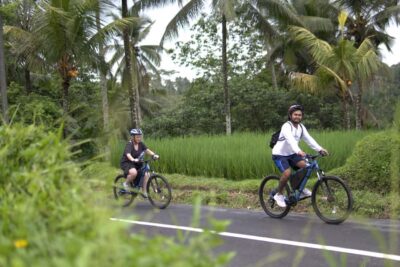
Bali’s rice terraces look different at e-bike speed. I love the UNESCO Jatiluwih rice terraces for the wide, green panorama, and I also like how the easy-to-use e-bikes make the hills feel manageable. One thing to keep in mind: the experience quality can vary, so you should be ready to do a quick safety and bike check before you start rolling.
You’ll meet at the Batukaru temple area (but you don’t visit the temple). The bikes are waiting near the pool before you go in, and pickup is optional if your hotel lobby is nearby. From there, the route layers jungle paths, a giant bamboo forest, local village lanes, and big valley views before you reach the heart of the UNESCO site.
After the ride, you get an Indonesian lunch at a nearby restaurant, plus coffee, tea, and water as part of the meal. Toward the end, you’ll get a cold towel, and the operator provides a raincoat when weather turns.
In This Review
- Key things you’ll notice on this Jatiluwih e-bike tour
- Where the ride starts: Batukaru temple area, no temple visit
- Getting to the UNESCO heart: how Jatiluwih feels once you arrive
- Jungle trails, bamboo forests, and village life between the terraces
- The volcano-valley setting: why the views look bigger here
- How long you’ll actually ride (and why that can feel tricky)
- E-bike handling, safety checks, and the one thing you should confirm
- The included lunch: what to expect after the ride
- Price and value at $69: what you’re really paying for
- Who should book this e-bike tour, and who should skip it
- Should you book this Jatiluwih e-bike tour?
- FAQ
- Where is the meeting point?
- Do you visit Batukaru Temple?
- How long is the tour?
- What is included in the price?
- Is the guide available in English?
- Is hotel pickup available?
- Who is this not suitable for?
- Can I cancel and pay later?
Key things you’ll notice on this Jatiluwih e-bike tour
- UNESCO Jatiluwih, 300+ hectares: you ride toward the center of the protected area and see why it’s famed for rice terraces.
- A changing “feel” on the same ride: the Batukaru-to-Jatiluwih approach looks different from the central Jatiluwih zone.
- Jungle + bamboo + rice terraces in one loop: you’re not stuck in only farmland or only forest.
- A valley framed by extinct volcanoes: the terrain sits between four extinct volcanoes, which gives the views extra scale.
- Shorter riding time than the label suggests: the total tour is 2 hours, but the time actually spent on the e-bike may feel closer to about an hour.
- Bike condition and safety can be inconsistent: most reports are great, but you’ll want to confirm your helmet and do a quick pre-ride check.
Where the ride starts: Batukaru temple area, no temple visit
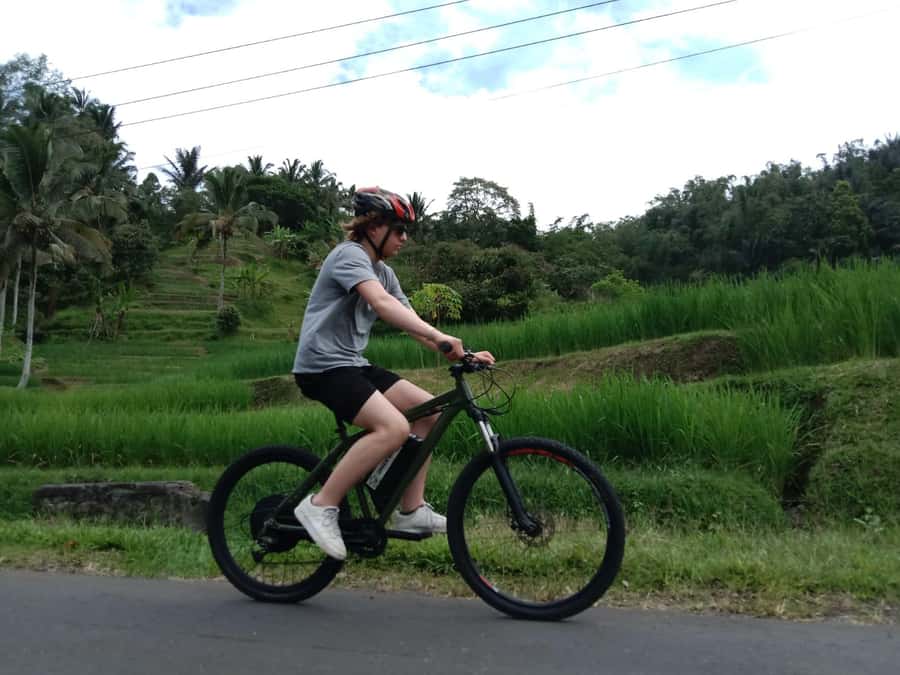
Your tour begins near Batukaru Temple, but there’s no temple stop on the schedule. Instead, you’ll meet close to where the operator keeps their e-bikes near the pool area, and your guide gets you set up there. The practical upside is that you’re not spending time inside a site before your ride even starts. You’re moving quickly from meeting point to scenery.
If you choose the optional pickup, the driver collects you from your hotel or villa lobby. That matters because Bali traffic can turn a simple morning into a guessing game. Even with pickup, keep a little buffer in your day so you’re not rushed right when you arrive.
The group is small, limited to 12 participants, and the tour runs with an English-speaking guide. Small group size usually means you get more attention at the start—important if you’re not a confident cyclist.
You can also read our reviews of more tours and experiences in Bali.

Getting to the UNESCO heart: how Jatiluwih feels once you arrive
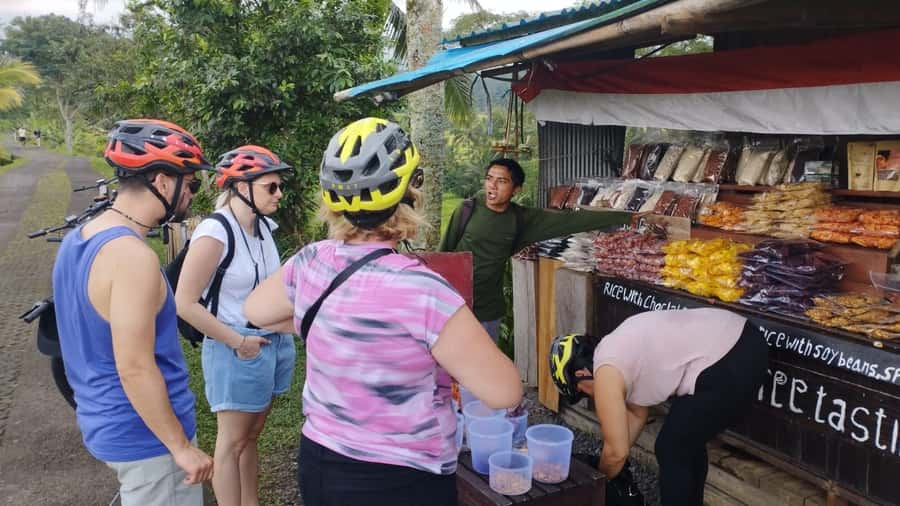
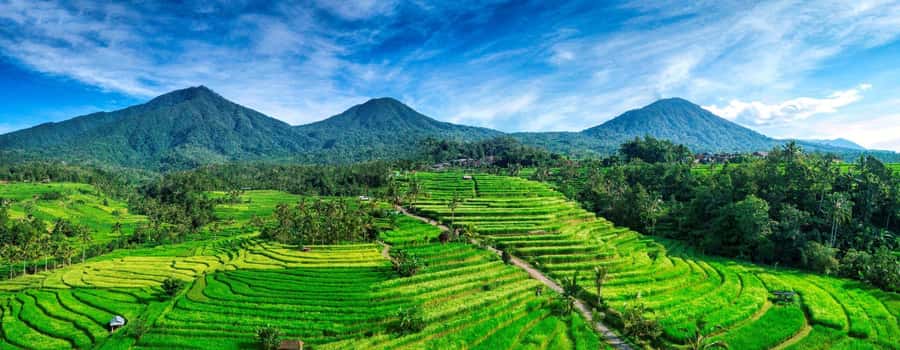
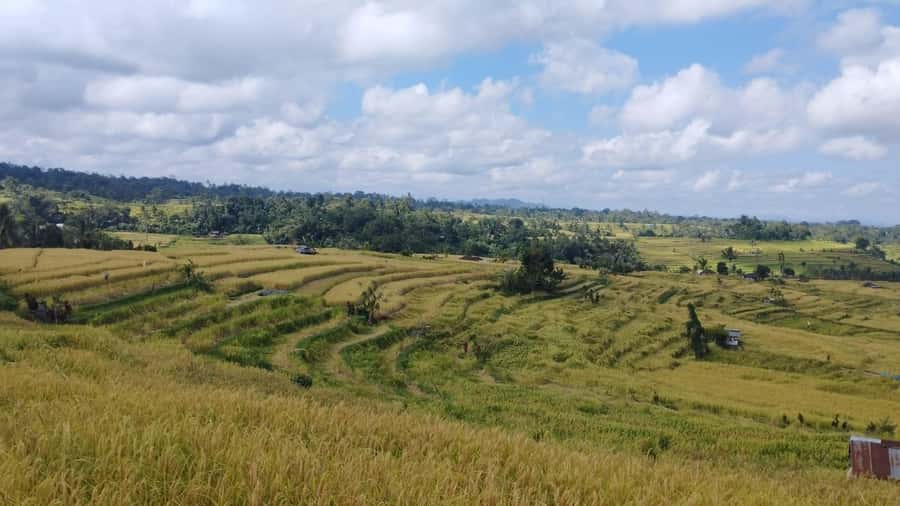
Jatiluwih covers more than 300 hectares of tropical vegetation and vivid green rice terraces. On this tour, you ride through the approach and then head into the central area of the UNESCO site. The difference between “getting there” and “being there” is noticeable: the road from Batukaru toward Jatiluwih has its own look, while central Jatiluwih is where the terraces open up into wide, panoramic views.
This is one of those places where the scenery isn’t just pretty—it helps you understand how the land is used. The terraces are carved into rolling terrain, and the e-bike makes it easier to reach viewpoints without turning the day into a workout you didn’t plan for.
If you’re used to Bali’s more famous temple circuits, this tour is refreshingly different. You’re not chasing doorways and statues. You’re reading the land: steep edges, terrace walls, water channels, and village clusters tucked into the hills.
Jungle trails, bamboo forests, and village life between the terraces
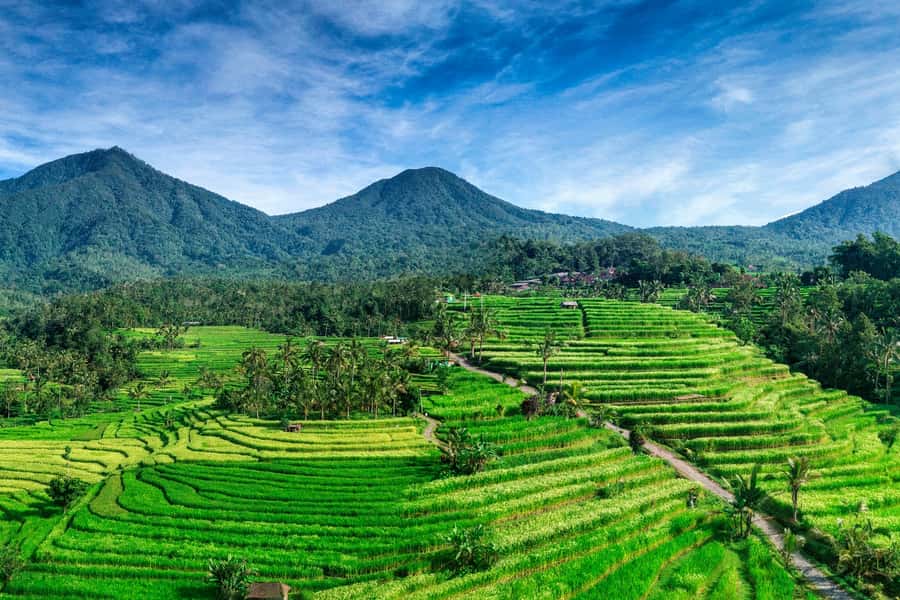
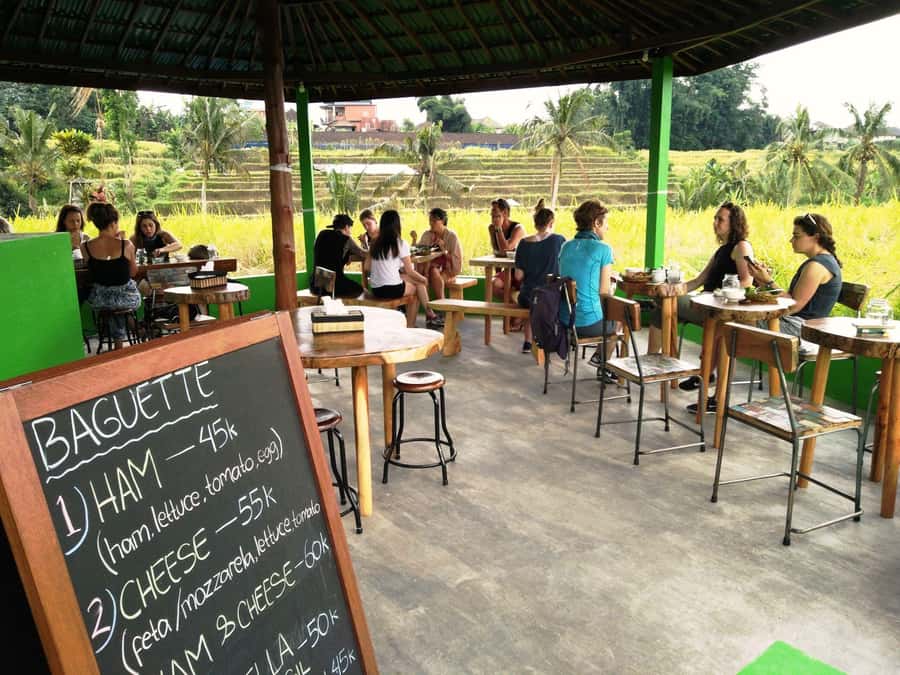
The ride isn’t only rice. You also pass dense jungle, a giant bamboo forest, and local villages before you settle into the terrace views.
That mix is a big part of why this tour works. The jungle and bamboo segments give you shade and a cooler pace, and they make the ride feel like you’re traveling through a real working valley rather than photographing a single landmark. The village lanes add human scale—homes, small roads, and everyday life that feels part of the landscape (in the literal sense: part of the terrain you’re traveling through).
You can also pick up how rice cultivation fits the local system. Some guides explain how irrigation works there, including the Subak system. Even if the exact wording changes by guide, expect commentary that ties the terraces to how local families manage water and fields. That’s what turns “pretty photos” into understanding.
One practical note: these paths can get muddy, especially if it’s been raining. Even if you don’t personally slip, the terrain can still be wet in spots, so plan on damp shoes by the end.
The volcano-valley setting: why the views look bigger here
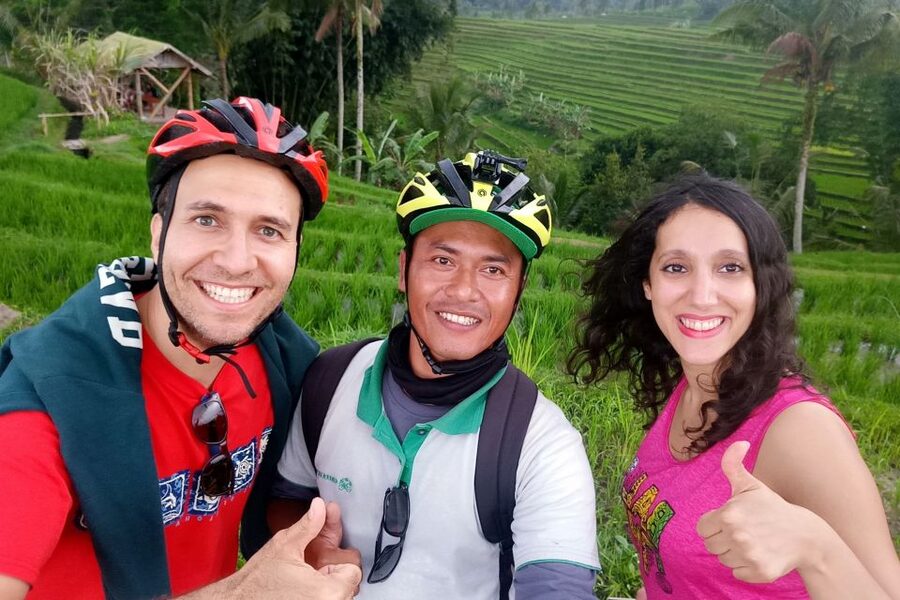
Jatiluwih sits in a valley between 4 extinct volcanoes. That’s not a trivia line—it affects how the terrain unfolds around you. When you look out over terraces, you’re seeing layers: hillsides rising in the distance and valleys dropping away in front.
This matters because Bali valleys can feel tight when you’re on foot. On an e-bike, you move along edges and gentle gradients that give you a steady rhythm of sightlines. In simple terms, you get more chances to see the valley’s scale without the effort of constant steep climbing.
If you like panoramic viewpoints but also want to keep your day moving, this volcano-framed setting is a strong reason to choose this tour over a shorter photo stop.
How long you’ll actually ride (and why that can feel tricky)
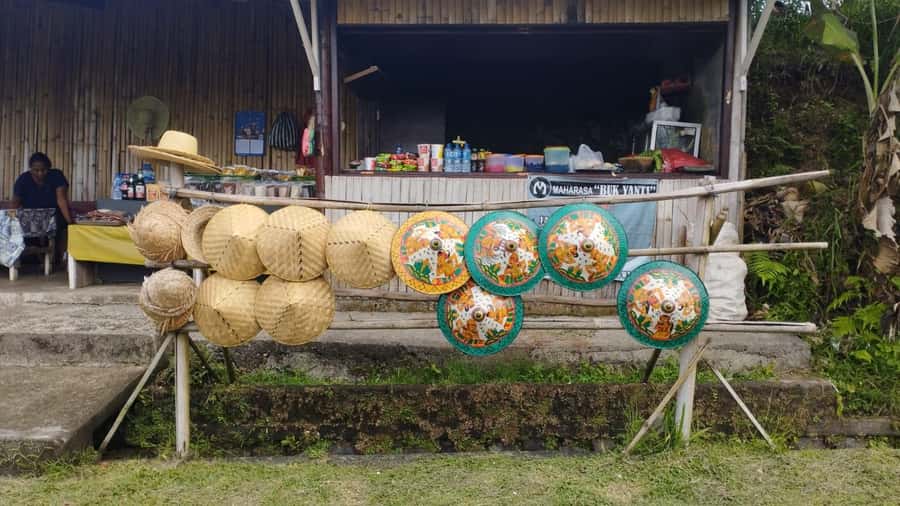
The tour is scheduled for 2 hours total, and it includes time for setup, riding, short stops, and lunch. Based on the most consistent feedback, the “on-bike” portion may feel shorter than you expect—often closer to about an hour of actual cycling, with the rest time split among pauses and the meal.
That can be a deal-breaker if you booked primarily for a long, continuous ride. But it can still work if your priority is views plus interpretation plus a meal that’s easy to access after the ride.
My advice: choose this for the full experience, not for “max miles.” If you want mostly time in the saddle, look for a longer format or a tour that promises longer continuous riding time (this one doesn’t clearly emphasize that).

E-bike handling, safety checks, and the one thing you should confirm
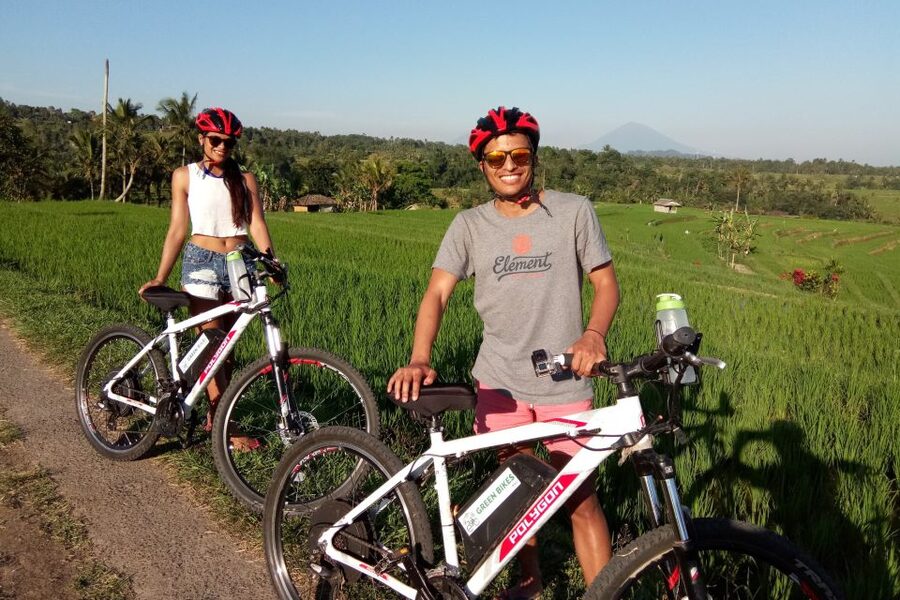
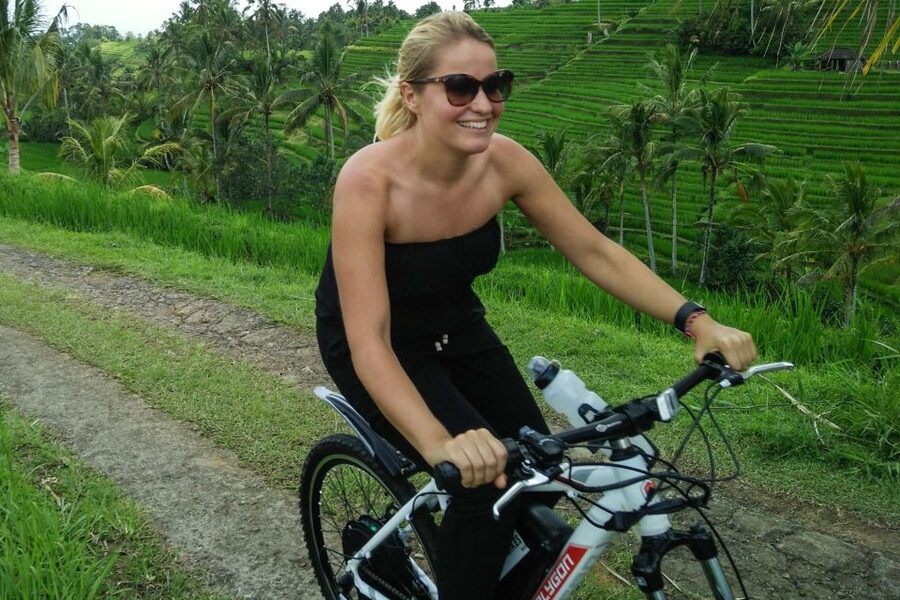
E-bikes are included, along with a helmet, and the bikes are meant to be easy to use. In general, the e-assist helps you coast through gentle climbs without cooking your legs.
Still, I’d treat this as a real ride, not a ride-in-name-only situation. Some reports describe technical problems and even falls. That doesn’t mean the tour is unsafe by default, but it does mean you should take a minute at the start and confirm:
- Your helmet is actually provided and fits properly.
- Brakes feel responsive and tires look properly inflated.
- You know how to start/stop the e-bike smoothly before you leave the meeting area.
It’s also smart to wear sport shoes and comfortable clothing (they provide a raincoat if needed, but you still need footwear that handles wet patches). Sunglasses, sunscreen, and a hat or cap also help because you’ll be out in open terrace areas at parts of the ride.
If you’re carrying camera gear, keep it secure and easy to grab. On this kind of route, you’ll want to stop quickly when the views open up.
The included lunch: what to expect after the ride
The tour includes an Indonesian lunch at a nearby restaurant, plus free-flow water, coffee, and tea. There’s also a cold towel at the end of the e-bike portion, which is a small comfort that makes a difference when you’ve been cycling in tropical heat.
Now the honest part: lunch reviews aren’t perfectly uniform. Some people describe the food as tasty (including nasi), and others felt it was plain or not up to what they wanted.
So here’s how I’d frame it for your decision-making. You’re paying for a full package: ride time, UNESCO admission, guide, equipment, and lunch. Even if lunch isn’t the best meal of your Bali trip, it’s still valuable because it saves you from planning food right after the tour.
If you’re picky about taste or seasoning, consider having a simple snack in your day bag for later. The tour includes water, but your own backup is what keeps the day from feeling disappointing if the meal isn’t your style.
Price and value at $69: what you’re really paying for
At $69 per person, the price becomes easier to judge once you look at what’s included. You get:
- E-bike and helmet
- Admission to Jatiluwih
- Professional cycling guide (English)
- Insurance
- Water
- Cold towel
- Raincoat when needed
- Lunch with free-flow water, coffee, and tea
- Hotel transfers if that option is selected
- Small group size (up to 12)
That’s a lot packed into one booking. The big value isn’t only the ride. It’s the combination of getting into a UNESCO site with an organized guide, transportation help (optional but useful), and food that’s timed to the end of the activity.
Where the price can feel “high” is if you go expecting a long cycling-only adventure. If your expectation is mostly miles in motion, this format may not deliver. If your expectation is scenic terraces plus interpretation plus a no-stress meal, the cost feels more reasonable.
Who should book this e-bike tour, and who should skip it
This tour is best for people who can handle basic cycling and want help with hills. It’s not suitable for people who can’t ride a bike, and there’s also a height and weight limits noted by the operator: not for people over 260 lbs (118 kg) or under 4 ft 8 in (145 cm).
If you’re traveling with limited time and you want a “one booking” experience that covers jungle, bamboo, villages, and rice terraces, this hits a lot of boxes quickly. The small group size also helps you feel less crowded, especially once you’re in tighter terrace viewpoints.
If you’re extremely safety-conscious and you’ve had bad luck with worn rental bikes in the past, you might feel more comfortable choosing a departure where bike checks are emphasized and where you feel confident in the operator. At minimum, confirm helmet fit and take your time checking brakes and tires.
Should you book this Jatiluwih e-bike tour?
Book it if you want a guided way to see UNESCO Jatiluwih with an e-bike that keeps the ride manageable. I think it’s a great fit for couples, friends, and solo travelers who like scenery that feels both breathtaking and practical to reach without a big physical challenge. The mix of jungle, bamboo, villages, and terraces makes the day feel varied.
Don’t book it if your main goal is lots of continuous riding time. Also, be mentally prepared for wet ground in spots, and treat the bike setup as your responsibility for one minute—confirm helmet and do a quick pre-ride safety check.
If you want my bottom-line take: this is a scenic, countryside-style e-bike tour with strong educational moments about rice cultivation, but you should go in with realistic expectations about how much you’ll be cycling versus stopping and lunch time.
FAQ
Where is the meeting point?
You meet in the Batukaru temple area. The operator will be waiting with the electric bikes near the pool before entering the Batukaru temple area.
Do you visit Batukaru Temple?
No. The tour starts in that area, but the temple itself is not visited.
How long is the tour?
The duration is 2 hours.
What is included in the price?
The tour includes an e-bike and helmet, admission to Jatiluwih, a professional cycling guide (English), insurance, water, a cold towel at the end, lunch (with free-flow water, coffee, and tea), and a raincoat when needed.
Is the guide available in English?
Yes, the live tour guide is English speaking.
Is hotel pickup available?
Yes, pickup is optional, and the driver can pick you up from the lobby of your hotel or villa.
Who is this not suitable for?
It’s not suitable for people who can’t ride a bike, people over 260 lbs (118 kg), or people under 4 ft 8 in (145 cm).
Can I cancel and pay later?
You can cancel up to 24 hours in advance for a full refund. You can also reserve now and pay later to keep plans flexible.
If you tell me your Bali base (Ubud, Seminyak, Canggu, etc.) and whether you’re rain-prone-day travelers or careful planners, I can help you decide if this timing and format will feel like value for your trip.