REVIEW · CONGO SQUARE
New Orleans: Scenic City Bike Tour
Book on GetYourGuide →Operated by Flambeaux Bicycle Tours · Bookable on GetYourGuide
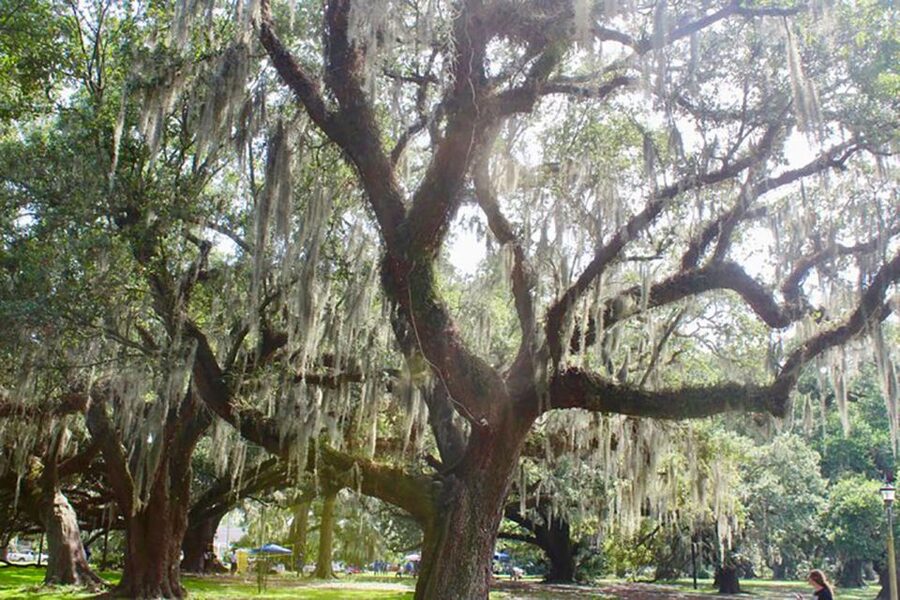
That live oak shade is worth the trip. You’ll bike from the French Quarter into quieter neighborhoods, with stops that explain how New Orleans grew. What makes it especially fun is the mix of easy riding and real local details, from Creole culture to cemetery traditions.
I love how the route stays flat and leisurely, so you’re not fighting the ride while trying to take in the views. I also like the way the guide turns common landmarks into clear stories—like what burial practices looked like in St. Louis Cemetery No. 3 and how Bayou St. John mattered for the city’s start. You’ll feel like you got oriented fast, without being dragged through a museum-on-a-bike routine.
One possible drawback: this is a 3-hour ride with a small-group pace, and it isn’t built for people who want lots of long, standalone exploring time. If you get antsy sitting in the saddle or you’re traveling with very young teens, this might feel a bit structured.
In This Review
- Key points before you pedal off
- French Quarter start, then real New Orleans on two wheels
- Esplanade Ridge and Esplanade Avenue: where the shade does the work
- Faubourg Marigny: creative streets with a reason behind them
- St. Louis Cemetery No. 3: how burial practices tell the city’s story
- City Park and Bayou St. John: moving from grand lawns to water-country origins
- Mid-City, the Lafitte Greenway, and the parks that teach you how to look
- Pace, stops, and what the 3 hours really adds up to
- Price and value: why $55 can feel like a bargain here
- Who this tour suits best—and who should skip it
- Should you book this New Orleans scenic bike tour?
- FAQ
- How long is the New Orleans Scenic City Bike Tour?
- Where do I meet for the tour?
- What’s the price per person?
- What’s included in the ticket price?
- Is hotel pickup or drop-off included?
- Is food included?
- How big is the group?
- What age and size requirements are there?
- What footwear and behavior rules should I know?
- Can I cancel for a full refund?
Key points before you pedal off
- Small group (up to 10) means more time with the guide, not just camera stops
- Live oak shade on the way to Esplanade Avenue keeps the ride comfortable
- St. Louis Cemetery No. 3 gets explained in a practical, no-stress way
- Creole mansions and neighborhoods show the city beyond the postcard zone
- Bayou St. John connects Native American and French roots to New Orleans’ founding
French Quarter start, then real New Orleans on two wheels
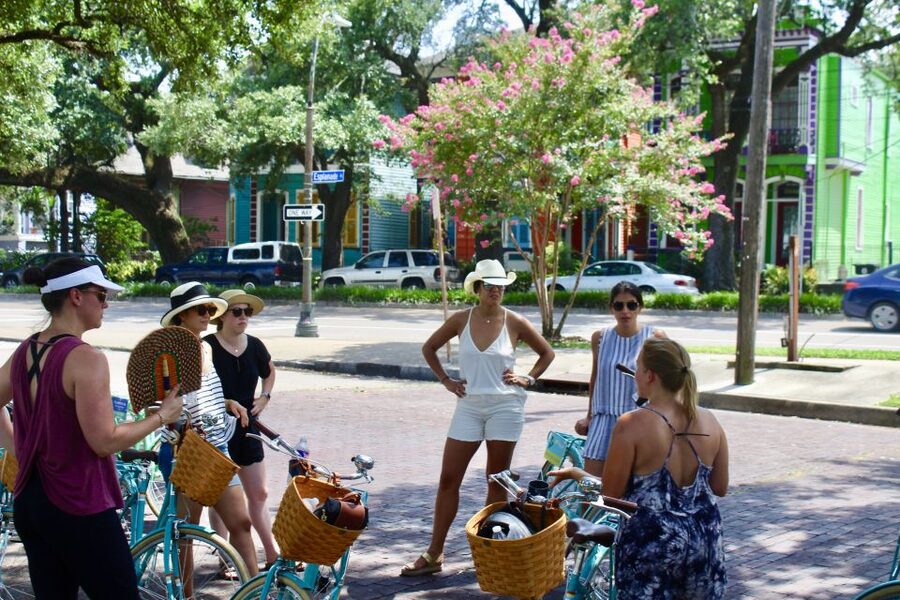
You meet on North Rampart Street in the French Quarter, between Toulouse and St. Peter, right next to Arrow Cafe. That’s a smart setup, because you can arrive on your own schedule and still jump straight into the ride. The tour is 3 hours, usually in the afternoon, and it stays focused on getting you out of the busiest streets without turning it into a full-day commitment.
Right away, you’ll get fitted on your bike. The bike quality is a big part of why this tour works well—one of the most repeated themes in the feedback is that the bikes are in good condition and the pace feels comfortable. The route is described as flat and leisurely, which matters in New Orleans, where one day can mean sticky heat, sudden showers, and lots of walking for most visitors.
You’ll also want to plan for the tour’s limits. It’s not for sandals or flip flops, and unaccompanied minors aren’t allowed. There’s also a clear expectation around staying sober—intoxication isn’t permitted. In other words, this is an active cultural outing, not a party cruise.
Esplanade Ridge and Esplanade Avenue: where the shade does the work

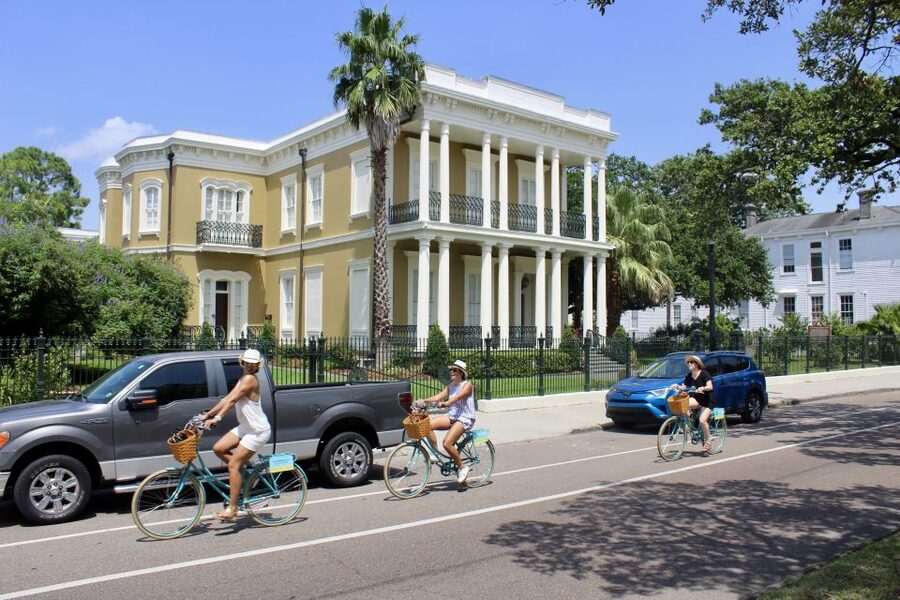
One of the best parts of the itinerary is how it turns the idea of seeing the city into something you actually feel in motion. After you pedal out of the French Quarter area, you’ll ride along Esplanade Ridge and then down Esplanade Avenue, with long stretches under regal live oak trees. That matters more than people think. In summer especially, shade isn’t a luxury; it’s the difference between enjoying the ride and counting minutes.
As you cruise, the guide connects what you see to what it meant for the city. You’ll learn how the historic city expanded into what used to be a bayou, and you’ll spot architecture tied to Creole life. Expect stops where the guide points out Creole mansions and explains the neighborhood logic behind them. It’s the kind of context that helps you walk around later and actually recognize patterns, instead of just admiring facades.
Practical note: this part of the tour is where you’ll want to be alert for intersections and street activity. The route is leisurely, but you’re still riding in an urban environment. If you’re new to biking in traffic, start calm and let the group set the rhythm.
Faubourg Marigny: creative streets with a reason behind them

The tour includes time in Faubourg Marigny, and that’s a nice way to move beyond only the most famous corners. This neighborhood sits just far enough from the classic tourist circuit to feel more lived-in, but it still connects neatly to the route you’re taking. You won’t be doing a deep dive into every block, but you’ll get orientation—how this area fits into the city’s bigger story.
This is also where the guide’s delivery makes a difference. Several people highlight that the guides are both entertaining and easy to listen to, with a pace that doesn’t feel rushed. One reviewer even mentioned a personal connection to jazz history because the guide is a musician—exactly the type of detail that helps a tour feel human instead of scripted.
If your plan is to spend the rest of your trip wandering, this early cultural framing is useful. You’ll be able to walk into other neighborhoods later and say, oh, that’s why this street layout and architecture feel the way they do.
St. Louis Cemetery No. 3: how burial practices tell the city’s story
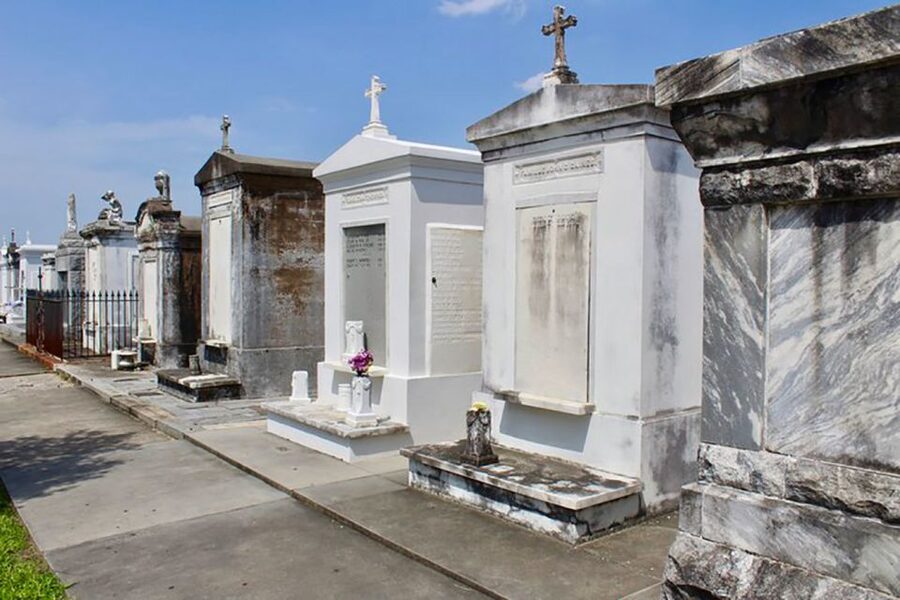
The tour stops at St. Louis Cemetery No. 3, and it’s not just a photo stop. You’ll learn about burial practices there—why the cemetery looks the way it does and what that says about the community. Cemetery tours can go two ways: either they feel like spooky theatrics or they get reduced to basic rules. Here, the emphasis is on understanding.
This is also one of the most important value points of the tour. You’re getting context you’d be unlikely to piece together on your own in a quick visit. New Orleans cemetery traditions are deeply tied to local history and geography, so hearing it explained while you’re standing in the right place makes it stick.
One consideration: cemeteries can be warm, and you’ll likely be in a still or slow-moving section of the tour when other parts have you pedaling. Wear comfortable clothing that tolerates heat, and keep water in mind since only one bottled water is included.
City Park and Bayou St. John: moving from grand lawns to water-country origins
After the cemetery, the ride shifts toward City Park and then onward toward Bayou St. John. City Park is a big open space, and the tour treats it like a transition zone: the city’s elegance and planning, followed by the reminder that New Orleans is shaped by water.
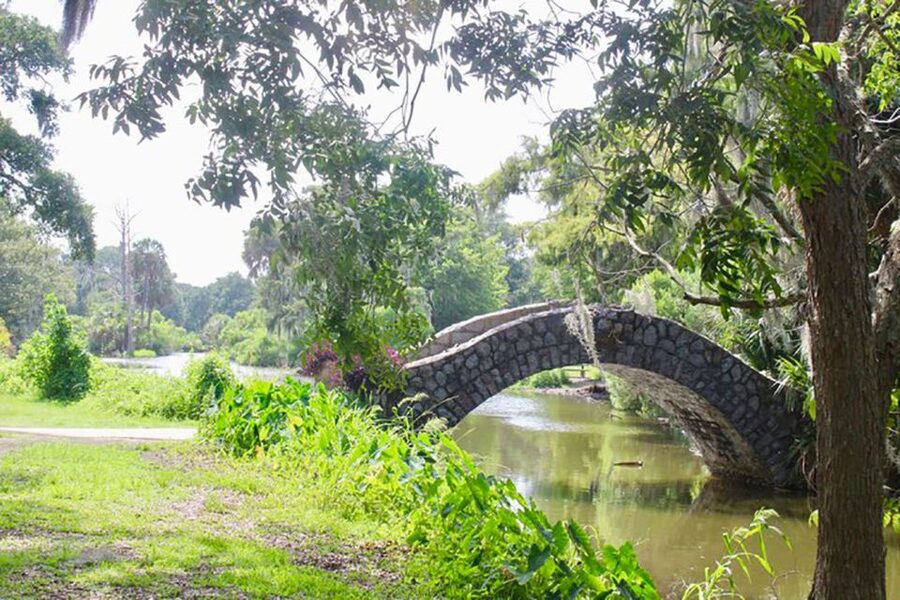
You’ll cruise past swampy vistas in City Park, which is a helpful reality check if you’ve only seen New Orleans as balconies, courtyards, and street performers. Then comes Bayou St. John, a historic waterway used by Native Americans and French settlers alike. The guide explains why it was instrumental in the city’s founding, and you’ll feel the timeline more clearly when you connect it to the modern geography.
This part is valuable because it’s not just culture talk. It’s place-based learning. You’re riding from one setting to another, so the story has momentum. And Bayou St. John is the kind of feature that people walk past without realizing it’s a major character in the New Orleans origin story.
Mid-City, the Lafitte Greenway, and the parks that teach you how to look
The route includes Mid-City and the Lafitte Greenway, plus stops around Louis Armstrong Park and Congo Square. These segments help round out what the tour means by expanding beyond tourist boundaries. Instead of only seeing the city’s famous edges, you get a sense of how neighborhoods connect, where people gather, and how public space works here.
Lafitte Greenway is especially useful for resetting your eyes. Greenways are often about movement and safety, and by being on a bike, you get a smoother understanding of how a city’s linear paths function. You’ll also notice how the tour manages transitions between busier areas and calmer ones—again, the flat, leisurely approach pays off.
Louis Armstrong Park and Congo Square give you cultural anchors late in the ride. Congo Square, in particular, is a name that matters for New Orleans music and community roots, and it fits the tour’s goal: to connect the city’s identity to specific places, not just general vibes.
Pace, stops, and what the 3 hours really adds up to
The tour is built around three hours with planned stops, not a drive-by checklist. That’s why people keep praising the experience for its pacing. If you like tours that end with you feeling oriented rather than exhausted, this format usually works well.
You’ll also get a small-group experience—limited to 10 participants. That size is big enough for a lively group but small enough for questions. It’s easier to hear the guide at the stops, and it’s simpler for the guide to manage timing when you’re moving through neighborhoods with changing street conditions.
What’s included is also straightforward: use of bicycle, an optional helmet, and one bottled water. Food isn’t included, so if you’re doing this afternoon, I recommend eating something beforehand (or having a plan to grab something right after). New Orleans runs on appetite, and you don’t want your energy to sag right when the story gets most interesting.
Price and value: why $55 can feel like a bargain here
At $55 per person for about three hours, this tour can feel like good value if you factor in what you’re buying: a guide, a bike, and a structured route that connects major sites without you needing to figure out logistics. You’d likely spend time (and probably money) figuring out a safe biking plan, getting directions between neighborhoods, and selecting what to see in a sensible order. Here, that work is already done for you.
It’s also a value win if you’re short on time. Many visitors want the city’s “best bits,” but they also want understanding. This tour targets both: famous areas like the French Quarter, plus less-visited stops that explain the city’s growth into places that used to be bayou country.
Is it worth it if you’re a hardcore cyclist who wants to do everything yourself? Maybe not. But if you want guided context and an easy ride that hits major cultural and geographic stops, this pricing tends to make sense.
Who this tour suits best—and who should skip it
This works best for visitors who:
- want an easy way to see more than just the French Quarter
- like learning in short, stop-by-stop chunks
- enjoy biking but don’t want steep climbs or technical riding
- prefer a guide-driven route with small-group energy
It’s less ideal if:
- you’re traveling with someone under 13 (the tour isn’t suitable for children under 13)
- you don’t meet the height requirement (over 4’11”)
- you want lots of free time at each stop instead of a managed route
- you’re planning to wear sandals or flip-flops (those aren’t allowed)
If you’re the type who likes to understand a city’s layout, why things are where they are, and how culture ties to place, you’ll probably come away with a much better mental map.
Should you book this New Orleans scenic bike tour?
I’d book it if you want a smart, low-stress way to get beyond the obvious New Orleans highlights and into the neighborhoods that explain how the city works. The stops are meaningful, the ride is comfortable for most people, and the guides seem to land the sweet spot between history and entertainment.
Skip it only if you need long, independent exploration time, or if biking for three hours feels like too much structure. For everyone else, this is one of those tours that helps you see New Orleans more clearly right away, then makes the rest of your trip feel easier to navigate.
FAQ
How long is the New Orleans Scenic City Bike Tour?
The tour lasts 3 hours.
Where do I meet for the tour?
You meet on North Rampart Street in the French Quarter, between Toulouse and St. Peter, next to Arrow Cafe.
What’s the price per person?
It costs $55 per person.
What’s included in the ticket price?
The tour includes use of a bicycle, an optional helmet, and 1 bottled water.
Is hotel pickup or drop-off included?
No, hotel pickup and drop-off are not included.
Is food included?
No, food isn’t included.
How big is the group?
It’s a small group limited to 10 participants.
What age and size requirements are there?
Participants must be over 13 years old and taller than 4’11”. Participants under 18 must be accompanied by a legal guardian.
What footwear and behavior rules should I know?
Sandals or flip flops are not allowed, and intoxication is not permitted.
Can I cancel for a full refund?
Yes. Free cancellation is available up to 24 hours in advance for a full refund.