REVIEW · BAYEUX
Normandy Guided E-bike tour to Omaha Beach / private tour
Book on Viator →Operated by PETITE REINE · Bookable on Viator
E-bikes make Omaha Beach feel close. This private guided ride from Bayeux brings you to the big D-Day stops with time to breathe, reflect, and move at a human pace, plus guides such as Theo and Hugo who keep the stories clear and personal.
I especially like that the e-bike does the heavy lifting, so the trip feels more like cruising through Normandy than training for a race. And I like the structure: you get viewpoints, memorial moments, and a proper chunk of time at the American cemetery without rushing.
One thing to consider: it runs about 5 hours and depends on good weather, so plan for wind, rain, or cooler temperatures and dress like you mean it.
In This Review
- Key reasons this ride is worth your time
- Bayeux Start: where Normandy’s D-Day day makes sense
- The e-bike setup: comfort first, history second
- Colleville-sur-Mer: German bunker stop and the coastal viewpoint
- The emotional beach stop: short time, big impact
- Cimetiere Americain de Colleville-sur-Mer: slow down at the American cemetery
- The countryside ride that connects the dots
- Guide quality: Theo or Hugo (and why that matters)
- Value and price: why $226.47 can still feel fair
- Who should book this Normandy e-bike tour?
- Getting your day right: small planning moves that pay off
- Should you book it?
- FAQ
- How long is the Normandy guided e-bike tour?
- Is this tour private?
- Where does the tour start and end?
- What’s included in the price?
- Is lunch included?
- Do I get pickup?
- What happens if the weather is poor?
Key reasons this ride is worth your time
- Private, small-group feel: only your party goes, so your guide can set the pace.
- Brand-new premium e-bikes: sized for you, with helmet and water included.
- Bunker-to-beach route: you’ll hit a German bunker stop and then move to the coast.
- Memorial time that isn’t rushed: a full hour at the American cemetery.
- Bayeux as your launchpad: start and end in the city, which makes planning simple.
- Guides who tailor on the fly: flexibility shows up in how the route and timing are handled.
Bayeux Start: where Normandy’s D-Day day makes sense
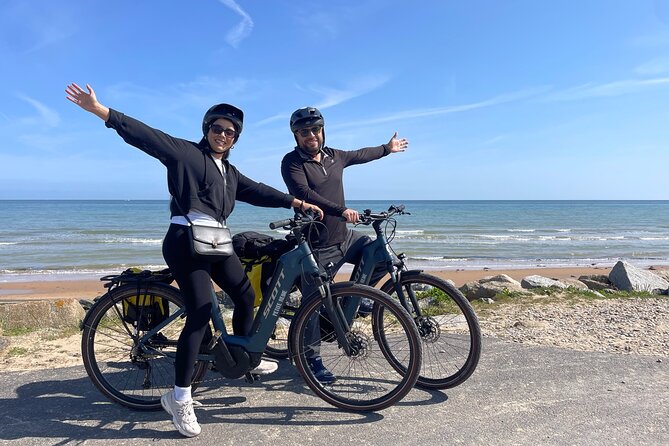
Bayeux is a smart place to begin. It’s lively enough to feel like a real town, but close enough to the Normandy coast that you’re not losing half your day to travel logistics. The tour starts and ends at the same spot on Bd Sadi Carnot, so there’s no scavenger hunt for where you’ll be left when you’re finished.
Your first stop is in Bayeux itself, with a short, relaxed introduction time. You’re not just being dropped onto a bike and told to figure it out. You get that initial context so the stops ahead land better when you arrive.
Practical note: this meeting point is near public transportation. That matters if you’re mixing this with other Normandy sights, since you can keep your day flexible rather than depending entirely on cars or taxis.
You can also read our reviews of more tours and experiences in Bayeux.
The e-bike setup: comfort first, history second
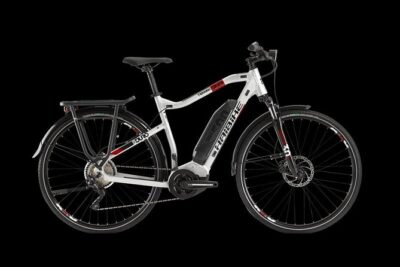
This is the kind of tour where the gear actually matters. You get a bike (including helmet), plus bottled water and snacks. The bike is described as new and premium and sized to fit, which sounds small until you’ve used the wrong-sized rental before and spent the whole day fiddling with posture.
What I like here is how the e-bike turns Normandy into a doable day for more people. E-bikes don’t eliminate hills everywhere, but they change the math. Instead of arriving at Omaha Beach sweaty and exhausted, you arrive thinking—eyes open, lungs steady, legs ready for the walking parts.
The ride is also planned as a guided loop, with frequent stops. That helps you absorb the story without feeling stuck on a long continuous stretch of road.
One consideration: even if the ride is manageable, it’s still a long time on the bike. If you get uncomfortable in the saddle or you’re not used to cycling for hours, you’ll want to pack for comfort (light layers, sun protection, and shoes you can walk in).
Colleville-sur-Mer: German bunker stop and the coastal viewpoint
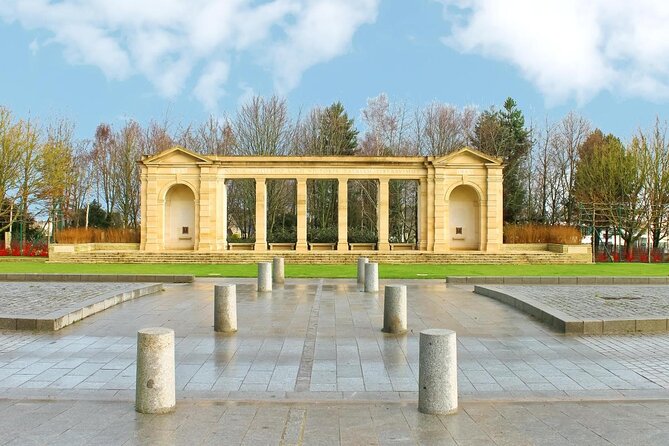
The first major push heads toward Colleville-sur-Mer. The schedule includes two stops in this area, and the first one is a German bunker and the best-view angle for Omaha Beach.
That pairing is excellent. You go from “here’s the shoreline” to “here’s what the German defenses were thinking.” A bunker stop isn’t just a photo stop. It gives you the military logic of the ground: the sight lines, the elevation, and the way the coast looks when you understand why it mattered.
Time is short here—around 20 minutes. That can feel brief if you’re the type who wants to wander and read everything. But it works for most people because it keeps momentum and saves longer, more emotional time for where it counts.
If you’re someone who likes taking in scenery with context, you’ll probably appreciate how this stop sets up the next beach moment.
The emotional beach stop: short time, big impact
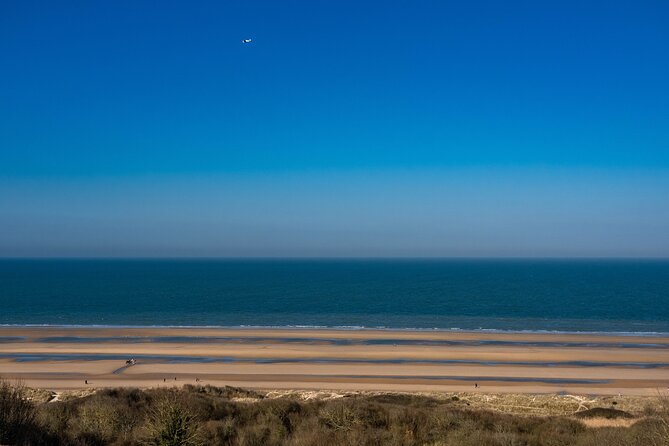
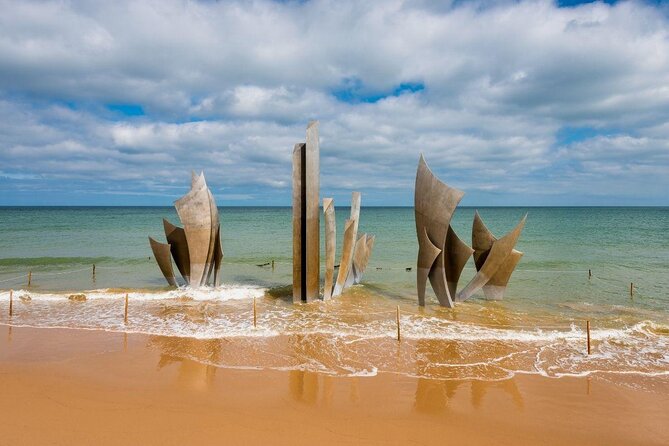
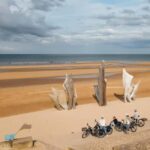
After the viewpoint, you head to the beach for an emotional stop. The time here is about 10 minutes, which is intentionally tight.
This is not the kind of stop where you’ll have time to soak up every detail like you’re on an independent walking tour. Instead, it’s a guided moment—enough to center you and connect what you just saw from the bunker to what happened on the sand.
The payoff is how the contrast works: you’ve already framed the coast from the defense side, then you step into the emotional reality of the place. Even if you’re not into WWII as a topic, this is the point where the experience shifts from sightseeing to understanding.
Cimetiere Americain de Colleville-sur-Mer: slow down at the American cemetery
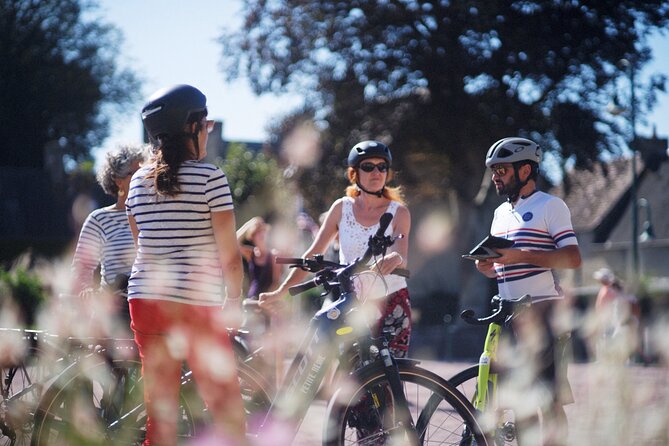
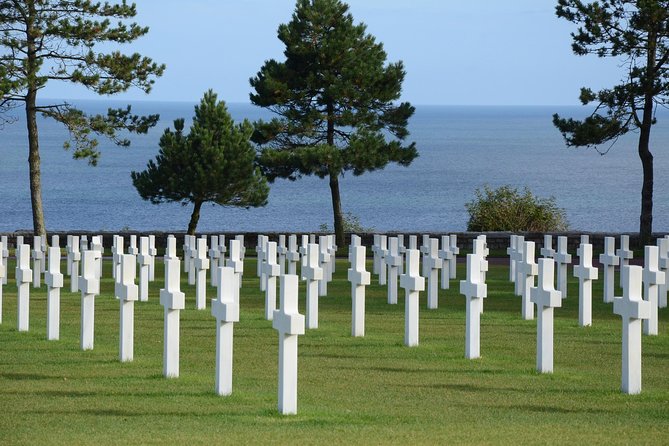
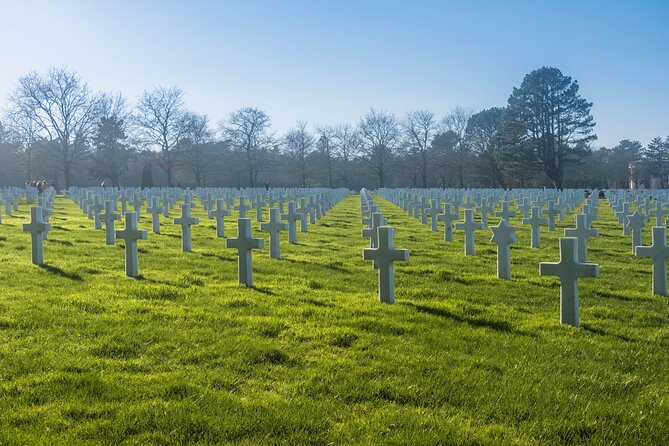
Then comes the biggest block of time: about 1 hour at the American cemetery. This is a meaningful stop for obvious reasons, and the timing is generous enough to do more than just look.
Here’s what’s valuable: you’re biking through different stretches of Normandy until the ride ends where the history is impossible to ignore. When the group arrives, you don’t immediately have to rush away. You get free time to be quiet, reflect, and walk.
The cemetery format tends to make people slow down naturally. With an hour, you can find a place to stand, take a deep breath, and read a few names without feeling like you’re racing the clock.
If you’re traveling with kids or teens, this timing also helps. One review-style theme that matters: younger people stayed engaged because the guide’s pace and planning kept the day from turning into a long lecture marathon.
The countryside ride that connects the dots
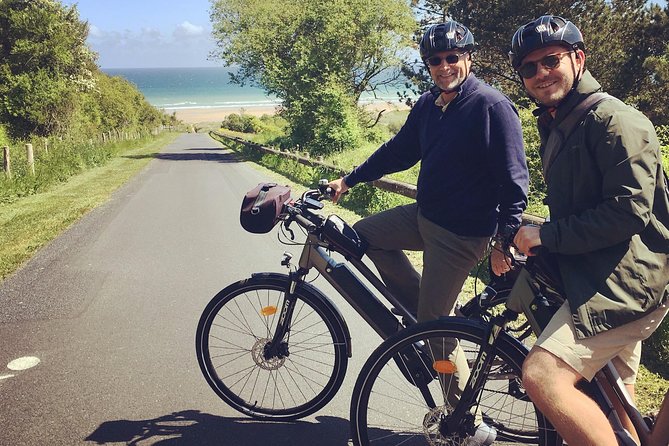
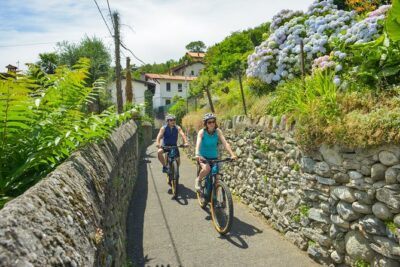
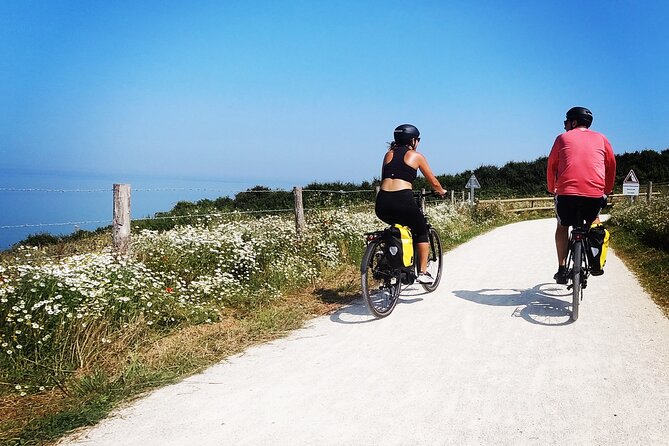
Between the coast stops and the cemetery, you’re on roads that feel like real Normandy—not just the main roads you see from a car window. The route is described as going through farmland, villages, and countryside backroads, with a mix of paved and fine gravel sections.
This matters because it changes your mental picture. When you ride through small roads, you start thinking about how soldiers moved through these same kinds of places, rather than only seeing the battlefield as a fixed “destination.”
Also, the pace is described as easy and manageable by people who expected it to be harder. That tells me the ride is planned for comfort, with e-bike assistance and an effort to keep the group together.
A useful tip if you’re planning your day: set a mindset of steady effort, not speed. You’re here for the route and the story, not to log miles.
Guide quality: Theo or Hugo (and why that matters)
A D-Day tour lives or dies by the guide. This one includes a friendly, professional cycling guide, and the names Theo and Hugo come up repeatedly.
What you want from a guide on this specific route is balance:
- Enough context so the stops make sense.
- Enough sensitivity so it doesn’t become trivia.
- Enough flexibility so your party doesn’t feel trapped by a rigid plan.
From the way the day is described, the guide does more than recite facts. They keep people engaged, including teenagers, and they adjust timing when weather and conditions call for it.
If you care about history but dislike long speeches, you’re in the right style. You get “just enough history” alongside actual riding time, so you learn while you move.
Value and price: why $226.47 can still feel fair
At $226.47 per person for about 5 hours, this is not a budget activity. But when you look at what’s included, it starts to make sense.
You’re getting:
- Use of an e-bike plus helmet
- Bottled water and snacks
- A friendly cycling guide for the whole ride
- And the listed stops include admission ticket entry as free for the sites on the schedule
Lunch isn’t included, so you may want to plan food either before you start or after you finish back in Bayeux. That’s one of the only real cost add-ons you should expect.
For me, the best value piece is the private format. “Private” isn’t just a marketing word here; it’s what lets the guide match pacing and stop time to your group, rather than herding everyone along at a one-size schedule.
If you’re two people looking for a guided way to cover Omaha Beach without the hassle of driving, parking, and timing across multiple sites, the price can feel reasonable.
Who should book this Normandy e-bike tour?
This tour fits best if you want:
- A guided Normandy day focused on the D-Day landmarks without doing it all by car
- A low-stress riding plan where the e-bike helps you keep your energy for the memorial moments
- Time at Omaha-area sites that isn’t just a quick drive-by
It’s also a good family choice. The reviews point to teens staying engaged, and the pace is described as easy and manageable.
Where it may not be ideal:
- If you hate being on a bike for hours
- If you need maximum free time to explore every site independently
- If you’re traveling with someone who gets motion discomfort, since this is a cycling experience first
Getting your day right: small planning moves that pay off
The tour needs good weather. So if your trip spans multiple days near the coast, try to keep this on a flexible date.
Also, since confirmation is sent within 48 hours of booking (when available), I’d treat your confirmation message like a checklist. Double-check the meeting point details and your guide’s contact info so you’re not scrambling on the morning of.
One more practical note: if you want photos, use the guide moments well. The itinerary includes short stops, so try to be ready to step off and look quickly when your guide signals. Then use the cemetery hour for longer photo time and slower walking.
Finally, dress for wind and coastal chill even in comfortable seasons. The bike ride plus ocean air can feel colder than you expect.
Should you book it?
Yes—if your goal is a guided, efficient, emotionally meaningful D-Day route that’s easier on the body than driving and walking all day. The combination of German bunker viewpoint, quick beach moment, and a full hour at the American cemetery creates a rhythm that works.
I’d book this when:
- You want a private experience rather than a big group
- You like the idea of Normandy backroads instead of only main roads
- You want the e-bike to help you keep your day relaxed
I’d think twice if:
- You’re set on wandering every site at your own pace for long stretches
- You’re likely to skip outdoors if weather turns
- You’d rather do this via car on your own schedule
If you’re on a first trip to Normandy and want Omaha Beach area highlights without logistical stress, this is a strong choice.
FAQ
How long is the Normandy guided e-bike tour?
It runs about 5 hours (approx.).
Is this tour private?
Yes. It’s listed as a private tour, with only your group participating.
Where does the tour start and end?
It starts at 19 Bd Sadi Carnot, 14400 Bayeux, France, and ends back at the same meeting point.
What’s included in the price?
Included items are use of the bicycle, helmet, bottled water, premium electric bike, a friendly professional cycling guide, and snacks. Admission tickets for the scheduled stops are listed as free.
Is lunch included?
No. Lunch is not included.
Do I get pickup?
Pickup is offered.
What happens if the weather is poor?
The experience requires good weather. If it’s canceled due to poor weather, you’ll be offered a different date or a full refund.