REVIEW · OTTAWA
Ottawa 200th Anniversary Guided Bike Tour
Book on GetYourGuide →Operated by RentABike · Bookable on GetYourGuide
Ottawa by bike feels like a shortcut through history. This 200th anniversary ride keeps things simple and scenic on car-free Rideau Canal paths, while Senior Guide Robert brings Ottawa’s past to life with stories, humor, and even a bit of family gossip.
One thing to plan for: if you want extra help on hills or just want to coast, e-bike assist costs an extra $20 and you need to request it ahead.
In This Review
- Key things I’d mark on my mental map
- Starting at the Senate: smooth start, easy orientation
- A mostly car-free Rideau Canal spin (45 minutes)
- Dow’s Lake: quick photos, classic Ottawa views (5 minutes)
- Dominion Arboretum: a calm stretch of sightseeing (15 minutes)
- Ottawa River photo moment (10 minutes)
- Chaudière Falls: the sightseeing stop that changes the mood (10 minutes)
- Kìwekì Point: another quick photo stop with meaning (10 minutes)
- Back to the canal downtown: finish while it still feels fun
- The bike you ride, the pace you get, and the comfort details that matter
- Weather, route changes, and what to watch for before you go
- Languages and group style: English or French with real effort
- Who this tour suits best (and who should look elsewhere)
- Value check: is $50 for 2 hours worth it?
- Should you book the Ottawa 200th Anniversary bike tour?
Key things I’d mark on my mental map
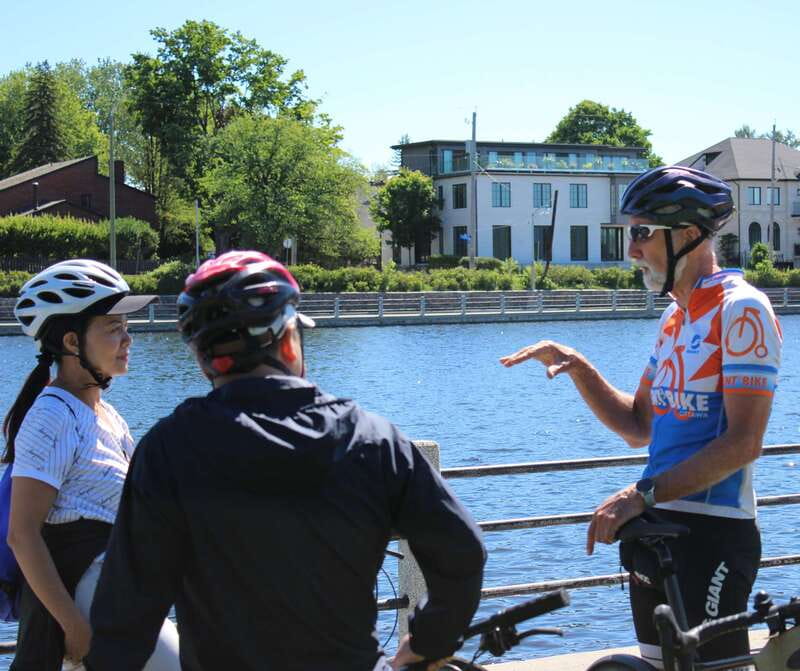
- Senior Guide Robert narration focused on 200-year history, culture, and society, with humor that actually lands
- World Heritage Rideau Canal access right downtown, with an easy starting point at Rideau St by the water
- Mostly flat, easy pace that works for basic riders and mixed abilities
- Car-free biking along pathways linking two provinces and city areas without the stop-and-go stress
- New Giant comfort bikes + helmet fitting, plus water and safe baggage storage
- Short photo stops timed so you still see a lot without feeling rushed
Starting at the Senate: smooth start, easy orientation
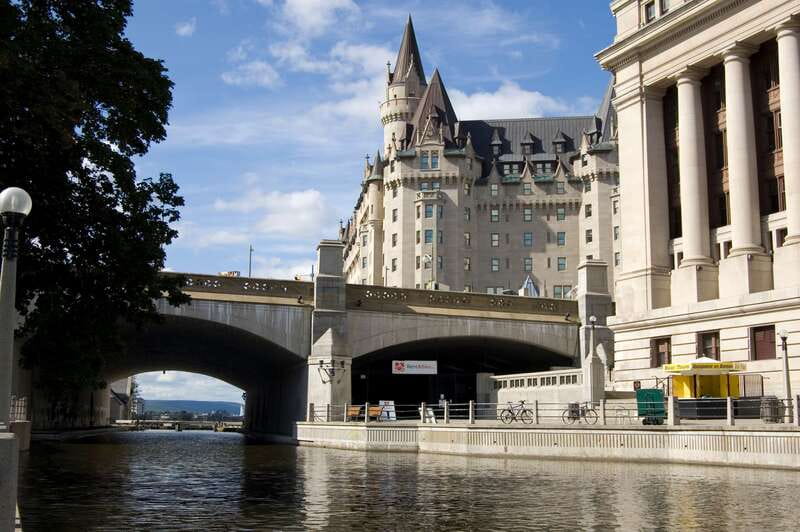
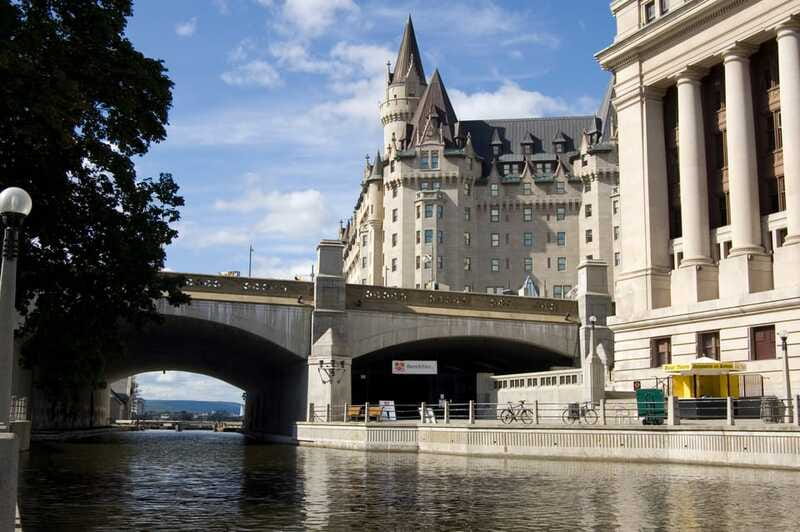
The meeting point is an easy one to find if you’re already near downtown landmarks. Go to the front door of the Senate of Canada, opposite the Château Laurier, then take the steps down on the right to the canal area. You’ll be at water level near the East Arch Plaza Bridge, which helps because the whole tour is built around riding along the canal system rather than wandering around side streets.
I like this kind of start. You get your bearings fast: bikes are ready, you’re already next to the scenery you’ll be seeing again and again, and you don’t lose time figuring out where the “real” ride begins.
You can also read our reviews of more tours and experiences in Ottawa.
A mostly car-free Rideau Canal spin (45 minutes)
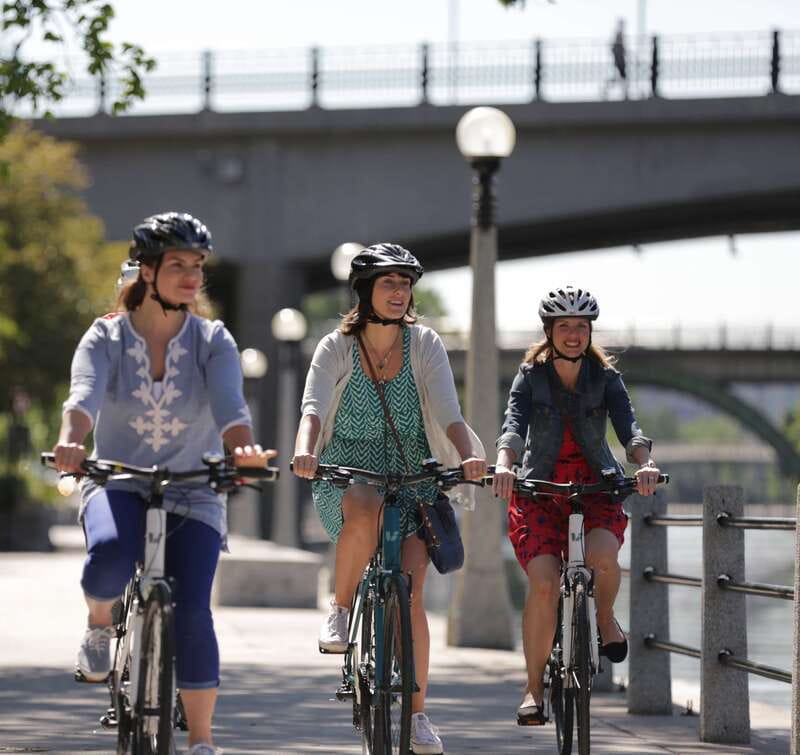
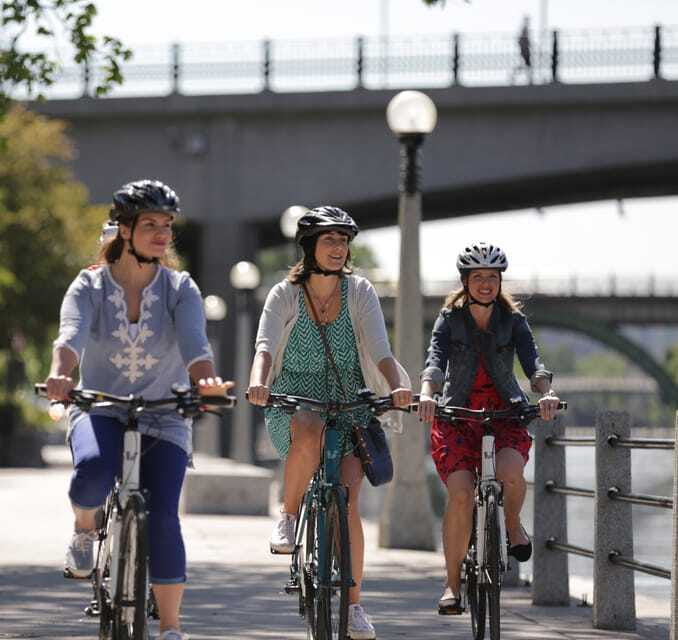
The heart of this tour is the Rideau Canal section. You get a 45-minute guided ride that works as a moving orientation to Ottawa’s waterways and downtown layout. The route follows pathways that keep you out of traffic and let you focus on views, landmarks, and Robert’s commentary instead of constantly watching for cars.
This matters more than it sounds. Ottawa is a big city on the map, but this tour frames it in an “easy line” you can follow. You’re riding on flat routes that connect different parts of the capital, so the whole city starts to make sense without you needing to memorize street grids.
You’re also on a World Heritage corridor, which means you’re not just biking for exercise. You’re rolling through a setting that shaped how the region grew and how people moved, traded, and settled. Robert uses that to tell a story that stays human: culture and society, not just dates and buildings.
Dow’s Lake: quick photos, classic Ottawa views (5 minutes)
Next is Dow’s Lake, with a short photo stop. This is one of those stops where the time limit is actually a benefit: you get a clear sightline, snap a few pictures, and then you’re back moving before the group stretches out too much.
What makes Dow’s Lake worth the stop on a bike tour is the way it breaks up the canal feel with an open-water view. It’s also a natural “reset moment” for your legs and your brain. You go from steady riding into a still moment and then back onto the route, which keeps the pacing friendly.
A small drawback: because this is deliberately short, you won’t have time for a long walk or a deep detour. If you love lingering at lookouts, you’ll want to circle back on your own later.
Dominion Arboretum: a calm stretch of sightseeing (15 minutes)
Then you’ll head to Dominion Arboretum for 15 minutes of sightseeing. This is a smart choice on a guided bike tour, because it adds variety. Instead of only waterfront and major landmarks, you get greenery and a slower-feeling corner of Ottawa.
Fifteen minutes is enough for the guide to point out what to watch for and for you to take in the atmosphere, without turning the tour into a long standstill. You’re still on “tour time,” so the whole day doesn’t slow down—yet you get a real sense that Ottawa isn’t only stone and water.
If you’re traveling with mixed abilities or kids, arboretum stops tend to work well because the space invites easy standing, looking, and taking photos without demanding extra effort.
Ottawa River photo moment (10 minutes)
Another pause follows at the Ottawa River, again as a 10-minute photo stop. This is the kind of stop that’s all about angles. From the pathways, you can line up views that make Ottawa’s waterfront feel wider and more dramatic than it looks from street level.
I like that the tour doesn’t try to force you to “do everything.” Instead, it gives you a clean chance to capture a view and then keeps momentum. By the time you reach the next major landmark, you’re energized, not exhausted.
Chaudière Falls: the sightseeing stop that changes the mood (10 minutes)
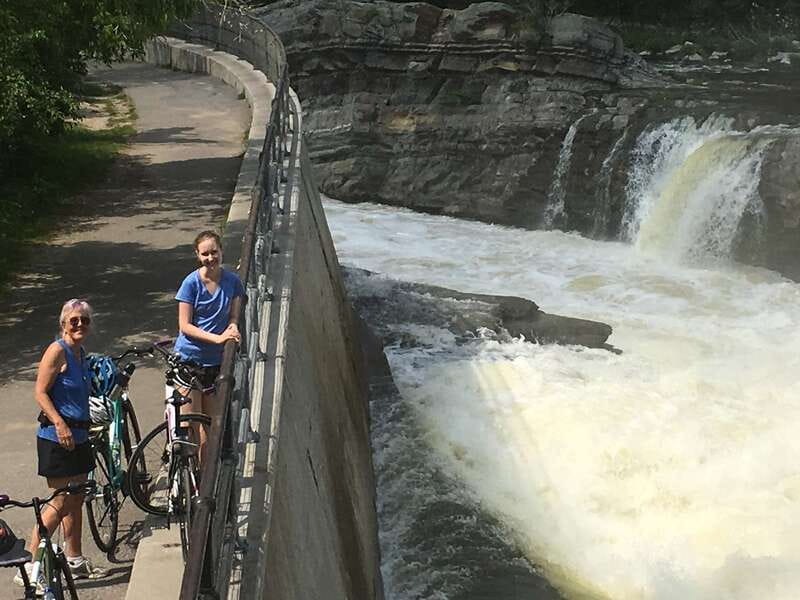
Then comes one of the most rewarding visual moments on the route: Chaudière Falls for 10 minutes of sightseeing. Even if you’re not a hardcore falls-and-rapids person, this stop adds contrast. It shifts the story from calm canal riding to something with energy.
It’s also a good moment to listen closely to Robert. This tour’s strength is how he ties geography to history and everyday life. Water features like this are great anchors for the kind of “how the city became what it is” narrative that helps Ottawa stick in your mind after the ride.
Time-wise, it’s short enough to keep things moving, but long enough to let you take in the views, gather photos, and hear the key points.
Kìwekì Point: another quick photo stop with meaning (10 minutes)
Next is Kìwekì Point, with 10 minutes for photos. This stop feels like a closing chapter to the tour’s water-and-paths theme. You’re back on a viewpoint rhythm: look, photograph, listen, and then move on.
If you’re the kind of person who likes context, this is where Robert’s storytelling helps. You’re not just seeing a location—you’re understanding why it matters in the broader picture of Ottawa’s 200-year story.
And because it’s scheduled as a photo stop, you won’t lose the group pacing. You’ll get what you came for, without turning it into a “wait around” moment.
Back to the canal downtown: finish while it still feels fun
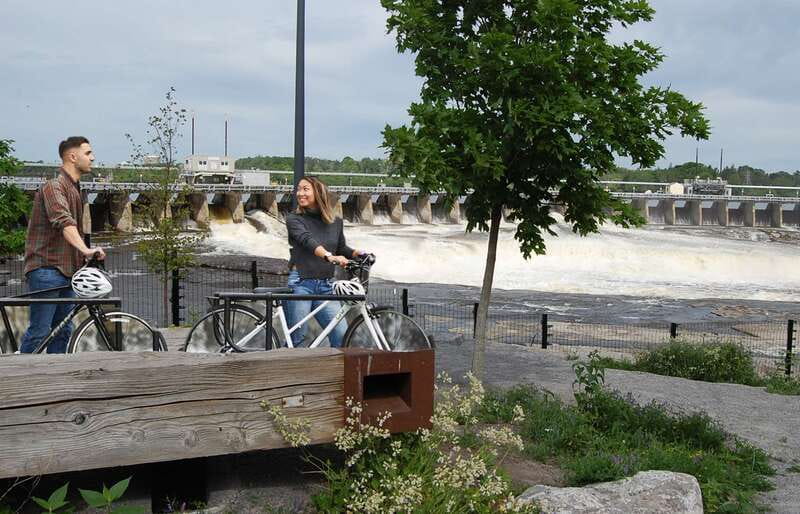
The ride wraps up back on the Rideau Canal downtown. That finish location is a big part of why this tour works well. You end where the tour began in spirit—along the same water corridor—so you can keep enjoying the area right after the 2 hours are up.
It’s a practical choice too. You’re not trekking across town to find a pickup point or figuring out how to get home from a random neighborhood. You finish near central downtown, which makes it easy to follow up with lunch, coffee, or a museum stop.
The bike you ride, the pace you get, and the comfort details that matter
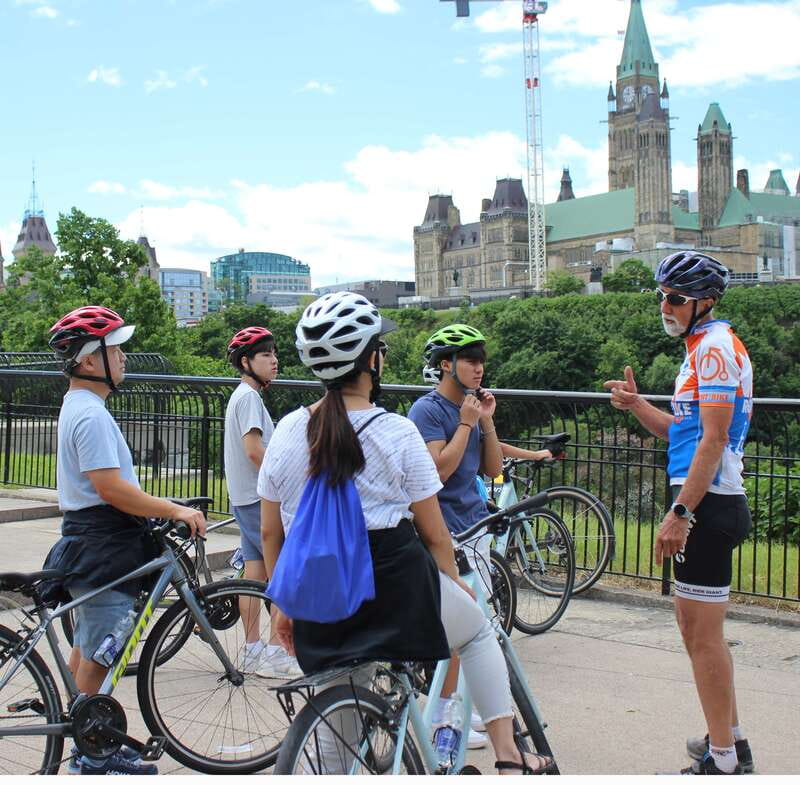
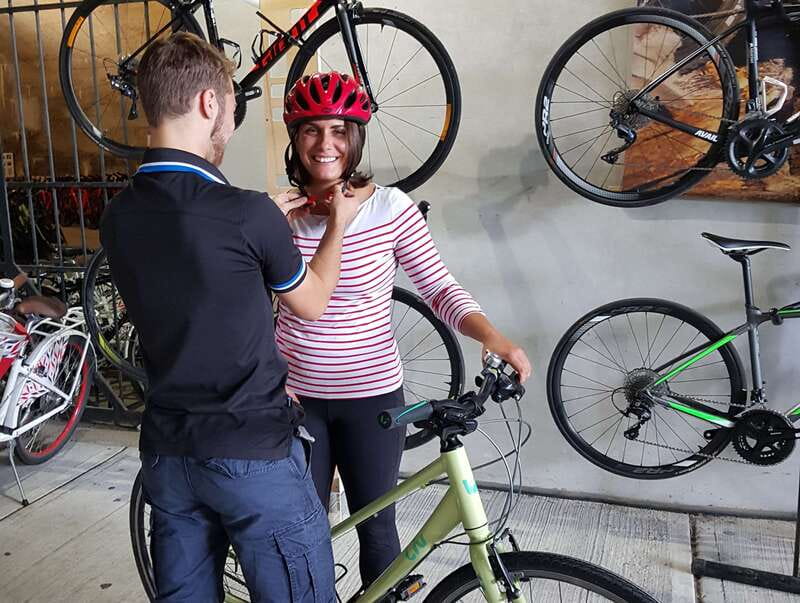
You’ll use new Giant bikes designed to be light and efficient, built with comfort in mind. Helmets come with fitting and adjustment, which is a small detail but a big quality-of-life upgrade. You also get water, plus safe baggage storage, so you’re not juggling bags while you ride.
The pace is intentionally easy, and that’s one of the tour’s strongest selling points. This isn’t an endurance ride. It’s a guided city experience on two wheels, built for all ages and abilities with a route that’s primarily flat.
If you need extra support, you can request electric assist models. The key detail: e-bike assist is available but costs an additional $20, and you should let the operator know ahead of time if you want that option. That way you won’t show up hoping for help and end up adjusting on the spot.
There are also two-seat tandems available, which can be a great match if you’re traveling with someone who wants company without the need for separate rides.
Weather, route changes, and what to watch for before you go
This is a city bike tour, so weather matters. The tour won’t proceed if conditions are considered dangerous with advisory warnings, and the route can change due to flooding, construction, community events, or Capital events.
That flexibility is normal for a waterfront-based route, but it’s still worth thinking about how weather might affect your plans. Ottawa can shift quickly from pleasant to uncomfortable. If you’re booking on a day with uncertain forecasts, consider building in buffer time so you can handle reroutes without stress.
Languages and group style: English or French with real effort
The tour guide is offered in English and French, and this isn’t just a token capability. Riders have praised the guide effort in French, which tells me you can expect the narration to actually work for you, not just be translated in a basic way.
The group style is also built around stops and short segments rather than one long slog. You ride, pause for photos or sightseeing, then ride again. It keeps attention from drifting and helps mixed groups stay together.
Who this tour suits best (and who should look elsewhere)
This tour is ideal if you:
- can handle basic bike riding
- want a 2-hour way to see major Ottawa waterfront highlights
- like guided history that’s more story-driven than lecture-like
- prefer a flat, low-stress route over steep hills and long distances
It also tends to work for families because the experience is paced with frequent breaks and stops designed for photos and short sightseeing. If you’re traveling with a parent, teen, or grandparent who doesn’t want an intense ride, the easy pace and flat pathway system makes it more realistic.
If you want a ride that’s mostly silent, ultra-fast, or heavily off-the-beaten-path, this might feel too structured. This tour is about landmarks and narrative, not speed and solitude.
Value check: is $50 for 2 hours worth it?
At $50 per person for a 2-hour guided bike tour, I think the value is strong—especially because it’s not just bike rental. You’re paying for the whole package: a guided narrative from a Senior Guide Robert, helmet fitting and adjustment, new Giant bikes, water, and safe baggage storage.
You’re also getting a route design that does the heavy lifting for you. Instead of spending your time figuring out where to ride, you follow a pathway-based loop that hits several major points: Rideau Canal, Dow’s Lake, Dominion Arboretum, Ottawa River photo views, Chaudière Falls, and Kìwekì Point.
The only “value wobble” is the e-bike option. If you need electric assist, that adds $20. Still, it may be worth it if it keeps the experience enjoyable and prevents you from riding at the edge of your comfort.
Should you book the Ottawa 200th Anniversary bike tour?
If you want a simple, high-reward way to see downtown Ottawa’s waterfront and landmark cluster, I’d say book it. This is the kind of tour that helps you understand the city fast because you’re riding along a meaningful corridor while someone explains what you’re looking at.
I’d book especially if:
- you want car-free paths and an easy pace
- you’re interested in Ottawa’s 200-year story told with humor and local flavor
- you’d rather do one well-planned 2-hour loop than build a self-guided route from scratch
Pass or reconsider if:
- you need electric assist and you’re not able to request it ahead
- you prefer long stops and deeper walks at each site rather than timed viewing
- you’re worried about weather-related changes, since waterfront tours can shift or pause when conditions are unsafe
Overall, this tour fits a lot of trip styles: first-time Ottawa visitors, families, couples, and anyone who wants a guided “see the best parts without hassle” morning or afternoon on a bike.