REVIEW · KAGOSHIMA
Sakurajima Century Lava Climb Journey with E-bike
Book on GetYourGuide →Operated by Volcano Life Journey · Bookable on GetYourGuide
Sakurajima is Japan in motion, literally. This e-bike lava-climb journey turns a tricky volcano climb into a guided, story-filled ride, with stops tied to the eruption history and Taisho lava traces. I especially like the way the guide, Rento (sometimes spelled Lento), builds the ride around photo-worthy viewpoints and clear explanations, plus the fact the e-assist makes the uphill feel doable even for first-timers.
One thing to plan for: the ground can be slippery, including wet black sand near paths. If you show up in flimsy shoes and rush, you’ll feel it fast—so bring solid footwear and be ready to take the safety stops seriously.
In This Review
- Key moments that make this tour worth your time
- Sakurajima Century Lava Climb: what you’re really doing in 3 hours
- From Sakurajima Visitor Center to your first pedal: getting set up right
- The early stops: warm-up ride, photo chances, and learning geology without a lecture
- Yunohira Observatory: the climb payoff over Kagoshima
- Taisho lava traces and the “quiet places” on the way
- E-bike comfort, uphill effort, and why the pace feels human
- What to bring (and what to watch for) in volcano-weather conditions
- Who this tour fits best (and who should skip it)
- Price ($102) and value: what you’re getting for your money
- Should you book the Sakurajima Century Lava Climb with E-bike?
- FAQ
- How long is the Sakurajima Century Lava Climb Journey?
- Where do I meet the guide?
- Is the e-bike included?
- What languages are offered?
- What’s the minimum height requirement?
- What should I bring with me?
- What happens in bad weather?
Key moments that make this tour worth your time
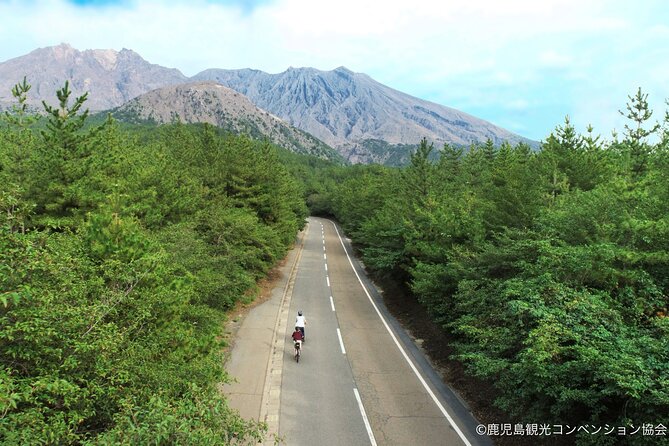
- Small group (max 6) keeps the pace relaxed and questions easy to answer
- Yunohira Observatory is the headliner, with big Kagoshima panorama and time to shop and snack
- Taisho lava traces give the ride a real “where to look” focus, not just scenery
- Secret stops add extra quiet viewpoints and brief sightseeing breaks
- E-bike support helps you climb without killing your energy before the best photos
- Rento’s patience shows up in how often he adjusts breaks and waits if people need time
Sakurajima Century Lava Climb: what you’re really doing in 3 hours
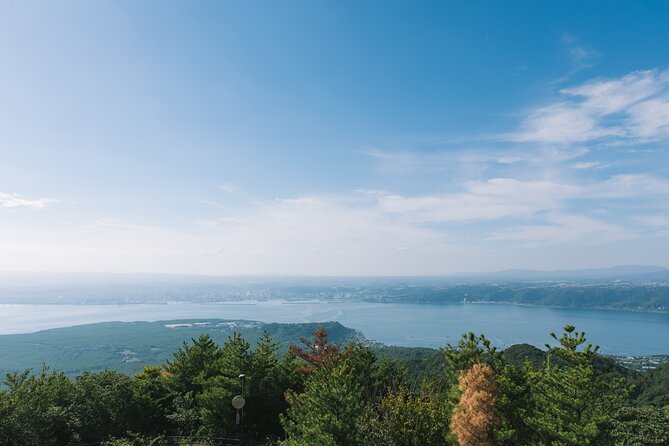
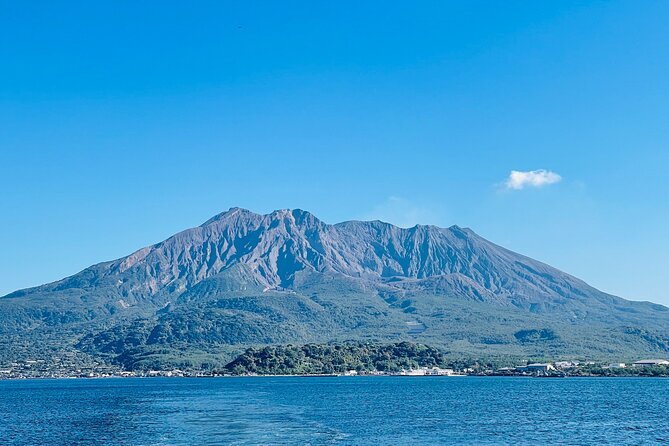
On Sakurajima, you’re not just looking at a volcano—you’re riding through the island’s living record of it. The main idea of this tour is simple: go up toward Yunohira Observatory, but connect what you see to what happened here in the 20th century, including the impact of the big eruption era and how later landscapes formed. That context changes everything. A roadside viewpoint isn’t just a place for a selfie; it becomes a clue.
I like that the tour is designed around short, intentional stops. You’re not spending three hours sprinting between highlights. Instead, you get a sequence: safety and bike setup, a warm-up ride, multiple short photo and explanation pauses, then a longer payoff at Yunohira, and finally a couple of “secret” scenic breaks before you return.
At $102 per person, it’s not the cheapest thing you can do in Kagoshima—but it’s also not paying for empty time. You’re paying for a guided route, e-bike + helmet, the ride to the highest point, and snack and drink included. For many visitors, that’s the difference between seeing Sakurajima in fragments and experiencing it as a coherent loop.
You can also read our reviews of more tours and experiences in Kagoshima.
From Sakurajima Visitor Center to your first pedal: getting set up right
You’ll start at the Sakurajima Visitor Center. First comes a safety briefing (about 20 minutes), which matters here because you’ll be riding on roads and paths where conditions can shift. Then you get the guided e-bike ride segment (about 10 minutes). This early portion helps you get comfortable before you commit to the uphill.
This is one of the reasons I think this tour works well for people who don’t ride bikes often. In the feedback you’ll see a theme: the guide is patient, and the route gives you chances to learn as you go. Even if you’ve never used an e-bike before, you should be able to settle in quickly with a little practice.
Practical tip: show up with comfortable shoes. If you’re thinking sneakers are good enough, consider how slippery surfaces can get in rainy or ash-prone conditions. The tour doesn’t sound like it’s about thrill biking; it’s about moving efficiently to the viewpoints and learning what you’re seeing.
The early stops: warm-up ride, photo chances, and learning geology without a lecture
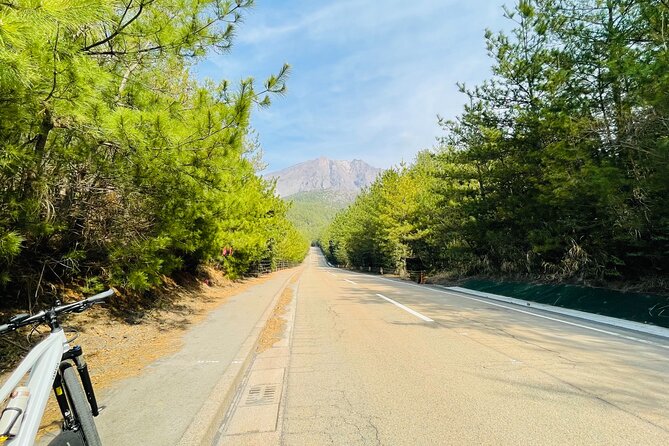
After the initial setup, you’ll move into the guided tour rhythm: brief ride segments followed by short pauses for sightseeing and explanations. There’s a break-and-visit block around the first stretch (about 10 minutes), then another short photo stop and viewpoint segment (about 10 minutes) before you reach the main deck.
This part of the tour is less about one “wow” moment and more about building your eyes. The guide talks about the volcano and the island’s story, including what eruption remnants and lava traces look like and how to interpret them. The payoff is that when you later reach Yunohira, you’ll know what you’re actually looking at instead of just guessing.
You also get small-group attention here. With a maximum of 6 participants, the guide can slow down for questions and adjust for comfort. That’s how you end up with frequent photo-worthy stops and not just a strict schedule where you have to keep up.
Yunohira Observatory: the climb payoff over Kagoshima
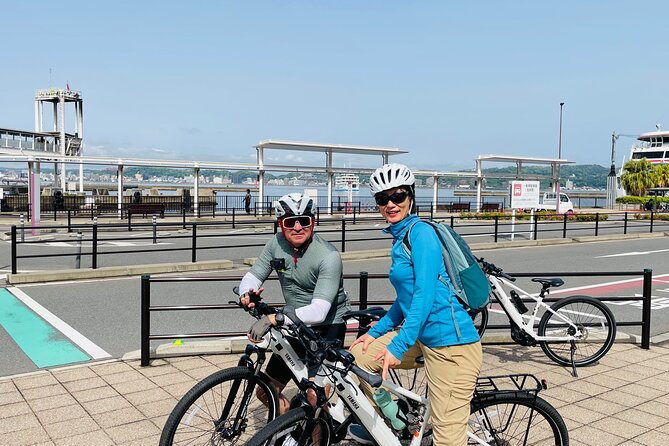
The centerpiece is the Yunohira Observation Deck, the highest point in Sakurajima. You’ll spend around 30 minutes here, including:
- a photo stop on arrival
- a guided explanation tied to what you see
- free time
- shopping time
This is where the tour earns its keep. The e-bike helps you reach the top without feeling wrecked, but you still get the sense that you made a real climb. If you want views, this is your moment: you’ll see Kagoshima from above, and the guide’s explanation helps you connect the horizon to volcanic history rather than treating the view as generic.
Also, this is where the tour gets practical. You should expect a snack and drink as part of the experience, and the free time lets you refuel, take photos without rushing, and browse on-site offerings.
One more small detail I like: the guide is reported to time the top portion in a way that doesn’t punish late arrivals within the group. If you’re going to be navigating ferry timing or bus connections on the island, it helps to have someone who can wait and still keep the tour coherent.
Taisho lava traces and the “quiet places” on the way
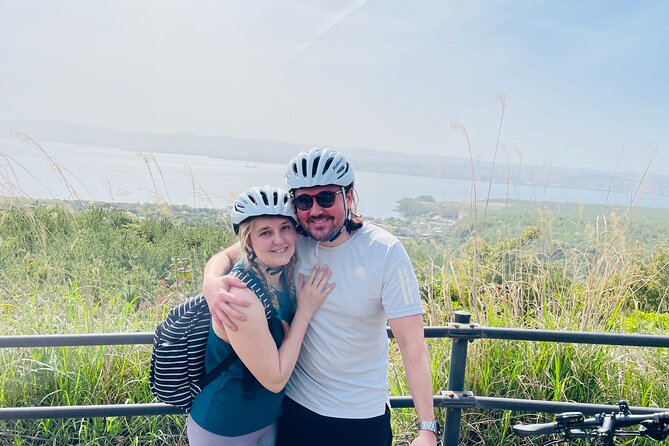
After the main viewpoint time, you’ll ride through additional stops—two “secret stop” segments—each with a short break and sightseeing time (about 10 minutes each). Exact details aren’t listed in the outline, but the purpose is clear: add extra scenic and explanatory moments beyond the obvious deck.
This is also where the tour’s volcano theme becomes more tactile. The experience highlights traces of Taisho lava, which you can think of as a way to see how eruptions left long-term marks. Instead of hearing about volcanoes as a distant fact, you’re pointed toward the visible outcomes.
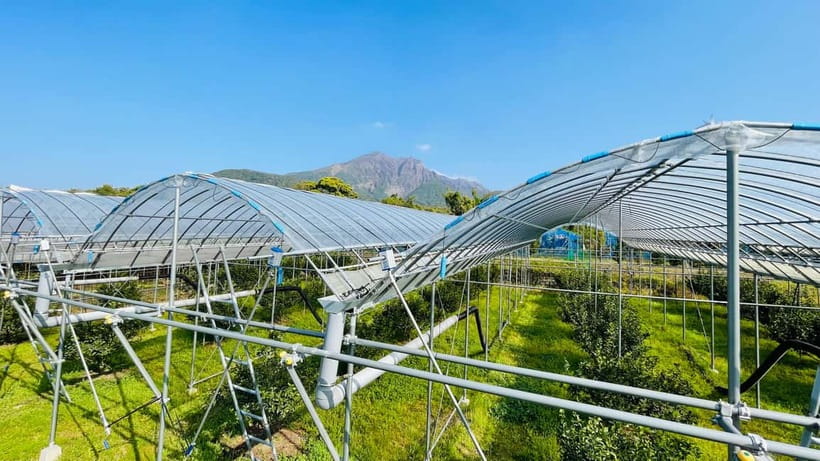
On the way down, you may also notice an extra layer of Sakurajima life. One of the strongest patterns in the feedback is how the route isn’t only “volcano, view, repeat.” People mention stops that also point out agriculture and orchards, plus quieter roads. That matters because it keeps Sakurajima from feeling like a theme park. You’re seeing how locals live on and around volcanic land.
If you want maximum value from the guided approach, this is where it pays off. The guide gives you reasons to look: what to notice, what might have formed from lava and eruption patterns, and how that history shapes the island’s present-day character.
E-bike comfort, uphill effort, and why the pace feels human
Even with electric assist, the ride has a physical component. Multiple reports point out that the uphill can still feel tough, and the best moments come from taking rest stops seriously instead of treating them as interruptions.
Here’s what that means for you: if you come expecting an effortless ride like a scooter, you may feel disappointed. If you come ready for a moderate workout—made easier by the e-assist—you’ll likely enjoy it more. The downhills and flat sections tend to feel easier, and there’s usually time for breaks so you don’t feel rushed or stuck.
The group size supports that. With up to 6 people, the guide can manage the route without bunching everyone into one fast pack. You’ll get a steadier rhythm: ride, stop, short explanation, photos, then move again.
If you’re an e-bike beginner, this is the sweet spot. The setup includes time to get comfortable before the steepest part, and the guide is described as patient. That’s the difference between feeling “stressed on a bike” and feeling like you’re out sightseeing with a little effort.
What to bring (and what to watch for) in volcano-weather conditions
Sakurajima weather can change. The tour info specifically flags protective gear and eyewear, including items that help in sudden rain, wind, and glare, plus ash-fall considerations. You’ll also want gloves designed for grip and warmth.
From what the tour notes include, you should plan to bring:
- a passport or ID card
- comfortable shoes
- water
- travel insurance
- weather-appropriate clothing
- sunglasses (helpful for glare and ash)
- slip-resistant gloves
- a small backpack (bags can be attached to the bicycle)
You might also want to carry a lightweight outer layer you can use immediately if conditions shift.
Now the big caution: black sand and slippery patches can show up along paths, especially if it’s wet. One rider reported a fall when wet black sand skidded under a bike after it encroached onto the path. That’s not meant to scare you—it’s meant to help you act early. Take it slow around any sandy edges, keep your weight steady, and use the safety breaks when offered.
If you’re traveling with someone who’s nervous on bikes, this is a place to build confidence first. The tour is great when the group rides calmly and listens to the guide’s instructions.
Who this tour fits best (and who should skip it)
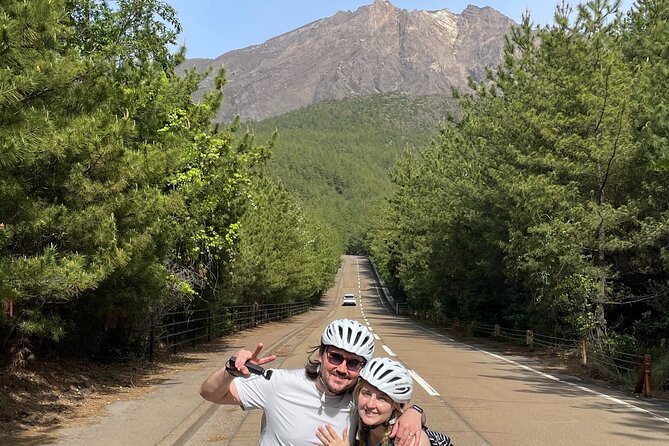
This isn’t for everyone, and that’s okay. The key “match” points are:
- You must be able to ride a bike.
- You must be at least 145 cm tall.
If you can ride and your legs are okay with a climb—even assisted—you’ll probably love the mix of viewpoints, education, and fun. It’s also a strong option if you want something more engaging than walking and more flexible than a bus ride, since the e-bike gets you to higher spots with less strain.
If you hate uneven traction, expect slippery conditions and slow down. If you don’t like riding at all, skip this and do a simpler sightseeing day from the ferry and visitor areas.
Price ($102) and value: what you’re getting for your money
At $102 per person for about 3 hours, you’re buying more than “a bike.” You’re getting:
- a guided e-bike tour
- e-bike rental and a helmet
- Kagoshima snack and drink
- English or Japanese live guiding
- a small group experience (up to 6)
When I judge value, I look at cost against what would be hard to DIY. Getting to Yunohira Observatory is exactly the kind of place that’s inconvenient without the right ride setup. With a guided route, you also don’t waste time figuring out where the best photo stops are or how to interpret volcanic traces like Taisho lava.
So yes, it’s pricier than a basic attraction ticket. But for people who want the top viewpoint, real explanations, and a structured route in half a day, it feels like a fair deal.
One more detail that improves perceived value: the guide also helps with practical experience, like taking photos and keeping the group safe without making it feel stiff.
Should you book the Sakurajima Century Lava Climb with E-bike?
Book it if you want an efficient, guided way to experience Sakurajima’s volcano history and get to the Yunohira Observation Deck without turning your day into a long grind. The combination of small-group pacing, repeated photo stops, and the guide’s emphasis on eruption stories and lava traces makes it feel like more than “just a ride.”
Skip it if you can’t ride a bike, you’re uncomfortable with slippery surfaces, or you want a purely relaxed sightseeing stroll. And whatever your level, plan for weather and bring the traction-focused gear the tour calls out.
If you’re ready to work a little on the uphill and then enjoy the views—and you want your volcano visit to come with context—this one is a strong pick.
FAQ
How long is the Sakurajima Century Lava Climb Journey?
The tour lasts 3 hours.
Where do I meet the guide?
You meet at the Sakurajima Visitor Center, which is an 8-minute walk from Sakurajima Ferry Terminal.
Is the e-bike included?
Yes. The price includes an e-bike rental and helmet, along with a guided e-bike tour.
What languages are offered?
The live tour guide offers English and Japanese.
What’s the minimum height requirement?
The tour is not suitable for people under 4 ft 8 in (145 cm).
What should I bring with me?
Bring a passport or ID card, comfortable shoes, water, and travel insurance, plus weather-appropriate clothing.
What happens in bad weather?
The decision is made by the day before the experience, and you’ll be notified. If it’s canceled due to bad weather, a refund will be made.