REVIEW · DENPASAR
Sanur Village E-bike Tour: Family-Friendly Adventure
Book on GetYourGuide →Operated by Green Bikes Bali · Bookable on GetYourGuide
Sanur gets quieter the moment you start riding. This family-friendly e-bike tour takes you off the main strip to see how Balinese people live, with mangroves, rice fields, and village lanes tucked away from the usual tourist route. I like that it’s built for real-world comfort: most riding feels easy, and you still get fresh air and authentic sights.
I also really value the turtle conservation stop. You’ll learn about sick and wounded sea turtles and how the sanctuary supports rehabilitation, conservation, and (for some visitors) the chance to release a hatchling with a small extra fee mentioned in trip notes. The final stretch ends on the beach with an Indonesian lunch, so it feels like a complete morning, not just a ride-through.
One possible drawback: the route does include busy road crossings in Sanur. Even with a guide watching you closely, you’ll want to stay alert, and the e-bikes require basic balance and comfort.
In This Review
- Key highlights that make this Sanur e-bike tour worth your time
- Sanur Village on an e-bike: why this beats the usual beach loop
- Price and value: what $47 buys you in Sanur
- Getting there: meeting point and how the morning is timed
- Safety briefing first: why the guide makes or breaks this ride
- The ride through mangroves: calm air, wild edges, and a different Sanur feel
- Rice fields and watermelon farms: how rural Sanur looks up close
- Hidden village temple moments: respectful sight-seeing without the rush
- The local market stop: where you taste everyday Bali
- Turtle conservation at the beach: why this stop hits harder than photos
- Beach lunch finish: practical comfort after 2.5 hours of riding
- The guides: patient, safety-focused, and friendly on the ground
- What to bring and what to expect on the day
- Bike comfort and condition: one thing to keep in mind
- Who should book this Sanur Village E-bike Tour
- Should you book it or skip it
- FAQ
- How long is the Sanur Village E-bike Tour?
- Where is the meeting point for the tour?
- Does the tour include anything besides the e-bike ride?
- Is pickup available from my hotel?
- Is it suitable for children?
- What happens at the turtle conservation stop?
Key highlights that make this Sanur e-bike tour worth your time
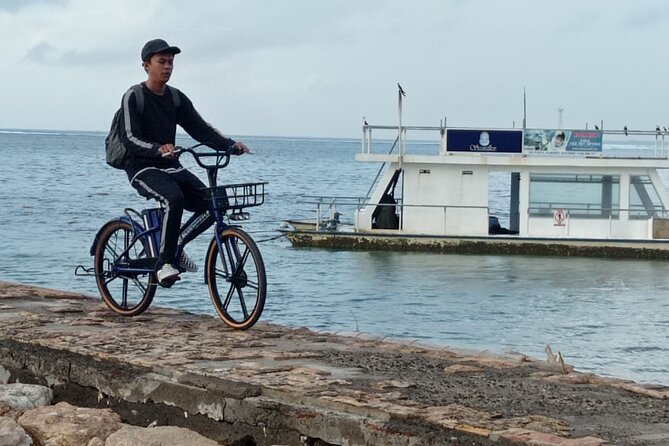
- A small group of up to 7 means you’re not lost in the crowd and your guide can keep track of everyone.
- Mangroves and rural rice fields take you to quieter sides of Sanur you’d likely miss on foot.
- A real local market visit helps you connect with daily food culture and local crafts.
- Turtle rehab education at the beach gives conservation context, not just a quick photo stop.
- Young coconut, water, and entrance fees included so you’re not constantly pulling out your wallet.
- Indonesian lunch at the finish makes the morning feel complete and practical.
Sanur Village on an e-bike: why this beats the usual beach loop
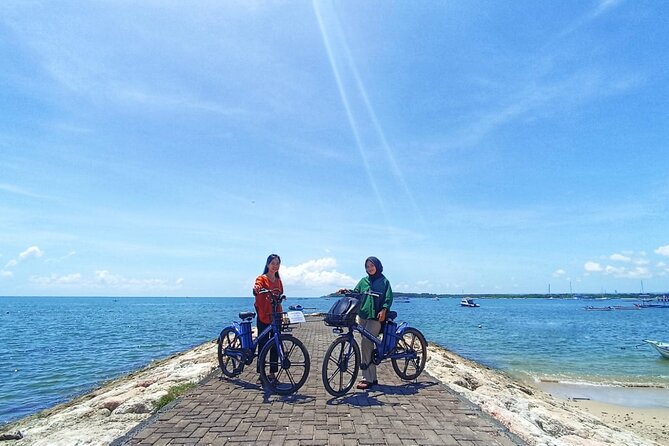
Sanur is a great base, but the temptation is to spend your whole day on the sand or along the main promenade. This is different. Instead of just looking at Bali from a distance, you roll through working neighborhoods where people are actually growing food, running market stalls, and living around the coastline and wetlands.
What I like about this tour is the pace. It’s only about 150 minutes, but it’s packed with variety. You get a taste of village life, a break for lunch, and a meaningful conservation visit that ties the whole morning together.
Also, the e-bike format helps you match effort to energy. Several trip reports describe the ride as close to a scooter, so if you’re not a cyclist, you’re still in the game. You can choose to pedal lightly, but you’re not punished for it.
Price and value: what $47 buys you in Sanur
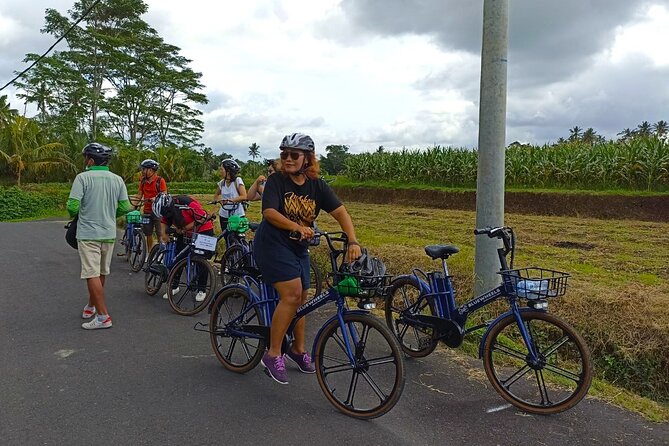
At around $47 per person for a roughly 2.5-hour guided experience, the value comes from what’s wrapped into the tour. You’re paying for more than a vehicle. You get an English-speaking local guide, helmet, water, a fresh young coconut, and entrance fees, plus insurance.
For Bali, where independent options can add up quickly (transport, paid access, and guide time), this pricing can make sense if you want a structured route without spending the morning navigating roads. And because the group is limited to 7, your guide can spend time explaining what you’re seeing instead of doing a rushed, one-size-fits-all script.
Getting there: meeting point and how the morning is timed
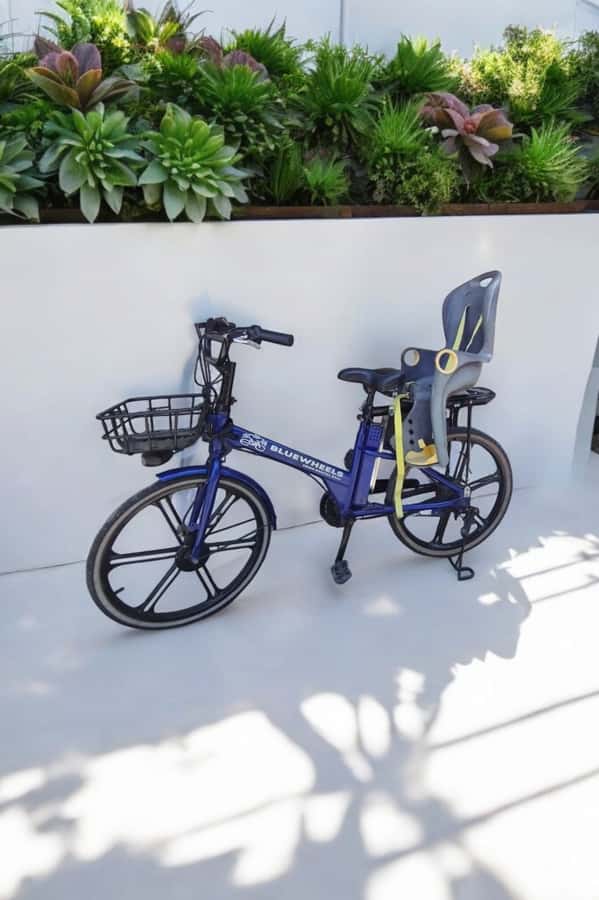
The tour meets at Bluewheels E-bike rental, which is clearly visible from the street near Padang restaurant. If you’re staying around Sanur, you may be able to arrange pickup depending on the option you select, including villa or hotel lobby pickup.
Most tours start with everyone regrouping, then the guide handles a short briefing before you roll out. The timing is designed so you can do this in one morning and return to your hotel before noon. That matters if you’ve got a beach plan, a driver lined up later, or you just don’t want to burn your whole day.
At the end, there are multiple drop-off options in the Denpasar area, including Denpasar Selatan, Denpasar, East Denpasar, and the Bluewheels shop area.
Safety briefing first: why the guide makes or breaks this ride
This is an e-bike tour, not a private countryside road trip with zero traffic. Reviews repeatedly point out that Sanur roads can feel intense, especially for people who aren’t used to riding in Southeast Asia.
The good news is the tour is set up around that reality. The guide keeps a close eye on the group during transitions and road crossings, and many participants mention feeling looked after—especially when getting started or when roads get busy. If you’re nervous, that support is the difference between a fun morning and a stressful one.
One trip note also highlights that you can stop whenever you want, which helps if you need a breather or want a photo. You’re not stuck pacing in a pack with zero flexibility.
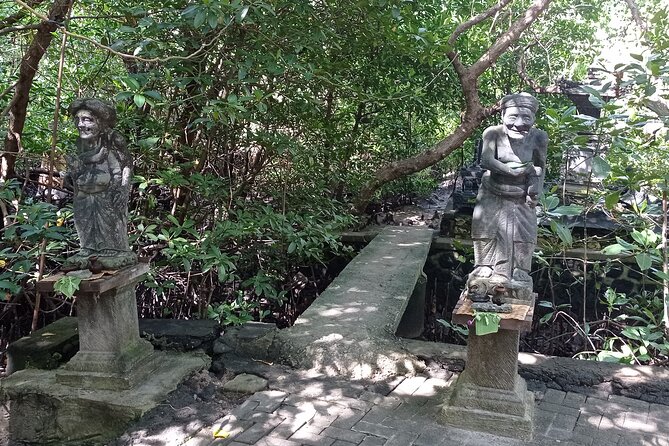
The ride through mangroves: calm air, wild edges, and a different Sanur feel
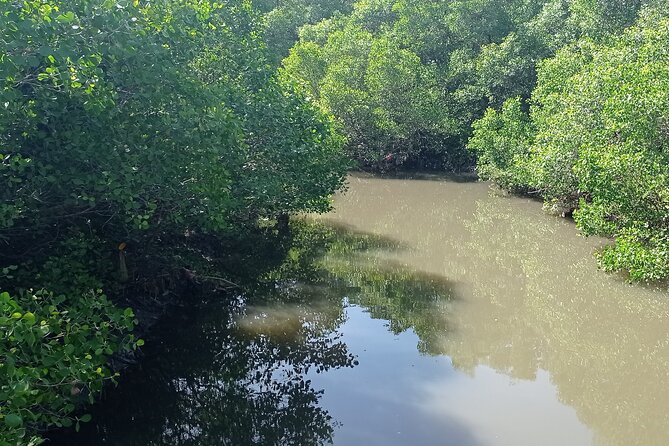
After the briefing, the first portion focuses on getting you away from the most obvious tourist paths. You’ll ride toward mangroves and quieter lanes, where the environment feels more natural and less commercial.
Mangroves aren’t just a scenic stop. They’re part of how the coast works—wildlife habitat, shoreline protection, and a living boundary between village and sea. In a few trip reports, people even noticed crabs around the mangrove areas and nearby spots, which adds a fun “wait, where did that come from?” moment to the ride.
This is also the portion where the e-bike really helps. Because you’re not fighting hills or distance, you can enjoy the ride and keep your attention on what’s around you instead of your legs burning out early.
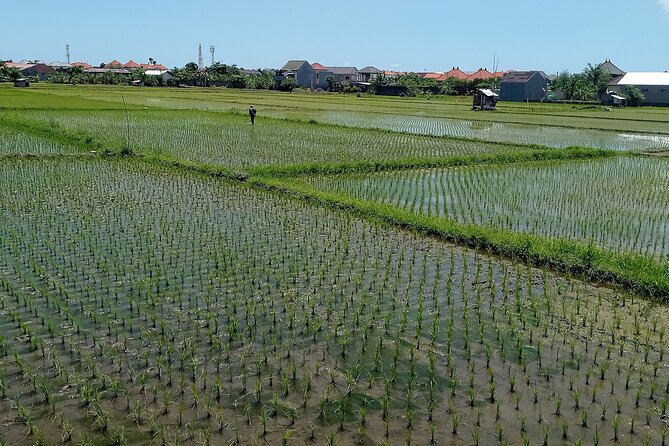
Rice fields and watermelon farms: how rural Sanur looks up close
One of the most loved parts is the countryside side of Sanur—rice fields and agricultural areas that don’t get much attention from typical visitors. You’ll see stretches of farmland on the quieter edge of village life, including water and crop routines that show how food gets grown here.
In trip notes, people specifically mention crop rotation, plus scenic routes through rice and watermelon-growing areas. That combination matters because it turns agriculture from a background detail into the main event. It’s one thing to see green scenery on a map. It’s another to understand what those fields are doing day to day.
For families, this segment is often easier than you might expect. The ride is active, but the e-bike keeps it from becoming an exhausting hike with bikes attached. Several participants also describe the instructor as patient, which helps if you need time to find your balance or confidence.
Hidden village temple moments: respectful sight-seeing without the rush
Along the route, you may visit a local temple and learn a bit about its significance. Temple stops are popular in Bali, but this one tends to feel more grounded because it’s tied to village life rather than a big “tick-box” site.
Trip notes mention small, off-the-main path temple experiences, including one where crabs were visible around the area. That’s a reminder that these stops aren’t built solely for tourists. They’re places the community interacts with, so the mood is different: quieter, more practical, more local.
The key here is pacing. If your guide includes explanation, you’ll get context for what you’re seeing instead of just snapping photos and moving on.
The local market stop: where you taste everyday Bali
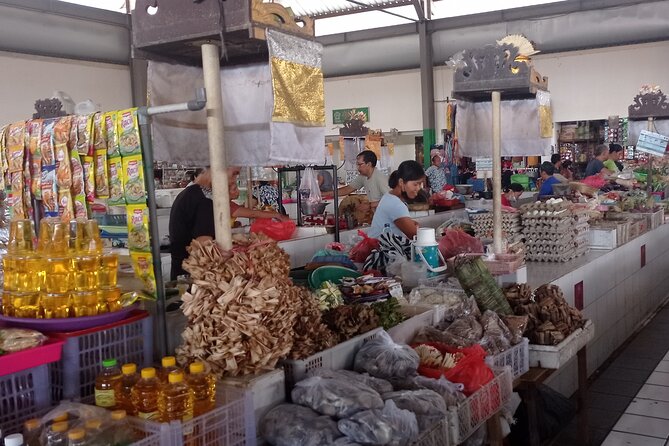
After the countryside sections, you’ll shift gears to the market, where Bali’s daily rhythm shows up in bright produce and local stalls. This isn’t a generic souvenir market. The goal is to help you understand what people actually buy and eat, from fresh fruits to everyday items and local crafts.
Participants often praise this stop because it feels interactive. You learn what you’re looking at, and you may get to sample local fruit. One trip note specifically calls out delicious fruit from the market and how the guide helped make fruit choices before tasting, which is reassuring if you have a sensitive stomach or allergies.
Market visits are also a good value moment. It’s easy to spend money on snacks later when you’re tired and hungry. Here, the food is part of the learning and the route.
Turtle conservation at the beach: why this stop hits harder than photos
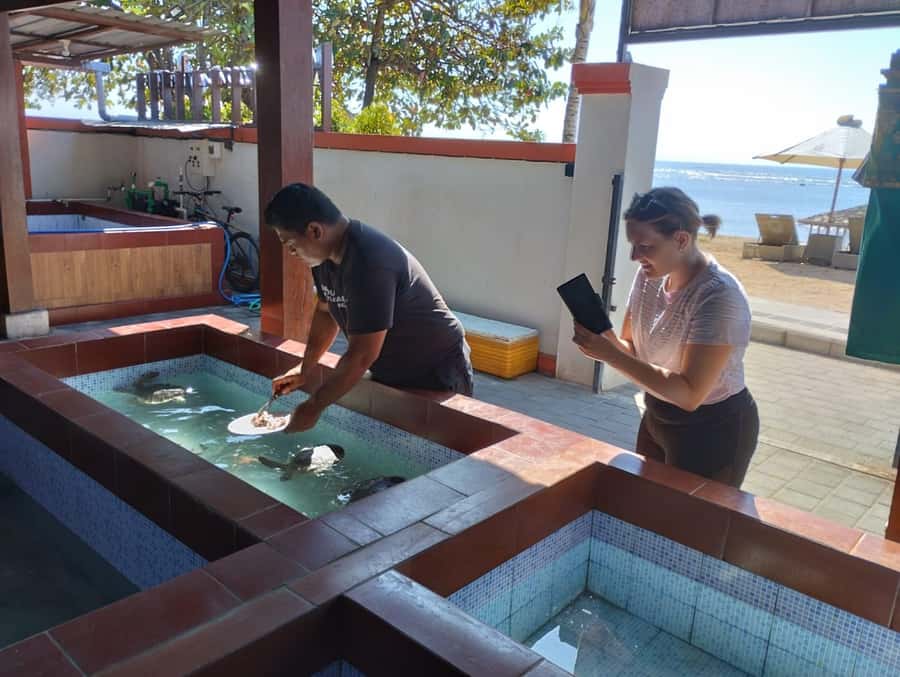
The final major highlight is the turtle conservation area at the beach. This part deserves time, because it’s not just cute wildlife posing.
You’ll learn about sea turtles, including that sick and wounded turtles are cared for here as part of the rehabilitation and conservation work. In trip notes, people describe how the sanctuary explains different stages within turtle growth and conservation programs, which makes the visit more meaningful than a quick viewing.
Many people also mention the emotional impact. For families, it can be a memorable moment because the story turns into action. Some trip reports note the possibility to release a hatchling into the ocean with a small extra fee (one mention gives 50,000 IDR). That means it’s worth asking the guide on the day whether a release is available for your group and timing.
Even if you don’t release a turtle, the education part is still the point. If you care about animal welfare, this is the section that makes the whole tour feel more purposeful.
Beach lunch finish: practical comfort after 2.5 hours of riding
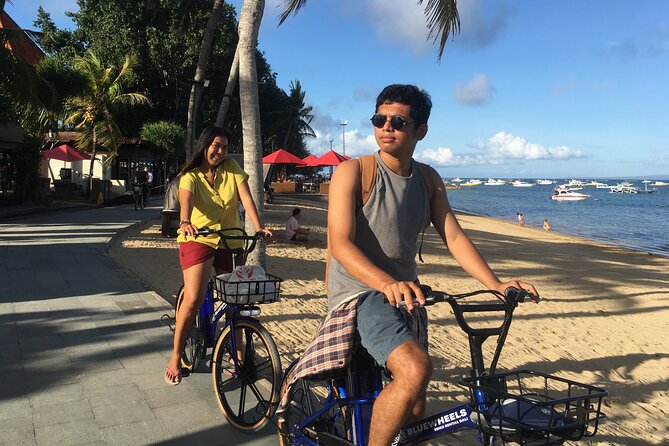
The ride ends on the beach with Indonesian lunch served as part of the experience. After time on roads, rice fields, and sandy edges, a sit-down meal is a relief that makes the morning feel complete.
You’ll also have the coconut and water during the tour, which helps you handle the heat. Bring sunscreen and a hat, because the tour runs rain or shine, so you’ll be outdoors either way.
If you’re planning what comes next, this timing works well. You’ll likely have enough energy for a late swim, a café stop, or a low-key afternoon back at your hotel.
The guides: patient, safety-focused, and friendly on the ground
A lot of what makes this tour feel good comes down to the guide. Multiple trip notes praise guides for being friendly and professional, and especially for staying alert to riders’ comfort and safety.
You’ll see names mentioned like Rika, Reka, Erika, and Rickard. The repeated theme isn’t just friendliness. It’s follow-through: checking in, managing the group when traffic gets busy, and explaining what you’re seeing in a way that’s useful on the ride.
If you’re traveling with kids, that matters even more. A guide who can keep energy up, explain calmly, and adjust pacing on the fly turns a family activity into a real shared experience instead of chaos.
What to bring and what to expect on the day
Plan like this is an outdoor morning with sun, dust, and a few road-crossing moments.
Bring:
- Sun hat
- Sunscreen
Expect:
- The tour runs rain or shine
- You’ll wear a helmet (provided)
- You’ll be outdoors for about 150 minutes
- The route includes busy stretches in Sanur, handled by the guide
Comfort tip: if you’re someone who gets warm quickly, lightweight clothing helps. And if you’ve had any bike seat issues in the past, bring that mindset—some trip notes mention bike seats being a bit uncomfortable.
Bike comfort and condition: one thing to keep in mind
Most reports are positive about the e-bike experience, including how easy they are to ride and how much the automatic assist helps.
But not every comment is perfect. A few trip notes mention:
- Bikes needing better maintenance or cleaning
- Regular noises while riding
- Seat comfort that isn’t ideal for everyone
- On at least one occasion, a bike losing power and being swapped within about 10 minutes
So if you’re picky about equipment, treat this as a practical local tour rather than a top-tier showroom ride. The trade-off is that the tour is focused on the route and experience, not luxury bike details.
Who should book this Sanur Village E-bike Tour
This is a strong fit if you want:
- A family-friendly morning with a mix of nature, culture, and conservation
- A way to see rural Sanur and not just the main promenade
- A guide-led plan that reduces decision fatigue
- E-bike assistance that lets you ride even if you’re not a regular cyclist
It may not be the best fit if:
- You can’t ride a bike at all
- You’re over 264 lbs / 120 kg
- You’re under 4 ft 8 in / 145 cm
- You want a fully car-free ride with no busy road crossings
If you’re unsure, think about your comfort with balance and short rides. The guide helps, but you still need to feel steady on the bike.
Should you book it or skip it
Book it if you want a morning that feels more like living in Bali than just passing through it. For the price, you’re getting a guided route, included entry fees, real local market time, and a turtle conservation stop with real context.
Skip it if your main goal is a long scenic ride with zero traffic tension. This tour includes city-road moments, and part of the appeal is that your guide handles those realities so you can focus on the places you came to see.
If you do book, bring your hat and sunscreen, keep an open mind about road crossings, and lean into the guide’s explanations. That’s where this tour turns from a ride into an experience with meaning.
FAQ
How long is the Sanur Village E-bike Tour?
The tour runs for about 150 minutes (2.5 hours), finishing in the morning so you can get back to your hotel before noon.
Where is the meeting point for the tour?
The meeting point is at Bluewheels E-bike rental, which is clearly visible from the street near Padang restaurant.
Does the tour include anything besides the e-bike ride?
Yes. You get an e-bike and helmet, an English-speaking local guide, water during the tour, fresh young coconut, entrance fees, and insurance.
Is pickup available from my hotel?
Pickup is optional. Depending on the option you select, you can be picked up from a villa or your hotel lobby, and you’ll also have drop-off options in the Denpasar area.
Is it suitable for children?
It depends on height and bike ability. The tour is not suitable for people under 4 ft 8 in (145 cm), and you need to be able to ride a bike.
What happens at the turtle conservation stop?
You’ll learn about sea turtles and how sick and wounded turtles are cared for at the conservation site. Some visitors also mention the opportunity to release a hatchling for a small extra fee.
![State Park E-Bike Tour: Alligators, Pier, & More [SELF-GUIDED] - Lower Grand Lagoon stop: first video pause and an easy warm-up ride](https://2.iwantbiketours.com/wp-content/uploads/state-park-e-bike-tour-alligators-pier-more-self-guided-400x267.jpg)