REVIEW · HOI AN
Hoi An bicycle tour to beautiful countryside
Book on Viator →Operated by Billy Vietnam Travel · Bookable on Viator
Tra Que vegetable village makes this Hoi An tour feel real, not staged, and the private setup keeps the pace human. You pedal past rice fields and small farms, then get hands-on with everyday work like hoeing soil, transplanting, watering, and even gathering riverweed. Guides such as Tham (and others like Quin) bring the stories, while you focus on the work, the views, and the small moments.
I like that the tour mixes practical farming tasks with classic countryside scenery: ducks, cows, birds, and water buffalo show up as you ride. I also like the value at $38, since the price covers a guide, a bicycle, water, a light lunch, and all admission costs—not just the bike.
One thing to consider: this is an active, outdoors ride that depends on weather, and it runs early (around 8:00 am) or in the afternoon (around 14:00–14:30), so plan around that schedule.
In This Review
- Key highlights you’ll actually care about
- Why this Hoi An bike tour beats the usual city stroll
- Private tour energy: what you gain (and what you don’t)
- Timing and logistics: 8:00 am mornings vs 14:00 afternoons
- From pickup to countryside: how the bike part feels
- Tra Que vegetable village: the hands-on farming section
- Rice fields and wildlife: ducks, cows, birds, and water buffalo
- Rice noodles, rice wine, sleeping mats, and carpentry-style crafts
- Light lunch and the ride back to Hoi An
- Price and value: is $38 really enough?
- Who should book this tour (and who should skip it)
- Practical tips for a smoother ride
- Should you book this Hoi An countryside bicycle tour?
- FAQ
- What time does the tour start?
- Is pickup included, and where do you pick up from?
- How long is the tour?
- Is this tour private?
- What’s included in the ticket price?
- What happens if the weather is poor?
Key highlights you’ll actually care about
- Tra Que farm work: hoeing, transplanting, watering, and gathering riverweed for a hands-on feel
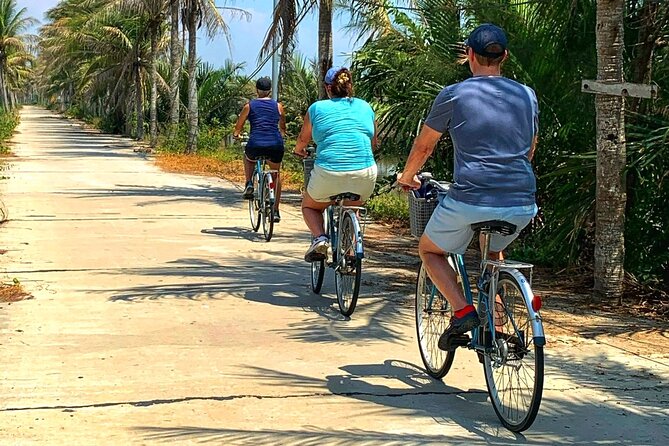
- Countryside rhythm: flat, easy roads that let you enjoy the ride instead of fighting the bike
- Wildlife sightings: ducks, cows, birds, and water buffalo are part of the scenery
- Food and craft stops: rice noodles, rice wine, sleeping mats, and carpentry-style work you can see up close
- Private group flexibility: if you’re the only booking, the day can feel more customized with your guide (1:1 is possible)
Why this Hoi An bike tour beats the usual city stroll
Hoi An is gorgeous, but some days the best part is stepping away from the same streets and souvenir loops. This tour does that with a simple formula: get on a bike, ride out into the countryside, and spend real time with local farm life. The route isn’t about big-ticket landmarks. It’s about how people actually make food and how the landscape supports daily work.
The focus starts at Tra Que, a vegetable-growing area known for herbs and greens. Instead of watching from a distance, you roll up your sleeves and help with tasks like hoeing and transplanting. It’s not a museum experience. It’s closer to a morning you could never recreate on your own—unless you want to spend hours finding farms willing to welcome visitors.
What makes the day feel special is the balance. You get countryside views—rice fields and livestock—and then you get the context for them. That combination turns a ride into a story you can tell, especially when your guide like Tham or Quin explains what you’re seeing as you go.
You can also read our reviews of more tours and experiences in Hoi An.

Private tour energy: what you gain (and what you don’t)
This is a private tour/activity, meaning it’s just your group. That matters more than people expect. On a private ride, you can move at a pace that fits you. You can pause for photos without feeling rushed into the next stop. And your guide can answer questions without repeating themselves for a crowd.
It can also mean the day feels more personal. In at least one case, a guide ended up with a 1:1 setup due to no other bookings, and the experience stretched beyond a standard routine. That kind of flexibility isn’t something you should count on, but the private structure makes it possible.
That said, don’t expect luxury treatment. You’re still working bikes through rural lanes and doing farm-style activities. This is friendly and welcoming, but it’s not a chauffeur ride.
Timing and logistics: 8:00 am mornings vs 14:00 afternoons
The standard start time is listed as 8:00 am, with pickup in the Hoi An area. There are also early-morning departures at 7:00 am or 8:00 am, plus an afternoon option that starts around 14:00 or 14:30. The tour runs about 3 hours (approx.), though some versions can feel longer depending on the exact route and pace.
If you’re choosing between morning and afternoon, think about heat and energy:
- Morning (7–8 am) is great if you want cooler air for riding and a fresh start for farm tasks.
- Afternoon (14:00–14:30) works if you want a slower morning in Hoi An, but you’ll still be outside for a few hours in daylight.
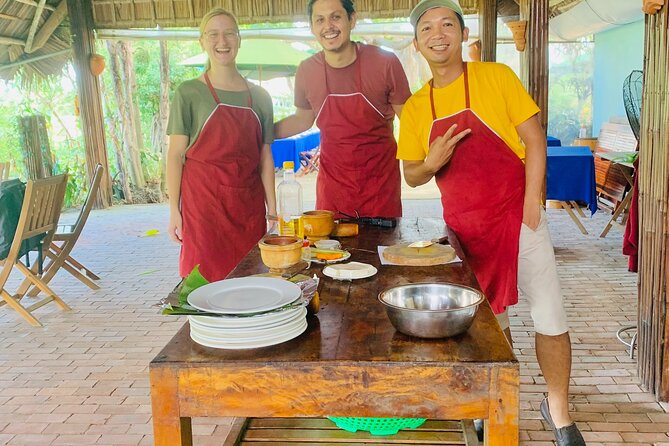
Either way, you’ll ride back toward your accommodation after the main stops. A light lunch is included, and the day is built around breaking up the riding with real experiences along the way.
From pickup to countryside: how the bike part feels
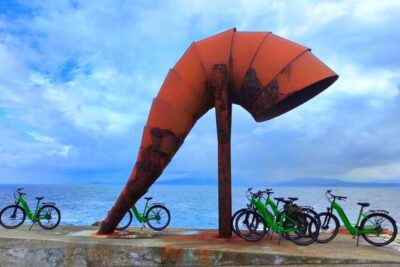
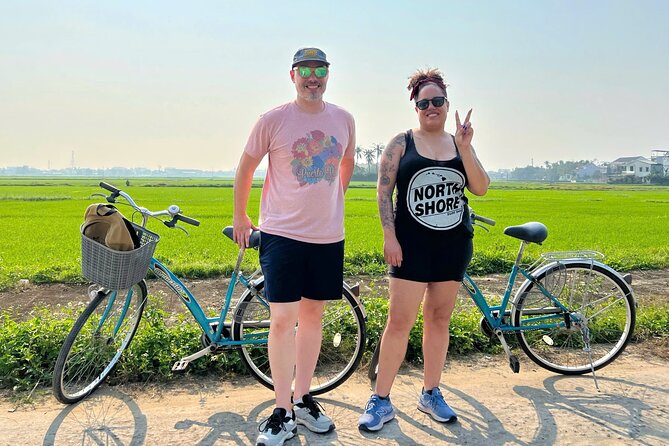
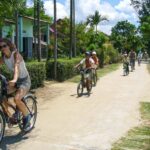
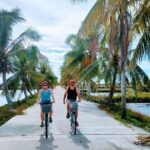
The day begins with getting set up and heading out. You’ll be riding a provided bicycle, and the tour includes bottled water. Roads are described as flat and easy to ride in reviews, so you’re not signing up for intense hill climbing.
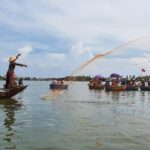
One detail that might surprise you: depending on the route used that day, you may start with a short boat crossing that gets your bikes across a river. Even if you don’t get that exact step, the overall structure is the same: you’re leaving Hoi An and slowly trading sidewalks for fields.
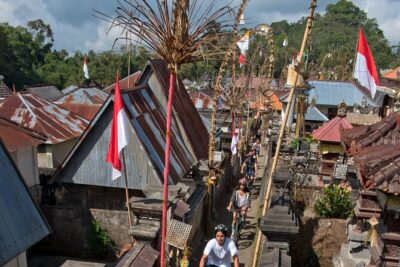
As you pedal, you’ll pass everyday rural life—small farm structures, birds moving between trees, and the quiet rhythm of people working. This is the part where you’ll want your camera or phone charged, because once you reach the rice and livestock areas, you’ll see plenty of photo-worthy scenes.
Tra Que vegetable village: the hands-on farming section
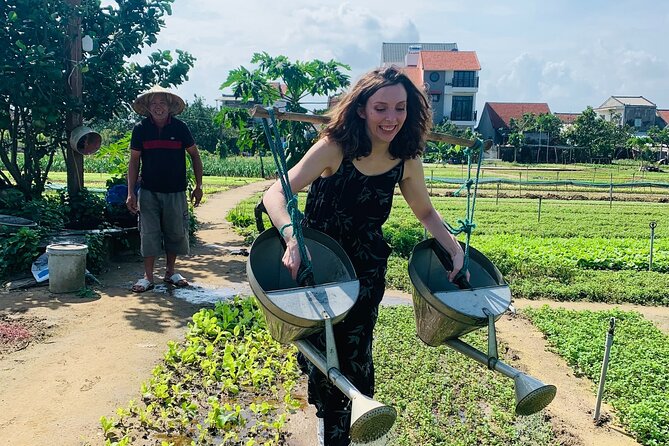
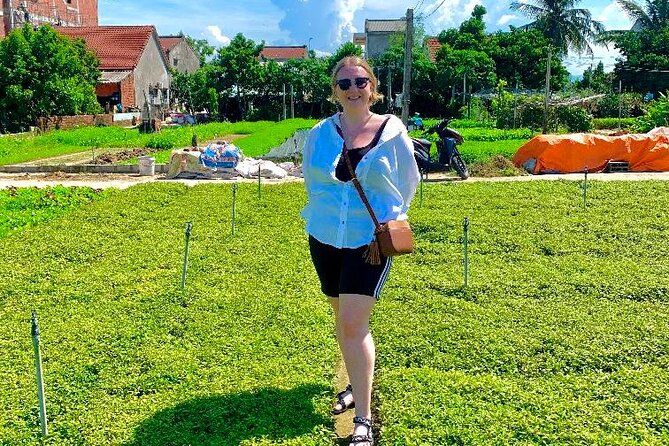
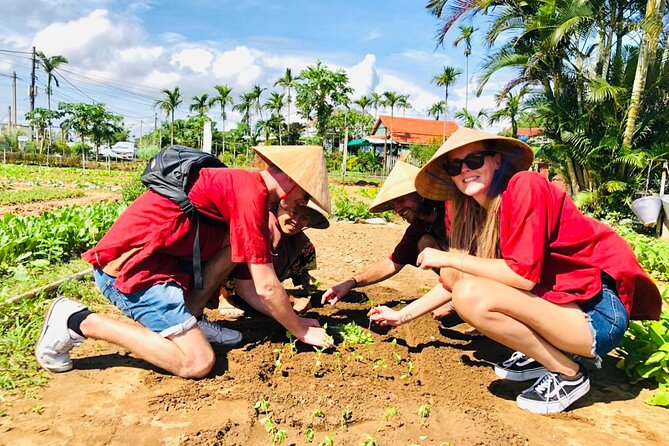
The heart of this tour is Tra Que vegetable village, where locals work in herb and vegetable gardens. The point isn’t just sightseeing. You’re there to try basic farm tasks alongside the people who do them daily.
You can expect activities such as:
- Hoeing the soil
- Gathering riverweed
- Transplanting vegetables
- Watering crops
These are the kinds of tasks that connect you to the place fast. Within minutes, you understand that vegetables don’t come from grocery shelves. They come from repeated care—soil prep, watering, and timing. Even if you only do a small part, it changes how you look at the fields when you’re just riding afterward.
It’s also a great way to ask questions. When you’re standing in the work area, your guide can explain how this farming supports local life and what people grow here. That’s where guides like Tham really shine in reviews—friendly, comfortable to be around, and able to answer questions as they come up.
Possible drawback here: you should expect farm-style work to be hands-on. That can mean you’ll want to wear clothes that can get a little dusty or dirty, since you’ll be doing tasks like soil hoeing and garden work.

Rice fields and wildlife: ducks, cows, birds, and water buffalo
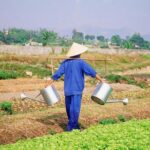
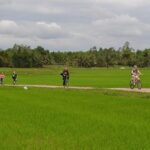
After Tra Que, you move back into the countryside and ride along paths where rural animals are part of the scenery. You may see ducks, cows, birds, and water buffalo as you pass farms and reach the rice fields.
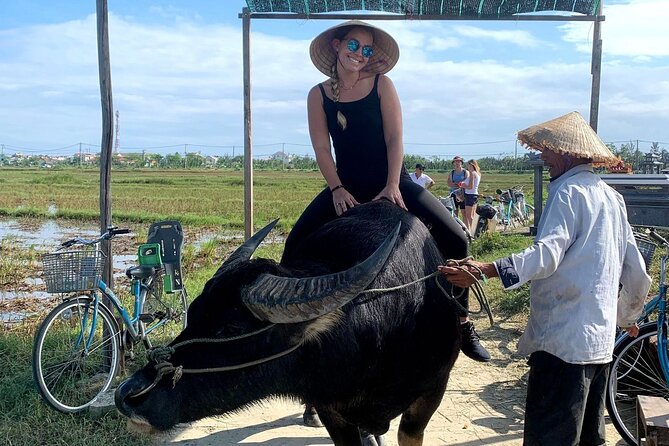
Some tours in this area include an actual chance to ride a water buffalo, and the tour description mentions that opportunity. If that moment is available during your day, it’s one of those experiences that feels more memorable than another photo stop, because you’ll be close to the animal and the work setting.
This is also a strong photography section, because rural life gives you more than just flat scenery. You get motion—birds, animals shifting positions, people in the background. If you’re traveling with family, it’s usually one of the segments that keeps attention without feeling like a lecture.
A quick reality check: this kind of riding experience depends on what’s happening in the fields that day. If you’re someone who needs a very strict timetable, you might feel a little less control than with a city tour. But if you’re in Hoi An to slow down, that uncertainty is part of the charm.
Rice noodles, rice wine, sleeping mats, and carpentry-style crafts
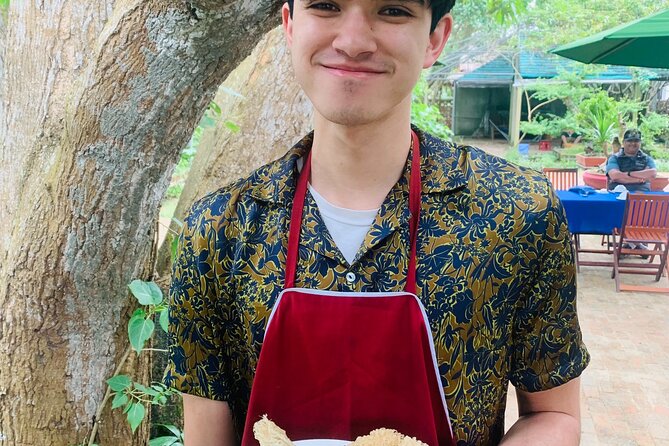
One of the smartest parts of this itinerary is how it ties agriculture to products you can recognize later. Along the ride, you get chances to witness local production, including things like:
- Rice noodles
- Sleeping mat making
- Rice wine
- Carpentry-style work
Even if you don’t plan to buy anything, these stops are worth it because they show the next step after farming. Vegetables and rice aren’t just grown. They’re processed, turned into goods, and linked to household income.
This also helps explain why the countryside matters beyond pretty views. When you see rice turned into noodles or hear about how rice wine is made, it gives the landscape a reason to exist beyond aesthetics.
From the reviews, some days also include food moments like banh mi and a drink tasting as part of the included stops. Your exact mix can vary by route and timing, but the tour is built to connect what you’re doing on the bike to what people actually consume and sell.
Light lunch and the ride back to Hoi An
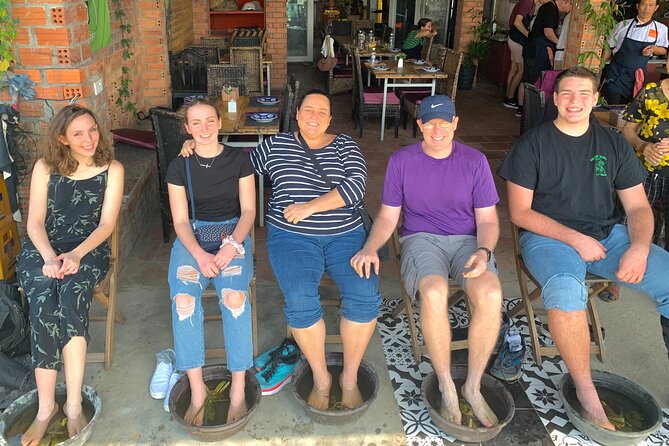
A light lunch is included, and after that you’ll ride back toward your accommodation in Hoi An. This pacing matters because you’re not stuck riding for hours with nothing but snacks. You get a break, you eat, and then you finish the day without feeling wrecked.
The biggest value here is that lunch and included admissions mean you’re not constantly calculating extra costs. You show up, you do the activities, and the tour covers the core spending: guide, bike, water, lunch, and entry fees.
When you return, you’ll be able to look at Hoi An with fresh eyes. The town’s beauty becomes more meaningful when you’ve seen the countryside and the work behind it.
Price and value: is $38 really enough?
At $38 per person, this tour sits in a budget-friendly range compared with many private or semi-private experiences. What makes it feel like good value is what’s included:
- Tour guide
- Bicycle
- Bottled water
- Light lunch
- All admission costs
A bike tour that only covers the bike is usually not worth much. Here, you’re paying for a guided connection between three things: riding, farm work, and local production. That’s the difference between a simple scenic loop and a day with context.
Also, because it’s private, the price tends to make more sense if you’re traveling as a couple or small group. Even with a short overall duration, you’re getting multiple segments that would otherwise take separate planning: countryside travel, hands-on farming interaction, and product/craft stops.
You should only skip it if you hate being outside, hate hands-on tasks, or want a fully hands-off sightseeing day. Otherwise, it’s priced to be accessible without turning into a rushed checklist.
Who should book this tour (and who should skip it)
This works best for:
- Couples who want a break from crowded sightseeing
- Families who like animals, rural scenes, and short activities with a clear endpoint
- Travelers who enjoy learning by doing, not just watching
- Anyone who wants a real feel for how rice and vegetables shape daily life in central Vietnam
You might skip it if:
- You’re expecting a major-distance cycling challenge. The route is designed to be rideable, and roads are described as flat, but it’s still active time.
- You’re uncomfortable with outdoor farm activities. You’ll be doing chores like hoeing and transplanting.
- Weather is a big issue for you. The experience requires good weather, and it can be rescheduled or refunded if it’s canceled for poor conditions.
Practical tips for a smoother ride
These are the practical things that make the day more comfortable:
- Wear breathable clothes and closed-toe shoes you can walk in.
- Bring sunscreen and a hat. You’ll be outside during the ride and farm stops.
- If you’re doing farm tasks, expect a bit of mess. Choose clothes you don’t mind getting slightly dirty.
- Start on time. The experience runs on a schedule with morning and afternoon options, and the day is built around that flow.
If you’re picky about pace, choose a time that matches your energy. Morning for cooler temps, afternoon if you want a relaxed start in town.
Should you book this Hoi An countryside bicycle tour?
If you want a Hoi An day that feels authentic and not copy-pasted, book it. The combination of Tra Que farm work, countryside riding, and local production stops is the real selling point. You’ll come away with more than photos—you’ll understand how food and everyday labor connect to the places you cycled through.
I’d especially recommend it if you’re the type who likes asking questions while you’re standing in the work area. Guides such as Tham and Quin are part of why this tour gets strong ratings: they make the day feel welcoming and explain what you’re seeing in a way that sticks.
Only hold off if you’re not comfortable with outdoors activity or you know you’ll struggle with the timing (7–8 am or 14:00–14:30). Otherwise, this is a smart, good-value way to see Hoi An beyond the old town.
FAQ
What time does the tour start?
The start time is listed as 8:00 am. There are also early-morning departures at 7:00 am or 8:00 am, and an afternoon option that begins around 14:00 or 14:30.
Is pickup included, and where do you pick up from?
Pickup is offered in the Hoi An area. The meeting point is near public transportation.
How long is the tour?
The duration is approximately 3 hours. Some versions may run longer depending on how the day is paced.
Is this tour private?
Yes. It’s a private tour/activity, so only your group participates.
What’s included in the ticket price?
The tour includes a tour guide, bottled water, a bicycle, a light lunch, and all admission costs. Personal expenses are excluded.
What happens if the weather is poor?
This experience requires good weather. If it’s canceled due to poor weather, you’ll be offered a different date or a full refund.