REVIEW · GIFU PREFECTURE
Short Morning Cycling Tour in Hida
Book on Viator →Operated by SATOYAMA EXPERIENCE · Bookable on Viator
Pedal through Hida’s everyday rhythm. This short small-group cycling tour is built for real glimpses of satoyama life—farms, markets, and quiet villages—while your guide explains how the region works.
I like the calm pacing: it’s a mostly flat ride covering about 12 km in roughly 2.5 hours, so you’re exercising without turning it into a suffering contest. I also like the local-only stops, where you can chat with people and see the kinds of places most visitors miss.
One consideration: the tour includes snacks and coffee/tea, but it doesn’t list meals or other drinks, and there’s no basket on the bike—so pack light and plan for thirst and hunger outside the snacks.
In This Review
- Key points to know before you ride
- Why a 2.5-hour morning bike ride feels like real Hida
- Getting to the start: Furukawa meeting point and 10:15 departure
- The ride plan: mostly flat ~12 km, paced for conversation
- Satoyama views and a real farming village rhythm
- The best stops: local market chats, shrines, and spring-water moments
- Tea, coffee, and snacks: light fuel that keeps the morning moving
- Guides: why names like Nanami and Marino show up so often
- Bikes, helmets, and what to bring (since there’s no basket)
- Price and value: what $161.18 buys you in Hida
- Who should book this Hida cycling tour (and who might prefer another plan)
- Rain, comfort, and why organization matters on country roads
- Should you book this Short Morning Cycling Tour in Hida?
- FAQ
- How long is the Hida cycling tour?
- About how far do you cycle?
- Where do you meet, and when does it start?
- How large is the group?
- What’s included in the price?
- What’s not included?
- Can kids join, and are there height requirements?
- Is cancellation free if plans change?
Key points to know before you ride
- Max 8 people per booking for an easier, more personal morning
- A mostly flat ~12 km route that’s friendly for many non-cyclists
- Locals-only stops plus chances to talk with residents along the way
- Tea/coffee and snacks mid-ride, with biking-focused timing rather than a long meal break
- You get helmet + bicycle + insurance, which makes the start feel straightforward
- Kids can join from age 6 (about 125 cm tall)
Why a 2.5-hour morning bike ride feels like real Hida
Hida’s countryside can look postcard-pretty, but what makes it click is the human pace. This tour runs at a morning rhythm that matches how towns like Furukawa actually breathe—quiet streets, working farms, and people doing normal things.
The best part is that you’re not just riding through scenery. You’re stopping often enough to learn and ask questions, then moving on before the morning gets too hot or too crowded. The result is a tour that feels like a short local outing, not a checklist.
I’m especially glad this is small-group by design. With no more than eight people, your guide can actually respond to what you notice—plants, farm methods, village buildings—rather than rushing through the same script for everyone.
You can also read our reviews of more tours and experiences in Gifu Prefecture.
Getting to the start: Furukawa meeting point and 10:15 departure
Your morning begins at the Furukawa office meeting point at 11-32 Furukawachō Ninomachi, Hida, Gifu 509-4235, Japan. The tour starts at 10:15 am and returns back to the same meeting point at the end.
This matters more than it sounds. A fixed start time keeps the group together on rural roads, and the return-to-start setup means no awkward logistics at the end. Also, the meeting area is noted as near public transportation, which helps if you’re basing yourself around Takayama and making day trips.
If you like mornings that start with motion (rather than waiting around for late-day tours), this one fits nicely.
The ride plan: mostly flat ~12 km, paced for conversation
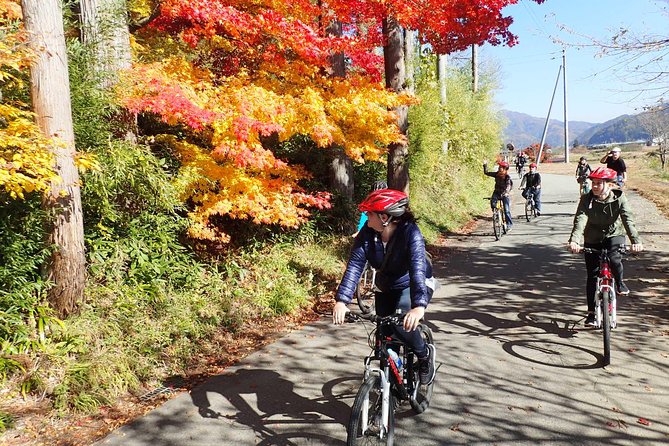
Expect a gentle, mostly flat route of about 12 km. The timing is around 2 hours 30 minutes, which is long enough to feel like you did something meaningful—but short enough that you don’t lose your whole day to biking.
What you should picture is a steady rhythm:
- Ride, then pause for local sights and explanations
- Ride again, with breaks built in
- A mid-tour rest that includes coffee/tea and snacks
A few guides mentioned in the available feedback (like Nanami, Marino, Akiko, Miyuki, and Ryoto) are consistently described as friendly and organized, and that shows up in how the tour feels: safer, calmer, and easier to follow when you’re not fluent in Japanese.
Satoyama views and a real farming village rhythm
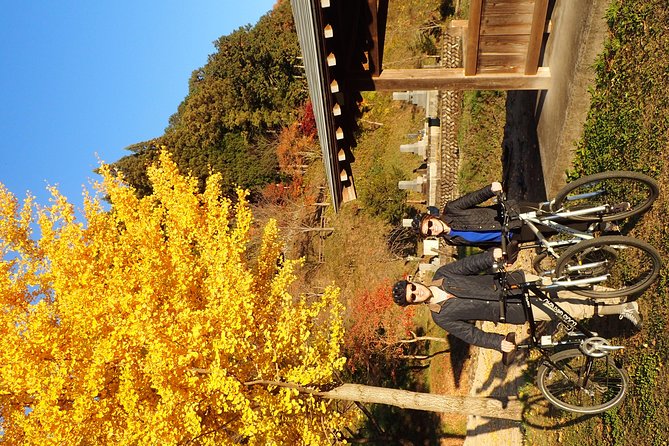
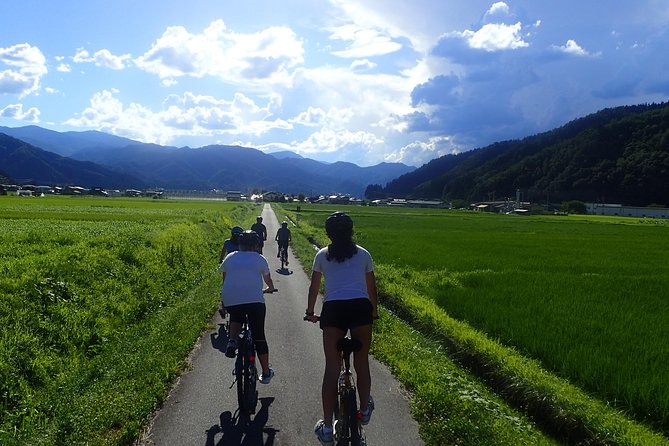
The tour’s core story is satoyama—the lived-in relationship between people and the countryside. You’ll gradually see a mix of:
- a peaceful town area
- a farming village
- rice fields and mountain views
There’s also time to look at everyday details you’d normally sail past. Think rice fields spreading out around mountains, huge old folk houses, and the kind of local produce lined up at a market that makes you understand what people actually cook with and buy.
This is where a guided bike tour beats a self-guided walk. You get mobility to cover ground, but still have someone pointing out why things matter—like what you’re seeing in farm life, and how village spaces are arranged.
The best stops: local market chats, shrines, and spring-water moments
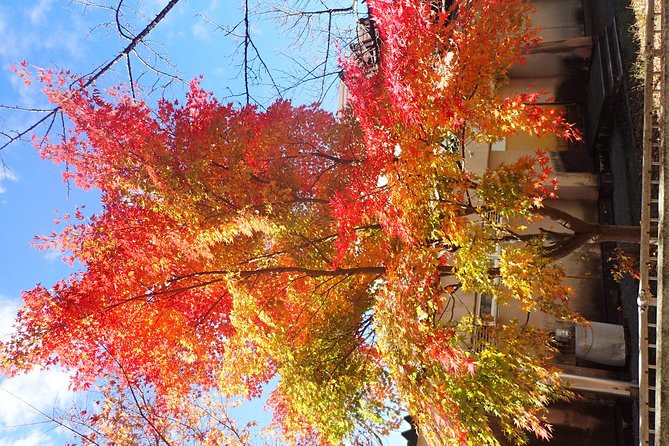
The route includes several stops at locals-only places, and that’s the heart of the experience. Instead of only viewing landmarks from the outside, you get chances to meet people and talk.
Across the feedback provided, a few stop types come up again and again:
- Local markets where you can see vegetables and daily shopping
- Shrines and quiet spiritual spots along the route
- Spring water references and refreshing water moments
- Occasional nature sights like a waterfall stop
Now, here’s the practical part: don’t expect every stop to be identical every day. Rural tours can vary with route planning, weather, and timing. But you can reasonably expect the mix to stay grounded in what matters locally—food, faith sites, farm life, and village character.
If you’re the type who likes asking questions—How does this grow? Who uses this space? What’s this for?—this tour style suits you well.
Tea, coffee, and snacks: light fuel that keeps the morning moving
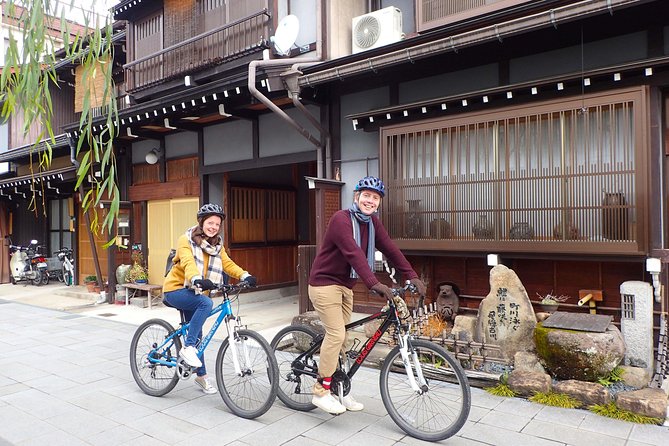
Halfway through, you’ll get a tea break with coffee and/or tea plus snacks. That’s not a full meal, so plan your day around it.
What I like about this setup is the pacing. You’re not stuck for an hour at a café, and you don’t end up riding hungry the rest of the way. You also get a chance to slow down, regroup, and enjoy the calm countryside without multitasking.
If you’re the kind of person who needs a bigger lunch to stay happy, consider bringing a small extra snack of your own for later. The tour itself lists snacks and drinks like coffee/tea as included, but it doesn’t list meals.
Guides: why names like Nanami and Marino show up so often
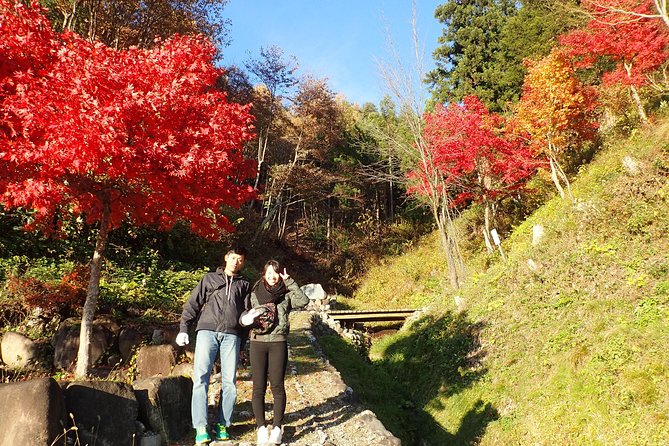
A bike tour is only as good as its guide, and the feedback here repeatedly points to the same theme: the guides are enthusiastic, organized, and able to explain Hida in a way you can actually use.
Some guide names that appear in the supplied experiences include:
- Nanami (engaging and passionate, including plant and wildlife stories)
- Marino (friendly, knowledgeable, and locally grounded)
- Akiko (attentive and helpful with understanding the area and safe riding)
- Miyuki (kind and focused on explaining Hida culture, rice farming, and old houses)
- Ryoto (francophone, described as making hidden village and temple stops feel easy to understand)
Even if your guide isn’t one of these specific names, the pattern is clear: you’re not just handed a map and told to ride. You’re getting someone who can connect what you’re seeing—farm work, traditional houses, village spaces—to how the region functions.
Bikes, helmets, and what to bring (since there’s no basket)
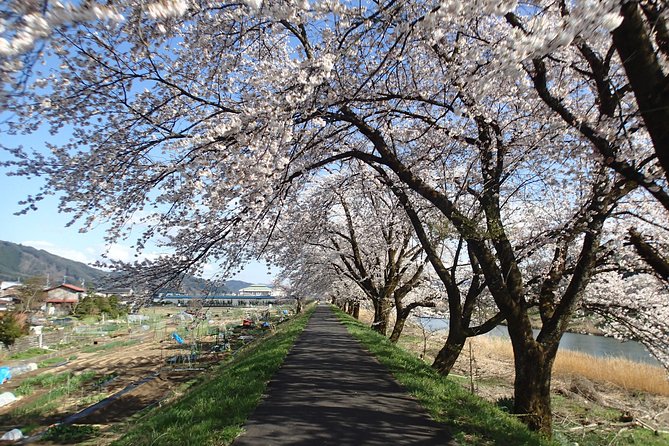
Good news: the tour includes use of bicycle and use of helmet, plus insurance and local taxes. That removes the hassle of renting separate gear and worrying about coverage.
On the practical side, two details matter:
- No basket is attached to the bike. If you bring a bag, you’ll need a way to keep it secure and manageable.
- Food and drinks aren’t listed beyond snacks and coffee/tea. So don’t assume you’ll get a full lunch or unlimited beverages.
What to bring:
- Wear comfortable clothes for cycling and walking short distances at stops
- Sunscreen/hat if it’s bright (morning can still be strong)
- Something light to store at your body, since the bike itself won’t handle bulky items
And if you’re traveling with kids: the minimum age is 6 years and minimum height is about 125 cm. That’s a real constraint, not a suggestion.
Price and value: what $161.18 buys you in Hida
At $161.18 per person, this isn’t the cheapest thing on the Gifu map. But for a short morning tour, the value comes from what’s included and how the group is sized.
Here’s where the price makes sense:
- Small group (max 8), meaning more personal attention
- Guide (the explanation and stop choices are the product)
- Bike + helmet + insurance (you’re not paying extra for basic essentials)
- Snacks + coffee and/or tea
- Local taxes are included
If you were to recreate this on your own—bike rental, helmet, insurance, and figuring out route stops that connect to local life—you’d likely spend time (and money) just to get to the same starting point.
Also, this tour is listed as commonly booked around 65 days in advance, which suggests it’s a practical option for planning your Hida days without waiting until the last minute.
Who should book this Hida cycling tour (and who might prefer another plan)
This tour is a strong match if you want:
- a short active morning that still feels cultural
- countryside views without a huge travel day
- a chance to ask questions and talk with locals
- a gentle pace (not an endurance ride)
It’s also a good fit for families, as long as kids meet the age and height minimum.
You might consider a different option if:
- you want a full meal experience rather than snacks and tea
- you hate biking even when it’s gentle and guided
- you need lots of storage on the bike (since there’s no basket attached)
Rain, comfort, and why organization matters on country roads
Country cycling can be unpredictable, and one of the most useful signals in the feedback is how guides handle weather. One described experience noted waterproofs were provided when conditions were wet, and the tour continued with the same focus on safety and comfort.
That’s the kind of practical professionalism you want. On rural roads, getting soaked can ruin the mood fast, even if the ride itself is easy. When the operation is prepared, you stay part of the experience instead of thinking about drying off.
Should you book this Short Morning Cycling Tour in Hida?
I’d book it if your goal is a 2.5-hour taste of countryside life in Hida/Furukawa with real human stops—markets, shrines, farm scenes—and a guide who can translate what you’re seeing into something meaningful. The small-group limit and included bike, helmet, insurance, and tea/snacks make it easier to justify than a DIY plan.
Skip it if you’re chasing a big mileage day, a long lunch-and-museum afternoon, or you know you’ll need lots of food/drinks beyond what’s provided.
If you want a calm, friendly morning where you pedal through everyday Japan and actually get context as you go, this is a smart choice.
FAQ
How long is the Hida cycling tour?
The duration is approximately 2 hours 30 minutes.
About how far do you cycle?
The route is described as a 12 km course.
Where do you meet, and when does it start?
You meet at 11-32 Furukawachō Ninomachi, Hida, Gifu 509-4235, Japan, and the tour departs at 10:15 am.
How large is the group?
The maximum group size is 8 people per booking.
What’s included in the price?
Included are a local guide, bicycle use, helmet use, insurance, local taxes, snacks, and coffee and/or tea.
What’s not included?
Food and drinks aren’t included beyond the snacks and coffee/tea noted as part of the tour.
Can kids join, and are there height requirements?
Minimum age is 6 years, with a minimum height of about 125 cm.
Is cancellation free if plans change?
Yes, free cancellation is offered up to 24 hours in advance for a full refund.