REVIEW · MARSEILLE
Marseille: City Highlights Guided Half-Day E-Bike Tour
Book on GetYourGuide →Operated by FADA BIKE CAFE, TOURS & Rentals MARSEILLE · Bookable on GetYourGuide
Marseille clicks into place on an e-bike. I love how this route strings together local lanes in the Panier and big iconic views at Notre-Dame de la Garde, with guides like Louis and Candice bringing the places to life. You also get a properly efficient loop that mixes old and new parts of Marseille, so you’re not stuck picking between waterfront, hills, and the historic core.
The main thing to consider is ride conditions. Even with electric assist, you’ll spend time on roads shared with cars, and the city’s hills mean you should be comfortable riding with traffic and handling your gears.
In This Review
- Key Points You’ll Actually Care About
- Why an E-Bike Makes Sense for Marseille’s Hills
- Start at a Cafe, Then Roll Into the City’s Real Rhythm
- Panier Neighborhood and the Major Cathedral: Old Streets, Clear Stories
- MuCEM Area and the New Waterfront: See What Marseille Builds Today
- Old Port to Pharo: One Ride, Multiple Sea-Level Perspectives
- Malmousque, Vallon des Auffes, and the Kennedy Corniche
- Notre-Dame de la Garde: The Bonne Mère Pause
- Abbaye of Saint Victor: A Historic Stop Without the Museum Rush
- What the Ride Feels Like: Traffic, Gears, and Bike Comfort
- Tour Guides: Commentary That Moves at Human Speed
- Price and Value: Is $67 Worth It for 3.5 Hours?
- Who This Tour Suits Best (and Who Should Skip It)
- Should You Book This Marseille E-Bike Highlights Tour?
- FAQ
- How long is the e-bike tour?
- What distance will we ride?
- What is included in the price?
- Is lunch included?
- Which languages are available for the tour guide?
- How big is the group?
- What sights are part of the route?
Key Points You’ll Actually Care About
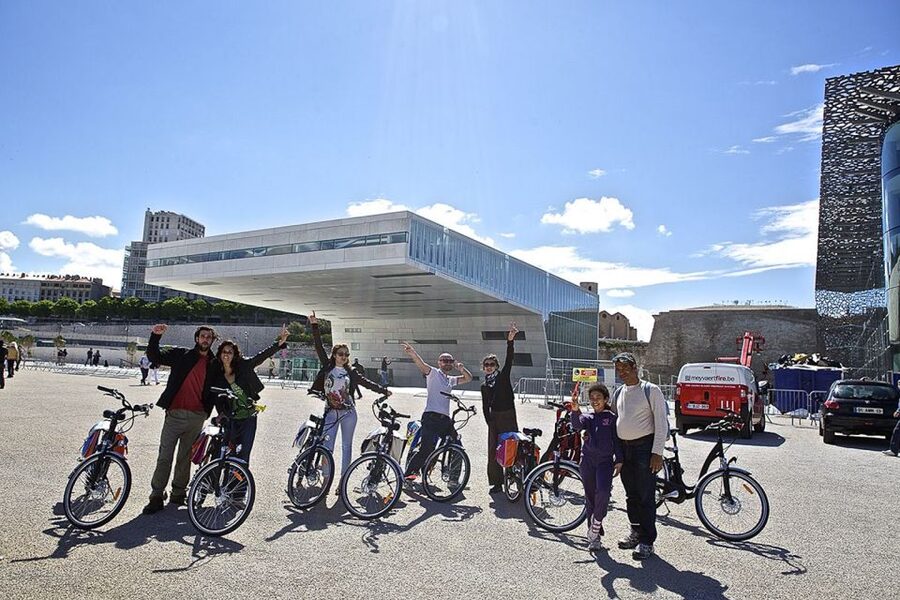
- About 20 km on a powerful e-bike, so the climbs feel manageable
- A timed 10 to 20 minute break at Notre-Dame de la Garde for photos and a quick look around
- Panier + Vallon des Auffes backstreets that many people would miss on their own
- Old Port, MuCEM area, Pharo viewpoint, and Corniche in one tight 3.5-hour loop
- Small group (max 10) with a live guide and multi-language commentary
- Some traffic and shared-road segments mean you should be a confident bike rider
Why an E-Bike Makes Sense for Marseille’s Hills
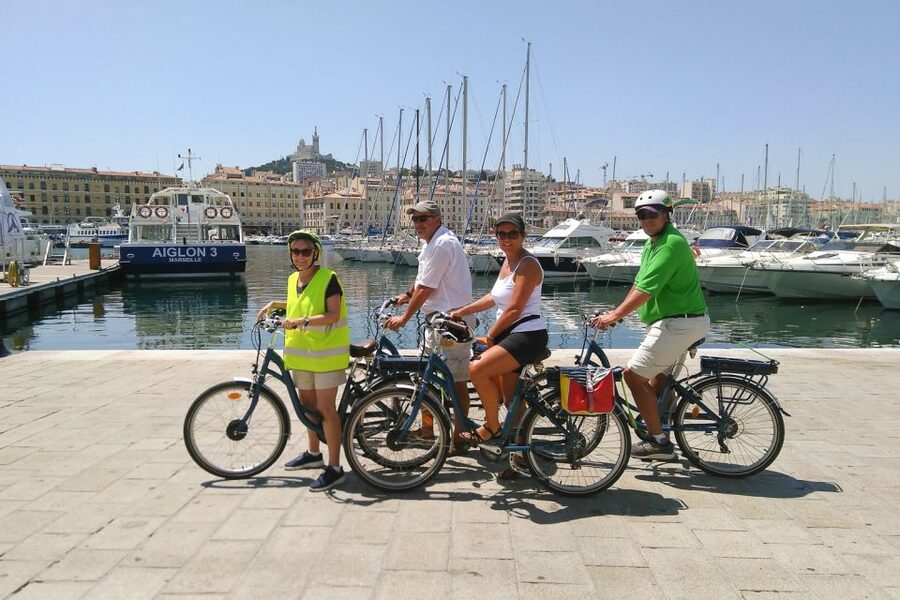
Marseille has a “coastal promise” and a “get-ready-to-climb” habit. This tour uses electric bikes to keep you moving through the city’s uneven terrain without turning the whole experience into a workout. You still pedal when it’s helpful, but the assist takes the sting out of the steep bits.
That matters because the itinerary is designed like a highlights sampler. You’re not just passing by the top sights from a distance—you’re riding close enough to feel the city’s layout: streets that tighten up in older neighborhoods, sudden slopes toward viewpoints, and then quick drops back toward the sea. On a regular bike, most people would skip sections or spend half the time stopped. With the e-bike, you can keep the flow and still enjoy the scenery.
The electric assist also means the tour works better for lower-to-moderate fitness days. Still, it’s not for everyone (more on that later): if you can’t ride a bike confidently, the assist won’t change the basics.
You can also read our reviews of more tours and experiences in Marseille.


Start at a Cafe, Then Roll Into the City’s Real Rhythm
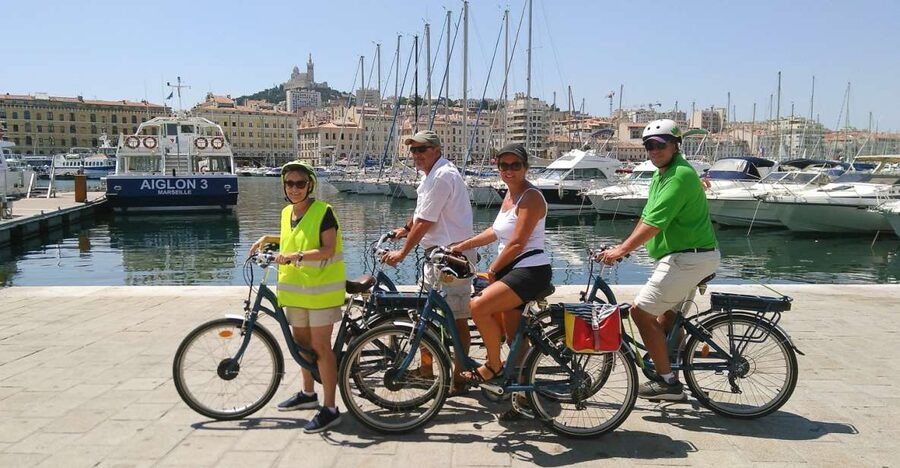
This tour is set up with comfort in mind from the first minutes. One repeat highlight from the experience is that the ride starts and finishes at a bar or cafe where there are toilets available. It’s a small detail, but it makes a big difference when you’re planning a half day and don’t want to burn time hunting down facilities.
Right away, you’ll get your bike rental plus a helmet and a live guide with commentary. The guide’s job isn’t just directions; it’s pace. They’ll keep you together, explain what you’re seeing, and call out where it’s worth stopping for photos.
For me, the biggest practical win is how quickly you can get oriented. Marseille can feel confusing at street level, because the city is spread out across bays and hills. Once you’ve followed a guided loop through places like the Old Port and the MuCEM area, the rest of your trip makes more sense.
Panier Neighborhood and the Major Cathedral: Old Streets, Clear Stories
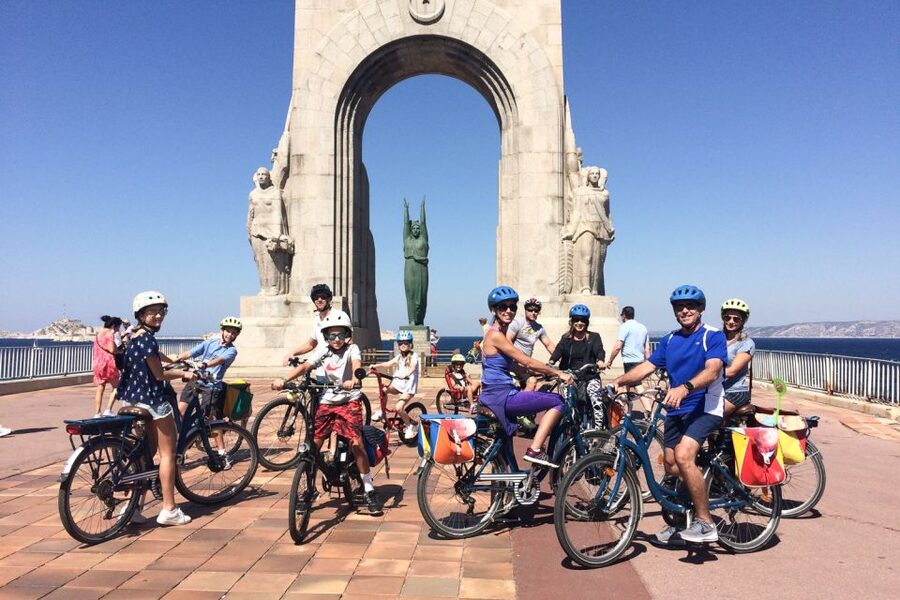
The tour includes the Panier neighborhood, Marseille’s oldest district. This is where the city’s character shows up in the narrow alleys and tightly packed streets. On foot, it’s easy to wander without understanding what you’re looking at. By bike, you glide through the tricky parts while the guide explains the significance of the area and what to notice.
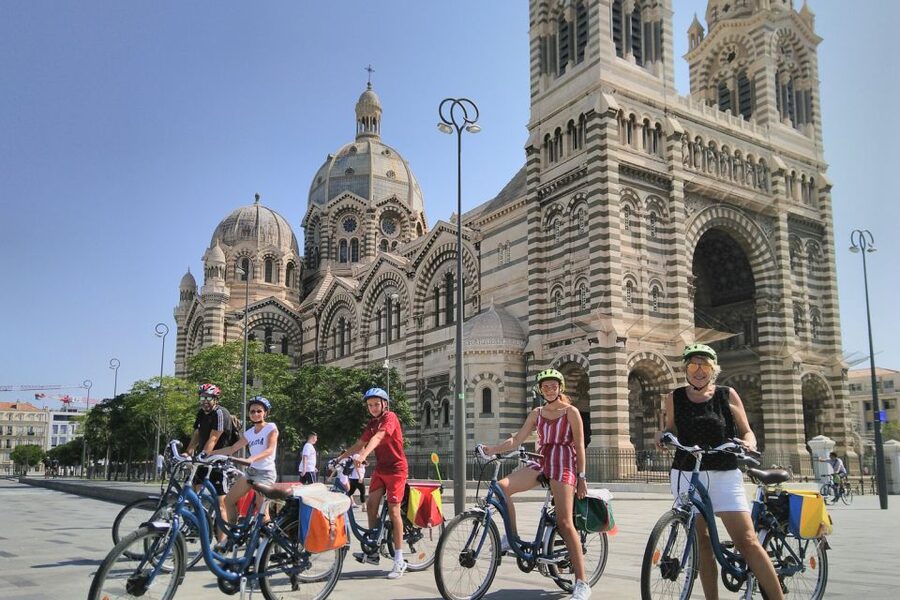
Next comes the Major Cathedral area. This is one of those “you’ll see it, now understand it” moments. The cathedral stands as a landmark, but the tour approach helps you place it inside the larger Marseille picture—how the historic core connects to the waterfront and to the rise toward viewpoints.
What I like about this segment is the balance. The Panier gives you texture: tight streets, local-feeling corners, and quick stops for photos. Then the Major Cathedral acts like a visual anchor—something solid that helps you remember where you are before the ride pushes into the modern waterfront direction.
A drawback? In older districts, streets can feel tight and traffic can show up quickly near major roads. If you’re not comfortable on a bike at all, this is where you’ll feel it first.
MuCEM Area and the New Waterfront: See What Marseille Builds Today
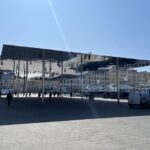
After the historic core, the tour heads toward the new MuCEM museum area. Even if you don’t plan to go inside a museum, the surroundings are worth seeing. This part of Marseille is about the relationship between culture and the sea—how the city builds near the water, with modern architecture framing long views.
The e-bike helps here because the waterfront can be visually tempting. You’ll want to look around constantly, and stopping every two minutes is unrealistic in a 3.5-hour tour. With the assist, you can keep moving while still taking in the big shapes: the museum area, the harbor edges, and the routes that lead toward the Old Port.
This segment is also a good “breather” section. The terrain is often easier than the hillier stretches, and you’re riding with a sense of momentum toward a classic Marseille payoff.
Old Port to Pharo: One Ride, Multiple Sea-Level Perspectives
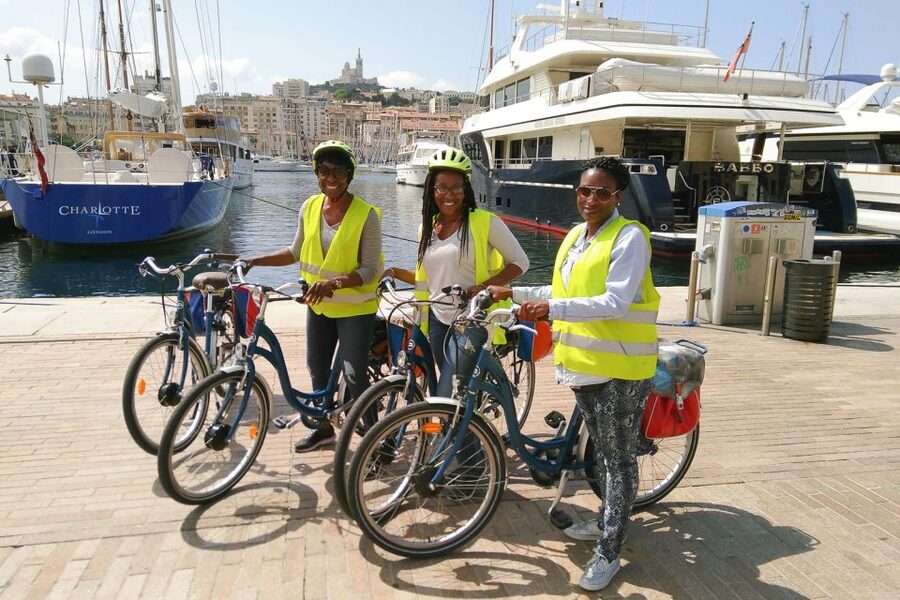
The Old Port is the main place in Marseille, and the tour doesn’t treat it like a drive-by. You’ll ride through the area and get time to look out, take photos, and get your bearings. If your first day in Marseille feels like “where do I start,” this part of the tour gives you a solid answer.
Then you go to the Pharo, where you get a beautiful view back toward the Old Port. This viewpoint is a big reason people feel like they got more than they paid for. You get distance and context—seeing the port area from above helps you understand how the neighborhoods sit around the water.
Also, photo timing is built into the ride. Guides have offered to take photos at certain locations, so you can focus on getting the shot instead of playing camera gymnastics while holding handlebars.
If you’re the type who hates crowds, there’s still plenty of human presence around the Old Port area. The bike loop lets you move through it with better efficiency than you’d get if you were trying to see everything on foot.


Malmousque, Vallon des Auffes, and the Kennedy Corniche
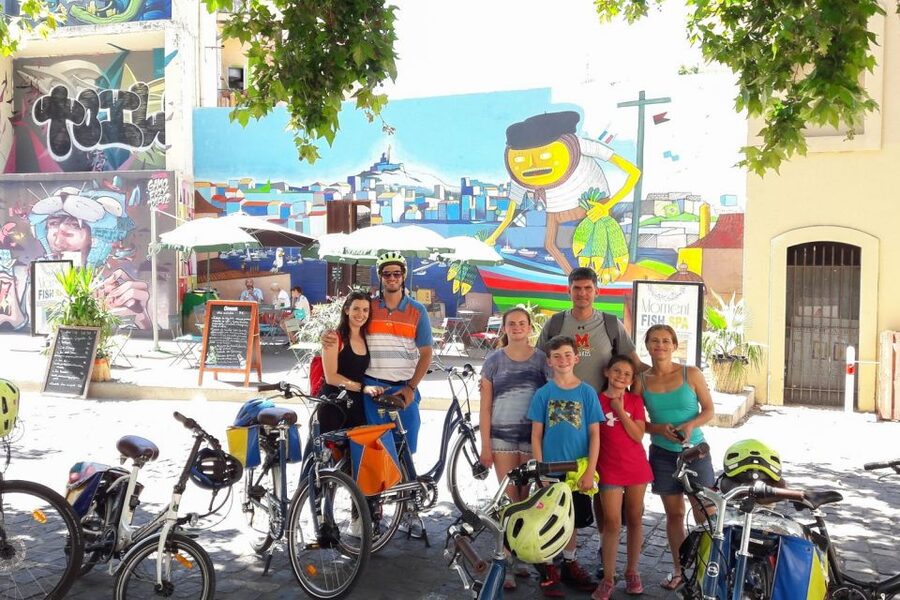
This is where the tour gets personal. You don’t just hit the postcard spots. You also ride through smaller waterfront areas that feel more local and less staged.
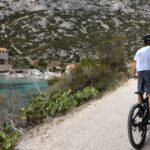
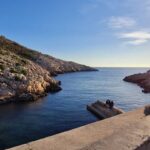
You’ll pass through Malmousque Little Port and the Vallon des Auffes, two stops that help you understand Marseille as a working coastal city, not only a set of monuments. These areas tend to feel more intimate, with the water close to the streets and the neighborhood scale easier to read.
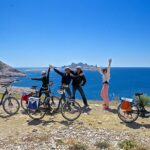
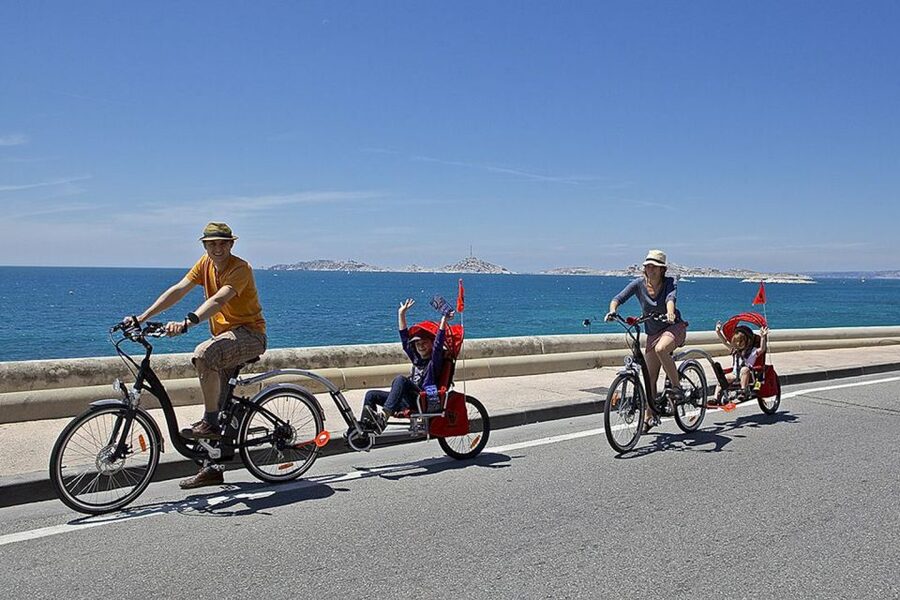
Then you roll toward the Kennedy Corniche, which is all about views. The Corniche-style riding gives you long lines of sight—good for photos, good for slowing down mentally, and good for that sense of freedom you’re supposed to feel on a tour like this. It’s also a nice change of pace after the older neighborhoods.
One consideration: this portion of the day still includes road segments shared with traffic. A guide can keep you focused, but you still need to be confident on a bike and aware of what’s around you.
Notre-Dame de la Garde: The Bonne Mère Pause
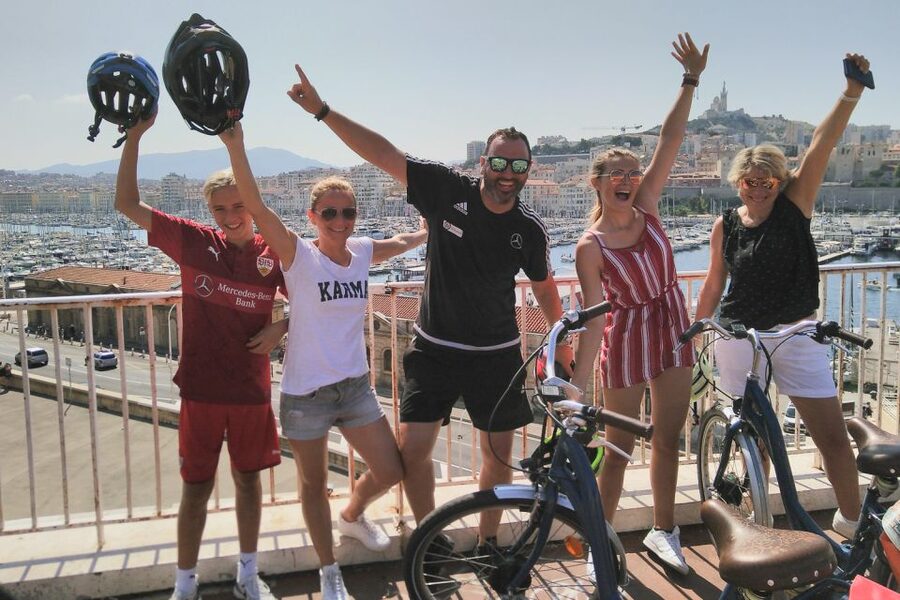
The highlight for many people is Notre-Dame de la Garde, the city’s iconic viewpoint known as the bonne mère. The tour includes a 10 to 20 minute break here, built for you to visit, admire, and take panoramic pictures.
This stop works because it’s short enough to keep the half-day timing tight, and long enough for the real payoff: the view. You’ll see the city’s layout spread under you, and you’ll understand why Marseille’s identity is tied to its cliffs and sea outlooks.
It also feels like a turning point in the day. You start by weaving through neighborhoods and waterfront edges, and then you rise to a vantage point that explains the whole system. From there, the ride feels less like random sightseeing and more like a connected route.
If it’s your first time in Marseille, this is one of the places you’ll want to linger on. If it’s not your first time, it’s still worth the climb because the perspective helps you compare what you remember with what you see now.
Abbaye of Saint Victor: A Historic Stop Without the Museum Rush
The tour ends this side of the old city with the Abbaye of Saint Victor. This stop adds depth to the day because it’s another reminder that Marseille’s story isn’t only waterfront and modern landmarks. You’re riding through living neighborhoods with layers of time.
What I like here is the “no heavy rush” vibe. The tour format gives you context through commentary while keeping you moving enough to see the whole highlights sequence without spending your entire day waiting in lines or stuck with museum pace.
You’ll leave this segment with a clearer sense of Marseille’s gravity: older sites aren’t just backdrops; they shape the route, the views, and the way you move through the city.
Practical note: because this is a bike tour with stops, the abbey visit time will feel like a quick taste. If you want a longer, slow exploration, you’ll likely want to return later on your own.
What the Ride Feels Like: Traffic, Gears, and Bike Comfort
Here’s the honest part. This is an e-bike tour, but it’s still a bike tour. Some segments are shared with traffic and may not always have a dedicated bike lane. So you need to be comfortable riding alongside cars and staying predictable in your line.
The good news: the bikes are described as comfortable and powerful, and many people found the e-bike made climbing easy. Guides also help you keep control, and some rides include extra support like rain gear when weather changes.
Still, don’t assume it’s effortless. One person found the hills and the need to use gears made the ride more demanding than the description suggested. That’s not a deal-breaker, but it’s a heads-up: arrive knowing you may need to pedal and use your gears properly so you’re not fighting the bike up a slope.
A small bike issue came up in one case where a bike’s gearing didn’t hold settings going up a long incline. The takeaway for you is simple: if something feels off, tell the guide right away. On this kind of small-group tour, quick communication matters.
Tour Guides: Commentary That Moves at Human Speed
The guide can make or break a short tour, and this one is built around live commentary and active guiding. You’ll hear the story of Marseille as you ride, not after you park the bike.
Names that have come up include Louis, Nori, Candice, Nass, Stephan, Stefan, Eva, Eric, and Valentin, among others. People also appreciated guides taking time to adjust the information based on the group and stopping for photos at certain locations.
That’s what you’re paying for with a guided e-bike tour. You get the “why” behind the places: what makes the Panier streets matter, why the Old Port is still the core, and what Notre-Dame de la Garde represents from above.
The group size also helps. With a maximum of 10 participants, the guide can actually manage pacing and keep everyone from splitting apart at the busiest turns.
Price and Value: Is $67 Worth It for 3.5 Hours?
At $67 per person for about 210 minutes, you’re paying for efficiency and interpretation. You’re getting bike rental, a helmet, and a guide with commentary, and you cover roughly 20 km without turning the day into a long trek.
Is it “cheap”? No. Is it good value? For most people who want an overview fast, yes. Here’s why:
- You see a full loop: Panier, Major Cathedral, MuCEM area, Old Port, Pharo, Malmousque, Vallon des Auffes, Kennedy Corniche, Notre-Dame de la Garde, and Abbaye of Saint Victor.
- You get panoramic viewpoints plus photo time, not just passing scenery.
- The guide helps you understand what you’re seeing so you can plan the rest of your stay.
If your priority is slow wandering with no roads shared with traffic, you might prefer walking tours. But if you want momentum and a structured highlights path in half a day, the price can feel fair.
Also, lunch isn’t included, so factor that into your day plan. The good part is the tour’s cafe start and finish setup often makes it easy to grab food afterward.
Who This Tour Suits Best (and Who Should Skip It)
This tour fits best if you:
- Can ride a bike confidently
- Want a fast, structured overview of Marseille in one morning or afternoon
- Enjoy views and want photo stops without spending hours moving between far-apart neighborhoods
- Prefer smaller group vibes (max 10) over large coach tours
It’s not a match if you have bike-riding limitations or health concerns listed by the operator. It’s not suitable for pregnant women, people with back problems, mobility impairments, heart problems, or anyone who uses a wheelchair. The tour also isn’t suitable for people under 140 cm (4 ft 6 in), people over 130 kg (287 lbs), people with low fitness, or people over 70 years. If you’re unsure, check with the operator before booking.
And if you’re new to gears, practice a little before you go. This route includes hills, and a smoother gear habit means an easier ride.
Should You Book This Marseille E-Bike Highlights Tour?
I think you should book it if you want to get your bearings fast and you’re comfortable riding a bike with some shared-road segments. The combination of Panier backstreets, waterfront stops like Old Port and the MuCEM area, plus the big viewpoint payoff at Notre-Dame de la Garde makes it a strong use of limited time.
I’d skip it if you’re not confident on a bike, hate riding near traffic, or want a slow museum-style day with lots of unstructured time.
If you do book, wear comfortable shoes, be ready for hills even with assist, and bring a mindset that this is a guided loop—move with it, and you’ll come away with a clear Marseille map in your head.
FAQ
How long is the e-bike tour?
The tour lasts 210 minutes, which is about 3.5 hours.
What distance will we ride?
You’ll cover about 20 km on the electric bike.
What is included in the price?
Bike rental, a helmet, and a live guide with commentary are included.
Is lunch included?
No, lunch is not included.
Which languages are available for the tour guide?
Guides are available in English, Italian, Dutch, German, Spanish, and French.
How big is the group?
The tour is limited to a small group of up to 10 participants.
What sights are part of the route?
The tour includes the Panier neighborhood, the Major Cathedral, the MuCEM area, the Old Port, the Pharo viewpoint, Malmousque Little Port, Vallon des Auffes, the Kennedy Corniche, Notre-Dame de la Garde, and the Abbaye of Saint Victor.