REVIEW · CANTERBURY NEW ZEALAND
Akaroa: Guided Electric Mountain Bike Tour-Lava Loop
Book on GetYourGuide →Operated by Akaroa Guided Kayak Safari · Bookable on GetYourGuide
Crater-rim biking in Akaroa is a thrill. On this Lava Loop guided electric mountain bike tour, you pedal up fast and scenic terrain with sea-to-summit views from start to top.
The ride is built for people who want exercise without getting punished, and the electric assist means you keep moving while still feeling the effort. One thing to think about: weather can change the experience, and wet, windy conditions can make the descent feel more slippery and less visible.
In This Review
- Key things to know before you ride the Lava Loop
- Why Akaroa’s Lava Loop feels like a postcard ride
- Electric assistance on the Scott e-bike: what changes on a steep climb
- A 3-hour loop, step by step (and what to expect at each stage)
- 1) Getting rolling: meeting point and setup
- 2) The climb to the crater rim: the moment you’ll remember
- 3) The rim experience: views plus photos plus local context
- 4) The descent back toward sea level: fun riding, not just getting down
- 5) Finishing strong: wrap-up and back to town
- The guide makes it feel premium, not just practical
- Price and value: what $104 buys you in real terms
- Weather reality check: how wet and windy can change the ride
- What to bring and how to make it easier on your body
- Who should book the Lava Loop, and who should skip
- Should you book this Akaroa e-bike tour?
- FAQ
- How long is the Akaroa Lava Loop electric mountain bike tour?
- How much does the tour cost?
- What bikes do you ride on this tour?
- What gear is included?
- What should I bring with me?
- Where do I meet the guide?
- Is there transport for cruise ship passengers?
- What languages are the tours run in?
- Will the tour run in bad weather?
- What’s the group size?
Key things to know before you ride the Lava Loop
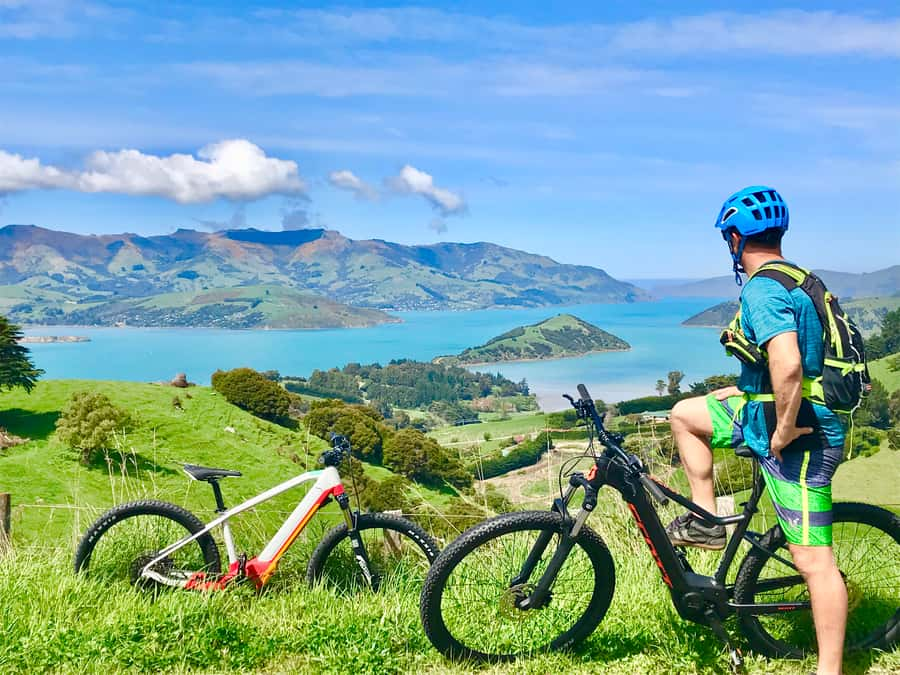
- New-model Scott e-bikes with strong pedal assist make the climb doable, even if parts look too steep on a normal bike
- Crater rim views are the main event, with nonstop sightlines out over the harbour and beyond
- Small group size (up to 10) keeps it friendly and lets the guide manage pace and comfort
- Turbo mode is there for fatigue, so you can save your legs for later instead of burning them early
- A flowing downhill back to sea level turns the hard part into a satisfying ride rather than a punishment
Why Akaroa’s Lava Loop feels like a postcard ride
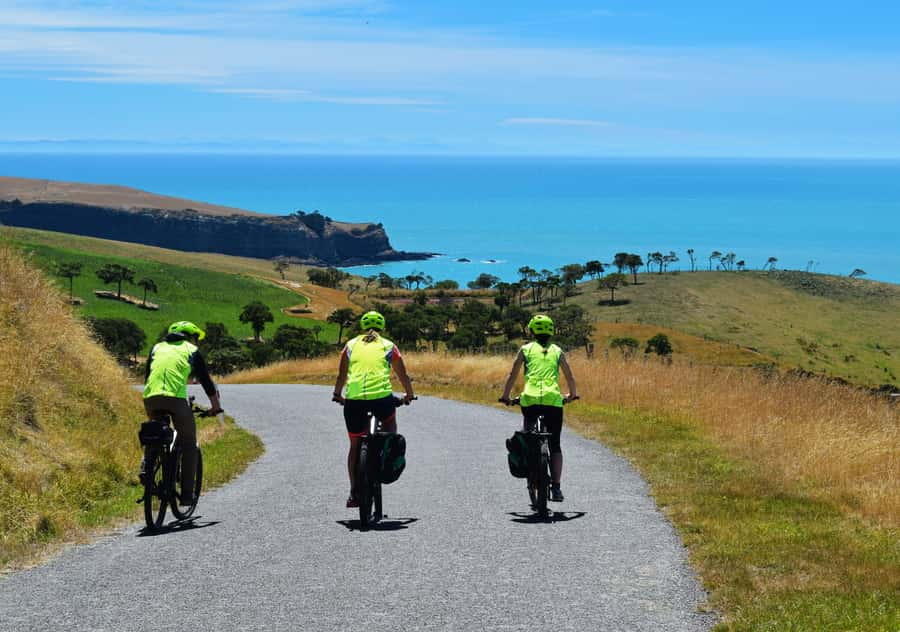
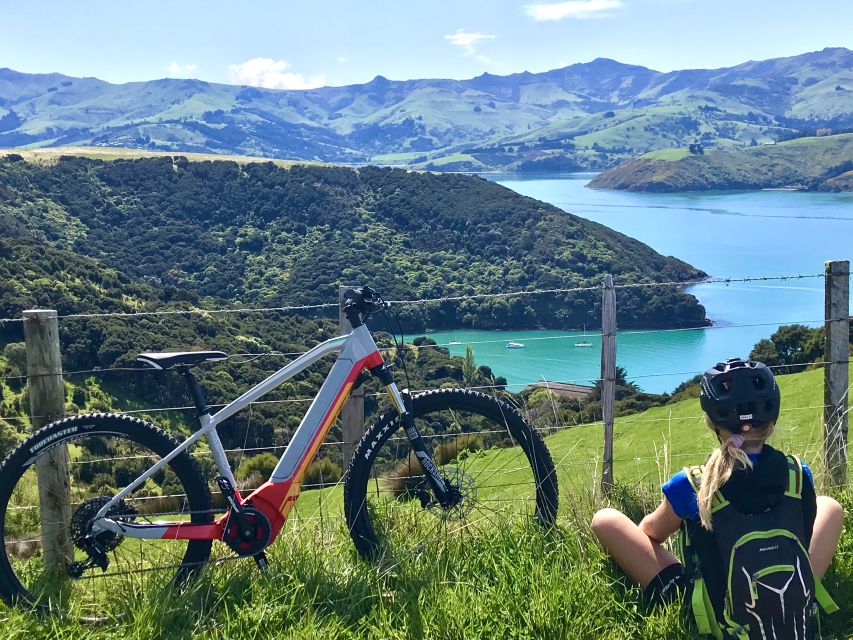
Akaroa is famous for its harbour views, but the Lava Loop tour takes that to another level. As you work your way up, the scenery keeps widening—turquoise harbour, coastline, and countryside slipping into view as the grade changes. This is the kind of ride where every few minutes you’ll understand why people come back for “one more photo stop.”
I like that the tour is designed around visibility. You’re not doing a random trail loop where the best views might be at the very end. Instead, the whole route is about keeping your eyes up, with lots of chances to pause while your guide points out what you’re looking at and snaps photos for you.
That’s also why electric mountain biking matters here. On a standard bike, you’d likely spend the whole time focused on grinding and surviving the climb. With pedal assist, you can stay more present—watching the water, tracking the coastline, and enjoying the sensation of climbing without arriving completely cooked.
Electric assistance on the Scott e-bike: what changes on a steep climb
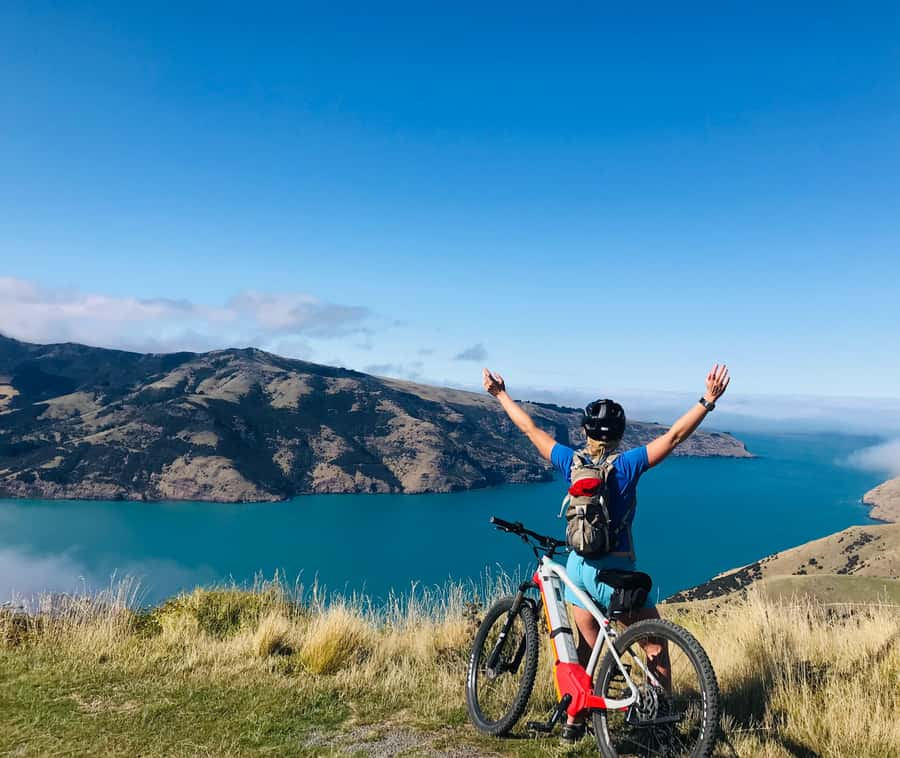
This tour is not pitched as a gentle cruise. The big headline is the climb: you’ll go up roughly 700 meters of steep terrain to reach the crater rim. On a normal mountain bike, that can turn into a slow, breathy slog—especially if you’re not regularly riding steep grades.
With the electric system, you still pedal, but the bike gives you help when the grade spikes. The tour description specifically calls out that you can use turbo mode if you start to feel tired. Translation: you don’t have to choose between “push hard early” or “slow down to a crawl.” Instead, you can pace yourself and let the assist carry you through the worst stretches.
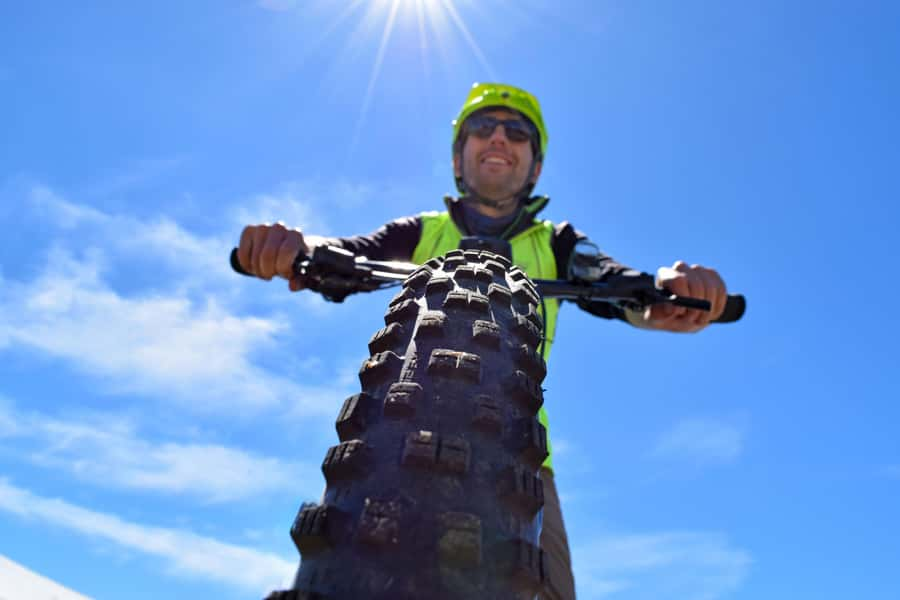
You’ll be riding a powerful Scott (or Trek) e-bike with a Scott Bosch pedal-assist system. In practice, that means the motor response helps you keep traction and momentum on sealed roads where the slope is the real challenge. It’s still hard work—you’ll feel it—but it turns the “this looks impossible” moments into something you can actually manage.
A 3-hour loop, step by step (and what to expect at each stage)
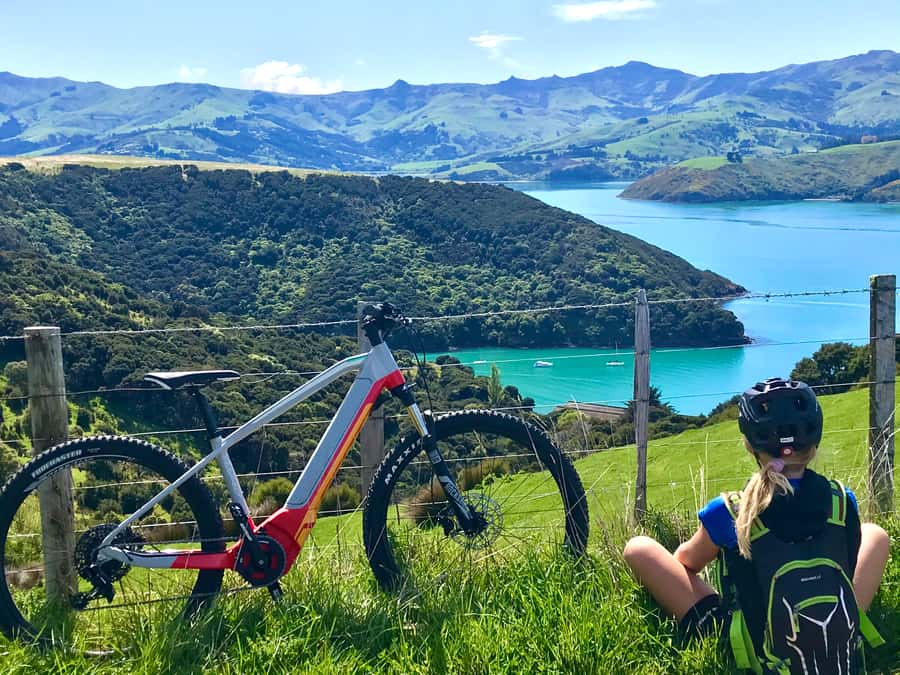
This is a 3-hour guided Lava Loop. The structure is a loop that mixes steep ascents with descents, and the route uses quiet scenic sealed roads. That matters because sealed roads usually mean smoother riding and more predictable traction than loose gravel tracks.
Here’s how the experience typically breaks down, and what you can plan for:
1) Getting rolling: meeting point and setup
You meet on Main Street in Akaroa, between the petrol station and 4 square supermarket. If you’re arriving via cruise ship into Akaroa Port, there’s free pick-up and drop-off. The ride is run with a small group—up to 10—so you’re not fighting for bike attention or getting rushed through gear.
Before you ride, you’ll be fitted with the essentials: helmet, high-visibility vest, and a riding backpack with an easy-access phone holster. That phone detail is more useful than it sounds. You can keep navigation and photos simple without fumbling with pockets mid-ride.
2) The climb to the crater rim: the moment you’ll remember
This is the core of the tour: the steep push up toward the top. The goal is reaching the crater rim while still enjoying the route, not just suffering through it.
You’ll ride using pedal assist, and your guide sets expectations for how to use the power so you don’t burn your legs too early. The guide also points out places of interest and stops for photos, which helps break up the climb and keeps you from staring at your front wheel the entire time.
Plan for effort even with electric assist. You’re still riding uphill for a while, and the payoff is that the views start appearing as the grade eases and the horizon expands.
3) The rim experience: views plus photos plus local context
Once you’re at the top, you’re there for the reason you came: uninterrupted views from the sea to the summit. This is the part where you’ll likely feel the “postcard” effect most strongly—the harbour, the surrounding coastline, and the scale of the area from above.
Your guide will share context as you look around. Different guides bring different styles; in past departures, you’ve seen names like Max, Louann, Lourn, and Jack show up as standout guides. The common thread is that the commentary and photo stops make the viewpoints feel like more than a quick glance-and-go.
4) The descent back toward sea level: fun riding, not just getting down
The return is described as a delicious descent following a flowing descent back to sea level. The point is that the hard part doesn’t end with the top. You get a more enjoyable ride down, with speed controlled by the conditions and the way the route is laid out.
This is also where weather matters. The tour runs in most conditions, but if it’s wet and windy, sealed roads can still feel slippery, and the fun factor drops when visibility is limited.
5) Finishing strong: wrap-up and back to town
At the end, you cycle back into the area near where you started. If you booked cruise ship pick-up, you’re set for return transport. Otherwise, you’re in central Akaroa with enough time to grab coffee or plan your next stop in the South Island.
The guide makes it feel premium, not just practical
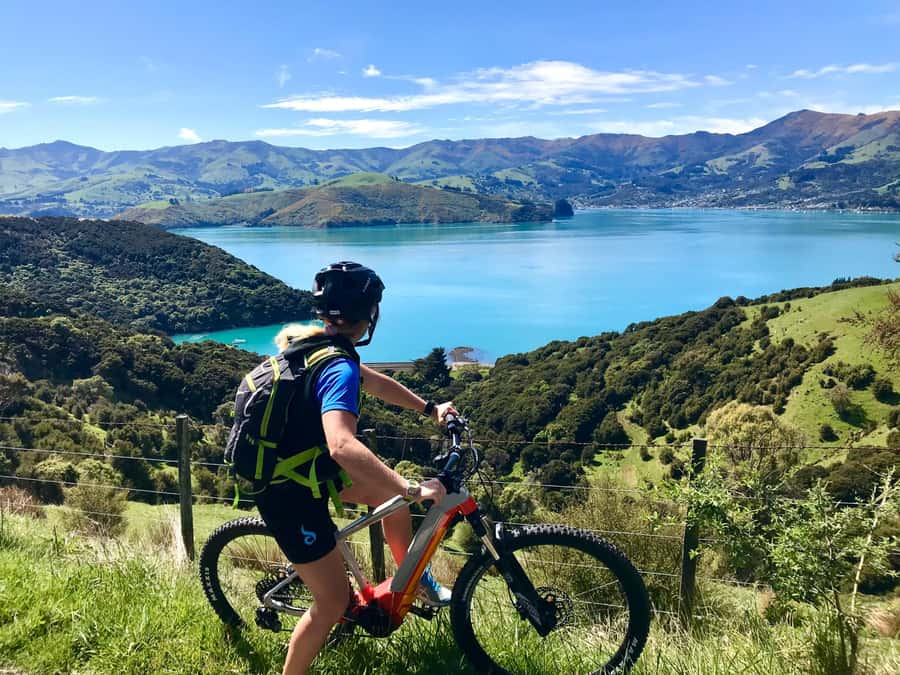
The bikes are a big reason to book, but the guide is what turns it into a guided experience instead of a self-led outing.
The tour is run with a live guide (languages listed as Spanish and English) and a small group limit of 10. That combination matters because it lets the guide:
- spot when someone needs a slower pace
- explain how to ride the steep bits
- stop for photos at the spots that matter
The reviews attached to this tour lean heavily on guide energy and safety handling. You’ll see names like Max praised for being great and friendly, Louann and Lourn noted for guiding well and sharing local info, and Jack for adding extra area tips. Even when the conditions were rough, the consistent theme is that the guide takes care of the group and keeps the ride moving safely.
My advice: treat the guide like your on-the-ground map. If you want the best photos, ask when to stop. If you’re unsure about your fitness level, tell them early so you get a pace plan that keeps the ride enjoyable.
Price and value: what $104 buys you in real terms
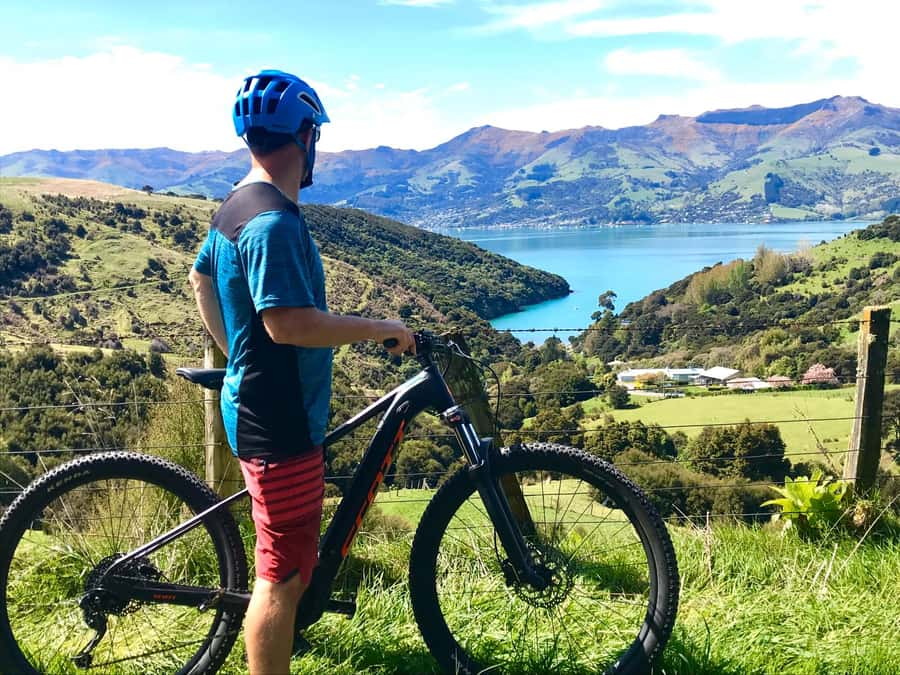
At $104 per person for a 3-hour guided electric mountain bike tour, you’re paying for more than “a bike for a while.”
Here’s the value equation that makes sense:
- You get a new-model Scott/Trek e-bike with strong pedal assist, not a basic rental scooter-bike situation.
- You get the gear that matters for safety and comfort: helmet, high-visibility vest, and a ride backpack.
- You get a local guide who manages the route and highlights viewpoints.
- You get an experience shaped around one big goal: crater rim views and a loop that mixes effort with payoff.
That’s why this is great value compared with piecing together an itinerary by yourself, especially if your time in Akaroa is short. Three hours is long enough to feel like you accomplished something, but short enough to keep the rest of your day open.
A quick practicality note: the tour does not include your food and layers. Bring your own water and snacks, and you won’t get stuck buying something overpriced at the last minute.
Weather reality check: how wet and windy can change the ride
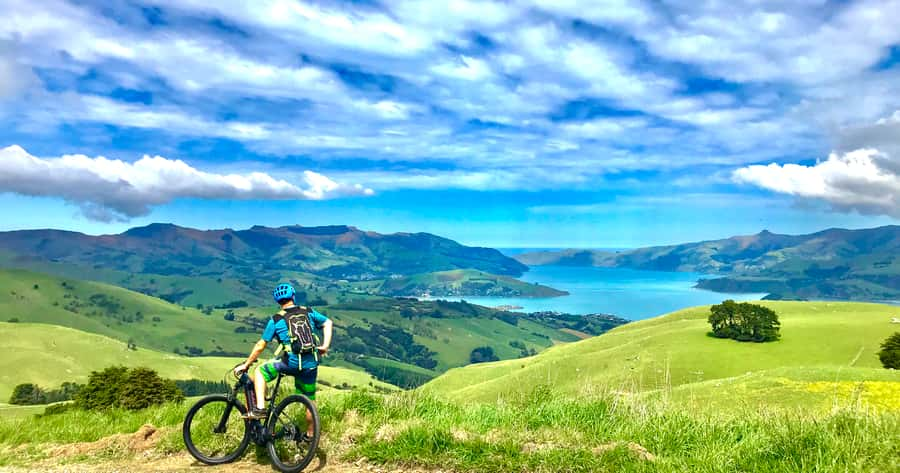
This tour is scheduled to go ahead in all weather except heavy rain or extreme winds. That’s a sensible balance, because Akaroa weather can shift fast and you don’t want your plans derailed by every cloud.
Still, consider this: the descent on sealed roads can feel sketchy when conditions are slick. High winds also reduce visibility, which can shrink the “sea-to-summit” payoff even if you’re still riding.
What you can do:
- pack a light jacket/windbreaker (recommended by the tour)
- plan for cooler air at elevation
- don’t assume speed feels the same in the wet—let the guide set the pace
If the forecast looks unstable, I’d go in mentally prepared for a different kind of ride—more focused on control than on adrenaline.
What to bring and how to make it easier on your body
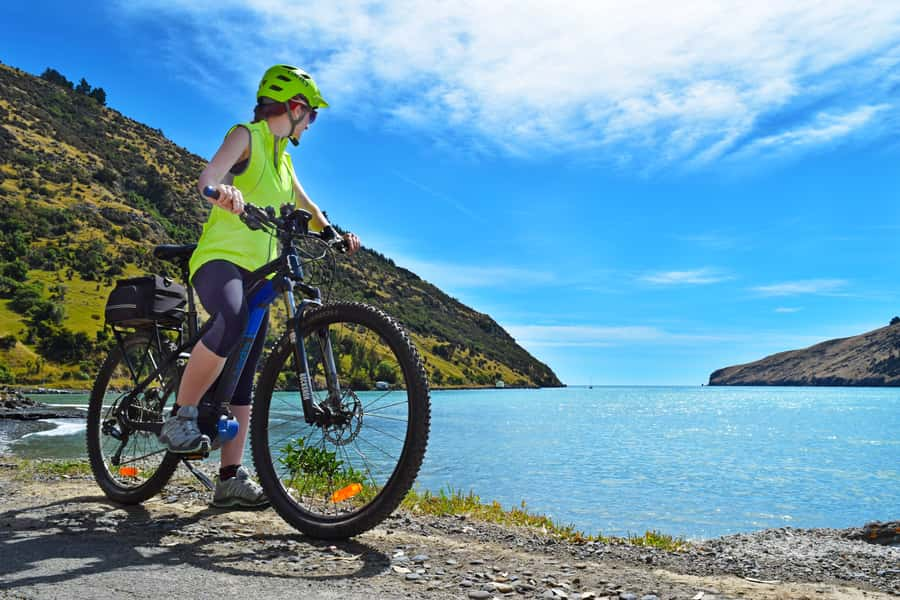
The tour asks you to bring a few basics so you can enjoy the ride without fuss.
Bring:
- Windbreaker / light jacket
- Sunscreen
- Water
- Sports shoes
- Snacks (since they aren’t provided)
Also, you’ll need to share your height before the tour so they have the right bike size ready. That’s one of those small details that improves the whole experience. A better fit usually means more confidence on steep parts and less discomfort during the ride.
Fitness-wise, this is described as a trip for people with conventional mountain bike experience and moderate to high fitness. If you’re not sure where you fit, consider your comfort with steep grades more than your ability to ride fast. The electric assist helps, but it won’t replace confidence on hills.
Who should book the Lava Loop, and who should skip
This tour is best if you want active sightseeing, like you’re mixing exercise with a proper view reward.
You’re a strong match if you:
- can handle steep climbs (the crater rim ascent is a real effort)
- are comfortable riding a bike and managing speed on a descent
- want a guide-led route with photo stops
It is not suitable for:
- people with back problems
- people with mobility impairments
- people with low level of fitness
- people over 209 lbs / 95 kg
If you’re traveling with any of those constraints, consider a gentler Akaroa activity instead. The whole point of the Lava Loop is that it pushes you in exchange for big views.
Should you book this Akaroa e-bike tour?
Book it if you want one of the clearest “effort to reward” experiences in Akaroa. The Lava Loop is built around sea-to-summit views, and the electric assist makes the steep climb feel possible without turning the ride into a passive sightseeing bus.
Skip or rethink it if you:
- hate steep grades, even with assistance
- travel in heavy-rain or extreme-wind conditions (the tour only cancels in the worst weather, but visibility and traction can still suffer)
- fall into the listed unsuitability categories
If you’re deciding between waiting for ideal weather and locking in time, here’s my approach: if your schedule is tight, this is still a strong bet because it runs in most conditions. Just pack the windbreaker, bring water, and trust the guide to manage pace.
FAQ
How long is the Akaroa Lava Loop electric mountain bike tour?
The tour lasts 3 hours.
How much does the tour cost?
The price is $104 per person.
What bikes do you ride on this tour?
You ride a powerful Scott or Trek mountain e-bike with Scott Bosch pedal-assist systems.
What gear is included?
The tour provides a helmet, a high-visibility vest, and a riding backpack with an easy-access phone holster.
What should I bring with me?
Bring a light jacket or windbreaker, sunscreen, water, snacks (not included), and sports shoes.
Where do I meet the guide?
The meeting point is on Main Street of Akaroa, between the petrol station and the 4 square supermarket.
Is there transport for cruise ship passengers?
If your cruise ship arrives at Akaroa Port, there is free pick up and drop off. If you’re starting from Lyttleton Port, you’ll need to book with the return transport option.
What languages are the tours run in?
The guide speaks Spanish and English.
Will the tour run in bad weather?
It goes ahead in all weather except heavy rain or extreme winds.
What’s the group size?
The group is limited to 10 participants.