REVIEW · AMSTERDAM
Amsterdam bike tour with a French-speaking guide local!
Book on GetYourGuide →Operated by Amsterdam Velo - Tours en Francais · Bookable on GetYourGuide
Amsterdam on a bike is the fastest way to get your bearings. This 2.5-hour French-speaking tour gives you a smart, local-style loop through major neighborhoods and the main canals, plus the kind of everyday context that helps the city click. I like that the group stays small (max 12) and that the bikes have hand brakes, which makes the ride feel more controlled.
The other big win is the guide. I’ve seen how guides like Yago (an economics and politics student) can connect history to daily life, and how George/Georges brings that mix of facts and real-world anecdotes into a route that stays lively.
One thing to consider: this isn’t a casual stroll. You’ll be biking through several districts, so if you’re uncomfortable cycling for stretches of time, you’ll want to think twice and pace yourself.
In This Review
- Key highlights at a glance
- Why start Amsterdam by bike (and why this route works)
- The bike setup: hand brakes, Batavus comfort, and family options
- Meeting at IJdok 47 near Centraal Station: quick and simple
- The rhythm of the ride: what the 2.5 hours really feels like
- Museumkwartier: where the city flexes its arts and its structure
- Dam Square and the Westerkerk: big landmarks with local meaning
- De Negen Straatjes and Haarlemmerbuurt: streets that feel made for wandering
- Anne Frank House area and the old Jewish quarter: history with care
- Grachtengordel and the main channels: how to see the canal logic
- Jordaan and neighborhood life: where the city feels lived-in
- French guides who connect facts to daily life (names to know)
- The value check: is $41 worth it?
- What to do right after: turning the tour into a full day
- Who this tour suits (and who should skip it)
- Should you book this Amsterdam French bike tour?
- FAQ
- How long is the Amsterdam bike tour?
- Where does the tour start?
- What language is the tour guide?
- What kind of bike do you ride?
- What’s the minimum age for the bike tour?
- Is luggage allowed during the tour?
- What is the cancellation policy?
Key highlights at a glance
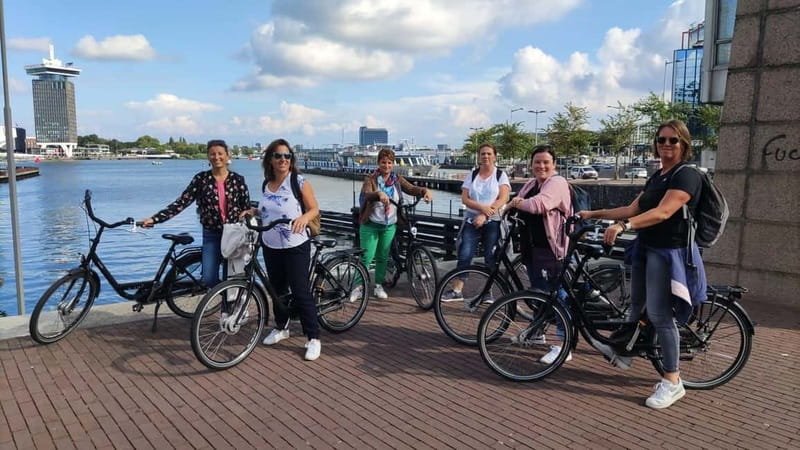
- Small-group feel (max 12) that keeps the ride friendly and questions welcome
- French-speaking local guides who explain daily life and cultural differences, not just sights
- Hand-brake bikes from the Dutch brand Batavus, in sizes for ages 8+
- A practical neighborhood loop that includes the museum area, canal ring, Jordaan, and more
- Bike-and-bag support with luggage racks and the option to leave suitcases
- A built-in post-tour plan with restaurant and brown café recommendations to guide your next hours
Why start Amsterdam by bike (and why this route works)
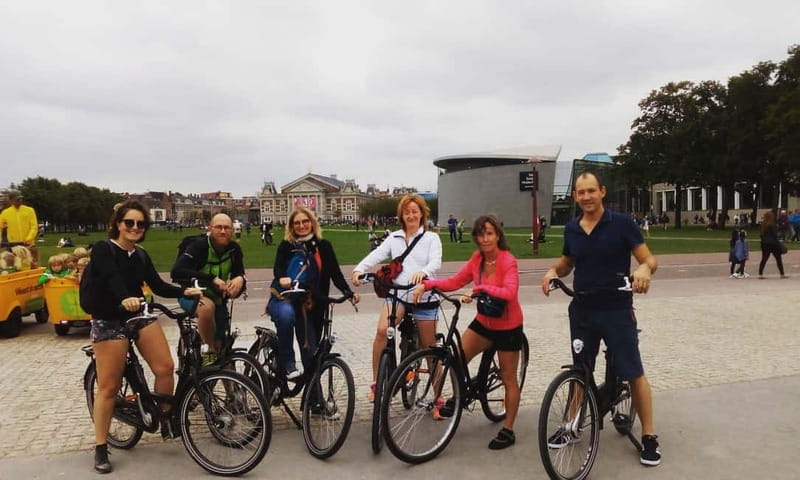
If it’s your first visit, you’re going to remember two things: the canals and the grid of streets you can’t quite decode yet. A bike tour solves that problem fast. You don’t just see Amsterdam—you learn the pattern. You start to recognize how neighborhoods relate to each other, where the city opens up, and where it gets dense and quiet.
This particular tour is built for orientation. In one morning or afternoon window, you cycle through a mix of places you’d otherwise hop between with trams, bikes, or taxis. The stops you hit aren’t random. You go from the more central sightseeing zone toward quieter residential streets, then into the canal-focused areas that define Amsterdam’s look and feel.
I also like the tone: it’s local-focused. You’ll hear about history, cultural differences, and day-to-day life, not just a list of monuments. That kind of context is what makes later neighborhood wandering feel confident instead of lost.
And yes, you’ll bike past the canals and key architecture details that are hard to notice at walking speed. With Amsterdam, speed isn’t the point. Understanding is.
You can also read our reviews of more tours and experiences in Amsterdam.


The bike setup: hand brakes, Batavus comfort, and family options
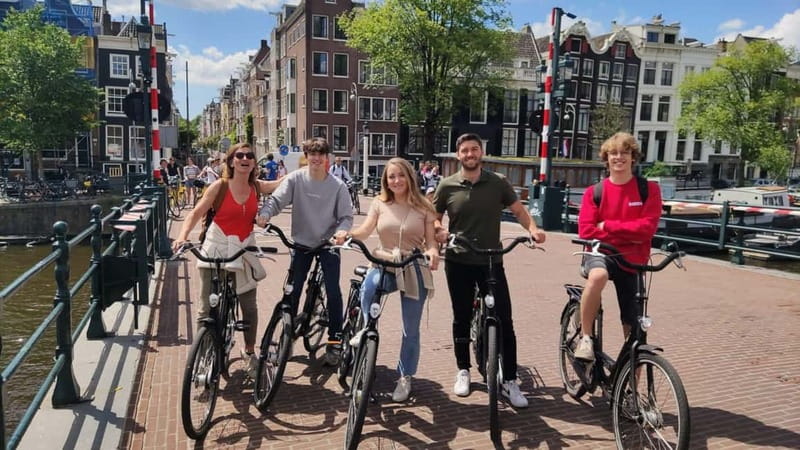
Let’s talk bike reality. Amsterdam looks flat, but you still want a bike that feels predictable.
You’ll ride a Batavus bike with brakes under the handlebars—so hand brakes instead of foot brakes. That matters if you’re used to the typical bike controls at home, or if you simply prefer braking that feels natural to your hands. It also makes it easier to stay steady through turns and stop-and-go moments.
Bike sizes are available from age 8 and up. If you’re traveling with kids, baby seats are available if needed for small and big children. Helmets are included if necessary, which is a nice, practical detail for families and comfort-minded adults.
The bikes also come with practical extras: a luggage rack and space for your day bag or a water bottle setup. And if you don’t want to haul suitcases around Amsterdam, there’s an option to leave luggage while you cycle around. For many visitors, that’s a small thing that suddenly makes the whole day feel easier.
Meeting at IJdok 47 near Centraal Station: quick and simple
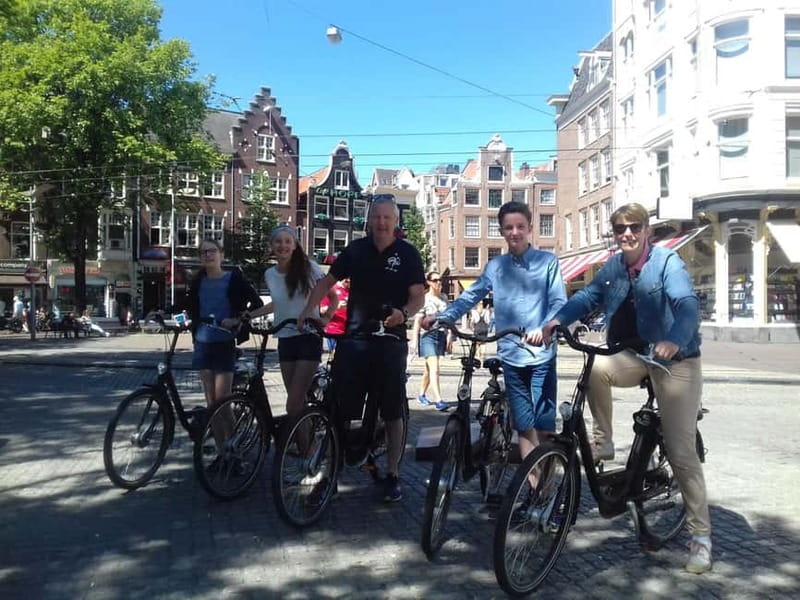
Your tour starts at IJdok 47, close to Central Station (Centraal Station). That’s a smart choice if you’re arriving from the airport or making a day plan around your lodging. You don’t need long transport just to begin.
If you’re the type who likes to get the hard part out of the way first, this is one of those tours. In a couple hours, you’re out seeing real neighborhoods instead of spending your energy figuring out tram lines and bike parking.
The rhythm of the ride: what the 2.5 hours really feels like
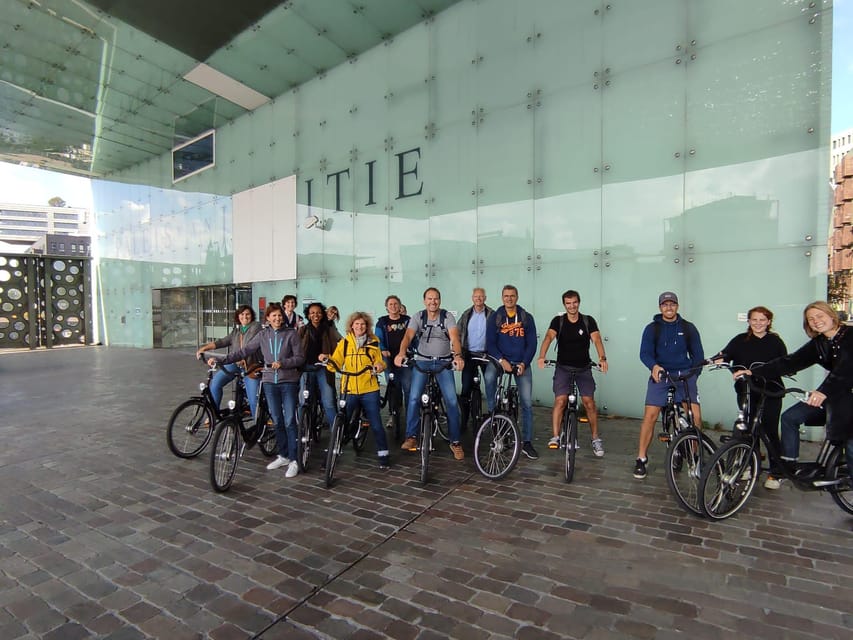
At 2.5 hours, this is long enough to get a real sense of the city, but short enough that you won’t feel trapped on a schedule. The pace is designed to keep you moving through multiple districts while still hearing explanations from your guide.
Group size is capped at 12 people per guide. That’s important. Smaller groups mean fewer pauses for logistics, and the guide can actually tailor explanations to what you’re curious about. It also makes it easier to stay together when streets narrow or traffic patterns shift.
You’ll cover places like the museum area, Dam Square, and canal-ring areas, plus neighborhoods like the Jordaan. You’re also told you’ll visit areas you might not manage on your own, like the Westerdok district and parts of the old Jewish quarter. In practice, that’s where a guide earns their keep: showing you how to experience neighborhoods efficiently, not just where to look.
Museumkwartier: where the city flexes its arts and its structure
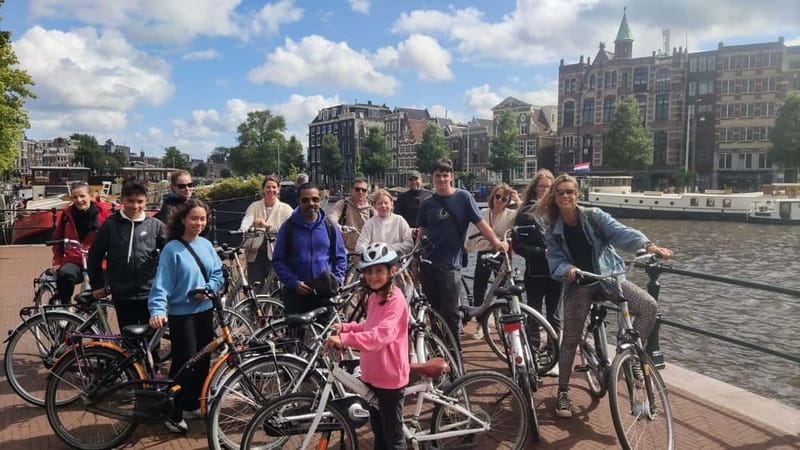
One stop you’ll cover is the Museumkwartier. Even if you don’t go into any museums, this area teaches you how Amsterdam plans its spaces. You’ll get a sense of how grand cultural zones sit beside residential streets, and how the city manages flow—people, bikes, and tram routes all sharing the same narrow reality.
This is a useful first or early stop because it sets a visual mood. You start noticing architecture styles, street widths, and the way major public spaces connect to smaller lanes.
Potential drawback: if you’re already museumed out, you might wish there were more time at street level to explore. Still, as part of an orientation loop, Museumkwartier works well.
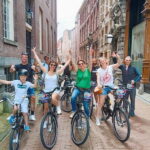



Dam Square and the Westerkerk: big landmarks with local meaning
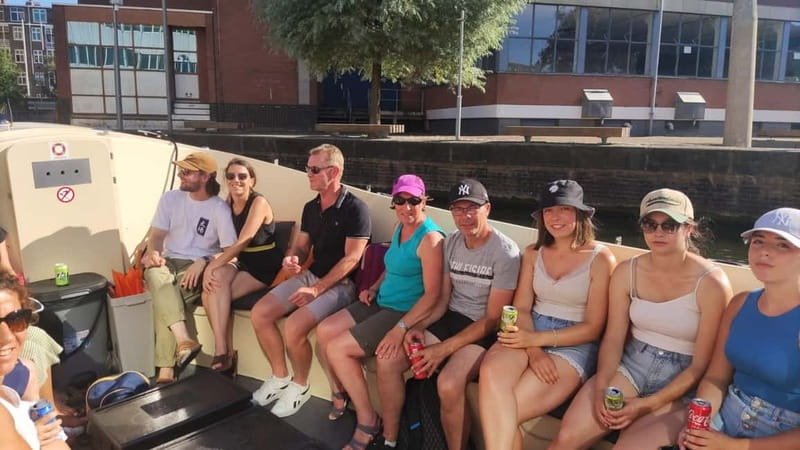
Next up is Dam Square, Amsterdam’s main public square. It’s busy, it’s central, and it can feel touristy if you arrive with no context. With a guide, though, you start to connect why it matters and what role such central spaces play in the city’s daily rhythm.
Then you’ll pass or spend time near Westerkerk (a recognizable landmark that anchors the area visually). Churches in Amsterdam aren’t just old buildings. They’re also part of how neighborhoods identify themselves, both historically and in everyday street life.
The value here is not memorizing facts. It’s learning how to read Amsterdam like a local: what’s symbolic, what’s practical, and how the city layers centuries on top of each other.
De Negen Straatjes and Haarlemmerbuurt: streets that feel made for wandering
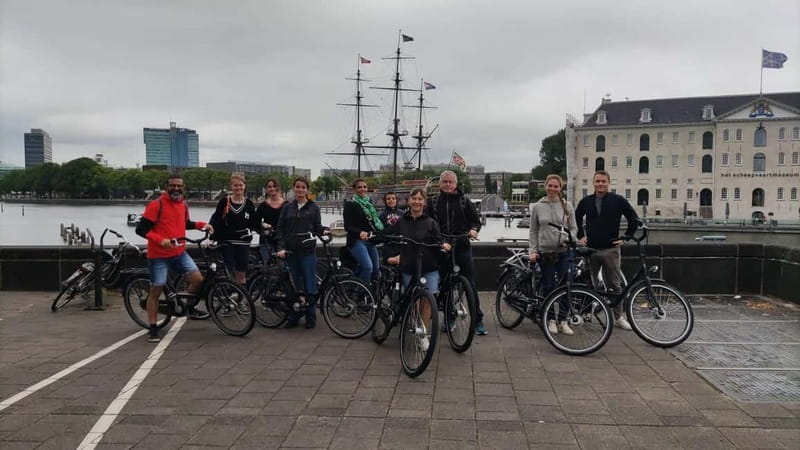
You’ll also ride through De Negen Straatjes—the Nine Little Streets area—and Haarlemmerbuurt. These places are famous for a reason: the streets are walkable, shop-lined, and visually textured.
On a bike, you get the advantage of seeing the whole web of streets quickly. You can understand where the lanes intersect and where you’d want to slow down later on foot.
One thing to keep in mind: these areas are often the kind of place where you want to browse. But your bike tour timing means you won’t have a long shopping window during the guided portion. If you love vintage, books, or small design shops, treat this as a “save this for later” moment.
Anne Frank House area and the old Jewish quarter: history with care
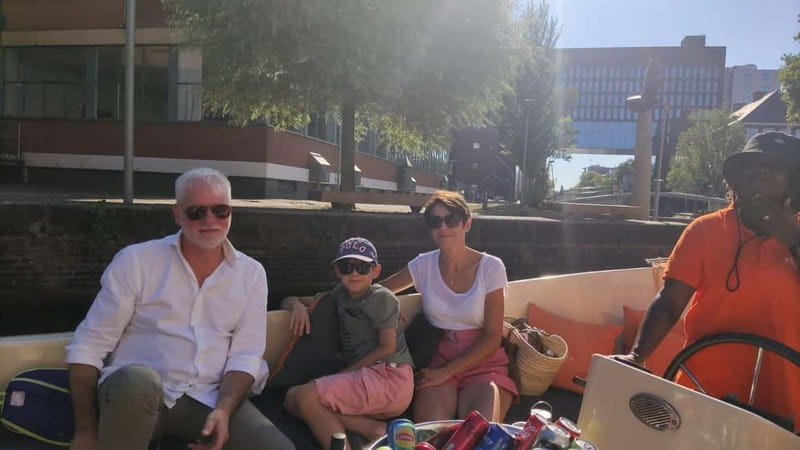
Your route includes the Anne Frank House area and the old Jewish quarter. This part matters. You’re not just rolling past a landmark. You’re moving through a section of Amsterdam that carries real historical weight.
A strong guide will frame it with respect, and with enough context that you understand why the area’s story is still present in the city’s identity. The tour’s overall promise includes history and daily life, so this segment fits that mission.
Practical consideration: if your schedule is tight or you want to visit the site in-depth afterward, you might still want to check separate opening times. The bike tour experience here is about orientation and understanding, not a full museum visit.
Grachtengordel and the main channels: how to see the canal logic
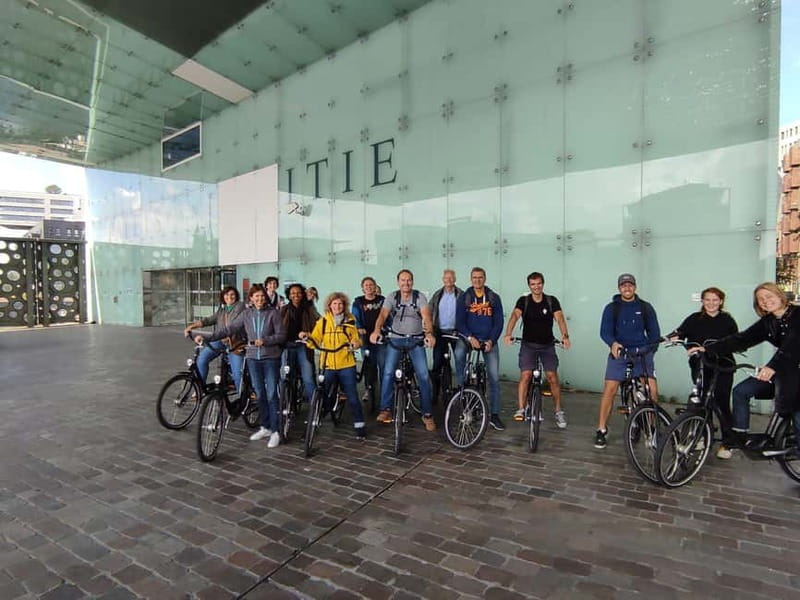
This is one of Amsterdam’s signature thrills: the moment you realize the canal system isn’t just scenery—it’s an organizing system. Your tour includes the main channels and the Grachtengordel canal ring area.
Here’s what you’ll likely take away. You’ll start seeing how water shapes movement and property lines, how bridges and intersections create rhythms, and how the city’s architecture reads differently from street-level versus bike speed.
The guide also mentions secrets of Dutch architecture and cultural differences. That helps you look at buildings as more than pretty facades. You begin to understand why things were built the way they were and how daily life was influenced by the city’s design choices.
If you’ve ever looked at a canal map and felt nothing click, this stop is where the city starts making sense.
Jordaan and neighborhood life: where the city feels lived-in
You’ll cycle through the Jordaan, a neighborhood known for its character and everyday energy. After the central squares and canal-ring zones, the Jordaan can feel like a shift into something more human-scale.
This is where the “local daily life” explanation really matters. When you learn what locals do, how they move, and how the city functions day-to-day, it changes your walking route after the tour. You stop thinking in terms of attractions and start thinking in terms of neighborhoods.
And yes, the tour is also described as including Vondelpark. Even if you don’t have time to linger like a park day, you’ll come away with a sense of where Amsterdam breathes—where people go when they want a slower tempo.
French guides who connect facts to daily life (names to know)
The standout theme here is how the guide explains the city. I’ve seen guides like George/Georges deliver the mix of country history and everyday life, and I’ve also seen Yago described as giving relevant information by tying topics to economics and politics. That’s a good sign if you like your sightseeing to have a point.
You’re not just hearing dates. You’re learning why patterns exist—how cultural differences show up in daily routines, what Amsterdam values, and how the city’s past still influences what you see today.
This is why the tour works early in your trip. It turns the rest of your time into informed wandering.
The value check: is $41 worth it?
At $41 per person for about 2.5 hours, you’re paying for more than a bike. The price includes the bike rental, and the bikes are branded Batavus with hand brakes. You’re also in a group capped at 12, which is often where value shows up: fewer people per guide means a more manageable experience.
You also get practical add-ons that reduce wasted time later. After the tour, you’ll receive a list of recommendations for Dutch restaurants, brown cafés, bars, and neighborhoods to explore on foot, plus maps with good deals.
There’s also a 10% discount offered if you want to rent a bike after the guided tour. And the company mentions the option of a second French-guided experience by boat or for windmills at a reduced rate. Even if you don’t take the follow-up, those discounts show the business is trying to keep you moving through Amsterdam efficiently.
So the value argument is simple: this tour helps you plan the rest of the trip without paying extra guide time all over town.
What to do right after: turning the tour into a full day
Here’s the best move: treat the bike tour as your map in human form. When it ends back at IJdok 47, you’ll have enough neighborhood context to choose where you want to walk next.
Use the recommendation list for one meal and one relaxed stop. If you’re the type who likes to keep evenings flexible, pick a brown café and wander from there. Amsterdam rewards this style—especially in neighborhoods you’ve already seen from the bike.
Also, if you left luggage earlier, plan your afternoon so you’re not hauling bags around. The tour notes you can leave suitcases upon arrival or departure, which helps a lot if you’re doing a full itinerary day.
Who this tour suits (and who should skip it)
This tour is a great fit if you:
- want a first-trip orientation fast
- prefer learning from a guide who speaks French and explains daily life
- like the idea of biking past major districts without committing to a full day of logistics
- value small-group size and clear guidance
It might not be ideal if you:
- don’t feel comfortable cycling for the duration
- need long photo stops at every landmark (the tour is designed to keep moving)
- only want quiet, slow sightseeing and dislike traffic-adjacent moments
A small reality check: Amsterdam bike culture can feel intense compared to other European cities. The hand-brake setup and guide presence help, but your comfort level still matters.
Should you book this Amsterdam French bike tour?
I’d book it if you want to start your trip with a strong foundation. For $41, you get a guided bike loop through key districts, canal areas, and neighborhoods that are hard to line up logically on your own—especially your first day.
The biggest reasons to choose it are the small group (max 12), the French-speaking local guide style, and the practical bike setup with hand brakes. Add in the post-tour recommendations, and it stops being just a ride. It becomes trip planning you can feel in your legs.
If you’re comfortable cycling and you can handle 2.5 hours on the move, this is one of the smarter ways to understand Amsterdam early.
FAQ
How long is the Amsterdam bike tour?
The tour lasts about 2.5 hours.
Where does the tour start?
You meet at IJdok 47, near Central Station (Centraal Station Amsterdam).
What language is the tour guide?
The tour is guided in French.
What kind of bike do you ride?
You ride a Batavus bike with hand brakes (brakes under the handlebars), and it includes a luggage rack.
What’s the minimum age for the bike tour?
Bikes are available starting from age 8. Child seats are available if needed.
Is luggage allowed during the tour?
Yes. It’s possible to leave your suitcases/luggage upon arrival and/or departure, and you can keep using the bikes with the luggage racks during the ride.
What is the cancellation policy?
You can cancel up to 24 hours in advance for a full refund.