REVIEW · AMSTERDAM
Bill’s Bike Tour Amsterdam – Culture, Liberalism & Tolerance
Book on Viator →Operated by Bill's Bike Tour · Bookable on Viator
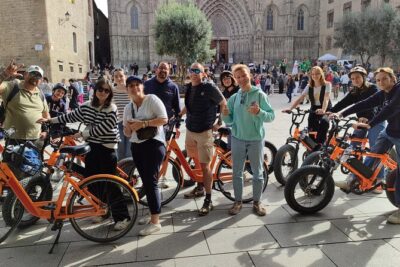
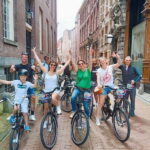
Amsterdam makes sense at bike speed. This tour focuses on culture, liberalism, and tolerance through the city you normally miss, guided by Pim (Bill) and his wingman puppy Herman. You pedal through quiet neighborhoods, then cross by ferry to Amsterdam North’s art and shipping areas, including places tied to famous names like Keith Haring and Tony’s Chocolonely. My favorite parts are the small group vibe (max 12) and the ferry ride that changes how the city feels. One consideration: it runs only in good weather, and you’ll want warm layers because chilly stops happen.
For the price (about $79.79 per person for roughly 3 hours), you’re getting more than a ride. You get a bicycle, snacks (including a small chocolate treat), ferry transfer, and photos/videos so you can keep your hands on the bars instead of your phone. It’s also easy to plug in because it starts and ends near the same spot at Waterspiegelplein 10, close to public transportation.
In This Review
- Key highlights I’d build your day around
- What kind of Amsterdam bike tour this is (and what it isn’t)
- Meeting Pim and puppy Herman: the tone of the ride
- Price and time: why $79.79 can actually feel fair
- Stop-by-stop: the route that quietly changes your view of Amsterdam
- Hotel de Windketel: a tiny place with a big name
- Keith Haring mural: pop art in public space
- Molen De Bloem: windmills as infrastructure
- Tony’s Chocolonely superstore: chocolate with a moral agenda
- Gashouder: an old factory turned music world
- Prinseneiland: secret canal district energy
- Haarlemmerpoort: a medieval entrance gateway
- Houthavens: reclaimed land, modern living
- Hotel Pontsteiger: a contemporary riverside moment
- Pllek: snack and drink with a river vibe
- NDSM Wharf: graffiti and pop-up art after a ferry ride
- Veronica Ship: a movie reference with real waterfront presence
- Museum Het Schip: Amsterdam School architecture in the wild
- Westergasfabriek and the ending drink at cafe Pacific
- Realengracht: wooden draw bridges for the final postcard
- How to bike this tour comfortably (especially in cold weather)
- Who should book Bill’s Bike Tour Amsterdam
- Should you book it? My quick decision guide
- FAQ
- FAQ
- How long is Bill’s Bike Tour Amsterdam?
- What does the tour cost?
- How many people are on the tour?
- Is the ferry ride included?
- What stops and activities are included in the tour?
- What’s included in the price besides the bike?
- What weather conditions does the tour require?
Key highlights I’d build your day around
- A max of 12 riders means the guide can actually talk with you, not just herding-doing-it.
- Ferry included so you see Amsterdam as waterways first, not just bridges and canals.
- Pim and Herman bring the story line to life with humor and calm local perspective.
- Off-center neighborhoods replace the usual center-city photo loops.
- Art + society stops connect murals, architecture, and public spaces to how Amsterdam works.
- Snacks plus warm breaks help you stay comfortable during a 3-hour pedal session.
What kind of Amsterdam bike tour this is (and what it isn’t)
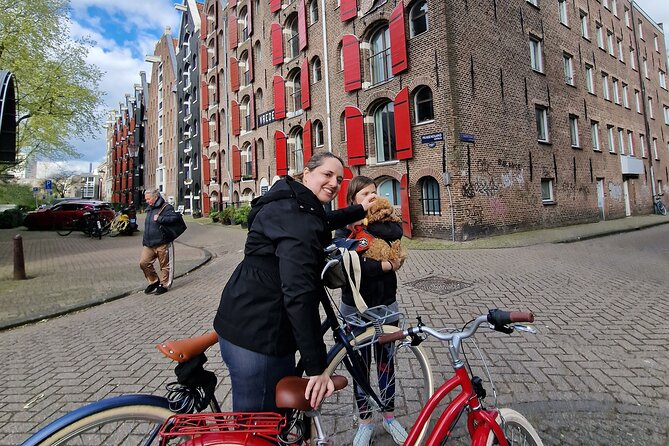
Bill’s Bike Tour Amsterdam is designed for people who already know the major sights are there, but want the “how do locals live and think” side of the city. The theme is stated up front: culture, liberalism, and tolerance. In practice, that means you don’t just stop at pretty things. You stop at systems—canals, reclaimed land, public spaces, and the kinds of neighborhoods that make Amsterdam feel open and practical.
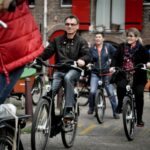
The format is simple: you ride, you stop, you listen, you ask questions. Since the group stays small (max 12), you can hear the guide and you don’t feel like a number. The tour is also paced for sightseeing rather than exercise. It’s enough biking to cover plenty of ground, without turning the day into a training plan.
One smart detail: you get photos and videos of the tour. I like this because Amsterdam is bicycle-first, and it’s easy to feel like you’re juggling a phone while also trying to ride safely. With this setup, you can watch the street scenes and still have something to look back on afterward.
You can also read our reviews of more tours and experiences in Amsterdam.
Meeting Pim and puppy Herman: the tone of the ride
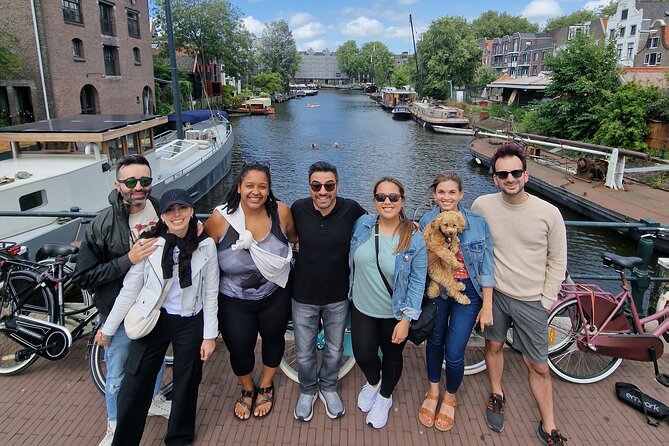
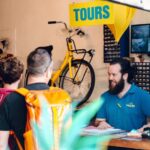
You’ll meet at Waterspiegelplein 10 (1051 PB Amsterdam). That matters because it’s easy to reach using public transport, and the tour ends back at the same place. In other words: no complicated end-of-day scramble.
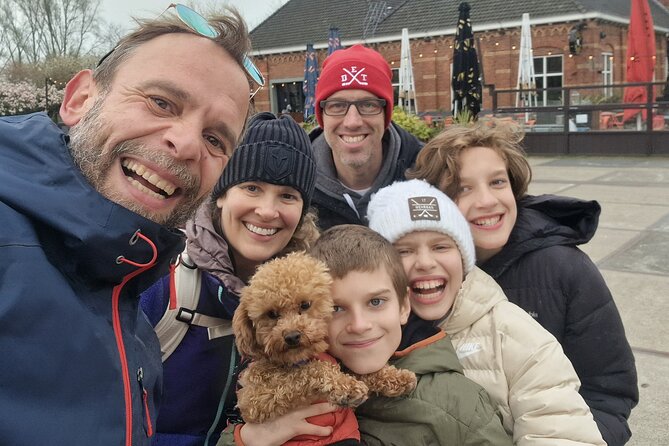
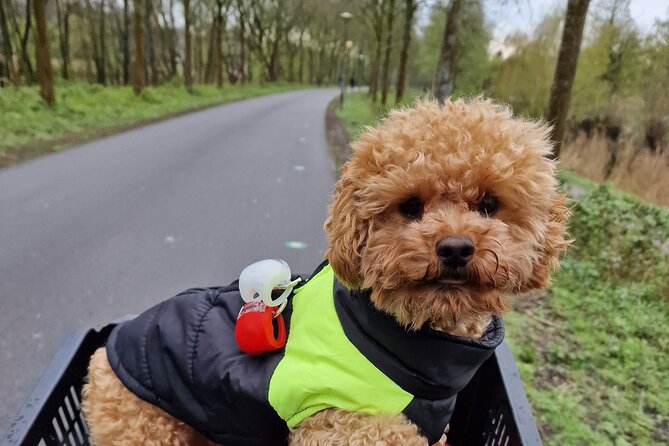
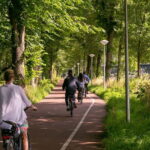
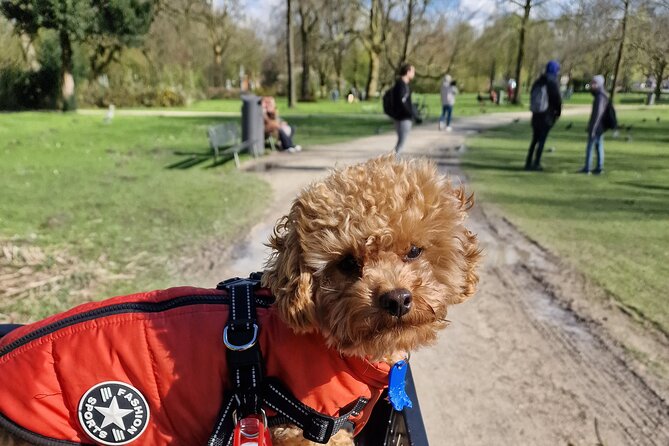
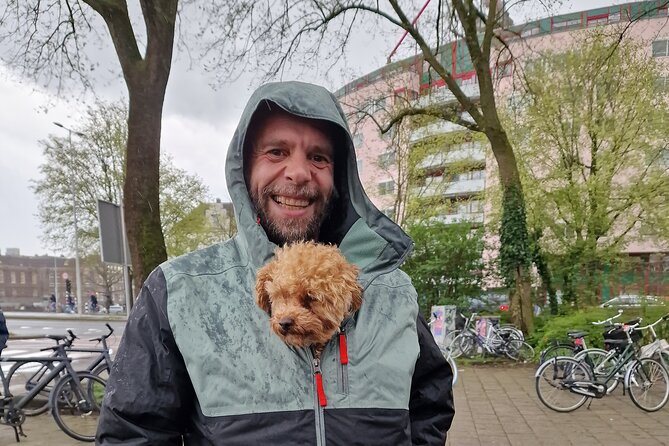
Then Pim (who many people know as Bill) leads the route. He’s the kind of guide who tells a story in plain language. And yes, the puppy Herman is part of the experience. The vibe in the group is light—people smile, take a breath, and listen longer than they expected to. It also helps you feel relaxed because you’re not biking through the busiest center streets.
I especially liked how the tour connects small details to bigger ideas. When Pim talks about tolerance or community life, it’s not just a lecture. It’s tied to the places you’re riding past and the history of how Amsterdam shaped its neighborhoods.
Price and time: why $79.79 can actually feel fair
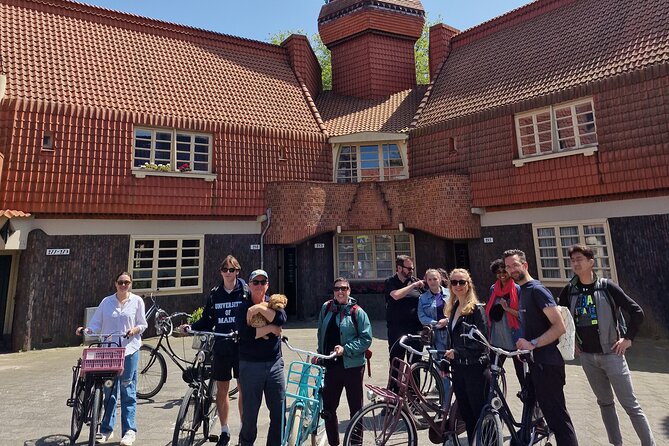
At about $79.79 per person for roughly 3 hours, you might think, Okay, it’s just biking. But the value is in the extras and in the efficiency.
Here’s what you’re paying for, practically:
- Bicycle included
- Ferry transfer included
- Snacks and a small chocolate treat
- Photos and videos of the tour
- Tips, tricks, and local recommendations
A normal self-guided bike ride can cost a bike rental plus your time planning a route. This tour compresses that work into one morning/afternoon block and hands you context along the way. For a short Amsterdam stay, that matters.
If you’re traveling with someone who gets bored by museum lines, this still works. You’ll cover enough streets to feel like you saw a lot, but the focus is on ideas and neighborhood life rather than racing from one landmark to another.
Stop-by-stop: the route that quietly changes your view of Amsterdam
Hotel de Windketel: a tiny place with a big name
Your ride starts with a stop at Hotel de Windketel, described as the smallest hotel in Europe of the 20th century. Even if you don’t spend long here, it sets the tone: Amsterdam is obsessed with making space work. It’s a good opening because it reminds you that city life here is about design choices, not just scenery.
What to look for: how scale and function show up in architecture. What to listen for: Pim’s framing of how the city evolved to support everyday living.

Keith Haring mural: pop art in public space
Next up: a Keith Haring mural on the wall of the former depot of the Stedelijk Museum, noted as the biggest piece on public display in Europe by this famous New York artist. This is one of those stops where a street-facing art moment becomes a conversation about public culture.
Why it matters: it’s not inside a museum. It’s part of daily life, which fits the tour’s theme of openness and public expression.
Molen De Bloem: windmills as infrastructure
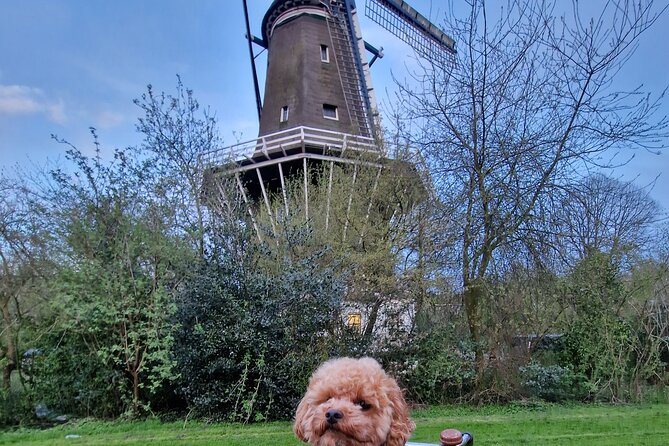
Then you hit Molen De Bloem, where Pim explains draining the lands, land reclamation, and the fact that a quarter of the Netherlands sits below sea level. This stop turns “Dutch windmills are charming” into “Dutch windmills are engineering.”
What to listen for: how Amsterdam and the wider lowlands rely on managing water. Even if you don’t remember every detail, you’ll start noticing water control everywhere in your trip.
Tony’s Chocolonely superstore: chocolate with a moral agenda
You’ll make a stop at Tony’s Chocolonely Superstore, tied to the brand that challenged the global chocolate industry by pushing for bars produced without child labor. You also get a chocolate tasting here.
Why this stop lands: it connects consumer choices to ethics. In a city tour about tolerance, this fits. It’s not only about accepting differences; it’s also about pushing systems to do better.
Gashouder: an old factory turned music world
At Gashouder, you see a former gas factory now used as an exceptional nightclub. The stop is short, but it points to how Amsterdam reuses spaces instead of constantly replacing them. The tour notes famous DJs connected to the venue’s scene history.
What you’ll feel: a city that repurposes infrastructure for culture. That’s a recurring Amsterdam pattern, and it’s nice to spot it while you still have fresh context from earlier stops.
Prinseneiland: secret canal district energy
Next is Prinseneiland, described as a canal district experience away from tourist crowds in the city center. This is the kind of place where you can sense how the canal system shapes daily movement and neighborhood identity.
What to look for: the way the water and streets guide the view. What to listen for: the way canal neighborhoods feel lived-in, not staged.
Haarlemmerpoort: a medieval entrance gateway
A quick stop at Haarlemmerpoort, a medieval entrance gate into Amsterdam from the direction of Haarlem. This is one of those “blink and you’ll miss it” moments that still helps you understand Amsterdam’s layout.
Why it’s useful: it gives your route a geographic anchor. Suddenly the ride feels less random.
Houthavens: reclaimed land, modern living
Now the tour shifts back toward water management with Houthavens, the former lumber port reclaimed for new housing development. The area is presented as sustainable, dynamic, and beautiful—basically the future version of what earlier water-control stops were doing.
What to look for: how new neighborhoods rise where older industrial functions used to be. It’s a good reminder that Amsterdam keeps reinventing itself without pretending the past never happened.
Hotel Pontsteiger: a contemporary riverside moment
At Hotel Pontsteiger, you get a view over the River IJ. The building is described as a square arch-shaped contemporary hotel. The tour also frames it relative to other famous sights like Anne Frank House and Rijksmuseum.
Why it’s a smart stop: it helps you place Amsterdam North and the IJ basin on your mental map.
Pllek: snack and drink with a river vibe
Then comes a longer pause—about 30 minutes—at Pllek, a container bar with a gravel beach looking over the IJ. This is your chance to reset mid-ride with food and drink.
Practical tip: since bottled water isn’t included, you may want to bring your own non-alcoholic drinks or plan to buy something nearby. The tour does include snacks, but it’s still smart to stay ahead of thirst.
Also, if the weather is rough, this is where you’ll feel grateful for a warm-up break. One of the ride notes is that on cold days, people made time for hot chocolate.
NDSM Wharf: graffiti and pop-up art after a ferry ride
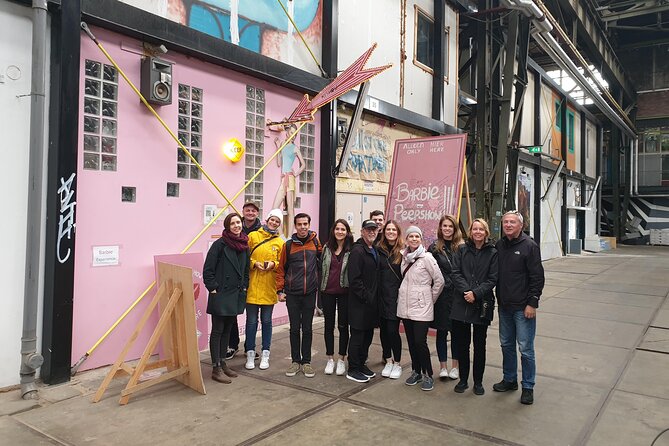
Here’s one of the best “wait, we’re actually doing this” parts of the route: the tour heads to NDSM Wharf after crossing by ferry across the IJ. The stop is described as a best-kept secret area with lots of graffiti and pop-up art from local artists.
Why the ferry matters: the river crossing isn’t just transport. It changes your sense of scale. Amsterdam feels bigger, more industrial, and more creative when you view it from the other side.
This is also the stop where the tour’s tolerance theme becomes visible without a lecture. Street art and creative spaces often signal a city’s comfort with difference.
Veronica Ship: a movie reference with real waterfront presence
After NDSM, you’ll encounter the Veronica Ship in Amsterdam North, noted as the inspiration for the famous movie Pirate Radio. This stop is short, but it adds pop culture flavor to the north-side industrial landscape.
What to do: take a moment to look at the waterfront context, not just the object. It’s that mix of media history and place that makes these stops feel like more than quick photos.
Museum Het Schip: Amsterdam School architecture in the wild
Next is Museum Het Schip, tied to the iconic 1923 apartment complex and known for highlighting Amsterdam School architecture. The tour also points out that this style inspired architect Antoni Gaudí.
Why you’ll like this stop even if you skip “architecture talk”: the building style is recognizable by feel—decorative yet functional. Even with a short visit, you’ll get a sense of why Amsterdam School matters.
Westergasfabriek and the ending drink at cafe Pacific
The route wraps up near Westergasfabriek and then finishes at cafe Pacific, described as Bill’s favorite bar in Amsterdam. You’ll share a drink, stories, and meet new friends for about 15 minutes.
Why this ending works: it makes the tour feel social without turning it into a party bus. You also get a chance to ask Pim for recommendations while you’re still in the city zone you explored on your bikes.
Realengracht: wooden draw bridges for the final postcard
Finally, you’ll see Realengracht, noted for scenic wooden draw bridges. It’s a calm way to end: water, wood, and those Amsterdam geometry lines.
What it gives you: a last visual that ties together the whole tour—water management, neighborhood texture, and how Amsterdam communicates through infrastructure.
How to bike this tour comfortably (especially in cold weather)
The tour runs about 3 hours and most riders can participate, but your comfort depends on preparation.
Here’s what I’d do based on what people experience on the ride:
- Wear warm layers. Cold weather came up in ride notes, and people appreciated warm breaks.
- Bring a small personal water bottle. Bottled water isn’t included.
- If you’re thinking about phones, don’t stress. The tour includes photos and videos, so you can focus on biking and look around instead of constantly filming.
And one more practical point: biking in Amsterdam is normal, but this tour purposely avoids the most crowded parts. That helps you feel safe and relaxed even if you’re not a daily cyclist.
Who should book Bill’s Bike Tour Amsterdam
This is a strong fit if:
- You want an Amsterdam bike tour that explains why neighborhoods work, not just what they look like.
- You like stories tied to culture, liberalism, and tolerance rather than strict sightseeing facts.
- You’re short on time and want a route that covers a lot of city in one go.
- You enjoy art, design, and public spaces (Keith Haring mural, Gashouder repurposing, graffiti at NDSM, Amsterdam School architecture).
It may not be your best match if:
- You get miserable in the cold and you hate outdoor weather dependency. The tour requires good weather to run.
- You want a quiet ride with zero social energy. This tour is friendly, story-led, and built around conversation.
Should you book it? My quick decision guide
Book this tour if you want Amsterdam with context. You’ll leave with a smarter sense of how the city thinks—water control, reclaimed land, public art, community space, and a general openness baked into the neighborhoods.
Skip it only if your schedule can’t handle weather risk or you’re set on purely landmark-heavy sightseeing. Otherwise, this is one of those rare bike tours that feels structured without feeling like a checklist.
FAQ
FAQ
How long is Bill’s Bike Tour Amsterdam?
The tour is about 3 hours.
What does the tour cost?
The price is listed as $79.79 per person.
How many people are on the tour?
The tour has a maximum of 12 travelers, which keeps it small.
Is the ferry ride included?
Yes. Transfer by ferry is included as part of the experience.
What stops and activities are included in the tour?
The tour includes multiple stops such as Hotel de Windketel, the Keith Haring mural, Molen De Bloem, Tony’s Chocolonely tasting, Gashouder, Prinseneiland, Haarlemmerpoort, Houthavens, Hotel Pontsteiger, Pllek, NDSM Wharf, the Veronica Ship, Museum Het Schip, and an ending at cafe Pacific plus Realengracht.
What’s included in the price besides the bike?
Included items are use of bicycle, transfer by ferry, photos and videos of the tour, and snacks including a small chocolate treat, plus tips, tricks, and recommendations.
What weather conditions does the tour require?
The tour requires good weather. If it’s canceled due to poor weather, you’ll be offered a different date or a full refund.