REVIEW · AMSTERDAM
Amsterdam: Guided City Bike Tour in French
Book on GetYourGuide →Operated by Amsterdam Velo - Tours en Francais · Bookable on GetYourGuide
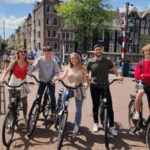
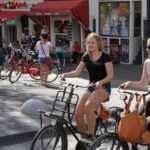
Bike past canals with a French story teller. This 2.5-hour loop from IJdok 47 shows you Amsterdam through a French guide and canal-side photo stops across the Jordaan, the Anne Frank area, and Vondelpark.
My favorite part is how the guides (Pierre, Marcel, Ana, and the rest of the team) mix Dutch architecture stories with humor that keeps the ride light. You also get lots of brief stops, so you’re not just pedaling through—you’re actually seeing and understanding what you’re passing.
One thing to plan for: the bikes are built for control with hand brakes (no foot brakes listed), and you’ll want closed-toe shoes. If you’re older than 95, this style of active bike tour isn’t a good match.
In This Review
- Key things you should know before you ride
- Fast orientation from IJdok 47 (and why bikes work here)
- Westerdok and the turn toward De Negen Straatjes
- Grachtengordel and Magere Brug: canal views with real context
- Over the Amstel to the Jordaan: where you slow down on purpose
- Anne Frank House area, Westerkerk, and the Jewish Quarter
- Vondelpark, Entrepotdok, and Plantage: the city widens out
- Museumkwartier break time, plus quick hits of Rijksmuseum and Van Gogh Museum
- What the French guides do well (and why it matters)
- Bikes, shoes, baby seats, and luggage: the practical comfort checklist
- Price and value: is $41 worth 2.5 hours?
- How to get the most out of the ride (especially with cameras)
- Who should book this bike tour, and who should skip it
- Should you book Amsterdam Vélo’s French City Bike Tour?
- FAQ
- What language is the tour guide?
- How long is the Amsterdam city bike tour in French?
- Where do I meet for the tour?
- Is there help for children, like a baby seat?
- What should I bring and wear?
- Is alcohol allowed during the tour?
Key things you should know before you ride
- Small groups (max 12 per guide) mean the pace stays friendly and questions don’t get lost.
- French-only guiding helps you follow the stories without language gaps.
- Photo stop rhythm is built in, including the Jordaan and major canal crossings.
- Multiple neighborhoods in one loop keeps your day from turning into hopscotch.
- Local restaurant and neighborhood recommendations afterward help you keep exploring on foot.
- Baby seats are available, and luggage can be left during the tour.
Fast orientation from IJdok 47 (and why bikes work here)
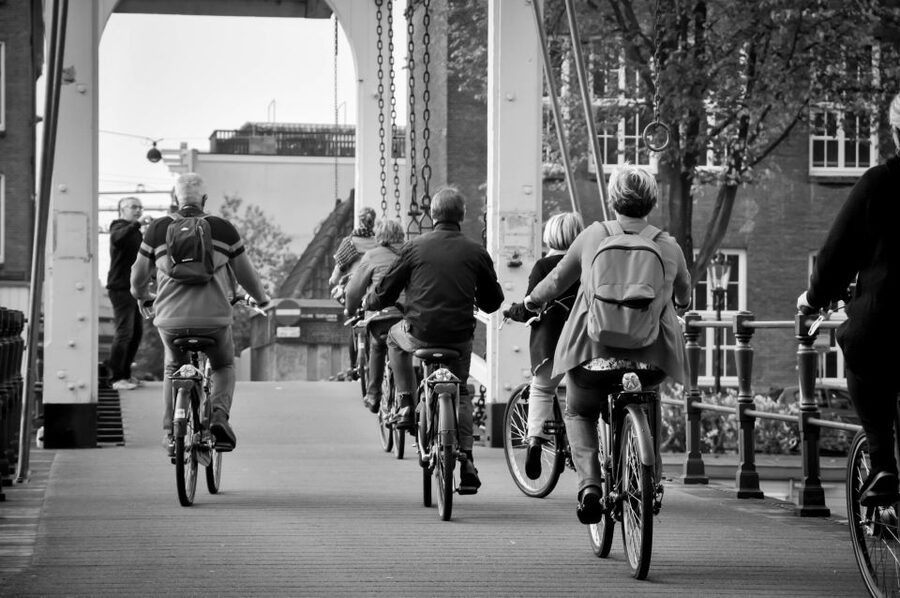
Amsterdam can feel like a maze until you’re actually moving through it. This tour is designed for that exact moment: you start at IJdok 47, check in at the Amsterdam Vélo office, and within minutes you’re learning how the city connects—canals, bridges, and districts—at bike speed.
What I like most is the time balance. The ride is active, but the guide keeps stopping in key areas to explain what you’re seeing and why it matters. That’s the difference between taking a few photos and building a real mental map.
The group stays compact (up to 12 people per guide), which matters in a city where everyone seems to want the same photo angle at the same time. It also makes it easier for the guide to adjust—especially if your group includes school-age visitors, or you just like slower, clearer explanations.
You can also read our reviews of more tours and experiences in Amsterdam.
Westerdok and the turn toward De Negen Straatjes
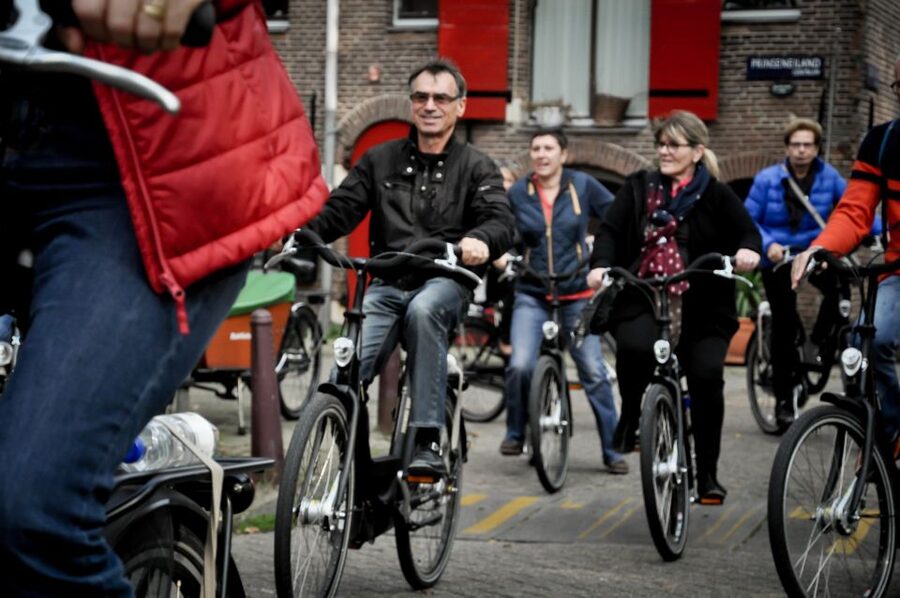
After the initial west-side start, you ride through the Western Islands area and get your first guided context right away. Think of this as your warm-up section: enough movement to get your legs working, with enough commentary to help you understand Amsterdam’s layout before the big canal scenes.
Then you head into De Negen Straatjes. This is one of those central areas where it’s easy to feel like you’ve stumbled onto a neighborhood scale instead of a postcard version. You’re guided through it without the pressure of a long walk, which is great if you want to notice street patterns and building styles without burning your energy.
If you’re the type who likes to know what you’re looking at before you wander, this early segment does a good job of setting you up. And because you’re on a bike, you cover ground fast—useful on short trips.
Grachtengordel and Magere Brug: canal views with real context
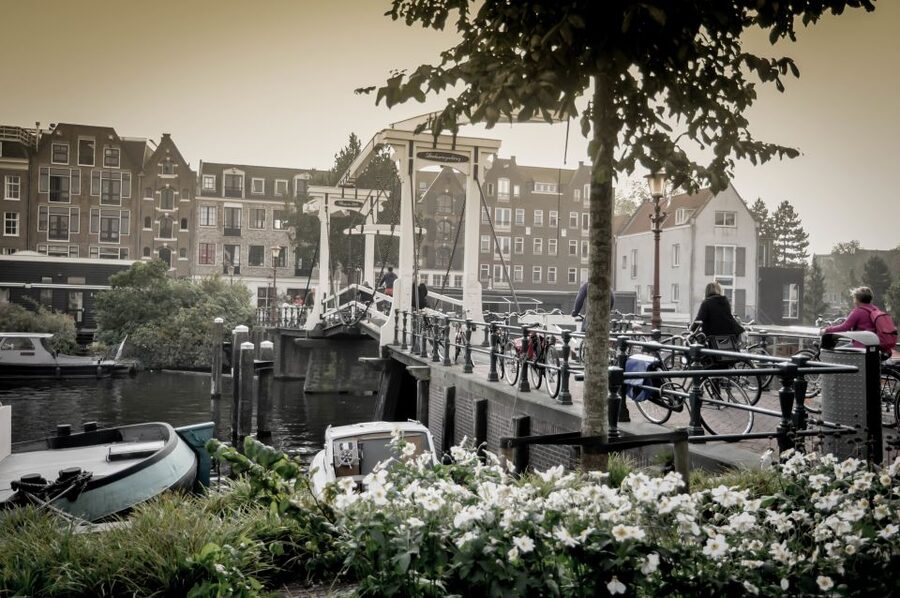
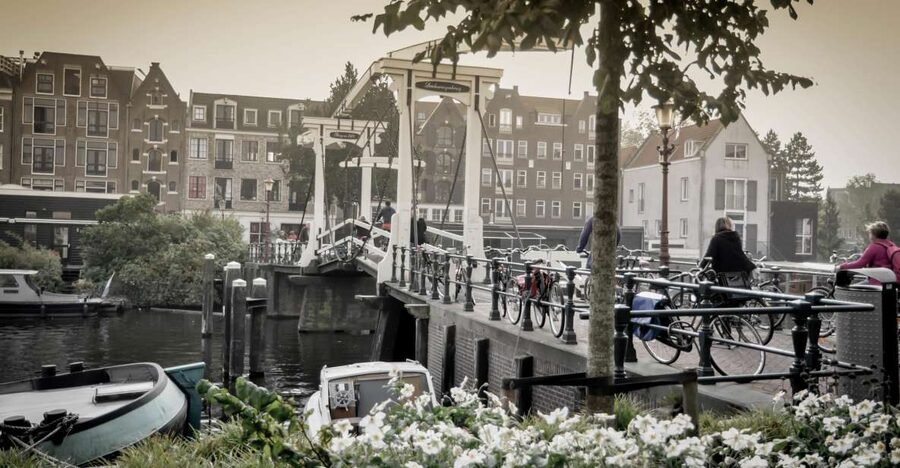
The heart of the experience is how the tour reads Amsterdam from the saddle. As you head through Grachtengordel, you’re not just cycling alongside water—you’re getting the guide’s take on the city’s architecture and the Dutch Golden Age era references you’ll hear about during stops. That framing helps the buildings make sense instead of feeling random.
Magere Brug is another standout moment. The guide gives you time at the right point to look, photo, and understand the surrounding context before you roll on. This is where bikes shine in Amsterdam: you can pause without falling behind the group too long.
One practical advantage: the guide’s stops are timed for viewing. You’re not doing the awkward thing where you stop wherever you can and hope it’s a safe spot. It feels structured, and it keeps the ride moving smoothly.
Over the Amstel to the Jordaan: where you slow down on purpose
The Amstel segment keeps things interesting because it breaks the pure canal-belt pattern and adds variety to what you see around you. You learn how neighborhoods and water routes shape daily life here, and you get a quick hit of history and culture-focused commentary along the way.
Then comes the Jordaan, and it’s a key part of why people book this tour. You get a specific photo stop and sightseeing time, plus the guide’s storytelling as you cycle through the neighborhood. The Jordaan part works well if you like places that feel lived-in—streets, canals, and building styles you can recognize later when you walk.
This is also where you start feeling like you’re moving like an Amsterdammer. You’re still a visitor, but you’re no longer guessing where the city wants you to look. That sense of direction is one of the most valuable parts of a short guided loop.
Anne Frank House area, Westerkerk, and the Jewish Quarter
This portion of the ride is more than sightseeing. The guide brings you through the Anne Frank House area and follows with stops including Westerkerk and the Jewish Quarter. You’ll get brief, guided context at each location, which helps you stay respectful and informed while still keeping the pace of a bike tour.
I especially like how the format works here. In a long museum day, you can get information overload. In a fast city loop, you can end up under-informed. This sits in the middle: short stops with enough explanation to make the street-level experience meaningful.
Because you’re cycling, you also get a sense of how these areas connect to the surrounding streets and canals, not just how they look from one viewpoint. That makes your later wandering more intentional. You’ll know what streets and sights to prioritize when you return on foot.


Vondelpark, Entrepotdok, and Plantage: the city widens out
After the central historic focus, the tour opens up into a broader spread of Amsterdam. Vondelpark is on the route, and you’ll spend guided time there—enough to appreciate the scale of the green space and the way locals move through it.
Then you continue toward Entrepotdok and Plantage. These stops keep the ride from feeling like a nonstop hit parade of famous names. Instead, you see more of the city’s variety: canals and architectural monuments, plus different kinds of streets and everyday spaces.
If you’re worried about a bike tour feeling too focused on the biggest attractions, this mid-to-late section helps. It adds texture. It makes the city feel bigger than the two or three postcard spots you might otherwise stick to.
Museumkwartier break time, plus quick hits of Rijksmuseum and Van Gogh Museum
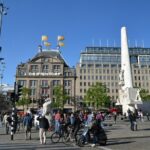
You get a break time in the Museumkwartier area, including photo time and guided sightseeing, plus free time. That’s smart planning for a 2.5-hour tour: it keeps your legs fresh and gives you a chance to reset without the guide rushing you out the door.
Then you cycle through the museum zone with shorter guided moments around major landmarks—Rijksmuseum and Van Gogh Museum are both included. The point isn’t to replace a museum visit. It’s to put you in the right neighborhood, help you understand the area, and let you decide if you want to go inside later.
If you only have a day or two in Amsterdam, I love this approach. It gives your trip structure. You get enough orientation to pick one museum that fits your mood, instead of trying to do everything and ending the day burned out.
What the French guides do well (and why it matters)
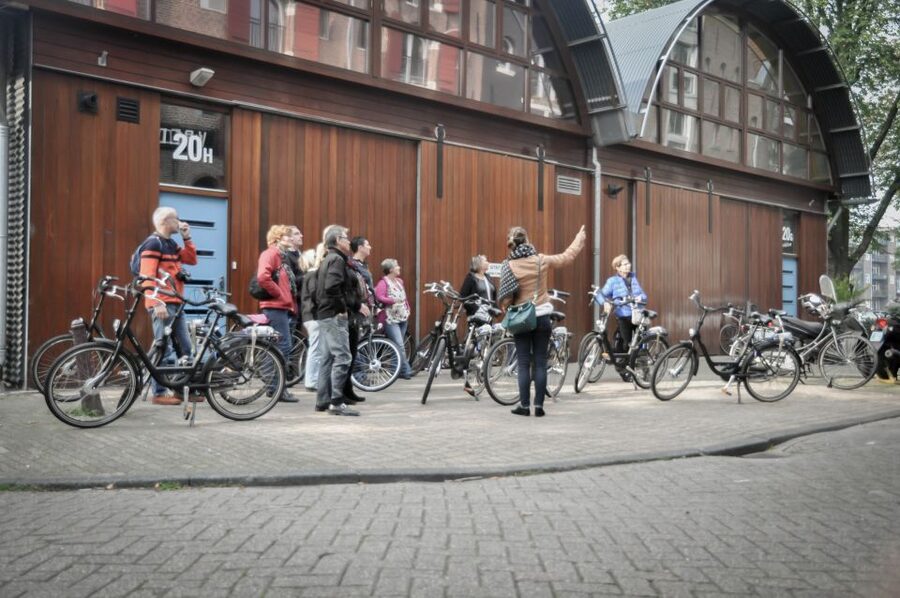
This tour leans on the guide’s storytelling. You’ll hear anecdotes and learn about Dutch lifestyle differences and cultural details, plus architecture-related context as you ride. The guide stops throughout the tour, which keeps you from feeling like you’re just following wheels.
The team name-checks include guides such as Pierre, Marcel, George, Marie, Paul, and sometimes Ana. What stands out in how they run the ride is adaptability. If your group includes younger participants or you learn better with a more animated pace, you’ll appreciate that the guide can adjust to the crowd and keep the tour lively.
Humor shows up in a way that doesn’t feel forced. It helps when you’re concentrating on biking and traffic etiquette at the same time. In practice, that means you spend more of the tour focused on the city and less of it wondering what you’re supposed to be paying attention to.
Bikes, shoes, baby seats, and luggage: the practical comfort checklist
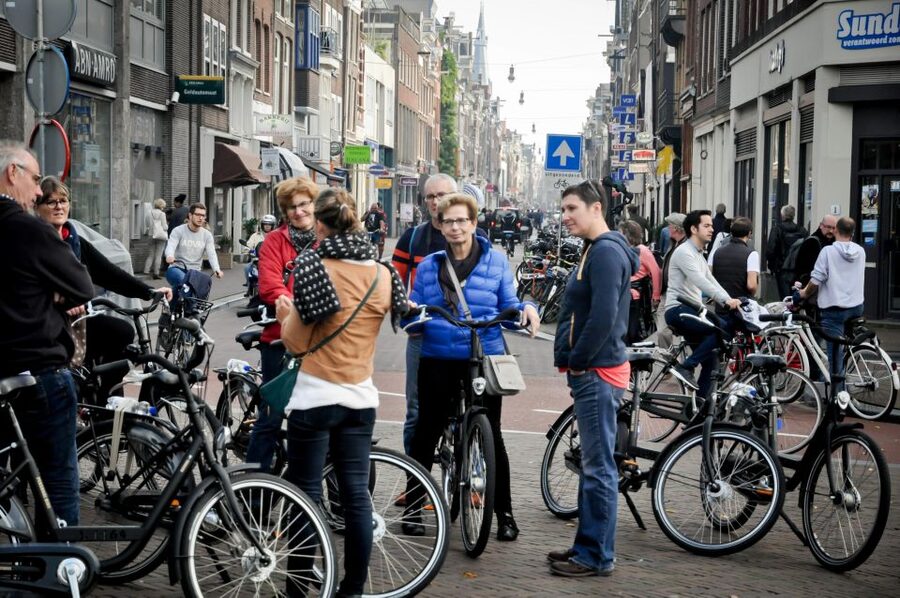
You don’t have to think too hard about logistics to start, but a few details are worth knowing:
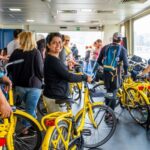
- The bikes have hand brakes and no foot brakes listed.
- Bike sizes are available starting from age 8.
- Baby seats are available if needed for smaller kids and bigger kids.
- Closed-toe shoes are recommended.
- You can leave luggage during the tour.
These points matter because they affect how relaxed you feel from the first pedal. Closed-toe shoes reduce the chance of awkward slipping, and the bike setup affects confidence—especially if you’re not a regular cyclist. The baby seat option is a real win if you’re traveling with children and still want a guide-led route.
Also, alcohol and drugs aren’t allowed. It’s a small rule, but it helps keep the ride safe and focused.
Price and value: is $41 worth 2.5 hours?
At $41 per person for about 2.5 hours, you’re paying for three things you’d otherwise have to stitch together: a bike, a guide, and a structured route with stop-and-photo pacing.
Bike rentals alone can eat into a short travel budget. Here, the bike is included in the price, and the guide does the heavy lifting—route planning, background context, and timing stops so you can see more without guessing. The group size cap (12 per guide) also helps value, because you’re less likely to get lost in a crowd.
You also leave with useful extras: after the tour, you get recommendations for Dutch local restaurants, brown cafes, local bars, and neighborhoods to explore on foot. Maps are available, and there are discounts offered too—10% off bike rental after the tour, and 10% off another French-guided tour by boat or windmill tour.
Add it all up, and this price starts to feel reasonable for a city where time is your most expensive resource.
How to get the most out of the ride (especially with cameras)
Because the guide stops frequently for key locations, it’s smart to plan your camera habits. Keep one hand ready for balance, and use the photo stops to catch your angles. When you’re on a canal route, lighting changes fast, so those brief pauses are usually your best windows.
Timing matters too. The tour is designed to deliver lots of stops in a short window without feeling like a sprint. Still, you’ll ride for 2.5 hours, so pace your energy. Bring water if your schedule allows, wear your closed-toe shoes, and stay focused at crossings and bridge areas.
Weather is always a factor in the Netherlands. A rain day doesn’t automatically ruin this kind of bike tour, but you’ll want to dress for it and accept slower comfort. The upside of getting guided structure is that you keep moving through the city instead of stopping randomly to wait out storms.
Who should book this bike tour, and who should skip it
This tour is a great fit if:
- You want a guided way to see Amsterdam center, canals, and major neighborhoods in one go.
- You like architecture and cultural stories tied directly to places you’re riding past.
- You want photo stops at recognizable areas like the Anne Frank House area and the Jordaan.
Skip it if:
- You’re looking for an entirely walking experience or long museum time. This is a bike tour with brief guided moments.
- You’re over 95, since it’s not suitable for that age range.
- You don’t feel comfortable biking with the listed brake setup.
If you’re traveling as a couple, friends, or a small family with kids old enough for a bike seat, the format works well. The small group limit is also a real advantage if you hate being squeezed in a big herd.
Should you book Amsterdam Vélo’s French City Bike Tour?
I’d book it if you want your first Amsterdam day to feel organized and informative without turning into a checklist. The French guide storytelling, the compact group size, and the photo-stop rhythm make it easier to remember what you saw later.
It’s also a smart choice if you want to get your bearings fast. You’ll finish the tour with clear neighborhoods to revisit on foot, plus restaurant and bar suggestions to keep your day going in a local direction.
If you prefer to travel quietly and independently, you might feel constrained by a guided pace. But if you like learning as you go—especially with humor and architecture-focused context—this is a strong, practical pick.
FAQ
What language is the tour guide?
The tour guide speaks French.
How long is the Amsterdam city bike tour in French?
It lasts about 2.5 hours.
Where do I meet for the tour?
Check in at the Amsterdam Vélo office, and the starting location is IJdok 47.
Is there help for children, like a baby seat?
Yes. Baby seats are available if needed, and bikes are available from age 8.
What should I bring and wear?
Bring closed-toe shoes. The tour also notes that a bike with hand brakes is used.
Is alcohol allowed during the tour?
No. Alcohol and drugs are not allowed.