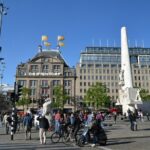
That first pedal out of Amsterdam feels like a shortcut to calmer days. I like this tour because it mixes city landmarks with quiet polder and village views on a mostly flat, guided ride. You’ll get a real farm stop with sheep and cows, plus cheese and cold drinks, and you also see Amsterdam North history up close. One thing to consider: the ride starts with some busy bike-lane stress, and if your pace is slower you’ll want to choose the e-bike to keep the whole experience relaxed.
If you’re the kind of person who loves the real Dutch stuff beyond the main tourist loops, this is a smart way to spend a few hours. It stays active, but it’s paced with sightseeing stops, so you’re not just grinding miles without a reason.
In This Review
- Key highlights you will actually feel during the ride
- Price and value for a 3-hour cheese-and-windmill bike tour
- Starting points and how the ride flows from the city center
- From Amsterdam Centraal to Noorderpark: where the city story turns green
- Krijtmolen d’Admiraal: what to expect from the windmill stop
- Dikhoeve Kaas farm: lambs, cows, and two simple cheese hits that land
- Ransdorp, Waterland, and Nieuwendammerdijk: the village-and-polder rhythm
- The IJ River ferry ride: your built-in reset and view upgrade
- E-bike option, flat routes, and the real safety lessons for Amsterdam cycling
- Group size, guides, and what makes this tour feel well run
- Should you book this Amsterdam Cheese, Windmill & Countryside Bike Tour?
- FAQ
- How long is the Amsterdam Cheese, Windmill & Countryside Bike Tour?
- Is there an e-bike option?
- Is cheese tasting included?
- What’s included with the bike?
- What language is the tour in?
- Do I need prior bike experience?
Key highlights you will actually feel during the ride
- A 1792 chalk mill (Krijtmolen d’Admiraal): a rare windmill stop that ties countryside to local craft
- Dikhoeve Kaas farm break: meet lambs, sheep, and cows, then taste fresh sheep and cow cheese
- Amsterdam North countryside contrast: greener routes through Noorderpark, Waterland, and dike-lined streets
- The IJ ferry adds a breather: round-trip water views across one of Amsterdam’s historic waterways
- You can swap effort for comfort with e-bikes: helpful if your legs aren’t built for 22 km of cruising
Price and value for a 3-hour cheese-and-windmill bike tour
At about $47.78 per person for roughly 3 hours, this tour is priced like a small, focused experience rather than a full-day day-trip. You’re not just renting a bike and guessing your way out. You get an English guide, stops built around specific places, and a farm tasting with snacks and soda included.
For value, the big win is the pairing: countryside views plus food you don’t have to chase later. Fresh cheese made on site, plus drinks at the farm, turns the ride into something you can taste, not just photograph.
You can also read our reviews of more tours and experiences in Amsterdam.
Starting points and how the ride flows from the city center
The tour meets near Nieuwezijds Voorburgwal 101 and ends back there. The route begins in the city and then gradually shifts into Amsterdam North, so you get an easy mental reset from the start: streets and stations first, then greener lanes and village roads.
Most of the riding is designed for comfort. You’ll ride a 3-speed bike with handbrakes, and the pace is meant to stay social. Even so, plan for real cycling time. One note that keeps popping up: the full ride can be around 22 km (about 12-plus miles), so bring at least moderate fitness expectations.
If you’ve never ridden in Amsterdam traffic before, your best move is to accept a learning curve in the first stretch. Once you’re out into the quieter areas, the ride feels a lot more “Dutch postcard” and less “shared road scramble.”
From Amsterdam Centraal to Noorderpark: where the city story turns green
You start at Amsterdam Centraal, a station opened in 1889 and designed by Pierre Cuypers. Cuypers also shaped the look of the Rijksmuseum, so the guide can connect what you see here to broader Amsterdam design history. The station itself sits on thousands of wooden pilings driven into marshy ground, which is one of those practical facts that makes the whole place feel less like a pretty backdrop and more like engineering.
From there, you head toward Noorderpark. This is where you’ll feel the “why biking works here” part. It’s a green escape inside the city rhythm, giving your legs a chance to settle and your brain to switch from landmarks to nature. It’s short, but it’s a reset, and you’ll appreciate it after the first urban moments.
If you’re sensitive to group pace, Noorderpark is a good signpost: the tour is built so you don’t stay stressed the whole time.
Krijtmolen d’Admiraal: what to expect from the windmill stop
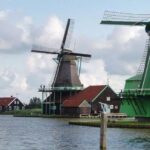
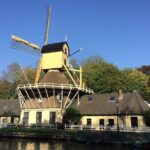
The tour includes Krijtmolen d’Admiraal, a chalk mill dating to 1792. The focus here isn’t just spotting a windmill shape. It’s understanding what a chalk mill did and why that kind of local industry mattered. The mill once processed shells and limestone for materials used in paints and construction.
In practice, this stop tends to be quick. You’re not standing there for hours, and some people come expecting a more extensive windmill experience than what fits into a 3-hour ride. Still, it’s a meaningful choice because it’s tied to Amsterdam North rather than giving you the most obvious, over-repeat windmill scenario.
Quick tip for the windmill moment: keep your camera ready when you’re close. Views can be more “pass by and absorb” than “full windmill tour,” so don’t plan to hunt for angles longer than the stop allows.
Dikhoeve Kaas farm: lambs, cows, and two simple cheese hits that land
The most food-focused part is the Dikhoeve Kaas farm stop. This is where the tour earns its name. You meet cows, sheep, and baby lambs, then you taste fresh sheep and cow cheese made on site. Soda/drinks are included too, which sounds basic, but it’s a practical comfort after time in the saddle.
What I like about this stop is that it’s not just a tasting room. The animal time makes it feel like a farm visit, not a quick sampling sprint. And the tour includes snacks as part of the break, so you’re not forced to buy anything to justify the stop.
A balanced note: some people have felt the farm portion is more self-directed than deeply guided, so don’t expect a long, narrated farm experience. If you’re the type who wants constant explanations while you walk around, you might want to ask your guide a few questions and use the time actively.
Also, if you’re sensitive to smells, be aware farm country can come with that reality. It’s normal and short-lived, but it’s real.
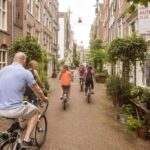
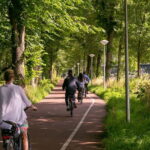
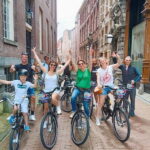


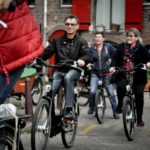
Ransdorp, Waterland, and Nieuwendammerdijk: the village-and-polder rhythm
After the farm, the ride shifts into scenery mode: Ransdorp, Waterland, and Nieuwendammerdijk. These stops are short, but each one changes the flavor of the ride.
- Ransdorp is known for a church tower that rises above quiet streets. It gives you that classic Dutch village composition without needing a long detour.
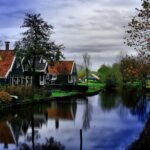
- Waterland is where the polder landscape shows up in a way that makes cycling feel easy to love. You’ll see cozy homes, winding paths, and peaceful canals.
- Nieuwendammerdijk adds dike views and quaint houses lined along a historic road. You get water views over the IJ area, which helps the ride feel like more than a simple loop.
This is the part you’ll remember when you look back at your Amsterdam photos. It’s the “how does anyone live like this” feeling—flat, open, orderly, and still full of character.
The trade-off: since stops are brief, you won’t have time to linger like you would in a museum. If you want deep exploring time, this tour is best as a highlight segment, not your only countryside plan.
The IJ River ferry ride: your built-in reset and view upgrade
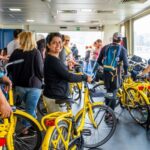
One of the smartest pieces is the round-trip ferry ride across the IJ River. It’s included, and it gives your body a break without ending the day.
The IJ isn’t just scenery. It has function. It’s been a lifeline since at least the 13th century, connecting Amsterdam to the North Sea and helping drive trade. On the ferry, that history clicks because you’re literally moving along the waterway that shaped the city.
Practically, ferry time is a small miracle: you stop pedaling, you get breezy views, and the group regroups. If you’ve been tired earlier, this is when you feel yourself un-tense.
E-bike option, flat routes, and the real safety lessons for Amsterdam cycling
The tour offers a choice between a regular bicycle and an e-bike. Many people find the non-electric option fine because the route is mostly flat. Still, “flat” doesn’t always mean “easy” when you add distance, wind, and stop-and-go city segments.
If you’re dealing with weaker legs, e-bike is the move. More than one person noted that using an e-bike made the ride effortless, and that even active groups can include riders who struggle with the total distance. Plan for the full cycle time, not just the scenery time.
Safety matters here. Amsterdam bike lanes can feel logical once you’re used to them, but they can still be intense at intersections, especially early on. Some riders also noted there can be one guide at the front, and there may not be a back guide watching from behind. That puts more responsibility on the group to stay together and on riders to keep up.
Two practical things you can do:
- If you’re not a confident bike rider, choose the e-bike and be honest about your comfort level at the start.
- Because the bikes may not have mirrors, keep checking your shoulder and don’t assume you’ll always see what’s behind you.
Also, city riding can be a little scary at first. The good news: many people adapt quickly once they settle into the flow and accept the pace.
Group size, guides, and what makes this tour feel well run
The tour caps at 100 travelers, but the active riding feel depends more on how the group is managed than the maximum size. The strongest feedback pattern is about guides who keep the experience smooth: pacing the group, giving clear explanations, and making sure everyone stays safe through transitions.
You might ride with guides such as Skip, Ron, Santiago, Victor, Thys, Tisse, or Norberto. What stands out across names is the balance: fun, friendly energy plus practical control of the group so you can enjoy the countryside without constantly worrying about what you’re missing.
Rain happens. One helpful detail from past rides: the company has provided ponchos when weather turned, which is exactly what you want instead of cancelling your whole day.
Should you book this Amsterdam Cheese, Windmill & Countryside Bike Tour?
Book it if you want a taste of Amsterdam that feels local fast. This tour is a good fit when you like practical outings: ride a bike, stop at real places, see animals, and eat cheese that actually connects to where you are. At around $47.78 for about 3 hours, it’s also a strong choice if you’re trying to avoid long, complicated day planning.
I’d skip or rethink it if:
- You’ve never ridden a bike before, or you’re worried about handling Amsterdam intersections.
- You expect a long, deep windmill tour. You get one windmill stop, brief and scenic, not a full windmill museum-style visit.
- You want a heavily guided, inside-the-farm educational experience. The farm break can be more of a look-around + tasting moment.
My bottom line: if you’re comfortable with the idea of mixed city cycling at the start and you’re open to a short, satisfying farm stop, this is a great way to get out of central Amsterdam and bring home a countryside story you can taste.
FAQ
How long is the Amsterdam Cheese, Windmill & Countryside Bike Tour?
It runs about 3 hours.
Is there an e-bike option?
Yes. You can choose between an e-bike and a non-electric bicycle.
Is cheese tasting included?
Yes. The farm stop includes cheese tasting with two types of cheese plus soda/pop.
What’s included with the bike?
You’ll use a comfortable 3-speed bike with handbrakes.
What language is the tour in?
The tour is offered in English.
Do I need prior bike experience?
The tour is not recommended if you have never ridden a bike. It’s best if you’re already comfortable cycling.