REVIEW · BANGKOK
Bangkok: Backstreets and Historic Temples Bike Tour
Book on GetYourGuide →Operated by Discova Thailand · Bookable on GetYourGuide
Bangkok feels quieter when you pedal. This 4-hour bike tour steers you off the big roads into calmer lanes, canals, and temple areas you’d never find on a bus or on foot. I like that it mixes real local street life with major landmarks, without turning into a checklist.
Two things I really enjoy: first, the route is built around how Bangkok actually moves, following the Chao Phraya River and cutting across with a big crossing like the Rama 8 Bridge. Second, the small, non-famous stops matter—like Bangkok Noi’s canal neighborhoods—where you see how people live close to the water, not just where the postcard views are.
One drawback to weigh: this isn’t a nonstop stop-for-photos hits-tour. Expect narrow lanes, short bridges, and moments of traffic awareness, so you’ll get the most out of it if you’re comfortable staying alert while riding.
In This Review
- Key Things That Make This Bangkok Bike Tour Worth It
- Why This Bangkok Bike Tour Feels Like the Real City
- Meeting at Discova Day Tour Shop by MRT Sam Yot
- Khaosan Road to the Chao Phraya: Bangkok Gets Quieter Fast
- Rama 8 Bridge: A Big Crossing That Resets Your Perspective
- Bangkok Noi: Canal Lanes, Muslim Community Life, and Temple Pass-By Time
- Thonburi Train Depot Area and the Bronze Bowl Workshop Moment
- Ferry Across and the Grand Palace Area Without the Crowds
- Wat Suthat and Giant Swing: Temples, Sacred Images, and Craft Markets
- Pace, Bikes, and Clothing Rules That Actually Matter
- Price and Value: What $35 Buys You in Four Hours
- Who This Tour Fits Best (and Who Should Skip It)
- Should You Book This Bangkok Backstreets Bike Tour?
- FAQ
- What time does the tour start?
- Where is the meeting point?
- How long is the bike tour?
- How far do you cycle?
- What’s included in the price?
- Are there any clothing restrictions?
- Is the tour suitable for beginners?
- Do you take a ferry during the tour?
- Is the tour available in English?
- Is it okay for children?
Key Things That Make This Bangkok Bike Tour Worth It
- Backstreets over big roads: you’ll spend more time in local lanes than in tourist boulevards
- Chao Phraya + Rama 8 Bridge: river views and a major crossing set the tone early
- Bangkok Noi canal alleys: tiny lanes and a Muslim community along the water
- Thonburi train depot area: old rail history and workshop-style craftsmanship (if open)
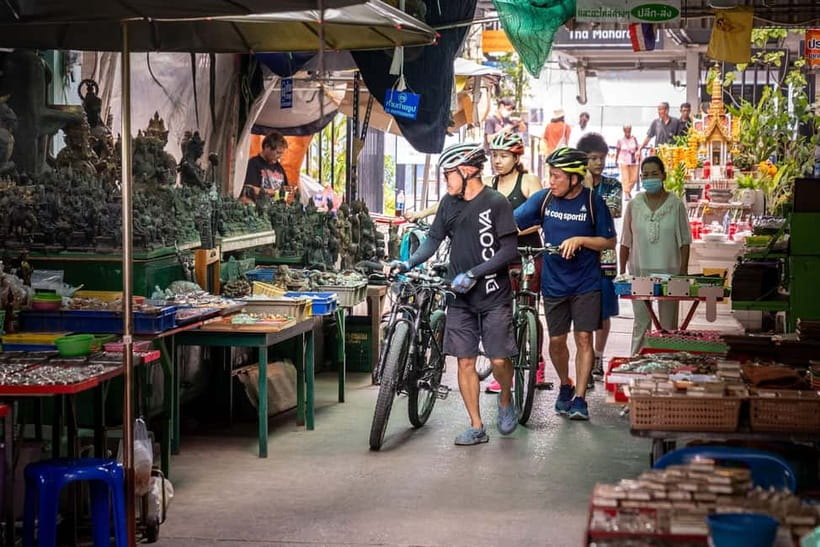
- Giant Swing area: temple landmark plus Buddha-image making and sales
- Snacks, drinks, water included: small comfort breaks that keep the pace enjoyable
Why This Bangkok Bike Tour Feels Like the Real City
I love tours that trade urgency for texture, and this one does exactly that. You start with the city energy, then quickly move into quieter spaces where Bangkok’s everyday rhythm takes over. You’ll be riding through neighborhoods that feel lived-in, not staged.
The biggest win is the mix of contrasts. You get temple and sacred spaces, but you also get canals, markets, depots, and street life. That’s what makes it feel like Bangkok, not just Bangkok on a brochure.
And yes, you still hit a headline landmark: Giant Swing. But even there, the tour focuses on what’s around it—like the areas where Buddha images are made and sold—so the famous spot doesn’t steal all the attention.
You can also read our reviews of more tours and experiences in Bangkok.
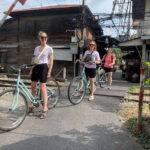
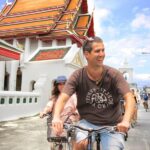
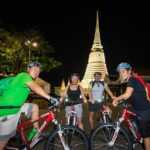
Meeting at Discova Day Tour Shop by MRT Sam Yot
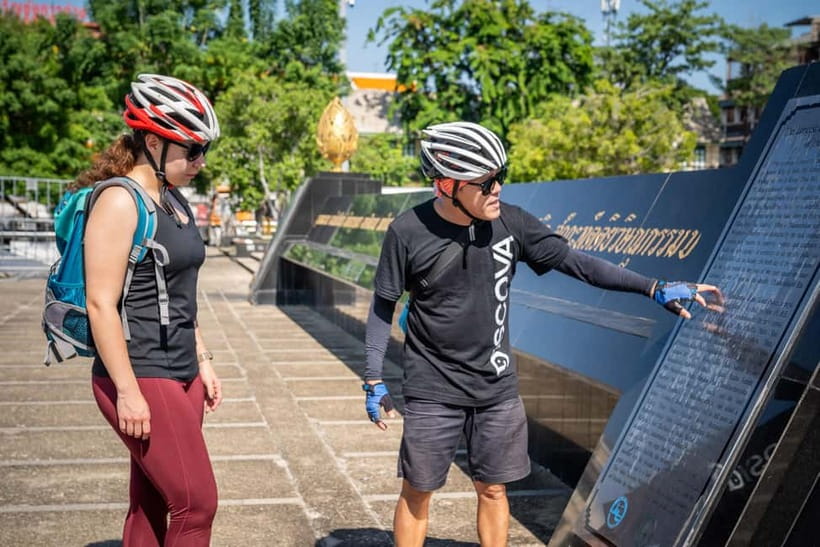
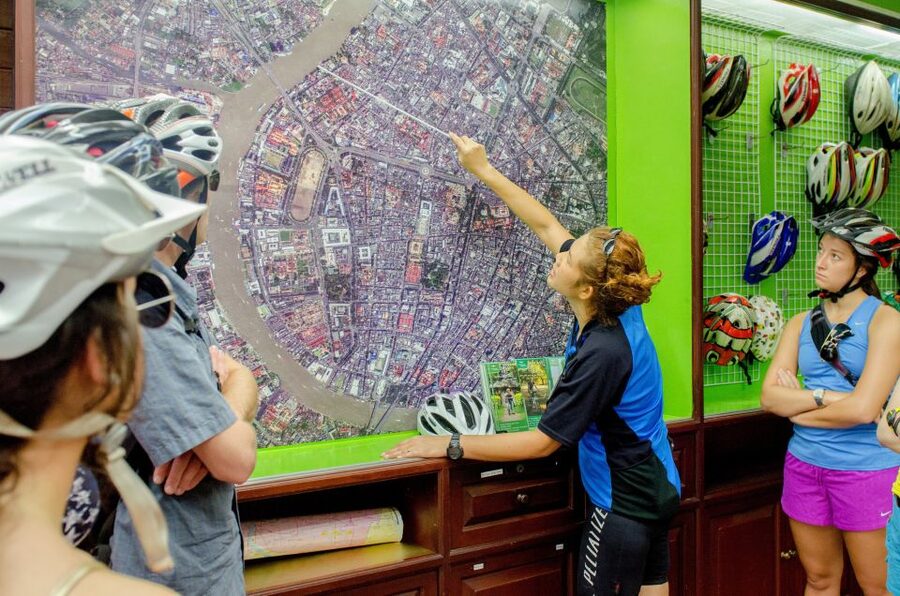
Plan to arrive early. The meeting point is the Discova Day Tour Shop Bangkok, at 719 Mahachai Road, near Miramar Hotel and by the canal area. You’ll meet at 8:30 am, and the group leaves at 9:00 am sharp.
This matters more than you’d think. A bike tour loses its magic when you feel rushed. Getting there 30 minutes early gives you time to settle in, find the shop, and get your gear sorted without stress.
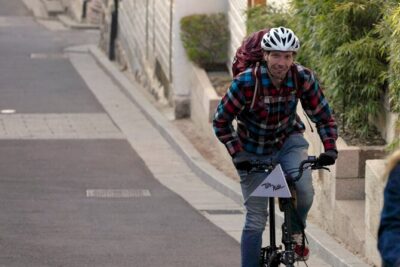
Once you meet your English-speaking guide, you’ll do a bike fitting and a quick briefing. After that, the riding starts right away, including a first taste of central Bangkok before you peel off into smaller lanes.
Khaosan Road to the Chao Phraya: Bangkok Gets Quieter Fast
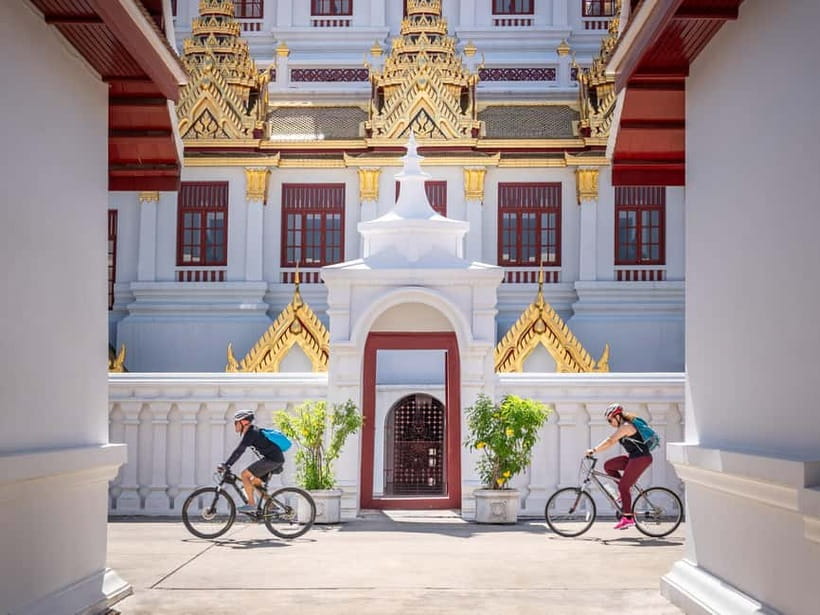
Your early route passes through the heart of the backpacker zone around Khaosan Road. That sounds like a contradiction for a tour promising the calm side of the city, but it works: you see the crowds briefly, then you ride away from them.
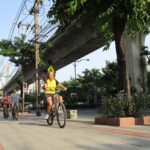
Soon you’re off the main roads into small laneways. This is where the bike style pays off. You can glide past walls, shrines, and everyday storefronts without getting jostled or stuck in traffic.
Then you track the Chao Phraya River. The river isn’t just scenery here—it’s a map. The guide uses it to transition from the chaotic parts of town to the calmer canal and temple zones you’ll explore next.
Rama 8 Bridge: A Big Crossing That Resets Your Perspective
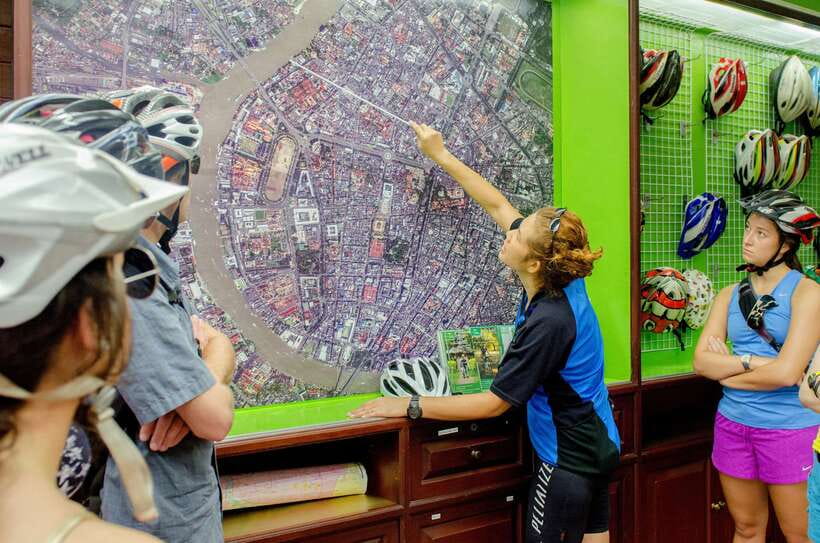
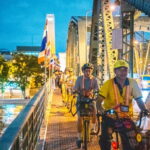
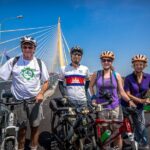
One of the tour’s clever transitions is the ride across Rama 8 Bridge. It’s not just about getting from A to B. It changes your viewpoint and helps you feel Bangkok at scale—wide water, big roads in the background, and then the calmer layers beyond.
There’s a practical side too. A bridge ride teaches you how the tour handles real traffic conditions. The group stays guided and organized, and the focus shifts to staying alert while moving smoothly.
After that crossing, you start moving through the urban neighborhoods that most people never see by bike. This is one of the reasons the tour works even if you’ve already walked central Bangkok.
Bangkok Noi: Canal Lanes, Muslim Community Life, and Temple Pass-By Time
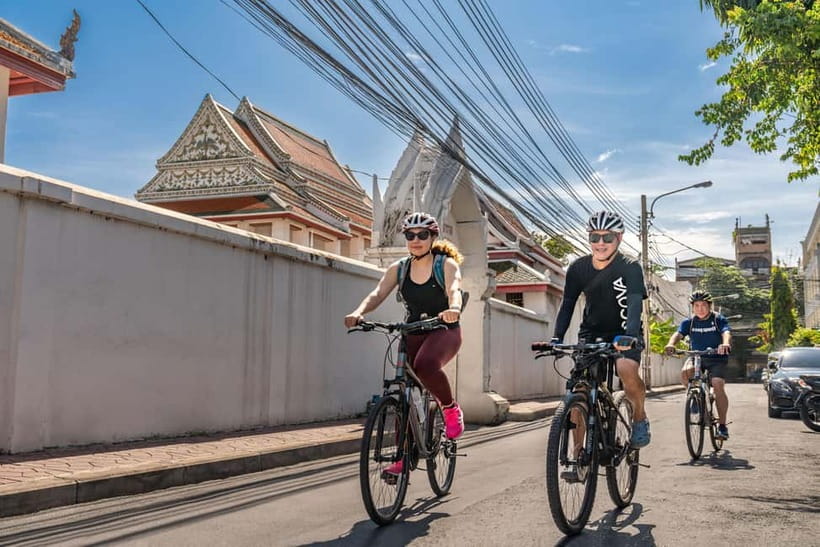
The centerpiece neighborhood is Bangkok Noi, a large canal area branching from the Chao Phraya system. The tour gives you a full hour of riding and guided exploration here, and it’s one of the most rewarding sections of the day.
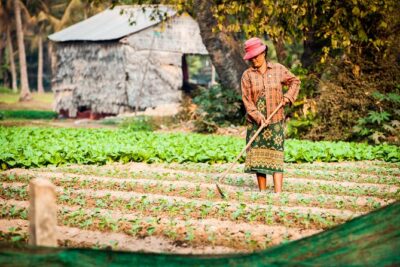
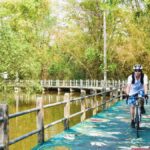
You’ll bike along the canal through tiny alleyways, and the route passes through homes and street life of a Muslim community living close to the water. That’s the kind of detail you can’t easily stumble into on your own because the streets aren’t set up for casual tourism.
Then the route flips sides. After crossing a bridge, you cycle the canal back the other direction. This time you’ll see a different blend of sacred spaces—Buddhist temples—and the sense that faith and daily life run side by side in these older districts.
Thonburi Train Depot Area and the Bronze Bowl Workshop Moment
As you continue, the tour steers toward the Thonburi side and the train depot area. One stop worth noting is the Baan Bu Bronzework Community, where you’ll get a craft-focused visit.
This is where Bangkok’s manufacturing personality shows up. You’re not just looking at temples; you’re seeing how materials and skills get turned into objects people actually use and sell.
The tour also mentions a chance to see older machinery at the Thonburi train depot—old steam engines—and a bronze foundry experience if it’s open. That conditional detail is important. If they’re closed, the area still has plenty of atmosphere, but you shouldn’t expect every day to run on perfect timing for the workshop-and-engine combo.
I also appreciate how the tour doesn’t over-sell famous stops. It leans into authenticity, and that generally makes your photos better because they’re happening in real places, not just posed at famous monuments.
Ferry Across and the Grand Palace Area Without the Crowds
After the Thonburi-side riding, you take a local ferry to cross back over the river. This is more than a shortcut. It gives you a breather, adds a different angle on the water, and helps break up the day before the final historic stretch.
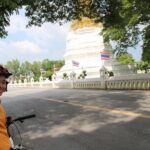
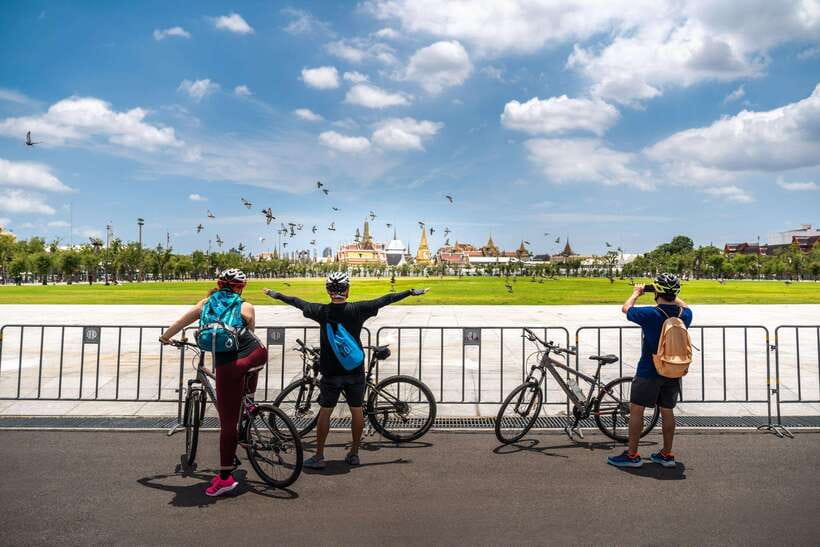
Then the tour passes by the Grand Palace area. Instead of going right into the most crowded zone for a long time, you take a walk through a public park that used to be exclusively used by the royal family. It’s a smart way to add royal-history flavor without turning the tour into a waiting line.
From there you continue through twisting alleyways, which leads naturally into food-market chaos in the best possible way—small stalls, busy street edges, and that sense that you’ve stepped into daily life.
Wat Suthat and Giant Swing: Temples, Sacred Images, and Craft Markets
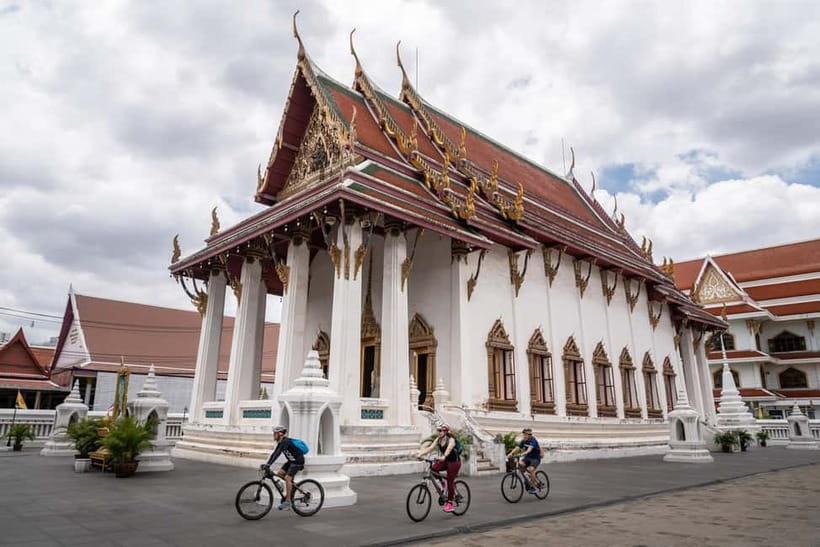
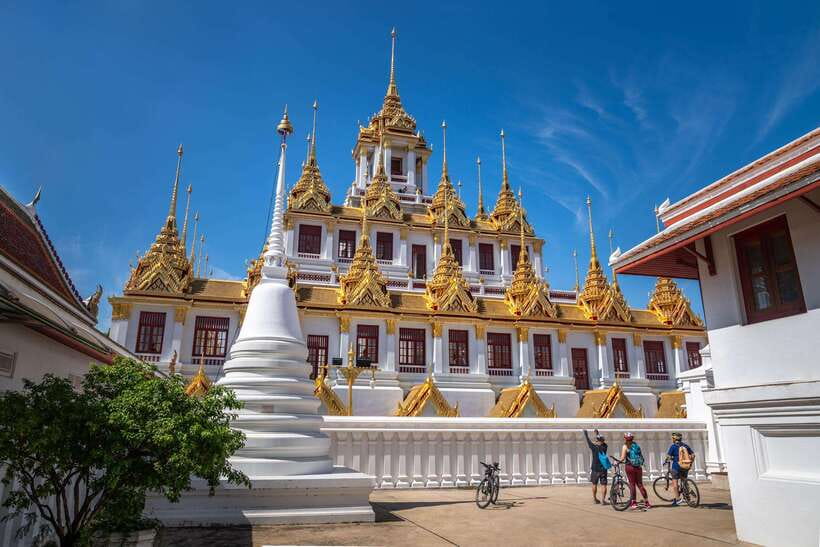
Later in the ride, you reach Wat Suthat and the landmark called Giant Swing. The swing is more than a pretty structure. It was once used for an important Hindu ceremony, which adds extra meaning if you’re paying attention to why this place exists.
Right around Giant Swing, the tour focuses on the production side of religion. You’ll see the area where Buddha images are made and sold, which makes the whole temple experience feel connected to commerce, craft, and community.
Even though you’re passing the swing rather than lingering forever, it’s a strong payoff because you’ve built context earlier in the day—temples on canals, depots and workshops, markets and alley life. By the time you arrive, the landmark feels like part of a living system, not an isolated statue.
The day ends by cycling back to the bike shop. You’re riding about 15 kilometers total, and the tour wraps around 1:00 pm.
Pace, Bikes, and Clothing Rules That Actually Matter
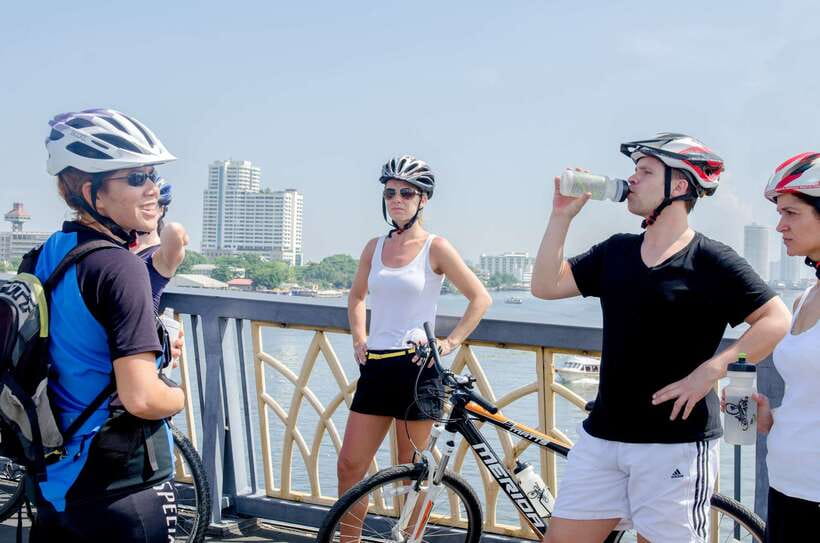
The pace is steady and designed for a smooth rhythm. People who enjoy cycling through neighborhoods do best, because there’s not a constant series of long sit-down breaks.
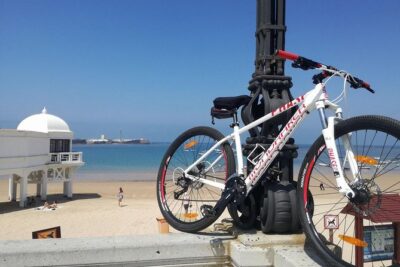
You’ll ride imported-quality mountain bikes with helmets provided. That’s a nice baseline, since good equipment reduces fatigue and stress on narrow streets. The tour also stops for drinks, water, and snacks, so you’re not paying or scrambling for quick fuel mid-ride.
Two practical notes from what you’ll likely feel on the street:
- This route includes narrow lanes and requires attention in traffic zones, especially around bridges.
- Some areas are hectic, so you might not hear guide comments as clearly as you’d like during busier stretches.
Clothing rules are also real. Shorts and sleeveless shirts are not allowed, so dress for heat in a way that stays compliant (light long pants or long skirt, and breathable covered tops).
Price and Value: What $35 Buys You in Four Hours
At $35 per person for a four-hour guided bike tour, you’re paying for four things at once:
1) a real local route that avoids big-road congestion,
2) a bike plus helmet,
3) guide time in English, and
4) snacks, drinks, and water included.
If you’ve ever tried to DIY this kind of route in Bangkok, you know the hidden cost isn’t always money—it’s time figuring out streets, crossings, and which areas are safe and bike-friendly. This tour hands you that structure.
So for the value question, I’d frame it like this: if you want a guided day that’s not just temple viewing, $35 is a fair deal. If you only want the top famous monuments with minimal street riding, you might feel like the time is better spent elsewhere.
Who This Tour Fits Best (and Who Should Skip It)
This bike tour is ideal if you:
- want a different side of Bangkok than the usual tourist walk routes
- enjoy street-level travel more than museum-style sightseeing
- can ride confidently through narrow lanes and stay aware around traffic
- like mixing temples with canals, markets, and local craftsmanship
It’s not a good match if you:
- are pregnant (it’s listed as not suitable)
- don’t feel comfortable riding in busier city conditions
If you’re traveling with kids, child seats are available on request, but only for children up to 14 kg. Also plan on providing each participant’s full name for insurance purposes, plus each person’s height so the team can set up the right-side bike properly.
Should You Book This Bangkok Backstreets Bike Tour?
I’d book it if you want Bangkok in layers—temples, canals, neighborhoods, and the kind of street life you won’t get from a quick hop on a tuk-tuk. The best part is the route logic: river first, then canal neighborhoods, then sacred landmarks with craft and market context.
Skip it only if you’re chasing the classic “most famous sights” day with lots of easy, long photo stops. This is a riding day, and the value comes from the experience of moving through real places.
If you’re comfortable on a bike and excited by everyday Bangkok, this tour is one of the cleanest ways to get that.
FAQ
What time does the tour start?
The group meets at 8:30 am and departs at 9:00 am sharp.
Where is the meeting point?
Meet at Discova Day Tour Shop Bangkok, 719 Mahachai Road, near Miramar Hotel and by the canal area.
How long is the bike tour?
It runs for about 4 hours.
How far do you cycle?
The tour finishes after about 15 kilometers of riding.
What’s included in the price?
You get an English-speaking guide, imported quality mountain bike, helmet, drinks and water, and snacks.
Are there any clothing restrictions?
Yes. Shorts and sleeveless shirts are not allowed.
Is the tour suitable for beginners?
It includes narrow alley riding and requires fairly good bike handling and awareness of traffic, so beginners should consider that carefully.
Do you take a ferry during the tour?
Yes, the route includes a local ferry crossing to go back over the river.
Is the tour available in English?
Yes, the tour guide speaks English.
Is it okay for children?
Child seats are available upon request for children up to 14 kg. You should also provide the full name of each participant and the child’s details.