REVIEW · BANGKOK
Past and Present Bike Tour of Bangkok
Book on Viator →Operated by Go Bangkok Tours · Bookable on Viator
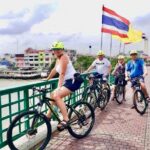
Bangkok changes fast once you pedal. This half-day ride strings together the Old Customs House, Chinatown side streets, flower and vegetable markets, and then the glittering temple cluster across the river, with a ferry crossing to switch worlds. I especially love the small-group feel and the way guides like Woody (and others including Té, Qing, Kim, and Jig) bring the route to life as you roll through lanes you’d never find solo.
I also like that the tour blends practical sightseeing with real “watch life happen” moments, from Chinese street culture to a Muslim community start and then temple visits on the Thonburi bank. One thing to factor in: there’s a moderate amount of walking during stops, and the ride involves narrow streets where you’ll need to stay alert and comfortable on a bike.
In This Review
- Key moments I’d plan around
- Why this Bangkok bike tour works (and who it’s for)
- Morning or afternoon: timing that changes how the day feels
- The meeting point: where you get your bike and reset your plan
- Riding the “past and present” theme without turning it into a lecture
- Chinatown on two wheels: how the guide changes what you notice
- Flower and vegetable markets: the sensory stop you’ll remember
- Cross the Chao Phraya by ferry: not just transport
- Thonburi temples: Wat Arun, Wat Prayoon, Wat Kalayanamitr
- Bikes, helmets, lockers, and photos: what’s included (and what isn’t)
- Price and value: why $35.68 can make sense
- Safety and comfort: what to expect on narrow streets
- Family-friendly, but not a stroller ride
- Food, drinks, and the end-of-tour decompression
- Should you book this Bangkok “past and present” bike tour?
- FAQ
- FAQ
- How long is the bike tour?
- Is the tour offered in the morning and afternoon?
- What’s the maximum group size?
- Where is the meeting point?
- Do I get a bicycle and helmet?
- Is the ferry across the Chao Phraya included?
- Is lunch included?
- Are lockers provided?
- Do children need an adult with them?
- Do I need to provide passport or ID details and my height?
- What’s the cancellation window?
Key moments I’d plan around
- Old Customs House start right on the river, a smart place to get your bearings
- Chinatown maze streets with guide-led cultural context (not just photos)
- Flower and vegetable markets where the colors and commerce are the show
- Chao Phraya ferry crossing to swap riverbanks and energy
- Wat Arun, Wat Prayoon, Wat Kalayanamitr temple stops on the Thonburi side
- Cold water and soft drinks after you ride, plus souvenir photos emailed later
Why this Bangkok bike tour works (and who it’s for)
This isn’t a “grab a landmark and speed past it” ride. The whole point is to move at bike speed—slow enough to notice storefronts, smells, street details, and the rhythm of daily life, but fast enough to connect neighborhoods that are far apart on foot. At the end, you still get the major temple icons on the Thonburi side, including Wat Arun.
It’s a good fit if you want an intro to Bangkok that feels personal rather than checklist-style. The tour is family friendly, and kids are welcome if they’re with an adult, but you should also assume there will be some short walking stretches at stops. If you have a moderate fitness level and you’re okay riding in busy areas, you’ll be in good shape.
If you’re the type who hates waiting around or likes getting out into the street, this is the kind of experience you’ll remember. At about 4 hours, it’s long enough to feel like a day plan, but short enough that you can still eat, rest, or do something else the same day.
You can also read our reviews of more tours and experiences in Bangkok.
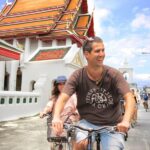
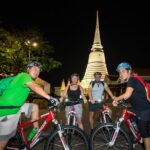
Morning or afternoon: timing that changes how the day feels
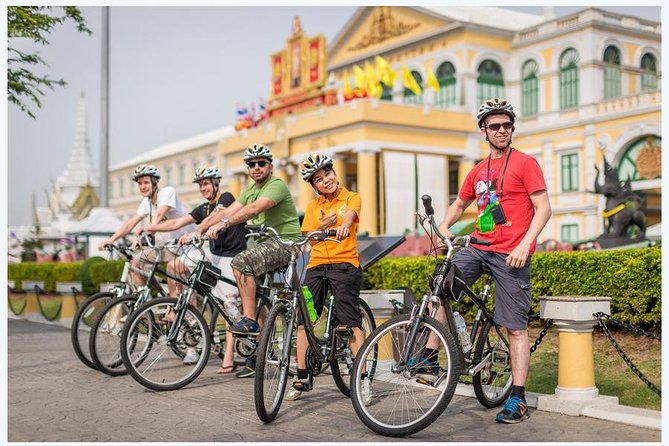
You can choose a morning or afternoon departure, which matters in Bangkok. Cooler morning hours tend to feel easier for biking, and the city’s street scenes can look and sound different by late day. Afternoon rides can be great if you’re pairing this with other daytime plans and want the temples when the light hits them differently.
The tour is listed as about 4 hours, though the schedule can run longer on some days—so I’d keep that in mind if you’re trying to line up a hard dinner reservation right after. One review noted it went past the stated time, especially when people had extra time at stops.
The meeting point: where you get your bike and reset your plan
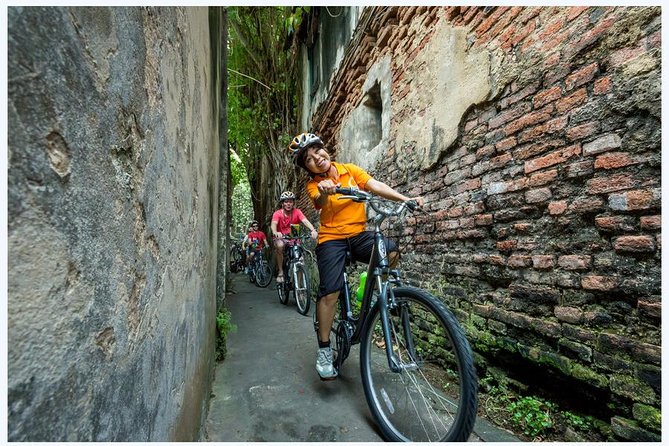
You’ll meet at Bangkok Bike Tours, 69, 2 Soi Charoen Krung 44, Talad Luang, Bang Rak. The activity ends back at the meeting point, so you’re not dealing with complicated “drop-off chaos.”
Practically, this makes it easy: show up, get geared up, and then let the guide run the show. Bring your passport/ID number for insurance and—this one is important—make sure your bike size is right. You’re asked to provide all passenger heights at booking so they can fit you with the correct bicycle frame.
You’ll also get a helmet, and there are lockers at the HQ free of charge. That’s useful in Bangkok, where you might not want to carry a bag all morning or afternoon.
Riding the “past and present” theme without turning it into a lecture
What makes this tour feel authentic is that it’s built around neighborhoods and everyday scenes—not just monuments. The ride is framed as Bangkok’s past and present, but it’s delivered in concrete ways: you start with the river-adjacent history, then shift into Chinese street life, then cross the Chao Phraya and land in the temple world of Thonburi.
You’ll start with a journey through a Muslim community, then head to the Old Customs House along the river. That first segment is a smart opener because it gives you context for how people and goods have moved into Bangkok for generations. It also gives you a visual “base layer” before you hit the maze streets of Chinatown.
Chinatown on two wheels: how the guide changes what you notice
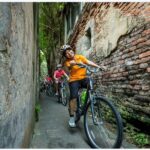
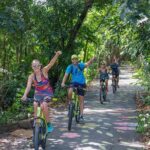
Then comes the Chinatown section—where biking is the key. On a bike you can slip through tight lanes and woven alley networks faster than walking, but you still have time to look around and absorb the scene. The guide leads you through the streets with cultural context, so you’re not just collecting images.
This is also where you’ll understand why the tour works as a group experience. You can follow the route, but you also pick up meaning—why people are doing what they’re doing, how different communities show up in the same area, and what to pay attention to as you pass storefronts, markets, and street shrines.
Multiple guides were mentioned by name in experiences like Woody, Té, Qing, Kim, and Jig, and the consistent theme is that the guides keep things energetic and explanatory while still giving you moments to linger if you want.
Flower and vegetable markets: the sensory stop you’ll remember
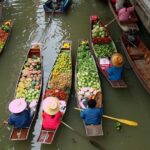
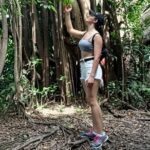
After Chinatown, you’ll visit flower and vegetable markets. This is one of those stops where the “tour” part is mostly timing and navigation. Once you’re there, the scene does the work—color, activity, and the close-up feeling of how everyday buying and selling works.
Even if you’re not shopping, it’s worth slowing down, looking for patterns, and letting the street-level details land. The markets also break up the ride so it doesn’t turn into one long push of cycling.
Bring camera-ready patience here. In a short tour, the market stop needs a little attention or you’ll rush right past the reason you came.
Cross the Chao Phraya by ferry: not just transport
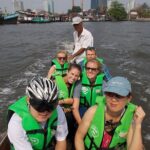
You’ll cross the Chao Phraya River by ferry. This matters for two reasons.
First, it’s a break from bike effort. You reset, sit for a moment, and get a wider view of the city’s river edge. Second, it’s a literal change of setting. The river acts like a divider between riverbank worlds, and once you’re on the Thonburi side, the tour’s “past and present” message becomes more obvious.
Ferry fees are included, so you don’t have to think about separate costs for the crossing. It’s also part of what keeps the tour value strong.
Thonburi temples: Wat Arun, Wat Prayoon, Wat Kalayanamitr
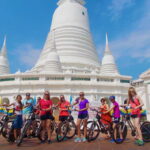
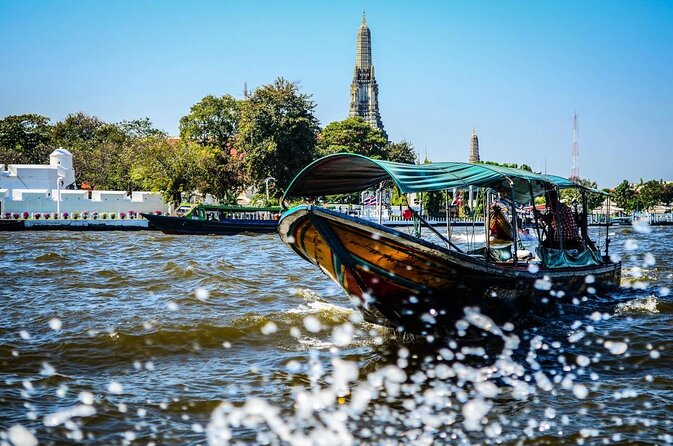
On the Thonburi bank, the tour shifts gears to temples. You’ll stop at Wat Arun, plus Wat Prayoon and Wat Kalayanamitr.
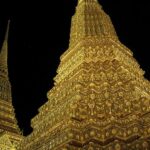
Wat Arun is the big visual moment—its presence dominates the river skyline—so even if you’ve seen photos, it hits different in person. One detail you should plan for: Wat Arun has flower gardens and exhibitions, so you’ll likely want extra minutes to take it in at an easy pace rather than sprinting through.
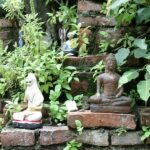
Then you continue to Wat Prayoon and Wat Kalayanamitr, which round out the temple trio. These stops help you understand Thai temple design beyond one icon, and they give you a well-paced break from street riding.
Moderate walking is involved during temple stops, so wear shoes that you can move in confidently. Also, keep an eye on what the group needs at each stop—sometimes it’s about space and sometimes it’s about moving through shared areas without blocking others.
Bikes, helmets, lockers, and photos: what’s included (and what isn’t)
Included in your price:
- Local guide
- Use of bicycle
- Use of helmet
- Lockers available free of charge at the HQ
- Souvenir photos, emailed after the tour
- Ferry fees
Not included:
- Alcoholic drinks (you can purchase after the tour only)
- Lunch
- Hotel pickup or drop-off
- Transportation to/from attractions
This matters because it keeps the tour clean and focused. You’re paying for a guided bike plan with the main transit piece (ferry) and basic gear. But you’ll want to eat before or after—plan on snacks if your stomach gets loud during the ride.
Also note: the tour uses a mobile ticket, and confirmation is received within 48 hours of booking (subject to availability). So you can’t just assume it’s “automatic” the moment you buy.
Price and value: why $35.68 can make sense
At $35.68 per person, this half-day ride is one of those costs that feels reasonable once you look at what’s wrapped in: guide time, bike, helmet, ferry fees, and even photo souvenirs handled for you afterward. You’re also getting access to a route that involves more navigation than typical sightseeing.
Value improves even more if you’re traveling with a small group or want a guided structure for Chinatown and Thonburi temples. If you were to do this on your own, the time cost is real: finding the right shortcuts, sorting out ferry logistics, and knowing what to look at in the markets would add up quickly.
One practical caution: because it’s small (max 6 people per booking), if you prefer a very specific departure time or you want maximum flexibility, booking earlier helps. The average booking window is about 8 days in advance.
Safety and comfort: what to expect on narrow streets
Bike tours in Bangkok can feel intense, mainly because of traffic density and narrow lanes. The upside here is that the tour is run with a route plan and group management. One review mentioned feeling secure due to smooth routing, and another highlighted that this is a must-do if you’re comfortable riding on narrow streets.
You should still use common sense:
- Keep a steady pace and don’t rush lane changes.
- Stay aware of pedestrians and parked bikes.
- Follow your guide’s signals for crossings and stops.
If you’re not used to city cycling, go slow mentally. You don’t need to be a cyclist athlete—just comfortable enough not to panic when things get tight.
Family-friendly, but not a stroller ride
This tour is family friendly, but it’s also a bike-and-walk experience. Children must be accompanied by an adult, and the tour includes moderate walking during temple stops.
If you’re traveling with kids, it’s worth considering whether they can handle:
- short walking stretches,
- seated ride time,
- and crowded street environments.
If you’re going as a couple or solo, the small-group size often feels like a sweet spot: enough people for atmosphere, not so many that you spend the day waiting.
Food, drinks, and the end-of-tour decompression
You’ll cycle back to the base after the temple area. At that point, you’ll get free cold water and soft drinks. Alcohol is not included, but you can purchase beer afterward.
No lunch is provided. That means you should treat this as a morning/afternoon anchor and plan food around it. I like pairing it with a nearby Thai meal right after, because you’ll feel ready to sit down and process what you saw.
Should you book this Bangkok “past and present” bike tour?
Book it if you want a Bangkok experience that’s more than temples and more than street photos. I think it’s a strong choice if you:
- want Chinatown and Thonburi in one half-day,
- like biking enough to enjoy narrow streets,
- and want a guide who helps you interpret what you’re seeing.
Skip it (or choose another style) if you:
- dislike walking or struggle with moderate stops,
- need hotel pickup and drop-off,
- or aren’t comfortable riding in busy city lanes.
If you do book, ride smart: wear closed-toe shoes, bring a light layer for temple air-con or shade changes, and keep some snack time in your plan since lunch isn’t included.
FAQ
FAQ
How long is the bike tour?
It runs for about 4 hours.
Is the tour offered in the morning and afternoon?
Yes. You have a choice of morning or afternoon departure.
What’s the maximum group size?
The tour has a maximum of 6 travelers per booking.
Where is the meeting point?
The meeting point is Bangkok Bike Tours, 69, 2 Soi Charoen Krung 44, Talad Luang, Khet Bang Rak, Krung Thep Maha Nakhon 10500, Thailand.
Do I get a bicycle and helmet?
Yes. The tour includes use of a bicycle and a helmet.
Is the ferry across the Chao Phraya included?
Yes. Ferry fees are included, and you’ll cross the river by ferry as part of the tour.
Is lunch included?
No. Lunch is not included.
Are lockers provided?
Yes. Lockers are available free of charge at the HQ.
Do children need an adult with them?
Yes. Children must be accompanied by an adult.
Do I need to provide passport or ID details and my height?
You need to provide a valid passport/ID number for insurance purposes on the day of travel, and you must advise all passenger heights at booking for correct bicycle frame sizing.
What’s the cancellation window?
Free cancellation is available. You can cancel up to 24 hours in advance for a full refund. Canceling less than 24 hours before the start time is not refunded.