
REVIEW · DUBLIN
E-Bike & Bike Tour with a Local Guide in Dublin
Book on Viator →Operated by Sightseeing Bike Tours · Bookable on Viator
Dublin on two wheels turns history into something you can actually feel. This 2.5-hour e-bike and bike tour connects major sights—Dublin Castle, St. Patrick’s Cathedral, Kilmainham Gaol, and Christ Church—with quick story stops in between. You get a local guide, clear directions via a headset, and an easy ride pace that helps you get your bearings fast.
What I like most is the mix of famous landmarks and street-level context. Stops like The Liberties and the Irish whiskey industry angle are the kind of detail you miss when you just hop off a bus. And the guides—often mentioned by name, like Jack O and Laura—do a great job keeping it fun without turning it into a lecture.
One thing to consider: Dublin streets can be busy, and you may ride near cars at times. If you’re not comfortable biking in traffic or you’re very sensitive to sudden braking, I’d think hard before choosing this format.
In This Review
- Key things to know before you ride
- Meeting at Drury Street and getting tour-ready
- E-bike vs standard bike: what changes on Dublin streets
- The route: Dublin Castle, cathedrals, Kilmainham Gaol, and Christ Church
- Dublin Castle grounds: a quick royal Irish snapshot
- St. Patrick’s Cathedral: oldest-feeling vibes without the full ticket time
- The Liberties: Irish whiskey history on a street scale
- Guinness Gate: the iconic photo pause
- Royal Hospital Kilmainham: history you can feel in the air
- Kilmainham Gaol Museum: where independence becomes personal
- Christ Church Cathedral: the oldest cathedral stop
- Traffic reality: bike lanes help, but you still need steady nerves
- The guide makes it: storytelling, humor, and group control
- Ticket strategy: what’s included vs what you may still want
- Value check: is $42.34 worth 2.5 hours of Dublin?
- Who should book this e-bike tour (and who should think twice)
- Should you book this Dublin e-bike & bike tour?
- FAQ
- How long is the Dublin e-bike and bike tour?
- How much does the tour cost?
- What does the tour include?
- Are tickets to the attractions included?
- What is the meeting point?
- What languages is the tour offered in?
- What are the group size limits?
- Is there a minimum age requirement?
- Is good weather required?
- Can I cancel for a full refund?
Key things to know before you ride
- Local guide + headset: you hear instructions clearly while staying focused on the road.
- E-bike support: motor help makes hills and cobblestones feel much less intense.
- Top sights plus lesser-known angles: Guinness Gate photo time and Irish whiskey history along the way.
- Short stops for stories and pictures: you see a lot without the dead time of long lines.
- Small group size (max 12): easier control, more room to keep the group together.
- Busy streets reality: bike lanes help, but you still need a steady comfort level around traffic.
Meeting at Drury Street and getting tour-ready
The ride starts and ends back at Sightseeing Bike Tours Dublin at the Drury Street Multi-Story Car Park (Bike Park), Dublin 2. It’s in the city center, and it’s described as near public transportation, which matters because Dublin traffic and parking can be a headache before you even start.
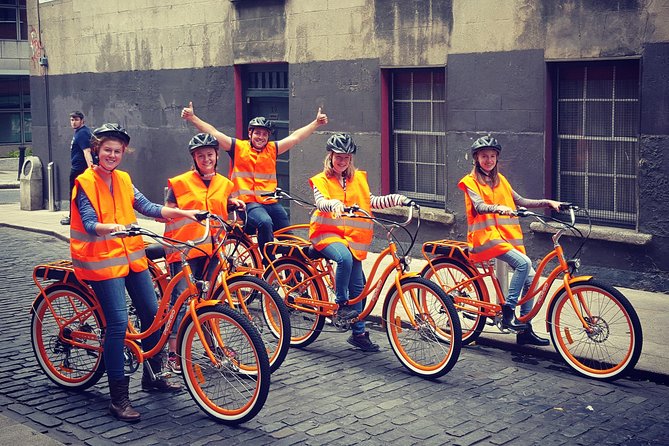
Setup is practical. You’ll get a helmet, a high-visibility jacket, and a headset/earphones system so the guide can talk to you as you roll. There’s also an e-bike or a standard bike option, so you can match the ride to your comfort and energy level.
This gear and communication combo is more than a nice-to-have. When you’re navigating intersections and staying with the group, clear audio instructions reduce the stress. It also helps if you’re not fully fluent in road rules—suddenly, the tour feels like a controlled ride instead of a fend-for-yourself biking adventure.
You can also read our reviews of more tours and experiences in Dublin.


E-bike vs standard bike: what changes on Dublin streets
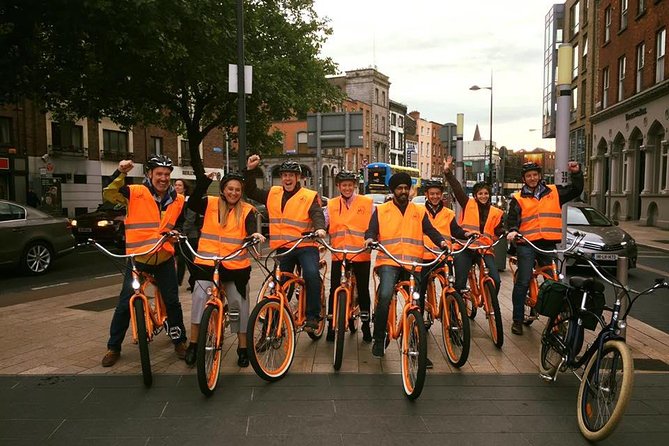
The big decision here is how much you want your legs involved. An e-bike takes the edge off climbs and the “stop-and-go” rhythm that Dublin traffic creates. Multiple guides are mentioned for keeping the pace smooth, and the motor assist is what makes that pace doable for more people, including those who might not bike long distances.
If you take a standard bike, you’ll still cover a lot in 2.5 hours—but you should be honest about your fitness. This route includes cathedral-adjacent streets, river-area approaches, and the kind of gentle-to-steeper sections where momentum matters. The e-bike option basically lets you spend your energy on looking up at buildings, not just surviving the next rise.
Also, Dublin has cobblestone patches and mixed pavement. E-bikes help with that slow-grind feeling that can show up when the surface is uneven. You’ll get a calmer experience if you lean on the motor when needed and don’t try to “hero” your way through.
The route: Dublin Castle, cathedrals, Kilmainham Gaol, and Christ Church
This tour is built like a smart loop. You don’t just “pass by” landmarks—you stop briefly, get context, take photos, and keep moving. Most stops are short enough that you’ll feel like you’re getting an overview rather than committing to long museum time.
Here’s how the pacing works, and what each stop gives you.
Dublin Castle grounds: a quick royal Irish snapshot
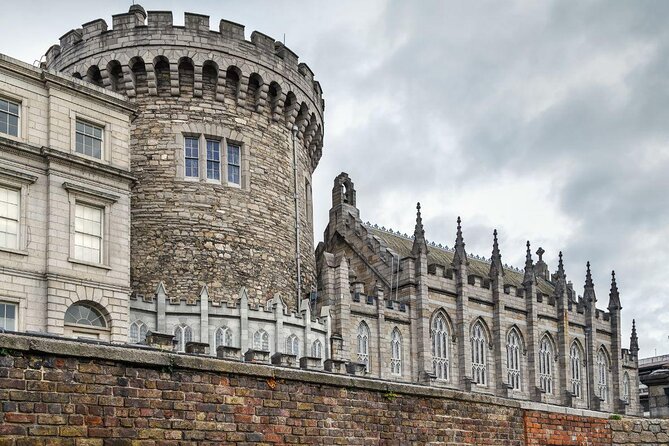
You start with time at Dublin Castle—specifically the grounds. The stop is brief, and admission isn’t included for this part, so you should think of it as a guided exterior and story moment rather than a full interior visit.
Why it’s worth doing early: Dublin Castle is one of those anchors that makes the rest of the city’s history click. You get the power-and-politics context that helps when you later see places tied to independence. Even if you’ve been curious about Irish governance, you’ll understand the “why” behind these landmarks faster on wheels than on foot.
St. Patrick’s Cathedral: oldest-feeling vibes without the full ticket time
Next comes St. Patrick’s Cathedral. You get a stop for information and pictures, again without admission included. That means you’re not stuck in ticket lines here; you’re getting a guided moment that points out what to notice.
Cathedrals are often treated as checkboxes. This stop tries to make it feel more like a living story: the guide helps you see the building in a broader cultural timeline, not just as a pretty facade. If you later decide you want to go in, you’ll already know what you’re looking at.

The Liberties: Irish whiskey history on a street scale
Then you roll through The Liberties, with a focus on the Irish whiskey industry. This is one of the best examples of why a guide adds value: it turns a district into a theme.
A quick word of advice: in Dublin, neighborhoods aren’t just “areas on a map.” They’re linked to jobs, trade, immigration waves, and local culture. When the guide ties streets to whiskey history, the city stops feeling like a list and starts feeling like a system. Even if you’re not a whiskey person, you’ll probably leave with a better sense of why the city tastes the way it does.
Guinness Gate: the iconic photo pause
There’s also time for the iconic picture at the Guinness Gate. This is the kind of stop that seems simple, but it helps you connect Dublin’s modern brand power to the city’s earlier industrial stories you’ll hear elsewhere on the ride.
It’s also a practical break. Between the formal sites and the independence-focused stops, you’ll want a low-effort moment where you can take a photo and reset your attention.
Royal Hospital Kilmainham: history you can feel in the air
After that you head to Royal Hospital Kilmainham. You enter the grounds and get history and pictures, with admission not included. That “grounds” framing is important. You’re seeing the place in a guided way without needing to commit to a full walkthrough.
What I like about this kind of stop is that it sets context for what comes next. Kilmainham area sites can feel heavy; a calm, structured introduction makes the transition to the prison museum more manageable.
Kilmainham Gaol Museum: where independence becomes personal
Then comes Kilmainham Gaol Museum, with a stop focused on how Ireland got its independence. The stop is about 10 minutes and admission isn’t included, so you’re getting interpretation and orientation rather than a full museum session.
If independence history is new to you, this is a strong starting point. The guide helps you connect names, events, and places into a timeline you can remember. If you already know the basics, you’ll likely still appreciate the way the guide points out what’s most important to notice inside later.
The emotional tone here is different from the cathedrals or castle moments. It’s not “stop and move along” trivia; it’s meaning. You’ll probably want a bit of quiet attention as you ride through this part of the story.
Christ Church Cathedral: the oldest cathedral stop
Finally, you reach Christ Church Cathedral, described as the oldest cathedral in Dublin. Again, the stop includes time for information and pictures, with admission not included.
This last stop works well because it closes the “history loop” in a satisfying way. The tour gives you spiritual and political landmarks in sequence, so by the time you’re done, Dublin feels less random. It’s also a great moment to compare what you noticed at St. Patrick’s Cathedral earlier—same city, different feel, different historical layer.
Traffic reality: bike lanes help, but you still need steady nerves
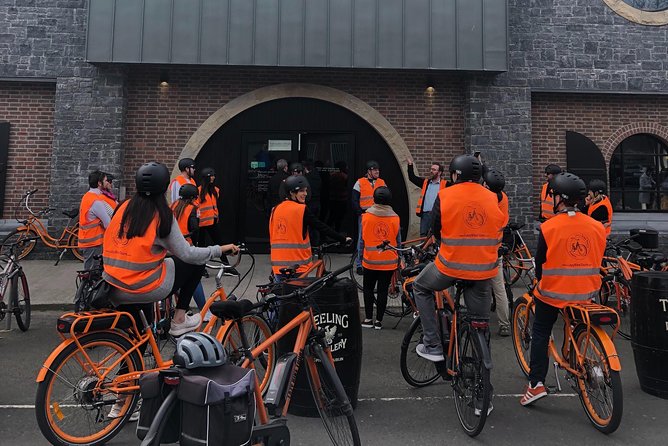
Dublin is improving its cycling network, and bike lanes show up along the way. Still, this tour is about riding through real city streets. That means you’ll encounter intersections with cars and buses, and you may be forced into cautious timing in traffic.
So here’s my advice in plain terms:
- If you’re a confident rider, you’ll likely find this format smooth and even fun.
- If you’re new to biking in traffic, choose the e-bike and go in with extra patience.
Some feedback also suggests that people felt bike lanes could be scary at times and that the roads can feel unpredictable. That doesn’t mean the guide can’t keep control. It means you should assume the city will do city things, and you’ll do fine if you keep your focus on the road and follow instructions.
Cold weather can also be a factor. Dublin in winter or shoulder seasons can turn a “short stop” into an ice-cold wait. Dress for it, even if the day starts mild.
The guide makes it: storytelling, humor, and group control
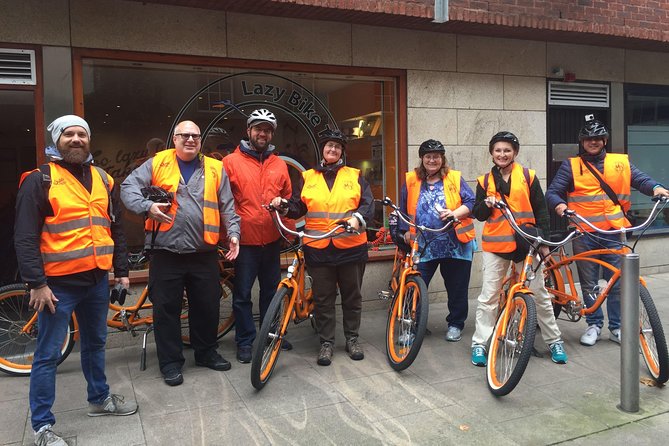
The tour’s star is the guide. Names showing up in feedback include Jack O, Laura, and Stephen/Steve, and the pattern is consistent: energetic delivery, lots of context, and a good sense of humor.
One of the most practical benefits is how guides handle group dynamics. A small group of up to 12 people matters here. When the guide can keep everyone together, you’re not constantly slowing down for stragglers or waiting at every corner. It keeps the pacing tight, and it helps you actually cover the stops in 2.5 hours.
You’ll also like the headset system if you’ve ever tried to bike alongside a loud group without clear communication. You can hear the guide’s directions without craning your neck or losing the flow. That’s the difference between “bike tour” and “guided ride.”
And yes, the guide also seems to deal calmly with rider mishaps when they come up. If something goes wrong—like a bike balance issue—the emphasis is safety and getting everyone back on track.
Ticket strategy: what’s included vs what you may still want
This tour is designed for “guided sight stops,” not for complete indoor museum days. Most listed attractions have admission marked as not included, which means you can treat the stops as orientation and photo moments.
So, here’s the smartest way to use your day:
- Do the tour first to learn what each site means.
- If any place grabs you, plan a separate time to revisit and go inside.
This approach is good value. Paying for entry tickets on top of a guided loop can quickly inflate your day’s cost. The tour helps you decide where you want to spend more time later, rather than forcing a one-size-fits-all museum schedule.
Value check: is $42.34 worth 2.5 hours of Dublin?
At $42.34 per person for roughly 2 hours 30 minutes, the value comes from speed and structure. You’re getting a guided overview of major landmarks plus district-level stories like The Liberties and whiskey history. On foot, those distances and transitions would eat most of your afternoon.
The e-bike option is part of that value equation. You’re not paying to sweat through hills. You’re paying to reduce friction so you can actually see multiple top sites in one morning or afternoon block.
You’re also getting equipment included: helmet, hi-viz jacket, and the headset communication. Those details aren’t just perks; they remove small hurdles that add up when you’re touring independently.
If your trip is short and Dublin feels like a lot to plan, this format earns its keep fast.
Who should book this e-bike tour (and who should think twice)
This tour is a great fit if:
- You’re in Dublin for a short time and want a strong first pass at the city.
- You want local context, not just photos of monuments.
- You like the idea of seeing major sites and then choosing later what to revisit.
It may not be the best match if:
- You’re uneasy riding near cars or at busy intersections.
- You prefer quiet, self-paced sightseeing with no group pacing.
- You’re hoping for deep, inside-the-building time at multiple ticketed sites.
Bottom line: it’s a guided ride that prioritizes movement and meaning in equal measure.
Should you book this Dublin e-bike & bike tour?
Yes—if you want a fast, guided introduction to Dublin that saves you planning time. The biggest strengths are the guide quality, the headset-driven ease, and the way the stops connect famous places with practical story context like Irish whiskey history and independence themes.
Just go in with a realistic mindset about city biking. Wear the helmet, take cues from your guide, and pick the e-bike if you’re even slightly unsure about handling traffic.
If that sounds like your style, you’ll probably come away with a clearer sense of Dublin—and a short list of places you’ll want to return to on foot.
FAQ
How long is the Dublin e-bike and bike tour?
It runs for about 2 hours 30 minutes.
How much does the tour cost?
The price is $42.34 per person.
What does the tour include?
You get a local guide, use of an e-bicycle or a standard bike, a helmet, a hi-viz jacket, and a headset to communicate with the guide.
Are tickets to the attractions included?
Admission is not included for several major stops. The stops are guided with information and photos, and if you want to go inside, you’ll likely need separate entry.
What is the meeting point?
The tour starts (and ends) at Sightseeing Bike Tours Dublin at Drury Street Multi-Story Car Park (Bike Park), Dublin 2, Ireland.
What languages is the tour offered in?
The tour is offered in English.
What are the group size limits?
The maximum group size is 12 travelers.
Is there a minimum age requirement?
The minimum age is 14.
Is good weather required?
Yes. The experience requires good weather. If it’s canceled due to poor weather, you’ll be offered a different date or a full refund.
Can I cancel for a full refund?
Free cancellation is available up to 24 hours in advance for a full refund.