REVIEW · NEW YORK CITY
Guided Central Park Bike Tour 2 Hours
Book on Viator →Operated by Cycle Park NYC · Bookable on Viator
A morning in Central Park beats guessing your route. This guided ride strings together the park’s best-known scenes and a few you might miss, with frequent stops so you can pause for photos and stories. You’ll cruise an easy-to-follow loop in a small group format that still covers a lot.
Two things I especially like: the tour keeps you moving while still giving time to explore at each key photo stop, and the guides bring the park to life with details you can’t easily get from a map. Names that keep popping up in the experience are Martin, JJ, Darrell, Solomon, Leo, Nikos, and Yuri, and they tend to mix history with practical tips for seeing what matters.
One consideration: the ride can be hard to hear when crowds and city noise get loud, especially if your group spreads out. Also, if it’s very busy at the start, you may spend a little time getting your bearings and the bikes in motion.
In This Review
- Key highlights worth planning for
- Why this bike route is the fast-track way to see Central Park
- Price and timing: is $45 worth the effort?
- Where you start at 240 W 56th St and what that means for you
- Bikes, helmets, and the reality of Central Park riding
- Columbus Circle to The Mall: snapping photos fast and learning the park’s layout
- Bethesda Fountain, Conservatory Water, and the Garden that slows you down
- Great Lawn to Cleopatra’s Needle: big open views in a short window
- Belvedere Castle and Bow Bridge: the postcard stops that actually teach you something
- Bow Bridge again, then Sheep Meadow: how the route keeps the variety
- Guides make or break it: what you can expect from real guiding styles
- When it gets crowded: noise, spacing, and how to cope
- Small group energy: when you get a near-private ride
- Best time to go: using the ride to match the season
- Who this tour is best for (and who should consider an alternative)
- Should you book it?
- FAQ
- How long is the Central Park Bike Tour?
- How much does it cost?
- What’s included with the tour?
- Where does the tour start?
- How big is the group?
- Is there free cancellation?
Key highlights worth planning for
- 15-person max keeps the pace friendly and the stops manageable
- Bikes and helmets included, so you show up ready
- A tight list of classic stops like Bethesda Fountain and Bow Bridge
- Frequent photo-and-explore pauses instead of one long, uninterrupted ride
- Morning or afternoon starts help you match your NYC schedule
Why this bike route is the fast-track way to see Central Park

Central Park is big, and that’s the problem. If you try to do it all on your own, you either slow down to navigate or you miss the best angles while you’re trying to find the next landmark.
This tour is built for a simple goal: see a strong slice of Central Park’s most famous sights without spending your vacation time planning. You ride between stops, then you’re given short windows to look around and take pictures, which makes the park feel less like a checklist and more like a story.
You can also read our reviews of more tours and experiences in New York City.
Price and timing: is $45 worth the effort?
At $45 per person for about 2.5 hours, you’re paying for three things you’d otherwise have to piece together: bike access, a guide’s route knowledge, and time-efficient stop structure. Central Park is free, but your time isn’t—and this format is made to help you make that time count.
In a small group (max 15 travelers), you typically get better attention at the stops than you would on a much larger ride. And because the route loops back to the meeting point, it’s less stressful than trying to stitch together multiple subway and walking segments.
If you’re on a tight first visit, the value is strongest when you want the park’s icons in one afternoon or morning, then keep your remaining hours for other NYC priorities.
Where you start at 240 W 56th St and what that means for you
You meet at 240 W 56th St, and the tour ends back at the same place. That matters more than it sounds: you avoid the hassle of coordinating a mid-park exit or backtracking later.
It’s also near public transportation, so you can reasonably build the ride into a day that already includes Midtown sights. You’ll use a mobile ticket, which helps the check-in feel quick instead of chaotic.
Bikes, helmets, and the reality of Central Park riding
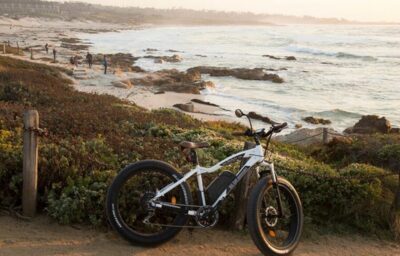
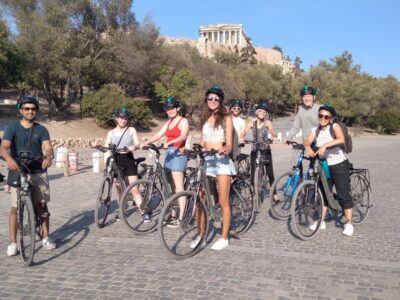
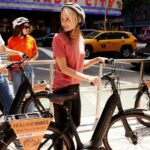
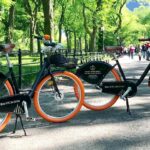
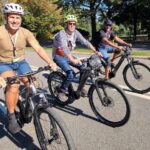
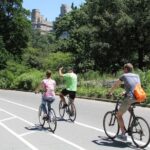
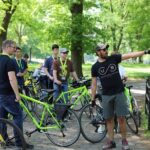
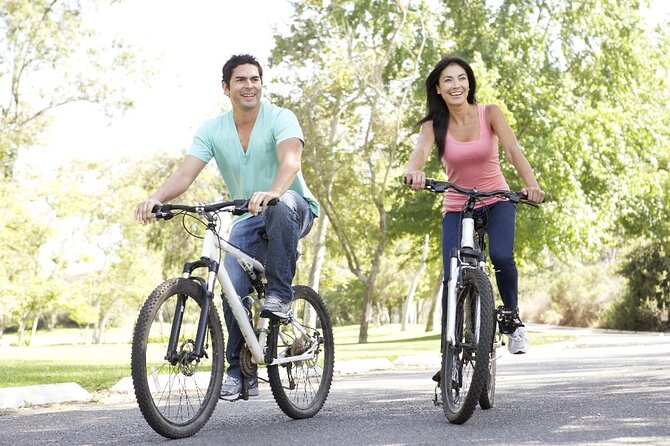
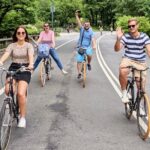
Bikes and helmets are provided, which takes a big chunk of decision-making out of your day. From the experience details, the bikes are set up for convenient comfort, and guides emphasize safety, which is a big deal in Central Park where carriages, pedestrians, and cyclists share space.
You should still treat the ride as active. Several stops sit on gentle slopes, and you’ll cover enough ground that you feel it in your legs by the end—even if you’re an average rider. If you’re not comfortable riding in traffic, wear calm confidence and follow your guide’s pacing and hand signals.
Columbus Circle to The Mall: snapping photos fast and learning the park’s layout
Stop 1: Columbus Circle is your launch point. You get a quick info moment to set context, then time to explore and take photos. This is a good start because you immediately understand where you are in relation to the park’s edges and the Midtown energy outside.
Stop 2: Gar Pond follows with another short pause. This spot helps you notice the park’s mood shifts: you start trading city noise for water and bird-and-vegetation quiet. Even in a brief stop window, it’s a great place to reset your brain before you move deeper into the classic interior views.
Stop 3: The Mall and Literary Walk is where Central Park starts feeling like an old-school promenade. The guide’s story here helps you connect the park’s pathways to the city around it, which makes the route feel more meaningful than just scenery. The only downside is also basic: you’ll be stopping for photos while other visitors do the same, so bring patience for short lines and small crowd pockets.
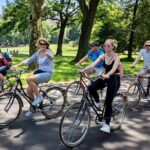

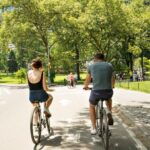
Bethesda Fountain, Conservatory Water, and the Garden that slows you down
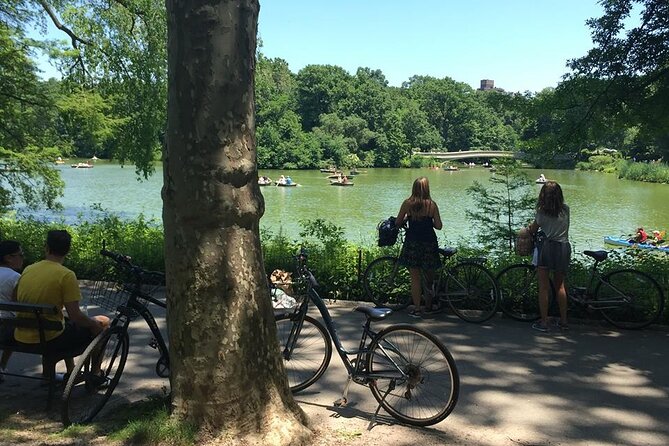
Stop 4: Bethesda Fountain is one of the park’s headline moments, and it’s smart to hit it early in a tour like this. You’ll get time to take in the scale and the details, and then move on without feeling trapped in a long viewing queue.
Stop 5: Conservatory Water adds a different texture. Water in Central Park makes everything feel more cinematic, and in a bike tour format, you also get a helpful perspective on how the paths thread around it.
Stop 6: Conservatory Garden brings in the quieter, more formal side of the park. This is the stop where you’ll likely appreciate the short window of guided pacing—otherwise you might spend too long wandering and lose the rest of the highlights.
Stop timing is tight at each location (about 10 minutes at most of these stops), so if you want longer reading-and-looking time, focus on one or two details you care about most, then capture the wider scene for later.
Great Lawn to Cleopatra’s Needle: big open views in a short window
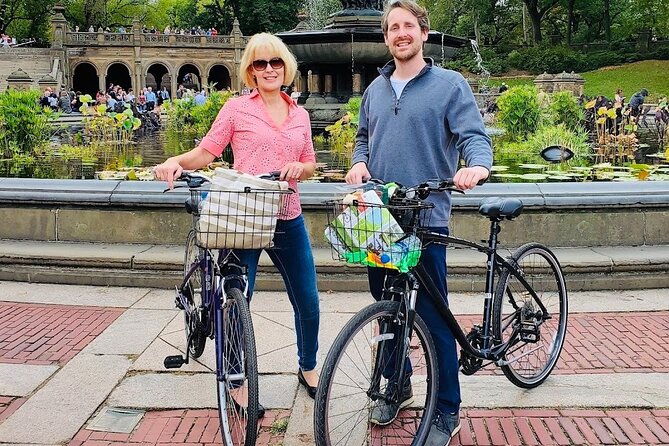
Stop 7: The Great Lawn is all about space. You’ll get the chance to stand in a wide-open area and feel how Central Park holds huge “breathing room” inside the city. It’s also a good photo stop because you can frame the park as a stage rather than a narrow path.
Stop 8: Cleopatra’s Needle is one of those landmarks that changes how you think about scale. Even if you’ve seen photos before, being there helps you understand why this kind of monument anchors the park’s design.
Stop 9: Swedish Cottage Marionette Theatre gives you a more whimsical angle. The short stop format works well here because you can focus on the building character and nearby views without turning it into a museum-style detour.
Belvedere Castle and Bow Bridge: the postcard stops that actually teach you something
Stop 10: Belvedere Castle is a classic “this is why Central Park gets attention” moment. In a short visit, the guide’s role is key: you get the story that makes the location more than just a backdrop.
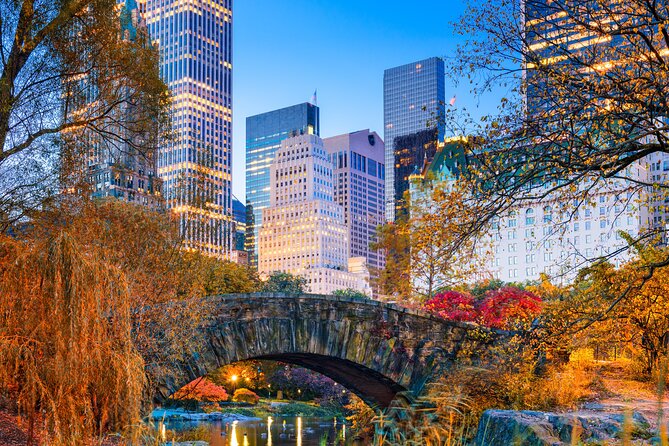
Stop 11: Bow Bridge follows, and it’s a top-tier photo target. The structure gives you a classic skyline-like viewpoint over water, which is why photographers love it. You’ll get your photo time, and if you stay mindful of bike traffic flow, you can usually manage pictures without feeling rushed.
Stop 12: Shakespeare Garden is next, and it’s a good reminder that Central Park isn’t one vibe. This stop tends to feel calmer and more intimate, and the guided context helps you understand why visitors keep returning to this part of the park.
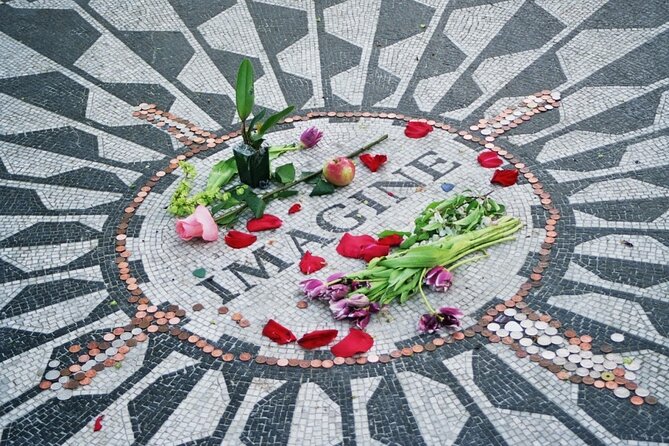
Stop 13: Strawberry Fields is special because it’s emotionally famous, not just visually famous. If your tour lines up with the right day or atmosphere, you might notice more music energy around the area, and the guide’s explanation tends to deepen your appreciation fast.
Bow Bridge again, then Sheep Meadow: how the route keeps the variety
Stop 14: Bow Bridge appears again on the schedule. That second pass is useful because you can catch the bridge from a slightly different approach and compare angles without needing to plan your own zigzags.
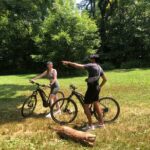
Stop 15: Sheep Meadow is the finish-line vibe. This is open, green, and easy to picture as the park’s “rest” zone—perfect for a final walk-through after you’ve already seen the major icons. Even with a shorter pause here, it helps the whole tour feel balanced rather than all monuments and no calm.
Guides make or break it: what you can expect from real guiding styles
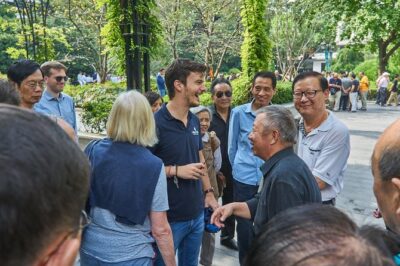
What repeatedly shows up in the experience details is that the guides don’t just recite facts. They guide your attention—where to look, what to notice, and how to connect the park to the surrounding city.
I’ve seen guides praised by name, including Martin, JJ, Darrell, Solomon, Nikos, Leo, and Yuri. Their common thread is confidence in Central Park’s story, plus an ability to keep things friendly and photo-friendly. If you like to take lots of pictures, this matters: you want a guide who understands that moments don’t always fit perfectly into a timer.
Safety habits also get mentioned. Even when you ride smoothly, Central Park can feel like a shared choreography. A guide who keeps the group together and emphasizes road awareness makes the whole experience less stressful.
When it gets crowded: noise, spacing, and how to cope
Here’s the tradeoff with a popular park. When crowds thicken, it can slow the first part of the tour while you get your bikes and roll-out sorted. One issue that stands out is that it may be difficult to hear the guide while you’re riding, especially if you’re spread out or if city noise competes with their voice.
You can improve your odds fast:
- Stay close enough that you can see the guide’s body language and direction changes
- If you have a chance, position yourself so you’re not facing away during explanations
- Treat the stops as your main listening windows and use the ride segments for scenery and getting your bearings
If hearing is your top priority, choose your ride time thoughtfully. Morning hours often feel easier, but the tour structure still works even when the park is busy.
Small group energy: when you get a near-private ride
Even though it’s designed as a group tour, the cap of 15 travelers keeps it from turning into a long conga line. Some departures end up with only a few people, which can make the pace feel tailored and the photo stops feel easier.
That’s also when you often get extra route attention—guides may point out side paths and angles that aren’t always on the rigid “only the icons” version. If you want a tour that still feels personal, this is the right kind of size.
Best time to go: using the ride to match the season
Your best season depends on what you want from Central Park. In cooler months, you might find it easier to bike comfortably without heat stress. In warmer months, the breeze from riding can help, and the park’s shade can feel like a relief between stops.
One practical tip: pack for stop-and-start weather. Even if the bike ride feels fine, you might be standing still at photo pauses, and that can change how you feel.
Who this tour is best for (and who should consider an alternative)
This is ideal if you:
- Want major Central Park sights in a short time
- Prefer an active sightseeing format over pure walking
- Like learning context while you move, not after you’re already done
- Want bikes and helmets provided so you don’t shop or haul
It’s also a strong choice for first-time visitors to NYC who want an efficient “Central Park greatest hits” day. Families can do it too, but choose a day that fits your group’s comfort with basic riding stamina.
If you hate riding in crowded pedestrian zones or you need constant audio clarity, you might find the noise challenge frustrating. In that case, a slower paced walking tour could suit you better—though you’ll likely trade off time-efficiency.
Should you book it?
If you’re trying to see Central Park without turning your trip into navigation homework, I’d book this. At $45 for about 2.5 hours with bikes, helmets, guided stops, and a route that hits the icons—this is a practical use of time.
Book it especially if you care about photo moments at Bethesda Fountain, Bow Bridge, Strawberry Fields, and Cleopatra’s Needle and you’d rather spend your energy enjoying the park than figuring out what’s next. The main reason not to is simple: if you’re sensitive to noise or you need very clear audio at every second while riding.
FAQ
How long is the Central Park Bike Tour?
It runs for about 2.5 hours (approx.).
How much does it cost?
The price is $45.00 per person.
What’s included with the tour?
Bikes and helmets are provided, and admission tickets are included for the listed stops.
Where does the tour start?
The meeting point is 240 W 56th St, New York, NY 10019, and the tour ends back at the meeting point.
How big is the group?
This activity has a maximum of 15 travelers.
Is there free cancellation?
Yes. You can cancel up to 24 hours in advance for a full refund. If you cancel within 24 hours, the amount paid is not refunded.