Krakow by bike feels like the smart shortcut to seeing more. This 3-hour ride pairs two key neighborhoods—Kazimierz and Podgorze—with WWII context, plus stops like Skalka Basilica where the guide ties in the film Schindler’s List to the real streets. I especially like the small-group vibe (up to 15) and the way the route blends history with an actually fun, low-stress way to move around the city.
My other favorite part is the practical setup: you start at Józefa Dietla 59, you’re back there when you finish, and the tour is offered in English. The one thing to consider is that this is a bike tour with an intentional focus on the Jewish ghetto and WWII sites—so if those topics or riding time aren’t your thing, you might prefer something lighter.
In This Review
- Key Highlights You’ll Care About
- A 3-Hour Bike Ride Through Krakow’s WWII Neighborhoods
- Starting at Józefa Dietla 59 at 2:00 pm
- Kazimierz and Skalka Basilica: Schindler’s List Meets Real Streets
- Podgorze Ghetto Sites: Ghetto Heroes Square and the Wall Remnant
- Bikes, Safety, and the Small-Group Rhythm
- English Guide Energy: Examples Like Bram Hoffman and Nikki
- Price and Value: What $39.32 Buys You
- Who Should Book This Tour
- Should You Book the Hidden Krakow Bike Tour?
- FAQ
- How long is the Hidden Krakow Bike Tour?
- What time does the tour start?
- Where does the tour start and end?
- Is the tour offered in English?
- How many people are in the group?
- Is admission included for the stops?
- What’s the price per person?
- Is there a mobile ticket?
- What is the cancellation policy?
Key Highlights You’ll Care About
- Small group size (max 15): easier pacing and more room for questions.
- Skalka Basilica + Schindler’s List context: film references anchored to place.
- Podgorze WWII stops: including Ghetto Heroes Square, a wall remnant, and a resistance headquarters site.
- Comfort-focused bikes: reported as easy to ride and feels safe for the route.
- English-speaking guide: practical for independent travelers.
- Free admission at key stops: no surprise ticket costs for the stops listed.
A 3-Hour Bike Ride Through Krakow’s WWII Neighborhoods
This is not a sit-and-stare walking tour. It’s a bike tour that uses movement as part of the experience, letting you cover distance without feeling rushed, and still stop long enough to understand what you’re seeing. The route centers on two areas strongly linked to Krakow’s Jewish community and the WWII era: Kazimierz (the former Jewish district) and Podgorze (including the wartime ghetto area).
What makes it work is the balance between geography and storytelling. You’re not just riding past buildings; you’re stopping at specific places tied to the history. And because you’re on a bike, the city itself becomes part of the lesson—how neighborhoods connect, where things sit relative to each other, and how the landscape of Krakow shaped daily life during the war.
Also, the tour length matters. At about 3 hours, you’ll get a structured overview without sacrificing your whole afternoon. It’s a good choice if you want meaningful context but you’re still the type who likes to go back out afterward for dinner, coffee, or a slower stroll.
You can also read our reviews of more tours and experiences in Krakow.
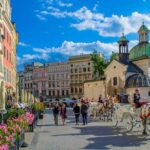

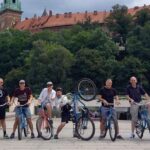
Starting at Józefa Dietla 59 at 2:00 pm
Joining couldn’t be simpler. The tour starts and ends at Józefa Dietla 59, 31-054 Kraków. It also starts at 2:00 pm, which is a nice time slot if you’re already in Krakow and want to avoid the early-morning chaos.
The meeting point is described as near public transportation, which is handy. If you’re navigating the city by tram or bus, you won’t feel stuck in planning limbo just to get to the start.
One more smart detail: this uses a mobile ticket, and you’ll receive confirmation at booking time. That means less paperwork and less time wasted hunting for the right voucher when you’re standing outside in the afternoon air.
Kazimierz and Skalka Basilica: Schindler’s List Meets Real Streets
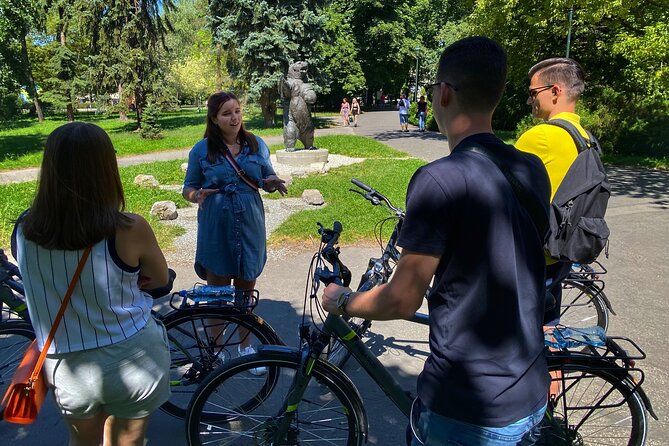
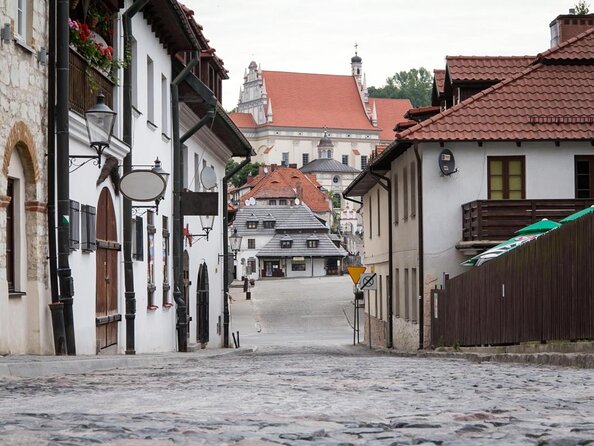
In Kazimierz, you’ll head to Skalka Basilica, a stop that mixes architecture, atmosphere, and story. The guide also gives a short introduction connected to Schindler’s List, using the film as a bridge to help you understand how Krakow’s Jewish history shows up in real places.
Why this stop is worth your time: Kazimierz is one of those districts where the streets feel like they’ve layered decades on top of each other. The basilica stop works well because it anchors your attention. Instead of jumping from fact to fact, you get a focal point, and then you can place the broader wartime narrative in your mind.
Also, the admission for this stop is listed as free. That matters for value. You’re not paying extra to see the landmark that sets the tone for the rest of the tour.
One practical note: Kazimierz can be lively in some areas and calmer in others. Since you’re on a bike, you’ll have more flexibility than a pure walking route, but it still helps to arrive a few minutes early so you can settle in and get comfortable before rolling.
Podgorze Ghetto Sites: Ghetto Heroes Square and the Wall Remnant
If Kazimierz sets the historical stage, Podgorze is where the wartime story turns sharply focused. Here, the tour centers on the Jewish Ghetto in World War II, with several specific stops that point to what happened and what survived.
Among the places you’ll visit:
- Ghetto Heroes Square
- A remnant of the wall that once surrounded the ghetto
- The former headquarters of the resistance
These aren’t generic photo stops. Each location is tied to a different piece of the picture—public space and commemoration, physical evidence of confinement, and the idea that organized resistance existed even under extreme conditions.
The value is in how the guide ties the stops together into a single mental map. When you visit places like the wall remnant and a resistance headquarters, you start seeing how geography shaped everyday life and choices. Even if you already know some WWII facts, connecting them to named locations makes the story feel less abstract.
And again, the listed admission for this part is free. That keeps the focus on the experience rather than turning it into a list of paid entries.
Bikes, Safety, and the Small-Group Rhythm
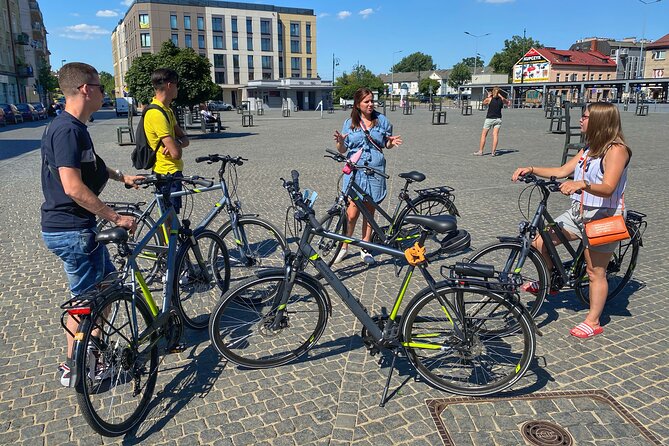
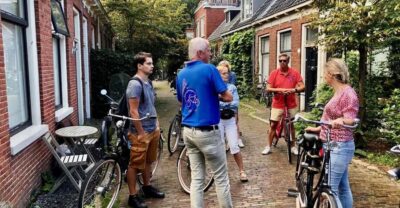
The tour caps at 15 travelers, and that small size changes everything. You don’t spend your time waiting while the group regroups every few minutes. You also get a more human pace: the guide can correct positioning, handle questions, and adjust how often you stop.
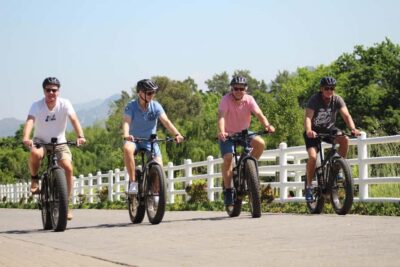
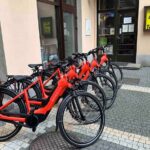
The bikes themselves are described in the feedback as comfortable and easy to ride, and the ride feels safe for the city layout. That’s exactly what you want from a bike tour in a real European city—comfortable seating, stable handling, and a route that doesn’t feel like a stress test.
A quick reality check: you should still be comfortable riding a bike for most of the 3-hour window. The operator says most travelers can participate, which is reassuring, but this is still a cycling experience, not a mostly-stationary sightseeing loop.
Also, the tour is offered in English. If you don’t speak much Polish, that’s a big plus. You’ll be able to follow explanations and ask questions without guessing.
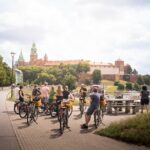
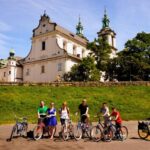
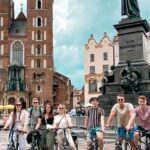
English Guide Energy: Examples Like Bram Hoffman and Nikki
The guide quality is a big part of why this tour earns a 5 out of 5 overall rating and a strong recommendation rate. In particular, two guide names show up in the feedback: Bram Hoffman and Nikki.
- Bram Hoffman is described as super informative and fun, which is a great combo for a topic that can get heavy fast.
- Nikki is mentioned as teaching about WWII and communism alongside what you see on the ground.
You don’t need to treat those names as guarantees for every departure, but they do show the operator’s style: clear storytelling, a sense of humor, and context that goes beyond dates. If you like explanations that connect a site to the broader “why this matters” story, this is a good match.
Price and Value: What $39.32 Buys You
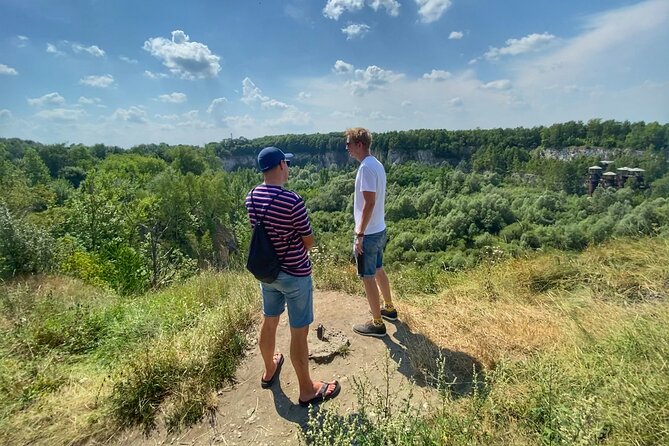
At $39.32 per person for about 3 hours, you’re paying for several things at once: an English-speaking guide, a structured route, and bikes that are reported as comfortable and easy to ride.
You’re also getting free admission at the key listed stops, which helps keep your total day costs predictable. That’s part of the value equation—especially when other tours might tack on fees at multiple points.
Is it expensive compared with a self-guided bicycle rental? Sure, but you’re also buying the “thinking time” the guide provides. The difference between seeing a wall remnant once and understanding what it represents is the difference between a photo and a lesson you’ll remember.
For people doing Krakow in a limited time window, this price can make a lot of sense. It’s long enough to matter and short enough to keep your schedule intact.
One more value tip: this experience is booked an average of 14 days in advance. If you’re traveling in peak season or on a weekend, it’s smart to reserve sooner rather than later so you don’t end up choosing a different day just because the bikes are taken.
Who Should Book This Tour
This Hidden Krakow bike tour is a strong fit if you:
- Want a small-group experience rather than a huge crowd
- Prefer learning through specific places, not just general facts
- Like to ride while still getting story-driven stops
- Are comfortable with a WWII-focused route that includes the Jewish ghetto and resistance-related sites
It may be less ideal if:
- You want a purely casual, light sightseeing day
- You’re uncomfortable biking for a few hours
- WWII history (and related memorial locations) is something you’d rather avoid on your schedule
For most independent travelers, though, it’s a practical way to cover the two most important story zones in a half-afternoon.
Should You Book the Hidden Krakow Bike Tour?
Yes, if you want Krakow in motion with meaningful stops. This tour’s best advantage is that it gives you a real route through historically important places while staying friendly and manageable thanks to the small group size and bike-friendly format.
Book it when you:
- Have a few hours in the afternoon and want high value per hour
- Want English interpretation and a guide who keeps things engaging
- Like tours where the route has structure, but you’re not stuck indoors or stuck in one narrow walking track
Skip it (or look for a different option) if you’re seeking a lighter theme day or you’d rather avoid WWII-focused sites and their heavier context.
Overall, if you can ride a bike and you’re curious about how Krakow’s WWII story connects to places you can still see today, this is one of the more efficient ways to do it.
FAQ
How long is the Hidden Krakow Bike Tour?
It lasts about 3 hours.
What time does the tour start?
The start time is 2:00 pm.
Where does the tour start and end?
It starts at Józefa Dietla 59, 31-054 Kraków, Poland, and ends back at the same meeting point.
Is the tour offered in English?
Yes, it’s offered in English.
How many people are in the group?
The tour has a maximum of 15 travelers.
Is admission included for the stops?
Admission tickets for the listed stops are marked as free.
What’s the price per person?
The price is $39.32 per person.
Is there a mobile ticket?
Yes, a mobile ticket is provided.
What is the cancellation policy?
You can cancel for a full refund up to 24 hours before the experience’s start time (local time).