REVIEW · TUCSON
Historic Bike Tour in Tucson
Book on Viator →Operated by Tucson Bike Tours · Bookable on Viator
Tucson has a bike-story built in. This 2-hour-plus ride turns city history into something you can actually move through, from the Rattlesnake Bridge shaped like a diamondback to neighborhood streets in Barrio Viejo. You cover big landmarks and the kind of alleyway details you’d miss on foot.
I love the small-group feel (max 8), plus the included equipment so you’re not hunting for a helmet or the right-size bike. I also love how the guide—often Lorraine—braids architecture with street-level tales, including bank robbers and outlaws, without turning it into a boring lecture.
One practical consideration: if you’re driving, parking near the start at 215 N Hoff Ave can take time, so don’t plan to stroll in at the last second.
In This Review
- Key highlights to look forward to
- Hitting the road in downtown Tucson: Rattlesnake Bridge first
- Quick museum stops that still feel worth it
- El Presidio and the courthouse: where old meets official
- St. Augustine Cathedral: Tucson’s spiritual center
- Barrio Viejo streets, adobe homes, and El Tiradito Shrine
- Mercado San Agustin: a fun outdoor pause
- The Santa Cruz River Trail and the Loop bike path
- How the ride actually feels: pace, bikes, and safety
- Who should book (and who might pass)
- Price and value: $83 for a guided story ride
- Should you book this Tucson historic bike tour?
- FAQ
- What’s the duration of the Historic Bike Tour in Tucson?
- How much does it cost?
- Do I need to speak a specific language?
- What equipment is provided?
- Is there a height or weight requirement?
- How big is the group?
- Where does the tour start and end?
- What should I do if weather is bad or I need to cancel?
- What footwear rules are there?
Key highlights to look forward to
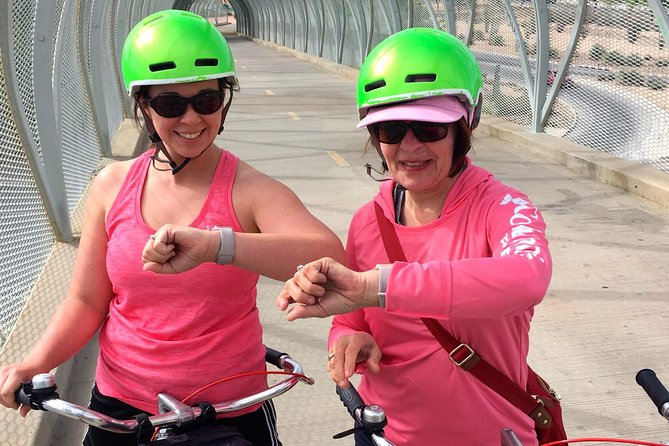
- Rattlesnake Bridge ride (28 feet long), completed in 2002, with the bridge shaped like a diamondback rattlesnake
- Small group, max 8 riders, with helmet and a bike fitted to your height
- Barrio Viejo streets and shrines, including time at the El Tiradito Shrine
- Santa Cruz River views plus a short spin on the 55-mile “the Loop” bike path
- Morning or afternoon departures, with an easy option if you want to dodge hotter hours
Hitting the road in downtown Tucson: Rattlesnake Bridge first
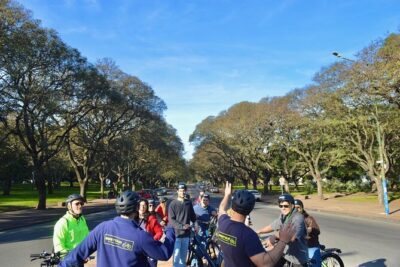
This tour starts with a quick setup: meet at 215 N Hoff Ave, get matched with a bike for your height, and get a helmet. Then there’s a short safety talk before you pedal into the downtown core.
The star moment is the Rattlesnake Bridge, a 28-foot-long span completed in 2002. It’s designed to look like a real diamondback rattlesnake, and you’ll ride through the snake body shape while your guide shares stories from the area’s past. It’s a fun gimmick that never feels fake, because it’s tied to Tucson’s identity as a place where history is visible right in the streets.
If you’re even a little nervous about biking, this part helps: you get the orientation and the guide keeps the pace easy. You’re not doing a workout grind; you’re doing a “get your bearings fast” kind of ride.
You can also read our reviews of more tours and experiences in Tucson.


Quick museum stops that still feel worth it
After that first big landmark moment, the tour shifts into short, focused stops where you can connect the dots. These are designed as short breaks rather than long museum sessions, which is exactly what makes the timing work.
You’ll hit the Historic Southern-Pacific train station at the Southern Arizona Transportation Museum area. Even if you’re not a rail buff, it’s a helpful anchor: trains, migration, and commerce are a huge thread in how Tucson grew. The stop is brief, but it gives context for what you’ll see later.
Next comes the Tucson Museum of Art and Historic Block in the heart of El Presidio. This is the “okay, now I get the geography” stop. You see the way the downtown blocks connect to older neighborhoods, so the later street scenes in Barrio Viejo land with more meaning.
You’ll also get a short look at the Pima County Courthouse, often cited as one of the most beautiful buildings in Tucson. It’s a strong photo target, but it’s also a reminder that the city isn’t just desert scenery—there’s civic grandeur here.
These quick stops are a tradeoff: you won’t linger like you would on a solo museum visit. But for 2 hours 15 minutes, it’s smart value, because you’re spending time moving through multiple historic zones instead of choosing just one.
El Presidio and the courthouse: where old meets official
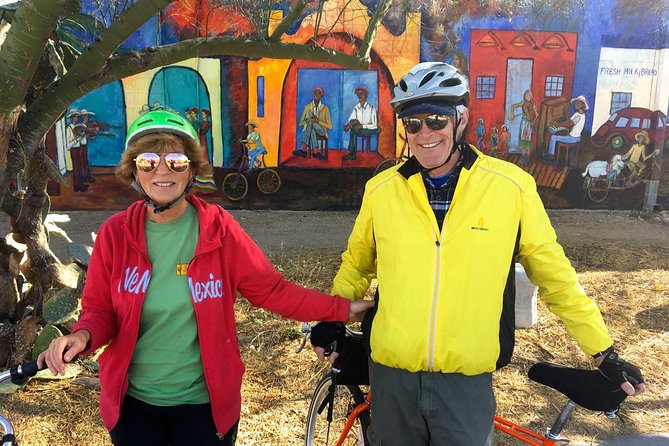
Downtown Tucson can feel like a patchwork if you only walk. This tour stitches the pieces together by pairing architecture with the “why” behind it.
At the Pima County Courthouse area, you’re looking at a building that signals permanence. Courthouses tend to do that everywhere, but in Tucson it feels extra important because the city has always been a crossroads—military, trade, and changing populations over time. That’s the kind of framing that makes you look up at details instead of just taking snapshots.
Right nearby, you’ll also get time at the Tucson Museum of Art and Historic Block. The idea isn’t to become an expert in 20 minutes—it’s to notice how El Presidio’s core shaped the town’s layout. You’ll get a sense of where the older neighborhoods start to press into modern life.
If you like “small stops with big context,” this section is where it clicks. If you want deep museum time, you’d probably pair this tour with a separate museum visit after.
St. Augustine Cathedral: Tucson’s spiritual center
One of the simplest but most memorable stops is St. Augustine Cathedral, described as the spiritual hub of town. Even if you don’t go inside, the outside view and the surrounding neighborhood energy help you understand why this spot matters.
This stop gives you a change of pace from “architecture as scenery.” It’s more about architecture as community signal—where people gather, where traditions live, and where the city’s cultural layers show up in real time.
It’s also one of those moments where the guide’s pacing matters. You get a couple minutes, not a forced stay. That helps you keep momentum for the riding sections without feeling rushed through the meaningful bits.
Barrio Viejo streets, adobe homes, and El Tiradito Shrine
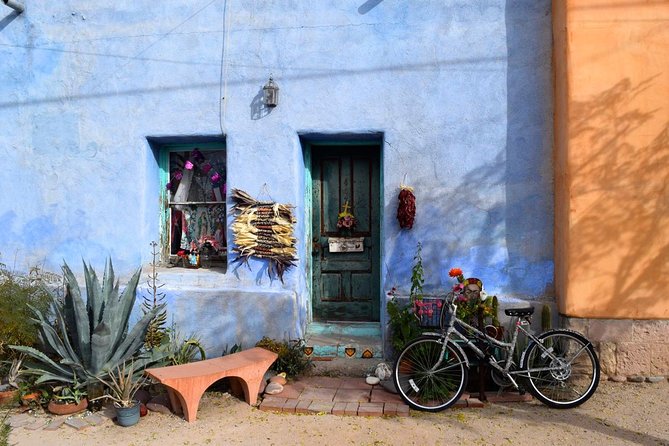
Now the tour leans into the neighborhood Tucson vibe: tighter streets, historic identity, and photo-friendly corners. You’ll ride through Barrio Viejo and spend time spotting colorful adobe homes and fascinating shrines.
A key stop here is the El Tiradito Shrine, which the tour treats like a landmark rather than a footnote. It’s the kind of site that only makes sense when you’re seeing the street around it—small details, walls, and nearby textures all add up.
The guide’s stories (including the outlaws and bank robbers angle) make these stops feel more connected to lived experience. Instead of treating history like museum facts, the tour frames it like Tucson has always had characters, conflicts, and local legends moving through these same streets.
This part also tends to be where you get the most “wow, I never noticed that” moments. If you enjoy street-level exploration more than big monuments, you’ll likely feel happiest here.
Mercado San Agustin: a fun outdoor pause
Between the historic sites, you’ll stop at Mercado San Agustin, an outdoor space that’s built for hanging out. Even if you don’t plan a full meal break, it’s a nice “reset” stop—shade, people-watching, and the kind of casual energy that doesn’t require scheduling.
What I like about including a market-style stop is that it keeps the tour from becoming too formal. You’ve been riding and listening; now you get a brief chance to look around at everyday Tucson life.
If you do want to snack, this is where you’ll be happiest doing it quickly. You’ll still stay on schedule, then roll back out for the river trail section.
The Santa Cruz River Trail and the Loop bike path
This is where the tour gives you a scenic reward without slowing down. You’ll cruise near the Santa Cruz River, with a closer look as you ride through the area known as Barrio Kroger Lane.
Then you’ll spend time on the Santa Cruz River Trail, including a short ride on “the Loop,” the 55-mile bike path system. For first-time visitors, it’s a helpful taste of Tucson as a bike city—wide enough for confidence, familiar enough that the focus stays on enjoying the views.
This section also helps your brain reset. Early downtown stops can feel like a lot of buildings and stories back-to-back. The river trail is a “breathe for a minute” moment where you see the city’s natural geography intersecting with the urban core.
How the ride actually feels: pace, bikes, and safety
This is a relaxed tour built for real people, not competitive cyclists. You’ll get varied terrain—quiet avenues plus busier university bike-lane style segments—but the pace stays easy.
The bikes are cruiser-style and reported as light and easy to handle, which matters more than you think. When your bike feels stable, you spend your attention looking around, not fighting the handlebars.
Safety is taken seriously. You’ll start with a safety orientation, and you’ll ride in a way that tries to keep the experience comfortable for a mixed group. There are also clear rider rules: no open-toed shoes, helmet provided, and a recommended height of 5 feet and over.
If you’re coming from a place where you rarely bike, this tour is a good test drive. If you’re a thrill seeker who wants steep climbs and maximum speed, you’ll probably find it too gentle.
Who should book (and who might pass)
This bike tour is a strong fit if you want an organized overview of Tucson without spending an entire day in transit. You’ll cover downtown landmarks, older neighborhood streets, a shrine stop, and river views in one session, so it works well as either a first visit activity or a mid-trip “see it all once” move.
It’s also ideal if you prefer smaller groups. With a max of 8 riders, the guide can keep track of everyone’s comfort and stop frequently enough to take photos and ask questions.
You might pass if you want long museum time or if you’re the type who needs quiet contemplation. This tour is built for movement and short stops, not slow wandering.
It’s also a good idea to choose your departure time wisely. The afternoon can be hot in Tucson, and the morning tour is generally the smarter pick when the weather is turning.
Price and value: $83 for a guided story ride
$83 for a roughly 2 hours 15 minutes guided bike tour is a fair price, especially because the basics are included: a fitted bike, a helmet, and a guide who plans the route around historic Tucson highlights. You’re also getting multiple stops that are free to access, so you’re not paying a stack of separate admissions.
The value comes from the mix of things: one big “wow” landmark (Rattlesnake Bridge), several core downtown stops, neighborhood street time in Barrio Viejo, and a scenic river trail section. That combination is hard to replicate on your own without planning a route that works for biking.
Think of it as paying for two things at once: route planning and story context. If you’re the sort of traveler who enjoys learning why a place is the way it is, you’ll feel like your money went into something useful.
Should you book this Tucson historic bike tour?
Book it if you want a fun, low-pressure way to get an orientation to Tucson. You’ll ride over a distinctive bridge, see major downtown anchors like the courthouse and cathedral, and spend real time in Barrio Viejo with stops like El Tiradito Shrine. The pace is relaxed, the group is small, and you’ll get a practical look at a bike-friendly city.
Skip it if you’re planning a trip built around long museum visits or if you’re very sensitive to outdoor weather. This experience needs good weather, and the whole point is being outside on a bike.
For most first-timers and repeat visitors alike, it’s a smart use of a half-day slot—especially if you want to feel the city’s character without locking yourself into one single neighborhood.
FAQ
What’s the duration of the Historic Bike Tour in Tucson?
The tour runs about 2 hours 15 minutes.
How much does it cost?
It costs $83.00 per person.
Do I need to speak a specific language?
The tour is offered in English.
What equipment is provided?
You’ll be provided with a bicycle appropriate for your height and a helmet.
Is there a height or weight requirement?
Yes. Riders must be 4’8″ to 6’6″ tall (142–198 cm). Riders 5′ and over are recommended, with a maximum weight of 260 lbs.
How big is the group?
The maximum group size is 8 travelers.
Where does the tour start and end?
Meet at 215 N Hoff Ave, Tucson, AZ 85705, and the tour ends back at the meeting point.
What should I do if weather is bad or I need to cancel?
This experience requires good weather. If it’s canceled due to poor weather, you’ll be offered a different date or a full refund. You can cancel up to 24 hours in advance for a full refund.
What footwear rules are there?
No open-toed shoes are allowed. Closed-toe shoes are required.